REVIEW · MARRAKECH
3 Day Desert Tour Marrakech to Fes
Book on Viator →Operated by DEEP SOUTH TRAVEL · Bookable on Viator
Three days, two cities, one big sky. This Marrakech to Fes route strings together High Atlas passes and the Erg Chebbi desert with private driver comfort. You get classic stops like Aït Ben Haddou and a night in a real desert camp, not a rushed photo stop.
I like the mix of big-name sights and smaller, human-scale moments. Aït Ben Haddou is UNESCO for a reason, and you also get a guided visit in Ouarzazate before heading south. I also really appreciate the practical comfort of an en-suite nomad tent at Merzouga, with a hot shower and toilet.
The main trade-off is the early starts and long days on the road. If you go in winter, the camp can be cold, and you’ll wake up at 5:30 a.m. for the desert morning rhythm.
In This Review
- Key things I’d circle on this Marrakech to Fes desert tour
- Why this Marrakech-to-Fes desert route feels like a real journey
- Price and value: what $1,492.75 buys you on this 3-day trip
- The start in Marrakech: pickup, timing, and the road-trip mindset
- Crossing the High Atlas and arriving at Aït Ben Haddou with the right pace
- Ouarzazate and the Cinema studio stop: when it helps and when it doesn’t
- Day 2: the road of kasbahs, rose valleys, Todra canyons, and then Merzouga
- Merzouga at sunset and sunrise: camels, stars, and real sleep comfort
- Day 3: leaving the dunes for Fes via Ziz Valley, Azrou, and cedar forest apes
- The guide and driver factor: why names like Ismael and Younes keep coming up
- What you should pack and how to make this more enjoyable
- Who this tour is best for (and who might want a different style)
- Should you book this Marrakech to Fes desert tour?
- FAQ
- What’s included in this 3-day Marrakech to Fes desert tour?
- Are lunches included?
- Are drinks included?
- Do the Merzouga tents have private bathrooms?
- How long is the tour?
- Does the tour include transfers between cities with pickup and drop-off?
- What’s the cancellation policy?
Key things I’d circle on this Marrakech to Fes desert tour
- Private driver/guide for just your group, with hotel pickup in Marrakech and drop-off in Fes
- Tizi-n-Tichka pass crossing the High Atlas for major mountain views
- Guided Aït Ben Haddou Kasbah plus extra time to explore on your own
- Camel rides at sunset and sunrise into the Erg Chebbi dunes
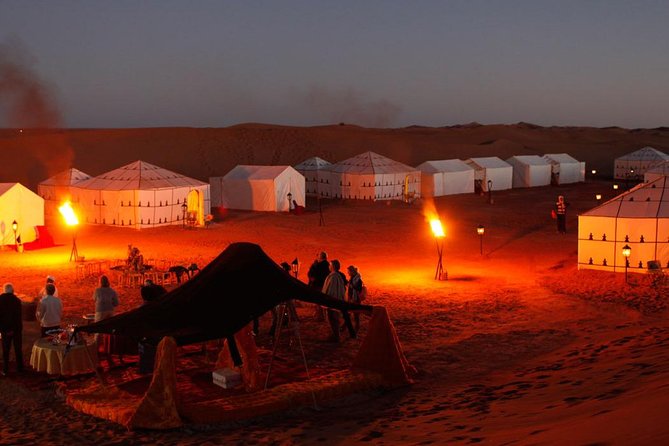
- En-suite desert camp tent at Merzouga, with hot shower and toilet
- Cedar forest stop near Azrou to spot Barbary apes in the trees
Why this Marrakech-to-Fes desert route feels like a real journey
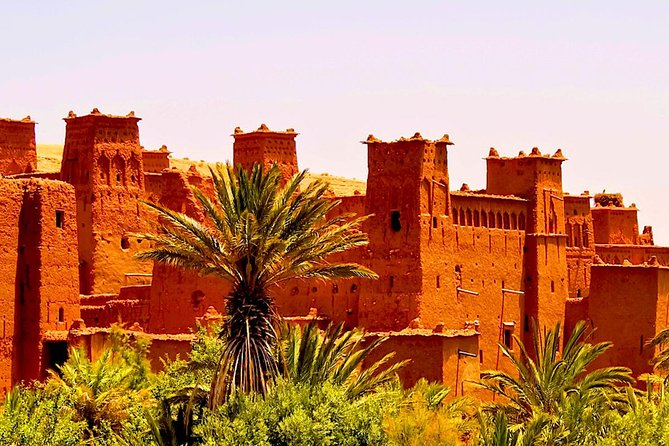
This tour works because it doesn’t treat Morocco like a checklist. You’re actually traveling from Marrakech to Fes in a way that shows you how the country changes as the altitude drops and the scenery widens. The road trip pacing matters: you get time at key places, then you roll on when the moment has had its say.
I also like that the tour is built around a private driver/guide using air-conditioned vehicles. That sounds like a small detail until you’re sitting on a long drive day. With AC and a driver focused on safety, you can stay comfortable while the scenery outside keeps changing fast.
Finally, the desert part isn’t a token add-on. You’re going to Erg Chebbi for a night in a proper tented camp, and the camels are scheduled for both sunset and sunrise. That gives you two different deserts: the dramatic light at dusk, then the crisp calm of early morning.
A few more Marrakech tours and experiences worth a look
Price and value: what $1,492.75 buys you on this 3-day trip
At $1,492.75 per person, this isn’t a budget hop between cities. You’re paying for the structure that makes the experience easier: private transport, hotel pickup and drop-off, an English-speaking driver/guide, guided time at Aït Ben Haddou, and two included meals (dinner twice and breakfast twice).
Here’s the value math that matters in real life. You’re not only seeing the Sahara—you’re covering the long overland route between Marrakech and Fes with meaningful stops along the way. If you fly, you skip most of the terrain that makes this route special: the High Atlas crossing, the kasbah country around Skoura, the canyon regions near Todra, and the Middle Atlas cedar forests near Azrou.
Also, look at what’s included at Merzouga: an in-suite tent with a private bathroom (hot shower and toilet). That upgrade changes the whole comfort level. A desert night can be either miserable or memorable; having proper facilities makes it much more likely to be the second.
Just keep in mind what’s not included: lunches and drinks. That’s normal for multi-day tours, but it means you should budget extra for midday meals when you hit the road segments without included lunch.
The start in Marrakech: pickup, timing, and the road-trip mindset
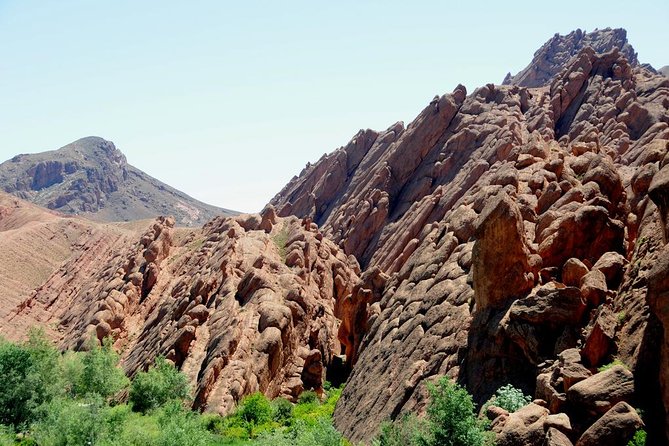
The tour starts early, around 7:30 a.m., with pickup from your Marrakech accommodation. That timing is intentional. You want daylight for the High Atlas crossing and you want momentum so the day doesn’t turn into endless stop-and-wait.
You also get free transport from the airport to your hotel in Marrakech, which is handy if you’re arriving by air and don’t want to hunt for a taxi immediately. The tour uses mobile ticketing, and it’s set up as a private experience for your group—so you’re not squeezed into a large mixed crowd.
My practical advice: treat this like a road trip first, sightseeing second. Morocco’s best scenery on this route is spread across the drive days. If you go in expecting every hour to be a major stop, you’ll feel impatient. If you go expecting the “travel scenes” to be part of the show, you’ll enjoy it more.
Crossing the High Atlas and arriving at Aït Ben Haddou with the right pace
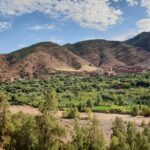
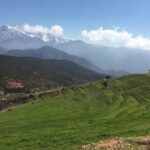
Day 1 is the big transition day. You leave Marrakech and drive toward Ouarzazate, crossing the High Atlas Mountains via Tizi-n-Tichka pass. Even if you’ve seen mountains on other trips, this section feels different because the terrain shifts so fast—from stronger elevation to dramatic valley views.
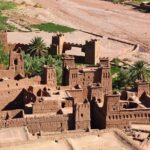
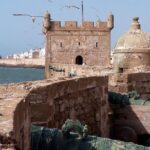
Your first major stop is Aït Ben Haddou Kasbah, a UNESCO World Heritage Site. You’ll get a guided visit, and you’ll also have time to explore at your own pace. What makes this place more than a movie set is that it’s still lived-in. The kasbah includes Berber villagers maintaining traditional life, and that gives the whole scene weight.
After the kasbah, you continue on to Ouarzazate, where you’ll have dinner and spend the night in a traditional kasbah-style accommodation. Past travelers have mentioned properties such as Ksar El Kababa as memorable stays, so you can expect the lodging vibe to match the region’s theme.
Possible drawback to note here: Aït Ben Haddou is popular, so it can feel busy in the main areas. The best move is to use the guided time for context, then take your own time to look for quieter viewpoints—especially from higher spots where you can see the kasbah geometry.
Ouarzazate and the Cinema studio stop: when it helps and when it doesn’t
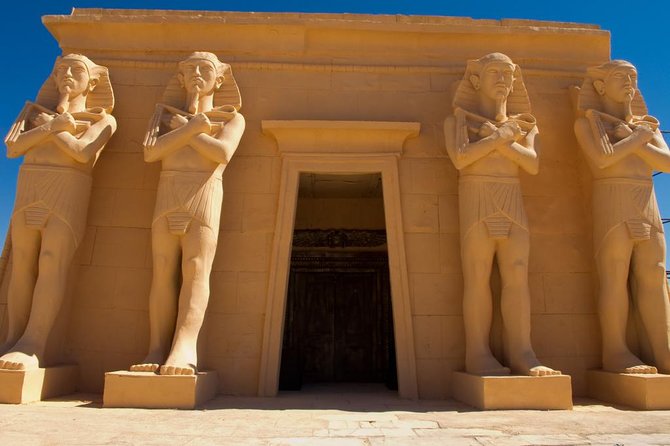
Ouarzazate is nicknamed the gateway to the Sahara for a reason. It’s also heavily tied to film production, and the tour includes a Cinema studio visit.
If you like film trivia and set design, this stop can be a fun palate cleanser between scenery chunks. If you’re not into movie sets, set your expectations accordingly. One of the few criticisms in the feedback is that the studio portion can feel slow or less essential than the outdoor parts of the route.
That said, you’re not doing this alone—you’ll have an English-speaking driver/guide to put the stop in context. And you still get other strong Ouarzazate time: the program also mentions free time to explore areas such as Taourirt Kasbah and the region’s kasbah scenery.
Day 2: the road of kasbahs, rose valleys, Todra canyons, and then Merzouga
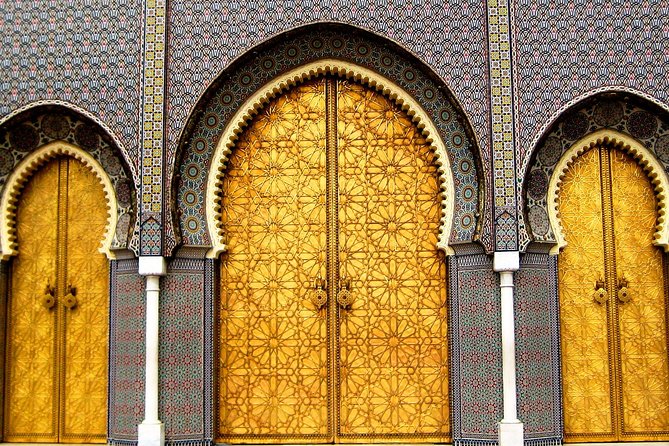
Day 2 is a long-but-rewarding day because it layers Morocco’s geography in sequence. You start after breakfast from the Ouarzazate side, and you head toward Merzouga.
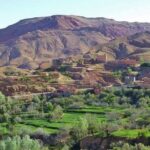
A highlight along the drive is the route through Skoura, a palm-grove region tied to southern Morocco’s kasbah culture. The plan includes stops associated with Amerhidil and Ait Abbou kasbahs, which are the kind of places where you can see the architecture adapt to the desert edge—high walls, strategic placement, and that clay-earth look that feels made for this climate.
From there, you move toward Kelaat Mgouna, famous for a rose festival tied to local harvest and rose-based products. You may not be there during the exact festival days, but you still pass through the rose valley area, so it works as a seasonal cultural stop. It’s a nice change from dunes and canyons: agriculture and daily life instead of only dramatic scenery.
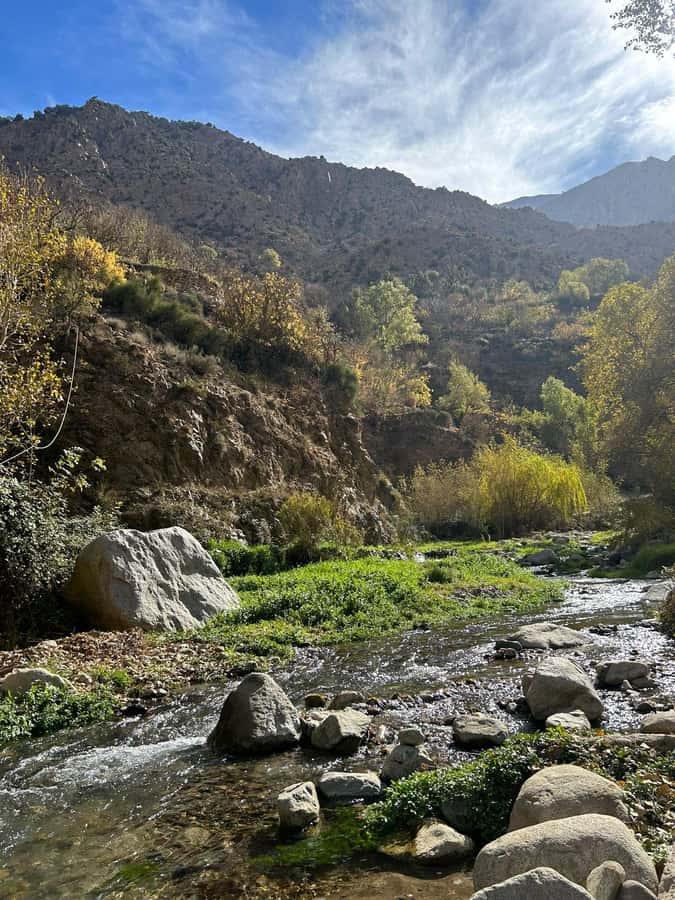
Then you shift toward Tineghir, noted for the Jewish square and palm groves. After lunch near Todra, you head into the Todra gorges area for a walk along the canyon. This is where the tour earns its rhythm. The drive is doing one job—putting you closer to the desert. The gorge time is doing the other job—giving your legs a reason to move and your eyes something tight and vertical to look at.
By the time you reach Merzouga, the desert experience becomes the main event. You’ll switch from road travel to the slower desert pace with camel trekking.
Merzouga at sunset and sunrise: camels, stars, and real sleep comfort
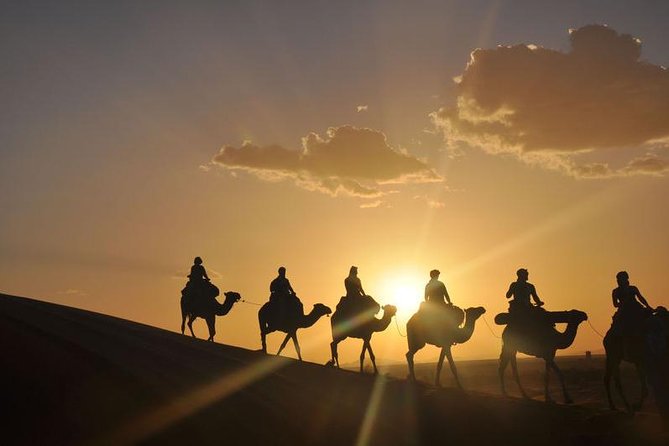
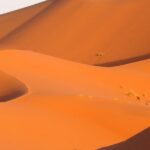
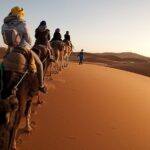
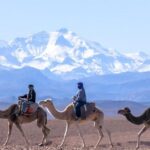
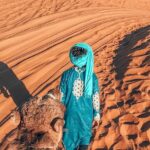
This is the part you’re really booking for. In the Merzouga dunes (Erg Chebbi area), you’ll do camel trekking at sunset and sunrise. The tour is scheduled so you ride out at dusk, then you return in the early morning for first light.
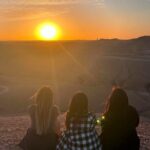
I love how the light changes the dunes. At sunset, Erg Chebbi feels sculpted—orange tones, long shadows, and a sky that turns into a show. Early morning gives you the opposite: cooler air, quieter dunes, and the feeling you’re the only person awake.
The camp setup also matters a lot. Your tent includes a private bathroom with hot shower and toilet, which makes a big difference for comfort at night. It also means you can enjoy the experience without that constant worry about basic logistics.
One winter warning: the camp can be cold. Feedback includes a note that January nights are chilly, but the overall experience is still worth it once you’re there. Bring warm layers even if Marrakech or Ouarzazate felt mild earlier. Think hat, warm socks, and something that blocks wind.
And yes, you’ll also get time for desert stillness. The program promises star-gazing moments from a tented camp, and that matches the experience: once the camels are done and the group settles, you can actually look up and take it in.
Day 3: leaving the dunes for Fes via Ziz Valley, Azrou, and cedar forest apes
Day 3 starts with an early wake-up, around 5:30 a.m. You’ll have breakfast in the bivouac area before heading out again. Then you’ll ride camels to meet the driver and continue the transfer to Fes.
The route moves through Ziz Valley, Errachidia, and Midelt. This is one of those days where you see fewer “named monuments” and more changing terrain. It’s a good moment to slow down your expectations and enjoy the drive itself.
You’ll have lunch close to Azrou, then visit the cedar forests of the Middle Atlas. This is where Barbary apes come into the story. If you’re lucky, you’ll see them playing among the branches, and if you’re less lucky you’ll still get that forest contrast after the desert night.
After that, you continue on to Fes and get drop-off at your accommodation. That last transfer matters because Fes is best enjoyed when you arrive without fighting transport at the end of a long trip.
The guide and driver factor: why names like Ismael and Younes keep coming up
On a tour like this, you’re trusting the people in the driver’s seat. Many of the strong notes in the feedback focus on safety, patience with photos, and making the route feel smooth.
You’ll see names credited in the feedback such as Ismael, Younes, Faris, Abderahman, Mohamed, Jalil, Hafed, Hassan, and Azzdine. Even if your exact guide changes by departure, the recurring theme is consistent: careful driving, helpful communication, and a steady pace that keeps you from feeling rushed.
As a practical check for yourself before you go: ask what language the driver speaks and confirm pickup time. The tour data states you’ll have an English-speaking driver/guide, but confirming always helps. Also ask where the AC is most effective in the van, because long drives feel better when you can actually cool down.
What you should pack and how to make this more enjoyable
Because this is part desert, part mountains, your packing strategy should cover temperature swings and comfort.
Bring:
- Warm layers for the desert night (cold in winter is real)
- A hat or scarf for wind in the dunes
- Closed shoes for canyon walking around Todra
- A power bank for early starts (you’ll likely use your phone a lot)
Also, plan for the schedule. You’re starting early days, doing camel rides, and spending time outside. If you don’t love early mornings, this tour will still work, but you should embrace the rhythm instead of fighting it.
Who this tour is best for (and who might want a different style)
This one is a strong fit if you want:
- A comfortable overland transfer between Marrakech and Fes
- Desert time that includes sunset and sunrise camel rides
- Solid lodging comfort, especially with an en-suite tent
It’s also a good choice if you prefer private group dynamics. The tour is set up so only your group participates, which makes the day feel less hectic and more adjustable.
It might be less ideal if you hate long drives or you’re the type who wants minimal early starts. Another edge case: if you really dislike film-industry stops, temper expectations for the Cinema studio portion.
If you’re traveling solo, it can also feel reassuring since safety is repeatedly highlighted in the feedback and the tour is handled as private transportation.
Should you book this Marrakech to Fes desert tour?
If you want the desert plus the real road between cities, I’d say yes. The combination of Tizi-n-Tichka, Aït Ben Haddou, canyon country near Todra, and an Erg Chebbi night with en-suite tent comfort is a strong deal for a 3-day format. You’re not trying to do everything in a single long sightseeing day—you’re getting a route that actually moves through Morocco’s different worlds.
But book with eyes open. Expect early mornings, bring warm clothes for Merzouga nights, and don’t over-invest in the Cinema studio stop if it’s not your thing. If you do those two things, you’re set up for a trip that feels like Morocco at full scale, not a rushed highlight reel.
FAQ
What’s included in this 3-day Marrakech to Fes desert tour?
It includes private air-conditioned transport, English-speaking driver/guide, hotel pickup in Marrakech and drop-off in Fes, guided visiting of Aït Ben Haddou Kasbah, the Cinema studio in Ouarzazate, one night in a traditional kasbah-style accommodation in Ouarzazate, one night in an en-suite desert camp tent in Merzouga, camel trekking for sunset and sunrise, dinner (2) and breakfast (2), and a private bathroom in the tent with hot shower and toilet.
Are lunches included?
No. Lunches are not included.
Are drinks included?
No. Drinks are not included.
Do the Merzouga tents have private bathrooms?
Yes. The desert camp tent includes a private bathroom with a hot shower and toilet.
How long is the tour?
The duration is listed as 3 days (approx.).
Does the tour include transfers between cities with pickup and drop-off?
Yes. You’ll have pickup from your Marrakech hotel, and you’ll have drop-off at your Fes accommodation.
What’s the cancellation policy?
Free cancellation is available up to 24 hours in advance for a full refund. If you cancel less than 24 hours before the start time, no refund is given.