REVIEW · MARRAKECH
3-Day Berber Villages Hike from Marrakech
Book on Viator →Operated by Toubkal Trekking · Bookable on Viator
One trail, three days, and a whole new rhythm. A hike into the Berber villages of the High Atlas means real mountain life, not a drive-by photo stop. I like that it’s led by a local guide and uses mules for luggage, so you can hike with less to manage. You’ll also get pickup from Marrakech and a private round-trip transport that keeps your first morning from feeling chaotic.
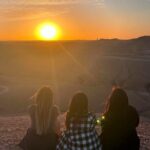
The best part is how the days are paced: wake up early for sunrise views over arid hills, cross high passes, and spend nights in traditional mountain gites. If you’re the type who enjoys small village moments and not just big scenery, this trip hits the sweet spot. One drawback to plan for: the tour notes a formal dress code, which is funny on a trekking trip—so you’ll want at least one dressy outfit packed.
In This Review
- Key moments worth knowing before you go
- Why the High Atlas villages feel real (not staged)
- Pickup from Marrakech and the 8:30 start that sets the tone
- Day 1 in the Imlil area: from Toubkal foothills to Tacheddirt at 2314m
- Day 2: high passes, 4000m peaks, and the wildlife you actually notice
- Day 3: Azzaden valley village life, plus the return toward Imlil
- Gites, meals, and how the mule-luggage setup changes everything
- Price check: is $280 worth it for three days in the mountains?
- The guide team and how English support shows up in real life
- Packing for real mountains: all-weather notes and the formal dress code
- Who should book this hike, and who should think twice
- Should you book this 3-day Berber villages hike?
- FAQ
- What time does the 3-day hike start?
- Is pickup and private transport included from Marrakech?
- What’s included in the $280 per person price?
- Are sleeping bags provided?
- What group size should I expect?
- How physically demanding is the hike?
- Is there a full refund if I cancel?
Key moments worth knowing before you go
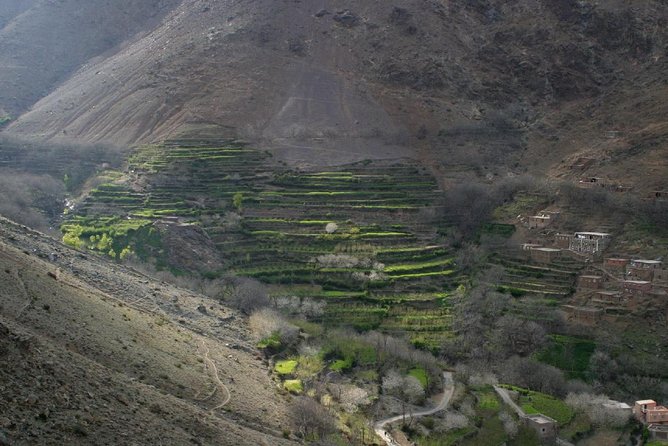
- Imlil Valley as your launch point: a well-known base area near Jebel Toubkal and perfect for morning starts.
- Tacheddirt (2314m) with no road access: a small, high village reached by winding footpaths.
- High Atlas pass country and wildlife: watch for the moorish gecko, bee-eaters, and the lanner falcon when conditions allow.
- Sleep in mountain gites: you’ll spend two nights in traditional lodging as you move village to village.
- Mules handle luggage: you hike lighter, while your bags travel with the support system.
- Max group size of 15: easier for families and for a guide to keep an eye on everyone.
Why the High Atlas villages feel real (not staged)
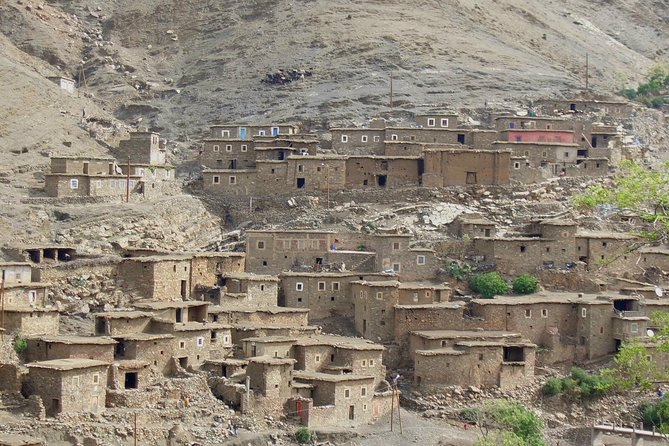
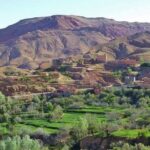
This 3-day hike is built around the High Atlas mountain villages, not around checking boxes. You start near Imlil and move through small settlements and footpaths where life stays tied to the terrain. That’s why the walk feels different from a city-to-city tour: the rhythm is slower, your stops are smaller, and the views show up because you earned them.
The way the trip is structured also matters. You’re not just hiking all day and then collapsing. You’re waking for sunrise, walking over high passes, and then settling into gites with meals provided. That blend is what makes the days feel full without feeling rushed.
I especially like the emphasis on walking paths used by generations of Berber travelers. Even when you’re not sure what a village road used to be, you can feel it in the trail itself: worn, practical, and made for feet more than wheels.
You can also read our reviews of more hiking tours in Marrakech

Pickup from Marrakech and the 8:30 start that sets the tone
The tour offers private transport from Marrakech to the mountain area and back. That’s a big quality-of-life upgrade when you’re starting from a busy city. You won’t have to coordinate multiple taxis or wait in a line while everyone argues about where to meet.
Start time is listed as 8:30am, so plan to be ready before you think you need to be. Early departures help because the hike day begins while the light is good and the weather is still settling. You also get a mobile ticket, plus confirmation at booking time, which removes a lot of last-minute uncertainty.
One thing to know: the meeting point is described as centrally located, but the exact address isn’t included in the info you shared. When you book, make sure you get the precise pickup details, and build in a little cushion if you’re coming from a riad or hotel in the old city.
Day 1 in the Imlil area: from Toubkal foothills to Tacheddirt at 2314m
Your first day starts in Imlil, a favorite area for mountain trekkers. The info notes that Imlil is about a five-hour hike from the base of Jebel Toubkal. That matters because it tells you what kind of region you’re stepping into: high Atlas foothills where the walking terrain and weather can change fast.
I like Imlil for two reasons. First, it’s set up for hiking culture, so you’re not arriving in the middle of nowhere with zero context. Second, the description points to spring flowering in the valley area, so the season can make the first day feel extra alive.
Then you continue toward Tacheddirt (also Tachdirt). This is a small village at 2314m and described as the highest settlement in the Rhirhaia valley. It’s about 2.5 miles further up than Ikkiss, and the population is roughly 200 to 300 people.
The most useful detail here isn’t just height. It’s that there’s no road or track—you reach the village by a winding footpath. That means the day ends with a real village arrival, not a parked-at-a-viewpoint finish. If you like villages that still feel like villages, this is your moment.
Practical consideration for Day 1: this is also the day where altitude can start reminding your body it’s not in Marrakech. Keep your pace steady and don’t try to power-walk just because you’re excited.
Day 2: high passes, 4000m peaks, and the wildlife you actually notice
The High Atlas hikes are about more than getting from village to village. They’re about the views and the sense of moving through a huge mountain system—one where the peaks can rise above 4000 meters.
The route description ties this region directly to two major summits: Toubkal (4,167m) and Ighil m’Goun (4,071m). Even if you’re not summiting them, you’ll feel what it means to be in the shadow of big peaks. On clear stretches, you’ll also get a better mental map of where the mountains drop off toward the Atlantic and how the range changes toward the coast and Anti-Atlas.
This is also where the wildlife detail becomes more than trivia. The tour highlights the moorish gecko, bee-eaters, and the lanner falcon. You won’t see animals on command, but the point is you’ll be in habitat that supports them, especially as you rise over higher ground. If you’re the type who pauses mid-walk to scan for movement, you’ll get a lot out of the day.
The walking over passes is the main “earn it” stretch. The info explicitly says you rise over high passes and watch for wildlife as you go. That’s your cue: expect colder air pockets, wind, and a trail that can feel steeper than the valley paths. It’s a day for steady breathing and smart pacing.
Day 3: Azzaden valley village life, plus the return toward Imlil
On the third day, you’re moving toward another village area: the description calls out a nice village in the Azzaden valley in the High Atlas mountains. That gives the day a gentle shift away from the most dramatic pass-country feel and back toward community life—walking through places where people live with the mountain first and everything else second.
You’ll also have time connected to Imlil again, which signals a gradual easing back toward the starting region. For you, that’s useful. You’re not doing a full-send day where everything is new terrain and steep descents until you’re wiped out. It’s more like: “last day, still authentic, then out.”
This is also when the early-start sunrise vibe tends to land emotionally. The tour overview mentions waking for sunrise over arid hills. By the third morning, sunrise stops being a box-check and becomes a pattern you recognize—light first, then the mountains waking up, then the walk.
As you close the hike, remember that your body will be tired even if your mind is still engaged. A last-day push is tempting. Don’t ignore fatigue. If the trail feels longer than it should, it probably is.
A few more Marrakech tours and experiences worth a look
Gites, meals, and how the mule-luggage setup changes everything
The trip includes accommodation in mountain gites, which is part of why this doesn’t feel like a standard trek where you just sleep somewhere and move on. The info says you’ll sleep in traditional mountain gites, and that’s the difference between a hard logistical chain and a more human experience.
Food is one of the biggest value signals here. The inclusions list:
- Breakfast (2)
- Lunch (3)
- Dinner (2)
That’s exactly what you want on a multi-day walk: energy at the right times without you having to hunt for snacks. It also means your guide can build meal breaks into the day without losing too much time.
Your luggage situation is handled for you. The tour includes mules for luggage, so you can hike without carrying everything. That matters for families and first-timers because your shoulders and back won’t pay the price for being “prepared.”
One thing not included: sleeping bags. So if you don’t travel with one already, this is your must-fix item. The tour operates in all weather conditions, which is another reason to treat sleeping comfort seriously. Nights in mountain areas can be cold, and the info is clear you’re responsible for bringing what you need.
Price check: is $280 worth it for three days in the mountains?
At $280 per person, you’re paying for more than a “guided hike.” You’re paying for:
- local guidance
- two nights in gites
- private transport from and back to Marrakech
- mule support for luggage
- meals across the walking days (2 breakfasts, 3 lunches, 2 dinners)
If you were to build this yourself, you’d quickly spend money on transport, coordination, lodging, and getting support for luggage. Also, group size is capped at 15 travelers, which typically makes it easier to manage pacing and safety than large buses into the mountains.
My take on value: the price feels fair when you want the mountain experience without playing logistics roulette. It’s especially good if you don’t want to find drivers, book lodging in remote areas, and stitch meal plans together day by day.
The guide team and how English support shows up in real life
The experience is led by a local guide, and the trip runs with a small group. That pairing usually means you’ll get more than route directions.
The info points out that the guide team speaks English well, and one family trek organizer named Mustapha is mentioned in the available details. There’s also mention of an extra helper on at least some departures, which matters because it smooths out the “small problems” that can ruin a hike—snagged mule logistics, timing issues, or questions that come up when you’re tired.
For you, the benefit is simple: you can focus on walking and learning what you’re seeing, instead of translating every moment.
Packing for real mountains: all-weather notes and the formal dress code
The tour operates in all weather conditions and asks you to dress appropriately. That’s a clear sign to pack for changeable mountain weather, including rain or cold. You don’t need to dress like a survival movie character, but you do need layers and protection from wet weather.
Now for the odd one: the tour lists a formal dress code. Trekking days don’t usually scream formal, so treat this as a planning alert. Pack at least one item that fits what they mean by formal, even if it’s just for evenings or dinners. If you show up with only hiking clothes, you might feel stuck.
Also, remember the sleeping bag note we covered earlier. Don’t arrive without one unless you’ve confirmed you can obtain it locally.
Who should book this hike, and who should think twice
This is listed as ideal for families, and it also fits adults who want a guided walk with village life and mountain lodging. If you’re hiking with kids, the mule-luggage support and small group size can make the experience smoother.
It says travelers should have moderate physical fitness. That’s useful. You don’t need to be training for a summit, but you should be comfortable walking several hours on uneven paths, including higher ground.
Who should think twice? If you hate early mornings, struggle with altitude feel, or need highly controlled, comfort-first travel, this may not match your style. It’s real walking. Even with support, it’s still a mountain trek.
Should you book this 3-day Berber villages hike?
If you want an Atlas trek that mixes Berber village paths, sunrise mornings, gite nights, and practical support (mules, guide, meals, transport), I think this is a smart choice. The biggest “yes” for me is the way the trip handles the hardest parts of multi-day hiking: logistics, luggage, and feeding you.
I’d only hold back if you can’t comply with the formal dress request, you don’t have a sleeping bag, or your idea of hiking is mostly flat pavement. Otherwise, this is the kind of trip that turns Morocco from a place on a map into a place you remember by scent, sound, and the feel of mountain air.
FAQ
What time does the 3-day hike start?
The start time is 8:30am.
Is pickup and private transport included from Marrakech?
Yes. Private transport is included for pickup from and return to Marrakech.
What’s included in the $280 per person price?
The price includes accommodation as per the itinerary, a local guide, private transport from and back to Marrakech, mules for luggage, and meals: 2 breakfasts, 3 lunches, and 2 dinners.
Are sleeping bags provided?
No. Sleeping bags are not included.
What group size should I expect?
The tour/activity has a maximum of 15 travelers.
How physically demanding is the hike?
You should have a moderate physical fitness level.
Is there a full refund if I cancel?
Yes. You can cancel up to 6 days in advance of the experience start time for a full refund.