REVIEW · MARRAKESH
2 Days Mount Toubkal ascent trek via Ait Mizane Valley
Book on GetYourGuide →Operated by Berber Tours & Adventures · Bookable on GetYourGuide
The Atlas starts fast, and so does the climb. This 2-day trek from Marrakech to Jebel Toubkal takes you from Berber village life in the Imlil Valley to a night in a high refuge at 3,200m, then early-hours summit time. I love how much you get for the money: you’re not just hiking, you’re eating well, riding out from Marrakech, and following a guide who keeps the pace sensible.
My other favorite part is the rhythm of the days. Day 1 mixes village walking with real stops—like the picnic near the shrine of Sidi Chamharouch (around 2,500m)—and then you settle into mountain food and mint tea at the refuge. Day 2 starts early (breakfast around 5:00, summit push around 5:30), so you’re rewarded with big High Atlas views without wasting your daylight.
One drawback to think about: altitude and weather can change the plan. The trek is strenuous (and the operator doesn’t recommend it for people with altitude sickness), and you’ll want proper gear and a weather-ready mindset, especially for that sunrise-style summit window.
In This Review
- Key things that make this Toubkal trek worth it
- The big draw: Marrakech to Toubkal in 2 days, without the hassle
- Getting from Marrakech to Imlil: the morning ride that sets the tone
- Day 1 walking: Berber villages, Ait Mizane Valley views, and a picnic by Sidi Chamharouch
- Evening at the refuge (or tent): mint tea, real dinner, and sleeping at altitude
- Day 2: early breakfast, 5:30 summit start, and what to do during those tough hours
- Guides who make the difference: safety, pacing, and local knowledge
- Price and value: is $177 a fair deal for two days on Toubkal?
- What to pack (so Day 2 doesn’t beat you up)
- Who this trek fits best (and who should skip it)
- Weather and plan changes: how to stay calm if summit conditions don’t cooperate
- How to choose your comfort level: pace, breaks, and summit expectations
- Should you book this Toubkal trek?
- FAQ
- What time is pickup in Marrakech?
- Where does the trek start?
- How high is Mount Toubkal?
- Is there an overnight stay during the trek?
- What’s included in the price?
- Is equipment included?
- What should you bring for the hike?
Key things that make this Toubkal trek worth it
- Small group, big attention: limited to 10 participants, with an English-speaking guide and a dedicated cook for meals.
- Day 1 has real culture stops: Imlil touring and walking through Berber villages in the Ait Mizane Valley area.
- A night at 3,200m changes the feel: mint tea, optional shower, traditional dinner, and sleeping in a refuge (or tent in summer months).
- Summit strategy is built in: breakfast early, a 3–4 hour climb to the top, and a short summit visit before descending.
- You’re paying for organization, not just a route: transfers, meals, guide, equipment access (via rental), and a planned schedule.
The big draw: Marrakech to Toubkal in 2 days, without the hassle
If you only have a short window, this trek hits the sweet spot. You get the drive from Marrakech to the mountains, a guided hike through the Imlil area, and a true summit attempt on Day 2, all wrapped into one organized schedule. At a price of $177 per person for two days, the value comes from what’s included: transfers both ways, an English-speaking guide, all hiking meals, a dedicated cook, and one overnight stay at altitude.
What you’re really buying is friction-free time. Instead of arranging transport, hunting down a guide, and guessing where meals and equipment fit in, you show up in Marrakech and follow a plan made for this specific route. The group size stays small (10 max), which matters on narrow trails where pace and spacing can become a problem if the team is too large.
You can also read our reviews of more hiking tours in Marrakesh
Getting from Marrakech to Imlil: the morning ride that sets the tone
Your day begins with pickup from your Marrakech hotel at 8:00 am. The drive takes you up toward the Atlas Mountains and into the Imlil area, where the trek starts at roughly 1,700m–1,740m.
This matters more than it sounds. Starting from Imlil with a guide means you don’t waste energy figuring out logistics before you’ve even started walking. It also gives you time to settle into mountain thinking: lighter choices for daypack, water readiness, and warm layers that can handle shifting temps as you climb.
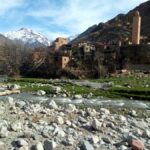
Once in Imlil, you don’t just start trekking immediately. You’ll tour Imlil and move through nearby areas like Aremd and the Mizane Valley, which helps you understand the place beyond the final summit photo.
Day 1 walking: Berber villages, Ait Mizane Valley views, and a picnic by Sidi Chamharouch
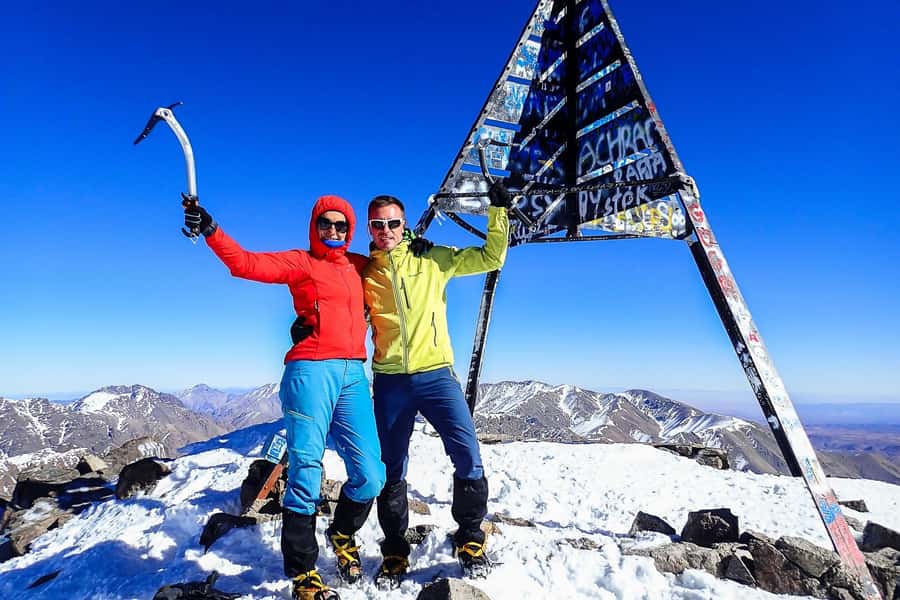
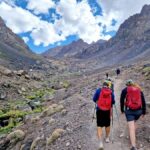
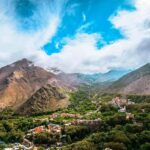
Day 1 is about building altitude step by step while staying connected to the human side of the Atlas. You’ll hike with an experienced guide through Berber villages, with stops that make the walk feel like a journey instead of a straight grind uphill.
One of my favorite design points here is the scenic picnic near the shrine of Sidi Chamharouch (around 2,500m). That stop breaks the day into chunks: a village-to-trail transition, then a lunch moment with a view, then a continued hike to the higher refuge. It’s not just food—it’s a reset for your legs and your pacing.
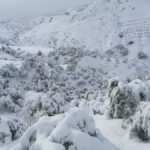
As you keep climbing toward the refuge at 3,200m, you’ll feel the change in air and temperature. Pack comfort matters because the later part of Day 1 can get cold even when Marrakech feels mild. Warm clothing, a windproof fleece or softshell, and good waterproof hiking boots (with ankle support) aren’t optional extras here—they’re the difference between enjoying the last hours and thinking about how badly your feet want out.
Evening at the refuge (or tent): mint tea, real dinner, and sleeping at altitude
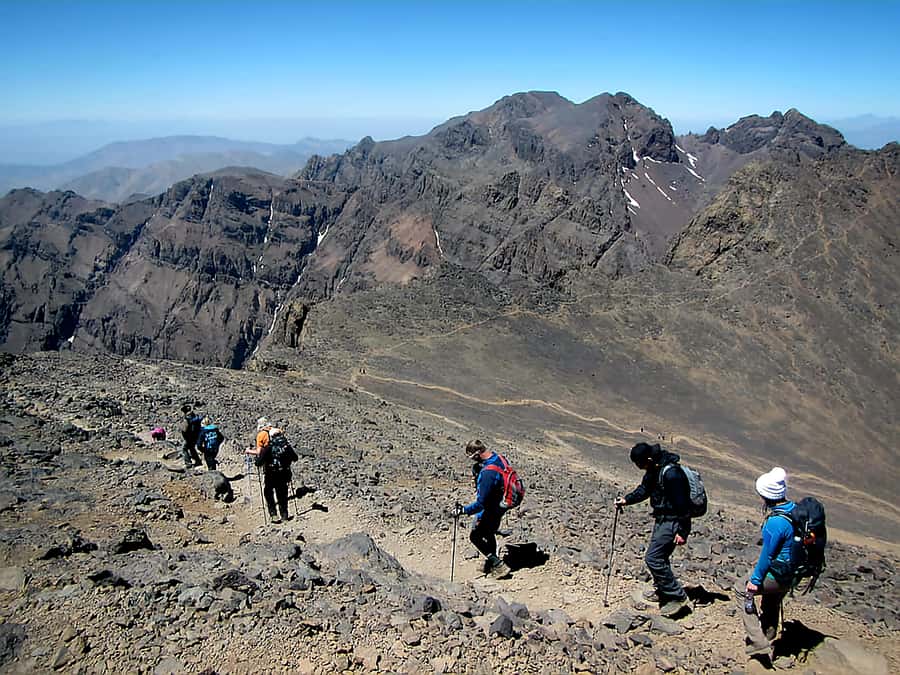
At the end of Day 1, you reach the Toubkal refuge at 3,200m. This is where the trek starts to feel like a mountain trip, not a day hike.
You’ll have mint tea, an optional shower, and a traditional Moroccan dinner prepared for you. Overnight is in the refuge, and in summer months you might sleep in a tent depending on conditions. Either way, you’re at a serious altitude, so think about a sleeping bag and a headlamp/flashlight. Nights here can be chilly and dark, and you’ll want to move carefully.
The practical value of the refuge stay is that it stabilizes everything. Meals happen, timing happens, and your group isn’t scattered across unrelated schedules. Based on what I’ve seen in guidance from past groups, a good guide also helps you pace your breathing and manage your energy early so the summit attempt is realistic.
Day 2: early breakfast, 5:30 summit start, and what to do during those tough hours
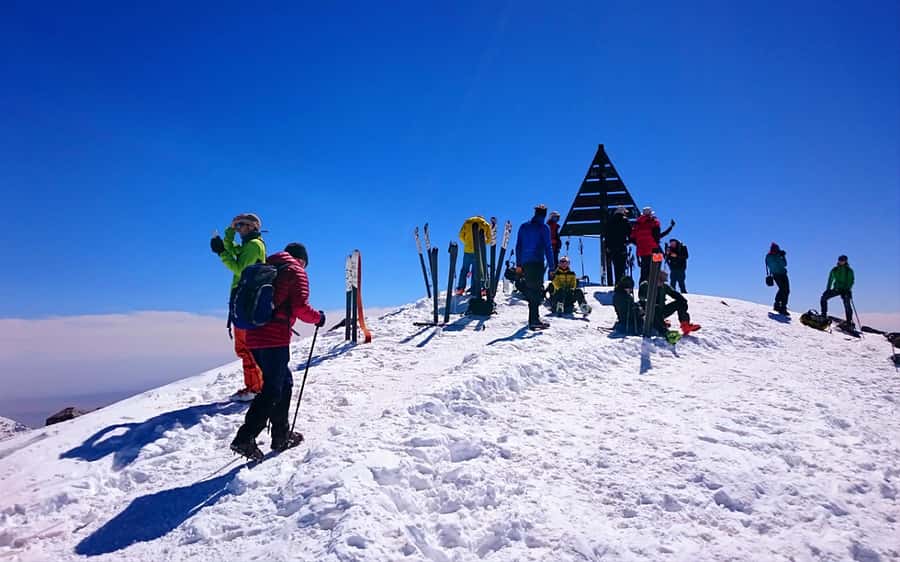
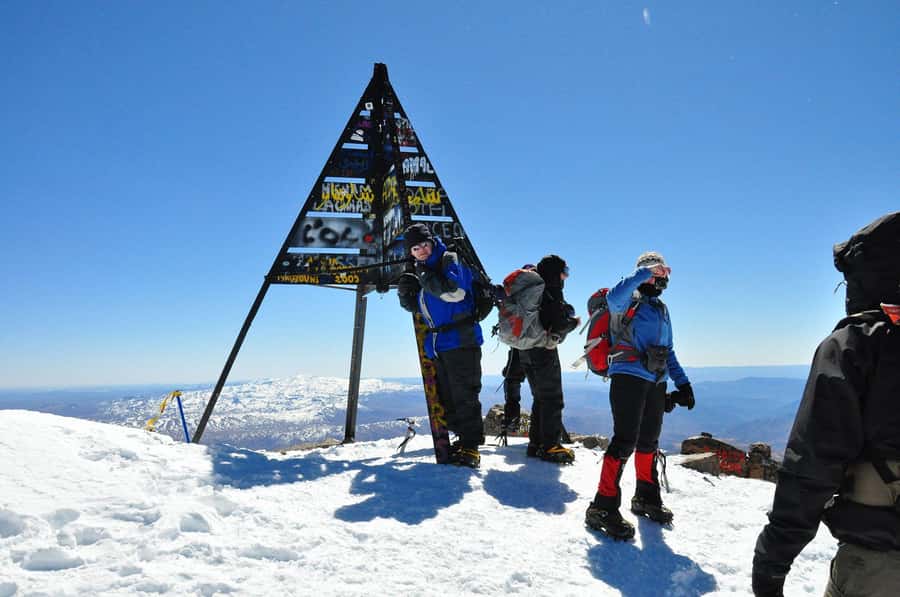
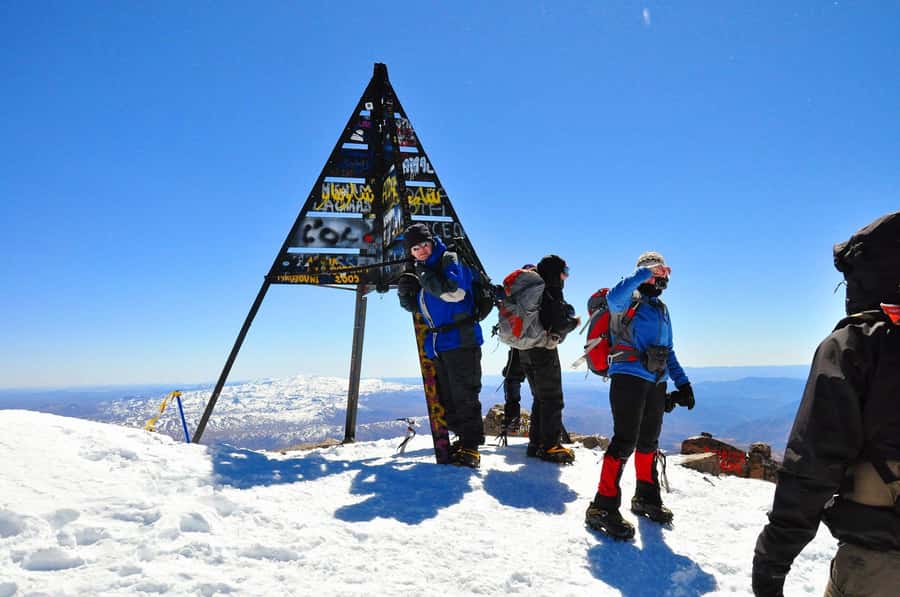
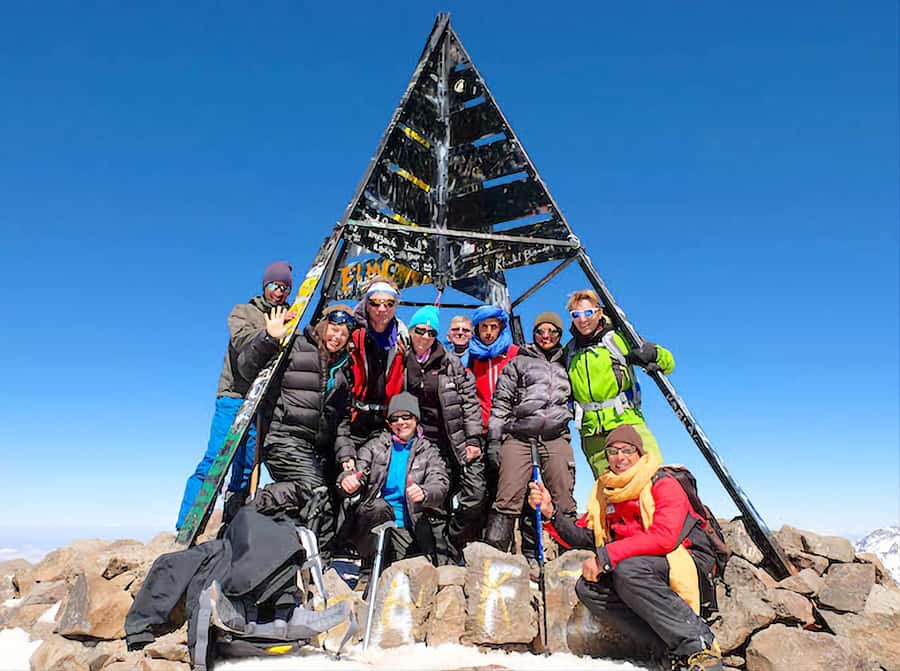
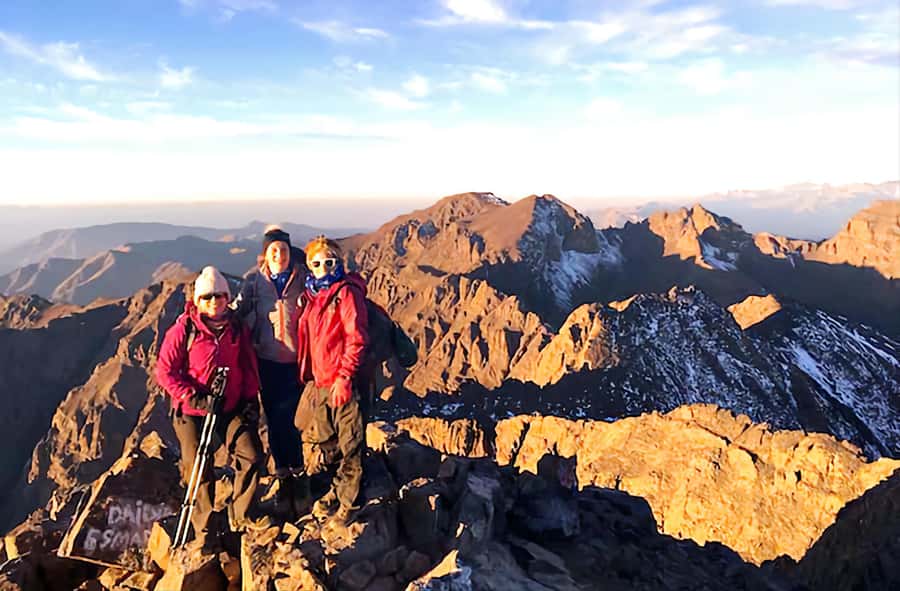
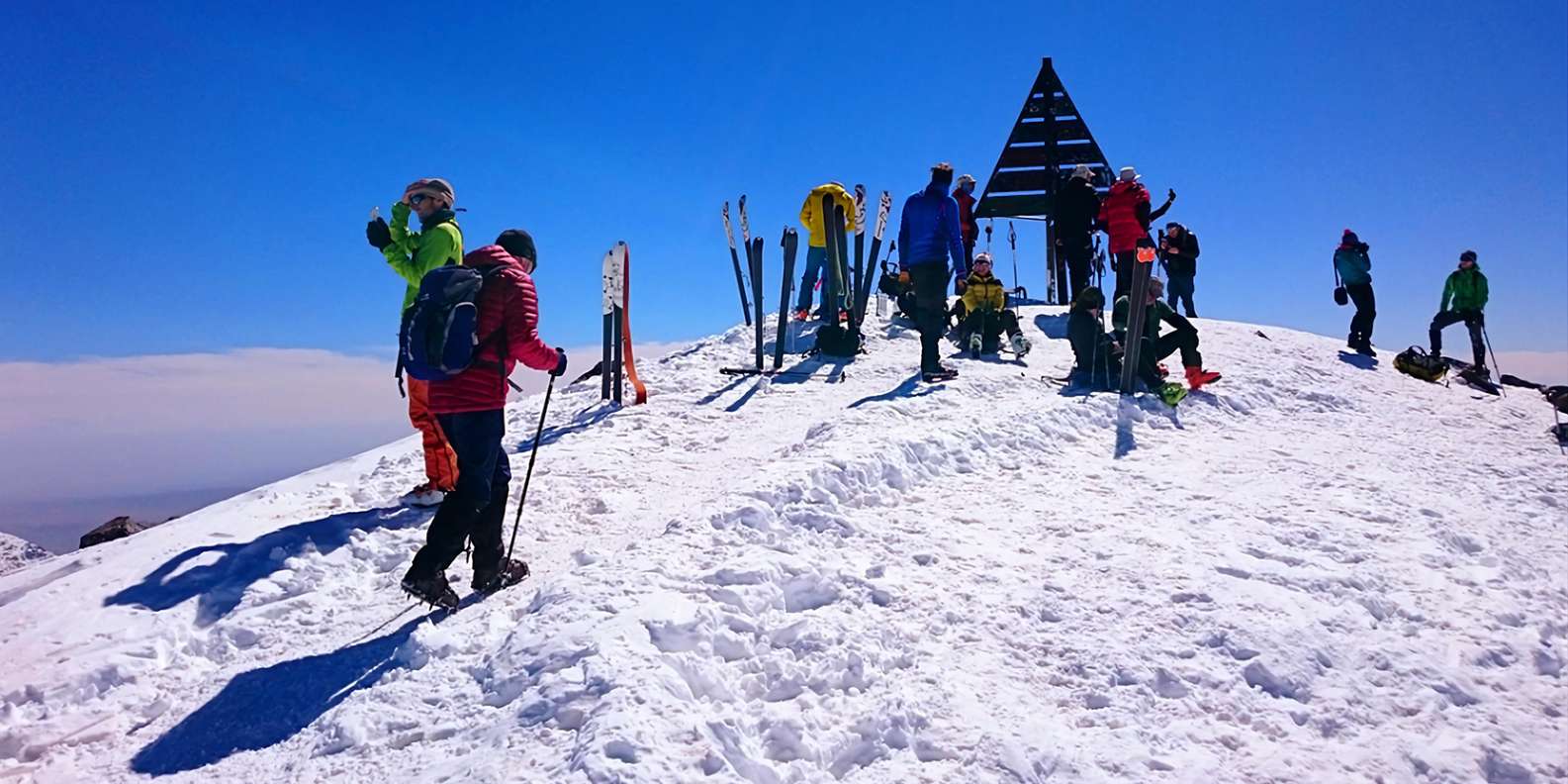
Day 2 begins with a breakfast timing around 5:00 am, followed by a summit start around 5:30 am. The ascent to the Toubkal summit (4,167m) typically takes 3–4 hours, depending on pace, weather, and how your body handles altitude.
This early start is not random. It’s built to help you finish the climb while conditions are more stable and visibility is better. Also, it gives you enough time to descend without racing the clock.
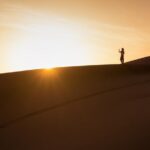
When you reach the summit, plan on a short 25-minute stay. That’s enough time to take in the panorama and enjoy the achievement without turning it into a cold, frozen photo session. Then it’s back down toward the refuge for lunch and onward to Imlil.
A few more Marrakesh tours and experiences worth a look
Guides who make the difference: safety, pacing, and local knowledge
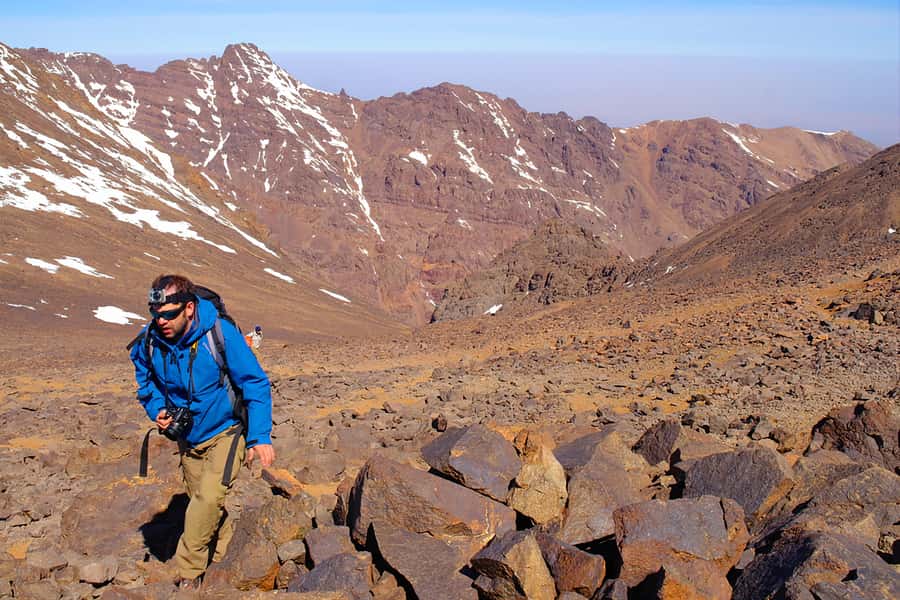
A trek like this rises and falls on guidance. I’ve seen strong feedback about guides such as Mohamed, Mustafa, Hamid, Ismail, Houssain, and Hassan, plus others like Abdo, Abdellatif, and Mostafa/Mohammad. The common thread is care and competence—especially around pacing.
On a summit hike, pace isn’t about being fast. It’s about staying steady so you don’t burn yourself out early. In the mountain air, that kind of discipline can be the difference between feeling strong on the way up and feeling wrecked halfway.
If someone in your group moves slower, a thoughtful guide keeps everyone safe and helps you adjust without drama. I also like that the trek includes a real safety focus: one example was how guides responded when altitude sickness appeared in a group, staying calm and supportive.
Price and value: is $177 a fair deal for two days on Toubkal?
At $177 per person for a 2-day itinerary, this trip is priced for what you’re getting, not just the route. Here’s the value math in plain terms:
Included items that matter:
- Round-trip transfers from Marrakech to the trek start and back
- English-speaking tour guide
- All meals during the hiking tour, including dinner and breakfast
- Dedicated cook who prepares meals
- One night accommodation at the refuge
- Coffee, tea, and snacks during the trek
- Equipment rental access at the starting point in Imlil (equipment is not included, but you can rent)
Not included:
- Travel insurance and personal expenses
- Equipment (rental is possible)
Could you do it cheaper on your own? Maybe, but the unknowns add up: hiring a trustworthy guide, figuring transport timing, and building a two-day meal plan that works at altitude. In practice, paying for organization is often worth it—especially for your first Toubkal attempt.
What to pack (so Day 2 doesn’t beat you up)
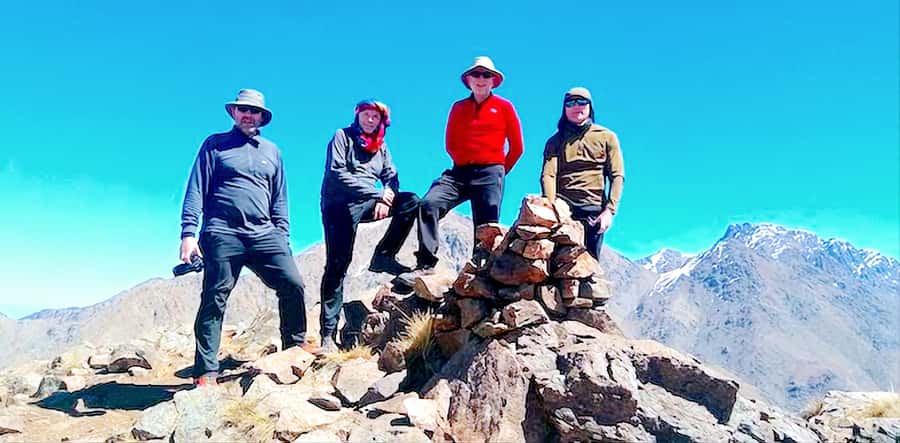
The basics on this trek are straightforward, but they’re strict for a reason. Temperatures shift fast as you climb, and mornings on Day 2 can feel sharp.
Bring:
- Warm clothing plus a windproof fleece or softshell
- Robust, waterproof hiking boots that support your ankles
- Hiking poles and suitable socks (if you have them)
- A hat or cap, gloves, and sunglasses
- Rain gear (weather can turn)
- Headlamp or flashlight
- A sleeping bag (especially important for refuge/tent nights)
- Water bottles and small bin bags
- Toilet paper, sunscreen, and a small first-aid kit
- A camera, plus a daypack setup with 1–2 backpacks for personal items
One more thing: keep your daypack light. You’ll be carrying it all the way up, and you’ll feel every extra kilogram when you’re climbing at 3,000m+.
Who this trek fits best (and who should skip it)
This is best for people who want a guided summit attempt without building a logistics empire from scratch. You’ll enjoy it most if:
- you can handle a demanding hike at altitude
- you’re comfortable with early mornings and cold conditions
- you value cultural stops in Imlil and surrounding villages, not just peak-chasing
It’s not suitable for:
- pregnant women
- people over 287 lbs (130 kg)
- people with altitude sickness
- babies under 1 year
If you’re unsure about altitude response, be honest with yourself before booking. This trek is designed for fit walkers, and the plan’s success depends on you tolerating elevation.
Weather and plan changes: how to stay calm if summit conditions don’t cooperate
The trek is scheduled for a summit push, but mountain weather can force adjustments. In at least one case, guides handled changing conditions by planning an alternative hike that still challenged the group while keeping safety in focus.
Your best move? Choose good weather when possible, and follow your guide’s calls on pacing and timing. If the day feels slow or cold at the refuge, don’t panic. Early movement plus steady effort usually beats overthinking.
How to choose your comfort level: pace, breaks, and summit expectations
Think of Day 2 like this: you’re climbing long enough to feel it in your lungs, but the structure (breaks for refreshments, then a controlled summit time) keeps it manageable. The summit is the reward, but the real win is finishing with energy to enjoy the descent.
You’ll also like the short summit stop because it reduces the chance you freeze or overstay. It’s a clean turnaround: reach the top, take it in, then get moving down.
And if you’re worried you’ll be too slow, that concern is common—and it’s exactly why having a guide who manages pacing matters. Some guides in past groups were praised for patience and adjusting to slower hikers without losing momentum.
Should you book this Toubkal trek?
I’d book it if you want a high-impact adventure with strong organization and you don’t want to plan the details yourself. The included transfers, meals, cook, guide, and the refuge night make the price feel reasonable for a two-day summit attempt. Most importantly, the guide-led pacing and care show up again and again, which is what you want on a climb where timing and altitude matter.
I’d think twice if you’re sensitive to altitude, have limited hiking stamina, or you’re going into the trip without warm layers and proper boots. This is not a stroll. It’s a serious mountain hike that rewards preparation.
If your goal is North Africa’s highest peak with a taste of Berber village life along the way, this is a solid, practical choice.
FAQ
What time is pickup in Marrakech?
Pickup from your Marrakech hotel is at 8:00 am.
Where does the trek start?
The trek starts in the Imlil area at around 1,700m–1,740m.
How high is Mount Toubkal?
The summit height is 4,167m.
Is there an overnight stay during the trek?
Yes. You spend one night at the Toubkal refuge at around 3,200m (or in a tent during summer months).
What’s included in the price?
Included are transfers from Marrakech and back, an English-speaking tour guide, all meals during the hike, a dedicated cook, one night accommodation at the refuge, plus coffee, tea, and snacks during the trek.
Is equipment included?
No. Equipment is not included, but you can rent it from the starting point in Imlil.
What should you bring for the hike?
You should bring warm clothing, hiking shoes, rain gear, a hat/cap, windproof fleece or softshell jacket, hiking poles (if you have them), a headlamp/flashlight, water bottles, sunscreen, and a sleeping bag.