REVIEW · MARRAKESH
2-Day Trek, Berber Villages, and Stay in Azzaden Valley
Book on GetYourGuide →Operated by Atlas Mountains view · Bookable on GetYourGuide
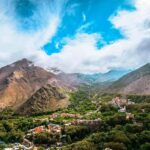
The Atlas can feel like a different planet. This 2-day Azzaden Valley trek takes you from Marrakech up into the High Atlas for Tizi Mzik Pass views, a break at Tamsoulte Waterfalls, and an overnight in a Berber mountain lodge.
What I like most is the mix: you get proper trail time plus a night where you’re not just driving through. The hike also stays friendly for many first-timers, with long moments to look around instead of nonstop suffering.
One thing to consider: it’s a mountain trek with real altitude and uneven paths. If you’re sensitive to heights or tired on uneven ground, you’ll want to pace yourself and go steady from the first climb.
In This Review
- What stands out on this Atlas trek (and why)
- Key highlights worth planning around
- Getting from Marrakech into the High Atlas without the stress
- Day 1: Imlil to Tizi Oussem with Tizi Mzik Pass and Tamsoulte Falls
- The climb toward Tizi Mzik Pass
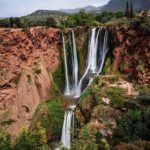
- A break that’s worth the effort: Tamsoulte Waterfalls
- Lunch and continuing to Tizi Oussem
- What the lodge night tends to feel like
- Day 2: Village mornings, Tizi Oudid Pass, and Matat’s forest break
- Id Issa: history at about 1,800 meters
- Up to Tizi Oudid Pass (about 2,000 meters)
- Matat: forested calm and a proper picnic lunch
- Finishing and heading back to Marrakech
- Difficulty and fitness: how to judge if this is your trek
- Guides who keep the trek feeling safe and human
- Food on the mountain: simple, filling, and built for walking
- Price and value: why $68 can feel like a bargain (if you use what’s included)
- What to pack so day 1 doesn’t feel miserable
- Who this trek is best for
- Should you book the 2-day Azzaden Valley trek?
- FAQ
- Where does the trek start in Marrakech?
- Is there an English-speaking guide?
- Do I get to stay overnight, or is it a day hike?
- What meals are included?
- Are mules provided for luggage?
- Is travel insurance included?
What stands out on this Atlas trek (and why)
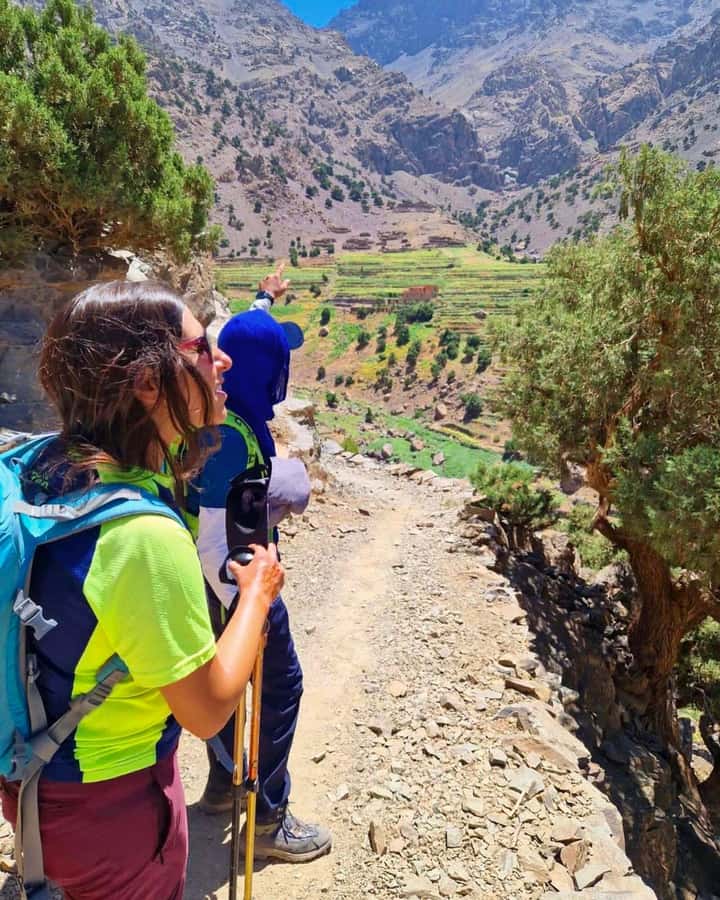
The Tizi Mzik Pass payoff is the kind of view you remember. You climb to around 2,480 meters (and the pass altitude can be listed a bit differently, depending on the reference point), then the reward lands right when your energy is high.
The waterfall stop feels special because Tamsoulte is a tall drop in a wild area, and it’s timed into the hike so you’re not doing it as a rushed detour. Between the scenery and the break, it gives the day a natural rhythm.
A possible drawback: the itinerary is long on foot over two days. Even if the route is described as not overly demanding, you still need comfortable hiking shoes and a realistic expectation of walking time.
Key highlights worth planning around
- Tizi Mzik Pass panoramas with big mountain views after a steady climb
- Tamsoulte Waterfalls during the first day for an eye-catching mid-hike break
- Berber lodge overnight in Tizi Oussem where dinner and village life are part of the deal
- Mule support for luggage so you carry less and hike more comfortably
- Day-two pass and forest mix via Tizi Oudid and the forested area of Matat
- Guides who read the moment (Idriss/Idris and Mostafa are named in feedback, and they’re praised for care and responsiveness)
You can also read our reviews of more hiking tours in Marrakesh
Getting from Marrakech into the High Atlas without the stress
The day starts in Marrakech with a clear meeting point at the entrance of Hotel Islane. Pickup is available for hotels and riads in central areas, but if you’re inside the medina, you’ll likely need to walk a short distance to where the vehicle can reach.
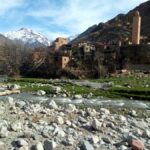
Once you’re loaded into the ride, the journey itself becomes part of the experience. You pass through villages like Tahanaout, Oued Ghighaya, and Asni, so you’re not suddenly in the mountains with zero context. It’s a gentle ramp-up: first you see the Atlas edging into view, then you arrive at Imlil, the jumping-off point for the hike.
This matters because mountain treks go smoother when you’re not mentally dropped into altitude. The drive gives you that buffer, and it also helps you settle into the pace set by your local guide.
Day 1: Imlil to Tizi Oussem with Tizi Mzik Pass and Tamsoulte Falls
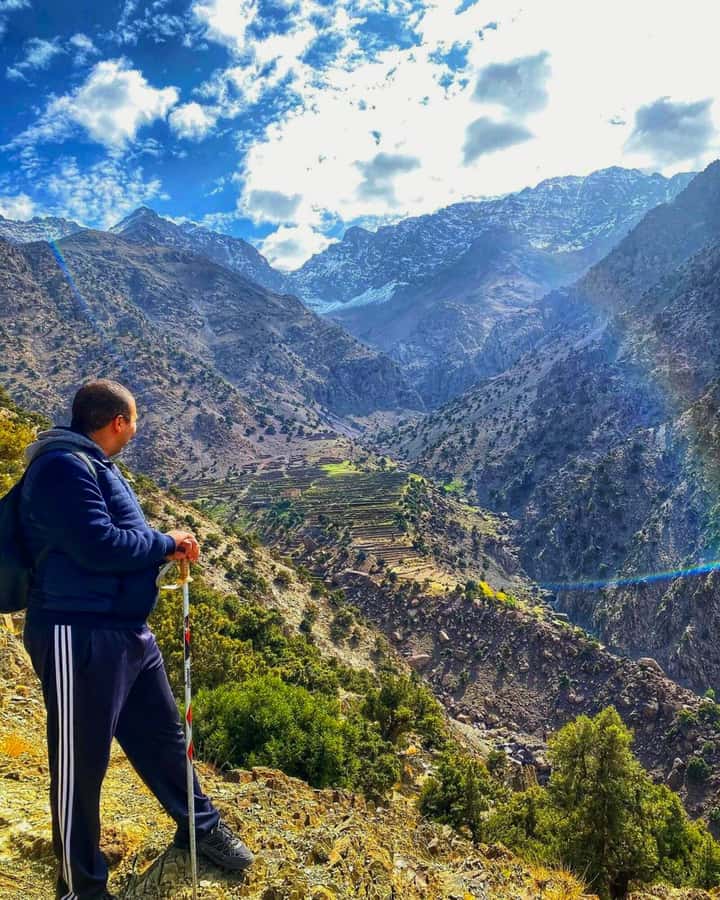
Day one is built around a classic High Atlas arc: climb for views, pause for something memorable, then continue down to a village night.
The climb toward Tizi Mzik Pass
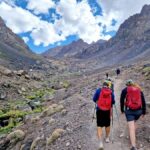
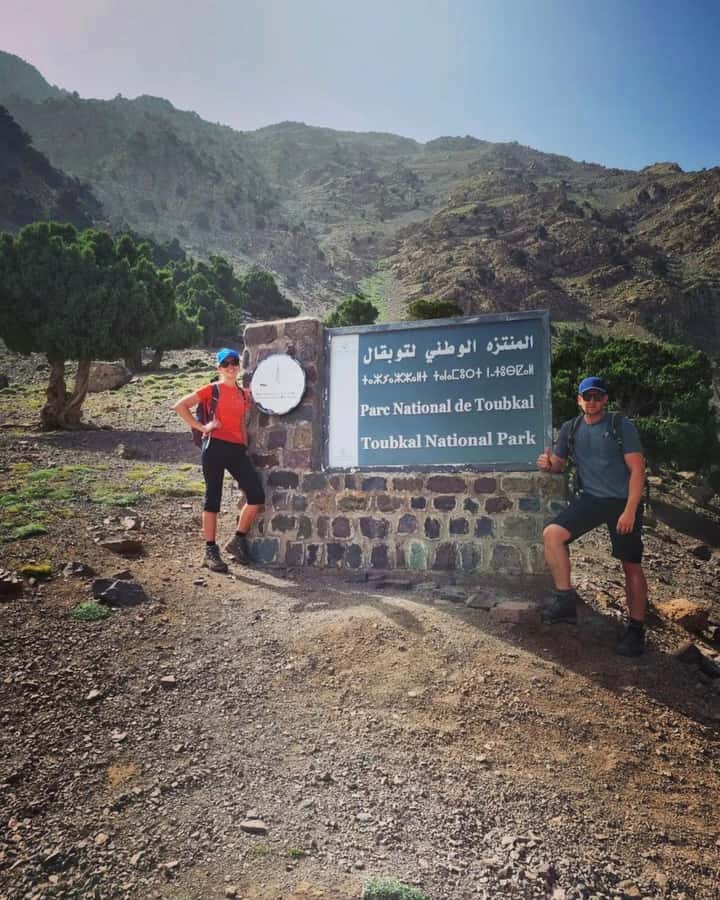
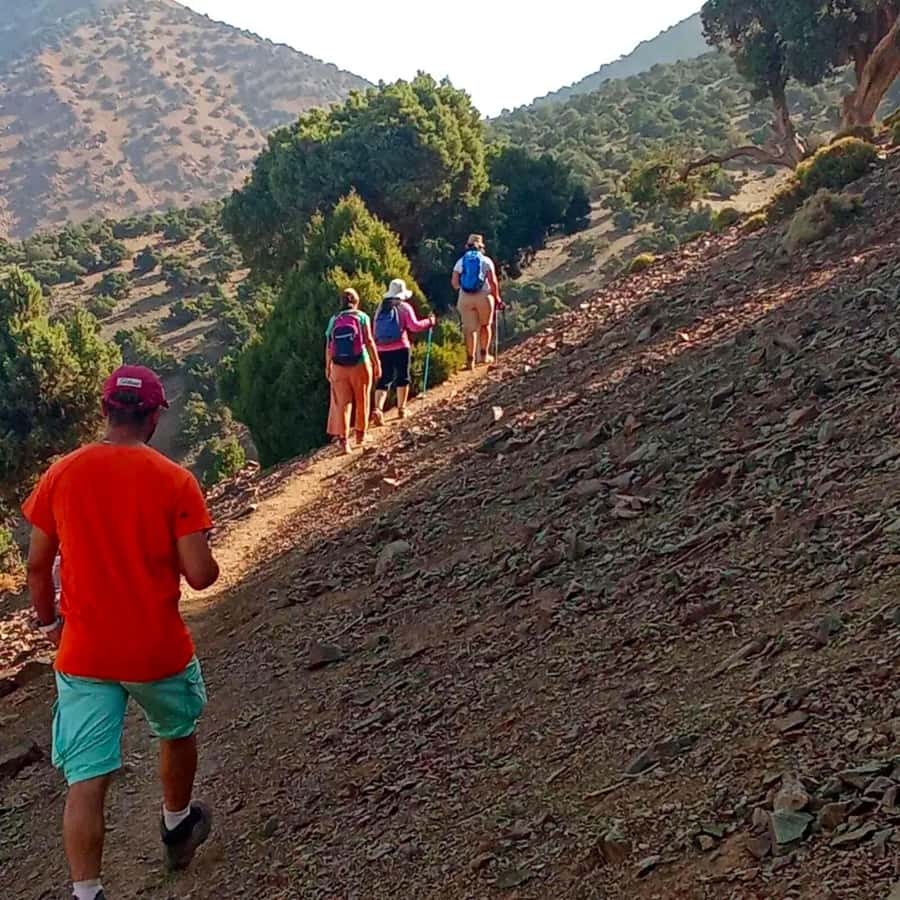
From Imlil, you hike toward Tizi Mzik Pass in the Toubkal National Park area. Altitude is part of the story here, with the pass listed around 2,480 meters (and sometimes referenced closer to 2,684 meters). You don’t need to memorize the numbers, but you should understand what they mean: you’ll gain height steadily, and your breathing may slow a little.
If you’re a beginner, this is one of the reasons this trek gets recommended. The route is described as not very demanding, and you’ll still get the sense of accomplishment that comes from reaching a pass.
A break that’s worth the effort: Tamsoulte Waterfalls
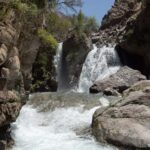
Midway, you stop at Tamsoulte Waterfalls, described as reaching up to 100 meters. Even if the waterfall isn’t a nonstop roar every moment, it’s the kind of stop that resets your whole day. You’re climbing, then you’re standing still in a dramatic natural spot—perfect for photos, snack breaks, and that quiet moment when the mountains feel close.
This stop also gives you a practical break in your hiking rhythm. Instead of pushing until you’re tired, you get a built-in reset.
A few more Marrakesh tours and experiences worth a look
Lunch and continuing to Tizi Oussem
After the falls, you enjoy a traditional lunch, then keep walking toward the village of Tizi Oussem. Day one ends where it matters: you sleep in a local Berber mountain lodge (gîte).
That overnight isn’t a throwaway detail. It’s what turns this from a day hike into a real two-day journey. You’re in a village setting long enough to feel like you’re part of the place, not just passing through.
What the lodge night tends to feel like
You’ll have dinner at the lodge and then get rest for day two. In feedback from solo hikers, the village night is called out as a highlight: it’s peaceful, it helps you connect to daily mountain life, and it feels safe and well supported.
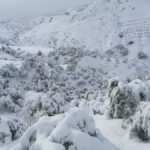
One extra winter note: one review mentions snow during their trek, with people enjoying simple snow play. Snow isn’t guaranteed, but it does remind you to pack for cold air if you’re going in cooler months.
Day 2: Village mornings, Tizi Oudid Pass, and Matat’s forest break
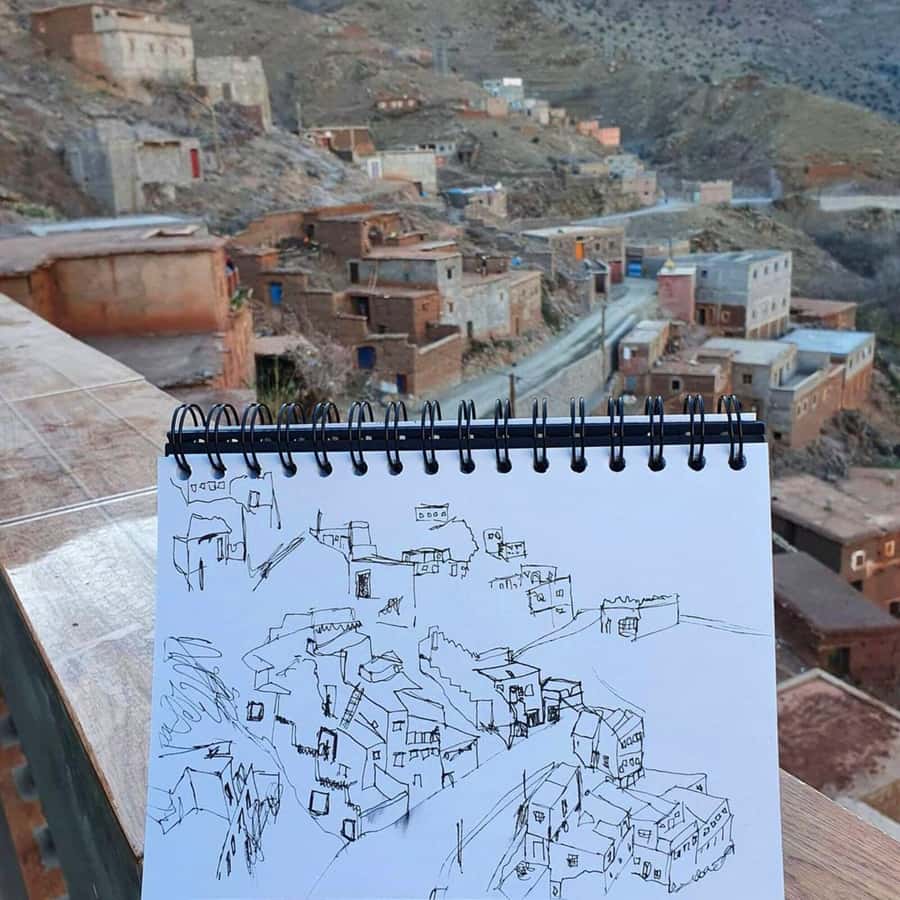
Day two starts with breakfast, then you continue hiking through more of the High Atlas. This isn’t the same kind of steep grind all over again. It’s more of a walk through different mountain zones—villages, a second pass, then a forested area for a calmer feel.
Id Issa: history at about 1,800 meters
Your first named stop is Id Issa, around 1,800 meters. It’s described as a village rich in local history, and even if you don’t get a full lecture, the atmosphere is the point. You’re walking among lived-in places, not just visiting viewpoints.
This is where the trek feels most authentic: your route threads through areas locals know, rather than just landing at a single landmark and turning around.
Up to Tizi Oudid Pass (about 2,000 meters)
Next comes an ascent to Tizi Oudid Pass around 2,000 meters. The reward is panoramic views, and because it’s day two, you tend to notice details more. You’ve already warmed up your legs; now you’re hiking with clearer eyes.
This is a good moment to slow down, take a look, and let your guide set the pace. If you’re sensitive to height, this is the time to keep your breathing steady and avoid sprinting for the top.
Matat: forested calm and a proper picnic lunch
From the pass, you descend to Matat, described as a beautiful forested area. You take a break here and enjoy a picnic lunch.
That lunch matters because it’s not just calories—it’s a change in texture. You go from exposed mountain views into shaded forest air. It’s also a nice reminder that mountain trekking is as much about pacing and recovery as it is about the final viewpoint.
Finishing and heading back to Marrakech
After the picnic, the trail continues to the meeting point where you connect with your driver. You return to the original meeting area in Marrakech around 6:00 PM.
That timing is helpful when you’re planning your overall itinerary. You get a full day of hiking, then you’re back before the night feels too far gone.
Difficulty and fitness: how to judge if this is your trek
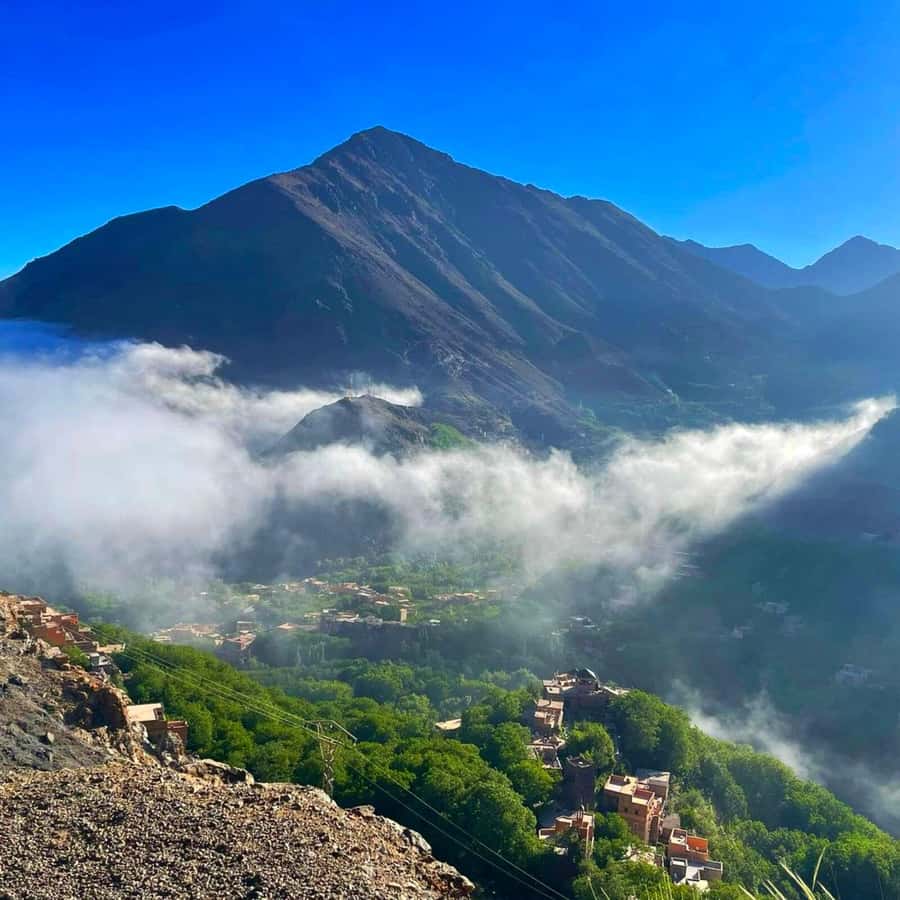
The trekking level is described as not very demanding, which is encouraging if you’re new to mountain hiking. That said, it’s still in the Atlas Mountains, so you’ll want to bring common sense to the plan.
You should be comfortable with:
- uphill sections while you adjust to higher altitude
- uneven paths and changes in terrain
- walking for extended stretches across two days
The mule support for luggage is a real advantage. If you’re worried about carrying a heavy daypack, you’ll likely be able to hike with less weight and more focus.
In other words: it’s a beginner-friendly hike in spirit, but it’s not a casual stroll. Your legs will still work.
Guides who keep the trek feeling safe and human
One of the most praised parts of this experience is the guidance style. Names like Mostafa and Idriss (also written as Idris in one review) come up in feedback, and both are described as attentive, respectful, and good company.
Two things stand out from the way people describe their guides:
- They’re careful and responsive, even down to noticing small issues and adjusting quickly.
- They manage the tone of the hike, with friendly conversation when you want it and quiet space when you don’t.
If you’re traveling solo, this matters a lot. A supportive guide helps you feel relaxed enough to enjoy the scenery rather than constantly checking if you’re doing things right.
Food on the mountain: simple, filling, and built for walking
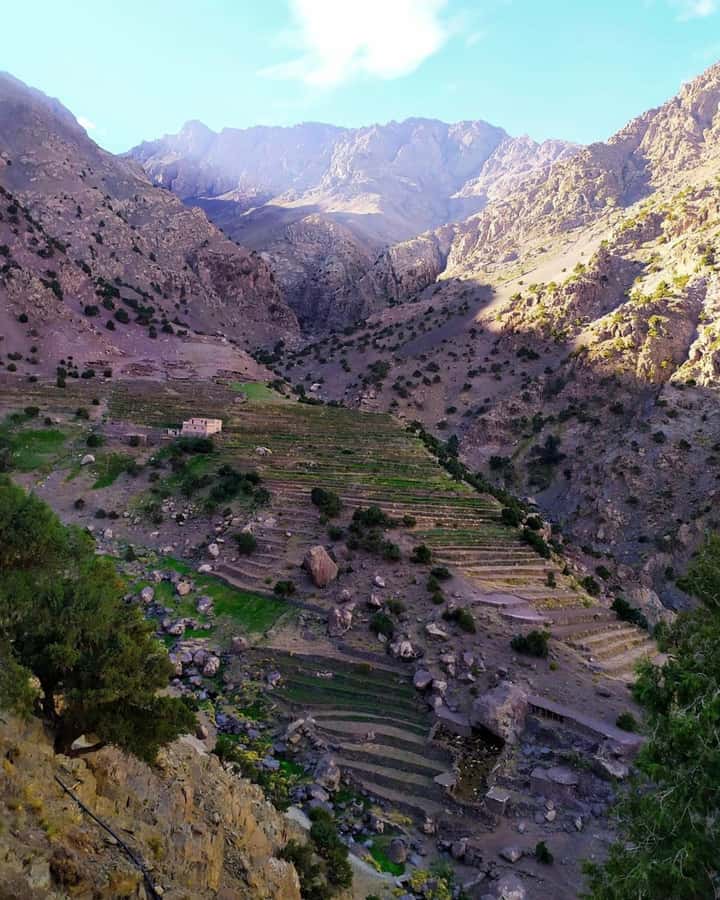
Meals are included and designed for trekking. You’ll get breakfast, two lunches, and dinner, plus snacks and water during the hike.
What’s especially useful is that the food plan matches the hiking rhythm. Lunches show up when you need energy, and the mountain picnic on day two is the kind of break that makes the afternoon feel lighter.
Bring a flexible attitude about Moroccan food. You’re in mountain villages now, so meals may be straightforward, hearty, and local rather than fancy. That’s part of the charm.
Price and value: why $68 can feel like a bargain (if you use what’s included)
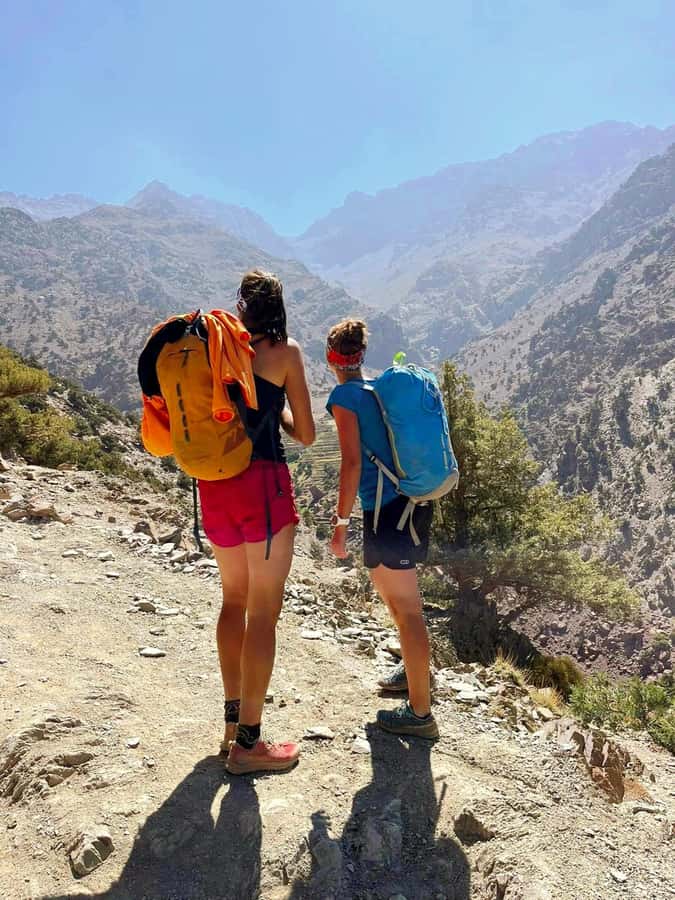
At $68 per person, this trek is priced as a budget-friendly way into the High Atlas experience. The value comes from what you don’t have to arrange yourself:
- round-trip transportation from Marrakech to Imlil
- a local English-speaking guide
- one overnight stay in a Berber lodge in Tizi Oussem
- meals across both days: breakfast, two lunches, dinner
- mules to carry luggage
- safety basics like a first aid kit and support
If you tried to replicate this independently, the guide cost and logistics alone can add up fast. Even if you’d normally pay less for a DIY plan, the time saved and the ease of having everything coordinated is the real bargain.
So I’d think of it this way: you’re paying for simplicity plus a real village night, not just for walking.
What to pack so day 1 doesn’t feel miserable
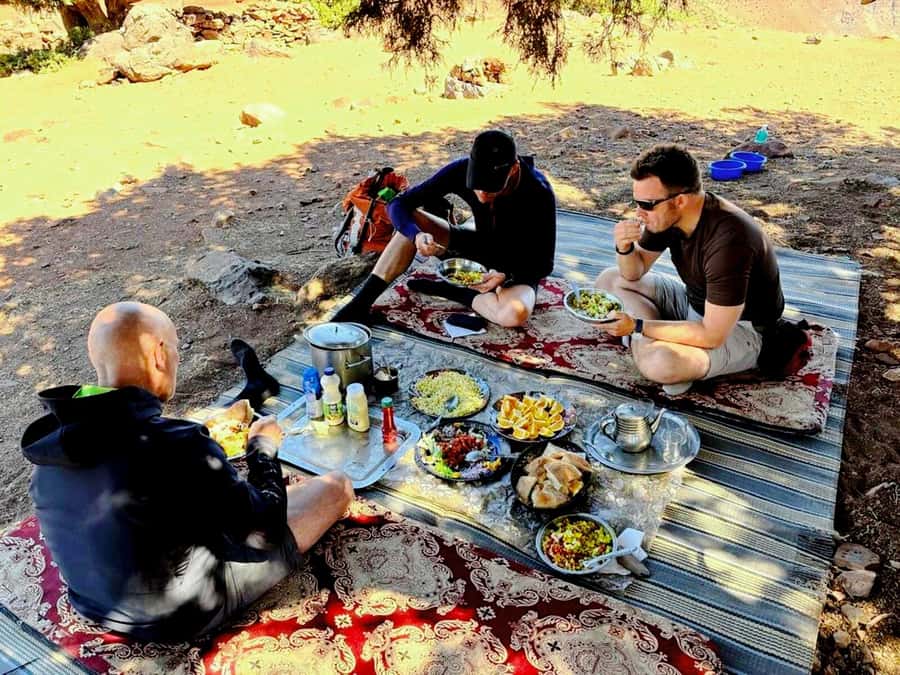
The trek includes snacks, water, and a safety kit, but you still own your comfort. Based on the mountain setting and the fact you’re hiking through passes and forest areas, pack with layers in mind.
A smart setup includes:
- hiking shoes with grip
- a light layer plus a warmer one for higher altitude or windy moments
- sunglasses and sunscreen (passes usually mean brighter exposure)
- a small daypack for personal items
If you like trekking poles, they’re mentioned in the tour’s tone, and they can help on up-and-down sections.
Also plan for beverages that aren’t specified as included. If you like a particular drink, bring it along—or be prepared to buy personal items separately.
Who this trek is best for
This is a great fit if you want:
- a two-day Atlas experience with an overnight in a village
- viewpoints at Tizi Mzik and Tizi Oudid without technical scrambling
- a guided route that feels organized and supportive
- an option that can work for solo travelers, based on feedback
It may not be ideal if you:
- need a very controlled, flat walk (this includes climbs and descents)
- dislike mountain altitude changes even at moderate levels
- expect luxury hotel-style comfort at night (you’ll be in a mountain lodge setting)
Should you book the 2-day Azzaden Valley trek?
If you want the real Morocco-meets-mountains feeling—pass views, a major waterfall stop, a Berber lodge night, and guided support—this trek makes sense. The best reasons to book are practical: meals are included, luggage is carried by mules, and you’re not left to figure out logistics once you’re in the Atlas.
I’d book it particularly if you’re a beginner who still wants to feel the payoff. The route is described as approachable, and the guides are praised for caring attention.
If you hate cold nights, rough footing, or altitude breathing changes, you’ll likely feel less happy. But for most travelers who want a genuine two-day trek without overcomplicating it, this is strong value at $68.
FAQ
Where does the trek start in Marrakech?
You meet at the entrance of Hotel Islane in Marrakech. Pickup is available for hotels and riads in the center, but if your riad is inside the medina, you may be asked to walk to the nearest vehicle-accessible spot.
Is there an English-speaking guide?
Yes. The trek includes a local, English-speaking guide, and the live guide language can include Arabic, French, and English.
Do I get to stay overnight, or is it a day hike?
It includes one night in a Berber mountain lodge (gîte) in the village of Tizi Oussem.
What meals are included?
You get breakfast, two lunches, and dinner. You’ll also have snacks and water during the trek. Beverages beyond what’s specified aren’t included.
Are mules provided for luggage?
Yes. Mules are included to carry your luggage, which helps you hike with less weight.
Is travel insurance included?
No. Travel insurance is not included, so you’ll need to bring your own. Personal expenses are also not included.