REVIEW · MARRAKECH
10 day tour of Morocco from Marrakech
Book on Viator →Operated by Ausflug Reisen Marokko · Bookable on Viator
The Sahara is closer than you think. This 10-day Morocco tour strings together royal-city history and south-country scenery in a tight, well-paced loop. I like that it mixes big-ticket sights with smaller moments, like walking through medinas and getting a real sense of how people live, not just where the postcard stands. One thing to consider: the trip covers a lot of ground by minibus, so it’s best if you’re good with long travel days and early starts.
My favorite part is the combo of Morocco’s urban magic and desert scale—Marrakech’s evening energy one day, Erg Chebbi dunes the next. I also really like the steady structure: guided city time in places like Casablanca and Fez, then nature-heavy days through the Atlas, Oases, and canyon walls. A possible drawback is that some “admission worth your while” costs are not included, so plan for a few extra fees once you’re there.
In This Review
- Key highlights to look for
- Marrakech-to-Sahara: what this trip does well
- Marrakech riads, souks, and Jemaa el-Fna energy
- Casablanca and Rabat: modern Morocco on the Atlantic
- Meknes, Volubilis, and Fez’s medina maze
- Ifrane to the desert edge: cedar forests and Ziz Valley stops
- Sunrise in Merzouga, plus fossils, pottery, and a Draa-market feel
- Draa Valley to Todra Gorge: palms, kasbahs, and canyon walls
- Road of 1,000 Kasbahs: Dadès hike, rose valley, and Skoura palms
- UNESCO Ksar Ait Benhaddou and the Atlas crossing back to Marrakech
- Price and logistics: where the value really comes from
- Who should book, and who should think twice
- Should you book this Marrakech-to-the-Sahara tour?
- FAQ
- FAQ
- What cities are included besides Marrakech?
- Is Casablanca included, and what do you do there?
- Is Hassan II Mosque open to non-Muslims?
- Do you stay in riads and in the desert?
- Is there a camel ride in the desert?
- Can you see sunrise in Merzouga?
- What UNESCO sites are visited?
- What meals are included in the price?
- What time does the tour start?
- Is free cancellation available?
Key highlights to look for
- Riad stays in the old towns of Marrakech, Rabat, and Fes, so you sleep inside the real Morocco rhythm
- Casablanca’s Hassan II Mosque tour, one of the very few actively used mosques open to non-Muslims
- UNESCO stops at Volubilis (Roman ruins) and Ksar Ait Benhaddou (rammed-earth kasbah village)
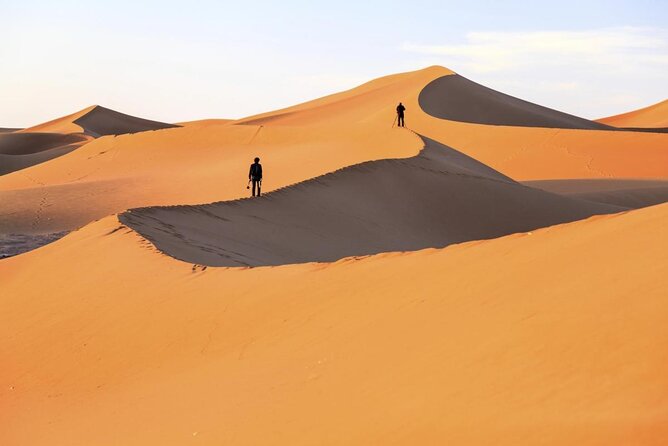
- Merzouga’s Erg Chebbi camel ride at sunset plus an optional sunrise morning
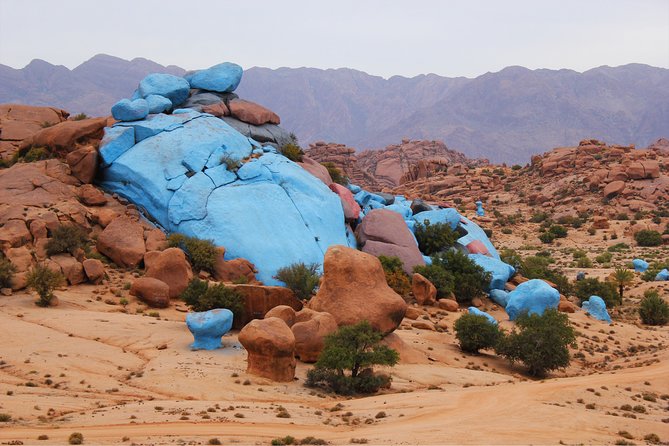
- Todra Gorge walk with dramatic red-brown rock walls rising hundreds of meters
- A flexible, reliable guide named Ibrahim, known for punctual driving, humor, and local knowledge
Marrakech-to-Sahara: what this trip does well
This is a Morocco “see a lot, but keep it organized” trip. You’re based in comfortable traditional lodging—mostly riads—and you move in an air-conditioned minibus when the route gets long. The itinerary leans hard into the classic highlights: royal cities, Atlantic coast stops, and then the southern arc that leads into the desert.
For value, the best clue is what’s already baked in. You get breakfast for most mornings, and dinners are included on multiple nights, which helps you control daily spending once you’re on the road. The trip also includes guided time at key sights, so you’re not just hopping between stops hoping you “figure it out.”
The main trade-off is pace. It’s not a slow vacation; it’s a curated route that stacks big experiences. If you like days packed with movement and walking, you’ll enjoy it. If you prefer one city per day and lots of downtime, you might feel a bit rushed.
You can also read our reviews of more tours and experiences in Marrakech.


Marrakech riads, souks, and Jemaa el-Fna energy
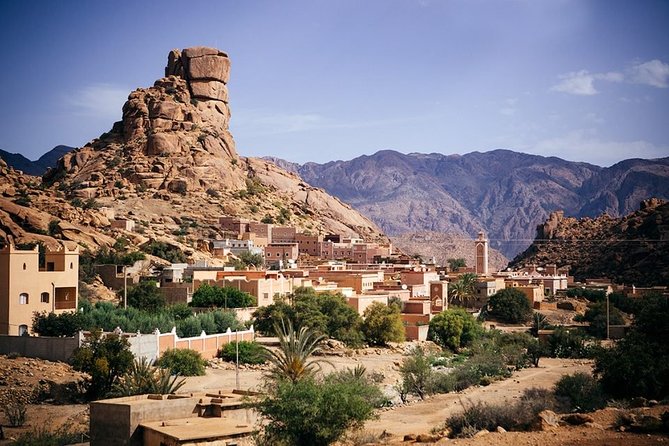
You start in Marrakech with a transfer to an authentic riad in the old town area, plus breakfast. That’s smart. You get your bearings fast because you’re already near the action, and Marrakech is easiest when you’re close enough to step out for short walks.
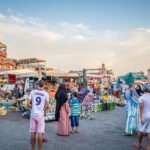
On your first evening (time-dependent), you can head to Jemaa el-Fna—the main square where storytellers, musicians, snake charmers, and water sellers show up after dark. Even if you’re selective about what you watch, the scene gives you the sound and rhythm of Marrakech. This is one of those places where “just being there” helps you understand the rest of Morocco.
One practical note: Marrakech evenings are lively and can feel intense. Go with a plan—enjoy the atmosphere, but keep your time and budget in mind, especially around food and any paid encounters.
Casablanca and Rabat: modern Morocco on the Atlantic
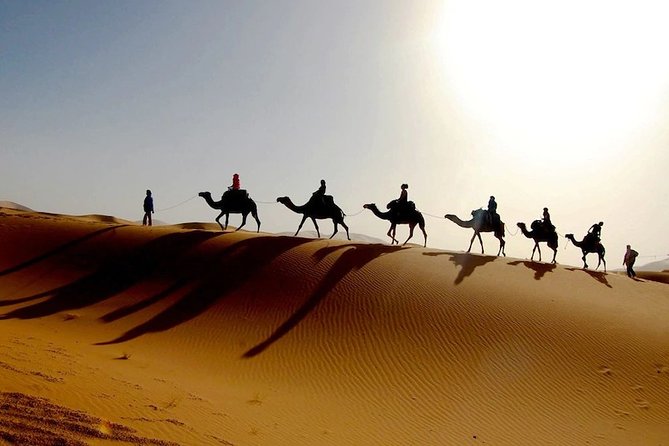
Day two is a strong transition. You drive from Marrakech to Casablanca along the A1 motorway, then get a city tour that mixes wide boulevards, Art Deco and colonial-era architecture, and a walk along the seaside promenade with a coffee break.
Then comes the anchor sight: Hassan II Mosque. It’s the only actively used mosque in Morocco that opens to non-Muslims, and your guided tour is about one hour. If you’ve only ever seen mosques from the outside, this is the chance to understand the scale and design in person.
From Casablanca you keep following the Atlantic coast to Rabat, reaching the royal city in the evening. Rabat gets described as more “cosmopolitan” than some of the other royal towns, and that fits the vibe: modern infrastructure and a tidy old town feel less chaotic than Marrakech. You also stay in a riad named Riyadh Meftaha, close to Kasbah des Oudaias, which helps you sleep somewhere atmospheric without wasting time getting there.
Meknes, Volubilis, and Fez’s medina maze
The journey day from Rabat to Fes is one of those “you keep learning the country” drives. You route through Meknes and also stop at Moulay Idriss Zerhoun and Volubilis.
In Meknes, you get a horse-drawn carriage ride. It’s a throwback moment that also helps you see the city layout without fighting the busiest walking streets. Highlights include time around Bab El Khamis, the Mellah Jewish quarter, and the decorated Bab El Mansour near Place El Hedim.
Then you reach Volubilis, the UNESCO-listed Roman ruins in Morocco. The value here isn’t just the ruins themselves; it’s the way they connect Morocco to a longer timeline of Mediterranean history. You’re looking at mosaics, an imposing triumphal arch, columns, and old city walls—enough to make the past feel physical.
Finally, you arrive in Fes, Morocco’s oldest royal city and a central hub of Islamic culture. You’ll stay in a riad called Riyadh Dar Skalli. In the evening, the focus is on orientation: Fes el-Bali’s medina can swallow you if you don’t have a guide and a route.
On the next full day, you get a deeper medina walk. You start with a view over the city from Borj Sud, then move through gates like Bab Boujeloud into colorful souks. Your visit includes the Moulay Idriss tomb, stops tied to the Kairouine area, and the practical, eye-opening experience of the tanners’ quarter—where traditional skin processing is done by hand. If you’re sensitive to smells or prefer avoiding that level of realism, you’ll want to pace this part carefully.
Ifrane to the desert edge: cedar forests and Ziz Valley stops
Day five is a big scenery shift day: you head south from Fes toward Ifrane, then into cedar forests and onward toward desert zones. Ifrane is known as “Morocco’s little Switzerland,” and the contrast matters: gabled houses, flowerbeds, and well-kept squares feel different from the older royal medinas.
You then head to the cedar forest area to meet the Barbary macaques. It’s one of those stops where you might just watch for a while. The best approach is patience—don’t rush the viewing, and keep your distance from the animals.
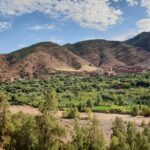
Next comes Midelt and the Atlas crossing divide, where the landscape shifts as weather changes. After that you drop into the Ziz Valley, a long ribbon of oases with date palms and fruit trees running through the High Atlas. You stop at viewpoints along the route, which helps you appreciate why oasis life is the key idea in this part of Morocco.
You also stop in Erfoud for a fossil workshop. The tour includes a look at how black marble fossils are cut and polished, and then you can buy finished pieces like decorative pendants, bowls, or mirror-smooth tables. This is one of those experiences where you should shop with a plan—ask what’s handmade and keep an eye on pricing if you’re comparing pieces.
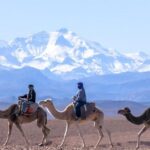
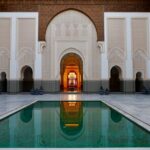
Then you reach Merzouga and head out on camel ride time for sunset over Erg Chebbi. The ride is part of the experience, but what makes it worth it is the lighting: dunes turn from gold to darker tones as twilight settles. After that, you sleep at the desert camp, with time by the campfire and Berber drums.


Sunrise in Merzouga, plus fossils, pottery, and a Draa-market feel
On day six, you get an optional early start for sunrise. You can choose to ride a dromedary back from Merzouga or travel by off-road vehicle. Either way, it’s timed to catch the dunes and desert light when temperatures are milder and the scene looks its quietest.
After that, you head via Rissani, then stop at the Moulay Ali Cherif Mausoleum and continue toward Alnif. In Alnif you get another fossil workshop visit—again focused on black marble fossils and the cutting and polishing process. The repeat matters because it shows you how these craft traditions operate in different towns.
Then the route turns cultural again in Tamegroute with two highlights: a pottery stop and time in a library holding old collections of Qur’an books and scripts in North Africa. You’re guided through the library by a German-speaking employee. After that, you walk to a traditional pottery workshop where green glazed pottery is made by hand—one more reminder that “souvenir” here often starts as a serious skill.
You finish the day around Zagora, with a weekly market atmosphere described as locals shopping for everyday goods, fruit, and dates while exchanging news over mint tea. It’s not a “museum market.” It’s closer to watching how a local routine works.
Draa Valley to Todra Gorge: palms, kasbahs, and canyon walls
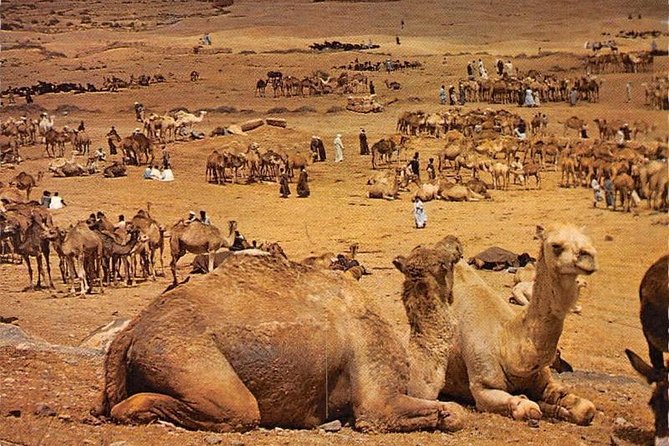
Day seven continues the south-country rhythm: you travel along the Draa Valley, including a stop connected with the Musée des Arts et Traditions de la Vallée de Draa (inspection). You also pass through areas where date palms and fruit trees appear in large numbers, which helps you understand the Draa’s role as a life-giving corridor.
In Oulad Othmane, you visit the kasbah of Kaid Omar. Then you stop in Nkob for a cafe break, keeping the day from feeling like one long drive.
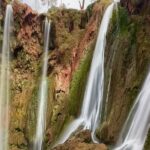
You continue toward Tinghir, and the centerpiece arrives with Todra Gorge. You follow the Todra River into the narrow passage and then walk in the tight area with the river cutting deep into rock. The canyon walls rise up to around 300 meters, and the route crosses the river on a concrete ford. This is one of the most striking “walk in nature” segments on the whole trip.
If you like strong photos, this day delivers. If you don’t love tight spaces, the gorge walk is still short enough to manage—just keep a steady pace and don’t feel pressured to go farther than you’re comfortable.
Road of 1,000 Kasbahs: Dadès hike, rose valley, and Skoura palms
Day eight starts with a route called the Road of 1,000 Kasbahs, heading toward the Dadès Valley near Boumalne, with the High Atlas to the north and Djebel Saghro to the south. You hike and then stop in the valley at a restaurant for refreshments. The description focuses on contrast: green riverbelt below, red-brown rocks above, and kasbahs plus mud villages on slopes.
Then you head toward M’Gouna for the Valley of Roses. This is timed around blooming season in April/May, so if you travel outside that window, you might still learn about cultivation even if the flower peak isn’t happening. Either way, you’ll hear how farmers grow and harvest roses, and how the flowers become rose oil and rose water. There’s a coffee break where you can test and buy products typical to the region.
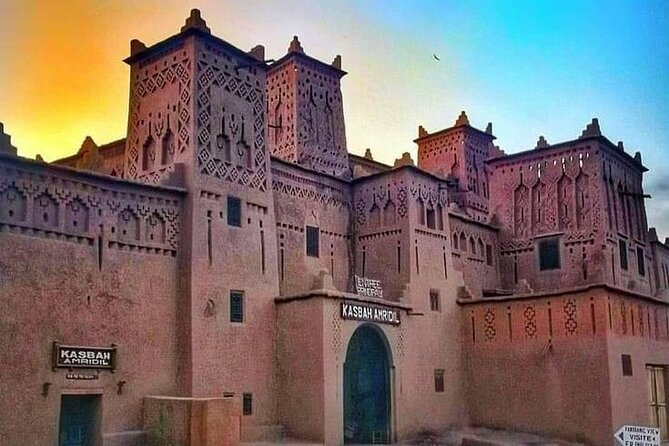
Next comes Skoura, where you see the large date palm oasis and kasbahs scattered among irrigated gardens. Your visit includes a sightseeing stop at Kasbah Amridil (not included admission). This is a good “stop and breathe” day: you’re not only looking at ruins; you’re seeing how water and crops shape settlement patterns.
There’s also an optional visit to the Atlas film studios in Ouarzazate, which can be interesting if you like modern Morocco’s connections to cinema. Then you head to Ait Benhaddou.
UNESCO Ksar Ait Benhaddou and the Atlas crossing back to Marrakech
Your UNESCO “wow” stop is Ksar Ait Benhaddou. You reach it around midday, eat dinner before the guided visit, and then spend about an hour walking the UNESCO site. You see the labyrinth of houses, kasbahs, towers, and granaries built from rammed earth. This is one of the best places on the route for understanding why these villages are so durable in harsh terrain.
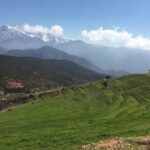
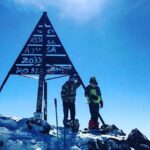
After that, you continue to Telouet and cross the High Atlas via Tizi-n-Tichka Pass at about 2,260 meters. This is where the route turns from valley life to mountain travel again: pine forests, juniper trees, then steeper, sometimes barren sections. You make viewpoint stops along the way, and the smaller road through Telouet continues the dramatic canyon-and-gardens contrast.
You then reach Marrakech to wrap up. The final part is a last look around the city with another day’s time in the medina: the souks, palaces, mosques, Koranic schools, and of course Jemaa el-Fna again. If you want one more evening in the square, this is your chance—this time with a bit more understanding of what you’re seeing.
Price and logistics: where the value really comes from
At $1,975.23 per person for roughly 10 days, this sits in the “serious trip” category. What makes it feel more reasonable than a random set of private transfers is that you get a structured route with guided sightseeing, multiple meals covered (breakfasts and dinners), and lodging in traditional properties.
Still, you should expect the “not included” side of the equation. The tour flags that admissions are worth your while. That typically means some mosque entries, UNESCO site fees, and similar spots may cost extra depending on what you choose to do and how the day is timed. The good part is that the itinerary includes many stops where the main value is the guide experience and the time spent with each place—not just the ticket line.
Transportation is another value point. You’re moving in an air-conditioned minibus on longer stretches, which matters in Morocco when you get hit with heat or long desert roads. It also helps you stay focused on sights instead of planning connections.
Finally, the “human” value is real here. A local guide named Ibrahim is repeatedly praised for being reliable, punctual, experienced, humorous, and flexible. A good driver-guide can make a route like this feel smoother, especially when you want answers in plain language and not just names on a map.
Who should book, and who should think twice
This is a great fit if you want:
- Royal cities plus Sahara scenery in one trip, without stitching together lots of tickets yourself
- Guided time in medinas like Fez so you don’t lose your day
- A mix of culture and nature: Volubilis, kasbahs, gorge walking, dunes
It may be less ideal if you:
- Want a slow pace and lots of free time in one place
- Don’t like long drive days between regions
- Are very sensitive to strong smells or crowded conditions (tanners’ quarter is a known intense stop)
Should you book this Marrakech-to-the-Sahara tour?
If you’re the kind of traveler who likes a plan you can trust—and you want Morocco’s highlights without the headache of managing each connection—this one makes sense. The route hits the big names (Casablanca, Rabat, Meknes, Fez, desert dunes, Todra Gorge, Ksar Ait Benhaddou) while keeping enough guided structure that the trip feels purposeful, not chaotic.
If your priority is “maximum comfort, minimal movement,” you may want to consider a shorter route or fewer regions. But if you want Morocco’s north-to-south arc in one trip, with riad charm and real desert time, it’s a strong choice.
FAQ
FAQ
What cities are included besides Marrakech?
You’ll visit Casablanca, Rabat, Meknes, Fez, and then head south through places like Ifrane, Midelt, Errachidia/Erfoud area, Merzouga, Rissani, Zagora, Tinghir/Boumalne, Ouarzazate, Ait Benhaddou, Telouet, and back to Marrakech.
Is Casablanca included, and what do you do there?
Yes. You get a city tour in Casablanca, including a drive through the city and a walk along the beach promenade with a coffee break. You also visit Hassan II Mosque.
Is Hassan II Mosque open to non-Muslims?
Yes. Hassan II Mosque is described as the only actively used mosque in Morocco that is open to non-Muslims.
Do you stay in riads and in the desert?
Yes. You sleep in traditional riads in the old towns (starting in Marrakech, and also in Rabat and Fez), and you also stay at a desert camp in the Erg Chebbi area of Merzouga.
Is there a camel ride in the desert?
Yes. You ride camels to watch the sunset over the Erg Chebbi dunes.
Can you see sunrise in Merzouga?
Yes. Day six includes an early-morning sunrise option, with choices like a camel ride back or an off-road vehicle.
What UNESCO sites are visited?
You visit Volubilis (UNESCO World Heritage-listed Roman ruins) and Ksar Ait Benhaddou (UNESCO World Heritage-listed clay kasbah site).
What meals are included in the price?
Breakfast is included for nine mornings, and dinner is included for six nights. Other meals aren’t listed as included.
What time does the tour start?
The start time is 9:00 am.
Is free cancellation available?
Yes. You can cancel up to 24 hours in advance for a full refund, based on local time.
If you tell me your travel month and whether you prefer a more relaxed pace, I can also flag what parts of the rose valley and desert timing are most likely to feel peak-season for you.