REVIEW · MARRAKECH
10-Day Chefchaouen to Sahara to Marrakech – Private Group
Book on Viator →Operated by Wanderlust Voyages · Bookable on Viator
Blue walls meet big desert nights. That’s the whole point of this 10-day private ride across Morocco. You’ll move fast, but not sloppy, with a chauffeur doing the driving and local guides stepping in for the city heavy-lifting.
I really like the way the tour bundles the essentials. Your breakfasts, lunches, and accommodations do a lot of the thinking for you. I also like the structure of the big moments: Chefchaouen, Fes, and the Sahara overnight get their own time instead of being rushed bookstops.
One consideration: the schedule is action-packed and includes long drives and a cold desert night. Also, one of the lunch stops is marked as lunch not included, so bring some cash or plan your own snack strategy.
In This Review
- Key takeaways before you go
- Casablanca to Rabat: big architecture, quick orientation
- Chefchaouen: how to enjoy the blue medina without burning out
- Fes: the old city feel, guided and well-paced
- Driving south the smart way: Ifrane, Azrou monkeys, and Atlas crossing
- Merzouga Sahara night: SUV access, Gnawa music, fossils, and camels
- Dades Gorges and Todra Gorge: red rocks, a calmer pace, and Ouarzazate
- Ait Ben Haddou and the road over Tizi n Tichka to Marrakech
- Marrakech with a private guide: minaret, palace gardens, and Jemaa el-Fna
- Value check: what $1,945 buys you in real travel comfort
- Who this tour fits best (and who should think twice)
- Should you book this Chefchaouen to Sahara to Marrakech private tour?
- FAQ
- FAQ
- Where does the tour start and where does it end?
- How long is the private tour?
- Is this tour really private for just our group?
- What’s included in the price?
- Are pick-ups included?
- Is an overnight Sahara camel safari included?
- What about vegetarian meals?
- Are entry tickets included?
- Is there single-room pricing?
- What’s the cancellation timeframe for a full refund?
Key takeaways before you go
- Private group comfort: only your party travels together, with a chauffeur-driven itinerary.
- Meals handled, with a small caveat: multiple breakfasts and dinners are included, but one lunch stop is listed as not included.
- Real Sahara night: you’ll do an overnight camel trek and camp in a Bedouin-style setting.
- City guides where they matter: Fes and Marrakech get a private guide, not a generic walk-by.
- Long-road reality: you’ll cross the Atlas and spend serious time in the car, so plan your travel mood accordingly.
- Good chance of top-notch people behind the wheel: past groups have praised drivers like Khalid, Zaid, Noureddine, Abdul, and guides such as Kamal and Ibrahim.
Casablanca to Rabat: big architecture, quick orientation
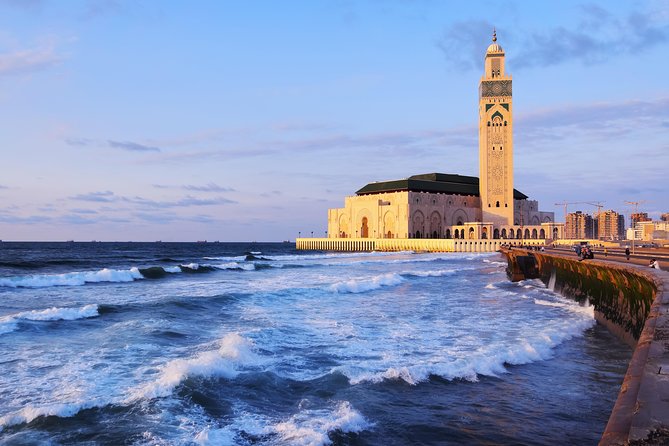
You start in Casablanca with a simple meet-up: your driver finds you outside the airport, and you’re not left playing guess-the-taxi with jet lag. Then you head straight to Hassan II Mosque, a modern Moroccan landmark that’s also famous for welcoming non-Muslims. The visit is timed with a ticket included, which is helpful because entry lines and ticket hunting can eat up your first afternoon.
After Casablanca, you’ll drive toward Rabat for a stop at the Hassan Tower and the nearby Mohammed V Mausoleum. The tower is unfinished, but that’s part of the story: it’s a monument to ambition that never finished, and you’ll see partial walls and columns as evidence. This is a good warm-up day because it teaches you what to look for later: detail in tilework, carved stone, and the way Morocco mixes monumentality with craftsmanship.
You can also read our reviews of more private tours in Marrakech


Chefchaouen: how to enjoy the blue medina without burning out
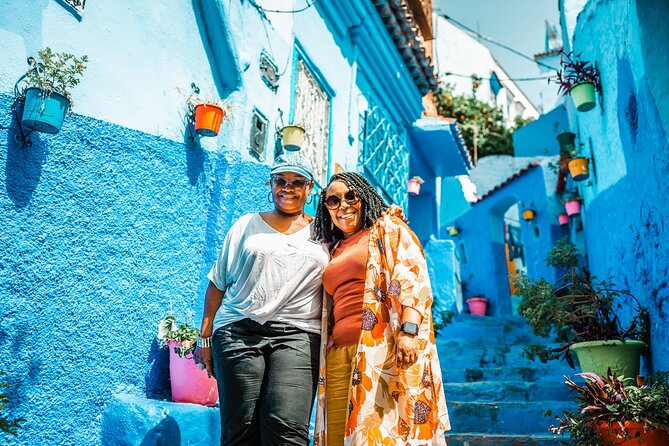
Chefchaouen is one of those places where the colors hit you before you even understand the streets. The medina sits high in the Rif Mountains, and the drive out of the coast feels like a change in temperature and pace. Once you’re walking, the blue walls, steps, flower pots, and painted textures create a photo-friendly maze that still feels human.
You’ll have a full block of time here, which matters. In a tight tour, Chefchaouen becomes a quick loop and a selfie rush. With enough hours, you can slow down, check out small shops, and actually watch daily life in the souks.
A smart move: wear shoes you trust. The alleys are narrow, stairs pop up unexpectedly, and you’ll do a lot of walking without a lot of pause points.
Fes: the old city feel, guided and well-paced
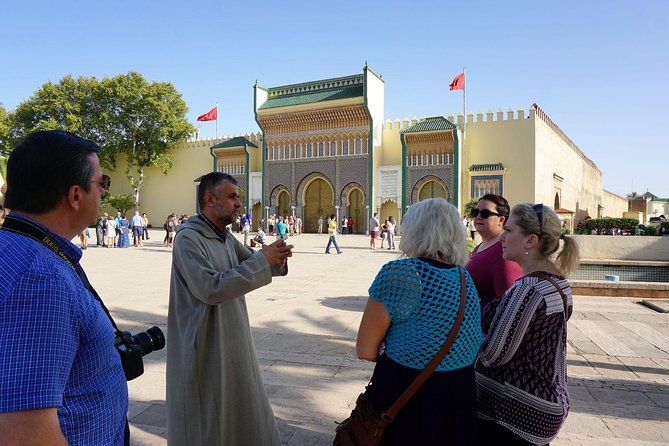
Fes is where many first-time Morocco trips either feel magical or feel chaotic. This tour handles that with a private guide and a walking plan that includes some transportation between sites. You start near the royal palace area with the famed seven golden doors, and from there you move through the city’s layers, including the Mellah, or Jewish quarter, built beside the palace for protection.
One part I’d call out: the viewpoints. You’ll visit Borj Sud to get a city overview, which makes the winding streets start to make sense. Even if you’re not a map person, a hilltop view helps you understand where you are and why the city looks the way it does.
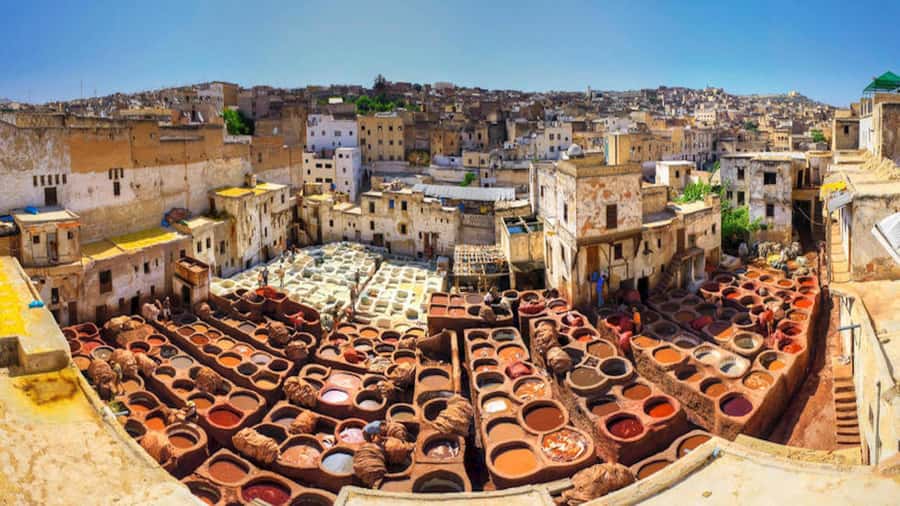
You’ll also get hands-on craft context at a pottery co-op. This is useful because Fes pottery and tilework aren’t just souvenirs; they’re part of how the city expresses identity. And the group time is long enough to not feel like you’re sprinting from one doorway to the next.
Driving south the smart way: Ifrane, Azrou monkeys, and Atlas crossing
Leaving Fes, you’ll take the road south with multiple breaks that keep the long day from turning into one long headache. Ifrane is your first stop, often called the Swiss village due to its alpine-style look. It’s a fast shift from historic density to something that feels more planned and tidy.
Then come the cedar forests outside Azrou, where you can see monkeys. One practical note: you’ll see them up close in their habitat setting, but the tour frames it as feeding them and they’re said to be surprisingly well mannered. Still, treat it like an animal encounter, not a petting zoo.
You’ll cross the Atlas Mountains and head toward Merzouga, using scenic stops along the way. You’ll also pass through areas with date and almond trees, which signals that you’re moving from cooler, forested mountain zones toward desert edges.
You arrive in the evening and check into your riad in time for dinner. That timing helps: you’re not trying to reach the desert at the same hour you’re still figuring out your room.
Merzouga Sahara night: SUV access, Gnawa music, fossils, and camels
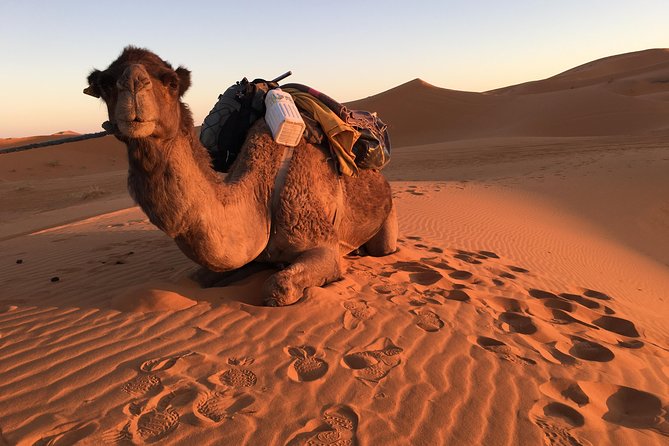
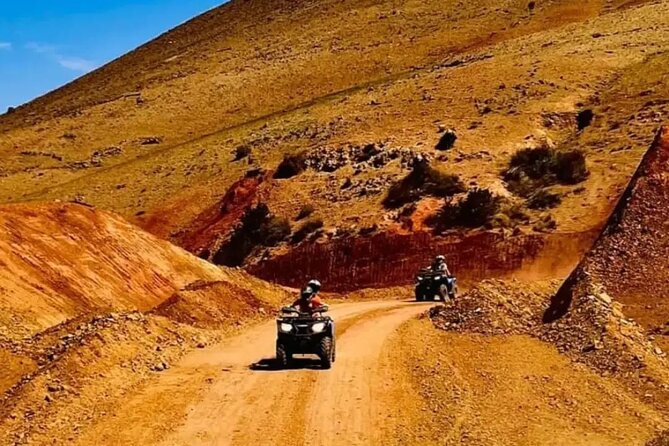
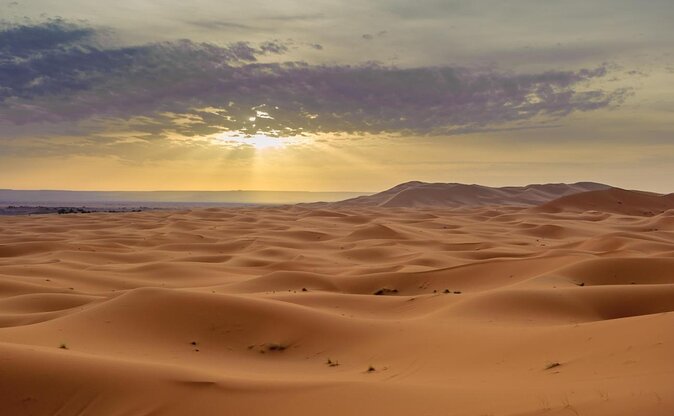
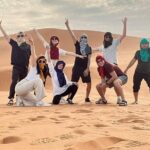
This is the heart of the trip. You start with a Sahara SUV excursion into the dunes around Erg Chebbi, which is the practical way to get out there without wasting half your day on transfers. On the way, you stop for music at the Gnawa Village. Gnawa music is described as rhythmic and hypnotic, tied to centuries of ceremonies and cultural influence across Morocco, including major festivals. Even if you don’t know the history, the sound gives you an instant sense of place.
Then you hunt for fossils. The tour frames the Sahara as once an ocean millions of years ago, and that makes the fossil search feel less like a gimmick. It’s a reminder that this desert isn’t just a sand photo backdrop; it has deep time baked into it.
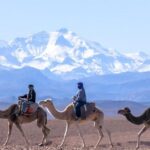
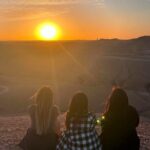
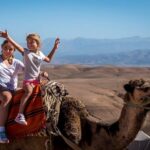
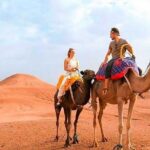
Late in the afternoon you switch to camels for the trek to the camp. That camel ride is where comfort matters: bring layers, keep your movement calm, and don’t expect luxury the way you do in hotels. You’ll camp in a traditional Bedouin camp setting.
And here’s the honest part: the desert overnight gets cold. The itinerary explicitly warns you to bring a jacket. I’d treat that as non-negotiable advice because desert temperature drops can surprise you even when the day felt warm.
Dades Gorges and Todra Gorge: red rocks, a calmer pace, and Ouarzazate
After the Sahara night, you’ll do a traditional Moroccan breakfast at the camp and then leave by SUV. If you choose the optional early wake-up, you’ll aim for sunrise over the dunes, which is one of those moments that can feel worth the sleep sacrifice.
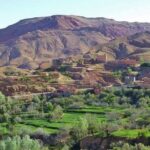
From there you travel west and stop at Todra Gorge via the Tinerhir area. Todra is carved from red rocks by a river, and you’ll feel the canyon effect immediately once you’re inside the gorge. This stop breaks the “city then desert then city” rhythm and gives you a different kind of scenery.
Next you reach Ouarzazate, a town often used as a gateway for desert and film settings. There’s an optional stop at Kalaat M’Gouna, known for rose water production. If you like food-based or craft-based detours, it’s the kind of stop that keeps the day from feeling like only driving.
Ait Ben Haddou and the road over Tizi n Tichka to Marrakech
Ait Ben Haddou is UNESCO-listed and built as a ksar along a trade route between the Sahara and Marrakech. Even if you don’t care about architectural history, you’ll feel why filmmakers love it: the shapes, textures, and fortified layout look cinematic without needing special effects.
You’ll stop long enough to walk around and notice how the village is designed for survival—tight construction, thick walls, and a layout that makes sense in a harsh environment.
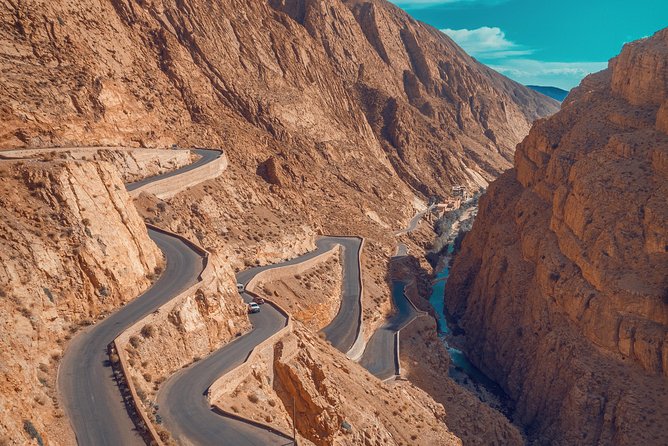
Then you cross the Atlas Mountains via the winding Tizi n Tichka pass to reach Marrakech. This part of the trip is where “road time” turns into “wow” if you’re in the mood for views and slow turns. Plan to sit back and enjoy it, because you won’t get many other chances to see the Atlas from the window like this.
Marrakech with a private guide: minaret, palace gardens, and Jemaa el-Fna
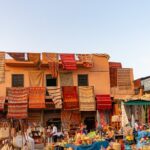
Marrakech is where the tour shifts from road logistics to culture on foot. You’ll have a private guide for a walking-focused experience with key landmarks and a few shop stops that add local context.
You’ll visit the Koutoubia minaret, described as the tallest minaret in Marrakech and part of the largest mosque, completed in 1199. Then you’ll stop at a Berber apothecary, learning about medicinal uses of spices and herbs. This is the kind of stop that can feel like a sales pitch on some tours, but here it’s specifically framed as traditional remedies for common issues, which makes it more grounded.
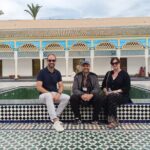
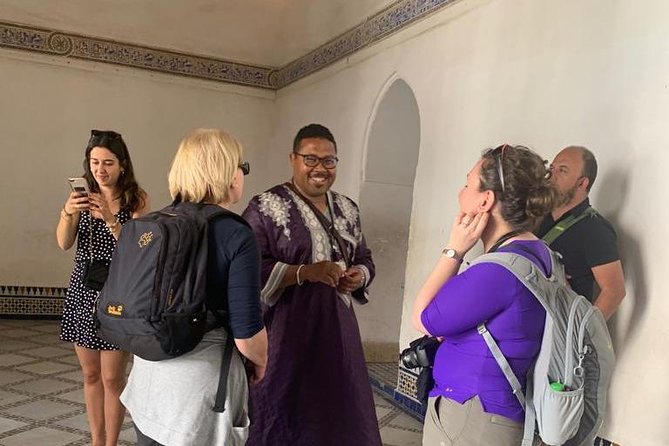
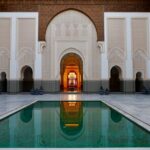
Next is the Bahia Palace, built in the late 19th century for the grand vizier and named for his favorite wife. You’ll see rooms set in gardens and hear the political weight behind the household structure, including the harem as a powerful position.
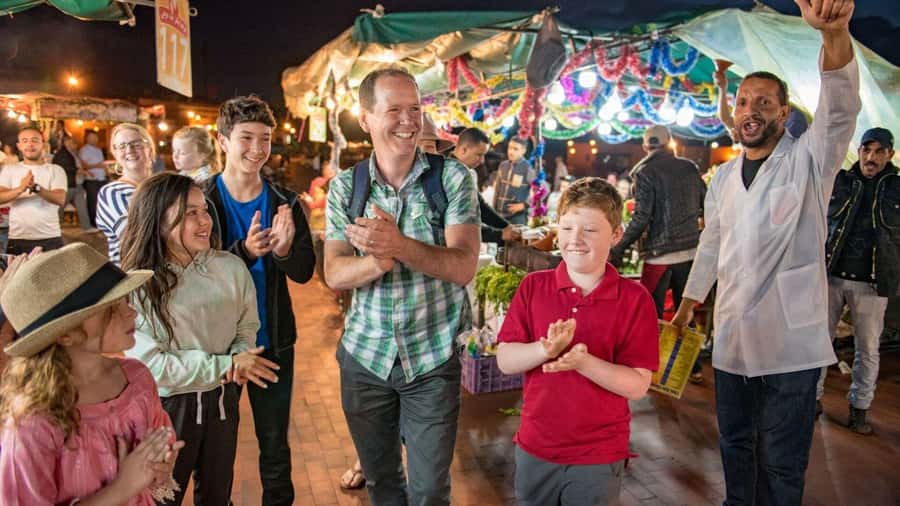
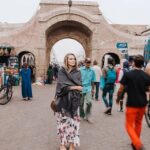
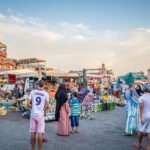
Finally, you’ll spend time at Jemaa el-Fna, the main square and UNESCO site. You’ll see street activity and the energy of the medina center without needing to navigate it alone.
Value check: what $1,945 buys you in real travel comfort
At $1,945 per person for about 10 days, the price is not cheap. But the value comes from bundling several costly pieces: 9 nights of lodging, a private guiding approach in cities, and transportation by chauffeur across multiple regions. Add in the big-ticket element of a Sahara overnight with camel trekking and a camping experience, and you’re not just paying for scenery—you’re paying for logistics done for you.
The meals included also matter. You get breakfasts (9), dinners (2), and lunch as part of the package, which reduces day-to-day budgeting and decision fatigue. That said, the itinerary notes one lunch stop as lunch not included. So, think of this as mostly covered meals with a small number of meals you’ll likely buy on your own.
If you’re the kind of traveler who hates planning transportation between cities, booking guides separately, and guessing entry fees, this package structure can feel like a real bargain. If you prefer maximal free time and minimal driving, you may feel the schedule too tight.
Who this tour fits best (and who should think twice)
This makes a strong match for you if:
- You want Morocco highlights in one trip without car rental stress.
- You’ll enjoy a mix of city history and desert night magic.
- You like private guidance when you’re walking crowded old quarters.
It might not be ideal if:
- You need lots of downtime between stops.
- You hate long road days and would rather spend more time in one region.
Should you book this Chefchaouen to Sahara to Marrakech private tour?
I’d book it if you want a single, well-assembled Morocco route that takes you from blue medina streets to the Erg Chebbi dunes without forcing you to manage the handoffs. The biggest win is that the itinerary protects the two hardest “impressions” to plan: Fes with a guide and a true overnight Sahara experience.
Do it with one mindset: accept that the car is part of the trip. If you can roll with that, you’ll come away with a mix of architecture, old-city walking, and a desert night that feels like a separate world.
FAQ
FAQ
Where does the tour start and where does it end?
It starts in Casablanca, with your driver meeting you outside the airport. The trip ends back in Casablanca after breakfast, so you can catch your departure flight.
How long is the private tour?
It’s listed as approximately 10 days.
Is this tour really private for just our group?
Yes. It’s a private tour/activity, and only your group participates.
What’s included in the price?
Included items are transportation, all activities, a local guide, accommodations for 9 nights (double or triple occupancy, with an optional single supplement), and meals including breakfast (9), dinner (2), and lunch.
Are pick-ups included?
Pickup is offered, and on the first day your driver meets you outside the airport.
Is an overnight Sahara camel safari included?
Yes. You’ll do an overnight safari with a camel trek and camping in a traditional Bedouin camp.
What about vegetarian meals?
A vegetarian option is available. You should advise your dietary needs at booking.
Are entry tickets included?
Some are listed as included or free for specific sites, such as Hassan II Mosque (ticket included) and Hassan Tower (ticket free). Other entries may vary by stop, so it’s smart to plan for a few extras.
Is there single-room pricing?
Accommodations are double or triple occupancy by default, with an additional fee for a single supplement.
What’s the cancellation timeframe for a full refund?
You can cancel up to 3 days in advance of the experience for a full refund.