REVIEW · MARRAKECH
Women’s Ultimate Adventure Morocco
Book on Viator →Operated by Unique Travel Morocco · Bookable on Viator
Marrakech leads to real women’s Morocco. This 12-day, private tour blends Sahara time with cultural, hands-on stops led by an English-speaking female guide (and it’s designed specifically for women traveling together). I like how the route mixes big sights with day-to-day life: tea with a Berber family, cooking in Khamlia, weaving lessons, and visits to women’s associations.
The main trade-off is simple: it’s a lot of driving for a lot of days, and the best parts (hikes, desert rides, mountain passes) expect decent stamina and good weather. If you prefer a slow, low-transport trip, this one may feel like you’re always on the move.
In This Review
- Key highlights I’d plan around
- Women-only Morocco, without the usual tourist script
- First night in Marrakech: getting your bearings at Jemaa el-Fna
- Dades Gorge: a gentle hike plus Berber tea and dress-up
- Road to Merzouga: Toudra Gorge, khettarat irrigation, and kasbah stops
- Erg Chebbi dunes: 4×4 scouting, Khamlia culture, and a camel ride at sunset
- Agdz and the Draa valley: clay architecture and women in oasis agriculture
- Ait Benhaddou and Tawssna weaving: seeing crafts as survival skills
- Imlil and Toubkal views: High Atlas trekking at human pace
- Essaouira: bread demonstration, argan cooperative, and a true coastal walk
- Marrakech Medina wrap-up: women’s museum, Ben Youssef, henna, and music
- Price and value: what you’re paying for (and what you’re not)
- Who this Morocco tour is perfect for
- Should you book Women’s Ultimate Adventure Morocco?
- FAQ
- How long is the Women’s Ultimate Adventure Morocco tour?
- Where does the tour start, and when do you meet?
- Is pickup offered?
- What kind of guide do you have?
- What activities are included in the Sahara portion?
- Are meals included?
- What isn’t included in the price?
Key highlights I’d plan around
- Jemaa el-Fna food orientation in Marrakech so you know what to order and where to go
- Dades Valley gentle hike plus Berber tea and getting dressed in traditional style
- Erg Chebbi dunes with 4×4 and camel ride for sunset views that take your breath back
- Khamlia village cooking and music (madfouna lesson and Gnaoua-style sounds)
- Women-run co-ops and workshops from argan to hand weaving in Ait Benhaddou
- Essaouira port day with bread demonstration and a women’s argan cooperative visit
Women-only Morocco, without the usual tourist script
This tour’s big idea is straightforward: you’re in southern Morocco with a female English-speaking guide, and the day plan repeatedly points you to women’s roles—inside families, in villages, and in community associations. That changes what you notice. You pay attention to who runs the work, who teaches the skills, and how food and crafts show up in everyday life.
Another thing I like for practical reasons is pacing. You get a mix of structured activities and real “walk and look” time, especially in Marrakech and Essaouira. So you’re not trapped in constant museum mode.
Your best results here come from a mindset shift. Go curious, not fast. You’ll enjoy Morocco more when you slow down enough to ask questions during tea, cooking, and craft demonstrations.
You can also read our reviews of more tours and experiences in Marrakech.
First night in Marrakech: getting your bearings at Jemaa el-Fna
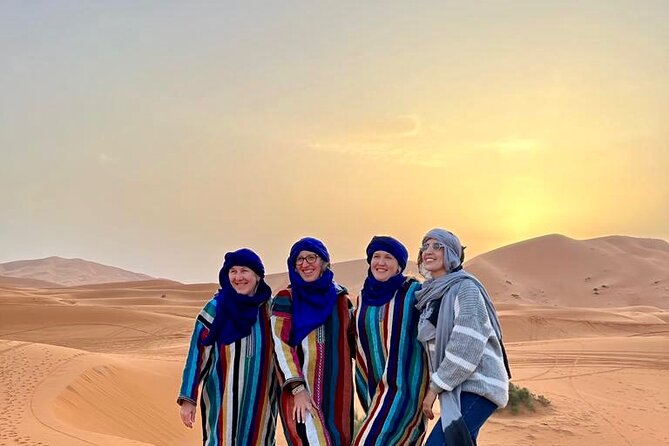
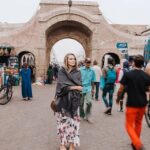
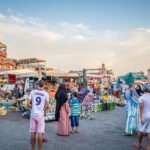
You start in Marrakech in the afternoon, meeting at Hôtel AliRue Moulay Ismail and heading into the medina area. Day one centers on Jemaa el-Fna, the famous square where street food culture is the main attraction. The guide’s role matters here, because Morocco street food is fun but also easy to do wrong if you don’t know what to look for.
The plan is built around food tasting and learning Moroccan cuisine in context. You don’t just eat randomly. You learn how dishes fit together, which ingredients matter, and how to navigate the stalls. That makes your later medina exploring easier, too.
If you’re sensitive to crowds, loud sounds, or long waits for food, this square can feel intense. Still, it’s exactly why this start works: you learn the local “rules” early, then you can roam with confidence later.
Dades Gorge: a gentle hike plus Berber tea and dress-up
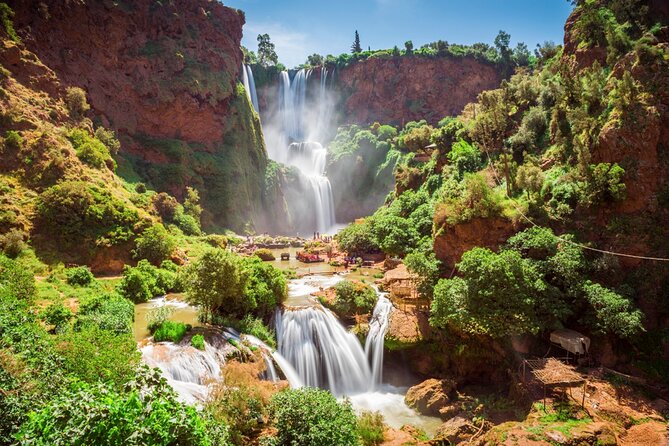
From Marrakech you’ll drive toward the Dades Gorge region, with stops along the way for views and major roadside landmarks. You’ll pass high mountain scenery on the way to the Atlas area, including a notable high pass (Tizi n’Tichka at about 2260 meters). Later, the route includes classic stops like Ouarzazat’s kasbah area and the road of many kasbahs through places such as Skoura and Kella Mgouna.
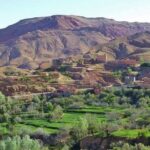
In Dades, the tour slows you down in the right places. Day two includes a two-hour gentle hiking walk through the Dades valley, with Berber villages, cultivated fields, and panoramic viewpoints (including a finish at Tisadrin). This is hiking you can enjoy without feeling like you need to train for a mountain marathon.
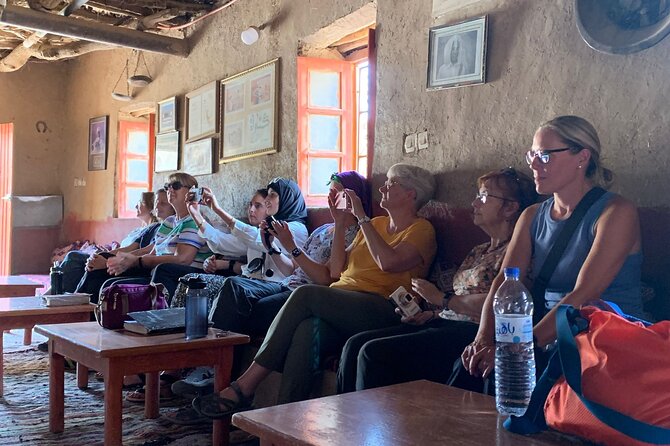
Day three adds a cultural “reset” after the hike. You visit a local family for tea demonstration and you’ll dress as Berber women in traditional style. It’s not just a photo moment. Tea in Morocco is a ritual, and being part of the experience teaches you how hospitality works on a personal level.
Tip: bring a light layer for early starts, plus shoes with good grip. Some paths can be uneven even on an easy walk.
Road to Merzouga: Toudra Gorge, khettarat irrigation, and kasbah stops
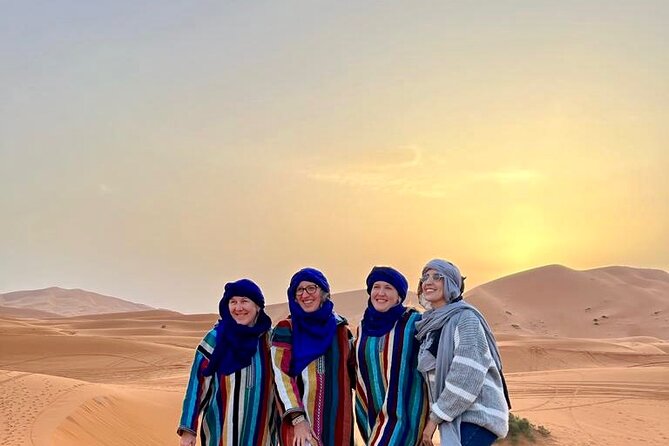
The journey from Dades toward the Sahara doesn’t feel like one long blur. You break it up with scenery and history that actually helps you understand southern Morocco’s geography.
Day four includes Toudra Gorge—a dramatic canyon stop you don’t want to rush. You also visit khettarat, the traditional irrigation system used in southern landscapes. Even if irrigation sounds technical, it’s the kind of stop that clicks when you see how water makes agriculture possible in dry regions.
The route also includes kasbah culture in the Ouarzazat area and then continues through the long caravan-style feel of southern roads. You’ll stop for home-cooked lunch in a small village (Moulay Brahim), and you’ll also visit a women’s association there. So the day mixes natural scenery with human systems: water, food, and community.
A drawback consideration: travel days in Morocco can be long, and desert-bound roads are not always “fast.” If you get motion sickness, pack what works for you.
Erg Chebbi dunes: 4×4 scouting, Khamlia culture, and a camel ride at sunset
Merzouga is where the tour’s star shift happens. You’ll cross into Erg Chebbi dunes and base yourself in the desert region.
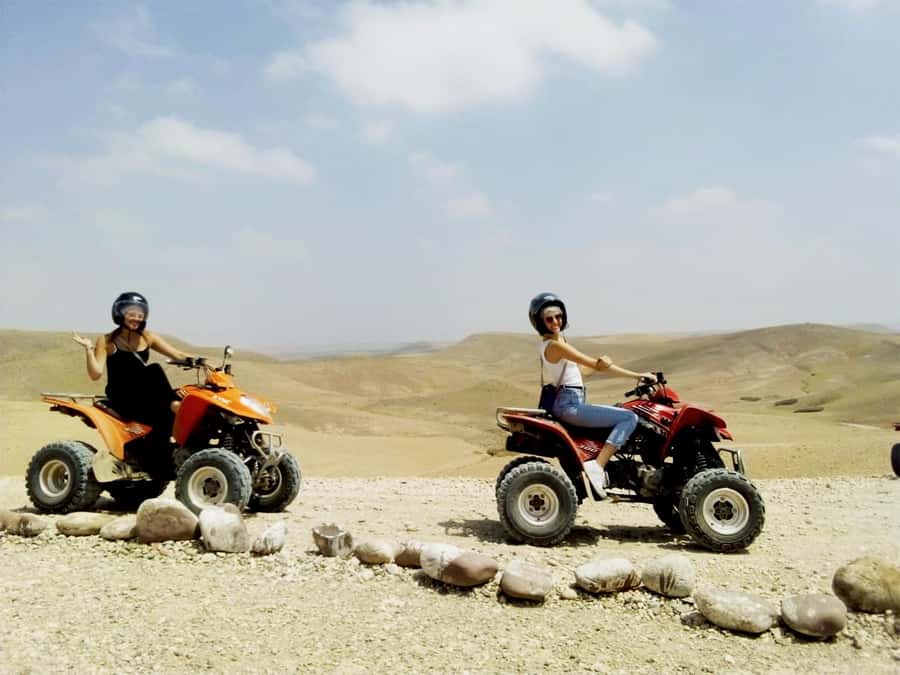
Day five splits the day into three parts. First, you’ll have a free morning for sunrise and breakfast. Then you head out around 11 am for 4×4 driving to visit nomads in the Sahara. That’s the practical way to reach people and places without wasting daylight on long transfers.
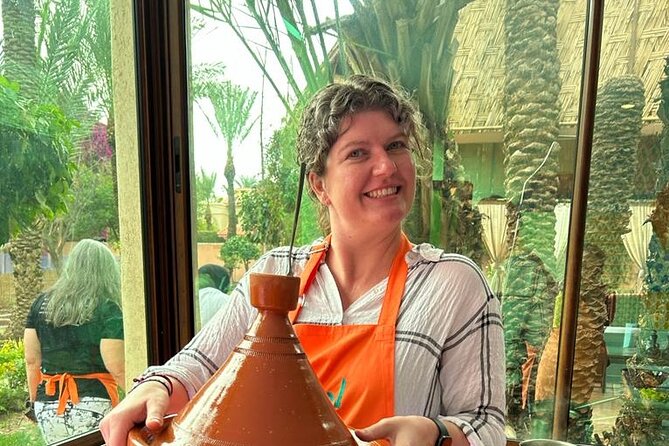
Next comes Khamlia, where you’ll meet local ladies in the town and learn how to prepare madfouna, a regional dish. This isn’t just cooking for tourists; you’ll hear about how food knowledge travels through communities. You also enjoy Gnaoua-style music in a traditional setting. It’s a cultural experience, not a staged show.
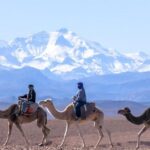
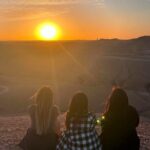
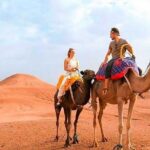
Finally, you ride camels over the sand dunes and enjoy sunset views. This is the kind of moment that stays with you because it’s sensory: light changes fast, the desert gets quiet, and the scale of the dunes makes everything feel bigger than your phone camera.
Practical note: camel rides can involve a bit of rocking. Wear comfortable clothing you don’t mind getting dusty.

Agdz and the Draa valley: clay architecture and women in oasis agriculture
After desert time, the tour moves into the Draa valley area and the town of Agdez. Agdz is known for its clay architecture and palm-date surroundings, and it sits on the kind of trade-route history that once linked major cities across wide distances.
Day six is a mix of wandering and conversation. You’ll learn what the role of women is in oasis agriculture in Morocco. That’s the value here: you see agriculture as more than “scenery.” It’s labor, knowledge, and family survival.
You also get free time for exploring. That matters because Agdz isn’t about ticking off monuments. It’s about understanding how daily life is shaped by dry land, water access, and seasonal routines.
If you like photos, this is a strong day for golden-hour shots of adobe textures and palm rows. If you hate heat, plan to pace your walking during the warmest hours.
Ait Benhaddou and Tawssna weaving: seeing crafts as survival skills
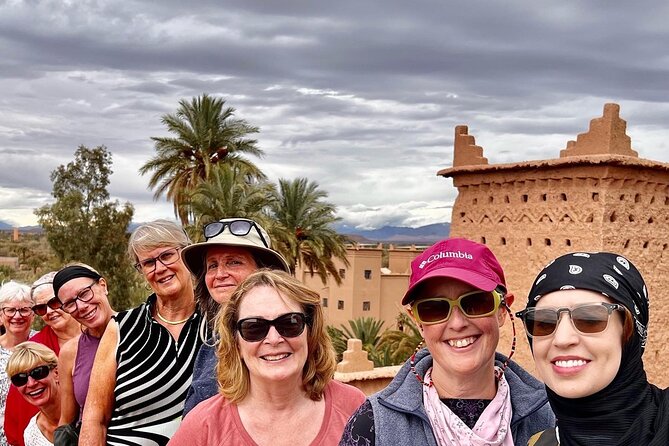
One of the most iconic stops in Morocco is Ait Benhaddou, and this tour treats it as more than a quick photo stop. You’ll explore the old town with its winding streets dating back many centuries, then walk up toward a hill for panoramic views over the plains.
Day seven also includes two women-focused cultural stops. You’ll visit Taoussna women’s association and sit with Berber women who teach the long process of hand weaving. The lesson is important because weaving here isn’t just “craft.” It’s how communities create warm clothing and useful textiles in an environment that can be harsh.
You’ll have time for a cultural experience with Berber ladies and the techniques they use, plus you’ll have the setting of a UNESCO-style landmark town where history and daily skill live side by side.
What I’d watch: weaving lessons take time. If you want quick museum-style browsing, plan to stay patient and let the demonstration run its course.
Imlil and Toubkal views: High Atlas trekking at human pace
Then the tour turns toward the High Atlas, with a drive toward Imlil. You pass the same high mountain pass route (Tichka area) and reach Imlil, known as a key trekking point.
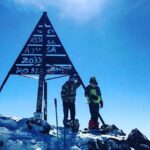
Day eight is more relaxed on paper than the desert days, but it still gives you mountain texture. You’ll stretch your legs around the village and take in views toward Toubkal, the highest peak in North Africa.
This is a good day if you want fresh air after days in heat and dust. It’s also a good day if you like being around people who live at the edge of hiking routes.
Practical thought: mountain weather can shift. Even if the forecast looks fine, bring a light jacket and keep water with you.
Essaouira: bread demonstration, argan cooperative, and a true coastal walk
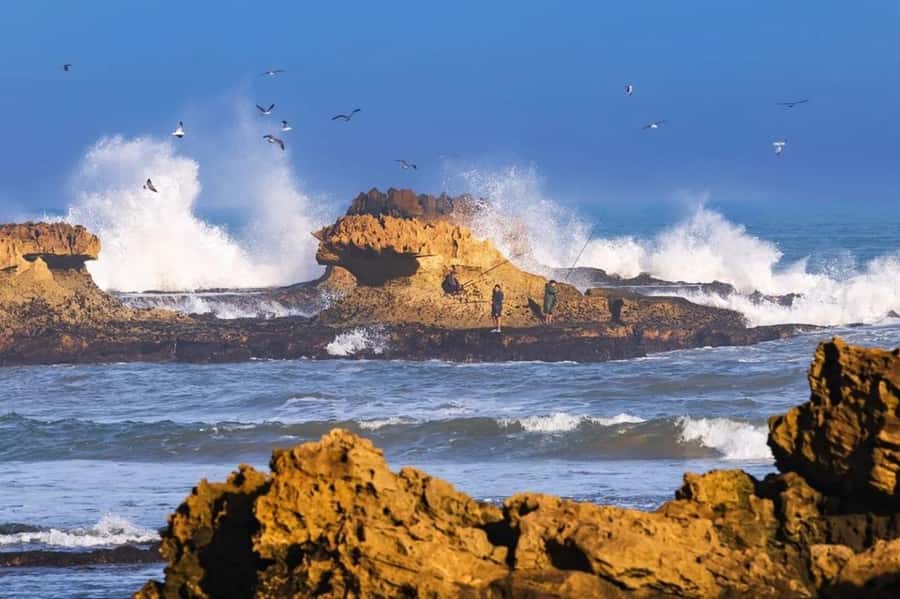
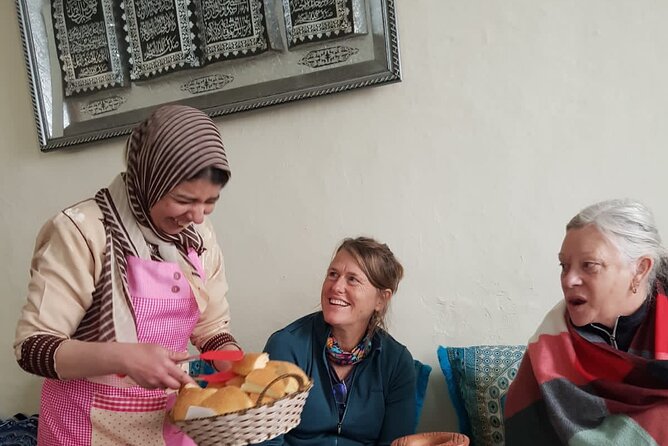
Essaouira brings the sea back into the picture. The tour starts with an early bread demonstration, which is one of those small cultural moments that makes a city feel local fast. You’ll then drive to the coast and stop along the way for the argan tree, often described as the tree of life by Berbers.
After lunch, you’ll visit a women’s argan cooperative. This is one of the most directly “women-in-work” stops on the route. Argan products are famous, but seeing the cooperative side helps you connect the brand with real people and real work.
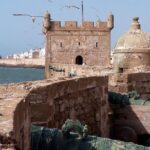
In Essaouira, you’ll walk through the old town: the port, Skala, and the Jewish quarter. You get an on-the-ground feel for a coastal city that trades, welcomes sailors, and lives at a different pace than Marrakech.
Day ten adds a free morning and then a private bus back to Marrakech, after checking in. Then you’re back in Jemaa el-Fna for dinner in the largest square again, which is a nice bookend. You get contrast: first time you learn food basics, second time you apply what you learned.
If you’re expecting beach-only time, you won’t get that. This is a walk-and-culture approach to the coast.
Marrakech Medina wrap-up: women’s museum, Ben Youssef, henna, and music
By the time you return to Marrakech, you’re ready to zoom in on what you missed the first time. Day eleven focuses on a medina walking tour with key stops, including a Women’s Museum and Ben Youssef Medersa. Those are strong choices because they anchor the city’s story in education, craft, and cultural memory.
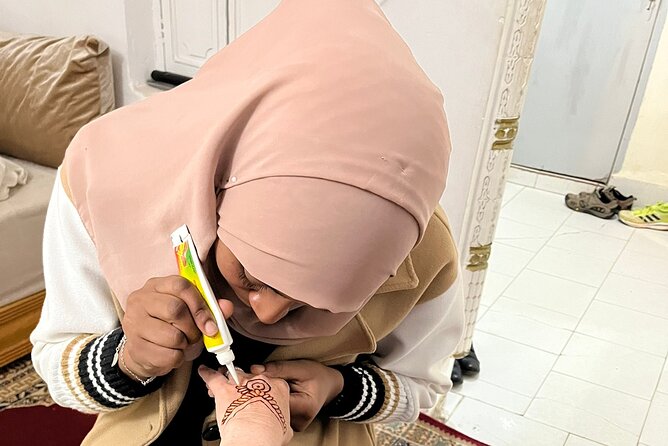
The rest of the day is yours for exploring or shopping in the souks around Jemaa el-Fna. Then you end with a farewell dinner with a local family, plus henna tattoos and a Marrakech-region music performance.
This is where the tour’s “women’s Morocco” theme becomes emotional rather than academic. Dinner with a local family turns the earlier tea and association visits into a complete story: hospitality, skill, and community show up again.
Practical tip: if you plan to shop, keep some cash aside for smaller purchases. Prices in medinas can vary widely by seller and location.
Price and value: what you’re paying for (and what you’re not)
At $2,844.40 per person for about 12 days, you’re not just buying transport between attractions. You’re paying for a lot of included experiences that would cost extra if you booked separately.
Here’s what stands out for value:
- A female English-speaking guide throughout, plus private-group handling
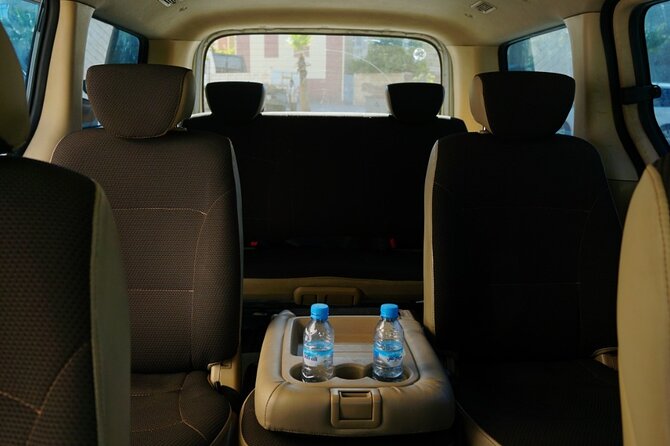
- Air-conditioned vehicle transport across varied regions
- Included hiking (Dades valley), desert activities (4×4 to nomads and camel ride), and multiple craft/cookery sessions
- Multiple women-centered visits: family tea and dressing in Dades, women’s associations in Moulay Brahim and Ait Benhaddou, argan cooperative in Essaouira, plus music and henna as part of the cultural finish
- Many meals included: breakfast is listed for 10 days, lunches for 4 days, and dinner for 10 days
What’s not included helps set expectations: flights, insurance, drinks, and tips. Also note that the tour requires good weather. If conditions are poor, you’ll be offered a different date or a full refund.
Is it “worth it”? If you want a Morocco trip where the focus is women’s roles and hands-on skills, the included workshops and cooperative visits are the main reason it pencils out. If you only care about scenery and monument photos, you might find cheaper options that skip the workshops.
Who this Morocco tour is perfect for
This tour fits best if you want:
- A women-only, supportive travel vibe with a guide who leads in English
- A blend of active days (gentle hikes, desert rides) and skill-based cultural moments (cooking, weaving, tea, henna)
- A route that covers Marrakech, Dades Gorge, Merzouga/Erg Chebbi, Agdz, Ait Benhaddou, Imlil/Toubkal area, and Essaouira
It’s less ideal if you:
- Want minimal driving and very few packed days
- Prefer fully independent travel where you set every plan yourself
- Don’t enjoy guided group experiences or you get tired by constant introductions and meetings
Should you book Women’s Ultimate Adventure Morocco?
If you’re the type who remembers trips by what you learned, cooked, or made—not just what you photographed—this is a strong choice. The women’s association visits, the cooking in Khamlia, and the weaving lesson at Ait Benhaddou give you a Morocco story that feels personal and useful.
If you’re okay with long road stretches and you’re flexible about weather, you’ll likely love how the route builds from Marrakech into the Atlas and then out to the Sahara. For women who want Morocco with extra care, structure, and real community contact, I’d say book it.
FAQ
How long is the Women’s Ultimate Adventure Morocco tour?
The tour is listed as 12 days (approx.).
Where does the tour start, and when do you meet?
The meeting point is Hôtel AliRue Moulay Ismail, Marrakech 40000, Morocco, and the start time is listed as 2:00 pm.
Is pickup offered?
Yes. The tour summary states pickup offered.
What kind of guide do you have?
You get an English female tour guide.
What activities are included in the Sahara portion?
The included Sahara experiences cover 4×4 driving to visit nomads, a visit to Khamlia, a Madfouna cooking class, and a camel ride over the dunes.
Are meals included?
Breakfast is included for 10 days, lunch is included for 4 days, and dinner is included for 10 days (as listed).
What isn’t included in the price?
The tour lists flights tickets, insurance, drinks, and tips as not included.