REVIEW · MARRAKECH
Unique Experience 3 Days Tour from Marrakech to Fes via Desert
Book on Viator →Operated by Marrakech desert tour · Bookable on Viator
The Atlas road makes you feel small. In three days, this route links Marrakech’s chaos with UNESCO Aït Benhaddou, mountain canyons, and an Erg Chebbi desert night that changes the pace completely. You’ll drive through the High Atlas, pause at movie-landmarks in Ouarzazate, then end in Fez through Ifrane’s very un-Moroccan French-style town.
I love the mix of famous stops and hands-on moments: the kasbah is one of Morocco’s most photogenic earthen places, and the camel ride plus Berber camp overnight is the kind of experience you can’t fake. I also like the practical setup, with air-conditioned SUV/minivan transport, pickup and drop-off, and a driver-guide who keeps the long days moving.
The main consideration is cold desert nights in winter. Even when the days feel fine, nights around the dunes can turn sharp, and one traveler strongly advised packing a real winter coat.
In This Review
- Key points before you go
- The big idea: a road trip with real change in scenery
- Pickup, timing, and what the long drive feels like
- Aït Ben Haddou: UNESCO kasbah time without museum vibes
- Ouarzazate: Atlas Studios and Taourirt’s kasbah vibe
- Todra Gorges: when the canyon does the talking
- Erg Chebbi: camel ride + Berber camp under the stars
- What to pack for the desert night
- Ifrane and Azrou: a surprising break before Fez
- Price and value: why $150 can work (and when it won’t)
- Standard vs luxury desert camp
- The guide factor: Moha, Hachem, and the difference it can make
- Comfort and small problems to plan around
- Who should book this Marrakech to Fez desert tour
- Should you book this 3-day Marrakech to Fez desert tour?
- FAQ
- FAQ
- What time does the tour start?
- How long is the Marrakech to Fez tour?
- Is pickup and drop-off included?
- What meals are included, and is lunch covered?
- Do I get to ride a camel?
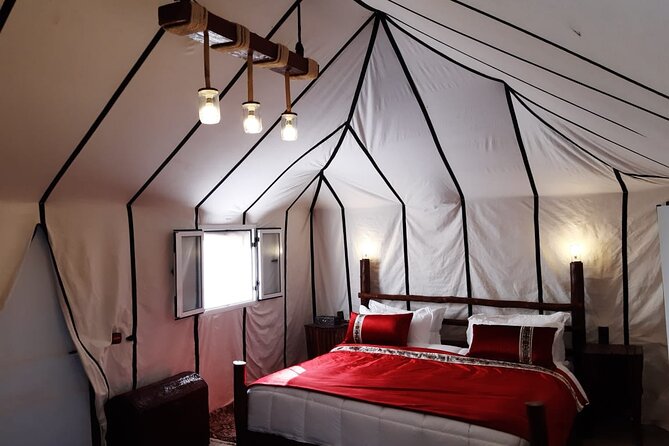
- Where do you sleep overnight?
- How big is the group?
- Are entrance fees included?
Key points before you go
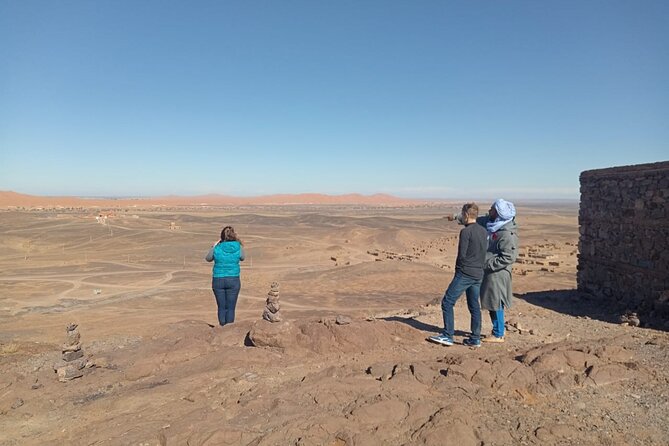
- Aït Benhaddou UNESCO kasbah: earthen clay architecture on the old caravan route
- Ouarzazate stops: Atlas Studios and the Taourirt kasbah area
- Todra Gorges: deep cliff-sided canyons near Tinerhir
- Erg Chebbi camel trek + Berber camp overnight: dinner under the night sky, then sleep in the camp
- Ifrane and Azrou: Swiss-looking town vibes, plus cedar forest and monkeys
- Small group size (max 17): easier conversations and less waiting around
The big idea: a road trip with real change in scenery
This is not a stay-in-one-place tour. It’s a classic Morocco drive with a clear arc: cities and kasbahs in the south, dramatic rock at the High Atlas edge, then the Sahara dunes before you roll into Fez. That rhythm matters because you get a sense of how the country shifts with altitude and distance.
You’ll start early (7:30 am) and spend most of the days on the move. The payoff is that you’re not just seeing one highlight—you’re crossing several worlds in just three days.
A few more Marrakech tours and experiences worth a look
Pickup, timing, and what the long drive feels like
The tour uses an air-conditioned minivan / SUV, with pickup and drop-off included. Most of the time, that’s a big comfort win because Morocco’s intercity driving can be long, and heat can add up when you’re outside.
A few reviews mention that the driver-guide was attentive about needs—stopping when people asked for coffee, photos, or rest breaks. That’s helpful, because it turns the drive from one long, stuck-in-a-seat slog into something more bearable.
Group size is kept to a maximum of 17, which usually means less crowding at viewpoints and more time for the guide to explain what you’re seeing. If you’re traveling with a friend or two, you’re also more likely to feel like you’re on a shared adventure rather than being herded around.
Aït Ben Haddou: UNESCO kasbah time without museum vibes
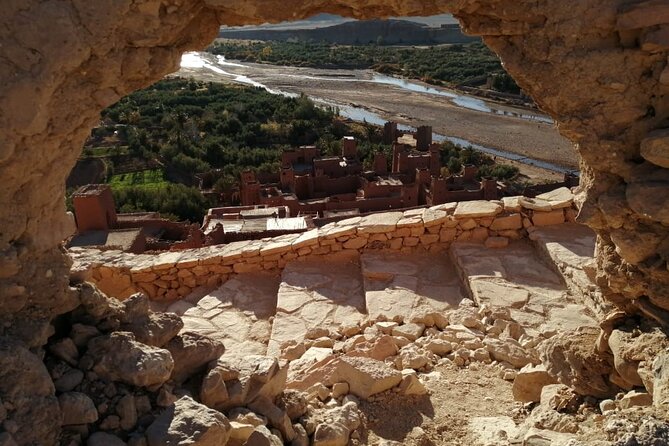
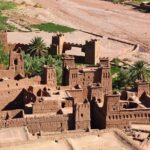
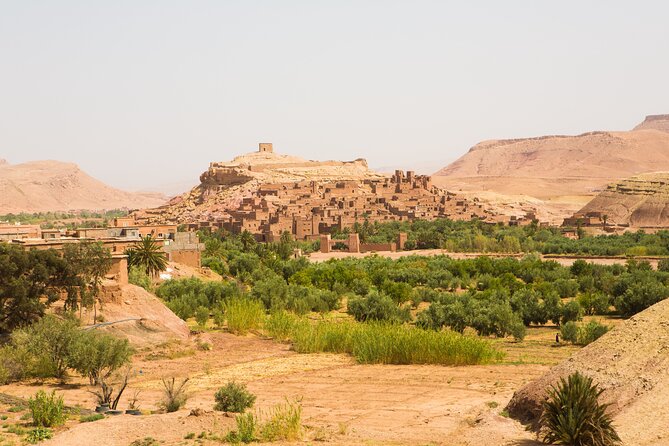
Aït Benhaddou (spelled Ait Ben Haddou in the itinerary) is the tour’s first major “wow” moment. It’s an ighrem/ksar along the former caravan route, built in earthen clay architecture, and it’s been a UNESCO World Heritage Site since 1987.
What I like about this stop is that it’s not just a view from a distance. Even if you move at a relaxed pace, you get that sense of scaled walls, passageways, and the way the buildings cling to the hill. It’s the kind of place that makes you look at “old architecture” as something practical—not just decorative.
One word of realism: this stop can be busy because it’s famous. So bring a mindset of slow wandering plus quick photos, and you’ll get more out of it.
Ouarzazate: Atlas Studios and Taourirt’s kasbah vibe
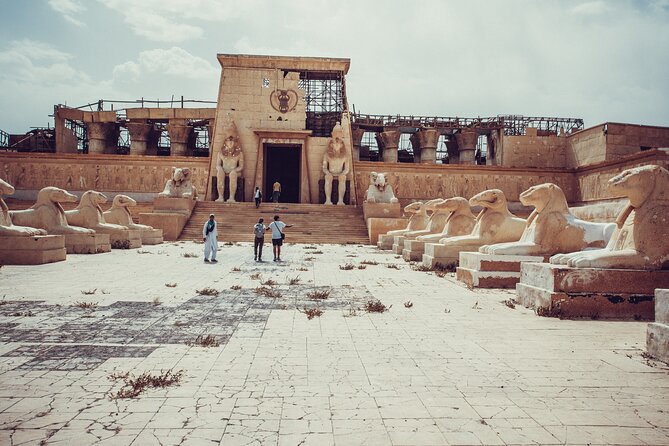
After the UNESCO stop, the tour shifts to Ouarzazate, the gateway to a lot of Southern Morocco routes. You’ll visit the Atlas Studios movie studios area and also stop by the Taourirt kasbah.
This part is fun because it connects Morocco’s scenery with the film world you’ve probably seen on screen. Even if you don’t care about movie facts, the kasbah feel is unmistakable: thick walls, compact streets, and a strong sense of place.
The balance here is timing. Ouarzazate is one of those towns where a “quick stop” can feel either perfect or a bit rushed. If you want to shop or snack, keep an eye on the schedule so you don’t feel stranded when the group moves on.
Todra Gorges: when the canyon does the talking
Next comes the Todra (Todgha) Gorges, a series of limestone river canyons near Tinerhir. The canyons are carved by the Todgha and Dades river systems, with the final stretch through the mountains doing most of the dramatic shaping.
This is one of the stops where your brain just quiets down. The canyon walls are close enough to make you feel small, and it’s easy to spend time staring upward. The itinerary lists this as about 30 minutes, which is enough for photos and a short look, but not enough for a long hike.
If you’re the type who likes walking a bit more on your own, wear shoes that can handle uneven ground. If you’re mainly there for the views, you’ll be happy with the time.
Erg Chebbi: camel ride + Berber camp under the stars
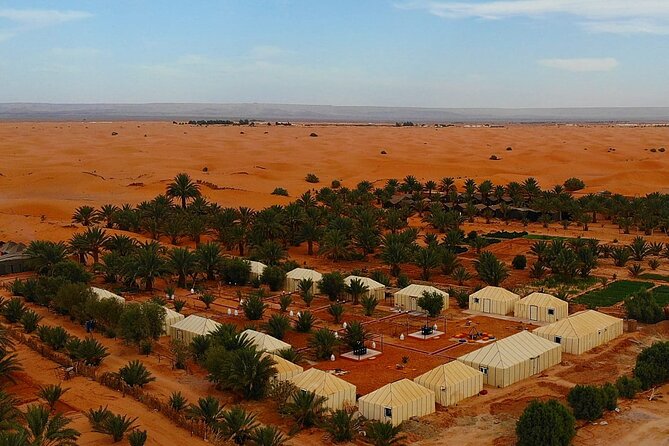
Then the desert night hits.
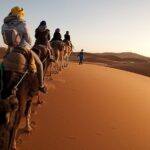
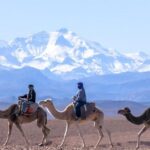
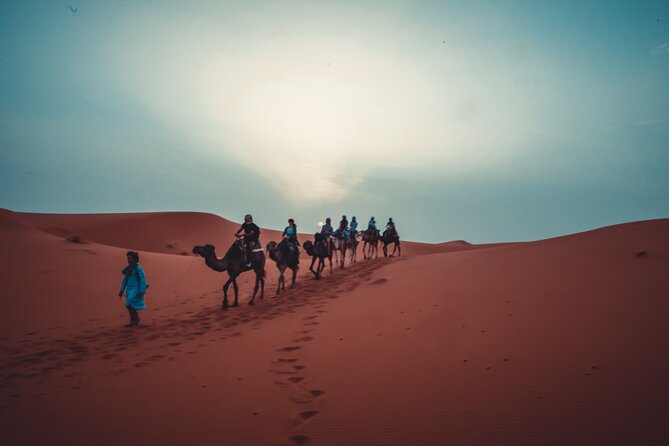
You’ll drive toward Merzouga and aim to arrive before sunset, leave the car at a hotel, and start by camel into the Erg Chebbi dunes. The camel ride is the centerpiece activity here, and it’s included.
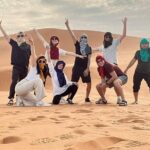
After that trek, you’ll sleep in a Berber tent for one night. Dinner is served in camp, and the experience is all about that moment when the sky takes over the scene. Some nights can include extra camp energy depending on the guide—one review mentioned music and dancing around the fire when the timing and group mood aligned.
What to pack for the desert night
This is where I’d be most direct. One traveler specifically warned about how cold it gets in winter and recommended bringing winter layers. Even if you think you’re tough, pack for cold. That usually means warm socks, layers you can strip and re-layer, and a real jacket.
Also, bring something simple for the camel ride: comfortable footwear, not brand-new sneakers that hate sand, and a scarf or light hat for wind.
Ifrane and Azrou: a surprising break before Fez
On the way into Fez, the itinerary includes Ifrane, a winter ski resort built by the French in the 1930s to resemble a Swiss village. That contrast is the point: after dunes and canyon rock, Ifrane feels like a palate cleanser.
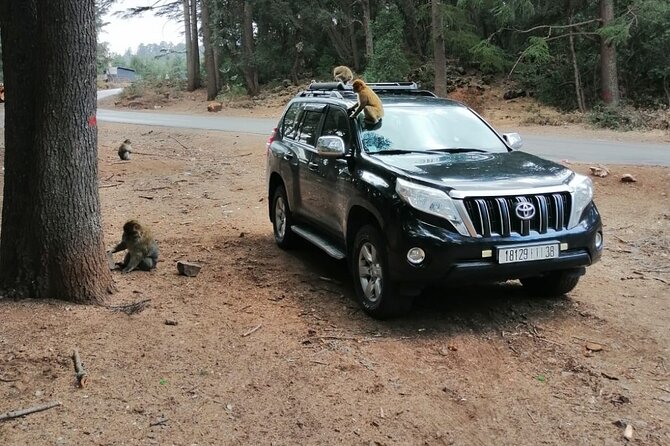
You’ll also visit the cedar forest in Azrou, where you can see monkeys. This is a nice “reset” stop because it’s calmer than the desert and gives you a chance to stretch and breathe. Keep your expectations simple here: short viewing, quick photos, then back on the road.
Price and value: why $150 can work (and when it won’t)
The price is listed at $150 per person. For a three-day route from Marrakech to Fez that includes air-conditioned transport, a driver-guide, a one-night hotel, and a one-night desert camp, it’s usually priced as a value tour rather than a luxury private driver experience.
Here’s what you get included:
- Transport by air-conditioned minivan / SUV
- Port/meeting pickup and drop-off
- Dinner & breakfast
- One night hotel
- One night desert camp (standard or luxury depending on your booked option)
- Professional driver guide
- Camel ride
What’s not included:
- Lunch
- Drinks
- Travel insurance
- Entrance fees
That last line matters. The itinerary notes free admission for some stops, but entrance fees are also listed as not included, so you should expect there may be small costs depending on how the stops are handled that day. If you’re budget-tight, ask what’s covered in your booking details.
Standard vs luxury desert camp
Your night in the desert depends on which option you pick: standard or luxury camp. If you’re the kind of traveler who cares about comfort after a long day, the upgrade can be worth it—especially because cold nights are not forgiving.
The guide factor: Moha, Hachem, and the difference it can make
One of the most consistent themes in the reviews is the importance of the driver-guide. Several people praised Moha (Mohammad) for attentive care, safe driving, and good English or Spanish support. One review even said to go only if doing the trip with Moha, which is strong praise.
Others highlighted Hachem for music, conversations, and making the desert night memorable. Hassan / Hasan also came up as friendly and informative, with some travelers describing multiple coffee and photo stops during the day. Mohamed Buzga was praised for punctual, steady, safe driving and good humor.
The practical takeaway: if you see multiple guide options when booking, don’t treat it as trivia. The guide tone can change your day-to-day experience—how long you wait, how smoothly transitions go, and how much you learn without feeling like you’re in a classroom.
Comfort and small problems to plan around
This tour is generally smooth, but it’s not perfect.
One review called the tour very touristy and suggested it could be better organized. Another mentioned an issue with hotel cleanliness on the first night (and even referenced mold). That’s not guaranteed, but it’s a reminder to keep your standards realistic for a mixed hotel/camp setup.
Also, one traveler felt there were too many stops, including a stop for photos with people in typical Berber cloth. That’s common in many itinerary-driven routes: you’ll likely get small cultural photo opportunities. If you hate forced photo moments, use a kind but firm approach—ask to skip if you’re not interested.
Who should book this Marrakech to Fez desert tour
This works best for you if you:
- Want a done-for-you route with a driver and transport
- Like big regional highlights in a short time (kasbah, canyon, dunes, Fez)
- Are okay with long driving days and early starts
- Will pack for cold desert nights and bring layers
It may be less ideal if you:
- Want deep, slow exploring at each stop (30 minutes at Todra won’t satisfy hiking lovers)
- Expect luxury-level hotel consistency every night
- Hate touristy photo stops and set schedules
Should you book this 3-day Marrakech to Fez desert tour?
If you want an efficient Morocco sampler with a genuine desert overnight, I think this tour is worth considering. The combination of Aït Benhaddou, camel ride into Erg Chebbi, and the Berber tent night is the real reason people choose this route—and the small group size keeps it more human than factory-tour energy.
Book with your eyes open about two things: cold at night in winter and the fact that you’ll be on the road much of the day. If those trade-offs fit your style, you’ll likely love the way the route changes your view of Morocco from hour to hour.
FAQ
FAQ
What time does the tour start?
The start time is 7:30 am.
How long is the Marrakech to Fez tour?
It runs for about 3 days.
Is pickup and drop-off included?
Yes, pickup and drop-off are included.
What meals are included, and is lunch covered?
Dinner and breakfast are included. Lunch is not included.
Do I get to ride a camel?
Yes, the camel ride is included.
Where do you sleep overnight?
You get one night in a hotel and one night in a desert camp (standard or luxury depending on the option you book).
How big is the group?
The tour has a maximum of 17 travelers.
Are entrance fees included?
Entrance fees are listed as not included, even though some itinerary stops are noted as free. It’s smart to confirm what applies to your dates.