REVIEW · MARRAKECH
trip of your dreams in 3 days and 2 nights in the desert
Book on Viator →Operated by LynxTrip · Bookable on Viator
High Atlas roads lead straight to desert magic. I like that this trip builds in Marrakech pickup plus UNESCO Ait Ben Haddou, then delivers the real pay-off: a camel trek and a night in a traditional desert camp. You’re not just passing through either—you get structured stops, decent meal coverage, and time to actually look around.
The main thing to plan for is that this is a long-drive adventure, and lunch isn’t included, with a few site add-ons potentially costing extra once you’re on the road.
In This Review
- Key highlights worth your time
- Marrakech pickup to the High Atlas: Tizi n Tichka and Ait Ben Haddou
- Todra Gorges and the Tinghir-area hotel night: dinner under the stars
- Todra Gorge to Merzouga: palms, gorges viewpoints, and the ride into dune country
- Merzouga to your desert camp: what the included night actually gives you
- Day 3 return from Merzouga: the Draa Valley and Nqob oases
- Price and value: what you’re really paying for at $174.47
- Who this desert trip is best for (and who should rethink it)
- Picking the right guide vibe: Hicham and the “don’t get ripped off” skill
- What to pack and how to survive the long days comfortably
- Should you book this Marrakech to Merzouga desert tour?
- FAQ
- What’s the duration of this Marrakech to Merzouga desert trip?
- Do I get picked up in Marrakech?
- Is a camel ride included?
- What meals are included?
- Which major sights are included along the way?
- Does the trip include desert camp lodging?
- Is free cancellation available?
Key highlights worth your time
- High Atlas crossing at Col de Tizi n Tichka (2250 m) for big-altitude drama
- Ait Ben Haddou UNESCO World Heritage kasbah as a true Morocco set-piece
- Todra Gorges hotel night with dinner under the stars in the Tinghir area
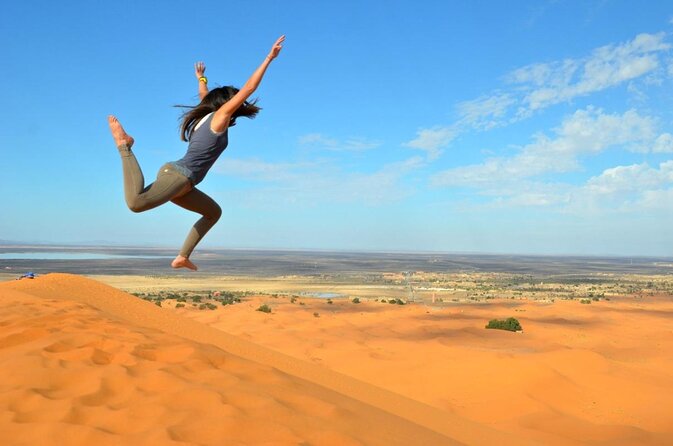
- Merzouga dunes camel ride included (about 1h 30m) plus optional quad buggy time
- Stops built beyond the dunes: Rissani lunch area and the Alaoui royal tomb visit
- Return via the Draa Valley and Nqob oases on a different route from the way out
Marrakech pickup to the High Atlas: Tizi n Tichka and Ait Ben Haddou
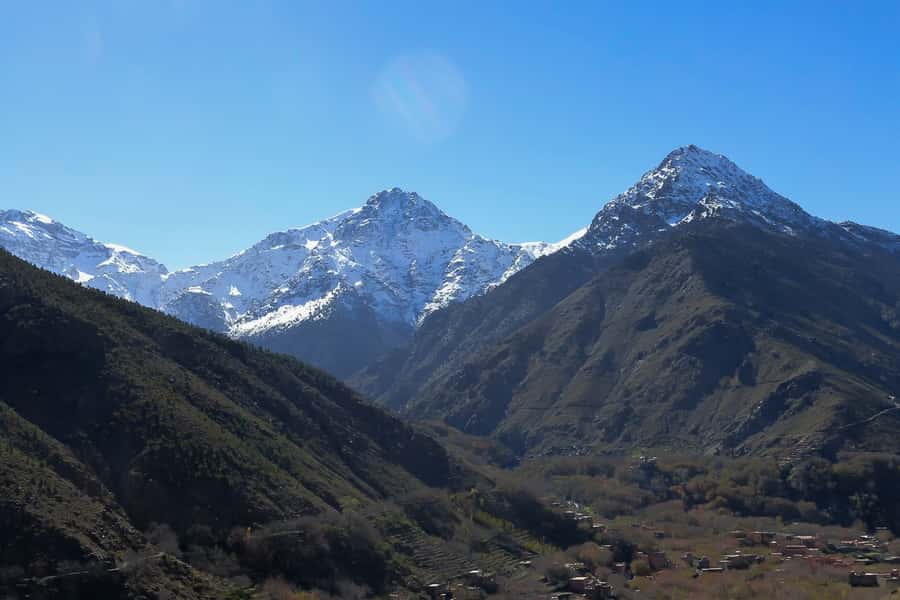
Your day starts with convenience: pickup from your Marrakech hotel, so you don’t waste time figuring out transport before the mountains start. The drive itself is a major part of the experience. Crossing the High Atlas over Col de Tizi n Tichka (2250 m) means you’ll feel the country change fast—weather, views, and the whole vibe shift from city energy to mountain silence.
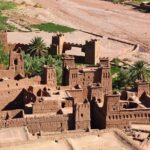
Ait Ben Haddou is the anchor stop. This UNESCO World Heritage kasbah has that movie-set feeling because it’s been used as a filming location for decades—but it’s still real life stonework, real village layout patterns, and real-scale walls that make it easier to understand how people lived here. I like that the timing gives you time to marvel at the “desert villages” look rather than just snapping a photo and rushing off.
You’ll also pass through Ouarzazate, known for film history and kasbah country. You get a chance to stroll around Taourirt, which is less famous than Ait Ben Haddou but still gives you a feel for how these places sit in the landscape and how daily life blends into the architecture.
Practical note: this first day packs travel distance plus walking time. Wear shoes that grip. You’ll be on uneven ground at kasbahs, and your best photos often come from slowing down near doorways, towers, and wall edges.
A few more Marrakech tours and experiences worth a look
Todra Gorges and the Tinghir-area hotel night: dinner under the stars
After a day of roads and ruins, the Todra Gorges area is where the pace eases. This part matters because it turns the trip from a nonstop checklist into an actual two-night story. You arrive in the Tinghir/Todra Gorges zone and settle in for your first overnight stay with dinner.
The highlight here is the setting. Todra Gorges is all sharp rock walls and dramatic narrowing, and even if you only see it from viewpoints, it’s the kind of place that makes Morocco feel both ancient and immediate. The dinner under the stars is more than a nice phrase—this is the moment when you can enjoy the night air after hours in the van and feel the “desert trip” mood kick in.
One consideration: the day before you might have already walked in kasbah areas and viewpoint spots. If you’re someone who likes to take photos slowly, great—just remember that tomorrow also includes more walking near the gorges.
Todra Gorge to Merzouga: palms, gorges viewpoints, and the ride into dune country
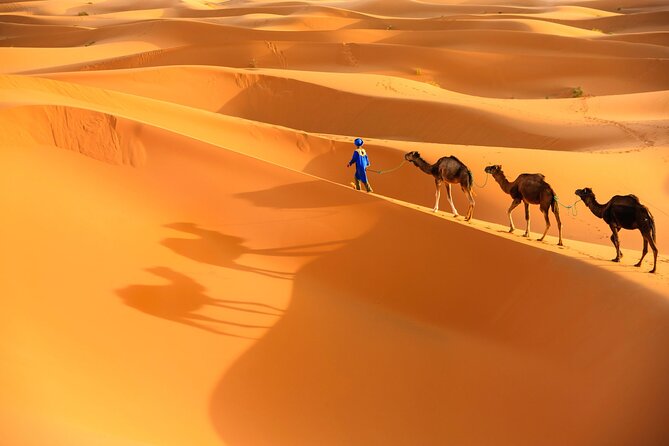
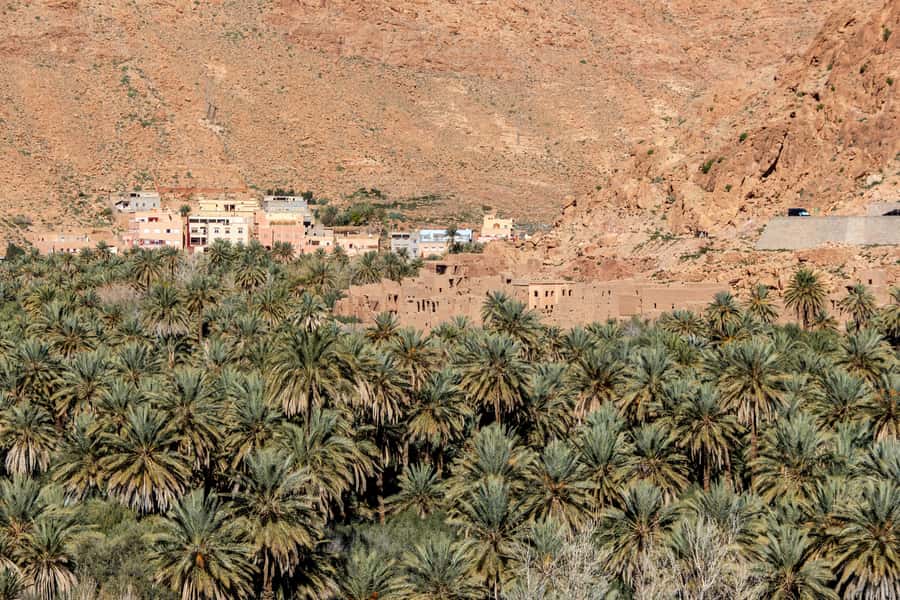
The next day starts with a change of scenery. You’ll head toward Merzouga and the dunes area, and you also get the chance to stop at a palm grove region with thousands of palm trees. That stop is a useful mental reset. In a country where much of the imagery is sand and rock, this green pocket helps you remember that deserts aren’t just empty—they’re shaped by water access and agriculture.
Then you reach Todra Gorge again for panoramic views from the viewpoints. You’ll also walk among the gorges before continuing through towns and back-road scenery. The route passes areas like Tinejdad and Erfoud and continues toward Rissani, which is where your day gets more grounded in local culture rather than just scenic stopping.
At Rissani, lunch happens and then you visit the tomb of the Alaoui king, tied to the current royal family. This isn’t a “theme park” kind of stop. It’s Morocco’s layered power story—religion, monarchy, and local tradition—compressed into a place you can see and understand.
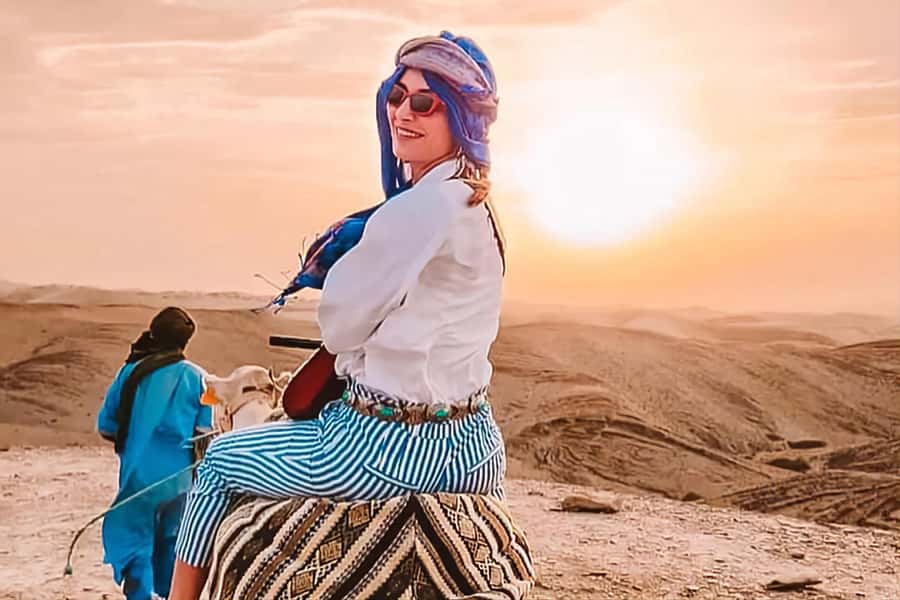
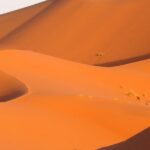
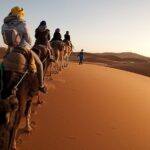
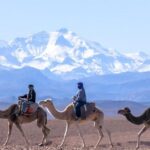
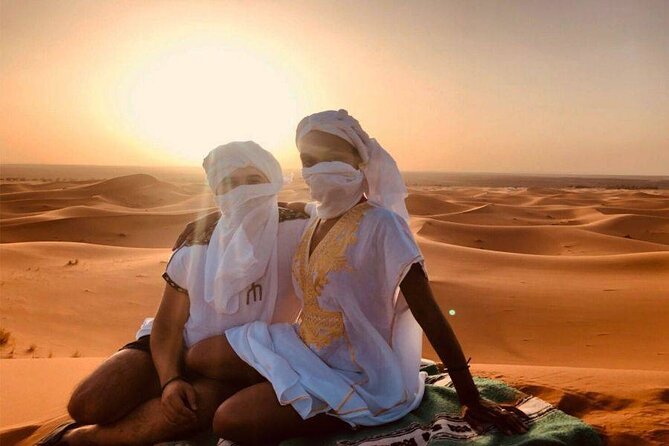
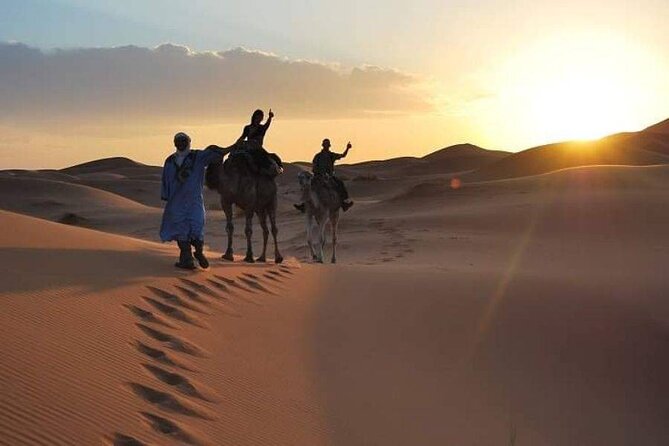
From there, Merzouga is your turning point into dune country. You get to experience the dunes up close with a camel ride included at about 1 hour 30 minutes. If you’ve never ridden a camel, here’s the real tip: keep your expectations simple. You’re moving through sand with a steady rhythm. The point is the slow change in horizon and the feel of being out there—less about speed, more about presence.
Optional add-on time can include quad buggy motocross. If you want it, it’s the kind of extra activity that can change the feel from traditional to adrenaline-fast. Just be clear with yourself about what you want more—quiet desert time or speed.
Merzouga to your desert camp: what the included night actually gives you
The desert camp is the big emotional payoff of this type of Marrakech to Merzouga trip, and the included meal coverage helps you enjoy it without hunting for food. You’ll have half-board on the desert camp night, plus breakfast the next day.
What I like about this setup is that it’s not just “sleep somewhere and leave.” You get enough structure to enjoy the evening. That usually means you arrive when the light is shifting, the air cools, and the dunes look totally different than they do at midday.
Your camel ride experience also sets expectations. You’re not just going from a road to a camp—you’re crossing from civilization edges into the feeling of open sand and distance. That change is the point.
A realistic consideration: desert nights can feel chilly after warm daytime temperatures, especially if you’re in the dunes area after dark. The tour doesn’t list special clothing, so bring layers you’re comfortable wearing for the evening. Also, don’t plan on working through the night—this part is about slowing down, eating, and enjoying the atmosphere.
Day 3 return from Merzouga: the Draa Valley and Nqob oases
The return day is different by design. After breakfast, you head back toward Marrakech using another route, so you don’t repeat the exact same roads and views.
One of the most interesting segments is crossing the Draa Valley at Nqob. This is desert geography with texture: you get that harsh environment look, and then you spot oases that survive there. It’s the kind of scenery that makes you understand why caravans, farming pockets, and villages existed in places that look too dry to support anything.
You’ll also stop in Ouarzazate again for lunch with panoramic views before being taken back to your accommodation in Marrakech. That’s a nice way to end: you regain a more “normal” Morocco rhythm before the city handoff.
Practical note: since this is the return day, you’ll feel the cumulative travel. It helps to keep your daypack light. Bring water, and plan to use rest stops for stretching rather than turning every stop into an extra excursion.
Price and value: what you’re really paying for at $174.47
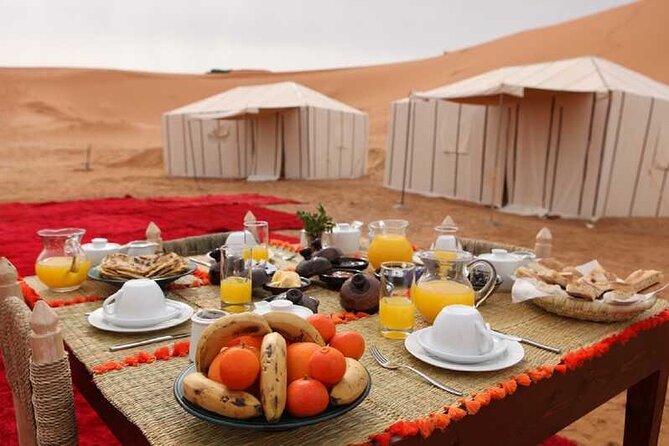
At about $174.47 per person, this trip is priced like a budget-friendly way to get the main highlights of Morocco desert travel without assembling everything yourself. The value comes from what’s included, not the fact that it’s “cheap.”
Here’s where the money goes:
- Pickup from Marrakech (you save time and hassle)
- Two overnights: a desert camp night with half-board, plus a hotel night in the Tinghir/Todra Gorges area with dinner coverage
- Camel ride included (about 1h 30m)
- Two breakfasts and two dinners (so your biggest daily meal costs are covered)
- Guided sightseeing through major waypoints like the UNESCO kasbah of Ait Ben Haddou
What you should expect to pay extra for:
- Lunch isn’t included
- Some optional or additional guiding/site items are listed as not included, such as Local guides to Kasbah Ait Ben Haddou and Tinghir, and the Studio Atlas Ouarzazate add-on (listed with an 80 Dh guide figure)
If you compare this to booking separate transport plus a camp plus a camel trek, the structure is the deal: you’re buying time saved and fewer coordination headaches. If your goal is to get from Marrakech to the Sahara with minimal planning, this hits that target.
One more detail: average booking is about 56 days in advance. That suggests availability can move, especially in busy periods, so I’d avoid leaving it to the last minute.
Who this desert trip is best for (and who should rethink it)
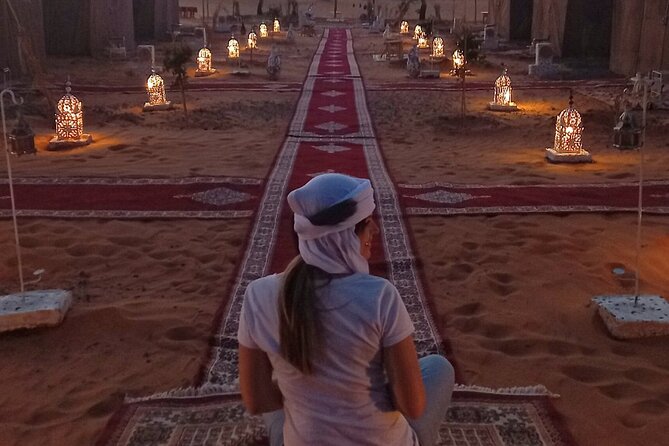
This tour is a solid fit if you want a classic Marrakech to Merzouga Sahara experience with a clear route and included basics. It’s also private, meaning only your group participates, which usually translates to less waiting around for strangers to arrive at each stop.
It’s also built for people with moderate physical fitness. Expect walking at viewpoints and in places like the gorges and kasbah areas. If you have limited mobility, you might still manage—but you should be honest with yourself about uneven surfaces and stairs.
It’s a good match for:
- couples who want the desert experience without planning logistics
- friends who want a shared guide and easy transport between regions
- anyone who prefers structure over improvising day-by-day
If you hate long driving days, you might find the pace tiring. This trip doesn’t pretend the distances are short.
Picking the right guide vibe: Hicham and the “don’t get ripped off” skill
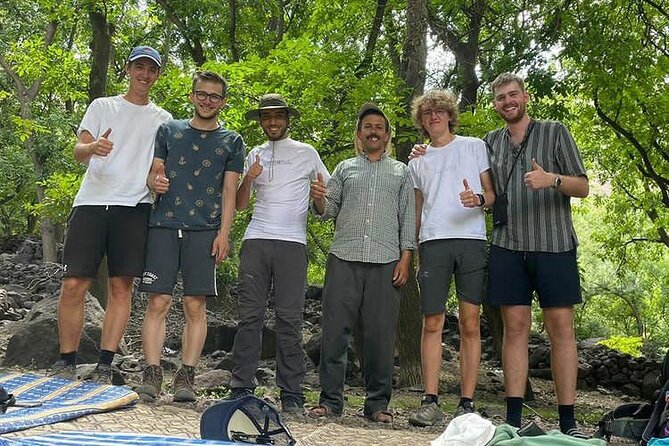
One reason this tour type works well is the human factor: you’re far from where you started, and you want someone to keep the day running smoothly. In the feedback for LynxTrip, the standout names that come up are Hicham and Juan/Juanito, and the common thread is help beyond just driving—being available, staying patient, and giving practical advice.
I especially like the idea that your guide may coach you on how to handle purchases and avoid scams. When you’re in places where tourist pricing can be messy, that kind of guidance matters more than people think. It’s not about being suspicious—it’s about getting a fair deal and not getting pressured.
Also, the guide being reachable by phone helps if you have questions about what to do next, how long something will take, or what to watch out for when you step off the vehicle.
What to pack and how to survive the long days comfortably
You’re traveling through mountains, kasbahs, and then sand dunes at night. That means one “magic outfit” won’t cut it.
Bring:
- layers: warm for day, comfortable for evening desert temperatures
- grippy walking shoes for uneven ground at gorges and kasbahs
- a light rain option if weather shifts (especially in mountain areas)
- a small daypack for water and essentials on sightseeing stops
- basic cash for lunch and any optional add-ons (like camel ride extras or quad buggy time)
And keep your phone battery habits smart. Long drives + photos + low signal can drain power fast, especially in more remote dune areas. A simple power bank can save you from awkward “where’s the charger?” moments.
Should you book this Marrakech to Merzouga desert tour?
Book it if you want the classic desert arc in a practical, organized way: High Atlas crossing, Ait Ben Haddou, Todra Gorges, then Merzouga dunes with an included camel ride and a desert camp night. The included meals and overnight structure make the experience feel complete, and the guide support—often with Hicham mentioned in feedback—can make a big difference in how smooth and low-stress the trip feels.
Skip it if you want a low-travel, slow-and-local style. This is travel-heavy by nature. Also, budget for lunch and any optional extras, because that’s where costs can drift.
If you’re aiming for value and a memorable Morocco desert story in just 3 days, this is a strong option to put on your shortlist.
FAQ
What’s the duration of this Marrakech to Merzouga desert trip?
It’s a 3-day experience with 2 nights.
Do I get picked up in Marrakech?
Yes. Pickup is offered from your Marrakech hotel.
Is a camel ride included?
Yes. You’ll have a camel ride included, with time listed at about 1 hour 30 minutes.
What meals are included?
Breakfast is included for 2 days, and dinner is included for 2 days. Lunch is not included.
Which major sights are included along the way?
You’ll visit the Ait Ben Haddou kasbah (UNESCO World Heritage) and Todra Gorge, and you’ll also stop in Merzouga and Rissani.
Does the trip include desert camp lodging?
Yes. One night is spent in a traditional Berber camp in the Sahara, with half-board included.
Is free cancellation available?
Yes. You can cancel up to 24 hours in advance for a full refund.