REVIEW · MARRAKECH
Tour 3 Days 2 Nights To Merzouga Desert from Marrakech
Book on Viator →Operated by Marrakech Outdoor · Bookable on Viator
Camel smoke and Atlas peaks in three days. This 3-day Merzouga Desert tour packs serious Morocco wins into a calm pace: I love the UNESCO stop at Ait Ben Haddou and I especially like the Erg Chebbi sunset camel ride with dinner and music. The one thing to consider is the driving days are long—great scenery, but you’ll be in a van for stretches.
What makes this trip work for many people is the setup. You get hotel/riad pickup and drop-off, air-conditioned transport, and accommodation plus select meals (breakfast and dinner), so you can focus on sights instead of logistics. Guides in past groups—Mohammed, Aziz, Iddir, Abdelrani, Simo, Abdou, and Mohamed—show up ready to keep the day moving and the vibe friendly.
In This Review
- Key Things I Think You’ll Actually Care About
- The Value Angle: What $465.30 Buys You (and Why It’s Not Just Transport)
- Starting in Marrakech: Pickup, Timing, and The Real-World Start Time
- Crossing the High Atlas via Tizi n’Tichka Pass
- Ait Ben Haddou: UNESCO Kasbah That Actually Feels Alive
- Taourirt Kasbah and the Road Through Ouarzazate Country
- Dades Gorge: Where the Scenery Starts Doing the Talking
- Todra River Stop: A Short Break Before the Desert Shift
- Merzouga and Erg Chebbi: Camel Ride Timing Is Everything
- Camp Night and Sleep Reality Check
- Day 3: Sunrise Camel Return, Breakfast, and the Return via Draa and Ouarzazate
- Price and Inclusions: Meals, Transport, and Entrance Fees You Should Expect
- Who This Tour Fits Best (and Who Might Want Something Else)
- Should You Book This Merzouga Desert Tour from Marrakech?
- FAQ
- What time does pickup start in Marrakech?
- How long is the tour?
- What meals are included?
- Are entrance fees included?
- Is a camel ride included in the desert portion?
- Can I book a vegetarian option?
Key Things I Think You’ll Actually Care About
- Hotel pickup at 7:30 am means you lose less time wrangling taxis on your own
- Tizi n’Tichka Pass views give you the instant Atlas Mountains wow factor
- Ait Ben Haddou UNESCO kasbah is a real stop, not a quick photo pull-over
- Dades and Todra gorges add dramatic mountain scenery after the desert hype
- Camel ride to a desert bivouac is built into the timing for sunset
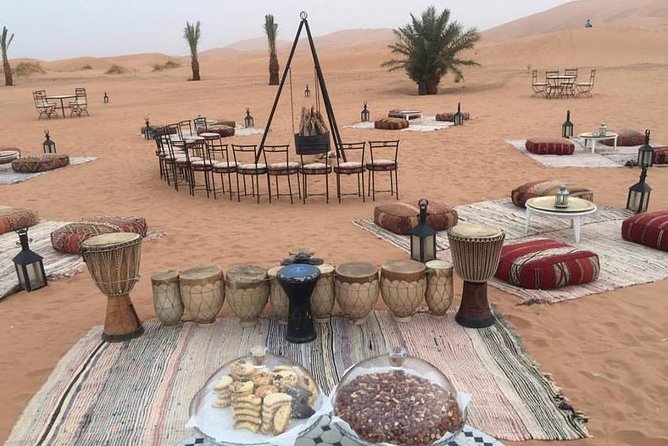
- Dinner and music around the campfire help make the camp feel like an experience, not just a bed
The Value Angle: What $465.30 Buys You (and Why It’s Not Just Transport)
At $465.30 per person, this is a mid-range desert tour. What you’re paying for is the full “from Marrakech to Merzouga” package: round-trip transport in a minivan or 4WD, two nights of lodging, and meals that matter (breakfast and dinner). Lunch and drinks are not included, and entrance fees can be optional, so keep that in mind.
The best value here is time saved. Trying to stitch together Marrakech → Ait Ben Haddou → gorges → Merzouga → return can eat up days and sanity. This tour takes the big pieces and lines them up, including hotel/riad pickup and a planned route through the High Atlas. For many people, that’s worth more than squeezing every last dirham.
A few more Marrakech tours and experiences worth a look
Starting in Marrakech: Pickup, Timing, and The Real-World Start Time
Your day starts early, with a pickup at 7:30 am. That early departure matters in Morocco because roads take time, and the best stops (like Ait Ben Haddou and the gorge viewpoints) feel better when you arrive with daylight and energy.
This is also a private tour/activity for your group—meaning you won’t be mixed into a random crowd. Past groups have described guides who stay on top of needs and keep communication clear, with names like Iddr and Mohammed coming up in people’s feedback. If you want a desert trip that feels coordinated (not chaotic), this approach helps.
Crossing the High Atlas via Tizi n’Tichka Pass
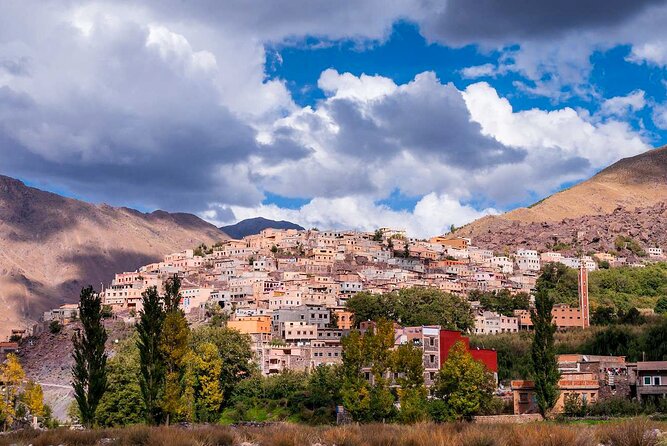
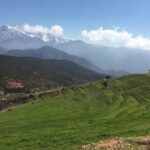
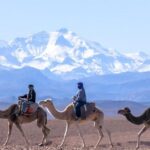
One of the strongest reasons to do the desert by road from Marrakech is the way you’ll feel the geography change. You head through the Tizi n’Tichka pass, a mountain drive with views of the Atlas peaks. It’s the part of the trip that makes you understand Morocco isn’t just cities and markets.
What I like about this route is that it builds anticipation. You’re not jumping straight from Marrakech hustle to sand dunes. You’re walking your expectations uphill, with sharp turns and high views along the way. It also sets you up for Ait Ben Haddou, because the old caravan-route story makes more sense when you’ve seen the passes.
Practical note: mountain weather can shift. Even if it looks sunny when you leave Marrakech, you might want a light layer for the higher elevations.
Ait Ben Haddou: UNESCO Kasbah That Actually Feels Alive
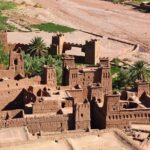
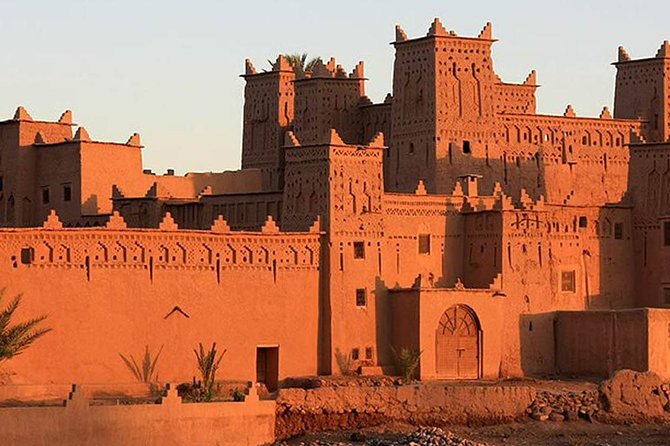
Ait Ben Haddou is the headline UNESCO stop, and the tour includes admission where noted. This place is famous for a reason. It’s a fortified ksar (Berber village/kasbah) that was an important stop along caravan routes moving salt from the Sahara and returning with goods like gold and ivory.
I love the way the kasbah’s layout helps you picture daily life: high walls, clustered buildings, and that caravan-travel logic in the geography. If you’ve seen films shot here, it won’t feel like a theme park. It’s still an old settlement that people talk about as heritage, and the fortification makes the story feel tangible.
A tip that helps: take 20 minutes to walk the edges and look for the sightlines. The views across the valley are part of why this location kept getting chosen by travelers long before cinema.
Taourirt Kasbah and the Road Through Ouarzazate Country
The tour also schedules a stop at Taourirt Kasbah, with admission listed as free. This is one of those add-on stops that can quietly become a favorite. After Ait Ben Haddou, Taourirt adds another layer of what kasbah architecture looked like in the region.
Even if you’re not obsessed with mudbrick details, you’ll probably appreciate the shift in scale and texture—like you’re seeing different chapters of the same architectural story. It’s also a good rhythm breaker between longer driving stretches.
Dades Gorge: Where the Scenery Starts Doing the Talking
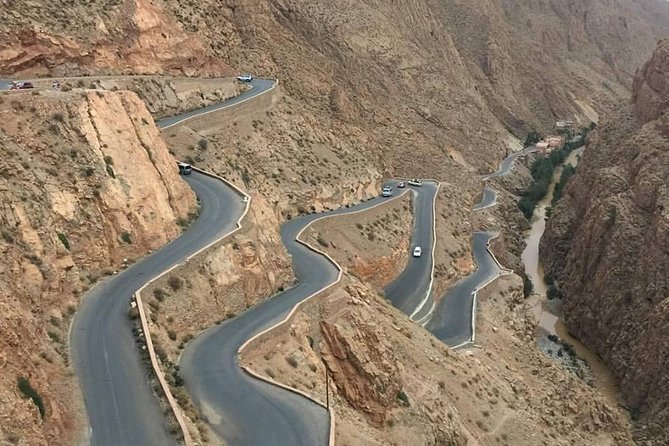
Dades Gorge is another core highlight, with entry noted as included for the stop. This is where the trip turns more dramatic and less historical. The gorge setting feels sculpted—steep sides, winding road sections, and a strong sense that you’re moving through Morocco’s interior geography rather than just passing through towns.
What I like here is the balance. You’re not spending the whole trip chasing one type of view. After UNESCO kasbahs and mountain passes, the gorges deliver a different kind of wow: depth, scale, and those natural lines that make photos work even if you don’t try too hard.
Possible consideration: gorge viewpoints can be windy and cool in the morning. Wear shoes that work for uneven paths, and plan for a little time getting in and out of the van without rushing.
Todra River Stop: A Short Break Before the Desert Shift
You’ll also stop at Todra River (the listing notes admission as free). This stop works as a transition from mountain geology toward the desert mood. Todra is narrower and feels more intimate than the broad gorge drama elsewhere, so it can feel like a palette cleanser.
If your brain is starting to crave dunes by this point, Todra helps you slow down. Take a moment, watch the light on the rock, and remember: this is still Morocco’s high-country. Then the route turns you toward Erg Chebbi and Merzouga.
Merzouga and Erg Chebbi: Camel Ride Timing Is Everything
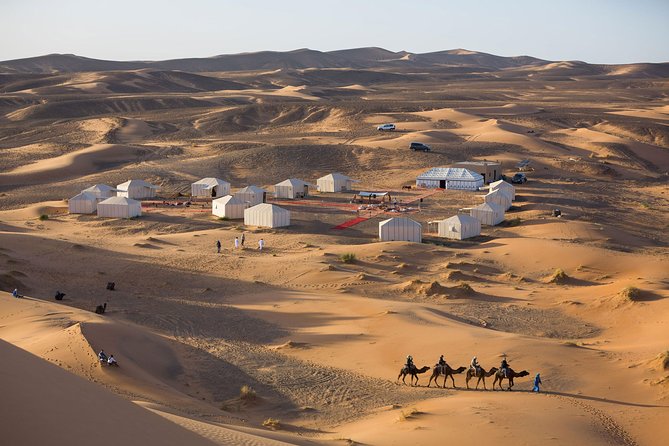
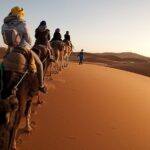
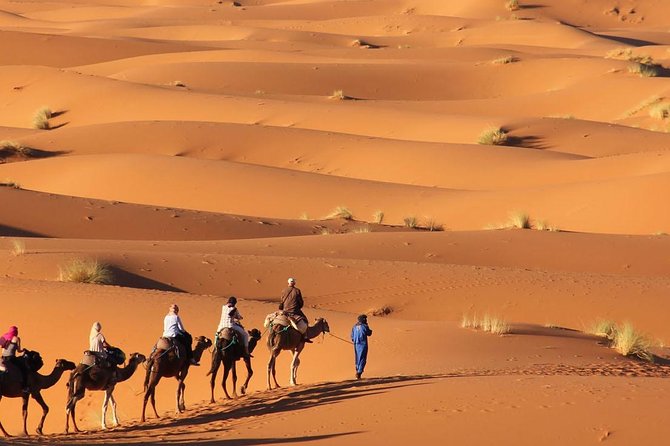
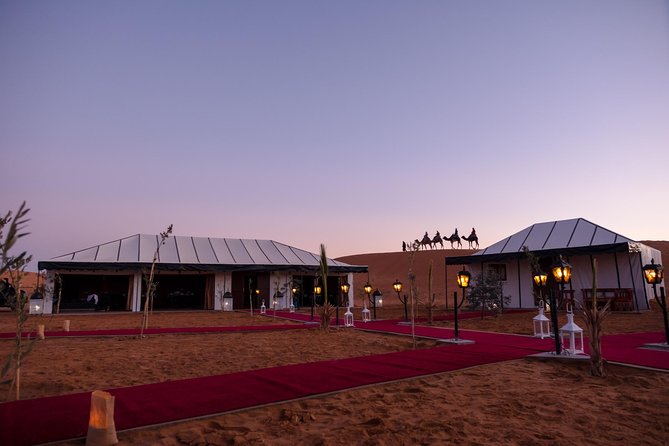
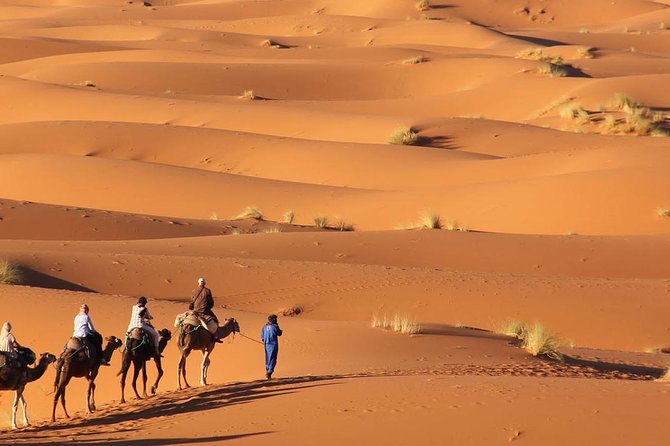
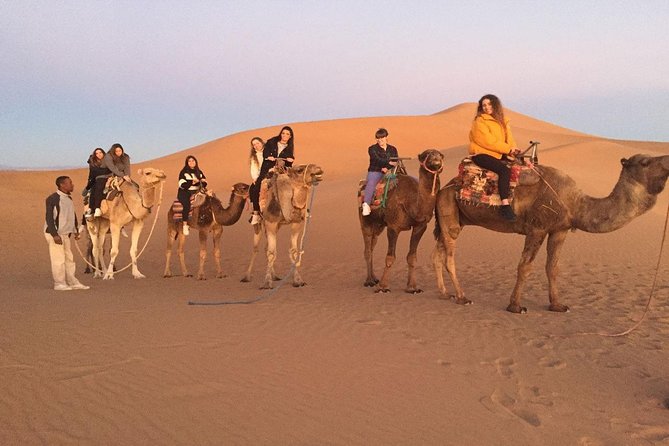
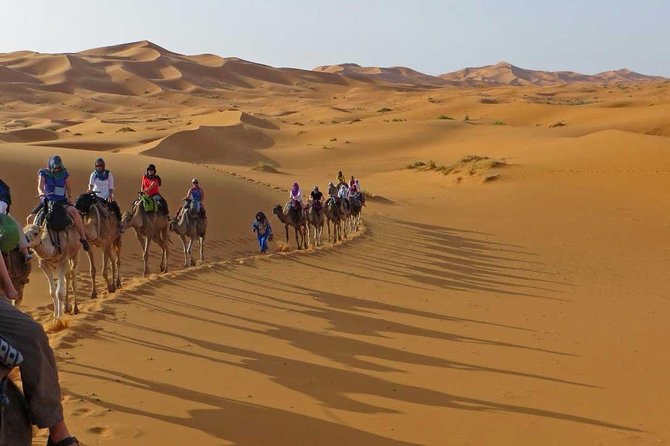
Now comes the part most people are here for: Merzouga and the Erg Chebbi dunes. The tour includes a camel ride of about 1 hour so you can reach the bivouac in time for the sunset.
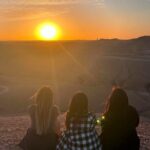
This is one of those experiences where timing isn’t a small detail—it’s the whole product. Reaching camp at sunset turns the sand into a color show, and it makes dinner afterward feel like it belongs to the moment. Many people mention this as the trip’s emotional peak, especially when the guide keeps the experience relaxed and organized.
You’ll have dinner at the camp and music around the campfire, and then you’ll spend the night in a tent. One review mention that the camp experience exceeded expectations, and that veg options were included for at least some groups—so if you’re vegetarian, it’s worth flagging that up front.
Practical advice:
- Bring a scarf or light layer for the desert wind, especially at night.
- Plan to charge anything important before the dune portion. Power can be limited once you’re out there.
Camp Night and Sleep Reality Check
Let’s be honest: sleeping in a desert tent is not the same as sleeping in a hotel. The tour provides accommodation for two nights total, and at least one night is in the desert bivouac tent.
If you’re expecting ultra-soft beds and silent rooms, adjust your expectations now. If you want the feeling of being out there under a big sky, this is exactly the kind of place where you’ll likely remember the details later.
What helps is the structure around it. Dinner, music, and the calm pace after sunset keep the night from feeling rushed. And guides like Mohammed and Aziz have been praised for friendliness and for keeping energy up during the drive—music along the route comes up in feedback too.
Day 3: Sunrise Camel Return, Breakfast, and the Return via Draa and Ouarzazate
Day 3 starts early with an early start and a camel return to Merzouga during sunrise. Breakfast is prepared for you there, and you’ll also have the chance to shower before leaving (the listing explicitly mentions showers).
Then the tour turns away from dunes and back into landscapes with personality. You’ll head through areas described with Sarhro southern volcanic mountains, then come across the Draa oasis lined by palm groves. Lunch is included along the way (the listing notes lunch, but does not say what style or where). After that you cross the High Atlas Mountains back to Marrakech.
This is a long day, but it’s also satisfying. You get a clean desert ending (sunrise, breakfast, shower), then a scenic drive that doesn’t feel like dead time. If you’re the type who gets restless on long rides, pack patience and your own snacks for later in the day since lunches and drinks aren’t fully covered.
Price and Inclusions: Meals, Transport, and Entrance Fees You Should Expect
Here’s what’s covered:
- 2 nights accommodation
- Breakfast (B) and Dinner (D) as per the itinerary
- Driver/guide
- Hotel pickup and drop-off
- Air-conditioned minivan or 4WD transport
Not included:
- Lunches and drinks
- Entrance fees (optional)
So the real budgeting tip is simple: plan for lunch and drinks daily, plus any optional entrance fees you choose to pay. The “included meals” are there to keep you from hunting food during the big transition days, but you’ll still want spending money for breaks and extra hydration.
Who This Tour Fits Best (and Who Might Want Something Else)
This is a strong match if you:
- Want a first-time Morocco desert trip with key sights handled for you
- Prefer a planned route over DIY driving
- Like a mix of kasbah history, gorge scenery, and desert camp magic
- Travel in a group where private coordination matters (it’s set up so only your group participates)
You might want a different option if:
- You get carsick easily. The route includes long drives through mountain passes and valleys.
- You want lots of free time. This is a 3-day highlights run. You’ll stop, explore, then move on.
Vegetarians should be encouraged to book—vegetarian option is available if you advise at booking.
Should You Book This Merzouga Desert Tour from Marrakech?
If you want the classic Morocco arc—Atlas mountains, kasbah UNESCO heritage, gorges, then Erg Chebbi dunes—this tour is a solid way to do it in 3 days / 2 nights without stress. I’d book it if you value smooth logistics: pickup, transport, planned stops, and built-in desert timing for sunset.
If you’re sensitive to long drive days or you hate the idea of paying for lunches and drinks, you’ll need to plan around that. But if you show up expecting a busy, scenic itinerary with a memorable desert night, this one earns its high recommendation.
FAQ
What time does pickup start in Marrakech?
Pickup is scheduled for 7:30 am.
How long is the tour?
The tour runs for 3 days (about 3 days total).
What meals are included?
Meals included are breakfast and dinner (as listed in the itinerary). Lunches and drinks are not included.
Are entrance fees included?
Admission fees are optional and may not be included. Some stops list admission as included or free, but you should still expect possible extra fees.
Is a camel ride included in the desert portion?
Yes. You’ll take a camel ride (about 1 hour) to reach the bivouac for sunset.
Can I book a vegetarian option?
Yes. A vegetarian option is available, and you should advise this at booking.