REVIEW · MARRAKECH
Toubkal trek – 2 days
Book on Viator →Operated by Toubkal Guide · Bookable on Viator
Two days to North Africa’s highest peak. I like the small-group pace (max 15) and the way the team makes the big stuff feel handled: guide, cook, mules, meals, and camp gear. The main drawback is simple: it is a tough two-day effort, with altitude and rough scree on summit morning, and in winter some key cold-weather gear can cost extra.
You’ll start from Marrakech at 8:00 am, ride out to Imlil, and spend the night high near the refuge (3,206m). If you show up with moderate fitness and the right footwear, this trek is one of those rare trips where the work leads straight to huge views.
In This Review
- Key highlights to know before you go
- Marrakech to Imlil: The part that makes or breaks the trip
- Day 1 through the Mizane Valley: From Aremd to the Sidi Chamarouch shrine
- Camp near the refuge: What “overnight tent” really means
- Summit day on Toubkal: Scree, altitude, and the payoff at sunrise
- Guides and cooks: Why this trek feels organized instead of chaotic
- Price and value: What $255.89 buys you (and what it doesn’t)
- Who should book this trek, and who should reconsider
- Should you book the 2-Day Toubkal trek?
- FAQ
- What time does the trek start from Marrakech?
- How long is the hike over the two days?
- Where does the trek begin?
- Is transport between Marrakech and the mountains included?
- Are meals included?
- Do you camp overnight?
- Is an English-speaking guide included?
- What gear is not included for winter?
- Is there a maximum group size?
- Is cancellation free?
Key highlights to know before you go
- Convenient hotel pickup and return mean you’re hiking, not figuring out transport
- Cook-run meals and camp setup keep energy up for a long summit push
- Sidi Chamarouch route adds real local color, passing shrines and mule tracks
- Summit morning timing for sunrise is a common win in the guide team’s approach
- 360-degree views from Toubkal stretch from the Marrakesh Plain toward the High Atlas and beyond
Marrakech to Imlil: The part that makes or breaks the trip
The best surprise on this trek is how low-stress the logistics feel right up front. You’re picked up from your Marrakech accommodation at 8:00 am, then you’re transferred to Imlil (about 90 minutes to 1.5 hours by road). After that, your day becomes about hiking, not planning.
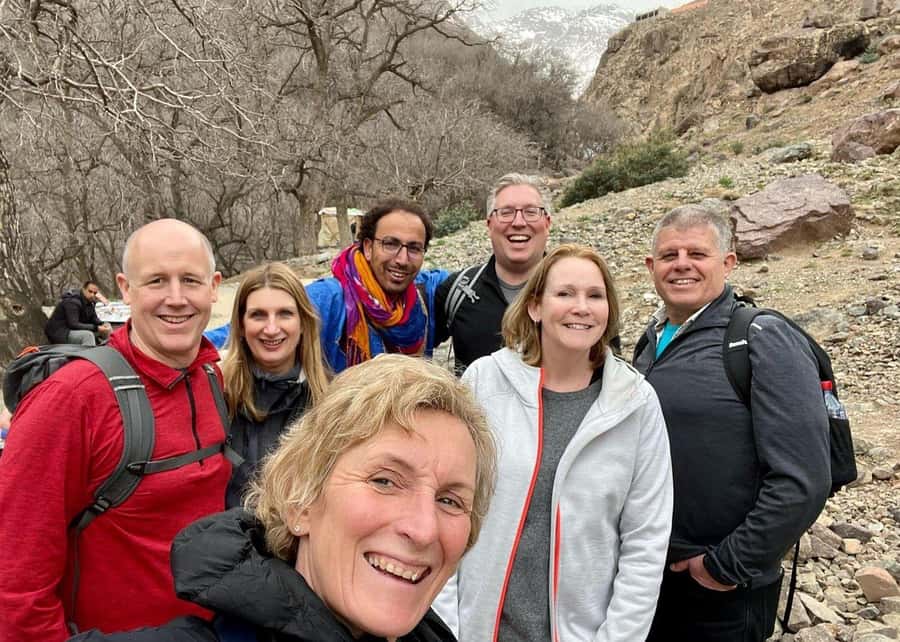
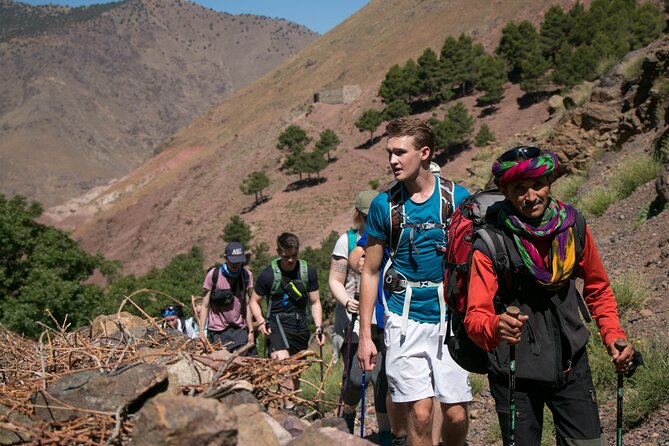
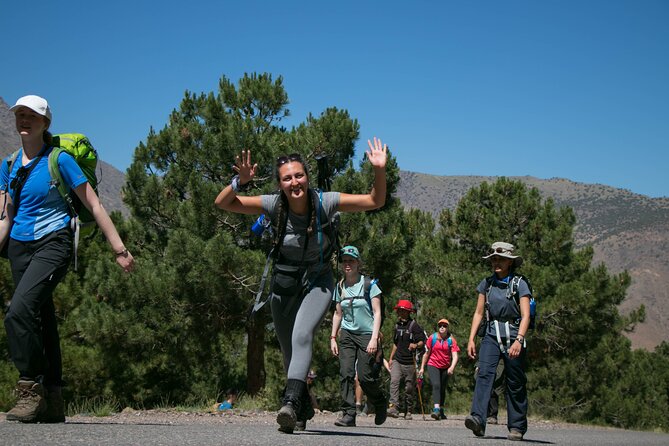
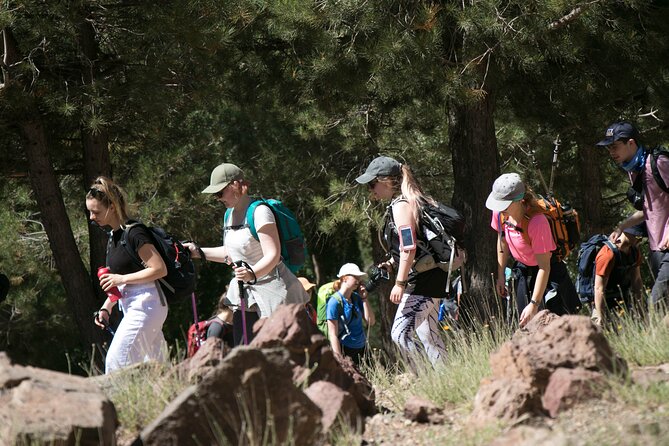
This is where small-group size matters. With a maximum of 15 people, the pace stays more human, and the guide can actually keep an eye on everyone. That matters once you’re climbing above the valley and footing starts to get less forgiving.
You’ll also notice the trip is built around layers of support: a guide who handles route decisions and timing, a cook who keeps your food moving, and mules that take the load. When you’re doing a two-day high-altitude trek, that kind of help is the difference between focused hiking and feeling like you’re carrying the entire mountain on your back.
You can also read our reviews of more hiking tours in Marrakech
Day 1 through the Mizane Valley: From Aremd to the Sidi Chamarouch shrine
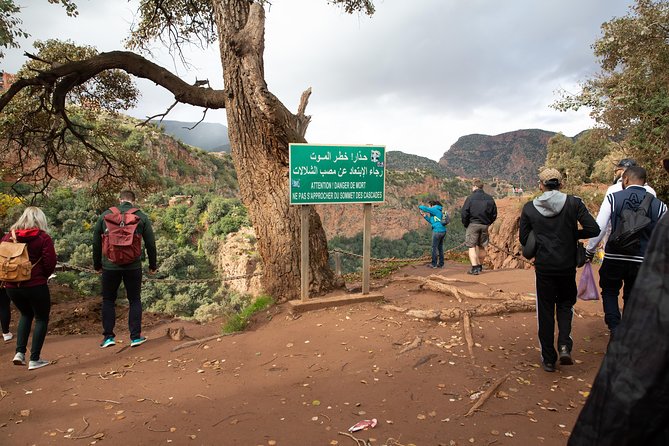
Your walking starts along the Mizane Valley, typically with around 5 to 6 hours on the trail on day one, plus the drive and camp setup. You pass Aremd, then head toward the shrine of Sidi Chamarouch. It’s not just a scenic stop. This is the kind of place where locals and pilgrims pass through, so the trek feels anchored in real life rather than being only a sightseeing route.
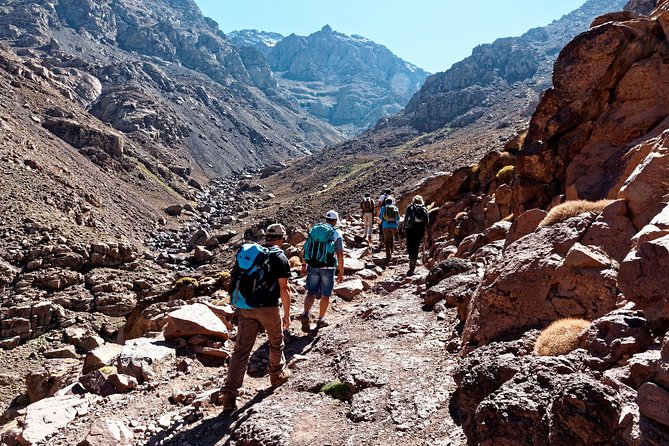
From there, the trail keeps climbing east. You cross flood plains and shift onto mule tracks that wind through higher rocky cliffs above the valley. It can feel like the hike is getting serious in stages: first walking through village rhythms, then gradually moving into a wilder, rockier world.
Then you reach a pastoral shrine area again connected to Sidi Chamarouch. You’re not just gaining elevation—you’re gaining that “Atlas mountain” sense of space. The sky gets bigger, the air changes, and your body starts to notice altitude even before summit day.
You’ll continue up to the snowline and the refuge area at about 3,206m, where you spend the night in a tent near the refuge. The camp location is one of the smartest parts of a two-day plan: you’re not drifting too low overnight and losing your early adaptation.
Camp near the refuge: What “overnight tent” really means
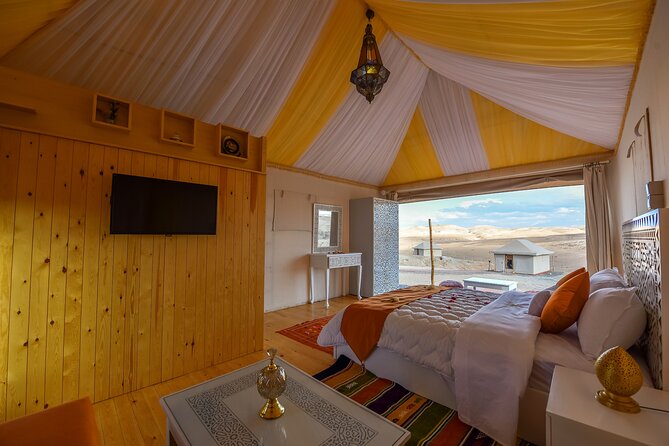
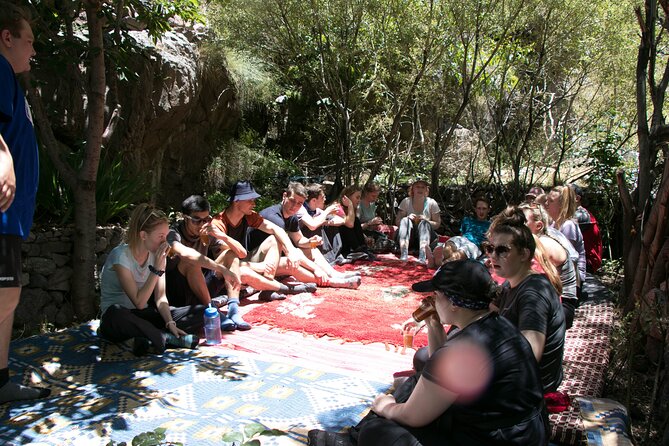
Night in the high Atlas can be a shock if you’re used to normal camping. The tour provides camping setup (camp gear is included), and that’s great, because it reduces the chance you end up making do with the wrong stuff. Still, think of your sleep as something you support, not something you “power through.”
In practice, your second-day success depends on whether you can rest enough for the climb out. You’ll likely spend time settling in while your guide and cook keep things moving in a calm routine. In reviews, the chef role gets praised a lot, with guests highlighting hearty, well-timed food that keeps energy steady.
If you’re trekking in colder months, read the gear notes carefully. Sleeping bags are listed as not included, even though camping gear is provided. So you may need to bring your own sleeping bag (or rent one elsewhere, depending on what you choose). I’d rather over-prepare here than gamble on a cold night at altitude.
Also, don’t underestimate the emotional rhythm of day one. The hiking itself is demanding, but the real win is that camp near the refuge places you close to the next morning’s big moment. You’re going to wake up already partway into the mountain’s altitude, which is a key advantage for a two-day summit format.
Summit day on Toubkal: Scree, altitude, and the payoff at sunrise
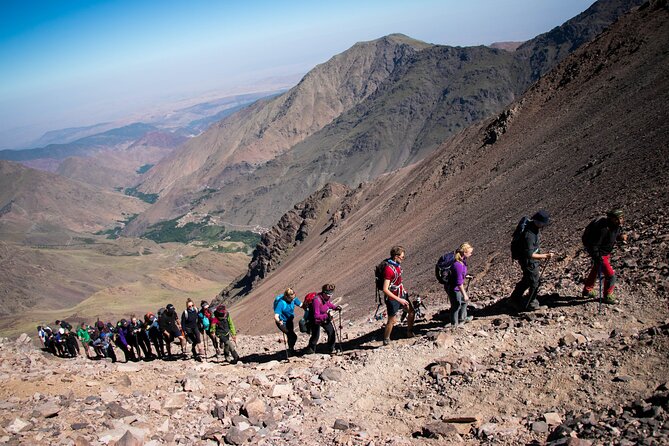
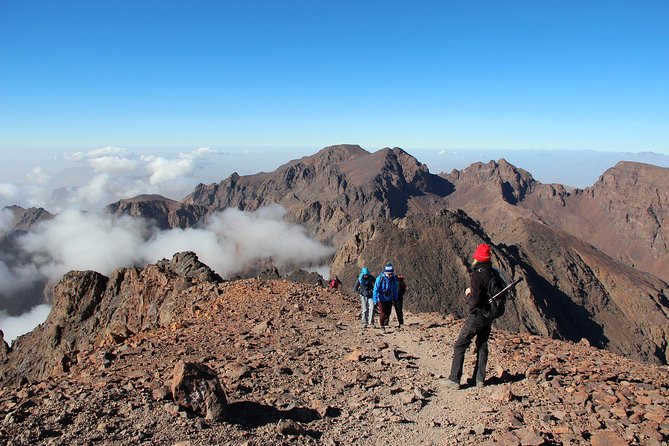
Early in the morning, you make your attempt on Jebel Toubkal, the highest peak in North Africa. This day is where you earn it: expect a long push, with about 10 hours of walking in the mix.
The route goes up the south cirque and crosses a stream above the refuge. The walking is described as relatively straightforward in concept, but in real terms it can still get tough fast. Scree can make footing inconsistent, and altitude slows everything down. Your breathing becomes the metronome for progress.
The upside is that the hike rewards you constantly. Even during the grind, you get expanding views and a growing sense of scale. Reviews repeatedly mention summit timing for sunrise, and it makes sense: starting early helps you avoid the worst conditions and sets you up for those wide-open sky moments at the top.
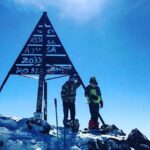
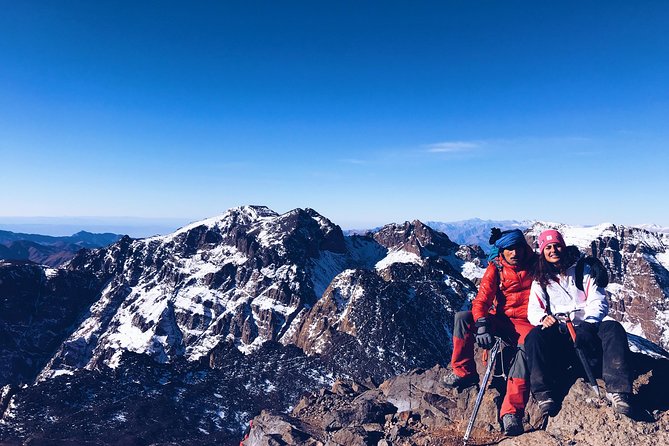
When you reach the summit, you get unrestricted views in every direction. You’re looking across the Marrakesh Plain to the north toward the High Atlas, and as far south as the Anti-Atlas and the Sahara. That’s the part you won’t forget: it’s not just a pretty peak. It’s a literal change of world.
On the way down, you’ll retrace your steps back toward civilization when you’re ready. The descent is usually less dramatic than the climb, but it can be rough on legs. Toubkal’s scree has a way of turning a simple down day into a careful one, so go steady.
Guides and cooks: Why this trek feels organized instead of chaotic
The names that show up again and again in the feedback are a big clue: this company leans hard into guide quality and responsiveness. Guides like Mohamed Tsiou, Hamid, Ismail, Ibrahim, Sayid, and Hamed are specifically called out, and the common theme is support and professionalism.
You’ll feel that support in small ways. A good guide keeps the group together, manages pacing, and helps you stay focused when altitude makes you second-guess yourself. In reviews, people highlight guides being patient, adapting to the ground, and keeping everyone safe during the whole hike.
Then there’s the cook. Mohamed Abayen is one of the chefs mentioned, and the food gets praise for being timely and substantial enough to keep energy steady for a summit attempt. On a trek like this, food timing is not a nice-to-have. It directly affects how you feel during steep sections and how quickly you recover at camp.
If you care about communication, take heart. Reviewers mention quick replies and clear sharing of what to pack ahead of time. Even if you’re an experienced hiker, having a team that tells you what gear matters (and what doesn’t) reduces stress before you even step into the Atlas.
A few more Marrakech tours and experiences worth a look
Price and value: What $255.89 buys you (and what it doesn’t)
At $255.89 per person for a 2-day climb, the price looks reasonable when you translate it into what’s covered. You’re getting round-trip transfers from Marrakech, a guide, a cook, meals, one night camping, and mule support. You’re also getting English-speaking guidance, plus camp logistics that would take you ages to coordinate on your own.
In other words, you’re paying for a functioning system. You show up, and the trip runs. That’s value, especially for a high-altitude summit where timing and packing matter.
Now the part to budget for honestly: winter and cold-weather gear can cost extra. Crampons and an ice axe are listed as not included in winter. Sleeping bags also aren’t included. Walking poles are also listed as not included. Soft drinks aren’t included, and you’ll want to plan your own water and snacks based on what you personally prefer.
Tips aren’t included either. While it’s always a personal choice, I’d think of this as a service business: you’re relying on the guide and cook to get you fed, safe, and moving. Even if you don’t tip huge, don’t treat it as an afterthought.
One more value note: the tour is often booked about 11 days in advance on average. That doesn’t mean you should wait, but it does suggest there’s steady demand. If you’re traveling in peak months, booking earlier is safer.
Who should book this trek, and who should reconsider
This is best for people with moderate physical fitness and a realistic view of altitude. Even though the route isn’t described as technically hard, altitude plus scree on summit morning is not a casual hike. The climb works in two steps: manageable effort on day one, then a longer, steeper-feeling grind on day two.
You’ll probably love it if you:
- Want a guided summit with camp support and mules
- Like the idea of hiking into high altitude without planning every detail yourself
- Are motivated by sunrise-type mountain moments and big open views
You might reconsider if you:
- Have low tolerance for steep uneven footing (scree can be tricky)
- Are unprepared for cold nights since a sleeping bag isn’t included
- Expect a flat, casual two-day walk
Also note the child rule: children must be accompanied by an adult. If you’re traveling as a family, you’ll want to judge fitness carefully.
Should you book the 2-Day Toubkal trek?
If you want an organized, small-group shot at the highest peak in North Africa, I think this trek is a strong yes—with one condition: go in knowing it’s tough. The mountain part is real, and a two-day format doesn’t leave much margin for slow pacing or cold-weather surprises.
Book it if you want:
- Pickup and return to Marrakech handled for you
- Real local trekking on the way up (including the Sidi Chamarouch shrines)
- A team approach: guide plus cook plus mule support
- A summit day that’s timed for early views, often around sunrise
Pass or plan differently if you’re not ready for altitude and long walking days, or if winter conditions are involved and you don’t want to handle extra cold-gear needs.
FAQ
What time does the trek start from Marrakech?
Pickup starts at 8:00 am from your Marrakech accommodation.
How long is the hike over the two days?
Day 1 includes about 5 to 6 hours of walking, and day 2 is about 10 hours of walking.
Where does the trek begin?
The trek starts in the village of Imlil.
Is transport between Marrakech and the mountains included?
Yes. Hotel pick-up and drop-off service is included, with transport from Marrakech and back to Marrakech.
Are meals included?
Yes. Breakfast and dinner are included, and lunch is included as well.
Do you camp overnight?
Yes. You sleep one night in a tent near the refuge area around 3,206m.
Is an English-speaking guide included?
Yes, an English speaking guide is included.
What gear is not included for winter?
Winter rental equipment such as crampons and an ice axe is not included. Sleeping bags, walking poles, and other items are also listed as not included.
Is there a maximum group size?
Yes. The maximum group size is 15 travelers.
Is cancellation free?
Free cancellation is available up to 24 hours before the experience’s start time for a full refund. If you cancel less than 24 hours before, the amount paid is not refunded.