REVIEW · MARRAKECH
The Grand Tour Of Morocco
Book on Viator →Operated by Adventure masters · Bookable on Viator
Eight days, three worlds of Morocco. I love the camel safari in Merzouga with that first mint tea welcome, and I also love the private transportation that keeps things flexible when the road runs long; the trade-off is that you’ll spend serious hours in a car and you’ll start early, especially on desert days.
This trip is built to hit big-name places without you micromanaging every detail, and I think the value comes from what’s wrapped in: all accommodations (including the desert night), plus most breakfasts and dinners. With a start time of 8:00 am in Marrakech and a tight route through the Atlas, Fez, Chefchaouen, Rabat, and Casablanca, you’re buying momentum as much as sights.
In This Review
- Key Things You’ll Notice Fast
- What This Grand Tour Really Feels Like
- Day 1: Tizi n’Tichka Pass to Ait Benhaddou and Dades Gorge
- Day 2: Todgha Cliffs and the Merzouga Camel Safari Into Erg Chebbi
- Day 3: Sunrise in the Dunes, Ziz Valley Palms, and Arrival in Fes
- Day 4: Fes el-Bali With a Local Guide Covering Madrassas, Mellah, and the Tannery
- Days 5 and 6: Chefchaouen Blue City, Two Mornings of Wandering
- Day 7: Rabat Sights and Casablanca Highlights, Including Hassan II Mosque
- Day 8: Returning to Marrakech and the Jemaa el-Fnaa Finish
- Price and Value: What You’re Paying For (and Why It Might Be Worth It)
- Should You Book It?
- FAQ
- FAQ
- How many days is the Grand Tour of Morocco?
- Where does the tour start, and what time?
- Is the camel safari in the Merzouga Desert included?
- Does the price include a night in the desert camp?
- What meals are included?
- Is this a private tour?
- What is the cancellation window?
Key Things You’ll Notice Fast
- Merzouga Erg Chebbi camel ride + luxury tent night: one included night out where the air changes and the dunes do the talking
- Ait Benhaddou UNESCO kasbah stop: the biggest set-piece on the Atlas route, used in more than 20 films
- Todgha Gorge walk under a 300 m red cliff: a dramatic break before you head deeper into the desert world
- Fes el-Bali guided medina route: Royal Palace area, madrassas, Mellah, spices, and the tannery in one logical flow
- Two full days in Chefchaouen: enough time to wander slowly instead of speed-running the blue streets
- A/C vehicle, water, and WiFi onboard: small comfort boosts that matter on long driving days
What This Grand Tour Really Feels Like
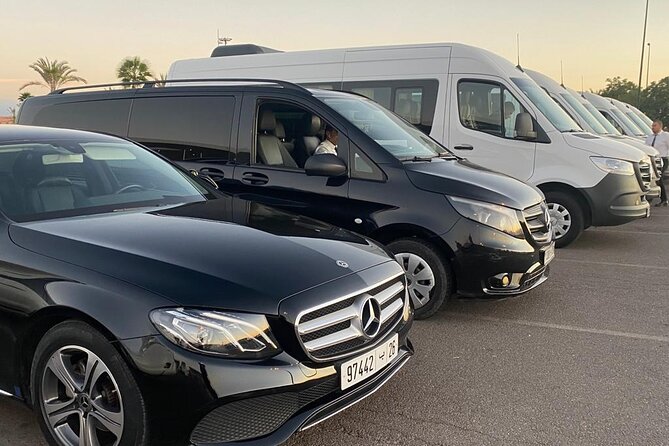
This is a private, one-week circuit that takes you from Marrakech into the Atlas Mountains, across the desert edge, then up to Fez and west again to the coast cities. You’re not just getting “the highlights” in theory—you’re moving through them with included transport and guided time in the places where getting lost would waste your day.
The value jumps out when you look at what’s bundled. You’re paying for air-conditioned driving, water, WiFi onboard, accommodations at every stop, and key meals (6 breakfasts and 7 dinners listed as included). The biggest cost reducers here are the desert night and camel safari logistics, which are the things that usually turn a one-day idea into a complicated multi-booking headache.
One thing to know up front: this is not a slow travel pace. You’ll do a lot of road time, and the day structure leans toward early starts and full schedules—great if you like momentum, less great if you prefer long, lazy afternoons.
You can also read our reviews of more tours and experiences in Marrakech.
Day 1: Tizi n’Tichka Pass to Ait Benhaddou and Dades Gorge
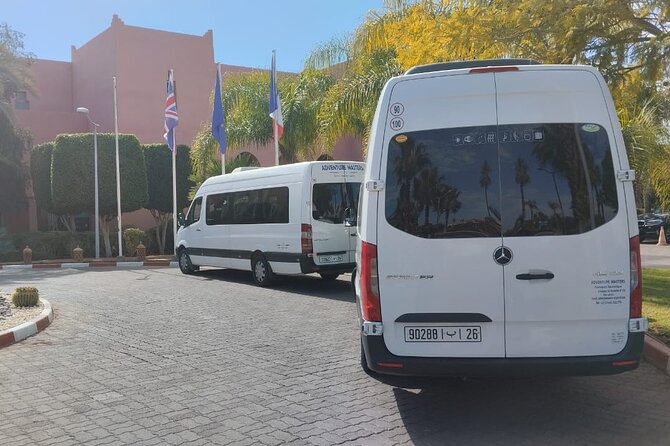
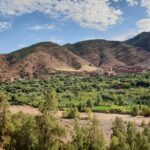
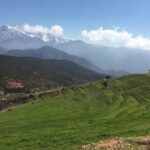
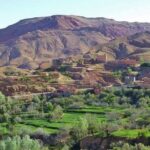
You begin with pickup in Marrakech at 8:00 am, then you’ll head toward Ouarzazate using the Tizi n’Tichka pass at 2260 m. This isn’t a quick “transfer day.” You’re on a mountain route that sets the tone immediately—Berber villages appear along the way, and the colors shift as you climb.
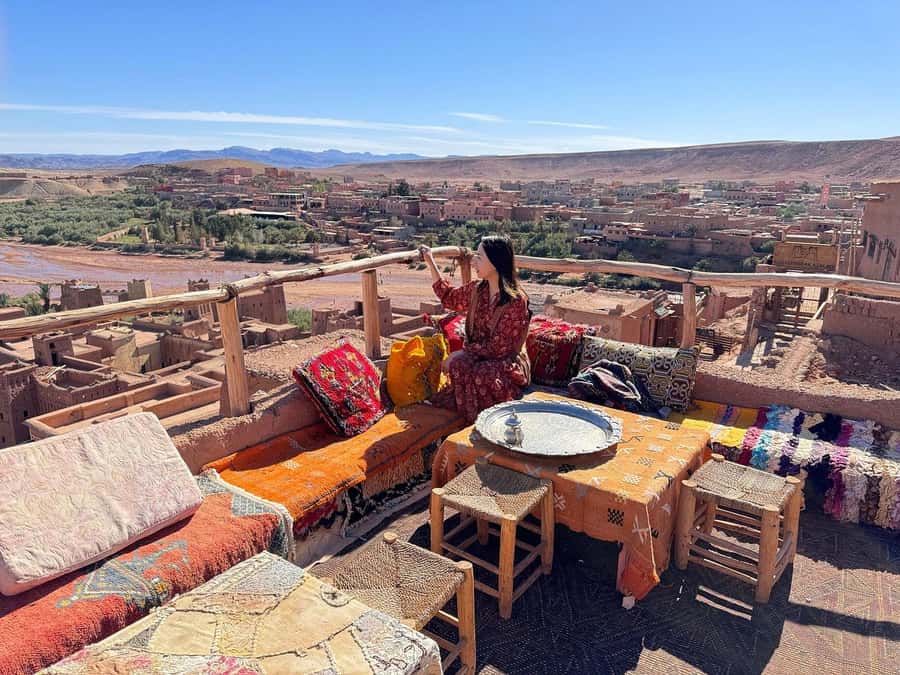
Ait Benhaddou is the first major anchor. You’ll visit the kasbah, described as the largest in Morocco and a UNESCO site, and you’ll also hear how it served as a backdrop for more than 20 films. Lunch is planned right at the kasbah area, which is a practical win: you spend less time hunting food and more time actually looking at the details of the fort-like walls.
From there, you continue toward Dades Valley with stops that make the route feel like a story rather than a checklist. Ouarzazate is called the Hollywood of Africa, and you’ll pass along the Road of a Thousand Kasbahs. If May is your travel month, Kalaat M’Gouna (a stop at day’s end) is tied to rose culture and an annual festival.
Night is spent in the heart of the Dades Gorge in a local riad or guest house, with dinner and breakfast included. If you like sleeping somewhere that feels connected to the place you’re visiting, this is the kind of stop that makes the next day easier.
Day 2: Todgha Cliffs and the Merzouga Camel Safari Into Erg Chebbi
Day 2 turns the volume way up. After breakfast, you drive through valleys and first stop for rock formations called monkey toes. Then the route continues toward Todgha Valley—famous for old mud Berber villages overlooking the canyon.
Todgha Gorge gives you one of the day’s most physical moments: you’ll walk under a 300 m high red cliff, where rock climbers come to do their thing. The pacing here matters. It’s a break from only driving and it gives your eyes a huge vertical frame to take in before you head toward sand.
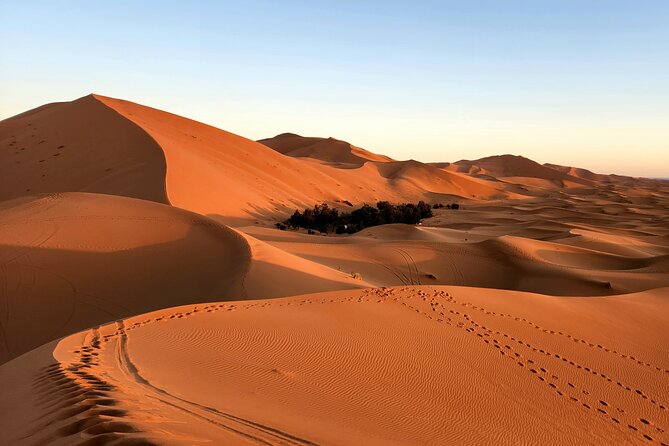
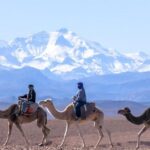
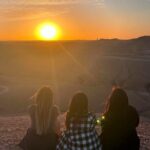
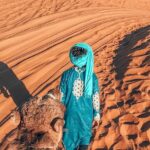
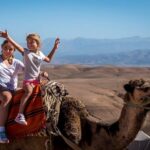
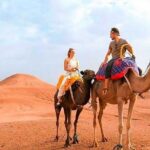
After lunch, you continue to Merzouga and reach the Erg Chebbi dunes. Your camel will be waiting, and you’ll get a welcome with a glass of mint tea and a desert scarf before you start riding with an experienced camel guide. This is the part of the trip that people remember later, not because it’s flashy, but because it’s one of the few chances you get to feel how different the Sahara light is.
And yes, a desert night is included. You’re not just doing a ride and returning immediately—you stay overnight in a luxury tent in the Sahara, which is a big deal for comfort after the ride and for keeping the experience from feeling rushed.
Day 3: Sunrise in the Dunes, Ziz Valley Palms, and Arrival in Fes
You don’t waste the desert morning. Your camel guide wakes you for sunrise, then you ride back to the Merzouga village area, letting the dunes shift with the light as the day progresses. Sunrise in Erg Chebbi is one of those moments that makes time feel slow—even if you’re the type who likes schedules.
After breakfast and a hot shower at the guesthouse, the day turns into a classic Morocco travel move: leave the desert and start rebuilding your “city rhythm.” You head to Fes via Errachidia and through the Ziz Valley, noted for its palm grove. You’ll stop in Zaida village for a barbecue and mint tea, which breaks up the driving and gives you a local-style meal moment without turning it into a research project.
Next comes Azrou in the Middle Atlas Mountains. You’ll stop to see the Barbarian apes in the cedar forest. Whether you find this thrilling or just amusing, it’s a good reset after sand—green, cooler air, and a different kind of wildlife moment.
Then you continue to Ifrane, often described as the French village or the Switzerland of Morocco. Expect a photo stop or a drink break, then you roll into Fes for your accommodation.
Day 3 is usually the one that surprises people: it has the last desert feeling in the morning and then the “city intensity” of Fes by late day. If you plan ahead for comfort—bring layers and expect a long day—you’ll enjoy it a lot more.
Day 4: Fes el-Bali With a Local Guide Covering Madrassas, Mellah, and the Tannery
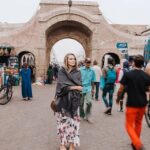
Fes el-Bali is the kind of place where going without help can be frustrating fast. That’s why this day is structured around a local guide covering a route that’s big on both culture and orientation.
You start with stops that frame the city: the Royal Palace area, the Mellah (the Jewish Quarter), then the pottery section. You also visit Bou Inania Madrasa and the Mausoleum of Moulay Idriss, plus Quaraouiyine University. These aren’t random entries—they’re landmarks that help you understand why Fes matters and how the old city is organized.
The tour continues through Najjarine Square and the Spices Market, then on to Terina Madrasa and the surroundings of Karaouine Medina. And yes, you’ll see the famous tannery.
One practical note: a medina day is a lot of senses at once. This itinerary is full, so wear comfortable shoes and plan on taking breaks when you can. With the guide leading, you don’t just see sights—you also learn what you’re looking at and how to navigate the streets with less effort.
Days 5 and 6: Chefchaouen Blue City, Two Mornings of Wandering
Chefchaouen is the reset button in this route, and I like that you get two days rather than one. Day 5 is a trip toward Chefchaouen after breakfast, and the timing gives you a chance to arrive and start walking while the light and streets are still manageable.
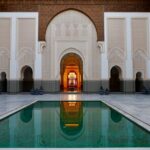
The town is known for its traditional buildings washed in white and blue. You’ll explore the medina and markets, including opportunities to shop for native handicrafts. Photography is naturally part of the deal here, with views of the Rif Mountains in the background when the clouds cooperate.
Overnight is in a hotel in Chefchaouen. That matters because it gives you time to come back to the streets at your own pace, not just during a timed day visit.
Day 6 is more relaxed in structure: after breakfast, you spend the morning exploring the blue city and its surroundings, including cultural and historical sites. If you love walking without feeling rushed, this second morning is where Chefchaouen rewards you.
Day 7: Rabat Sights and Casablanca Highlights, Including Hassan II Mosque
Day 7 is your long West Coast day, moving from Casablanca via Rabat. After breakfast, you’ll visit Mohamed V mausoleum, Hassan tower, Kasbah Chellah, and the Oudaya gardens. That combination works well because it mixes monuments with garden space—so the day doesn’t feel purely stone-and-walls.
Lunch is included, then you head to Casablanca, Morocco’s economic capital. Your included sightseeing includes United Nations Square, Mohamed V Boulevard, the ANFA district, and the Hassan II Mosque. Dinner and overnight come after the city stops.
Casablanca can feel like a change of gear after smaller towns. If you’re expecting a quiet, old-world vibe, you may need a minute to adjust. But if you’re happy seeing how Morocco lives in a major modern city, this day gives you a satisfying balance after the desert and mountain stops.
Day 8: Returning to Marrakech and the Jemaa el-Fnaa Finish
On the final day, you drive back to Marrakech after breakfast around 8:00 am. The plan includes lunch, then continuing to your riad or hotel.
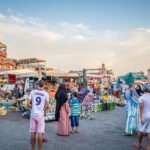
You’ll also have time tied to Jemaa el-Fnaa as part of the return. This square is one of the places that makes Marrakech feel like Marrakech, and even a brief stop helps you connect the trip to a living city center.
It’s a good final structure: you end with less new sightseeing pressure and more of a handoff back to your base. That means you can decompress, sort photos, and think about what hit hardest for you—desert night? Fes medina? Chefchaouen walls?
Price and Value: What You’re Paying For (and Why It Might Be Worth It)
At $3,727.99 per person, this is not a budget trip. The price makes sense when you look at the “hard parts” that are included: the desert camel safari, the Sahara tent night, air-conditioned private transportation, and accommodations for the full circuit. Add in most meals (6 breakfasts and 7 dinners) and you’re paying to remove a lot of planning stress.
In plain terms, you’re buying:
- fewer bookings and fewer logistics headaches
- guided time where it matters (especially in Fes)
- a private setup, so your day doesn’t depend on other groups or schedules
When you see family-style praise for the trip, it often comes down to this: everyone gets carried to the next place without needing to coordinate taxis, transfers, and meal hunting all week. One review highlighted an excellent itinerary and an outstanding guide/driver named Badr—called extremely knowledgeable, funny, and accommodating. That kind of on-the-ground relationship can make the difference between seeing Morocco and actually understanding it as you move.
The main consideration is the pace and long road time. If you don’t want early mornings and long days in the car, this itinerary might feel like too much. If you do want a one-week “greatest hits” loop with comfort and guided help, it’s a strong match.
Should You Book It?
I’d book this if you want:
- a real desert night in Merzouga with camel time and a camp included
- two days in Chefchaouen so you can slow down and enjoy the medina
- a guided Fes el-Bali route that covers the main landmarks without you guessing
I wouldn’t book it if you want lots of downtime in each city, or if you know you get cranky with early starts and long drives. This tour is built for motion, not for long, quiet days.
If you do book, pack for temperature changes (desert mornings can feel different than midday), wear shoes you can trust for medina walking, and keep your expectations realistic: you’ll see a lot, and the “best bits” may come in waves—desert on day 2 and 3, deep medina in Fes, then the calm blue break of Chefchaouen.
FAQ
FAQ
How many days is the Grand Tour of Morocco?
It’s listed as 8 days (approx.).
Where does the tour start, and what time?
Pickup is in Marrakech, with a start time of 8:00 am.
Is the camel safari in the Merzouga Desert included?
Yes. The tour includes a camel safari in the Merzouga Desert and a camel guide is part of the desert portion.
Does the price include a night in the desert camp?
Yes. Accommodation is included, including a night in a luxury tent in the Sahara.
What meals are included?
The tour includes 6 breakfasts and 7 dinners. Water is also provided (listed under included items).
Is this a private tour?
Yes. It’s described as a private tour/activity, and only your group participates.
What is the cancellation window?
You can cancel for a full refund if you cancel up to 24 hours in advance of the experience start time.