REVIEW · TANGIER
Tangier: Food Walking Tour
Book on GetYourGuide →Operated by MoroccanFoodTour · Bookable on GetYourGuide
Six snacks later, Tangier makes sense. This 3-hour street-food walk links Sour Meêgazine to M’ Sallah, Grand Socco, and the Kasbah, with an English guide who explains what you’re eating and where it fits in daily life.
I love that you get six tasting stops plus a full meal, so you’re actually satisfied, not just “sampling.” I also like the pacing: short guided segments, time to look around, and a real café break built into the route.
One consideration: it’s a walking tour through narrow old-town lanes, so it’s not suitable for wheelchairs or people with mobility impairments.
In This Review
- Key things I’d bet on before you book
- Why this Tangier food walk is worth your time
- Starting at Sour Meêgazine: setting the mood fast
- M’ Sallah: tastings with context (and strong photo angles)
- Grand Socco: markets, small bites, and real daily flow
- Place de la Kasbah: longer tasting window, bigger appetite payoffs
- Local café break before the finale at Café Hafa
- Price and value: what $73 buys you (and what it doesn’t)
- Dietary needs: better than the usual “we’ll see”
- Walking pace, group mix, and who this suits best
- A note on seasonal changes (Ramadan)
- Should you book the Tangier Food Walking Tour?
- FAQ
- How long is the Tangier Food Walking Tour?
- Where do I meet the guide?
- Where does the tour finish?
- What’s included in the $73 price?
- Is transportation included?
- Can the guide accommodate dietary restrictions?
- What language is the tour guide?
- Is this tour suitable for wheelchairs or limited mobility?
Key things I’d bet on before you book
- Citadel-and-medina streets with photogenic views and classic Tangier architecture
- Six tasting stops + a full meal, plus bottled water included
- Local favorites like caliente, stuffed dates, and bissara (plus other market snacks)
- Food you can adapt to you, including vegetarian, gluten-free, and lactose-free options with advance notice
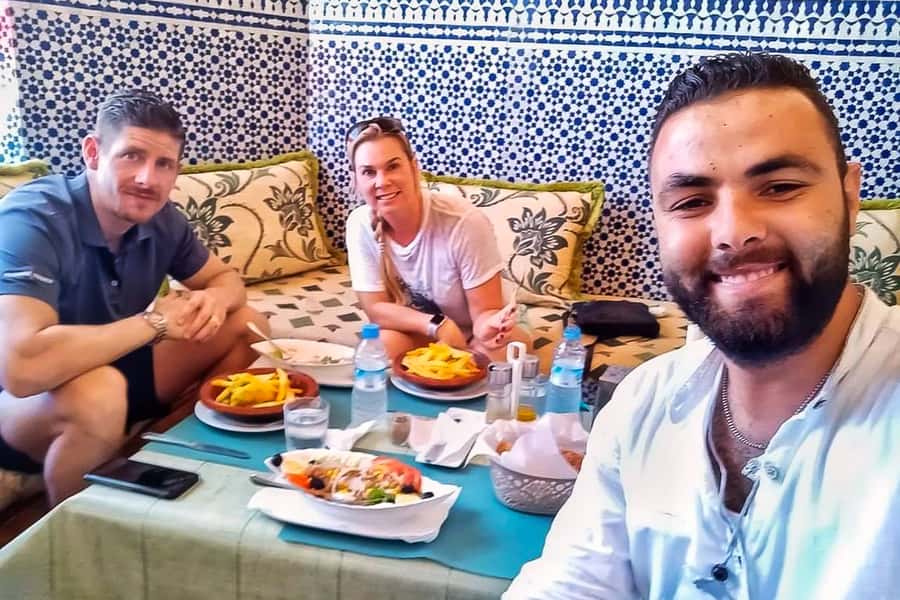
- Markets, street vendors, and a sit-down café moment so you see how locals really eat
- Guides who connect food to culture, and who can adjust for groups (even families)
Why this Tangier food walk is worth your time
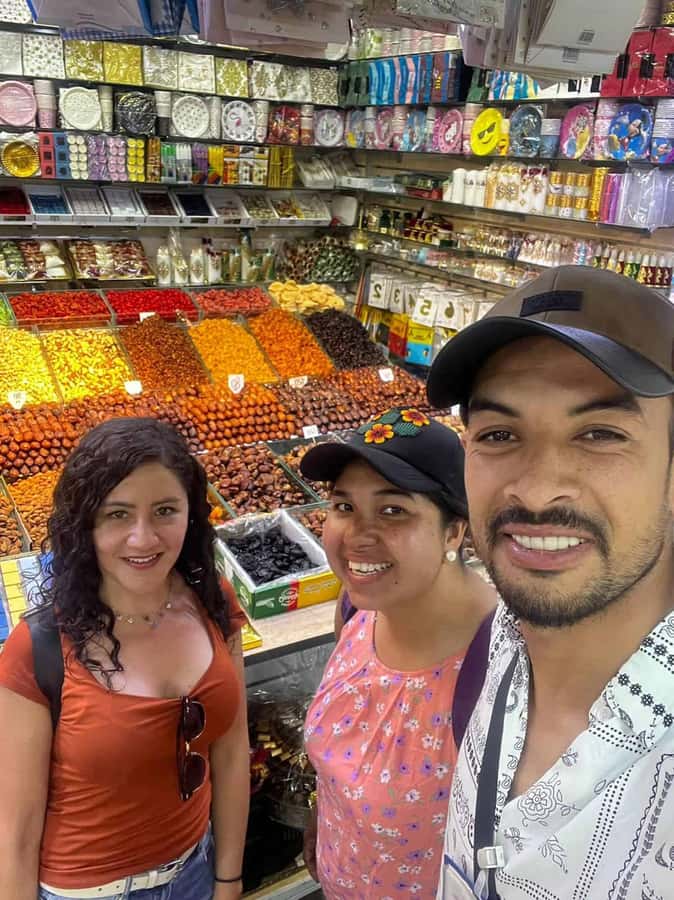
Tangier is one of those cities where food is more than food. It’s a map. A language. A schedule. And on this tour you don’t just get flavors—you get the why behind them.
The biggest value is simple: you’re eating in six different places, not one “photo spot” with a menu you could’ve found anywhere. You’ll spend the morning/afternoon moving through the historic core, from Sour Meêgazine out toward M’ Sallah and the Grand Socco area, then down to the Kasbah zone. That gives you the best combo of atmosphere and variety: market snacks, small bites from vendors, and a more substantial meal at a café stop.
Another underrated win: you’re not expected to figure out the Medina by yourself. Your guide helps you navigate narrow streets and explains what you’re tasting as you go—history and culture included—so your brain stays switched on instead of just chewing. If you tend to get overwhelmed in busy markets, this format is a relief.
One more practical point: the tour runs about 3 hours, which is a sweet spot. Long enough to feel like you experienced the city through food, short enough that you can still do other plans the same day.
You can also read our reviews of more walking tours in Tangier
Starting at Sour Meêgazine: setting the mood fast
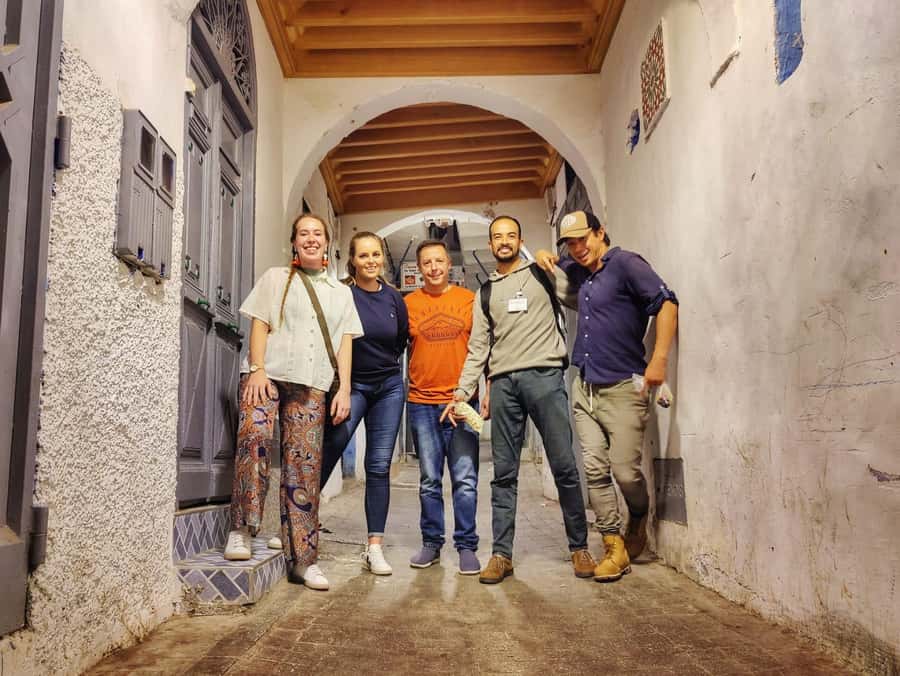
You meet at Sour Meêgazine, next to the 3rd cannon right in the middle. It’s the kind of meeting point that makes sense once you’re there: a clear landmark in a city where street addresses can be more suggestion than guarantee.
The start matters because it puts you inside the older layers of Tangier right away. You don’t begin in a parking-lot version of Tangier. You begin in the real texture: narrow lanes, shopfronts, food aromas, and the day-to-day movement that makes the Medina feel alive.
Bring comfortable shoes. This is not a “wander and snack” stroll across a boulevard. It’s a guided walk where your feet do a fair bit of work, and the streets can be uneven. If you want to enjoy the tastings, you’ll be glad you didn’t wear your blisters’ favorite shoes.
M’ Sallah: tastings with context (and strong photo angles)
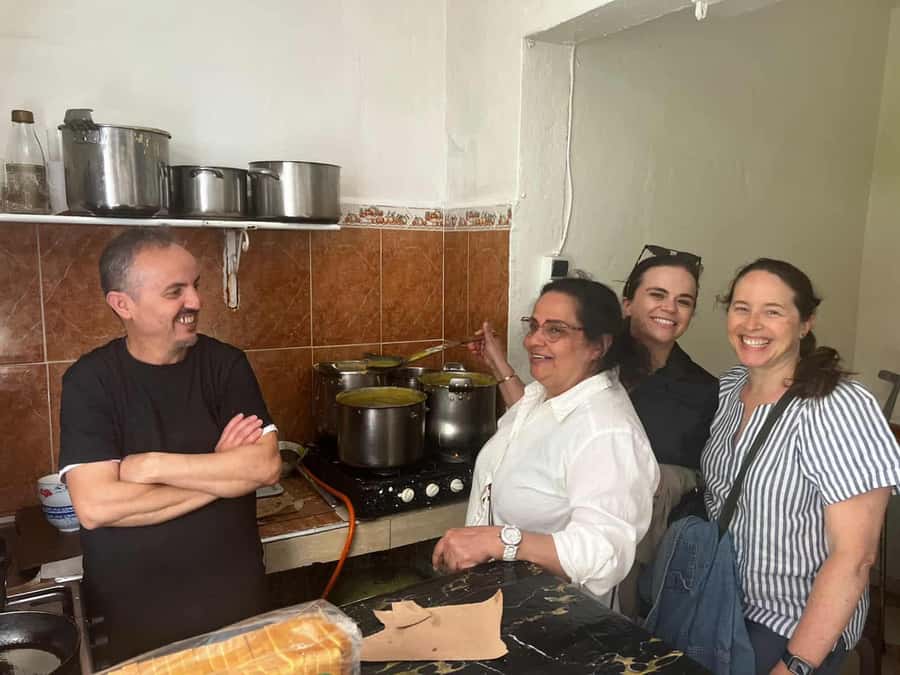
The first named stop is M’ Sallah, with guided touring and food tasting for about 45 minutes. This is a good place to warm up your senses. You’ll start learning how Tangierites think about snacks and small meals—what’s eaten, when it’s eaten, and what makes it local.
This is also where you’ll likely hear explanations that change how you eat. Instead of treating each item like a random bite, you’ll get the logic behind it: why certain ingredients show up, how street food connects to home cooking, and how religious and cultural rhythms shape eating habits.
Expect things like traditional handmade products—items along the lines of caliente, stuffed dates, and bissara—plus additional market snacks as the guide directs. Even if you’re picky, tell your guide early. Many people find the first stop is where it clicks that this tour can be flexible.
Photo tip: don’t just take pictures while you’re walking. Pause when the guide points out a viewpoint. The route through this area tends to reward stopping for a quick look, not sprinting for the next tasting.
Grand Socco: markets, small bites, and real daily flow
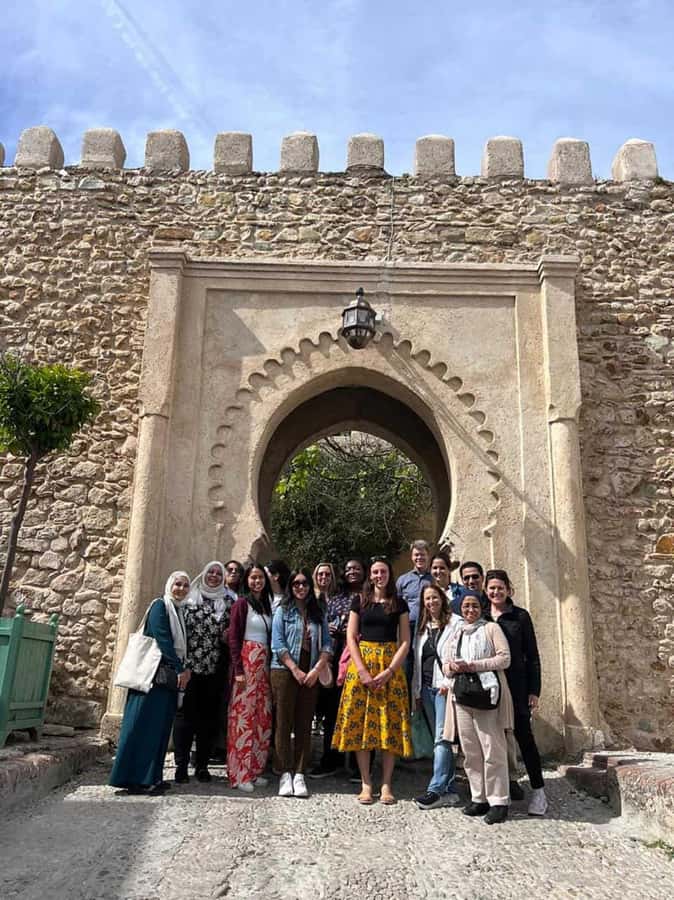
Next you hit Grand Socco, again with a guided tour and about 45 minutes of food tasting. This is where Tangier’s public life is easy to spot—vendors, shoppers, movement, and that feeling that the city is always doing something.
Food tours are at their best when you experience how locals shop and eat, not just what they eat. This stop leans hard into the everyday: you’ll see how people buy fresh produce, how artisans and vendors display their goods, and how street life shapes the food you’re sampling.
The guide’s role here is practical. You get explanations as you go, and you can ask questions rather than guessing. That matters with street food, because what looks familiar might taste different—or be prepared differently—than you expect.
From a comfort standpoint, this is also a good moment to slow your intake. Eat, taste, then take in the surroundings. If you come in hungry (they encourage an empty stomach), you’ll avoid the trap of trying to “save room” for the meal and accidentally rushing through the snacks.
Place de la Kasbah: longer tasting window, bigger appetite payoffs
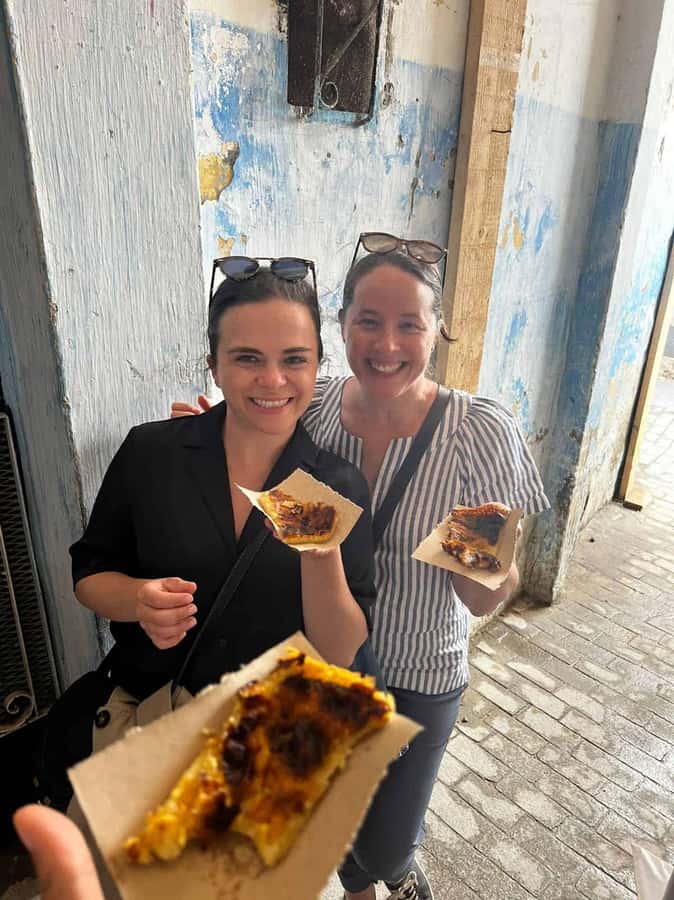
Your next major segment is Place de la Kasbah, with about 1 hour of guided time and tastings. This longer stop tends to feel like the tour’s anchor point: you get more time with the people, the food, and the stories tied to the area.
Kasbah-area wandering typically means narrow alleys, traditional architecture, and angles where the city feels layered—old streets that seem to fold into themselves. It’s also a strong section for photos, because you’ll often be looking out over scenes that don’t match the usual postcard view of Morocco.
This is also where a tour like this earns its keep. You’re not just eating; you’re learning what you’re tasting is connected to—local traditions and how people think about flavor and ingredients. Guides often explain not only what the dishes are, but how they differ from what you’d find at home.
If you’re traveling with kids, this is often the point where the guide’s pacing and explanations can help keep attention. One reason people rate this tour so highly is that the walk doesn’t feel like a speed-run through food.
You can also read our reviews of more food & drink experiences in Tangier
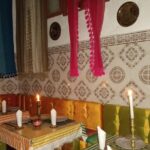

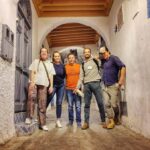
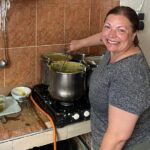
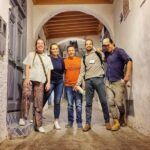
Local café break before the finale at Café Hafa
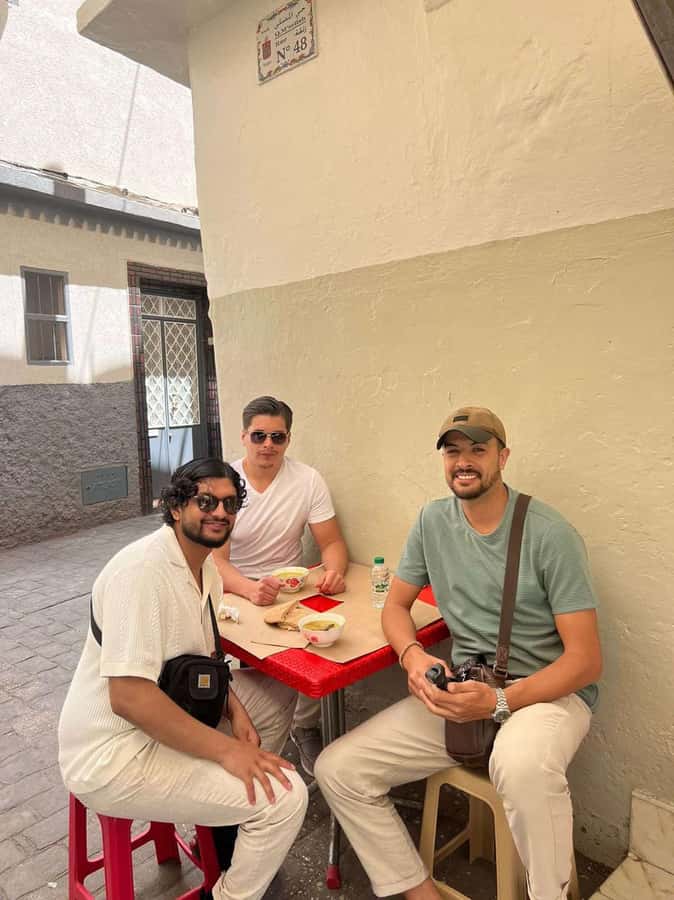
Halfway through, you get a local café break with about 30 minutes of guided time. This matters more than you might think. After a few hours of Medina lanes, you need a breather to reset your body and your stomach.
This café moment also helps you transition from “snack focus” to “meal satisfaction.” You’ll also have a chance to ask follow-up questions—where to buy more of what you liked, what to try if you’re eating on your own, and what to watch for if you’re curious about ingredients.
Then you finish at Café Hafa. End points in food tours are often rushed or vague. Here, the finish is a proper destination. It’s a logical closer: you stop walking, you soak in the last tastes, and you get the feeling that you completed a real loop through Tangier.
Price and value: what $73 buys you (and what it doesn’t)
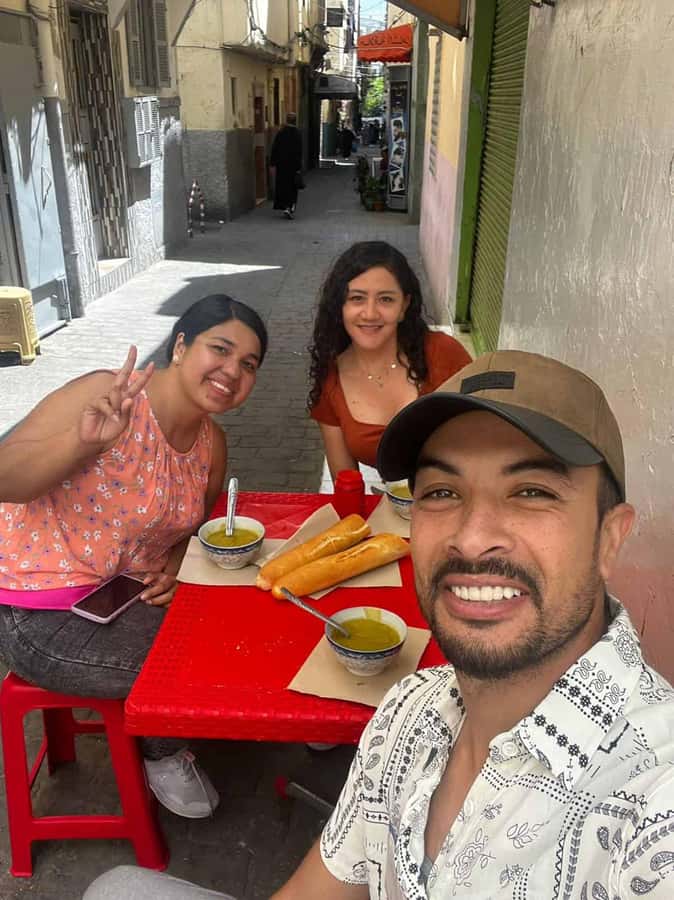
At $73 per person for 3 hours, you’re paying for more than food. The ticket includes 6 tasting stops, a full meal, bottled water, and tour guide fees.
That’s good value for a few reasons:
- The tour includes both snacks and an actual meal, which prevents the usual “I’m hungry again right after” problem.
- You’re getting guidance in the Medina, where navigating without local help can slow you down and cost time.
- You’re also getting context—history, culture, and food traditions—so it’s not only about eating.
What you should plan for: transportation isn’t included. You’ll need to get yourself to Sour Meêgazine and then go about your day after the tour ends at Café Hafa.
If you like doing one paid “anchor” activity per city that you’ll remember later, this fits. If your goal is maximum flexibility and you’re happy wandering alone, you might not need a guide. But if you want the food to make sense as you go, this is a smart use of time.
Dietary needs: better than the usual “we’ll see”
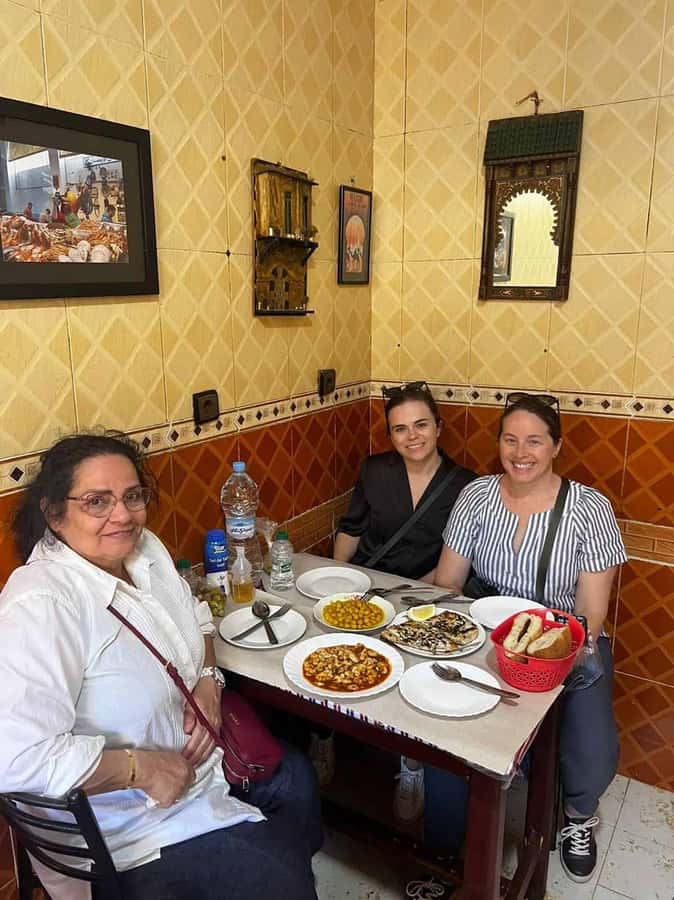
Food tours sometimes treat dietary restrictions like a suggestion. This one explicitly says they can accommodate things like vegetarian, gluten-free, and lactose-free options if you tell them your preferences in advance.
That’s huge if you’ve had bad luck on tours that claim flexibility but hand you something generic at the last stop. Here, the structure of multiple tastings makes substitutions possible without turning the whole experience into a compromise.
Practical advice: message your needs when you book, and reiterate them to your guide at the start. It’s the easiest way to make sure you get real options at most stops, not only at one “safe” place.
Walking pace, group mix, and who this suits best
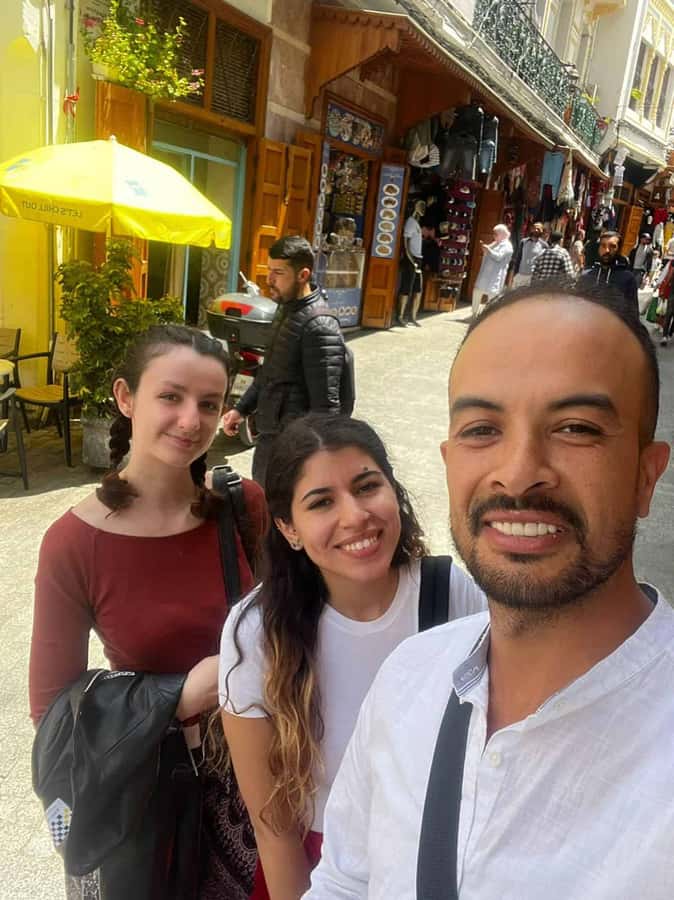
This is a walking tour through historic areas, and the amount of walking is described as “just right” by people who’ve done it. The pace can also adjust a bit depending on the group. Some groups have included kids, and the tour can adapt so you’re not stuck dragging everyone through stalls at full speed.
So who tends to love it?
- Food-first travelers who want local context, not a list of dishes
- People who enjoy markets and want to see how locals shop and eat
- Travelers who like asking questions and learning the cultural logic behind street food
Who should think twice?
- Anyone with mobility impairments or who needs wheelchair access (it’s not suitable)
- People who hate walking or want a mostly seated experience
- Anyone who struggles with crowds or narrow passages without support
A note on seasonal changes (Ramadan)
One useful detail to know: during Ramadan, the tour can shift and become an Iftar-style meal with the guide and their family. If your travel overlaps Ramadan, ask ahead what will change, so you’re prepared for a different rhythm and meal format.
Should you book the Tangier Food Walking Tour?
Book this tour if you want Tangier to make sense through food. You’ll get multiple tasting stops, a full meal, and guided explanations that tie street snacks to culture and daily life. The pricing feels fair for the amount of eating and time you get, and the tour’s ability to handle dietary needs is a big plus.
Don’t book it if walking narrow old-town lanes is a problem for you, or if you only want large, seated restaurant meals. This experience is built around moving through markets and old streets. That’s the whole point.
If you’re deciding in one sentence: if you’re hungry for Tangier culture and not just photos, this is a strong bet.
FAQ
How long is the Tangier Food Walking Tour?
It runs for about 3 hours.
Where do I meet the guide?
Meet next to the 3rd cannon in the middle at Sour Meêgazine, Tangier, Morocco.
Where does the tour finish?
The tour ends at Café Hafa.
What’s included in the $73 price?
The price includes 6 tasting stops and a full meal, tour guide fees, and bottled water.
Is transportation included?
No. Transportation is not included.
Can the guide accommodate dietary restrictions?
Yes. The tour is designed to accommodate dietary restrictions like vegetarian, gluten-free, and lactose free. Let them know your preferences ahead of time.
What language is the tour guide?
The tour has a live English speaking guide.
Is this tour suitable for wheelchairs or limited mobility?
No. It’s not suitable for people with mobility impairments and wheelchair users.