REVIEW · TANGIER
7 days Tour from Tangier to Marrakech Morocco Tours
Book on Viator →Operated by Destino Marruecos - Day Tours · Bookable on Viator
Morocco in a week, coast to dunes. This Tangier to Marrakech trip links blue city streets, Roman Volubilis, Fes medina, and an Erg Chebbi sunset camel ride in one smooth overland route.
I love the stay: six nights in traditional riads plus one night in a desert camp. I also like the guided time in the imperial cities of Fes and Marrakech, so you spend your energy looking, not figuring out.
One consideration: it’s a lot of driving across Morocco, and some key entrances and city meals are not included (for example Volubilis entrance).
In This Review
- Key things I’d pay attention to
- Tangier to Marrakech in 7 days: what this route really gives you
- Price and value: is $1,349.08 worth it?
- Getting around and who drives: why the guide matters here
- Day 1: Chefchaouen blue streets after an 8:00 am pickup
- Day 2: Volubilis Roman ruins, Meknes walls, then straight to Fes
- Day 3: Fes el-Bali medina and souks with guided focus
- Day 4: Ifrane, Azrou cedar forest monkeys, then Erfoud and Erg Chebbi
- Day 5: Rissani market day, Todra Gorge, then the Dades Valley
- Day 6: Ouarzazate kasbahs, Aït Benhaddou, and the slow High Atlas crossing
- Day 7: Marrakech medina highlights around Jemaa el-Fnaa
- Included vs not included: what you should budget for
- Who this tour is best for (and who should think twice)
- Should you book this Tangier to Marrakech tour?
- FAQ
- FAQ
- How long is the tour from Tangier to Marrakech?
- Where does the tour start and how does it end?
- What time is the pickup on the first day?
- Is there a desert night, and what’s included there?
- How many nights are you staying in riads?
- Is this a small group or a large tour?
- What language do the driver/guide speak?
- What meals are included, and what meals are not?
- Can I cancel for a full refund?
- Are there any entrances/tickets that are not included?
Key things I’d pay attention to
- Small-group cap of 17 with a driver-guide who keeps the day moving without rushing.
- Riads + desert camp combo: real Moroccan lodging, not just chain hotels.
- Erg Chebbi sunset camel ride plus sandboarding in the dunes.
- Imperial-city guided sightseeing in Fes and Marrakech, including major medina highlights.
- Long but scenic travel days through the Middle Atlas and High Atlas passes.
Tangier to Marrakech in 7 days: what this route really gives you
This tour is built for people who want variety without switching plans every day. You start in Tangier, climb into the Rif for Chefchaouen, then swing inland through Roman and imperial stops before dropping into Morocco’s big desert and ending in Marrakech’s main square.
What makes it work well is the rhythm. You get a mix of guided medina time, scenic breaks (like the cedar forest and gorge viewpoints), and at least one full night that feels totally different from the cities: the desert camp night near Merzouga.
If you like road trips that still feel like sightseeing, this is a strong fit.
A few more Tangier tours and experiences worth a look
Price and value: is $1,349.08 worth it?
At $1,349.08 per person for about a 7-day route, you’re paying for more than transportation. The package bundles air-conditioned driving, guided sightseeing in Fes and Marrakech, multiple nights in traditional riads, and a desert experience that includes more than one activity.
Here’s what adds real value:
- Lodging: six nights in riads (included) plus a luxury tent night in the desert.
- Desert activities: camel ride, sandboarding, dinner in camp, and the return setup by 4×4.
- Guided culture time: a structured tour in Fes el-Bali and a sightseeing day in Marrakech (city highlights included; specific entrances may not be).
What you should budget for separately:
- Meals: lunches and some dinners are not included in certain towns, and drinks are not included.
- Optional entrances/tickets: Volubilis entrance is listed as not included, and Marrakech sightseeing admission is not included.
So the cost makes sense if you want a “turnkey” route with lodging and major activities handled. If you prefer total control over guides and tickets, you might find this style less flexible.
Getting around and who drives: why the guide matters here
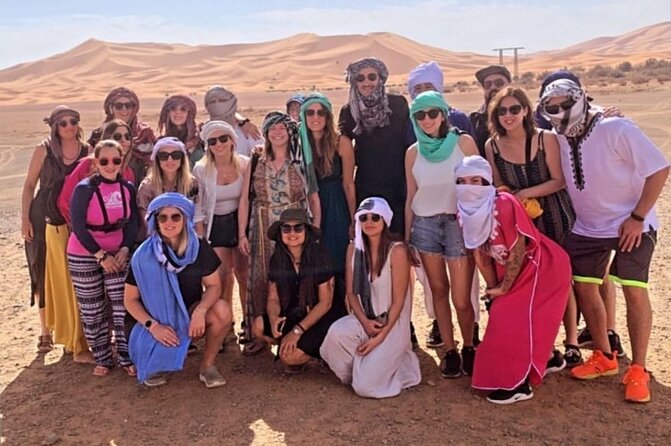
You’re in an air-conditioned vehicle throughout, with an experienced English–Spanish speaking driver/guide. This matters because Morocco road time can feel intense if you’re on your own, especially when you’re crossing big regions like the Middle Atlas to the Sahara zone.
Also, names like Rachid, Moha, Ibrahim, and Hassan come up in guest praise for careful, calm driving and good coordination ahead of time at stops. You’re not just being transported; the driver-guide is meant to line things up so you can keep moving.
Group size is capped at 17 people, which tends to keep the trip lively but not chaotic. And it’s described as private in the sense that it’s only your group.
Day 1: Chefchaouen blue streets after an 8:00 am pickup
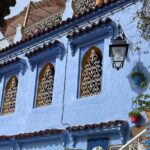
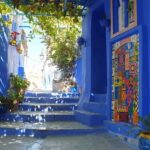
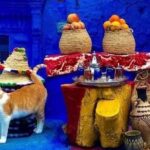
You start with pickup at 8:00 am from the Muraille de Tanger area in Tangier, then head into the Rif mountains toward Chefchaouen Medina. The big payoff here is atmosphere: the medina’s narrow lanes are all about walking at a human pace, with the famous blue color doing the heavy visual lifting.
This is a good first day because it’s not too complicated. You’re dropped into one of Morocco’s most photogenic walking areas and given time to explore.
A small practical note: Chefchaouen is a walking-heavy medina. If you’re carrying lots of bags, plan for some uphill steps and compact streets.
Day 2: Volubilis Roman ruins, Meknes walls, then straight to Fes
Day 2 gives you a history detour before you reach the medina city.
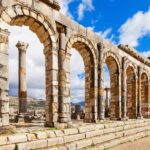
First up is Volubilis, Morocco’s preserved Roman ruins. This stop is short (about an hour) but it’s the kind of contrast Morocco does well: Roman stonework in a country known for Islamic architecture and desert landscapes. The entrance is listed as not included, so if you want to go in, you should expect to pay separately.
Then you continue to Meknes, where you get a lighter stop with a lunch break and time to wander the medina walls. Highlights here include Bab el Mansour and the tomb of Moulay Ismail. Admission for this portion is listed as free.
After Meknes, you drive directly to Fes for your overnight, so day 2 ends with that “arrive and settle” feeling rather than another late-night sightseeing sprint.



Day 3: Fes el-Bali medina and souks with guided focus

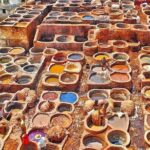
Today is about Fes el-Bali, the older part of Fes where the medina streets feel like a living maze. You get a guided tour of the medina and the famous souks, with about 4 hours set aside.
This is one of the best parts of the tour if you like history you can actually see up close. The guide-led structure helps you interpret what you’re walking past—mosques, green-glass minarets, and Andalusian-style details you’d likely miss if you were simply wandering.
You’ll sleep in a riad, which is a big deal here. Riad life is calmer than hotel life: you often return to a courtyard feeling, and the medina’s noise fades after you’re inside.
Day 4: Ifrane, Azrou cedar forest monkeys, then Erfoud and Erg Chebbi
Day 4 is a full “scenic-to-desert” transition, and it’s packed with stops.
You begin with Ifrane, often called the Switzerland of Morocco, where you get a break from the medina world and into cooler, piney mountain air. It’s listed as a free stop and about 30 minutes.
Next, you go to the Azrou Cedar Forest for a chance to see Barbary apes. These monkeys are known for being used to humans, and the tour notes suggest you can approach and even bring nuts if allowed. This is fun, but it’s also a reminder to keep things respectful—don’t chase or provoke them for photos.
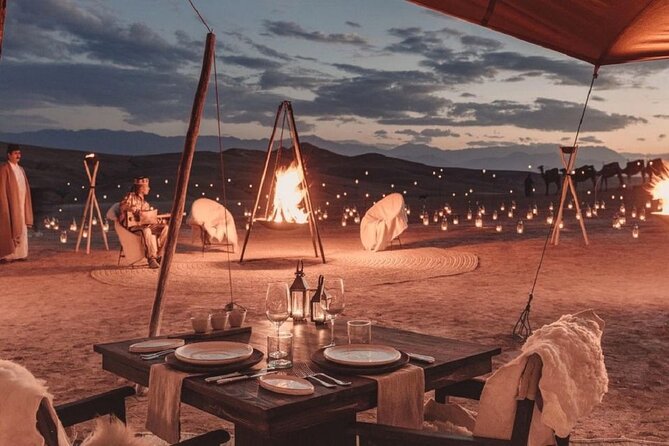
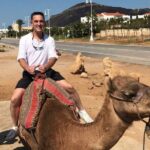
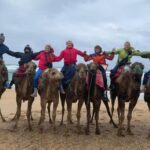
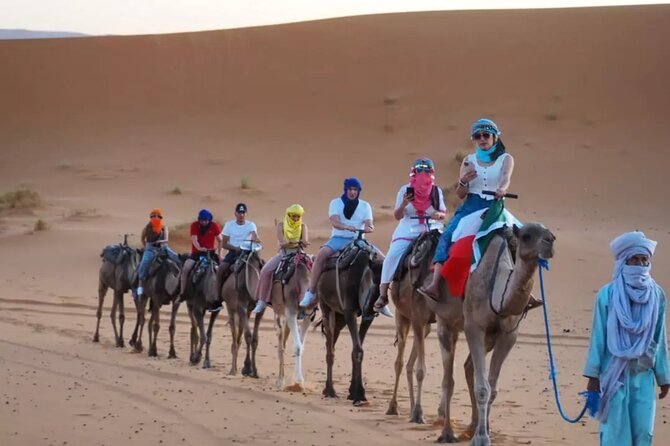
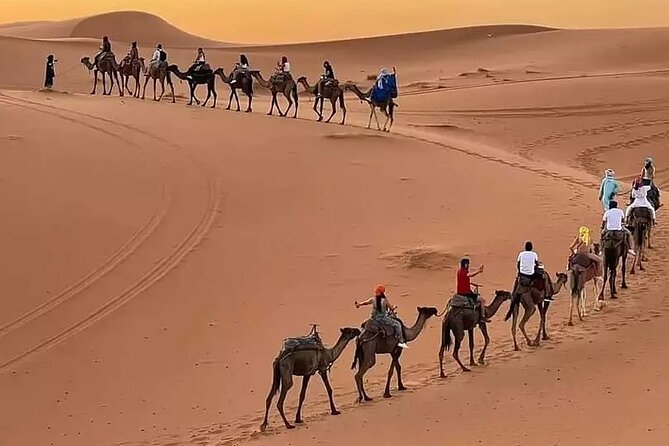
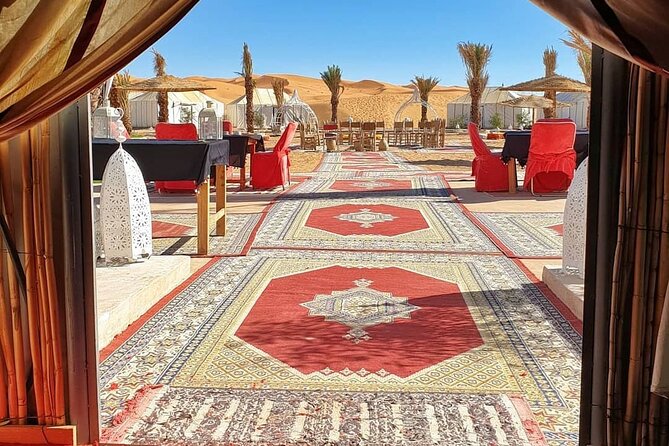
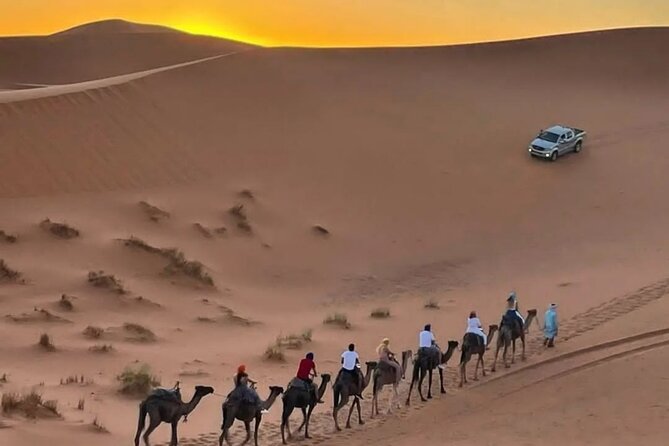
Then you continue toward the desert via Erfoud and arrive near Erg Chebbi dunes. When you reach your desert lodging, you get an hour-long trek by camel (dromedaries) through the dunes to watch the sunset.
That evening is a classic desert setup: drums, dinner, Moroccan tea, and time under the stars before you fall asleep in your tent. It’s the one night where Morocco feels like a different planet, in the best way.
Also included: sandboarding on the dunes. If you’re even mildly curious, this is usually worth doing once.
Day 5: Rissani market day, Todra Gorge, then the Dades Valley
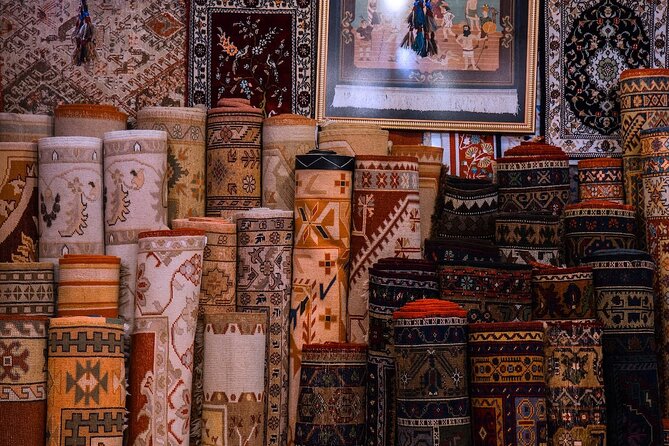
After sunrise show and breakfast, you leave the desert behind and head to Rissani. The market time is the selling point here, especially since your market visit lines up with market days (Tuesday, Thursday, or Sunday). Rissani is tied to the older trading world of Sijilmassa, so the town has weight even if you’re mostly just passing through.
Then you move toward Todra Gorge, one of Morocco’s most dramatic canyon areas. You’ll have lunch on site and time for a recommended walk through the gorge. The gorge is known for sheer vertical walls and climbing activity, but you don’t have to be a climber to appreciate how tall and close the rock feels.
From Todra, you head into the Dades Valley, sometimes called the Valley of the Figs. The stop includes a viewpoint-style break and a stop called the monkey’s paws.
This day works because it resets you from desert silence into mountain scenery. It’s also a good day for photos, since the rock tones change throughout the day.
Day 6: Ouarzazate kasbahs, Aït Benhaddou, and the slow High Atlas crossing
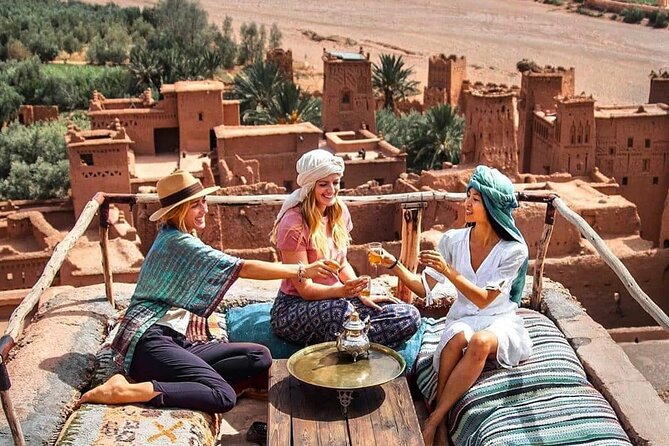
Day 6 is where you start thinking about Marrakech again, but you still get real south Morocco drama along the way.
You visit Ouarzazate and nearby Skoura. The day mentions the Valley of Roses and the palm grove area, plus a stop for the Kasbah of Taourirt. There’s also an option for fans of film history: the film studios where major movies were shot.
Then you go to Aït Benhaddou, one of the best-known kasbahs in southern Morocco. You can walk through the streets and climb to top viewpoints for valley views. The stop is about an hour, so you’ll want comfy shoes and the willingness to climb.
After that, you cross the High Atlas on a mountain pass around 2,300 meters, with advice to travel slowly because the drive is part of the experience. Finally, you reach Marrakech and can spend your evening time with Jemaa el-Fna Square, which is a sensory hit even if you’ve seen photos.
Day 7: Marrakech medina highlights around Jemaa el-Fnaa
On your last day, you get breakfast and a sightseeing day in Marrakech focused on the main highlights.
This includes time around Jemaa el-Fna, plus major medina-area sights like:
- Saadian Tombs
- Koutoubia Mosque
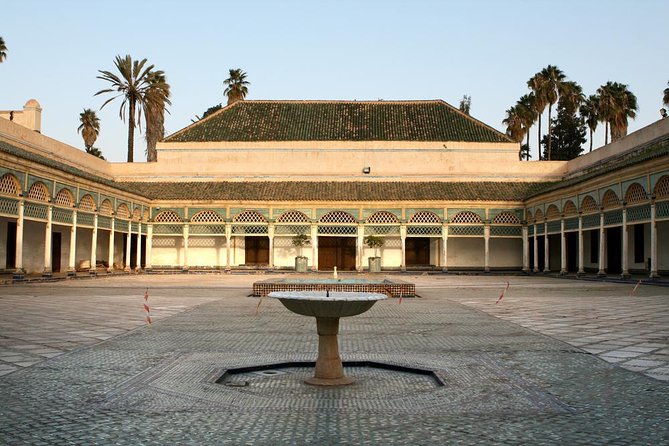
- Bahia Palace
- Wandering in the medina and the Mellah (the old Jewish quarter)
Your guide keeps the flow manageable, which matters because Marrakech can feel big and confusing fast. It’s also the right final day for shopping and casual wandering, since you’ll already have the landmarks fresh from the guided portion.
One practical thing: the medina is walking-heavy and lively. If you want calmer time, plan breaks and don’t try to see every alley in one go.
Included vs not included: what you should budget for
Included items you should feel good about:
- Air-conditioned vehicle and private transportation
- Camel ride and sandboarding
- 1 night in a luxury desert tent, plus 4×4 transfer from/to the camp as an alternative to camels
- Six nights in traditional riads
- Guided sightseeing in Fes & Marrakech
- Dinner (2) and Breakfast (6)
Not included:
- Drinks
- Lunches and dinners in Chefchaouen, Fes, and Marrakech
- Volubilis entrance and some city admissions marked not included
- Tipping (optional)
My advice: keep a little cash for small entrance fees and snacks you decide on the fly. Drinks in Morocco are easy to find, but if you don’t plan for them, the trip can feel pricier than expected.
Who this tour is best for (and who should think twice)
This tour is great for you if:
- You want a coast-to-desert-to-Marrakech sweep without planning day-by-day.
- You like guided time in Fes and Marrakech but still want freedom to wander.
- You’re excited about staying in riads and doing the Erg Chebbi desert night.
It might be less ideal if:
- You want lots of independent time in between stops, because the schedule is structured.
- You’re sensitive to long driving days and prefer smaller, slower region-focused trips.
- You expect all meals and entrances to be included in the price.
Should you book this Tangier to Marrakech tour?
If you’re aiming for a classic Morocco highlight set—Chefchaouen, imperial cities, desert dunes, kasbahs, and Marrakech—this is a strong value package because the big-ticket parts are bundled: riads, desert camp, camel ride, and guided sightseeing.
I’d book it if you like road-trip energy and you want the desert night to feel like the trip’s centerpiece. I’d skip or compare if you want more downtime, fewer transfers, or you hate paying extra for entrances and meals along the way.
FAQ
FAQ
How long is the tour from Tangier to Marrakech?
It’s an approximately 7-day tour.
Where does the tour start and how does it end?
It starts at Muraille de Tanger in Tangier. It ends in Marrakech, with drop-off organized for guests staying in hotels and riads, including if you’re in the medina.
What time is the pickup on the first day?
You’re picked up at 8:00 am from your Tangier hotel area.
Is there a desert night, and what’s included there?
Yes. You’ll have one night in a luxury desert camp, with a camel ride, sandboarding in the dunes, dinner (included), and a 4×4 transfer option from and to the camp.
How many nights are you staying in riads?
Six nights are included in traditional riads (plus the one desert camp night).
Is this a small group or a large tour?
The group experience is capped at a maximum of 17 people, and it’s described as private in the sense that only your group participates.
What language do the driver/guide speak?
The driver/guide is listed as experienced and speaks English and Spanish.
What meals are included, and what meals are not?
Breakfast is included 6 times, and dinner is included 2 times. Lunches and dinners in Chefchaouen, Fes, and Marrakech are not included, and drinks are not included.
Can I cancel for a full refund?
Yes, free cancellation is available if you cancel up to 24 hours in advance of the experience start time.
Are there any entrances/tickets that are not included?
Volubilis entrance is listed as not included, and the Marrakech day sightseeing admission is listed as not included. Tipping is also optional.