REVIEW · TANGIER
10 Days Morocco Private Tour from Tangier
Book on Viator →Operated by Adrar Travel · Bookable on Viator
Blue walls. Desert stars. Private Morocco, start to finish. This 10-day route is interesting because it mixes Chefchaouen’s guided alley stroll and sunset climb with a real Sahara night (including a 1-hour camel ride). The main thing I’d flag is the trade-off: you’ll spend a lot of time in the car, with several long travel days between regions.
What makes it feel more relaxed is the private setup: pickup is offered, you get private transportation throughout, and you’re staying in “good hotels” with meals built in (9 breakfasts, plus some lunches and dinners). The provider’s staff also gets name-checked in feedback, including Hasan from Adrar Travel and Esmail in their responses, for being prompt and detail-oriented.
In This Review
- Key Highlights You’ll Feel Right Away
- Tangier to Chefchaouen: Blue Streets Start Fast
- Akchour Cascades in Tallasemtane National Park: Mountain Air Day
- Volubilis, Meknes Walls, and the Road Toward Fez
- Fes Medina Full Day: Mellah, Tanneries, and Al Qarawiyyin
- Ifrane, Cedar Forest Apes, and Lake Aguelmame Sidi Ali
- Imilchil and the Tislit Lake Feeling of Morocco Off the Main Roads
- Todra Gorges to Erg Chebbi: Camel Ride and a Real Desert Night
- From Nkob Through the Date Palms of Draa Valley to Ouarzazate
- Ouarzazate Movie Stops and Ait Ben Haddou UNESCO Ksar
- Marrakech with a Local Guide: Saadian Tombs to Majorelle Garden
- Marrakech to Casablanca Airport: The Final Transfer Day
- Price and Value: What $2,303 Buys You Here
- Pacing, Packing, and How to Enjoy Every Day (Without Burning Out)
- Who Should Book This Private Tangier-to-Marrakech Tour
- Should You Book This 10-Day Morocco Private Tour From Tangier?
- FAQ
- When does the tour start, and where?
- Where does the tour end?
- Is this a private tour?
- What’s included in the price?
- What language options are offered?
- Are camel rides and Sahara camp part of the plan?
- What if I need to cancel?
Key Highlights You’ll Feel Right Away
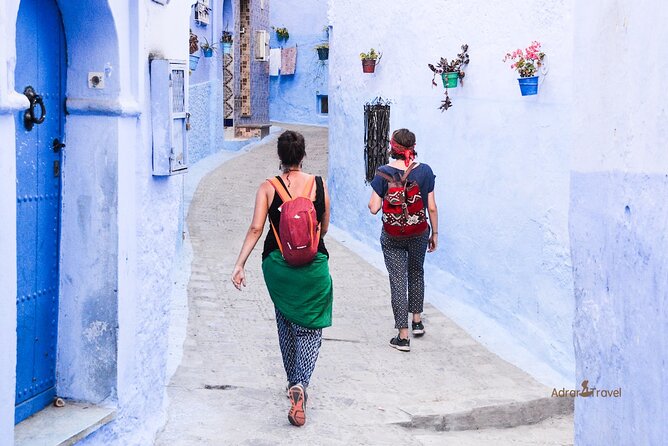
- Chefchaouen walks plus a sunset hike to Bouzafer Mosque viewpoints for big photo energy.
- Akchour Cascades in the Rif Mountains with time for a locally made tagine.
- Fes Medina with multiple guided stops like the Mellah, tanneries, Bou Anania Madrasa, and Al Qarawiyyin.
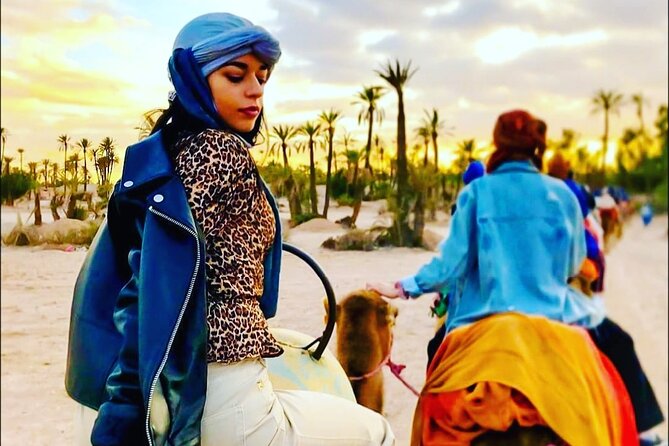
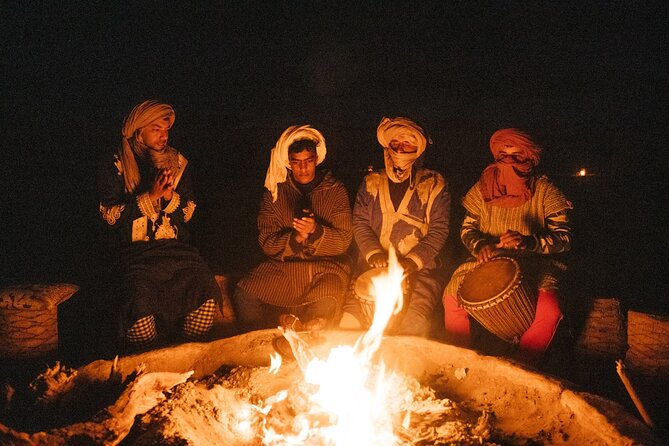
- Erg Chebbi Sahara night: 1-hour camel ride, then stargazing time at camp plus an evening music performance.
- UNESCO Ait Ben Haddou on a walking visit with lunch nearby and classic movie-location vibes.
- Marrakech with a local guide covering Saadian Tombs, Bahia Palace, and the main square, plus Majorelle Garden.
Tangier to Chefchaouen: Blue Streets Start Fast
Your trip starts with pickup in Tangier, and the plan immediately turns toward the north’s most famous color shock: Chefchaouen. You don’t waste time here. After a short arrival segment in Tangier, you drive into Chefchaouen and settle into the slow, photogenic pace of the blue city.
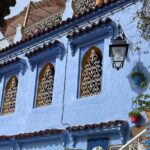
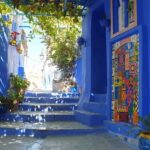
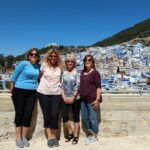
In Chefchaouen, you get a guided 2-hour walk with your driver/guide. This matters because the city can feel simple from photos, but the details are what make it: side streets, small plazas, and the way the light changes on the blue walls. You’re also given time to just wander later, which is great if you want to hunt for crafts or just stop for mint tea without feeling rushed.
Then comes the part I’d personally plan around: Bouzafer Mosque at sunset. The route includes a 45-minute uphill hike for sunset views. This is one of those Morocco moments where the effort pays off fast, and it’s also a nice change of tempo after mostly flat walking. Just wear shoes with good grip, because you’ll be on uneven ground.
You can also read our reviews of more private tours in Tangier
Akchour Cascades in Tallasemtane National Park: Mountain Air Day
Day two pushes you into nature with a hike at Cascades d’Akchour, inside Tallasemtane National Park. You’re looking at a 4-5 hour nature experience in the Rif Mountains, which is a solid block of time for scenery and breathing space.
The itinerary builds in two “comfort wins” here:
- you have structured hike time, not just a quick stop
- you also get locally made tagine included
After that mountain day, you return to Chefchaouen and get free time for the rest of the day. For practical travelers, this combo is smart: you get exertion in the morning and flexibility afterward. If your legs feel heavy, you can pace yourself on a second walk. If you want shopping, you’ll have time.
A potential consideration: hiking days add up across the full trip. If you’re someone who hates long walking totals, save your biggest energy for the Sahara day later rather than forcing hard pace in the Rif.
Volubilis, Meknes Walls, and the Road Toward Fez
On day three, the route shifts from scenery to big landmarks. You start at Volubilis, an archaeological site, with about an hour of exploration guided. Volubilis is the kind of place where having a guide helps you orient quickly—what you’re seeing, why it matters, and how the layout connects.
Then you head to Meknes for lunch and a walk around the medina walls and major sights. Expect stops around Bab El Mansour and a visit to the Moulay Ismail mausoleum. Even if you’re not a Roman-empire or dynasties-of-Morocco fanatic, Meknes works because the scale of the walls and monuments gives you immediate context for where power sat in the past.
After Meknes, you continue on to Fez for the night in the heart of the medina. That detail is worth paying attention to: staying central makes it easier to handle Fez’s maze-like streets and gives you more usable time the next day.
Fes Medina Full Day: Mellah, Tanneries, and Al Qarawiyyin
Fes is the kind of city that can either delight you or overwhelm you, depending on how you navigate it. This day is designed to keep you from wandering blindly by using a local guide and a structured path.
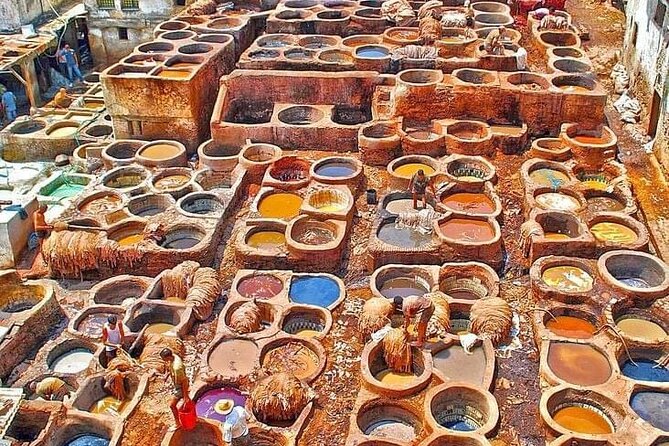
Your visit starts near major references in the medina area, including the Royal Palace gate, the Jewish headquarters, and the Mellah (listed here as the first Mellah built). Then you’re walked through a “get lost” style route with your guide—meaning you’ll go deeper into alleys, walls, and souks with someone helping you find your bearings instead of relying on phone maps.
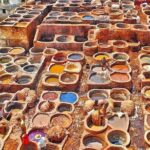
You’ll also get a lunch stop at a local restaurant, which is helpful in Fez because meal timing can otherwise get chaotic. After lunch, the day continues with the iconic stops people come for, including the tanneries and the Bou Anania Madrasa, plus the Al Qarawiyyin University, described as founded in the 9th century and tied to Fes’s spiritual and educational role.
Wear breathable layers and pace yourself. Fes can mean sensory overload: crowded lanes, strong smells near workshops, and lots of visual noise. The upside is that you’re guided through the high-impact highlights without spending half the day trying to figure out where to start.
Ifrane, Cedar Forest Apes, and Lake Aguelmame Sidi Ali
After Fez, the route moves through the Middle Atlas zone, with several stops that break the drive into manageable chunks.
First up is Ifrane, with a coffee stop and time for photos. Ifrane is described as the Switzerland of Morocco, and even if you don’t treat nicknames as factual temperature forecasts, it’s still a sign you should expect a noticeable shift in scenery and feel compared to the coast and lowlands.
Then you reach Azrou Cedar Forest for a quick stop to see Barbary apes, the native monkeys of Morocco. This is a short moment, but it’s a memorable palate cleanser between cities and a practical break from sitting.
Finally, you reach Lake Aguelmame Sidi Ali for eco-friendly accommodation near the lake. This is one of those “reset” nights that helps the trip feel like more than just moving from monument to monument.
Practical note: this is a mountain-to-lake stop, so keep your plans flexible. If you’re tired from Fez walking, you’ll enjoy having an evening with fewer obligations.


Imilchil and the Tislit Lake Feeling of Morocco Off the Main Roads
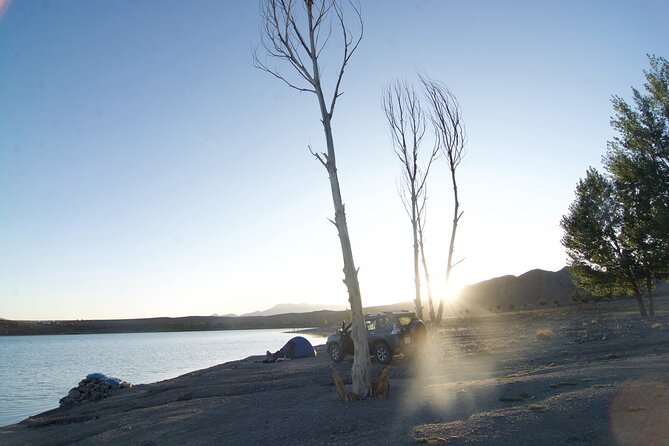
Day five follows Atlas mountain villages and valleys into the Imilchil region. You stop at Isli and Tislit lakes for about an hour. This is the kind of stop that feels simple on paper and then turns special when you’re actually there—water in the mountains, open walking paths, and a break from the historical sites.
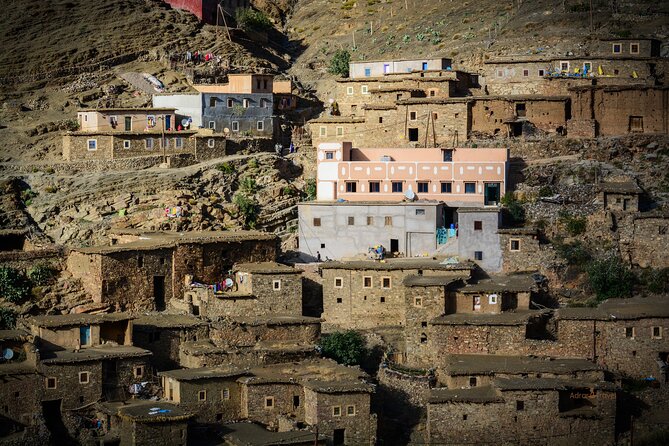
Then you reach Imilchil and stay overnight at a local guest house. The itinerary frames Imilchil as mountainous with Berber villages. Even if you don’t go heavy on cultural lectures, spending the night in a smaller place changes the mood. You’re closer to everyday life and farther from the tourist circuit.
This is also a good day to adjust your rhythm. If you’ve been pushing speed in cities, slow down here. You’ll get far more out of the lakes and guesthouse night when you treat it as downtime rather than another checklist item.
Todra Gorges to Erg Chebbi: Camel Ride and a Real Desert Night
Day six is classic Morocco. You start with Todra River / Todgha Gorges, where you walk for about half an hour through the gorge area. The value here isn’t just the gorge walls. It’s the contrast: narrow landscape, vertical rock, then wide-open desert planning.
You can also have lunch before you keep traveling south. The itinerary keeps this flexible, which matters because desert travel can be timing-sensitive. If you don’t eat earlier, you’ll want to be ready for a later meal rhythm at camp.
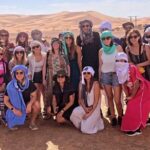
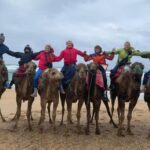
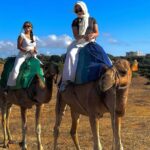
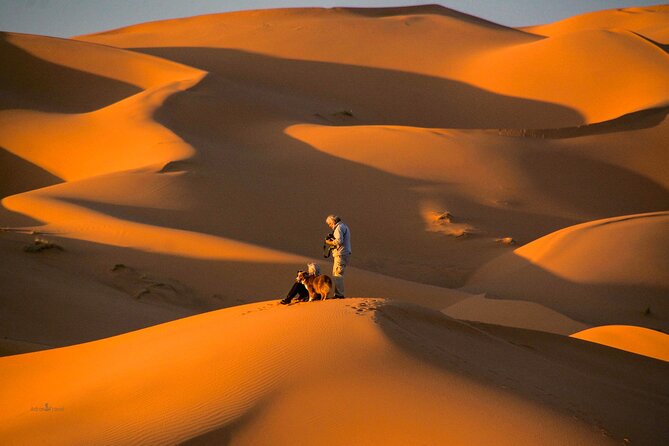
Then you continue to Erg Chebbi dunes. Here’s where the trip’s big “wow” lands: a 1-hour camel riding experience and a night in the Sahara under the stars. After dinner, there’s a music performance by the luxury camp staff.
Two practical thoughts for this part:
- Camel rides are fun, but they’re also physical. Choose calm, steady movements and don’t rush.
- Desert nights often feel different from daytime. Bring layers even if you think you won’t need them.
If you want iconic Morocco in a single day, this is it: gorge walking, dune sunset energy, and sleeping under a sky that looks unfairly large.
From Nkob Through the Date Palms of Draa Valley to Ouarzazate
Day seven moves away from the Sahara and into southern landscapes. First comes a drive through the dry region of Jbel Saghro toward Nkob.
In Nkob, you meet a local family and share lunch. That’s one of the best ways to break the “driver-only” pattern of long road trips. Even if the conversation is brief, it gives you a human anchor and a sense of how daily life looks away from big cities.
On the way, you stop for photos at the Draa Valley, described as more than 200 km of date palm trees with villages along the way. This is mostly scenic viewing time, but it’s a genuinely useful stop because it shows you how villages and agriculture cling to water and shade.
Then you reach Ouarzazate for the overnight. Ouarzazate is a strong base for southern sights, and the itinerary uses it well—short stops the next day keep the pace from feeling nonstop.
Ouarzazate Movie Stops and Ait Ben Haddou UNESCO Ksar
On day eight, the route leans into something Morocco does better than most places: turning history and film into a shared visual language.
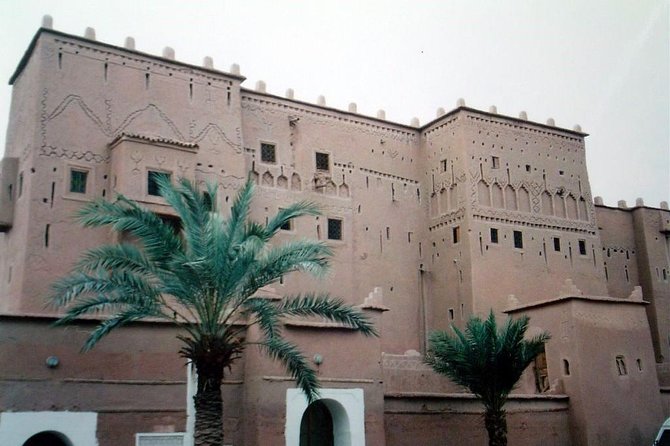
You start with Taourirt Kasbah for photos, then head to Atlas Studios. The time listed here is about 45 minutes, and the point is to see how cinema sets are fabricated and how the studios tie into the region’s look.
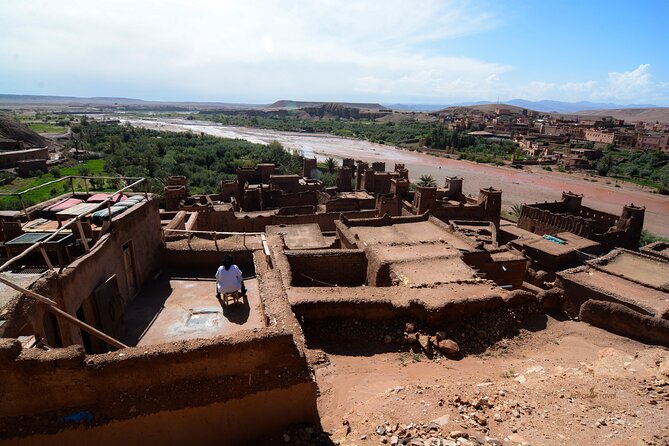
Then comes the UNESCO highlight: Ksar of Ait Ben Haddou. You get a walking visit of about 2 hours, plus lunch nearby. Ait Ben Haddou is also referenced as a filming backdrop, including major titles like Gladiator and Game of Thrones. Even if you’re not a fan of those series or films, the kasbah layout and restoration style is what makes it compelling.
Finally, you cross the High Atlas via Tizi n tichka at around 2260m for photos. This is the kind of drive that makes you understand why Morocco feels like multiple countries stitched together. Then you arrive in Marrakech for the night.
Marrakech with a Local Guide: Saadian Tombs to Majorelle Garden
Day nine is a full Marrakech day, and it’s structured so you hit the major landmarks without getting lost in shopping alleys for hours.
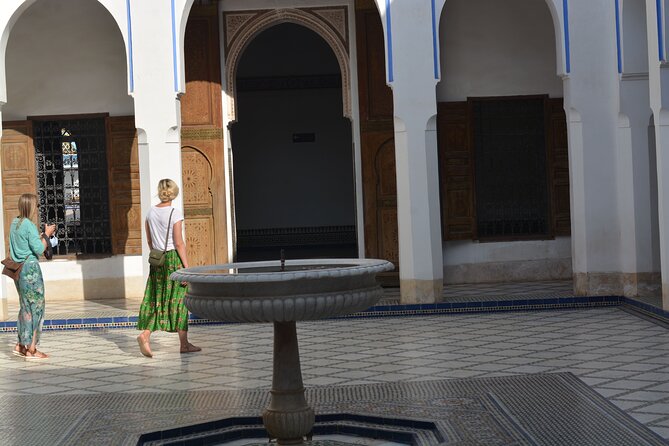
You start with guided sightseeing of key sites: Saadian Tombs, Koutoubia Mosque with its minaret, Bahia Palace, the souks, and Jamaa El Fna. After that, your driver takes you to Majorelle Garden, plus a drive through the new part of the city.
You’ll then be dropped at your Riad or hotel, and you get a free evening in Jamaa El Fna. This is smart because the square is one of Marrakech’s best places to simply watch people and decide what you want to do next—food, music, or just a slow wander.
Practical tip: keep your expectations realistic. Marrakech is lively. It can also be crowded. Your best move is to stick close to your guide for the major sights, then give yourself permission to slow down on your own time.
Marrakech to Casablanca Airport: The Final Transfer Day
On the last day, you drive about 3 hours from Marrakech to Casablanca Mohammed V International Airport. It’s a straightforward finish, and it’s helpful that the trip ends at an airport transfer rather than dumping you in a random city neighborhood.
If you have a flight later the same day, keep some buffer. After 10 days of driving and walking, even a short airport day can feel longer than expected.
Price and Value: What $2,303 Buys You Here
At $2,303.04 per person for a 10-day private tour, you’re paying for two main things: time saved and stress reduced.
First is private transportation across big distances. That’s not a small detail in Morocco. Roads can be long, driving stretches are frequent, and the itinerary strings together Tangier, Chefchaouen, Volubilis, Meknes, Fez, mountain stops, Sahara, Ouarzazate, and Marrakech. Doing that efficiently as a private plan is where a lot of the value lives.
Second is the blend of guided moments and guided meals. Your tour includes camel riding in the Sahara, and it also includes 9 nights in good hotels, 9 breakfasts, and selected dinners (4). Lunch is included, and the tour also lists all fees and taxes as covered. That reduces the annoying question mark of entrance costs and meal math.
What’s not included is also clear: tips and gratuities, and not all lunches/dinners are included beyond what’s specifically mentioned. So if you hate figuring out food budgets day to day, plan to spend at least some extra cash during the evenings and any free-time meals.
Overall, this price makes the most sense if you want a private path with structured highlights—especially the Fes medina day and the Sahara night—without organizing logistics yourself.
Pacing, Packing, and How to Enjoy Every Day (Without Burning Out)
This trip is a road tour, not a lounge tour. Even when you’re doing “free time,” the overall rhythm keeps moving.
Here’s how I’d pack and plan based on the itinerary’s demands:
- Shoes: You’ll walk in medina streets and through gorges. Pick something comfortable that handles uneven ground.
- Sun protection: You’ll get open-sky moments in Chefchaouen viewpoints, in the desert dunes, and on high-mountain drives.
- Layers: You move from coastal/city days to mountain stops and then desert nights. Even if you’re not sure what the temperature will do, layers give you control.
- Energy strategy: Use your free time in Chefchaouen and Marrakech to slow down. Don’t schedule extra walking tours on top of what’s already planned.
If you’re the type who needs “one quiet afternoon” every day, this may feel intense. If you like seeing Morocco’s geography change day by day, the pacing will feel like a strength.
Who Should Book This Private Tangier-to-Marrakech Tour
This tour fits best if you:
- want a private group with your own driver and no mixing with strangers
- love the combination of nature + major cultural stops (Rif mountains, lakes, Todgha gorges, Sahara)
- want the Sahara experience with the structure of a camp and entertainment, not just a drive-by dune photo
- care about getting guided coverage in Fez’s medina, where a plan helps a lot
It might not be the right fit if you:
- don’t like long car days
- prefer only one or two “big cities” and lots of downtime
- want fully free-form travel with minimal structure
Should You Book This 10-Day Morocco Private Tour From Tangier?
I’d book it if you want Morocco in a tight, organized story arc: blue city start, imperial stops, Fez medina navigation, Atlas lakes and guesthouse night, Sahara camel ride and stars, then kasbah and movie-location scenery, ending with Marrakech highlights.
The biggest reason to feel confident is consistency in what’s praised: professional, prompt service from named staff (Hasan is mentioned), and a careful, friendly approach (Esmail also shows up in their responses). Add in the practical package—private transport, good hotels, multiple breakfasts, and key experiences like the camel ride—and you get a trip that’s both dramatic and easier to manage.
If you want freedom above all else, you’ll probably feel constrained by the schedule. But if you want the best-known places plus enough nature to make it feel like more than sightseeing, this is a strong value for a private, multi-region route.
FAQ
When does the tour start, and where?
The tour starts with pickup in Tangier, with the start point listed as Tangier Ibn Battouta International Airport in Tangier.
Where does the tour end?
The trip ends with a drive from Marrakech to Casablanca for Mohamed V International Airport.
Is this a private tour?
Yes. It’s described as a private tour/activity, with only your group participating.
What’s included in the price?
Included items are listed as lunch, all fees and taxes, camel riding in the Sahara, private transportation, an English/French/Spanish speaking driver, 9 nights at good hotels, 9 breakfasts, and 4 dinners.
What language options are offered?
Your driver is listed as speaking English, French, or Spanish.
Are camel rides and Sahara camp part of the plan?
Yes. You’ll have a camel riding experience in the Sahara (1 hour) and a night under the stars at a camp, with dinner and a music performance by the camp staff.
What if I need to cancel?
The policy is free cancellation up to 24 hours before the experience’s start time for a full refund. If you cancel less than 24 hours before, the amount paid is not refunded.