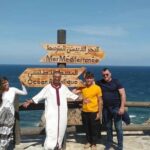
Tangier’s best flavors start before the sun. This 3 to 4 hour food walk ties together Moroccan breakfast, souks, and a real communal bakery so you understand what you’re eating and why it matters in daily life. I like the hands-on tastings right at the start, with hot msemen, crispy harcha, and creamy bissara paired with mint tea. I also like the cultural stop that shows how women bake dough in neighborhood ovens, not just a one-off snack stop for tourists.
One thing to consider: the tour depends on good weather, and it may be hard to run tastings during Ramadan when many places close or people fast. Plus, you will be walking through tight Tangier lanes, so comfy shoes help.
In This Review
- Key highlights at a glance
- Why This Tangier Food Tour Feels Like the Real Deal
- Stop 1: Petit Socco Morning With Msemen, Harcha, and Bissara
- Stop 2: Grand Socco Souks, Pastilla, and a Werka (ورقة) Lesson
- Stop 3: Medina Communal Baking, Then the Walk Up for Gibraltar Views
- Stop 4: Musee de la Kasbah in Former Royal Palace Surroundings
- What You’ll Eat and Drink (Without Guesswork)
- Pickup, Private Tour Style, and Timing That Actually Works
- Price and Logistics: Is $159.03 Worth It?
- When You Should Book (and When to Reconsider)
- Should You Book This Tangier Food Tour?
- FAQ
- How long is the Tangier Food Tour?
- How much does the Tangier Food Tour cost?
- What’s included in the breakfast?
- What snacks and extras are included besides breakfast?
- Do you visit markets and learn about specific dishes?
- Is pickup offered?
- Is the tour canceled if the weather is bad?
Key highlights at a glance
- Petit Socco breakfast with three classics: msemen, harcha, bissara plus mint tea
- Souks near Grand Socco with tastings and ingredient lessons for tagines
- Pastilla and werka (ورقة) explained in the context of Tangier cooking
- Communal or faran bakery visit where local women bake neighborhood dough
- Views on the walk up to the Kasbah with the port, the Iberian Peninsula, and the Rock of Gibraltar
- Kasbah Museum stop at a former Royal Palace setting
Why This Tangier Food Tour Feels Like the Real Deal
This tour is built around the parts of Tangier that shape everyday eating: bread, street-bite snacks, and the spice-and-stew logic behind tagines. Instead of treating food like a checklist, you get small lessons that connect ingredients to dishes, like how werka (ورقة) becomes part of pastilla.
You also get a practical flow: you start with breakfast at Petit Socco, move into the souks near Grand Socco, then work your way toward the Kasbah district. By the time you’re done, you’ve seen multiple neighborhoods and how food culture changes block to block.
You can also read our reviews of more food & drink experiences in Tangier
Stop 1: Petit Socco Morning With Msemen, Harcha, and Bissara
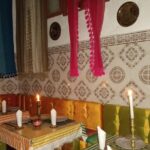
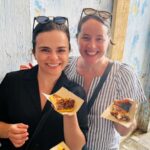
Your day kicks off near Petit Socco Square, where you’ll try a typical Moroccan breakfast set. Expect msemen (the layered flatbread), harcha (a pan-fried semolina cake), and bissara (a thick fava-bean soup) along with mint tea.
What I like here is how each item teaches a different texture lesson. Msemen is all about layers and chew. Harcha is about the semolina crunch. Bissara is smooth and soothing, flavored with olive oil and served with mint tea to balance the richness.
A small tip: go in hungry, but don’t rush—mint tea and multiple bites are part of the rhythm. Also, since you’re starting in a busy area, keep your phone handy but your walking pace calm. The guide’s job is to get you sampling and learning without you getting tangled in the crowd.
Stop 2: Grand Socco Souks, Pastilla, and a Werka (ورقة) Lesson
After breakfast, the tour moves toward Place du Grand 9 Avril 1947 and the area around Grand Socco. Here you’ll spend time in the souks, where you can expect stalls selling vegetables, fruit, fish, olives, and spices.
This is the part where the tour shifts from eating bread-and-soup comfort food to the sharper flavors of Tangier cooking. You’ll taste pastilla, and you’ll also learn about werka (ورقة), the thin dough leaves that play a key role in that pie-style dish—sweet or savory depending on preparation.
You’ll also get guidance about tagines—the recipes and ingredients used to make them. Even if you’ve had tagine in restaurants before, this helps you connect what you see in the market (spices, olive-related ingredients, vegetables) to what shows up in a finished stew.
One practical consideration: the souks are full of motion and scents. If you’re sensitive to strong smells or you’re easily distracted, focus on the guide’s explanation first, then let your eyes and nose wander. This stop is more than shopping; it’s ingredient education you taste as you go.
Stop 3: Medina Communal Baking, Then the Walk Up for Gibraltar Views
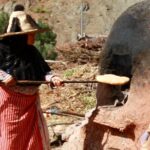
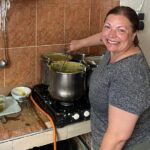
Next comes a local bakery visit in the Medina area—either a communal bakery or a faran setup that’s typical in Moroccan neighborhoods. The standout idea is that many neighborhoods have a communal oven where local women bake dough together, even though homes can also bake bread.
It’s a great stop because you’re not just eating bread; you’re seeing the social side of food. You’ll learn that bread-making is still a popular tradition when making bread at home, but the communal oven shows how food habits form around neighborhood routines.
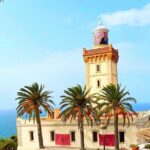
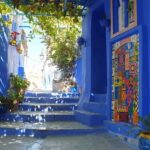
Then you’ll walk up through the intricate alleys toward the Kasbah district. Along the way, you’ll get views over the Tangier port, the Iberian Peninsula, and the Rock of Gibraltar. This makes the walking feel worth it, because you’re earning scenery after the food stops.
What to do if you’re thinking ahead: wear shoes with grip. You’ll be in small streets and alleys where you don’t want slippery soles. And if you’re traveling with someone who hates uneven stone paths, this is the part to plan for.
Stop 4: Musee de la Kasbah in Former Royal Palace Surroundings
At the Kasbah Museum, you step into a site that used to be a Royal Palace. In about 30 minutes, you’ll see antiques, old utensils, rugs, and other collections that go back to the Roman era.
This stop matters for food tourists because it adds context. You’re learning Tangier’s culinary habits in earlier stops, but the museum reminds you the city has layers—different eras, different influences, different material culture. It turns your day from only flavors into a fuller understanding of the place.
Don’t expect a long museum marathon here. It’s a compact finish that works well in a 3 to 4 hour tour format.
A few more Tangier tours and experiences worth a look
What You’ll Eat and Drink (Without Guesswork)
This tour includes a breakfast set, bottled water, and additional snacks. The breakfast is designed around Moroccan standards: msemen or harcha or bissara, plus mint tea. The snacks round out the meal with pastilla, Moroccan pastries, and Moroccan olives.
Here’s the value angle: you’re getting both savory and sweet-friendly options, plus drinks and olives that help you pace your appetite through multiple tasting stops. If you try to eat this much on your own without a plan, you’ll likely spend time figuring out where to go and still miss the cultural explanation.
Portions are described as samples and tastings as part of the stops, so don’t plan a food tour as your only meal for the entire day. But it should be enough to satisfy a hungry morning and carry you into the rest of your afternoon.
Pickup, Private Tour Style, and Timing That Actually Works
This experience offers pickup, and it’s a private tour for your group. That matters because Tangier can be a little tricky to navigate, and food tasting is easier when the meeting point and walking route are managed for you.
The time window is about 3 to 4 hours, with specific stop durations. You’ll likely feel a steady pace: breakfast first (about 35 minutes), then a longer market and tasting segment (about 2 hours), and finally two shorter cultural stops (each about 30 minutes). The route design keeps you from spending all your time in one place, which is ideal when you’re trying to see Tangier beyond a single square.
Also, the tour is near public transportation, which can be helpful if you’re exploring on your own before or after. And the mobile ticket is a small convenience that can save you time when you’re in a busy area.
Price and Logistics: Is $159.03 Worth It?
At $159.03 per person, this is not a cheap snack crawl. But you are paying for more than food.
Here’s what you’re getting for the price:
- A guided food route that includes breakfast plus additional tastings
- Bottled water
- Admission ticket included at the first two stops
- A museum visit at the Kasbah Museum
- Pickup and a private group format
If you were to build this day yourself, you’d likely spend money on multiple meals, struggle to find the right local bakery context, and miss the explanation of werka and how tagines are built from ingredients. For many visitors, the learning portion is what turns food from random bites into a story you remember.
My rule of thumb: if you like food plus context, this price starts to make sense. If you only want to eat and you hate walking, you may prefer to spend less and pick a few spots on your own. The best fit is someone who wants to connect flavors to how Tangier works.
When You Should Book (and When to Reconsider)
I think this tour is a strong choice if you:
- want Moroccan food tasting that starts with breakfast and continues into Tangier classics
- enjoy market walks where ingredients are explained, not just purchased
- like the idea of seeing how bread is baked in neighborhood communal traditions
- want a compact museum stop without losing the day to lines and long exhibits
I’d reconsider if:
- you’re visiting in a period when street food tasting may be limited, such as Ramadan, because the tour can be canceled and refunds or alternate dates may be offered
- you dislike walking through narrow alleys, since the route includes a walk up toward the Kasbah district
- you’re expecting a full-day museum and sightseeing program
Should You Book This Tangier Food Tour?
Yes, I’d book it if you’re the type who enjoys food details and wants a guided route with included tastings. The mix of Petit Socco breakfast, souks with tagine and pastilla/werka context, and a communal bakery plus Kasbah Museum makes the time feel efficient and grounded.
Just go in with the right mindset. This is not only about eating a lot. It’s about understanding how Tangier cooks—then finishing with views and a palace-turned-museum stop that gives your day a satisfying arc.
FAQ
How long is the Tangier Food Tour?
It lasts about 3 to 4 hours.
How much does the Tangier Food Tour cost?
The price is $159.03 per person.
What’s included in the breakfast?
Breakfast includes msemen, harcha or bissara, plus mint tea.
What snacks and extras are included besides breakfast?
You’ll get bottled water and snacks such as pastilla, Moroccan pastries, and Moroccan olives.
Do you visit markets and learn about specific dishes?
Yes. You’ll explore the souks and sample pastilla, plus learn about werka (ورقة) and how tagines are made with recipes and ingredients.
Is pickup offered?
Yes, pickup is offered.
Is the tour canceled if the weather is bad?
The experience requires good weather. If it’s canceled due to poor weather, you’ll be offered a different date or a full refund.