REVIEW · MARRAKECH
Private Day Atlas Mountains Waterfalls Ourika Berber villages
Book on Viator →Operated by Sabra Excursions · Bookable on Viator
Atlas Mountains waterfalls, minus the stress. This private day route bundles Ourika Valley hiking, Berber villages, and Setti Fatma waterfalls, with hotel pickup from Marrakech.
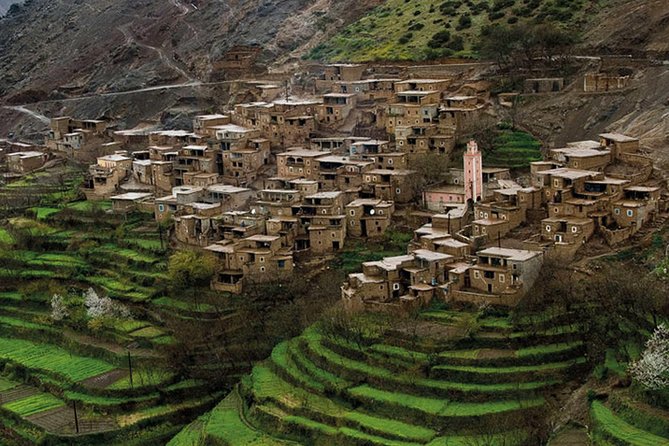
I especially like the chance to see Berber villages along the mountain sides, plus a guided walk that turns views into real context. The second thing I like: the Ourika Valley segment is guided, so you’re not just speeding past pretty spots.
One consideration: this experience depends on good weather, and the walking parts can change if conditions aren’t ideal.
In This Review
- Key highlights you’ll care about
- Why this Marrakech day trip feels efficient (and still personal)
- Pickup and timing: how the day stays manageable
- Ourika Valley: orchards, hill villages, and a real guided walk
- Berber villages (the stuff most people miss)
- Argan oil co-op stop: what you should actually look for
- Atlas Mountains view walk: short, scenic, and photo-friendly
- Setti Fatma and the 7 Cascades: waterfall time without the guesswork
- Camel rides and what’s not included
- Value check: $104.53 per group up to 6
- Who should book this, and who might not love it
- What to pack (so the day feels easy)
- Should you book this private Atlas + Ourika waterfalls day trip?
- FAQ
- How long is the Atlas Mountains and Ourika Valley private day trip?
- How much does it cost?
- Is hotel pickup offered?
- Where does the tour start and end?
- Is this a private tour?
- What does the price include?
- Are tickets required for any of the stops?
- Is a camel ride included?
- What about weather and cancellations?
- Do I need to bring a physical ticket?
Key highlights you’ll care about
- Private pace + only your group: you’re not sharing the day with strangers.
- Pickup from Marrakech center: reduces the hassle of getting out to the Atlas.
- Berber villages and an argan oil cooperative: a culture stop beyond the usual photo stops.
- Guided Ourika Valley walk: you’ll get a route and explanations as you go.
- Atlas Mountains view time: a short guided walking stretch for fresh-air views.
- Setti Fatma and the 7 Cascades: dedicated time to reach the waterfall area.
Why this Marrakech day trip feels efficient (and still personal)
If you only have one full day in Marrakech, the temptation is to pick one thing: either the Atlas Mountains or Ourika Valley. This trip gives you both, without turning it into a race. The key is that it’s private, so your guide can adjust the pace and timing to what your group actually wants.
The day is built around three “layers” of the same region. First, you start in the Ourika Valley area, where farms, orchards, and hill villages sit below the Atlas. Then you move higher for an Atlas Mountains walking segment. Finally, you end at Setti Fatma for waterfall time. The result is a full arc of altitude and scenery—plus cultural stops that explain how people live here.
I also like the way the tour is structured around guided segments, not just driving. When someone is walking with you, it’s easier to understand what you’re seeing—terraces, water, and village life—without guessing.
You can also read our reviews of more private tours in Marrakech


Pickup and timing: how the day stays manageable
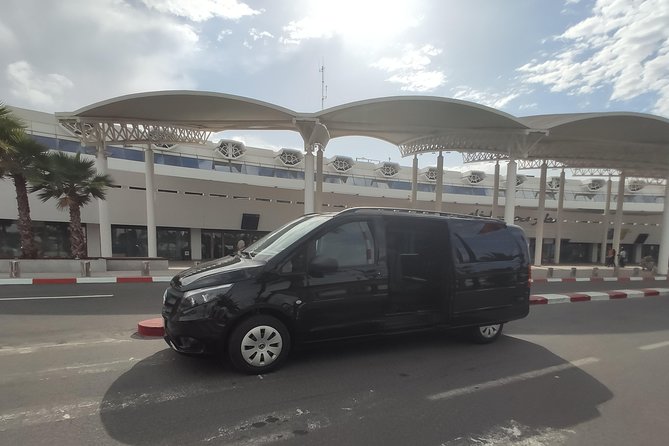
The trip is designed around hotel pickup and drop-off within the Marrakech city center. That matters because getting a taxi to the Atlas is slow and stressful, especially when you’re trying to see waterfalls before the day gets late.
The total duration is about 7 to 9 hours, which is a long day but not an all-day ordeal. If you’re traveling with kids, grandparents, or anyone who doesn’t love sprinting from stop to stop, the private format helps. You can linger when something catches your eye—like a viewpoint, a village street, or a photo angle—without being herded.
You also get a mobile ticket, which simplifies check-in. And because the start point is near Jemaa el-Fna, you can usually coordinate meeting spots without awkward detours through the maze of medina side streets.
One practical note: wear shoes you trust for uneven ground. You’ll do walking in the valley area and the Atlas view segment, and you’ll want stable footing around the waterfall region.
Ourika Valley: orchards, hill villages, and a real guided walk
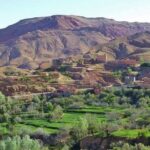
Ourika Valley is the closest major nature escape from Marrakech, which is why it works so well as a one-day outing. But closeness isn’t the only reason it’s special. The valley puts farms and village life right in front of you: fruit orchards, vegetable terraces, and houses built on mountain slopes.
What I like about the way this day is planned is that you don’t just “arrive at the scenery.” You get a guided walk where someone can point out what’s going on—how the terraces fit into farming, why villages are where they are, and how daily life follows the terrain. That’s where the Ourika stop turns from pretty to memorable.
The Ourika Valley portion includes time for exploration on foot (around 1 hour for the valley segment). Even if you don’t plan to hike hard, this is enough time to get a feel for the valley and its rhythm—water, green patches, and the climb up into the hills.
If you’re the type who hates feeling rushed, this is a good match. A guided valley walk gives you structure, but it doesn’t feel like a stamp-collecting checklist.
Berber villages (the stuff most people miss)
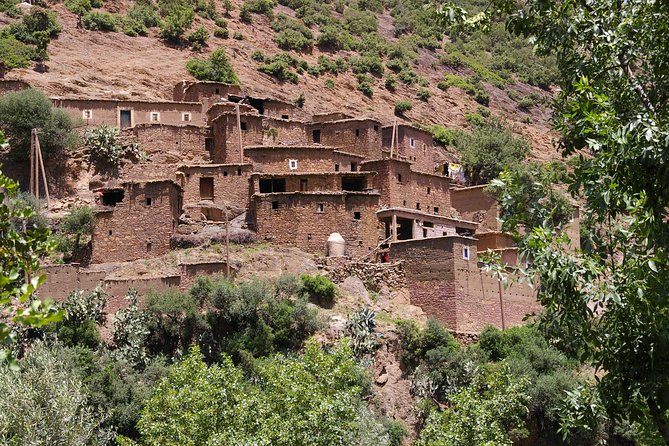
One of the best parts of this trip is the focus on Berber villages along the drive. Instead of only stopping at well-known viewpoints, you pass through communities that show a different side of Morocco—closer to how people actually live than how souvenirs get sold.
The day includes time to see traditional villages and discuss how families built small homes on steep mountain slopes. That idea—materials lifted uphill to create living spaces—isn’t just a trivia point. It helps you understand why the valley looks the way it does: houses, paths, and terraces are shaped around gravity and access.
There’s also a clever detail tied to timing: if your day trip falls on a Monday, you may be able to stop at a roadside souk. That can add a lived-in feel—brief, local, and more about exchange than entertainment.
And for culture lovers, the guide element is a big deal. Names that come up in the experience notes include Mohamed, Med, Majid, and even Brother Zein AlDin. Not everyone is the same, but I’d expect someone who can explain what you’re seeing in a way that makes the trip click.
Argan oil co-op stop: what you should actually look for
The tour includes a stop at an argan oil cooperative and a Berber house/cultural setting tied to it. This is one of those Morocco experiences that can go either way depending on the guide and the visitor’s mindset. The good version is educational: you learn how the trees are used, how the work is organized, and why argan oil matters here beyond marketing.
What you can do to make it worthwhile: pay attention to how the cooperative explains the process and the people behind it. Ask simple questions. For example, what gets used, how long the process takes, and how the cooperative supports its community. You’re not looking for a textbook—you’re looking for human scale.
Even if you don’t buy anything, the cooperative stop adds depth to the day. It connects what you see in the valley—agriculture and land—with what people produce and sustain.
Atlas Mountains view walk: short, scenic, and photo-friendly
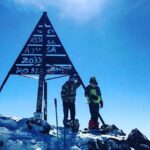
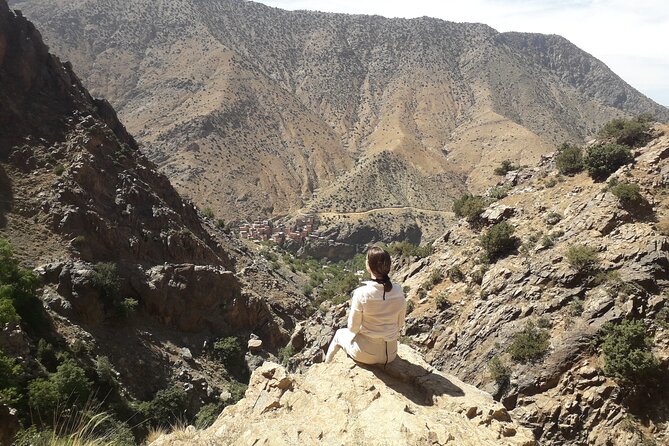
After the valley, the route climbs into the Atlas Mountains view area with a local guide and a walking segment (about 1 hour). This part is designed for people who want mountain air and a better vantage point without committing to a long trek.
Here’s how to make the walk pay off: go slow the first 10 minutes so you can adjust to the altitude and the change in terrain. Watch for viewpoints where the valley and surrounding hills can open up. And yes—take photos, but also pause long enough to notice the way the sky and ridgelines look different than they do in Marrakech.
The included guided walking time is helpful because the guide can point out what matters. Instead of seeing “rock and mountain,” you see how the region’s geography shapes settlement and farming.
The Atlas segment is also a nice reset from the valley’s greenery—same region, different mood.
Setti Fatma and the 7 Cascades: waterfall time without the guesswork
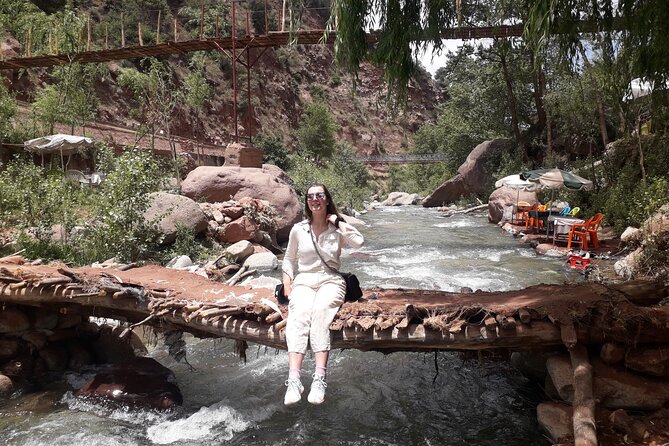
Setti Fatma is the highlight for many people, mainly because it puts waterfalls on the menu. The experience includes time at Setti Fatma and the 7 Cascades area (around 3 hours for this portion).
Even if you’re not chasing a strenuous hike, this time block is valuable. Waterfall areas can be busy, and it’s better when you have a plan for when to go, how long to spend, and what to focus on once you arrive.
The big thing to be ready for is that waterfall surroundings can be slippery. Bring grippy shoes and take your time on uneven paths. Also, pack a light layer—cool air near water can feel different than it does up on the road.
If you want the best photos, give yourself options. Stand back for wide shots, then go closer when you’re steady. Don’t rush the first viewpoint. Often, the most photogenic angle is a few minutes of walking away once you see how the water drops.
And because the tour requires good weather, waterfalls often look best when the day is clear enough for visibility and the trails are safe.
Camel rides and what’s not included
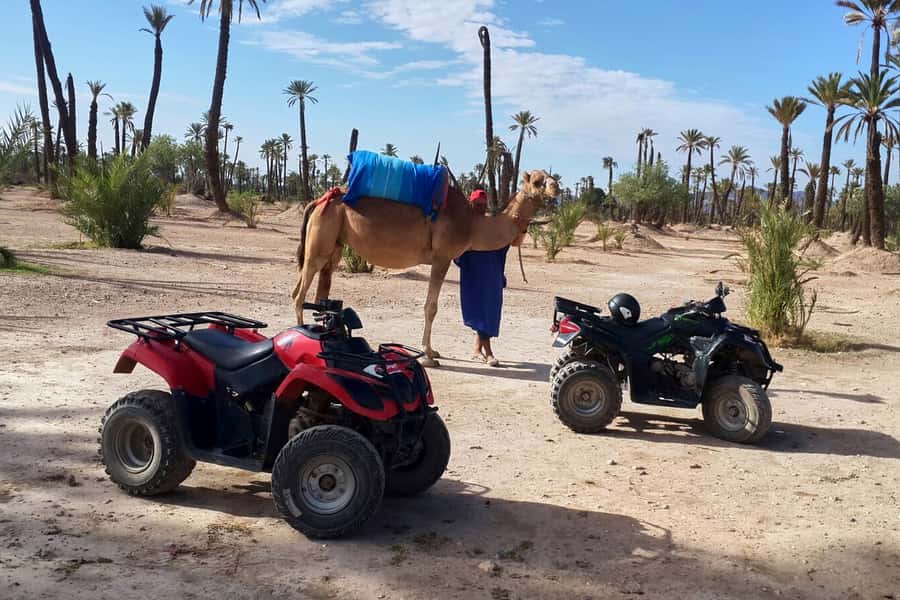
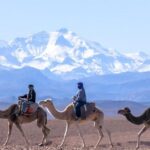
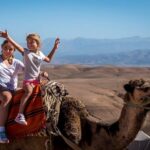
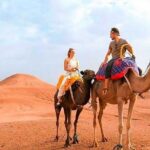
A camel ride is listed as not included. That’s not necessarily a drawback—camel rides can take time and sometimes feel more like a separate activity than a natural part of the waterfall day. If you want to do one, treat it as an add-on rather than expecting it to be part of the core plan.
If you’re trying to keep the day focused on walking and scenery, you’ll be happy with the included structure.
Value check: $104.53 per group up to 6
This trip is priced at about $104.53 per group for up to 6 people. That pricing structure is the main reason it’s good value.
Here’s the simple math:
- If you go as a group of 6, you’re effectively at roughly $17–18 per person.
- If it’s just 2 people, the per-person cost jumps to about $52 each.
So the “best deal” depends on your group size. If you’re traveling with family or friends, it’s a strong option because you’re paying once for a private vehicle and guided time. If you’re traveling solo or as a couple, it’s still workable, but you’ll want to decide whether the private format is worth the higher per-person cost.
Also, factor in what’s included: hotel pickup/drop-off in Marrakech center, transportation for the day, guided Atlas and valley walking components, and stops related to Ourika/Berber villages and the argan cooperative.
One more sign of value: this is not just a drive-by trip. The guided walking time is built into the route, which is where the experience becomes more than scenery.
Who should book this, and who might not love it
This tour is a great fit if you:
- want one-day coverage of Ourika Valley plus Atlas Mountains and Setti Fatma
- like the idea of private pace and having a guide for key walking segments
- care about local life, including Berber villages and an argan cooperative stop
- prefer comfort and organization over DIY navigation out of Marrakech
You might think twice if you:
- dislike long days on the road (7 to 9 hours)
- only want a single specific activity (like waterfalls only)
- are extremely weather-sensitive—because the experience requires good weather
What to pack (so the day feels easy)
The tour is mostly about walking outdoors, plus time around waterfall terrain. Pack for comfort:
- grippy shoes for valley and waterfall paths
- a light layer for cooler air near the cascades
- water and basic snacks (meals aren’t listed as part of the included items)
- a small power bank for photos and navigation on your phone
Also, if you’re buying anything at the co-op or village stop, bring some small bills. It keeps things simple.
Should you book this private Atlas + Ourika waterfalls day trip?
I’d book it if you want a full, guided Atlas day from Marrakech that goes beyond one viewpoint. The mix of Ourika Valley walking, Berber villages, argan co-op context, and Setti Fatma waterfall time makes it feel like you’re seeing the region at real depth—not just collecting postcard moments.
It’s especially worth it for groups up to 6, since the price is per group. And if you care about learning, the guide names that show up in the experience notes—Mohamed, Med, Majid, and Brother Zein AlDin—hint at the kind of storytelling you can expect during the walking segments.
If you have a flexible weather window and comfortable shoes, this is one of the most practical ways to get Atlas Mountains energy in a single day.
FAQ
How long is the Atlas Mountains and Ourika Valley private day trip?
The experience lasts about 7 to 9 hours.
How much does it cost?
It’s listed at $104.53 per group (up to 6).
Is hotel pickup offered?
Yes. Pickup and drop-off are included for hotels in Marrakech center.
Where does the tour start and end?
It starts near Jemaa el-Fna in Marrakech and ends back at the meeting point.
Is this a private tour?
Yes. It’s private, so only your group participates.
What does the price include?
Included items are hotel pickup/drop-off (Marrakech center), transportation, the Ourika Valley and Berber house/argan oil cooperative, and the Atlas Mountains day trip.
Are tickets required for any of the stops?
Admission ticket details are listed as free for the Ourika Valley and Setti Fatma portions, and included for the Atlas Mountains view walking part.
Is a camel ride included?
No. Camel ride is not included.
What about weather and cancellations?
The experience requires good weather. If it’s canceled due to poor weather, you’ll be offered a different date or a full refund.
Do I need to bring a physical ticket?
No. A mobile ticket is provided.