REVIEW · FEZ
Private city tour in Fes in Morocco
Book on Viator →Operated by Nouredin · Bookable on Viator
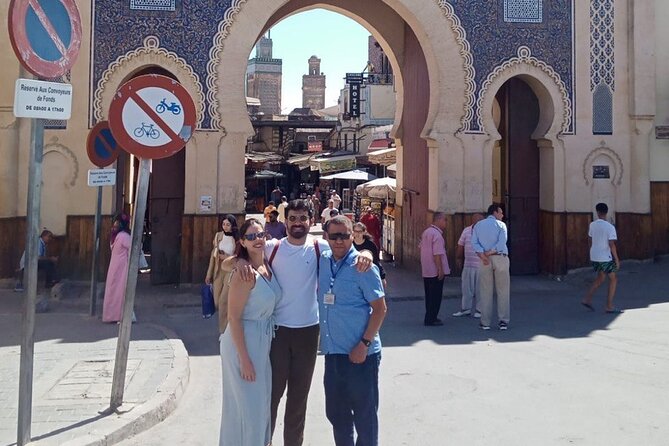
Step through the Blue Gate into another world, and you’ll get a guided flow through Fes Medina that feels both sensory and organized. I like how the tour starts at Bab Boujloud for instant orientation, and pickup is offered so you spend less time figuring out logistics.
I love the hands-on mix of big monuments and everyday craft life, with a guide named Nouredin who makes the maze feel calm. One possible drawback: you are walking in a dense medina, so wear comfortable shoes and be ready for crowded lanes and uneven ground.
I also love that the pacing gives you real moments at the souks—time to pause, ask questions, and shop without feeling rushed. The route connects places you’d otherwise treat as separate stops into one story: education, religion, crafts, and the city founder’s legacy all in one walk.
One thing to consider: this is a walking tour through narrow streets, so if you’re sensitive to crowds or long distances, you may want to take breaks and set expectations for a 3 to 4 hour route.
In This Review
- Key highlights worth planning around
- Bab Boujloud to Medersa Bounania: a smart start in Fez
- Nejjarine, Safarine and Rcif Squares: where the crafts are the show
- Qarawiyyin University and Idriss II: learning meets the city’s origin story
- Attarin and Safarin souks plus Chouara tannery: the working side of Fes
- Nouredin’s private guiding style: how the tour stays calm
- Price and timing: is $27.92 per person good value?
- Should you book this private Fes Medina tour?
- FAQ
- How long is the private tour in Fes?
- What time does the tour start?
- Is pickup offered?
- Is this a private tour?
- What are the main sights included?
- Is there an admission ticket cost?
- What is the price per person?
- Who is the guide?
- Does the guide speak multiple languages?
- Is free cancellation available?
Key highlights worth planning around
- Bab Boujloud first: a clear visual starting point, including the famous blue gate
- Medersa Bounania (14th century): an early anchor before the streets get narrow
- Craft squares: Safarine and Nejjarine areas where metalwork and other trades show up fast
- Rcif Square’s blue gate: a memorable border-area landmark between quarters
- Qarawiyyin University + Idriss II: education and city origins tied together
- Chouara tannery: one of Fes’s most talked-about working sites, seen with guidance
Bab Boujloud to Medersa Bounania: a smart start in Fez
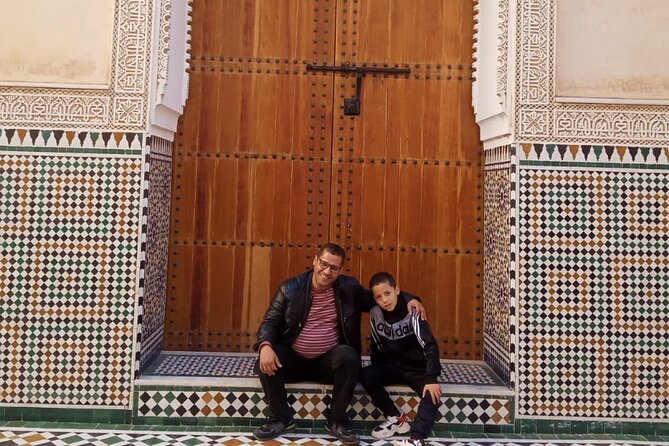
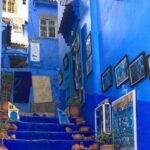
If you’re visiting Fes for the first time, you’ll appreciate starting at Bab Boujloud. This gate is huge—about 18 meters high and 16 meters wide—and it’s one of the most recognizable entrances to the old city. The blue color isn’t just a detail; it’s a way to keep your bearings when the medina turns into a maze of alleys.
From there, the tour moves you toward Medersa Bounania, a school from the 14th century. This stop matters because it shifts the visit from sightseeing to context. Fes isn’t only pretty architecture. It has been a center for learning and scholarship for a long time, and the medersa helps you see how that identity was built into the city.
A practical note: you’ll walk. A lot. That’s normal here, and the upside is that you don’t just view the medina—you experience the city’s pace, sounds, and smells as you go. If you tend to overplan, this route is a good fix: you get a structure that prevents the visit from turning into random wandering.
Drawback to keep in mind: because the start is a major landmark, expect that the surrounding area can feel busy. Going early helps, and the guided pace should keep it manageable.
You can also read our reviews of more city tours in Fez

Nejjarine, Safarine and Rcif Squares: where the crafts are the show
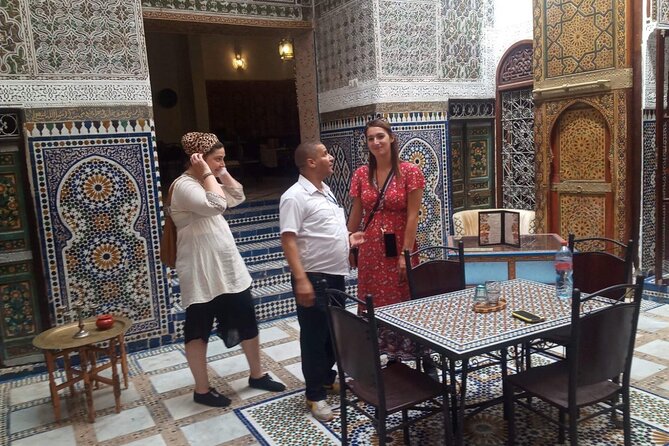
After the major monuments, the best part of Fes is the everyday work that surrounds them. That’s where the squares come in: they’re like little open-air hubs that explain what people do—and why the medina feels alive.
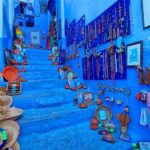
You’ll likely spend time around Nejjarine Square, plus craft-focused areas such as Safarine Square. In Safarine, you can see forges where items like pots, pans, and teapots are made by hand. This is the kind of detail you remember later, because you’re not just looking at a building—you’re seeing the mechanics of a trade.
Then there’s Rcif Square, another blue-gate landmark, and it’s described as a border area between the Andalusi and Qarawiyyin sides of the city. Even if you don’t think about neighborhood borders at home, this kind of stop helps you understand why Fes feels organized even when it looks chaotic from above. Your guide can connect that geography to daily life: who traded what, where crafts concentrated, and how religious or educational institutions influenced city layout.
You’ll also hear about blacksmith activity in the areas the tour highlights. That’s not a random detour. In Fes, metalwork ties to everyday tools, shop signs, and workshop survival. It’s part of the city’s rhythm.
One thing I’d plan for: crafts mean activity, and activity means dust, heat, and strong smells—especially as you get closer to more industrial-feeling sites later in the route. Bring patience for sensory overload, and you’ll get more out of the experience.
Qarawiyyin University and Idriss II: learning meets the city’s origin story
Two stops can change how you see Fes: Qarawiyyin University and the mausoleum of Idriss II.
The tour includes Qarawiyyin University, noted here as the oldest university in the world. Even if you’ve heard claims like that before, seeing it as a physical part of the medina helps. This isn’t just a museum stop; it’s tied to long-standing educational influence in the city.
Right afterward, you visit Idriss II, described as the city founder, along with the mausoleum associated with him. This is where your guide’s explanations really matter. When the route ties education to origin stories, you start to understand why certain streets and markets exist where they do. Fes didn’t grow as a random collection of buildings. It formed around institutions and people who shaped the city early.
The route also connects these themes to nearby souks, including Attarin souk and Safarin souk. Souks here aren’t just shopping lanes. They’re part of the city’s historical ecosystem—places where trades developed near the institutions that supported them.
Possible drawback: if you’re expecting only classic photo stops, this section can feel slower, because the value is in understanding. The upside is that the “slow” part won’t feel like boredom—it’ll feel like you’re suddenly getting why things are positioned the way they are.
Attarin and Safarin souks plus Chouara tannery: the working side of Fes
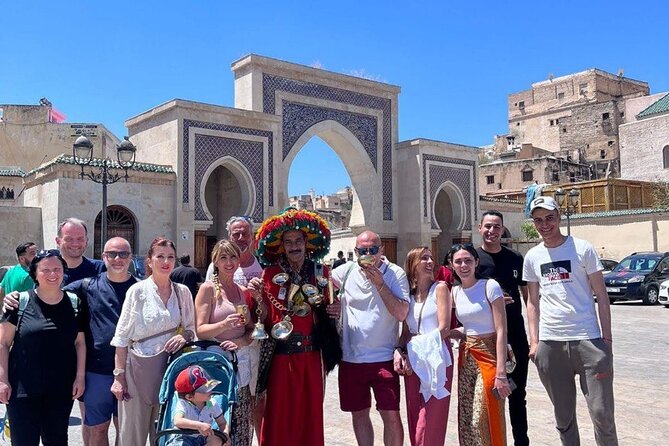
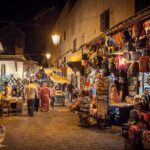
This tour doesn’t treat shopping as an afterthought. As you explore the souks, you’ll have chances to purchase souvenirs from local shops. That matters because craft markets are tied to what you’ve just seen—especially once you’ve walked through areas connected to metals and other workshops.
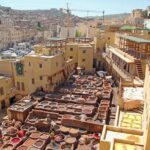
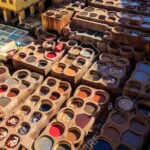
A major highlight is the Chouara tannery. It’s famous for good reason, but the key is that this stop is best with context. Without guidance, it can feel like an overwhelming spectacle. With a guide, it becomes something you can place in the city’s working economy.
In many medinas, tanneries are on the edge of what visitors want to face. Here, the route includes it, which can be a plus if you want a real sense of how people make a living in the medina. If you’re sensitive to smell, it’s wise to be mentally prepared and not treat the tannery as a quick photo errand. Let your guide steer the timing and location.
You’ll also see the broader craft workshop landscape woven into the route. The tour is designed so you don’t jump from monument to monument without the “why.” You’ll connect crafts to squares, squares to streets, and streets to the institutions you’ve already visited.
Quick reality check: parts of this area can be visually and sensorially intense. That doesn’t mean it’s unpleasant. It means you’ll remember it.
Nouredin’s private guiding style: how the tour stays calm
The experience stands or falls on the guide, and here the name that keeps showing up is Nouredin.
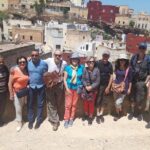
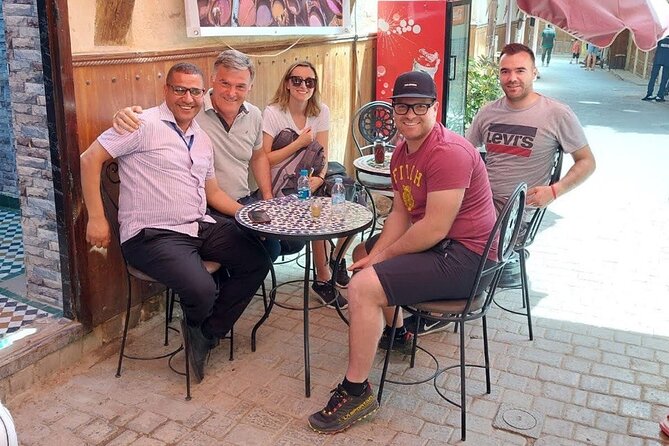
From the feedback you provided, the repeated themes are clear: Nouredin comes across as professional, friendly, and prepared. More importantly, he makes the medina feel safe and understandable even when the streets twist. People also note his humor and his ability to bring you inside the heart of Fes through thousands of lanes, artisans’ shops, and monuments.
Language skills are also a practical win. You’ll see comments that he speaks Italian, French, and German, with praise for excellent Italian. That’s not a small detail in Fes, where your ability to ask questions quickly can turn a basic tour into a meaningful one.
Flexibility shows up too. When people requested changes, the guide adjusted, and the tour still kept a coherent path. That’s what you want with a private format: you get a plan, but it’s not rigid.
If you’re someone who worries about getting stuck in a maze, this is one of the strongest reasons to pick a private guide. You’re paying for the person who knows how to move you through the medina without turning your visit into stress.
You can also read our reviews of more private tours in Fez


Price and timing: is $27.92 per person good value?
At $27.92 per person for about 3 to 4 hours, this tour is positioned as a value-focused way to cover a lot of ground without turning into a checklist exercise.
Here’s how I judge value on a tour like this:
- You get a private experience, meaning you’re not competing for the guide’s attention. In a place like Fes, that matters because the alleys can make even short questions hard without guidance.
- The route includes major anchors like Bab Boujloud, Medersa Bounania, Qarawiyyin University, and the Idriss II mausoleum, plus craft-centered squares and Chouara tannery.
- Pickup is offered, which reduces time and friction when you’re already trying to navigate the medina.
The only cost in value is time and walking comfort. You’ll be on your feet through narrow streets, so the “cheap” part only feels cheap if your body can handle the pace. If you want a slower tour with fewer stops, you might compare with longer or less-walking options.
Timing-wise, it starts around 9:00 am, which is a smart move for many medina visits because you’re out before things get too intense.
Should you book this private Fes Medina tour?
I’d book it if you want the full Fes experience—architecture, education, crafts, and the working city—without spending your day guessing what to prioritize. The private format helps a lot, and Nouredin’s reputation for being prepared, funny, and fluent enough to communicate well makes a difference in a place where meanings can be missed fast.
You might pass if you strongly prefer wide, open spaces and low walking time. Also consider skipping or scaling back if you know you’re very smell-sensitive due to tannery exposure. That said, guidance helps you manage the experience rather than get overwhelmed.
If your ideal day is: start at a major landmark, follow the flow of the medina, learn the stories behind the sites, and still have time to browse the souks, this tour fits that goal well.
FAQ
How long is the private tour in Fes?
The tour runs for about 3 to 4 hours.
What time does the tour start?
The start time is 9:00 am.
Is pickup offered?
Yes, pickup is offered.
Is this a private tour?
Yes. It’s private, and only your group participates.
What are the main sights included?
The tour highlights Bab Boujloud, Medersa Bounania, Nejjarine Square, Safarine Square, Rcif Square, the blacksmith area, Qarawiyyin University, the mausoleum of Idriss II, Attarin souk, Safarine souk, and Chouara tannery.
Is there an admission ticket cost?
The provided details list admission ticket as free for the experience.
What is the price per person?
The price is $27.92 per person.
Who is the guide?
The guide mentioned in the information is Nouredin.
Does the guide speak multiple languages?
The reviews you shared say he speaks Italian, French, and German, with praise for his Italian.
Is free cancellation available?
Yes, there is free cancellation, with a full refund if you cancel up to 24 hours in advance.