REVIEW · MARRAKECH
Private 3 Days Tour From Marrakech To Merzouga
Book on Viator →Operated by Morocco SM Tours · Bookable on Viator
Three days. One desert horizon. This private route stitches together Morocco’s Atlas passes, kasbah scenery, and the huge dunes of Erg Chebbi into a tight, memorable loop.
What I like most is the setup that keeps you moving without constant planning. You get sunset and sunrise camel rides (1h30 each) plus two dinners and two breakfasts, so most of the big daily decisions are done for you.
One thing to plan for: lunches and drinks aren’t included, so you’ll want cash and flexibility on the road.
In This Review
- Key highlights you’ll actually feel
- Marrakech to Merzouga: why this 3-day plan works
- The road start at 8:30: comfort, distance, and why it matters
- Day 1: Col Tichka, Ait Benhaddou, Ouarzazate, then Dades Gorges
- Crossing the Col Tichka (2260 m)
- Kasbah Ait Benhaddou and Ouarzazate (time permitting)
- Skoura Oasis, Kalaat M’gouna, and the alley of roses
- Reaching Dades Gorges and staying on half-board
- Day 2: From Tinghir and Todra Gorges to Erg Chebbi camp
- The valley of the thousand kasbah
- Tinghir and a local guide for context
- Todra Gorges: the narrow part of the show
- Erfoud and Tittillate Oasis
- Camels to camp for sunset
- Overnight in camp with half-board
- Day 3: Sunrise, the 1h30 camel return, and the long drive home
- Why the sunrise ride is worth the early wake-up
- The return via Erfoud and Ouarzazate
- Value and logistics: what you’re paying for at $130
- Merzouga in real life: dunes, crowds, and responsible choices
- Guide support: when Soufiane is involved, things tend to run smoother
- Who this tour suits best
- Should you book this Marrakech to Merzouga 3-day private tour?
- FAQ
- Is pickup included for this Marrakech to Merzouga tour?
- How long is the private tour from Marrakech to Merzouga?
- What time does the tour start?
- Are camel rides included, and when do they happen?
- Is a local guide included during the trip?
- What meals are included in the price?
- Are lunches and drinks included?
- Is the tour private?
- Can I cancel for a full refund?
Key highlights you’ll actually feel
- Private driving with pickup offered so you start day one at 8:30 and don’t waste time gathering people
- Col Tichka crossing (2260 m) for big-views Atlas driving and an easy on-ramp to the south
- Ait Benhaddou and Ouarzazate stops (time permitting) to see Morocco’s famous kasbah setting
- Tinghir + Todra Gorges with a local guide to give context at the exact moment the scenery gets dramatic
- Erg Chebbi sunset into camp, then sunrise back with camel rides of 1h30 each
- Half-board nights in both the hotel (Day 1) and the desert camp (Day 2)
Marrakech to Merzouga: why this 3-day plan works
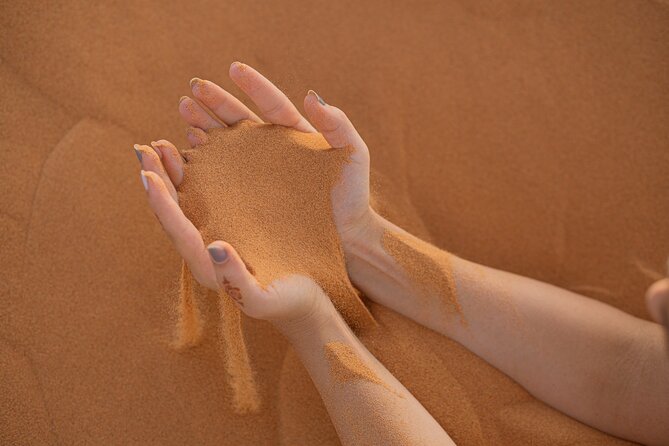
This trip is built around one simple idea: you don’t just reach the Sahara, you earn the desert. Day by day you step through different environments—Atlas high roads, oasis country, rose-and-river valleys, and finally the big dune sea. It’s a lot to pack into three days, but the pacing feels intentional because each stop adds a new “chapter.”
You’ll also appreciate the rhythm of the desert timing. Getting a camel ride at sunset sets the mood, and the sunrise ride the next morning makes the experience feel complete, not one-and-done.
There’s also a more human side to why people book this route. A private guide contact can make Morocco feel easier to navigate, and in the stories I gathered, Soufiane (spelled Sofiane/Soufiane depending on the message) came up as someone who handles details and keeps things running on time. That matters when you’re traveling on a schedule that includes specific light changes in the desert.
You can also read our reviews of more private tours in Marrakech


The road start at 8:30: comfort, distance, and why it matters
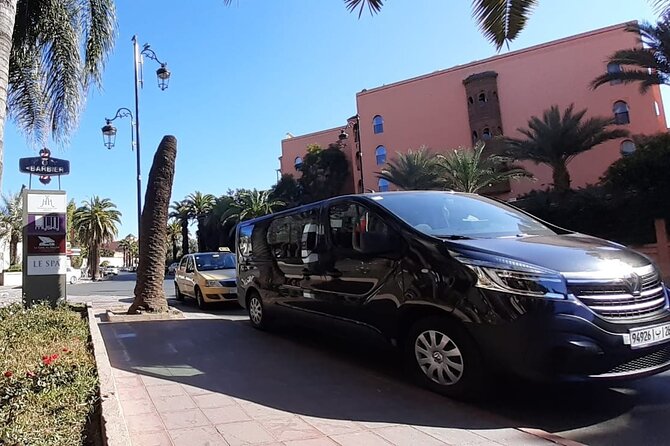
Your day starts at 8:30 am, and the tour is organized as a private drive in an air-conditioned vehicle. On a Marrakech-to-Sahara route, that comfort is not a luxury—it’s what lets you stay focused on what you’re seeing instead of feeling wrecked.
The downside of any 3-day desert itinerary is that you’re always on the move. This one keeps the travel time structured (about 5 hours on Days 1 and 2, then a longer Day 3 return), so you’ll know what to expect. If you’re the type who needs slow mornings and long sit-down meals, you’ll want to adjust your expectations and plan your energy around short meal breaks.
Day 1: Col Tichka, Ait Benhaddou, Ouarzazate, then Dades Gorges
Day 1 is the classic “southward push” day, with several named stops that each do one job: raise the scenery stakes, add culture, and set you up for the gorges region.
Crossing the Col Tichka (2260 m)
The drive crosses Col Tichka at 2260 m, which is where the scenery starts to shift from city-and-plains to something more rugged and dramatic. Even if you’ve seen mountain roads before, this one tends to land well because you’re not just passing through—you’re on the main show route heading into kasbah country.
Practical tip: bring something warm. Even when Marrakech feels hot, higher elevations and early drives can feel cooler than you expect.
Kasbah Ait Benhaddou and Ouarzazate (time permitting)
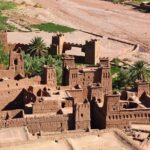
Next comes Kasbah Ait Benhaddou, then you head toward Ouarzazate for the kasbah of the city and possibly the cinema studio, depending on time availability. These stops are valuable because they’re Morocco’s “movie set” fame turned into something you can actually stand inside. Whether or not you care about filming, the kasbah architecture and the scale of the setting give you a real sense of how these places were built to handle harsh conditions.
The key here is timing. If your schedule is tight (it is), your guide will likely prioritize what’s most efficient for you to see and still reach Dades without rushing so hard you feel stressed.
A few more Marrakech tours and experiences worth a look
Skoura Oasis, Kalaat M’gouna, and the alley of roses
You’ll drive through Skoura Oasis, Kalaat M’gouna, and the alley of roses. That’s a smart inclusion because it breaks up the long mountain-to-desert storyline with greenery and seasonal character. Even if the roses aren’t in bloom when you go, the route still communicates that this is not only rock and sand.
Reaching Dades Gorges and staying on half-board
The day ends at Dades Gorges, where you spend the night in a hotel on half-board. Half-board here matters because it saves you from hunting for dinner after a long day. You also get dinner so you can sleep and recharge for the next day’s desert build-up.
Day 2: From Tinghir and Todra Gorges to Erg Chebbi camp
Day 2 is where the scenery becomes a chain reaction: valley, gorges, oasis, then dunes. You’ll visit the valley of the thousand kasbah, Tinghir, Todra Gorges, Erfoud, and Tittillate Oasis on the way to the Erg Chebbi dunes area in Merzouga.
The valley of the thousand kasbah
This stop is basically a visual lesson in how people adapted to the landscape. You see clusters of kasbah-like structures and understand why these communities spread the way they did—defense, water access, and trade routes all shaped that pattern. Even without a lecture, the view does the explaining.
Tinghir and a local guide for context
A local guide in Tinghir is included. That’s one of the best value touches in the whole itinerary because it turns a scenic stop into a learning moment. When the gorges and villages are involved, having someone local helps you read what you’re looking at instead of only snapping photos and moving on.
Todra Gorges: the narrow part of the show
Then you reach Todra Gorges. This is the part of the day that tends to feel cinematic: narrow walls, sudden scale, and that “the road ends in drama” feeling. The tour uses the day structure well—gorges first, then a gradual transition toward the desert rather than jumping straight from mountains to dunes.
Erfoud and Tittillate Oasis
You stop through Erfoud and Tittillate Oasis. These are the breathing spots in the route—less about a single monument and more about the sense of place as you move closer to Merzouga.
Camels to camp for sunset
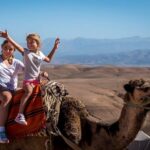
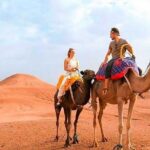
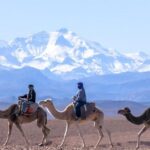
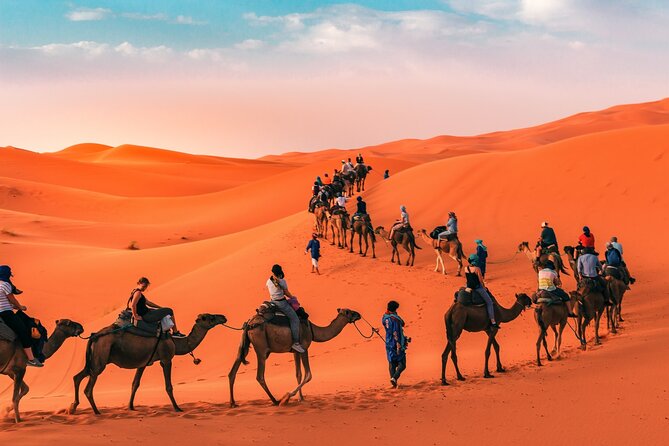
Finally: you reach the Erg Chebbi area and take a 1h30 camel ride to the camp. The ride is scheduled so you can admire the sunset, and that timing is the whole point. The desert changes fast in the last hour of daylight, and camel travel is slower than driving, so you actually feel the transition instead of cutting straight through it.
A heads-up: camel rides feel different for different bodies. If your legs hate long saddles, take it easy and focus on posture. A scarf helps too, especially for dust.
Overnight in camp with half-board
You sleep in the desert camp on half-board. That means you’re covered for dinner (and you’re not scrambling for food after sunset). For me, the half-board setup is a big practical win on desert nights—less decision-making, more rest.
Day 3: Sunrise, the 1h30 camel return, and the long drive home
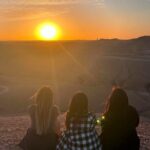
Day 3 starts with sunrise in the desert. This is a rare travel gift: you get the light change that most people never see because they travel too late. The tour then includes a 1h30 camel ride back to Merzouga.
After that, you begin the return to Marrakech through Erfoud and Ouarzazate, with lunch in Ouarzazate included, then you arrive around 19:00.
Why the sunrise ride is worth the early wake-up
Yes, it’s early. But the sunrise ride helps you understand the dunes as more than a backdrop. The same Erg Chebbi that looked sharp and golden at sunset becomes softer and more textured in the morning light. You also leave with the dunes feeling personal, not just photographed.
The return via Erfoud and Ouarzazate
The return route keeps the story going. Erfoud and Ouarzazate act like familiar checkpoints, so the day doesn’t feel like a blank “drive back” slog until you hit Marrakech.
And because lunch is built into the plan on the way back, you avoid the worst kind of surprise—arriving hungry, tired, and still needing to find food.
Value and logistics: what you’re paying for at $130
The advertised price is $130 for this private 3-day route. To judge value, look at what’s actually included: air-conditioned transport, two half-board nights (hotel on Day 1, camp on Day 2), two breakfasts and two dinners, and camel rides at sunset and sunrise (one camel per person).
That’s a lot of “expensive by the hour” items bundled together. If you tried to piece together the same route alone—transport, desert camp logistics, and timed camel rides—the cost and stress typically rise.
Where you should be realistic: lunches and drinks are not included. The day that does include lunch is Day 3 during the return. That means you’ll want extra budget for Day 1 and/or Day 2 lunches, plus any bottled water or soft drinks you want.
Merzouga in real life: dunes, crowds, and responsible choices
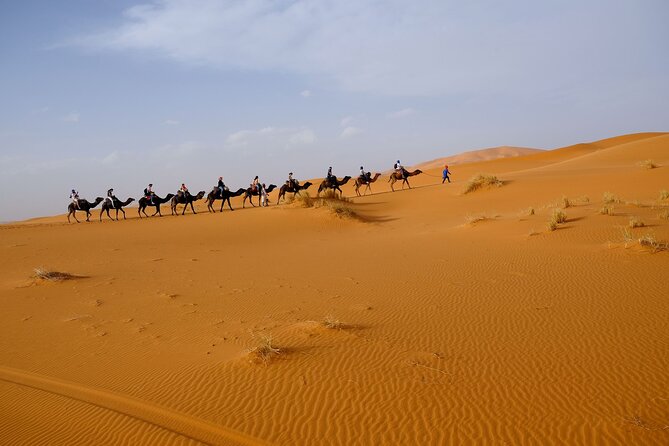
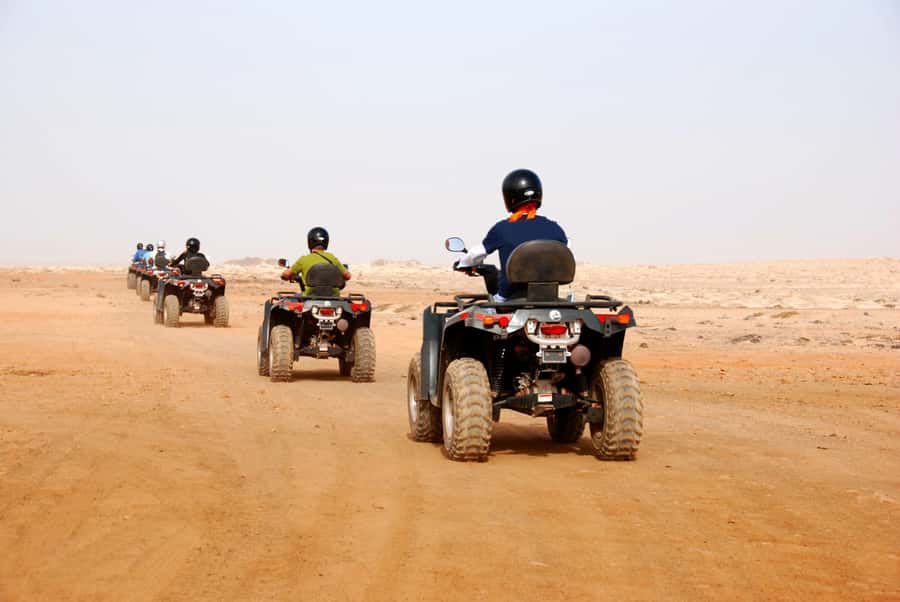
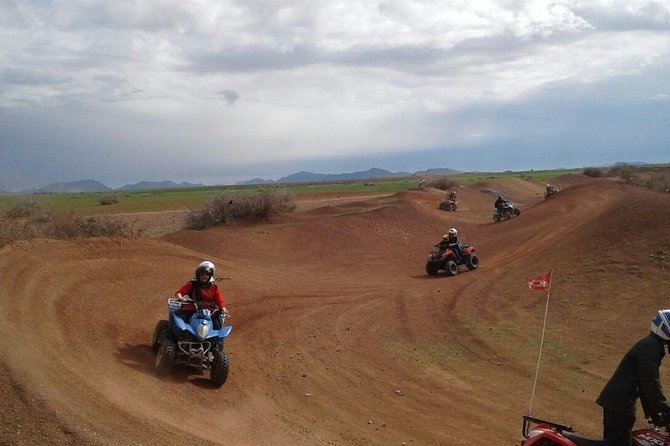
Merzouga is famous for its dunes, and the itinerary uses that in the best way—sunset into camp, then sunrise back. It’s also an area under pressure. The region has faced issues like hotel overbuilding, tourist overcrowding, and mechanical sports such as quad riding. The same tourism boom can stress water resources and create wastewater treatment problems.
You can’t fix that on a day trip, but you can make smarter choices about how you spend your time. For example:
- Choose the calmest moments for dunes views (sunrise and sunset help).
- Treat water and hygiene with care, especially around camp areas.
- If you notice heavy quad activity, consider that it can change the atmosphere even if you still get the dunes.
This is also the region linked to the Raid 4L Trophy, which uses Merzouga as a base with around 1,200 cars each year. So depending on when you visit, you might see a more energetic scene.
Guide support: when Soufiane is involved, things tend to run smoother
A strong theme in the experience stories tied to Soufiane/Sofiane is that he isn’t only a driver. The contact style is described as reliable, approachable, and proactive—helping with details early so you don’t feel stranded when plans change or timings tighten.
If you’re the kind of person who likes clear communication, this is a good sign. Private tours work best when your guide becomes your “translator” for Morocco—routes, timing, and what to look for at each stop.
Who this tour suits best
This one fits you well if:
- You want a private route with minimal hassle.
- You like varied scenery more than rushing one single highlight.
- You’re comfortable with long driving days in exchange for a full Sahara visit.
- You want camel rides scheduled at the right light times.
It’s also a good match if you value safety and clear guidance. One solo visitor described feeling reassured by the way the driver handled the road and acted as a guide with local stories.
If you’re traveling with strict dietary needs, you’ll want to plan for Day 1/2 lunch not being included. The included meals (breakfasts and dinners) reduce that risk, but lunch is still on you.
Should you book this Marrakech to Merzouga 3-day private tour?
Yes—if you want a structured, well-timed desert experience with the big dunes delivered twice (sunset and sunrise) and you prefer not to manage logistics by yourself. The $130 price makes sense on a private route because major costs are bundled: transport, half-board nights, and the camel rides.
Hold off or ask more questions first if you’re very sensitive to long road hours, or if you’d rather have every meal included. Since lunches and drinks aren’t included, that’s the main practical trade-off.
If you do book, pack for dust and temperature swings, plan to carry money for lunches, and lean into the stops along the way—Col Tichka, Ait Benhaddou, Tinghir/Todra, then the dunes.
FAQ
Is pickup included for this Marrakech to Merzouga tour?
Yes, pickup is offered, and the tour starts at 8:30 am.
How long is the private tour from Marrakech to Merzouga?
It lasts about 3 days.
What time does the tour start?
The start time is 8:30 am.
Are camel rides included, and when do they happen?
Yes. You get camel rides for about 1h30 each time: one at sunset to reach the camp, and one at sunrise on the way back.
Is a local guide included during the trip?
A local guide is included in Tinghir.
What meals are included in the price?
Breakfast is included twice and dinner is included twice (half-board during the hotel night and the camp night).
Are lunches and drinks included?
No. Lunches and drinks are not included.
Is the tour private?
Yes. It’s a private tour/activity, and only your group participates.
Can I cancel for a full refund?
Yes. You can cancel up to 24 hours in advance for a full refund. If you cancel less than 24 hours before the start time, the amount is not refunded.