REVIEW · MARRAKECH
Private 3-Day Merzouga Desert Tour from Marrakech – All inclusive –
Book on Viator →Operated by Morocco Inspiring Tours · Bookable on Viator
A desert night can change your whole trip. This private 4-day drive from Marrakech to Merzouga pairs major sights like Aït Benhaddou Kasbah with the real payoff: a camel ride into Erg Chebbi for sunset, stars, and sleep in a Berber-style camp. Two big wins for me are the all-inclusive meal plan and the fact it’s truly private with your own English-speaking driver/guide, not a bus shuffle. The one thing to weigh is that you’ll spend long hours on the road, and the desert night is part of the experience—comfortable for many, but not the same vibe as a city hotel.
The route also has a great mix: mountain passes and kasbah roads, then palms and oasis towns, then back to fortified walls and movie sets. In one set of notes I’m using to guide my expectations, the guide was Abdul—kind and calm—and that matters because the best parts here are the stories behind what you’re seeing, from film locations to heritage sites.
In This Review
- Key things that make this tour work
- Value and the real meaning of “all inclusive” (not just meals)
- The drive from Marrakech: High Atlas, film stops, and why it’s more than “getting there”
- Day 1 in detail: Tizi n Tichka, Taourirt Kasbah, Atlas Studios, then Todra Gorges
- Day 2 to Merzouga: Todra oasis, Rissani, Erg Chebbi sunset, and your camel ride
- Day 3: Draa Valley oasis routes and the road to UNESCO Aït Benhaddou
- Day 4: Telouet Kasbah, movie-famous Aït Benhaddou, and back over Tizi n Tichka
- Staying comfortable: luxury nights plus one desert night
- Who this tour suits best (and who should be careful)
- The guide factor: why Abdul’s style matters
- Should you book this Merzouga Desert tour?
- FAQ
- How long is the Private 3-Day Merzouga Desert Tour?
- Is this tour really private?
- What meals are included?
- Do I get a camel ride in the dunes?
- Where do you stay overnight during the desert portion?
- Are entrance fees included?
- What’s included for accommodation?
- Does the tour support dietary needs?
- What time does the tour start, and where does it end?
Key things that make this tour work
- Private format: you travel only with your party plus an English-speaking driver/guide, so timing feels flexible.
- All-inclusive days: breakfast, lunch, and dinner are included, along with drinks during meals.
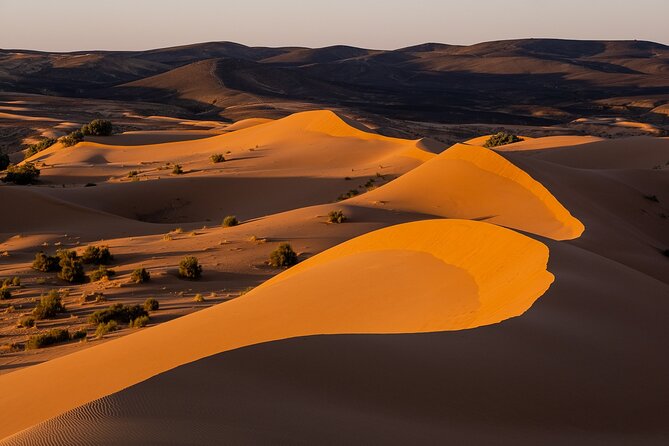
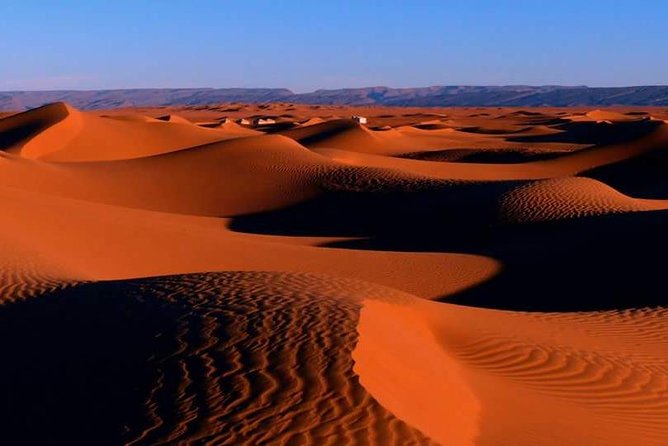
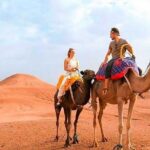
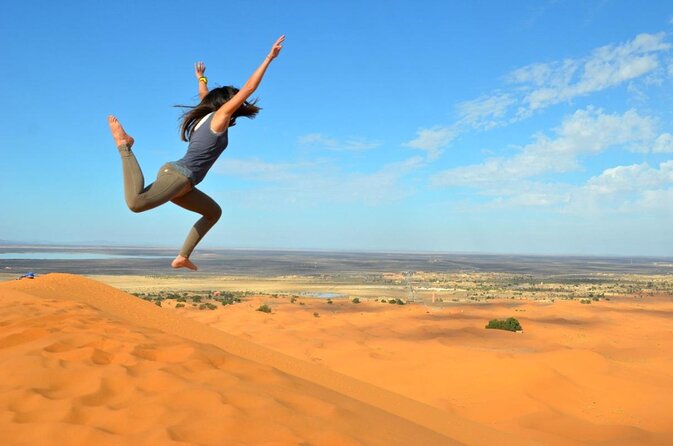
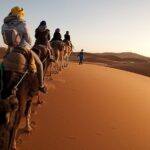
- Erg Chebbi highlight: you ride a camel through the dunes for sunset and sunrise, with night sky time away from city lights.
- Heritage stops with context: guided visits include kasbahs and other landmark sites, not just photo stops.
- Luxury + desert camping: you get 3 nights at luxury accommodation in different locations, plus a desert night in nomadic tents or a marabou between the sands.
- No entrance-fee headaches: the price includes entrance fees, local taxes, and fuel.
Value and the real meaning of “all inclusive” (not just meals)
At $928 per person, this isn’t a budget day trip. But it’s also not just a taxi to the desert. The value comes from the combo of: private vehicle time, guide time, multiple nights with full board, and entrance fees handled for you.
Here’s what’s included that typically costs extra when you DIY:
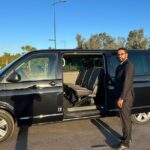
- Private transport by air-con minivan or SUV with an English-speaking driver/guide
- 3 nights of accommodation at luxury locations (in three different places)
- Full board across the trip: breakfasts, lunches, and dinners
- Camel ride experience
- All entrance fees, local taxes, and fuel
If you’re comparing to booking separate components (car/driver + hotels + desert camp + tickets + guiding), this price can start looking more fair. The other practical win: you don’t spend your day planning. You’re just moving, seeing, and eating.
One thing to check before you commit: the listing notes group discounts while also describing a fully private tour. Ask how discounts apply in practice if you’re booking alone, just so there’s no surprise.
You can also read our reviews of more private tours in Marrakech

The drive from Marrakech: High Atlas, film stops, and why it’s more than “getting there”
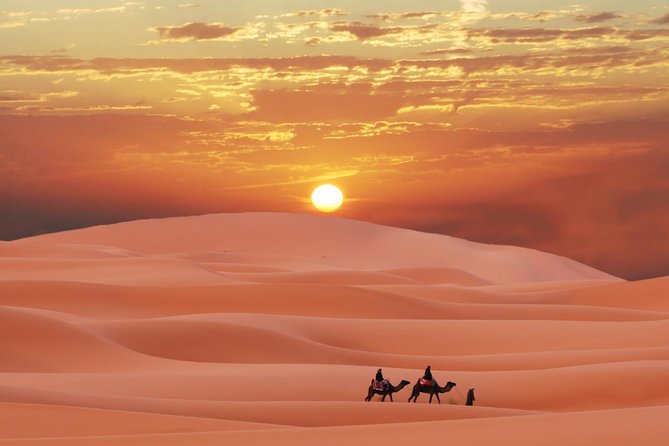
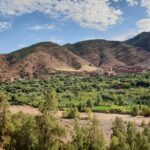
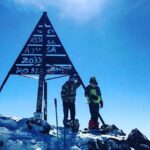
Most Merzouga trips are “long ride, then dunes.” This one adds story and variety along the way. You start around 8:00 am and head for the High Atlas Mountains, crossing the famous Tizi n Tichka pass (2260 m). That elevation isn’t just a number—it’s where the scenery shifts and the air feels different, and it’s a natural place to pause for photos.
Then you hit Ouarzazate, a key hub for kasbah culture and film production. You visit:
- Kasbah Taourirt (a historical fortress with a guided walking focus)
- Atlas Film Studio (a guided tour about how cinema production works in Morocco)
This matters because the route stops feeling like filler. You’re not only chasing dunes—you’re building a sense of how these places look and how they get used, from heritage buildings to movie sets.
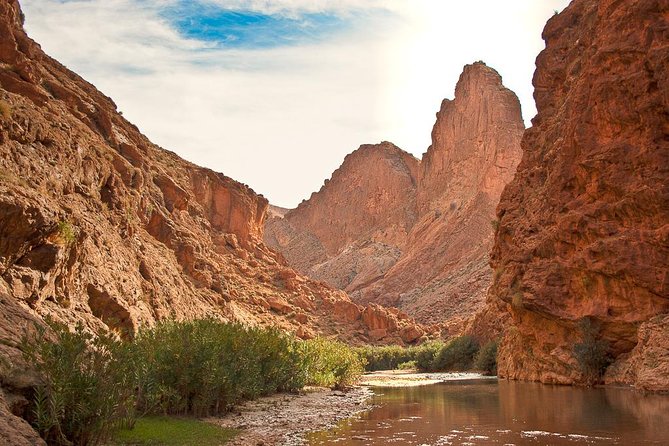
You also travel through Dades Gorges via the road often described as the road of one thousand kasbahs. It’s scenic driving with repeated “wait, pull over” views. You finish the day at Todra Gorges, where the gorge walls and the Todra oasis area make a strong contrast to the earlier mountain scenery.
How it feels on the ground: Day 1 is active and guided, but not rushed. You get stops for pictures and explanations, then you settle in for the night with dinner included.
Day 1 in detail: Tizi n Tichka, Taourirt Kasbah, Atlas Studios, then Todra Gorges
Here’s the flow of the first day in human terms:
You leave Marrakech early and climb toward Tizi n Tichka. The pass sits at 2260 meters, and it’s your major viewpoint moment. Then you continue to Ouarzazate, where you switch from “scenery driving” to “walk and learn.”
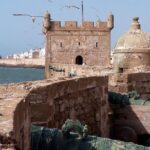
At Taourirt Kasbah, you take a guided walking tour with explanations and time for photos. Kasbahs can feel repetitive if you rush them, but a guided pace helps you notice details like layout, defensive design, and the way these places were built for power and survival—not comfort.
Next: Atlas Film Studio. If you like movies, you’ll enjoy seeing how Morocco’s architecture and desert light get turned into big-screen settings. Even if you don’t, it’s a neat cultural angle that adds context to why this region appears in so many films.
After that, you continue toward Todra Gorges, arriving for dinner and overnight. Todra is famous for the gorge scale, and the area also connects to local greenery via the oasis. It’s a good place to “land” after a high-energy day.
Day 2 to Merzouga: Todra oasis, Rissani, Erg Chebbi sunset, and your camel ride
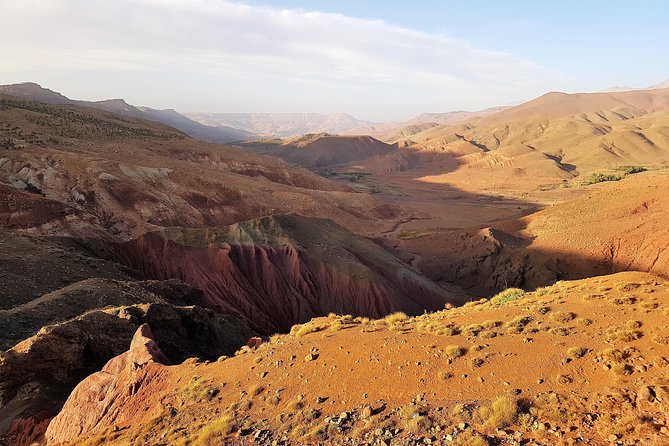
Day 2 is where the trip starts to feel like a desert story, not a sightseeing circuit.
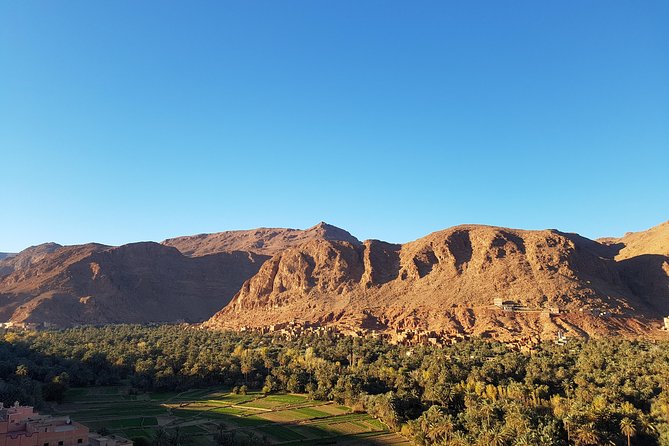
You begin with Todra Gorges, then head toward Merzouga. Along the way you visit the Palmeraie area—thousands of palm trees—so you’re not staring at sand yet. This palm oasis stop helps you understand the region’s rhythm: water creates life, and once water is gone, the desert takes over.
Then you travel through towns like Tinejdad and Erfoud. You have lunch in Rissani, and you also visit Alaouit’s first king tomb (linked to the current Royal Family). That’s a cultural stop that adds more depth than just driving through a place.
By the time you arrive in Merzouga, you shift into the iconic experience:
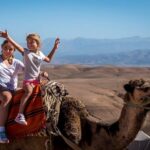
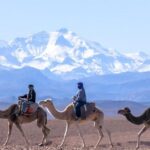
- Camel ride through Erg Chebbi dunes
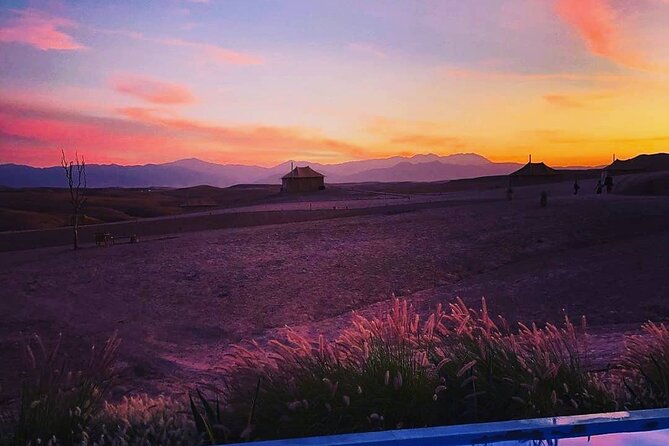
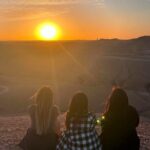
- Sunset observation over the dune horizon
- Stargazing at night with less light pollution
- Sunrise the next morning (as part of the camel/dune schedule)
You’ll sleep in a desert camp—either nomadic tents or a marabou between sands. This is the part that many people remember most: the quiet, the sky, and the sense that you’ve stepped into a different pace of time.
Possible drawback to keep in mind: you should be mentally prepared for desert sleeping conditions. It’s part of the authenticity. If you expect hotel-style bedding and temperature control, you might find it challenging. Still, the listing includes luxury accommodations for the other nights, which helps balance the trip.
Day 3: Draa Valley oasis routes and the road to UNESCO Aït Benhaddou
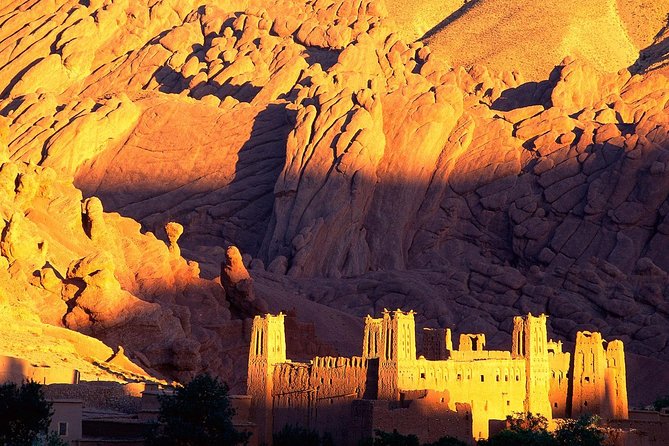
Day 3 is about transition and scale. You leave the Merzouga direction and head back through a different route toward Marrakech, cutting across the Draa Valley region.
After breakfast, the plan moves through Alnif, Nqob, and Tazarine, where the scenery is dotted with oasis pockets. You’ll continue to Agdez along the Draa Valley, stop for lunch, and then arrive at Aït Benhaddou Kasbah.
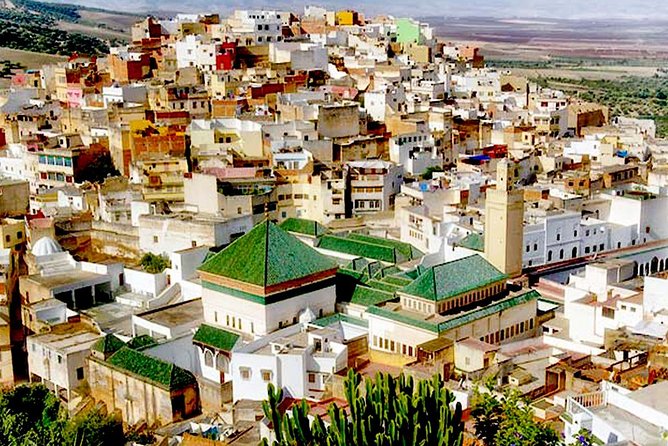
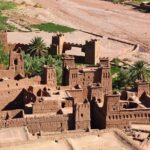
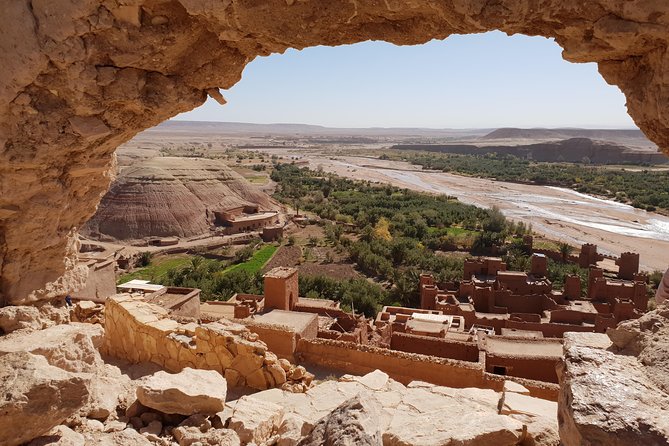
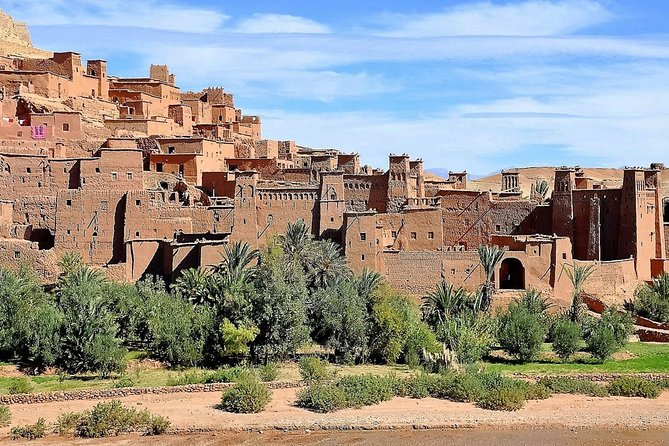
Aït Benhaddou is UNESCO-listed, and it’s one of Morocco’s most photogenic fortified villages. You’ll take a guided walking tour with explanations and time for photos. You also get a chance to visit a local Berber family home inside the ancient fortified village.
That matters more than people think. Fortified sites can feel like museums. A home visit changes the tone. You’re seeing living history, not only a backdrop.
A few more Marrakech tours and experiences worth a look
Day 4: Telouet Kasbah, movie-famous Aït Benhaddou, and back over Tizi n Tichka
Day 4 moves at a faster pace because it’s your return day—but it still packs in culture.
You start with Telouet Kasbah for a guided walking tour and photos. Then you return to Aït Benhaddou area for more time connected to its big-screen reputation. The tour description points out that many films have used this local design—examples listed include Mommy, Gladiator, 7 Days in Tibet, Babel, and Alexander.
After that, you cross back over Tizi n Tichka, have lunch, and then continue to Marrakech, dropping you off at your accommodation. The plan ends back at the meeting point in Marrakech after arrival.
Practical note: If you’re the type who wants one last photo set, build in time at the kasbah stops. Because once you head back over the pass, the “extra time” part of your day is limited.
Staying comfortable: luxury nights plus one desert night
This is one of the biggest “value” angles for this tour. You get:
- 3 nights at luxury accommodation across three different locations, and
- 1 night in the dunes (nomadic tents or a marabou)
That split is smart. Desert camps can be great, but they’re also a different comfort level—so having luxury nights before and after reduces the chance you’ll feel wrecked by day three.
It also makes the experience feel balanced rather than extreme. You can enjoy Erg Chebbi without worrying that the whole trip will turn uncomfortable.
Who this tour suits best (and who should be careful)
This setup fits best if you want big-ticket sights with planning handled for you.
Couples: It’s pitched as romantic, and the structure supports that—sunset camel ride, stars at night, and plenty of scenic moments along the route. The private format also helps.
Families: It’s listed as ideal for families, and you do get guide support plus frequent breaks for pictures and walking tours rather than only long hard drives.
First-time Morocco visitors: This route is strong for first timers because it covers a “great hits” sweep: High Atlas pass, kasbahs, film culture, gorges, palms, dunes, and a UNESCO kasbah.
Who should be careful: If you’re very sensitive to road time, you may find the driving days tiring. Also, if you’re not comfortable with desert-style sleeping conditions, you’ll want to mentally prepare for that one night in the dunes, even with the rest of the trip’s comfort.
The guide factor: why Abdul’s style matters
The best travel days often come down to the guide. In one review note, the guide Abdul stood out as kind and cool, and the big compliment was how clearly he explained what you were seeing.
That doesn’t just make the stops nicer. It changes what you remember. When someone can connect kasbah architecture to power, explain why a gorge matters, and frame film locations without turning them into a lecture, the whole route clicks.
For a private tour, that human factor is even more important, because you’re not “blending into a crowd.” Your guide is your translator, organizer, and pacing partner.
Should you book this Merzouga Desert tour?
I’d book it if you want Merzouga and Erg Chebbi done with real support: private transport, full meals, entrance fees covered, guided heritage stops, and a camel ride that includes sunset and stars.
Skip it or rethink it if you hate long driving days or you expect every night to feel like a hotel. The desert night is part of the bargain, and this trip is clearly built around that trade.
If you’re choosing between a DIY plan and a guided one, this is the case where guided planning usually wins—because the value isn’t only the dunes. It’s the way the trip connects mountains, kasbahs, movie history, oasis roads, and a UNESCO site into one smooth circuit.
FAQ
How long is the Private 3-Day Merzouga Desert Tour?
The tour is listed as approximately 4 days and includes 3 nights of accommodation.
Is this tour really private?
Yes. It’s described as a private tour operated with only your party and a guide/driver.
What meals are included?
The tour includes breakfasts, lunches, and dinners, along with drinks during meals.
Do I get a camel ride in the dunes?
Yes. You’ll enjoy a camel ride through the gold dunes of Erg Chebbi, timed with sunset and followed by sunrise as part of the desert experience.
Where do you stay overnight during the desert portion?
You’ll have a night under nomadic tents or a marabou between the sands in the Merzouga area.
Are entrance fees included?
Yes. All entrance fees, local taxes, and fuel are included.
What’s included for accommodation?
You get 3 nights at luxury accommodation at three different locations with full board, plus the desert camp night in the dunes.
Does the tour support dietary needs?
Vegetarian, vegan, and gluten options are available.
What time does the tour start, and where does it end?
It starts in Marrakech around 8:00 am and ends back at your meeting point in Marrakech, with drop-off at your accommodation.