REVIEW · MARRAKECH
Pick an outdoor Activity: Balloons, QUAD, Camel Ride, Sahara Trip
Book on Viator →Operated by Sahara Riders · Bookable on Viator
Atlas to Sahara in four days.
This Marrakech-to-Merzouga trip mixes High Atlas mountain roads, a UNESCO stop at Ait Ben Haddou, and then full-on desert time at Erg Chebbi, capped with a night in a traditional Berber camp. You’ll spend most of the trip traveling through real Moroccan regions—Berber villages, palm oases, and desert dunes—so the scenery changes constantly rather than feeling like one long, repetitive drive.
I especially like how much responsibility the guide takes for flow and comfort. Names like Youssef and Hassan come up in praise for friendly, professional guiding, plus smart breaks for photos and regrouping. I also love the core desert package: a camel ride across Erg Chebbi with sandboarding included, plus the overnight in a Berber tent under the night sky.
One thing to consider: it’s a packed route with long travel days, and the plan can change in hot season (mostly May to September). Add that you’ll pay for some extras on your own (like lunches and drinks), and it’s best if you’re okay with a schedule that moves.
In This Review
- Key Points That Matter Before You Go
- Day 1: High Atlas Roads, Berber Villages, and Tizi n Tichka Views
- Ait Ben Haddou and Ouarzazate: Morocco’s Film Locations in Real Life
- Skoura Oasis and Boumalne Dades: Palm Groves, Rose Towns, and a Real Night Stop
- Day 2: Tinghir Valley, Todra Gorge, and the Run Up to Merzouga
- Camel Ride into Erg Chebbi and the Berber Tent Night
- Day 3: Khamlia Berber Pizza, Off-Road Time, and Hassilabied Hotel Rest
- Day 4: Anti-Atlas Photo Stops, an Old Market, and Back to Marrakech
- Price and Value: Why $139.43 Can Be a Good Deal Here
- Logistics That Affect Your Comfort: Pickup, Group Size, and Long Drive Days
- Should You Book This Marrakech-to-Merzouga Sahara Trip?
- FAQ
- How long is the Marrakech to Merzouga Sahara trip?
- What is included in the price?
- Do I get pickup from Marrakech?
- Where do we sleep during the trip?
- Are there activities on the dunes?
- What if I’m traveling in hot season?
- What happens if the experience is canceled due to poor weather?
Key Points That Matter Before You Go
- Erg Chebbi camel ride plus sandboarding: the desert time is the highlight, and the fun part is included.
- UNESCO Ait Ben Haddou + Ouarzazate film sites: you get iconic sights, not just driving through them.
- Real Berber camp night: you sleep in a traditional tent style on the dunes area.
- Small group size (max 20): easier to coordinate and less chaotic than bigger buses.
- Hot-season itinerary changes: May to September can adjust, so confirm before locking dates.
- Comfort on the road: air-conditioned vehicle and pickup from your hotel are built in.
Day 1: High Atlas Roads, Berber Villages, and Tizi n Tichka Views
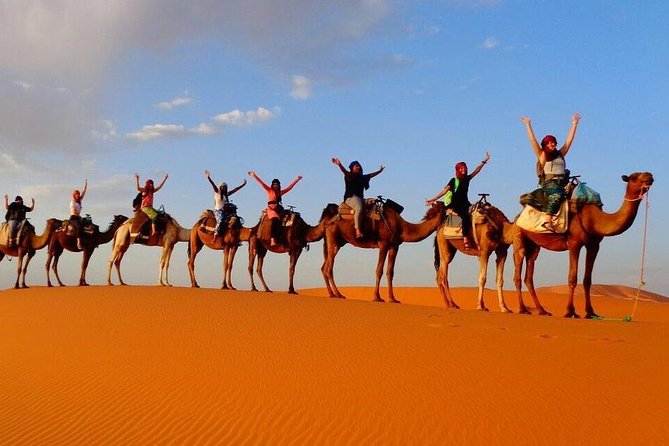
Day 1 is all about the big transition: leaving Marrakech and climbing into the High Atlas Mountains. You start with pickup from your hotel, then head toward mountain villages where the views feel “close” because you’re up in the pass zone where valleys open and close quickly.
The driving route includes a stop at the Tizi n Tichka pass, one of those places where you can pause, stretch, and actually see why this corridor matters. There’s also time to visit Imlil and to continue toward Ouarzazate, which is known as the Hollywood of Morocco. If you’re the type who likes moving through places with your eyes instead of staring at a screen, Day 1 will feel worth it.
A small note: the plan includes plenty of sightseeing stops, but it’s still road time. If you get carsick, pack what you need before you go, because the route is active and changes elevation.
You can also read our reviews of more tours and experiences in Marrakech.
Ait Ben Haddou and Ouarzazate: Morocco’s Film Locations in Real Life
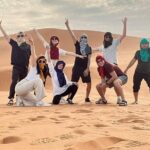
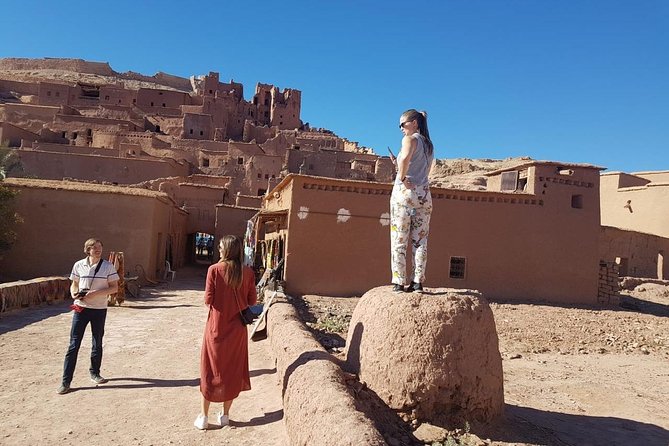
Ait Ben Haddou is the star here. You’ll reach the UNESCO World Heritage site of Ait Ben Haddou, walk the winding lanes of the old fortified city, and get a feel for why it’s been used on screen for decades. The itinerary lists admission there as free, which is a nice bonus if you’re trying to keep costs predictable.
From there, Ouarzazate brings the modern cinematic connection. This area is often called the Hollywood of Morocco because Atlas Studios has hosted major international productions, including Gladiator, Game of Thrones, and The Mummy. Even if you do not care about film trivia, you’ll likely enjoy spotting the practical reality behind the stories—how the studios and sets connect to the surrounding region.
If you’re traveling with kids or anyone who needs structure, this is a good stop. It’s walkable, visually strong, and easier to enjoy than another “look, another viewpoint” moment.
Skoura Oasis and Boumalne Dades: Palm Groves, Rose Towns, and a Real Night Stop
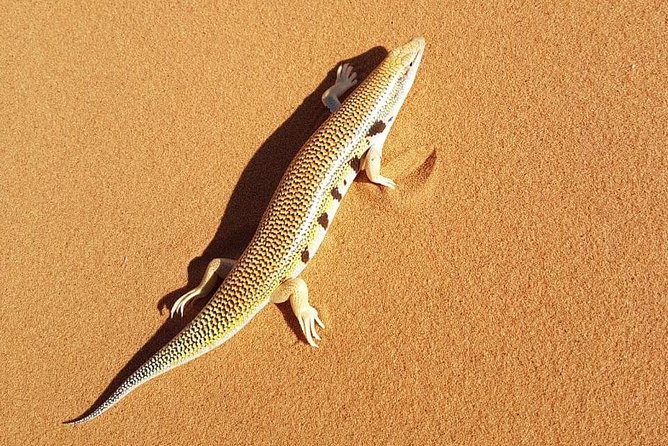
Before you sleep, you’ll pass through the Skoura Oasis region, including the palm oasis area that’s one of the larger in Morocco. This is the part of the trip that slows the tempo just enough: photo stops, a bit of greenery after mountain roads, and a sense of how people live in zones where water matters.
Then there’s El Kelaa M’gouna, described as the capital of roses. Damaskina roses are the big deal here, and the town’s Rose Festival is tied to the rose harvest, with music and a parade. Even if you’re not traveling during festival season, the rose-town stop adds personality and local color.
You’ll spend the night in Boumalne Dades in a local hotel. That break matters because Day 2 ramps up quickly toward the desert.
Day 2: Tinghir Valley, Todra Gorge, and the Run Up to Merzouga
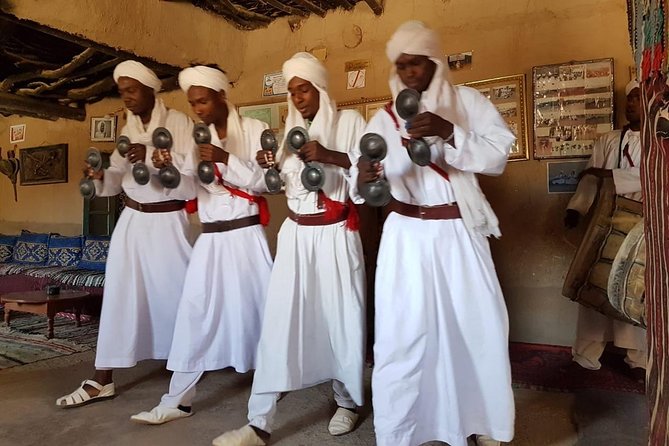
Day 2 starts in the Tinghir region, including a stop in the Tinghir Valley. The plan mentions 17th-century buildings, and the point of this stop is simple: you get a sense of how communities have lived in these valleys long before cars were a thing.
Next comes Todra Gorge. You’ll take a short walk for spectacular canyon views, with a listed stop time of about 30 minutes. This is one of those “get out of the vehicle and breathe for a minute” moments. The gorge is also a good place to take photos from a few angles, not just one quick shot, because the canyon walls change how light hits the stone as you move.
You’ll continue toward Erfoud, noted as a fossil capital, though the plan does not include a stop there. Still, it’s worth remembering the region isn’t just desert-time and dune photos—it has geology stories too.
Finally, you reach Merzouga and then Erg Chebbi, where the desert experience becomes real.
Camel Ride into Erg Chebbi and the Berber Tent Night
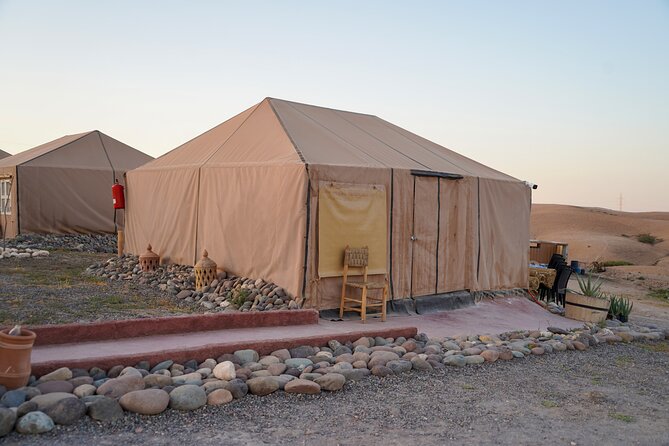
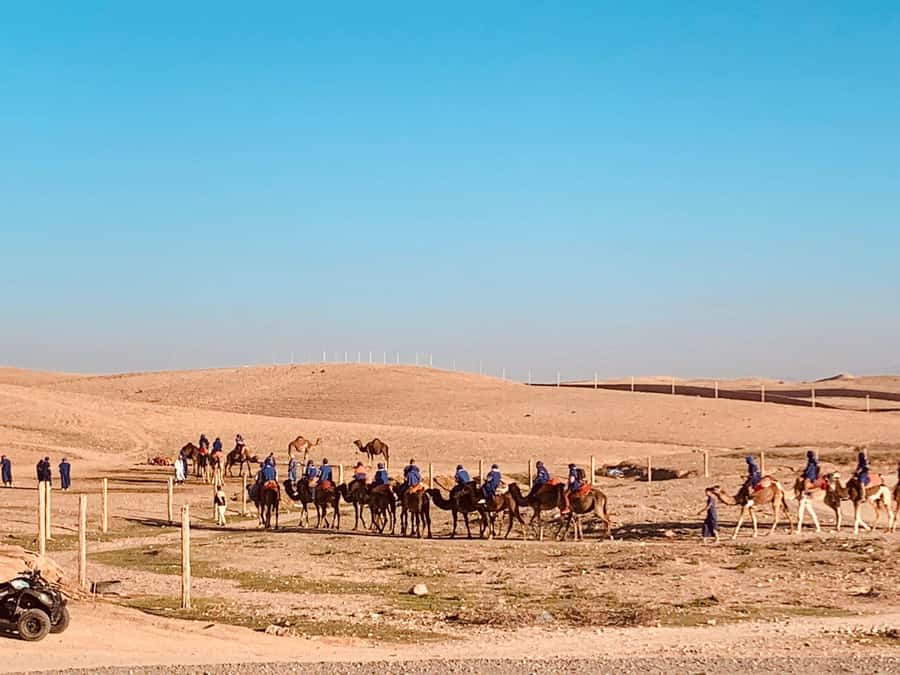
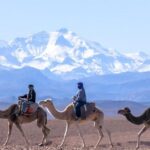
This is the heart of the trip. Erg Chebbi is where you switch from road-country to dune-country, and you’ll do a camel ride through the sand, culminating in an overnight stay in a traditional Berber tent. The itinerary lists this big desert segment as about 12 hours, so plan to treat it as a day-within-a-day rather than just a short ride.
One of the smartest parts of this plan is that sandboarding is included. That means when you reach the dunes, you’re not only watching the desert—you’re actively playing in it (if your balance is decent and you dress for it). If you want one memorable activity that feels different from typical sightseeing, this is it.
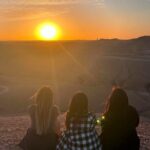
The overview also promises dinner and time under bright stars, which is exactly what many people come here for. Even without turning it into a romantic cliché, it’s real value: the sky at night in this region is often why people keep coming back.
Day 3: Khamlia Berber Pizza, Off-Road Time, and Hassilabied Hotel Rest
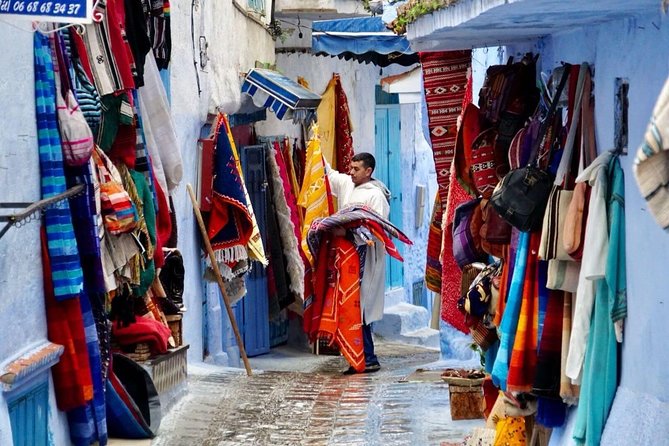
Day 3 adds variety so the trip does not feel like only dunes and desert driving. You’ll stop in Khamlia for a food moment: Berber Pizza, locally called madfouna. It’s a great break from the constant “travel mode,” because it gives you something tangible to taste in a specific place.
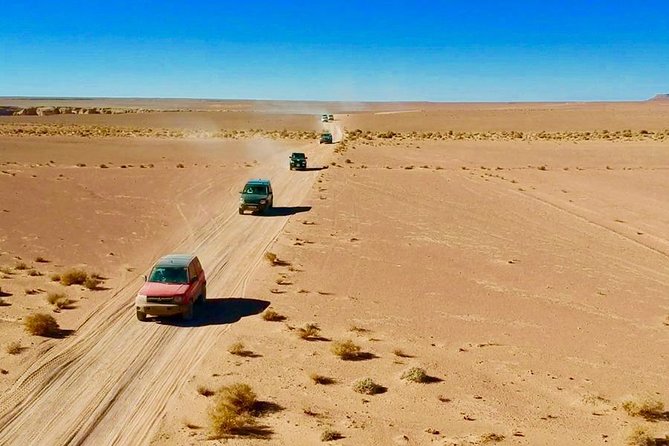
Then you head back into the Erg Chebbi area for more dune time and off-roading. The plan includes visiting nomads and mentions driving in some off-roading, with a listed duration of about 4 hours for the day’s desert block. If you like motion and don’t mind dust, this part gives the desert a bit more energy.
After that, you sleep at a hotel in Hassilabied. This is a useful change of pace from the tent night, and it helps you reset your energy before the final driving day.
Day 4: Anti-Atlas Photo Stops, an Old Market, and Back to Marrakech
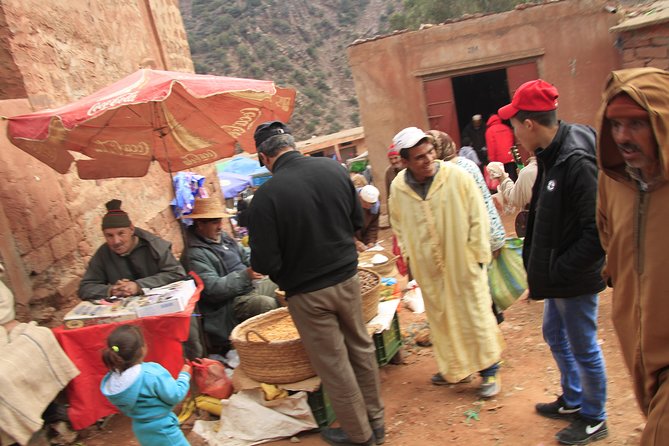
The last day keeps it light on major activities and heavier on travel with a few “stop and look” moments. There’s a stop at the oldest market in the area, plus amazing views, before the route reaches the Anti-Atlas Mountains for a short photo stop.
You’ll then drive back to Marrakech to end the tour. This ending works well because you get a final set of photo chances without adding another night in rougher conditions.
If you’re building your overall Morocco trip, Day 4 is usually a great day to avoid scheduling something demanding right after. Let yourself land back in the city and recover.
Price and Value: Why $139.43 Can Be a Good Deal Here
At $139.43 per person, the value mostly comes from what’s bundled. You get an air-conditioned vehicle, pickup, a guide, the camel ride, an overnight in a tent, plus sandboarding. For a route that covers multiple regions in four days, those inclusions can reduce the number of “surprise” expenses you’d otherwise piece together.
You still need to budget for things not included: lunches, drinks, tips, and some entrances. The itinerary does note certain sights with ticket-free or included admissions (like Ait Ben Haddou listed free, and Todra Gorge listed included), but it would be smart to assume not every stop is fully covered unless the specific cost is named.
So here’s the practical way to judge value: compare this package to building it yourself. If you would otherwise pay for transport, a guide, camel time, and desert activities separately, this price can start to look fair.
Logistics That Affect Your Comfort: Pickup, Group Size, and Long Drive Days
This trip is built around a road-heavy plan. That’s not a flaw—it’s the point—but your comfort depends on planning. The vehicle is air-conditioned, and pickup is offered, which helps a lot on hotter days and after long drives.
The group size max is 20. In real terms, that usually means less waiting and easier coordination for bathroom breaks, photo stops, and getting everyone moving again. It also tends to make the guide’s job smoother, and that matters when you’re juggling desert timing.
One more practical note: you’re booking about 12 days in advance on average, so if you have fixed travel dates, don’t wait until the last minute. Also, the hot-season note says the itinerary can change mostly from May to September—so confirm details before booking if you’re traveling during those months.
Should You Book This Marrakech-to-Merzouga Sahara Trip?
I think you should book it if you want the desert to feel like an experience, not just a quick photo stop. The included camel ride into Erg Chebbi, sandboarding, and the Berber tent night are the kind of activities that actually change your trip story.
You should also book it if you like a guided route with strong structure: mountain pass views, UNESCO old-city walking, gorge time, and then desert play. Guides like Youssef and Hassan are specifically praised for friendliness and professionalism, which is exactly what you want when you’re spending long hours in a vehicle.
Skip or rethink it if you hate long driving days or need a very flexible schedule. Also, if you’re traveling in the May to September heat window, ask about itinerary adjustments first so you know what your days will look like.
FAQ
How long is the Marrakech to Merzouga Sahara trip?
The trip duration is listed as 4 days (approximately).
What is included in the price?
Included items are air-conditioned vehicle, camel ride, overnight in a tent, guide, all taxes, and sandboarding. Lunches, drinks, tips, and entrances are not included.
Do I get pickup from Marrakech?
Pickup is offered, and the tour includes transportation by air-conditioned vehicle.
Where do we sleep during the trip?
You’ll have an overnight in a traditional Berber tent in the Erg Chebbi area, and you’ll also sleep in hotels as the itinerary moves (including Boumalne Dades and Hassilabied).
Are there activities on the dunes?
Yes. You’ll do a camel ride through Erg Chebbi, and sandboarding is included.
What if I’m traveling in hot season?
The note says that during hot season (mostly May to September), the itinerary can be changed. You’re advised to contact the provider for more details before booking.
What happens if the experience is canceled due to poor weather?
The policy says the experience requires good weather. If it’s canceled due to poor weather, you’ll be offered a different date or a full refund.