REVIEW · MARRAKECH
Morocco Sahara desert 3 days 2 nights from Marrakesh to desert
Book on Viator →Operated by Mohamed Salem ARIBI · Bookable on Viator
Sahara nights start with mountain switchbacks. This 3-day, 2-night Marrakech to desert ride is built like a road-trip greatest-hits album: Ait Ben Haddou, the High Atlas drive, and the big ticket moment in Erg Chebbi with a camel trek. The vibe is also more personal than most big tours since it’s private—just your group—and pickup is offered, so you’re not hunting down buses at daybreak.
I really like two things about it. First, the route strings together visual “wow” stops that feel very different from each other, from kasbah architecture to oasis-and-valley scenery. Second, you get both the animal-in-the-sand experience and the human part—guidance, hospitality, and locally made dishes along the way.
One thing to consider: you’re signing up for long, dusty road time across southern Morocco, and desert plans depend on good weather. If conditions aren’t right, you may get a different date or refund, so build flexibility into your schedule.
In This Review
- Key Highlights That Actually Matter
- The Marrakech to Sahara Route: What You’re Really Buying
- Day 1: Marrakesh, High Atlas Views, Ait Ben Haddou, Rosas and the Road Into Dades
- Day 1’s Most Likely Comfort Wins (And Why They Matter)
- Day 2: Dades to Todra Gorges, Then Erg Chebbi Camel Trek
- Day 2’s Desert-Night Payoff
- Day 3: Draa Valley and the Long Road Back Toward Reality
- Who This Tour Fits Best (And Who Might Want to Rebook Later)
- Price and Value: Is $527.37 a Fair Deal for This Much Route?
- Logistics, Timing, and What to Prepare for Day-to-Day
- My Booking Checklist Before You Pay
- Should You Book This Marrakech to Sahara 3-Day Tour?
- FAQ
- How long is the Marrakech to Sahara experience?
- What does the tour include for the desert part?
- Are pickup services offered?
- Is this tour private?
- What stops are included on the route?
- What is the price per person?
- What about tickets and site entry fees?
- What happens if weather is bad?
Key Highlights That Actually Matter
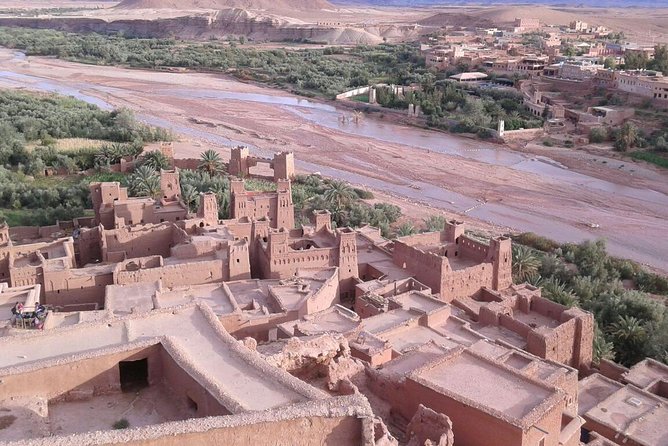
- Ait Ben Haddou and the High Atlas drive: you’ll see kasbah scenery that feels straight out of a film set, but with real mountain-country context.
- Dades and Draa valleys: these are the “slow-look” parts—great for photos, but also for how the scenery changes hour by hour.
- Todra Gorges: the narrow canyon feel is a strong contrast after wide valley roads.
- Erg Chebbi camel trekking: a classic desert texture change from road dust to soft sand rhythms.
- Local food stops and hospitality: the trip isn’t only about scenery; it’s also about being fed and cared for.
- Private tour feel: you travel as your own group, which usually means fewer wait times and less herding.
The Marrakech to Sahara Route: What You’re Really Buying
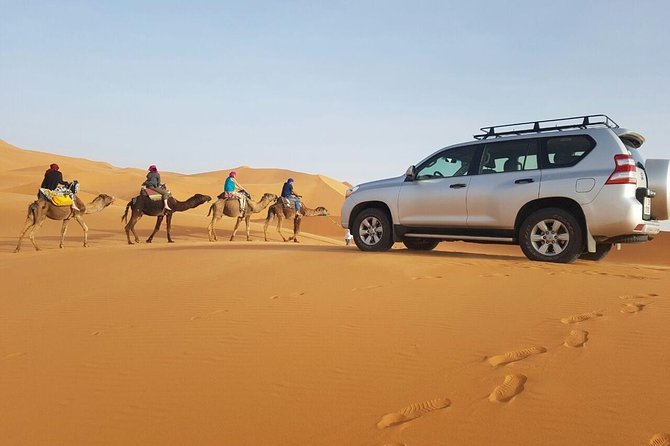
This tour is priced at $527.37 per person for about 3 days, and the value comes from the mix: guided driving across major southern regions plus a real desert experience rather than just a photo stop. You’re not just getting dunes; you’re getting the route that leads to the dunes, including valleys and kasbahs that build the story of southern Morocco.
Because it’s private, your day isn’t built around the slowest person in a large group. You also avoid some of the “bus-jump-bus-again” stress that can eat up your energy. The trade-off is that the schedule is still compact and driven by distance—so you’ll want comfortable shoes and a phone battery that doesn’t hate you.
The “admission ticket free” notes on the planned stops are also part of the value picture. For the listed segments marked as free, you shouldn’t be stuck paying extra at every stop, which helps keep the trip’s total cost more predictable.
A few more Marrakech tours and experiences worth a look
Day 1: Marrakesh, High Atlas Views, Ait Ben Haddou, Rosas and the Road Into Dades
Day 1 is your big transition day—leaving the busy feel of Marrakesh and moving into southern Morocco’s more dramatic terrain. Expect a long day on the road, but it’s not a boring one. The High Atlas crossing brings the “you are climbing” feeling, where the air, the view, and the road behavior change in a way you can actually sense.
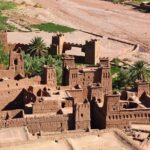
Ait Ben Haddou is one of those stops you’ll remember even if you’re not a hardcore architecture person. You’ll get to see the kasbah-world closely enough to understand why it’s famous: it’s not just a backdrop, it’s a whole human settlement style—built to survive the desert light and the daily temperature swings. After that, the trip keeps its momentum with more valley scenery.
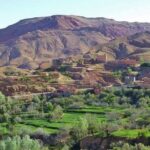
You’ll also work in Rosas Valley and time in the Dades area. This part matters because it turns your first day into more than a single highlight. Valleys give you a slower “look left, look right” rhythm, and that makes tomorrow’s desert change feel bigger—not smaller.
Practical note: bring layers. Even if Marrakesh feels warm, the atlas and valley elevations can shift your body temperature fast.
Day 1’s Most Likely Comfort Wins (And Why They Matter)
What really helps on Day 1 is the way the drive connects multiple regions without turning them into separate tours. The trip highlights include time around Ouarzazate, Skoura oasis, and Kasbah Amridil, and that’s a smart mix because it shows the region’s agricultural logic before you hit harsher desert conditions.
Guides and drivers named in past experiences—like Hassan, Abdo, and others—are praised for keeping the itinerary organized and explaining what you’re seeing. That’s not just nice-to-have. When you understand why kasbahs look the way they do, or why certain valleys grew where they did, the scenery sticks in your head.
You’re also fed along the way with locally made dishes. In my book, that’s one of the most underrated parts of any Morocco road trip. You stop, you rest, and you get real food energy for the next stretch of road.
Day 2: Dades to Todra Gorges, Then Erg Chebbi Camel Trek
Day 2 is where the scenery gets sharper and the timing gets more intentional. You start in the Dades area and move toward Toudra/Todra Gorges and valley scenery. The canyon feel changes things quickly: the walls rise, the road narrows in your imagination, and the air can feel cooler just because you’re surrounded.
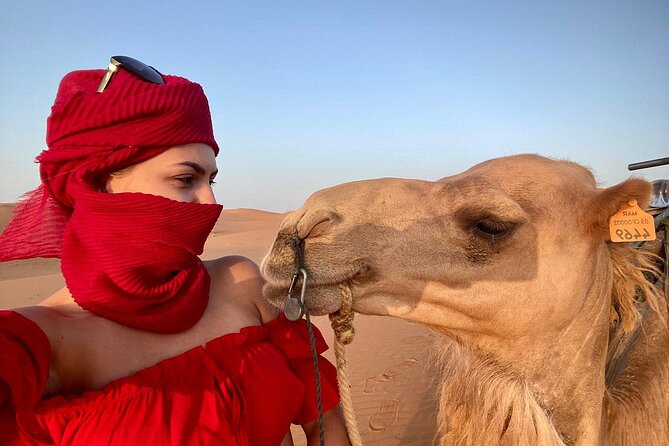
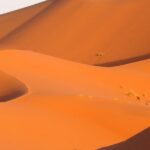
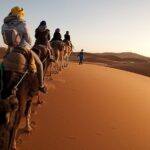
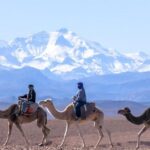
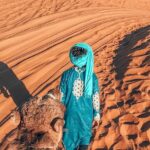
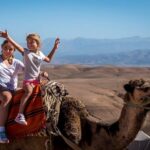
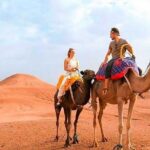
Then comes the desert anchor—Erg Chebbi dunes. This is the segment that turns the trip from “very pretty drive” into “I’m in the Sahara.” The camel trekking experience is part of that. Even if you’ve ridden a camel before, expect that desert trekking is about rhythm more than speed. You move slower than your street brain wants, which is exactly why it feels memorable.
People often focus on the dunes, but I pay attention to what the trek experience teaches your body. Sand shifts under you. Light changes fast. You’ll want sun protection and a water plan that’s realistic for trekking—not just for standing still.
Also, Day 2 includes locally made dishes again, which helps. When you’re going from canyon morning to desert afternoon, you need steady fuel. It’s one of those details that can make the difference between feeling energized and just feeling tired.
Day 2’s Desert-Night Payoff
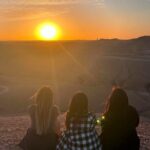
This trip is described as 3 days and 2 nights, and the desert portion is set up as an overnight experience with a camp/jaima-style setup that shows up in experiences people share. That matters because the Sahara isn’t only about daytime photos. Night in the desert changes everything: your sense of scale improves, and your day feels like it has an ending worth waiting for.
The hospitality element is another reason the desert night lands well. Guides like Abdul and Omar come up in past trip stories as attentive and service-minded, and that usually means you’re not left figuring things out alone once you’re out there.
Day 3: Draa Valley and the Long Road Back Toward Reality
On Day 3, the trip shifts into “one last big scenic chapter” mode. Draa Valley is the star here—the long valley that’s known for its stretched-out, worked-with-the-land feel. It’s a good choice as a final day because it lets you come down from the desert intensity without snapping back into city life.
This is also where your photos start to tell a fuller story. Day 1 is kasbah and mountains. Day 2 is canyon and dunes. Day 3 is the slow, elongated valley that connects desert-adjacent life to the rest of Morocco.
If you’re the type who likes to understand how places connect, Draa is the kind of stop that helps your mental map make sense. You’re not just collecting stops—you’re seeing a geography that links water, agriculture, and trade routes through time.
Who This Tour Fits Best (And Who Might Want to Rebook Later)
This is a great fit for you if you want a guided road trip that hits the major desert highlights without making you plan every turn yourself. It also works well if you care about comfort and pacing—especially since the trip is private, so you’re less likely to feel steamrolled by a big-group schedule.
It’s also a good match if you’re traveling as a couple or family and like having one steady plan. Many praised points circle around hospitality, attentive guides, and the feeling that everything ran properly.
You might rethink it if you hate long driving days. Even though the route is packed with stops, you’re still spending time in the car, and Day 1 is particularly long. If you want a mostly restful, low-travel experience, you’ll likely be happier with a slower desert format.
Price and Value: Is $527.37 a Fair Deal for This Much Route?
Let’s talk straight: $527.37 per person isn’t a bargain-basement number. But for a 3-day, 2-night private tour that includes pickup, a camel trek in Erg Chebbi, multiple major stops (High Atlas, Ait Ben Haddou, valleys, Todra/Toudra area), and locally made food, it starts looking more reasonable.
Here’s what you’re effectively paying for:
- Time and logistics across long distances
- A private group rather than a large shared bus
- Desert-specific experience (camel trekking + overnight camp setup)
- Guiding and hospitality, which show up repeatedly in how people rate the trip
- Admission ticket free entries on the scheduled segments marked that way
The best value sign for me is that the trip isn’t built like a checklist. It’s a route that moves through distinct environments, and the desert night gives you an actual “there” feeling rather than a quick dune photo.
If your goal is only to say you visited the Sahara, you may find cheaper options. If your goal is the journey plus the desert, this price starts to make sense.
Logistics, Timing, and What to Prepare for Day-to-Day
This tour runs through a long seasonal window (opening hours are listed from early morning to late night), so you’re not limited to just a single departure style. It also uses a mobile ticket, which is handy—less paperwork stress.
The meeting point is listed as near public transportation, which can matter if you’re arriving on your own and want an easier way to reach the start without a special taxi hunt.
Weather is the only big swing factor stated: the experience requires good weather. Desert travel can’t pretend it’s under perfect control, so I suggest building in at least a day of flexibility around your desert visit if your schedule allows.
Finally, the tour notes that most travelers can participate and it’s private. That doesn’t mean it’s effortless, but it does suggest the operator is used to hosting a wide range of visitors.
My Booking Checklist Before You Pay
If you’re deciding between a few Marrakech-to-desert options, use this quick filter:
- Do you want camel trekking in Erg Chebbi, not just a dune view?
- Do you care about kasbah + valleys on the way (Ait Ben Haddou, Rosas/Dades, Todra area, Draa)?
- Are you comfortable with a road-trip format across southern Morocco?
- Do you value hospitality and guidance over self-guided wandering?
If you checked yes to most of that, this tour is likely a strong fit.
Should You Book This Marrakech to Sahara 3-Day Tour?
I’d book it if you want the classic Sahara story told in a smart order: mountain views first, kasbah architecture and valleys in the middle, then dunes and a real desert night before returning through Draa Valley. The repeated praise for attentive guides, comfort, and hospitality lines up with what you want when the days are long and the terrain is changing fast.
Don’t book it if your ideal trip is mostly low-driving time. This is a drive-heavy experience, even though the scenery makes that driving feel purposeful.
If you’re flexible on dates and can handle a packed schedule, you’re in the right place.
FAQ
How long is the Marrakech to Sahara experience?
It’s listed as 3 days (approx.) with 2 nights.
What does the tour include for the desert part?
You’ll have a camel trekking experience in Erg Chabbi desert and you’ll visit the Erg Chebbi Dunes.
Are pickup services offered?
Yes, pickup is offered.
Is this tour private?
Yes. It’s described as a private tour/activity, and only your group participates.
What stops are included on the route?
The key stops listed include Ait-Ben-Haddou (Ksar), High Atlas, Rosas valley, Dades valley, Toudra/Todra valley and Gourges, Erg Chebbi dunes, and Draa Valley.
What is the price per person?
The price is $527.37 per person.
What about tickets and site entry fees?
The itinerary notes show several segments marked as Admission Ticket Free.
What happens if weather is bad?
This experience requires good weather. If it’s canceled due to poor weather, you’ll be offered a different date or a full refund. Free cancellation is available up to 24 hours in advance for a full refund.