REVIEW · MARRAKECH
Morocco 12 Days Tour From Marrakech
Book on Viator →Operated by Tilila Travel · Bookable on Viator
Travel in Morocco can be chaotic. This route keeps it organized without turning it into a checklist.
You get two standout guided stops: Marrakech with a local guide and Fes with a local guide. I also like that the trip builds in real “wow” time, like the Erg Chebbi dunes camel ride at sunset and a morning sunrise over the desert.
One consideration: it is a lot of driving for 12 days, so expect long road days and limited free time in between cities.
The company behind this tour is Tilila Travel. Reviews point to the owner, Mohamed, being quick to answer questions and helpful when adjusting the plan, and they also credit drivers such as Yassin for making the long routes feel easier. Still, this is a small-group program (max 8 people), so if you want lots of spare time in each city, you’ll need to pace your expectations.
Here’s the deal: if you want a smart “greatest hits” tour that still includes the right moments of local life, this one is a strong fit.
In This Review
- Key things that make this tour work
- Marrakech to the Saadian Tombs: why Day 1–2 set the tone
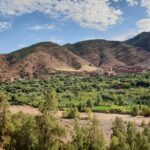
- Atlas Mountains to Ait Ben Haddou and Dades: the drive that turns into scenery
- Todra Gorge hiking and Merzouga dunes: Day 4–5’s best moments
- The road to Fes: Ziz valley, cedar forest monkeys, and a big switch in vibe
- Chefchaouen’s Rif foothills and Asilah’s painted walls: Days 7–8
- Rabat and Casablanca: the Atlantic-side change in pace, Days 9
- Essaouira’s UNESCO walls and fishing port life: Days 10–11
- Marrakech again, then departure: Day 12 wrap-up
- Price and value: what $2,818.94 is buying you
- Who this Morocco tour suits best
- Should you book Tilila Travel’s Morocco 12-day tour?
- FAQ
- How long is the Morocco tour from Marrakech?
- What is included in the price?
- Does the itinerary include a camel ride in the Sahara?
- Are meals like lunch and drinks included?
- Do I need to buy tickets for Todra Gorge?
- How big is the group?
Key things that make this tour work
- Local guides in Marrakech and Fes, so you’re not just wandering souks on your own
- Erg Chebbi in Merzouga with a sunset camel ride plus a night in a desert camp
- Atlas-to-desert-to-coast flow, moving east then turning toward the Atlantic
- Kasbah and UNESCO stops like Ait Ben Haddou, El Jadida, and Essaouira
- Small group size (up to 8), which usually means smoother days and less waiting
Marrakech to the Saadian Tombs: why Day 1–2 set the tone
Day 1 is the easy landing: you get picked up from Marrakesh Menara Airport and transferred to your hotel or riad. That matters more than it sounds. Marrakech traffic can feel like a video game on hard mode, so arriving with a driver ready helps you start calm.
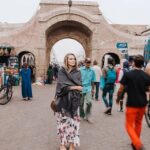
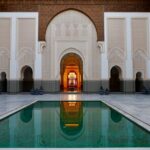
Day 2 is built for orientation and “wow” architecture. You’ll start with the Saadian Tombs (from the era of Sultan Ahmad al-Mansur, 1578–1603), then visit the Ben Youssef Medersa founded under Sultan Abou el Hassan. After that, you’ll see El Bahia Palace, a major 19th-century palace project featuring skilled Moroccan craftsmanship, and then end at the Koutoubia Mosque, the city’s biggest mosque and a major skyline landmark.
Two details you should notice. First, the order makes sense: tombs and medersa early help you understand Morocco’s layers, before you head into palace and landmark views. Second, a lot of Marrakech looks similar if you don’t have names and context, so this guided structure helps you get your bearings fast.
If you prefer unstructured wandering, keep some energy for the evening. Guided time is valuable here, but Marrakech’s best moments often happen after the official stuff ends.
You can also read our reviews of more tours and experiences in Marrakech.

Atlas Mountains to Ait Ben Haddou and Dades: the drive that turns into scenery
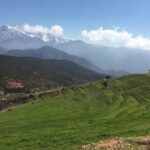
On Day 3 you begin early, then start climbing into the High Atlas. The route passes through Berber villages and reaches viewpoint areas near Tichka Pass. You’ll also go by Telouet and the historical Glaoui family kasbah area (Kasbah of El Glaoui). The point isn’t just the photo stop. It’s learning how powerful families and trade shaped the landscape.
Then comes Ait Ben Haddou, the famous 16th-century fortress. It’s a UNESCO-classified site and one of Morocco’s most recognizable “set-piece” towns. A strong way to enjoy it is to slow down. Look at the layered walls and how the town clings to the terrain. That helps the place make sense instead of feeling like scenery.
After Ait Ben Haddou, you continue toward Boumalne Dades, with lunch around Ouarzazate and a stop for Kasbah Taourirt sightseeing. The day ends in Boumalne Dades with dinner and an overnight stay.
The potential drawback: Day 3 can feel long, and the countryside changes fast. If you get car-sick, bring what works for you. Also, keep an eye on timing; the beauty is there, but it’s spread along a drive.
Todra Gorge hiking and Merzouga dunes: Day 4–5’s best moments
Day 4 is split into nature and desert.
You’ll head toward Todra Gorge (Todgha) with a morning start from Dades. You’ll pass through Dades Valley and palm groves areas, with a stop that includes Tineghir and its famous palm groves and Jewish quarter. Then you reach Todra Gorge and get free time to trek along the canyon, known for steep walls (about 300 meters high). The canyon walk time is included, but any admission ticket is listed as not included, so budget for small on-site costs if they apply.
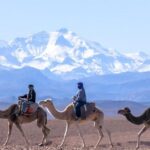
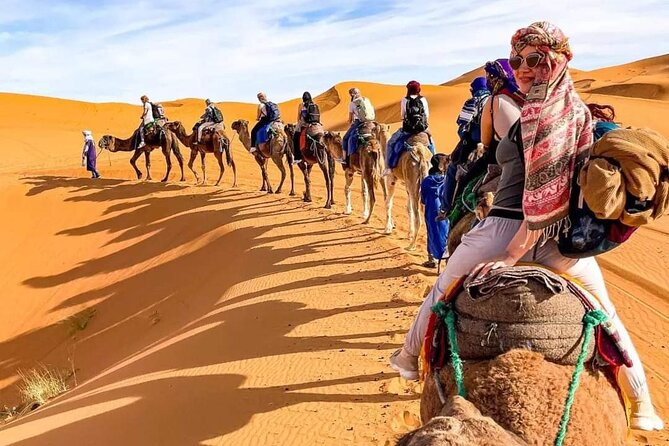
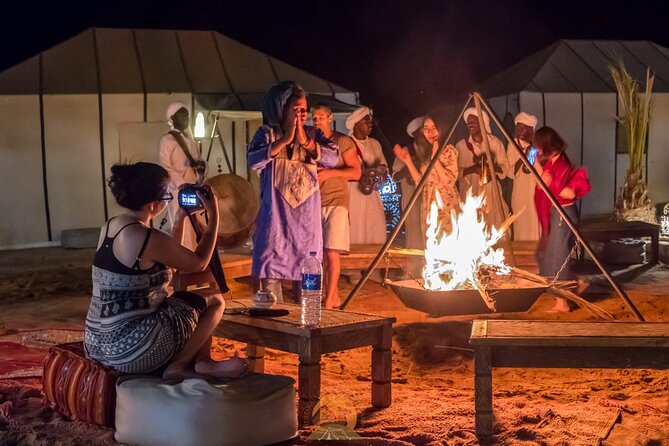
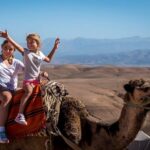
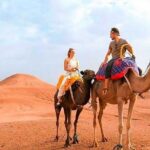
Next you continue to Merzouga and Erg Chebbi dunes. You’ll have time for lunch en route, then arrive for a camel ride for about 1 hour 30 minutes at sunset. After that, you sleep in a desert bivouac camp under nomadic tents or outside under the stars, with dinner and overnight in the desert camp. The experience description also mentions playing drums with camel drivers, which is a classic desert-culture moment when the group energy is right.
Day 5 is a morning bonus: a sunrise wake-up in the dunes, with photo time. Then you return by camel to the starting point to shower and move on to Fes.
This is the part you’ll remember. Two reasons. One, sunrise and sunset change the dunes from pretty to unreal. Two, sleeping outside (or under tents) gives you a sense of Morocco beyond cities. If you hate cold desert mornings, bring layers even in warmer months. Even when days feel mild, desert nights can surprise you.
The road to Fes: Ziz valley, cedar forest monkeys, and a big switch in vibe
After the desert night, Day 5 pushes you north. You’ll travel toward Fes, passing through the Ziz Valley, Errachidia, and Midelt, and then into the Cedar Forest where you’ll visit wild monkeys. After that, you continue through the Middle Atlas until you reach Fes in the evening.
That “switch” is useful. The desert is open, quiet, and visually simple. Fes is the opposite: dense streets, loud market energy, and buildings that stack history. Arriving in the evening means you get a full day to explore the next morning with better light.
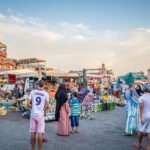
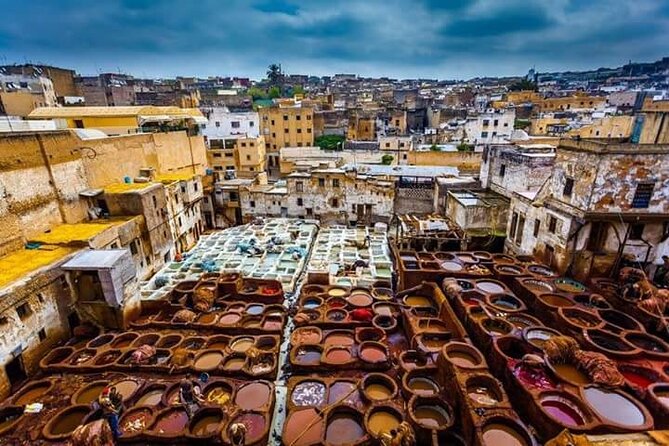
Day 6 is your guided Fes day. Fes is often described as the cultural and spiritual heart of Morocco, and the heart of it is Fes el Bali, the old city. You’ll explore the old medina, moving through twisting streets and souks, seeing specialty sections, and passing by historic khans, medersas, and dye pits. There’s also a strong street-life element, like donkeys piled high with goods.
Practical tip: this is one of the places where a guide changes everything. Without a guide, you can spend hours walking and still feel lost. With one, you learn what you’re actually looking at—why a street exists, which building mattered, and how the medina’s different zones function.
Chefchaouen’s Rif foothills and Asilah’s painted walls: Days 7–8
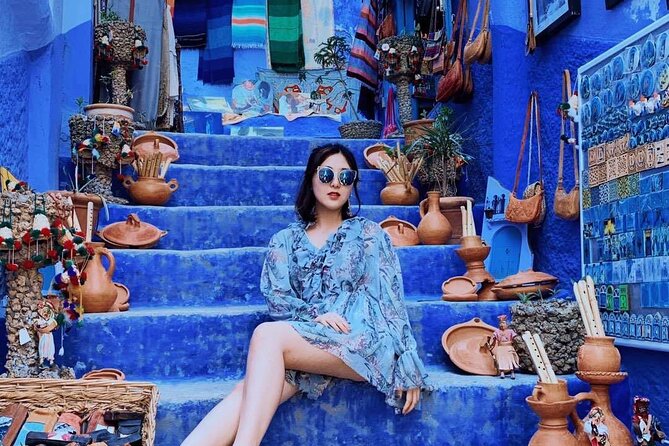
Day 7 takes you to Chefchaouen via the Rif Mountains. The drive includes scenic viewpoints described as the Magic Mountains before you reach the town at the foothills of the Rif. Chefchaouen is famous for its photo-friendly medina with a Spanish-style look, plus the overall “blue town” atmosphere.
The tour gives you time to enjoy both the town and medina. This is usually where you’ll want comfortable shoes. Chefchaouen’s streets can be steep and narrow, and you’ll walk more than you expect.
Day 8 moves you west to Asilah. You’ll drive through changing landscape, then arrive at a coastal town known for its annual art festival and painted medina walls. You’ll also visit Skalla fortress for views over the medina and the ocean, then check in for an overnight stay in standard accommodation.
What’s the value here? This is Morocco slowing down. Marrakech and Fes are intense. The Sahara is dramatic. Asilah adds coastal air and calmer strolling, which helps you avoid burnout near the end.
Rabat and Casablanca: the Atlantic-side change in pace, Days 9
Day 9 shifts you from inland to the Atlantic corridor. You go to Rabat first, where you’ll see Hassan Tower and the Oudaya Kasbah. Then you continue to Casablanca.
In Casablanca, the big highlight is the Mosque of Hassan II, built in 1993 by a large team of craftsmen (over 6,000). It sits right on the shore, so it’s instantly cinematic. The tour info also notes that this is one of Morocco’s mosques where foreigners are allowed to enter, which is important because mosque access rules can vary. You’ll have overnight accommodation in Casablanca.
Consideration: Casablanca can feel more modern and less medina-like than other stops. That’s not a flaw. It’s a change of texture before you head into Essaouira’s more relaxed coastal old town.
Essaouira’s UNESCO walls and fishing port life: Days 10–11
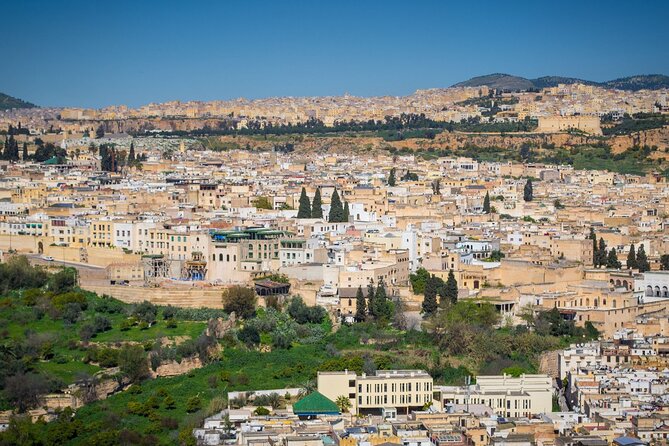
Day 10 takes you to Essaouira after breakfast, passing through El Jadida. El Jadida is described as a Portuguese-controlled port city and is a UNESCO World Heritage site. The tour then continues to Essaouira, also UNESCO-listed.
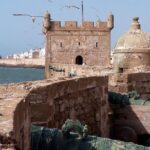
In Essaouira, the focus is a mix of sea, old walls, and old-town browsing. You’ll see the windswept fishing port, broad beaches, and the ancient walled medina with ramparts built into the cliffs. You can stroll the medina, walk the ramparts, or visit the port to see daily catch activity.
Day 11 is travel back toward Marrakech. You’ll depart Essaouira after breakfast and drive through argan oil cooperatives. The tour includes time to visit an argan oil cooperative before reaching Marrakech and checking into your hotel or riad.
This two-day coast stop is smart. Essaouira gives you an environment where you can breathe, walk slower, and still feel like you’re in a historic place. Then Day 11 gives you a cultural food-and-craft connection with the argan oil stop, which fits Morocco’s real-life economy better than souvenir shopping alone.
Marrakech again, then departure: Day 12 wrap-up
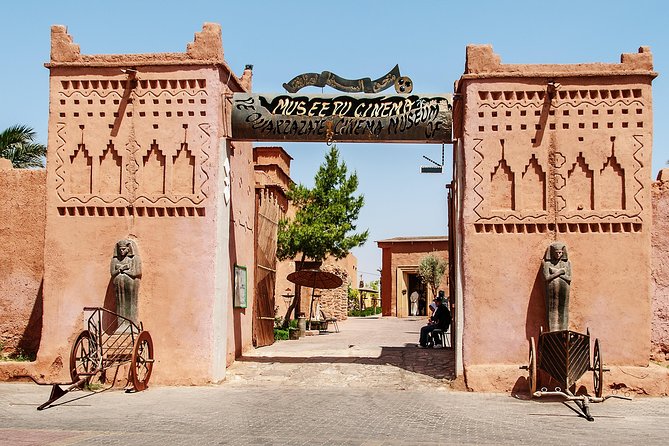
Day 12 is straightforward. You’ll have a transfer to Marrakech Airport up to your departure time, and your services end back at the meeting point.
This is where you’ll feel the shape of the trip. The itinerary ends near the start city, which reduces the stress of trying to get to an airport from far away. It also means your last hours are in a familiar place where you can grab water or a simple snack without guessing.
If you want to do one last thing in Marrakech, keep it low-pressure. By the end, you’ll likely be tired of big plans and ready for small, satisfying moments like tea and one last walk through the medina lanes.
Price and value: what $2,818.94 is buying you
At $2,818.94 per person, you’re paying for more than transport. You’re paying for an organized route that includes:
- 11 nights of accommodation
- Camel ride in the Sahara
- Local guide time in Marrakech and Fes
- 11 breakfasts and 2 dinners
- Airport transfer and in-route transfers across multiple regions
A big part of the value is risk reduction. Booking parts separately across Marrakech, Atlas areas, the desert, Fes, Chefchaouen, and coastal stops often turns into extra admin and extra cost. Here, the structure is done for you.
What’s not included matters too. Lunch and drinks aren’t included, and Todra’s admission ticket is not included. So your real daily budget depends on how you handle meals. In Morocco, eating cheaply can be easy, but it’s still your responsibility.
Best fit for this price: you want a high-impact itinerary without negotiating every booking step, and you’re okay with a tight schedule. If you prefer slower travel and more free days, the cost may feel steep because you’re paying for movement more than for time.
Also note group size. Max 8 people can be comfortable, and review signals suggest Tilila Travel runs professionally, with Mohamed responding quickly and drivers helping the route stay manageable. That kind of service quality is hard to replicate by self-planning.
Who this Morocco tour suits best
I’d point you toward this tour if:
- You want a full Morocco highlight loop in 12 days
- You care about getting context in Marrakech and Fes with local guidance
- You want the desert experience as a real overnight moment, not just a day trip
- You’re comfortable with long drives and early starts on key days
I’d rethink it if:
- You hate road time and prefer staying longer in one or two places
- You need lots of free, unstructured time each day
- You’re trying to keep costs ultra-low since lunch and drinks aren’t included
Should you book Tilila Travel’s Morocco 12-day tour?
I think it’s a smart booking if your goal is Morocco’s main highlights with fewer planning headaches. The route hits the right emotional beats: Marrakech orientation, Atlas fortress scenery, desert sunrise and sunset, Fes medina depth, Rif mountain charm, coastal calm, and then a smooth return to Marrakech.
Before you book, do one simple check: look at your tolerance for long driving days and whether you can handle early starts. If yes, this itinerary gives strong value. If no, you might enjoy a slower plan with fewer cities.
If you do book, pack for temperature swings (desert mornings), keep comfortable walking shoes for medinas, and plan to spend your main effort on the guided days in Marrakech and Fes. Those are the times you’ll benefit most from local explanation.
FAQ
How long is the Morocco tour from Marrakech?
The tour runs for about 12 days, with 11 nights of accommodation included.
What is included in the price?
Accommodation for 11 nights is included, along with a camel ride in the Sahara, local guide support in Marrakech and Fes, 11 breakfasts, and 2 dinners.
Does the itinerary include a camel ride in the Sahara?
Yes. You’ll take a camel ride for about 1 hour 30 minutes at sunset in the Erg Chebbi dunes area near Merzouga.
Are meals like lunch and drinks included?
No. Lunch and drinks are not included in the tour price.
Do I need to buy tickets for Todra Gorge?
The Todra stop lists admission ticket not included, so you should be ready for possible small on-site costs there.
How big is the group?
This tour has a maximum of 8 travelers, based on the tour information.