REVIEW · MARRAKECH
Merzouga 3-Days Desert Tour from Marrakech
Book on Viator →Operated by Desert Sans Frontieres · Bookable on Viator
That first taste of Sahara air hits fast. This 3-day run from Marrakech to Merzouga strings together Tizi-n-Tichka Pass views and UNESCO kasbahs, then finishes with Erg Chebbi dunes, sunset, and a desert camp night.
Two things I really like: you get proper road time through Morocco’s mountain and oasis belt, not just a quick dash to the desert, and you also get the classic desert rhythm with a camel ride, campfire dinner, and time for sunrise over the dunes (optional). The one caution: this is a long-distance tour with several driving segments, so if you hate being in a vehicle for much of the day, it may feel heavy.
In This Review
- Key Highlights You Shouldn’t Skip
- Marrakech to Atlas Mountains: The Ride Sets the Mood
- Ait Benhaddou: UNESCO Kasbah Time with Real Atmosphere
- Ouarzazate and Skoura Oasis: Film Studios and Palm-Green Breaks
- Dades Gorges and Boumalne du Dades Riads: Where the Night Feels Earned
- Tinghir and Todra Gorge to Erfoud: Oasis-to-Sahara Transition
- Merzouga Camel Trek on Erg Chebbi: Sunset, Then Desert Camp Night
- Optional Sunrise on Day 3: The Dunes After the Crowd
- Drive Back to Marrakech via Nkob and Agdz: Old Routes, New Views
- Price and Inclusions: Is $813.02 Worth It?
- The People Part: Drivers, Guides, and Desert Camp Staff
- Should You Book This Merzouga 3-Day Tour?
- FAQ
- What is the duration of the Marrakech to Merzouga desert tour?
- How much does the tour cost?
- Is pickup and drop-off included?
- What kind of transportation is used?
- Do we sleep in a desert camp during this tour?
- Is camel trekking included?
- Are meals included?
- Are entrance fees included for Ouarzazate attractions?
- Is sunrise included?
- What is the cancellation policy?
Key Highlights You Shouldn’t Skip
- Tizi-n-Tichka Pass to rural Berber villages for real Atlas scenery and long-time traditions
- Kasbah Ait Benhaddou (UNESCO) with time to actually look around, not just pose and go
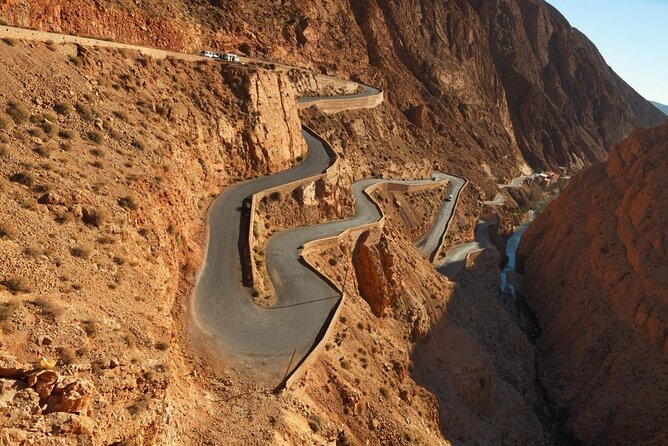
- Dades Gorges and the road of 1000 Kasbahs on the way toward Tinghir and Todra
- Erg Chebbi camel trek timed for sunset over the dunes
- Overnight in a Merzouga desert camp with traditional dinner around the fire
- Guides who are praised by name, including Omar, Yassir, Youssef, Mohamed, Abdou, and Ridouan
Marrakech to Atlas Mountains: The Ride Sets the Mood
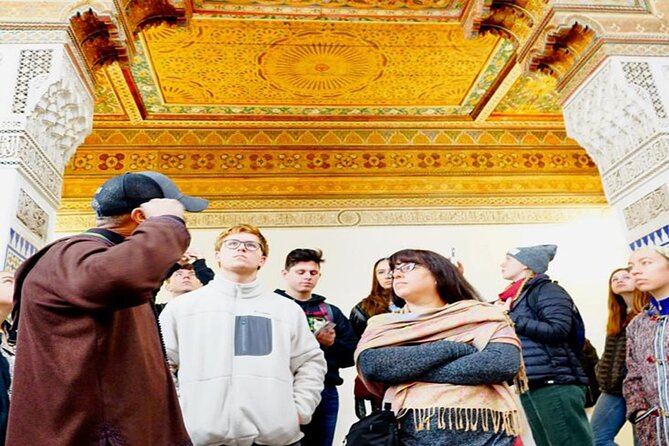
The best part of a desert tour is often what happens before you reach the sand. This one starts with hotel pickup in Marrakech, then heads toward the Atlas Mountains with a driver and local guidance that keeps the trip from feeling like a checklist.
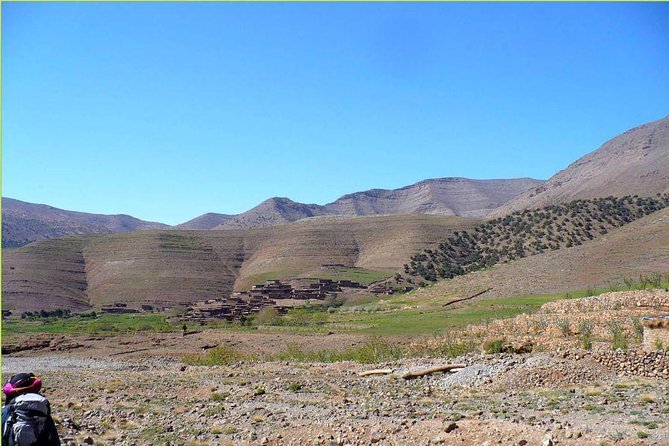
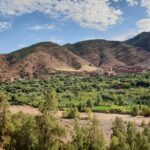
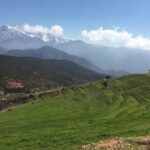
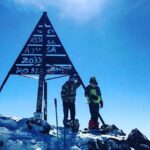
You’ll cross the Tizi-n-Tichka Pass, a route that funnels you out of city life and into hills where shepherd life still looks ancient. On the way, you pass rural Berber villages and see how daily work happens beside the road—people, animals, and landscape all in one frame. It’s a good reminder that the desert trip isn’t only about dunes. It’s about Morocco’s full geographic sweep, from mountains to oasis roads.
Practical note: the schedule stacks several stops on day 1, so you’ll get windows of sightseeing rather than all-day wandering. If you’re the type who likes slow travel, plan to enjoy the driving views and make peace with shorter breaks.
You can also read our reviews of more tours and experiences in Marrakech.
Ait Benhaddou: UNESCO Kasbah Time with Real Atmosphere
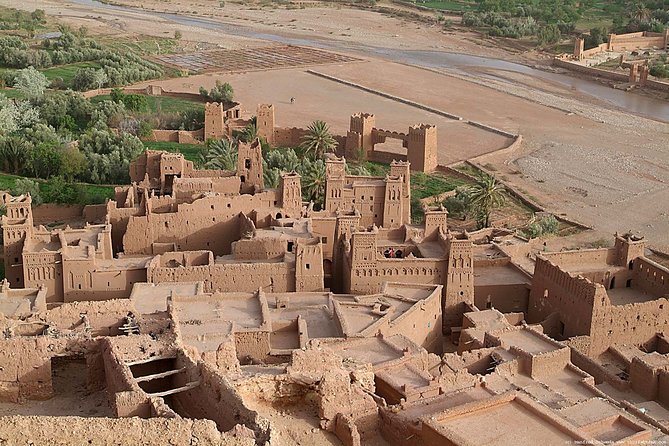
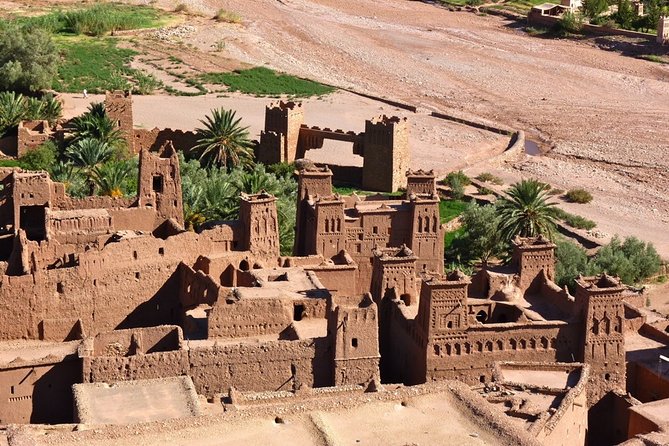
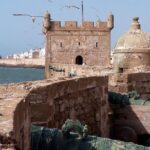
At Kasbah Ait Benhaddou, you get a real chunk of time—about 2 hours—to explore one of Morocco’s most famous fortified sites. The tour frames it as a UNESCO World Heritage stop, but what makes it worth your time is the human side: locals have gathered here for centuries to socialize and trade.
When you arrive, you’ll understand why this place shows up in movies and imagination. The kasbah walls and lanes feel like they were built to slow people down. You’re not just looking at old stone; you’re walking through an older way of living where the fortification matters because people used to move and store life inside walls.
Potential drawback: the timing is short, and Ait Benhaddou can be busy. If you want long photos without rushing, keep your pace steady and focus on a few viewpoints instead of trying to cover everything.
Ouarzazate and Skoura Oasis: Film Studios and Palm-Green Breaks
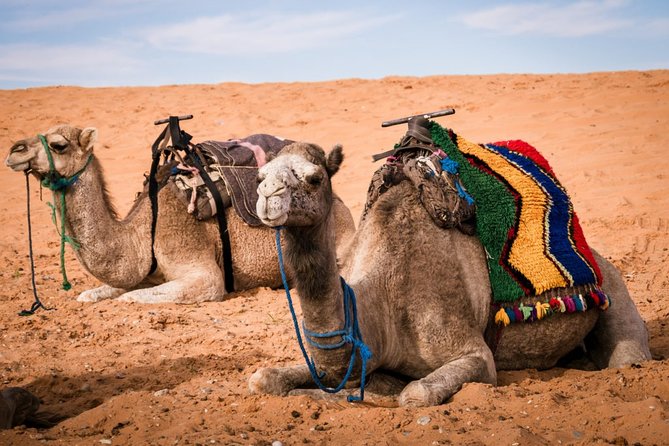
After Ait Benhaddou, the route heads toward Ouarzazate, with two major things on the plan.
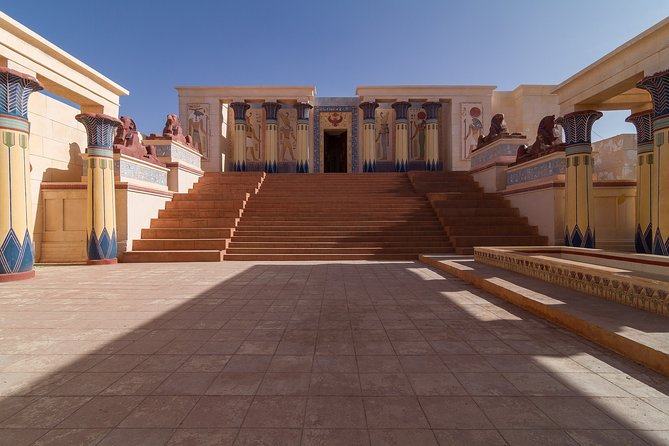
First, there’s the cinema studios and Taourirte Kasbah. If you’ve ever watched something filmed in Morocco, this is where the story production gets less abstract. Second, you go to the oasis in Skoura in the afternoon, which is a welcome shift from the heavier rock and fortified structures.
That mix is smart. Ouarzazate can feel like a stopover city, but the tour gives you context: it’s a filming hub, yes, but it’s also connected to oasis life through nearby green pockets. Even if you don’t visit every corner of the studios, the area helps you understand why directors love this region’s dramatic terrain.
Watch the cost detail here: entrance fees in Ouarzazate studio and kasbah are not included, listed as 9 euro per person. If you care about doing those interiors, budget for it ahead of time.
Dades Gorges and Boumalne du Dades Riads: Where the Night Feels Earned
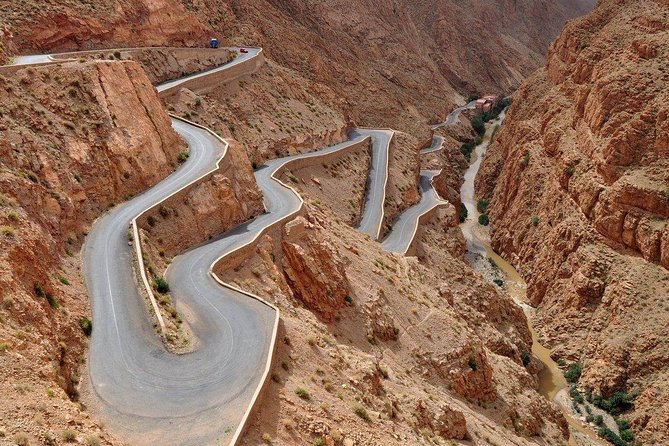
Day 1 ends in Boumalne du Dades, where you’ll stay in a riad and have dinner and accommodation waiting. The route includes Dades Gorges, following the Dades river through deep gorges and among traditional Berber villages.
This part of the itinerary matters because it transitions you from sightseeing stops into a lived-in mountain setting. Dades Gorges isn’t just scenic. It’s a corridor where villages cling to terrain, and it gives you an easy sense of how people built communities along natural routes.
Also, the overnight is a big part of value. You’re not rushing straight into the desert camp without easing into it. You get a proper night in Boumalne du Dades before the camel trek.
If there’s a drawback, it’s energy management. You’ll be on the move, and the day is packed with stops. So when you reach your riad, treat dinner as your reset button.
Tinghir and Todra Gorge to Erfoud: Oasis-to-Sahara Transition
Day 2 starts with breakfast, then continues with Dades Gorges exploration before heading along the road of 1000 Kasbahs toward Tinghir. That road name sounds like a promise, but the real payoff is the rhythm: kasbah shapes appear and disappear as you drive, giving you a sense of settlement patterns across valleys.
Then you hit Todra Gorge, with a stop described as discovering the gorge with locals via a Tourist Information & Experience Center. From there, you stroll through the oasis and to the rock canyon—Erg Chebbi is dramatic, but Todra gives you the “ Morocco stone walls” version of drama. It’s the kind of break that makes the day feel varied instead of repeating desert imagery too early.
You’ll also visit Erfoud before continuing to Merzouga. Erfoud functions as a transition point on the road toward Sahara dunes, and it helps you feel like the desert arrival is gradual, not sudden.
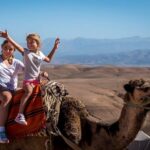
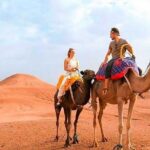
Merzouga Camel Trek on Erg Chebbi: Sunset, Then Desert Camp Night
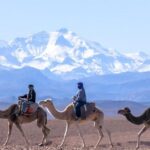
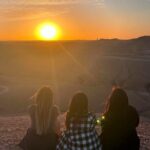
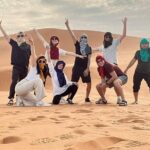
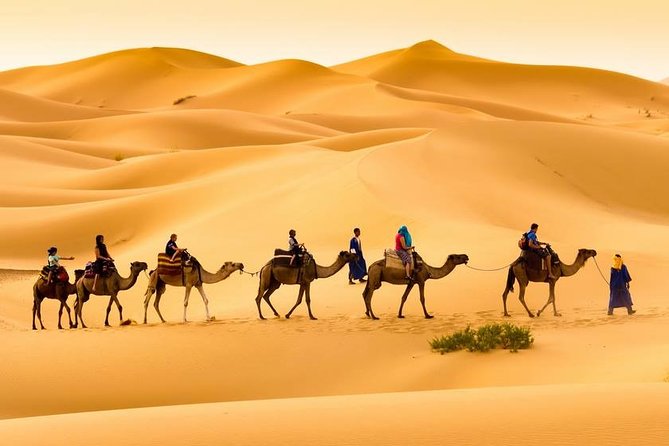
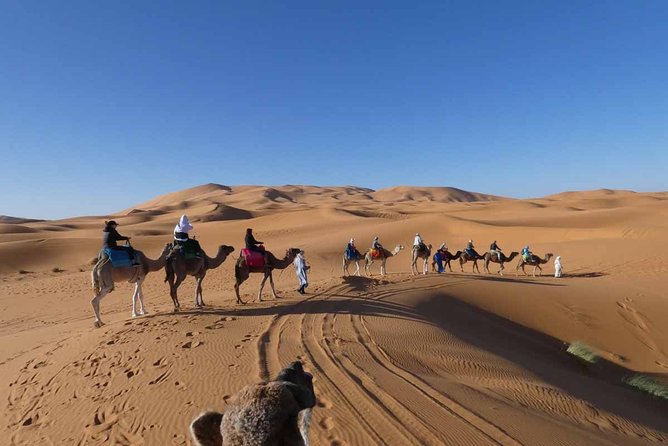
Now comes the main event: Erg Chebbi dunes, reached through Merzouga. You’ll enjoy a camel ride through the dunes and admire the sunset, then have a traditional dinner around the campfire before spending the night in camp.
This is where the tour earns its reputation, because the timing is the classic desert formula:
- Camel ride gets you onto the dunes when the light starts turning golden.
- Sunset becomes the headline view.
- Dinner around the fire keeps the night social and warm.
From the feedback you’ll find here, the camp team is often described as kind and welcoming. One guide (Youssef) is specifically associated with campers being very kind, which tells me the camp experience isn’t treated like an assembly line.
Possible consideration: a camel trek is not like a stroll. Plan for a slow pace and the physical reality of sitting on a saddle for a stretch of time. If you expect luxury comfort during the ride, you might be disappointed. If you want the full tradition, it’s part of the magic.
Optional Sunrise on Day 3: The Dunes After the Crowd
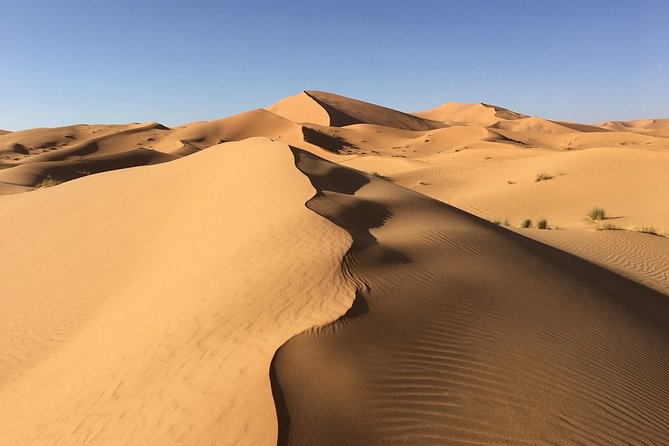
On day 3, you go back to the sand. After breakfast, you can enjoy sunrise among the sand dunes as an optional activity. Sunrise is also why people return to Merzouga after their first desert night—it changes the dunes from dramatic to almost quiet.
After that, you ride your camel back to Merzouga and meet your driver. This is a practical part of the plan: it ties the desert moment to real logistics so you’re not stranded waiting for hours. Then you start the return drive toward Marrakech.
Drive Back to Marrakech via Nkob and Agdz: Old Routes, New Views
The return journey follows a different approach: you travel via Nkob and Agdz, with a lunch stop in Ouarzazate, then continue through the High Atlas Mountains scenery. The tour notes the drive as a spectacular scenery route, which fits the idea that Morocco’s mountain roads are as photogenic as the desert itself—just in a different way.
This day can still feel long because it’s essentially one big transfer back to Marrakech. But the upside is that you don’t just go straight back the way you came. You get variety in the scenery and a fresh set of road views.
You’ll arrive back at your Marrakech accommodation, ending a trip that moves through four zones: Atlas mountains, fortified kasbah culture, gorge and oasis roads, then Saharan dunes.
Price and Inclusions: Is $813.02 Worth It?
The tour is priced at $813.02 per person. For a 3-day Marrakech-to-Merzouga itinerary that includes pickup/drop-off, private transfers in an air-conditioned vehicle, an overnight riad, a desert camp night, camel trek, and two dinners plus two breakfasts, you’re paying for more than transportation. You’re paying for the entire stitch between regions.
Here’s where value shows up in practical terms:
- Overnight arrangements are included (riad + desert camp), so you’re not hunting lodging last minute.
- Meals are included for key parts: dinner (2) and breakfast (2). That matters on road trips because lunch is often the messy part.
- Local desert guidance is included, which is the part you most want to get right for safety and tradition.
- Private group setup means it’s only your group, not a mixed crowd situation.
What’s not included matters too:
- Lunches and tips/personal expenses are not included.
- Ouarzazate studio and kasbah entrance fees are not included, listed at 9 euro per person.
If you’re the type who prefers spending money once on a well-built package, this looks like a fair match. If you’re trying to keep costs ultra-low by skipping paid entries and bringing your own food, you’ll still need to plan around lunches and any extras you choose in Ouarzazate.
Also, the tour offers free cancellation up to 24 hours before the start time for a full refund. That reduces risk if your schedule is uncertain.
The People Part: Drivers, Guides, and Desert Camp Staff
In Morocco, the quality of the human connection can make or break the trip. And here, guide names come up again and again in the feedback you have access to.
You’ll see Omar praised as a best-in-class driver who acted as guide and friend. You’ll also see Yassir mentioned with praise for making the desert feel like a real story. Youssef is described as attentive and knowledgeable, with camp staff also praised for kindness. Mohamed gets credit for being professional and efficient. Abdou is mentioned as an excellent guide with strong local knowledge and good driving. Ridouan appears as a standout driver and cultural explainer.
Then there’s Ahmed Anamas, who shows up as part of the company leadership in multiple messages. Even when the exact role differs from trip to trip, the recurring name suggests consistent service oversight.
What I take from this: you’re not just buying a vehicle. You’re buying someone to steer the day, explain what you’re seeing, and help you get the best timing for sunrise and sunset.
Should You Book This Merzouga 3-Day Tour?
I’d book it if you want the classic Morocco arc: Atlas passes, kasbah culture at Ait Benhaddou, gorge and oasis roads, then Erg Chebbi dunes with a camel trek and desert camp night. The fact that it includes both an earlier riad night and the desert overnight makes it feel paced instead of rushed.
I might skip or consider alternatives if:
- You’re sensitive to long driving days.
- You don’t like camel riding as an activity.
- You strongly prefer lots of free time at stops instead of a structured schedule.
One more practical reason to say yes: the trip is private for your group and starts with hotel pickup, so you don’t lose time figuring out logistics. If you’re flexible on lunch and any Ouarzazate entrances (budget that 9 euro per person if you want them), the rest is handled.
If you want a Sahara experience that feels properly connected to Morocco’s mountains and kasbah culture, this one hits the right beats.
FAQ
What is the duration of the Marrakech to Merzouga desert tour?
The tour runs for 3 days (approximately).
How much does the tour cost?
The listed price is $813.02 per person.
Is pickup and drop-off included?
Yes. Hotel transfers (pickup and drop-off) are included.
What kind of transportation is used?
You’ll have private transfers in an air-conditioned vehicle.
Do we sleep in a desert camp during this tour?
Yes. It includes an overnight in a desert camp in the Merzouga area.
Is camel trekking included?
Yes. The tour includes a camel trek in the Sahara.
Are meals included?
Yes. Dinner (2) and breakfast (2) are included. Lunches are not included.
Are entrance fees included for Ouarzazate attractions?
No. Entrance fees in the Ouarzazate studio and kasbah are not included and are listed as 9 euro per person.
Is sunrise included?
Sunrise over the dunes is optional on the last day.
What is the cancellation policy?
You can cancel up to 24 hours in advance for a full refund. If you cancel less than 24 hours before the start time, the amount paid is not refunded.