Marrakech makes sense on foot. This half-day walking tour ties together the big icons with calmer, lesser-seen corners, so you get a feel for the city’s 11th-century roots without getting lost in the medina maze. I especially like the contrast between the Koutoubia skyline landmark (free entry) and the quiet, designed spaces of Le Jardin Secret and Dar El Bacha, which slow the pace down in the best way. One thing to plan for: admission tickets for Dar El Bacha and Le Jardin Secret are not included, so you’ll want a bit of extra cash or card ready.
You’ll start at the Musée du Patrimoine Immatériel near Jamaâ El-Fna around 10:00 am, and the tour is kept small, with a maximum of 10 people. You’ll get a mobile ticket, and the experience ends right back where you started, which is handy if you want to keep exploring on your own afterward.
This is a smart choice if you’re in Marrakech for a short time or you want an easy way to get your bearings fast, especially with a guide like Ahmed Amine who’s known for clear English and a patient pace.
In This Review
- Key things to know before you go
- First stop: Koutoubia and the skyline you can’t miss
- Dar El Bacha: a palace stop that changes the mood
- Le Jardin Secret: where the city slows down
- Old market stroll and Jemaa el-Fna: the real Marrakech lesson
- How Ahmed Amine’s guiding style affects your experience
- Timing and logistics: a half day that fits real schedules
- Price value: what $46.48 really buys you
- Who this tour is for (and who might skip it)
- Should you book Marrakech’s Hidden sightseeing?
- FAQ
- How long is the Marrakech walking tour?
- Where does the tour start, and what time?
- Is Koutoubia admission included?
- Are tickets included for Dar El Bacha and Le Jardin Secret?
- How big is the group?
- What ticket format do I receive?
- What is the cancellation policy?
Key things to know before you go
- Small group size (max 10) keeps the walk manageable and questions easier to answer
- Free stop at Koutoubia saves money and gives you a major landmark right up front
- Two paid-entry sights (Dar El Bacha and Le Jardin Secret) shape how you budget your afternoon
- A palace museum plus an Islamic garden gives you two different ways to understand Marrakech design
- Jemaa el-Fna and the old market add real street energy, not just monuments
First stop: Koutoubia and the skyline you can’t miss
Koutoubia is the kind of landmark that helps your brain map Marrakech. Built in the 12th century and treated as one of the best-known mosques in the Islamic world, it’s a stop that does two jobs at once: it looks incredible from the outside, and it gives you a quick lesson in what you’re seeing as you walk.
I like that this tour starts here, because the view acts like a reset button. You’re fresh, the streets feel simpler, and you can orient yourself before you step into tighter, more winding areas. It’s also a money win: Koutoubia’s admission ticket is listed as free for this stop, so you’re not spending right away before you even get into the medina rhythm.
A practical note: even though the admission is free, you’ll still want to dress respectfully. A light layer for sun or evening breeze is smart too, since the square and surrounding areas can shift in temperature through the day.
You can also read our reviews of more tours and experiences in Marrakech.



Dar El Bacha: a palace stop that changes the mood
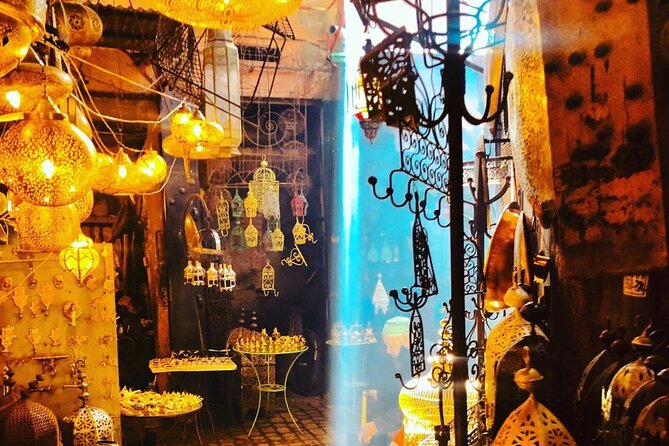
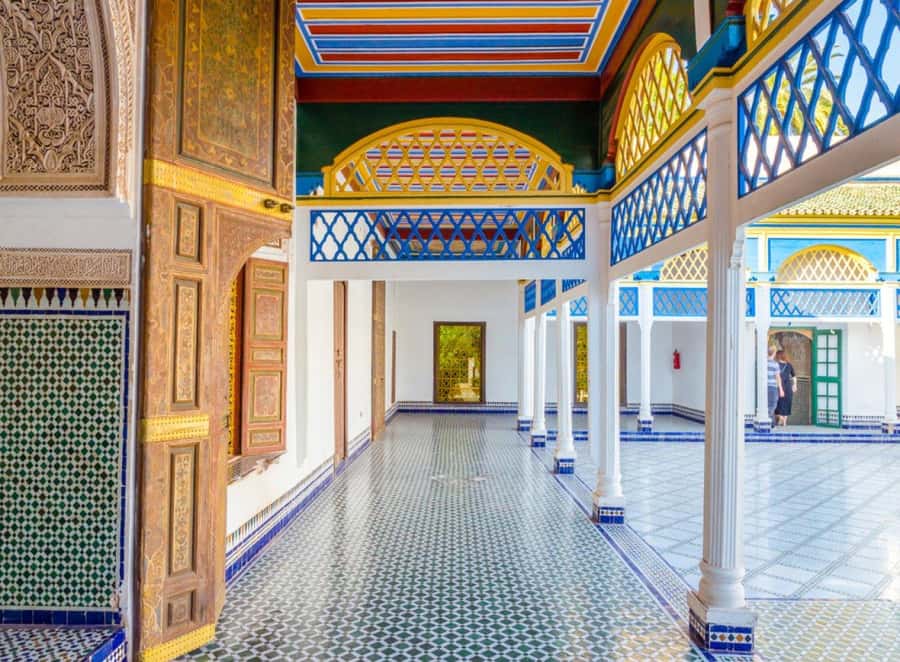
After Koutoubia, the tour moves to Dar El Bacha (listed as Musée des Confluences). This is where the experience starts to feel less like sightseeing and more like stepping into how Marrakech rooms and courtyards are meant to work.
This stop is about an hour, and the big detail for you is that admission is not included. That means the value here isn’t only the building itself, it’s the way the guide helps you read it: a palace setting gives you context for the city’s taste, craft, and social life. It also gives you a break from street pace. Even if you’re not there for museum time, it helps balance the day so you don’t just march from one photo spot to another.
Potential drawback: because tickets aren’t included, it can add a small planning step. You’ll want to arrive ready to pay entry on the spot, and keep your schedule flexible in case lines or security checks take longer than you expect.
Le Jardin Secret: where the city slows down
Le Jardin Secret is listed as a botanic and Islamic garden in one place, and that combination matters. A lot of gardens are just pretty. This one is designed to teach you something about how Islamic garden planning uses water, shade, and geometry to create calm in a busy city.
This stop is around an hour, and like Dar El Bacha, admission is not included. But if you’re trying to understand Marrakech beyond the obvious highlights, this is the kind of place that makes the whole tour feel worth it. It adds a sensory layer: greenery, courtyard quiet, and a sense of careful layout that’s hard to get just by walking past buildings.
I also appreciate the pacing here. The tour’s reviews point to guides who don’t rush you, and Le Jardin Secret is exactly the type of stop where you benefit from slow attention. If you tend to skim, this is the moment where you’ll likely wish you had extra time.
What to keep in mind: as a garden, it can feel warm or humid depending on the season and time of day. Bring water and wear shoes you trust.
Old market stroll and Jemaa el-Fna: the real Marrakech lesson
Between the major sites, you’ll get a stroll through the old marketplace and then time at Jemaa el-Fna, one of Morocco’s most famous squares. This is where the tour stops being about buildings and starts being about people, trade, sound, and everyday movement.
I like this part because it helps you avoid a common mistake: seeing Marrakech as only walls and monuments. The old market streets give you a sense of how the city runs, and Jemaa el-Fna gives you the dramatic energy that made the square famous in the first place.
One practical consideration: Jemaa el-Fna is lively and can get crowded. The benefit of a guide is that you’re not wandering alone trying to figure out what’s going on. You can also ask questions about what you’re seeing as you pass it, from craft work to everyday goods.
Tip for enjoying this section: pick your targets. If you try to do everything in the square at once, it can blur together. Use the tour time to learn how to spot good craft stalls and how the market areas connect, then come back later on your own with a clearer plan.
How Ahmed Amine’s guiding style affects your experience

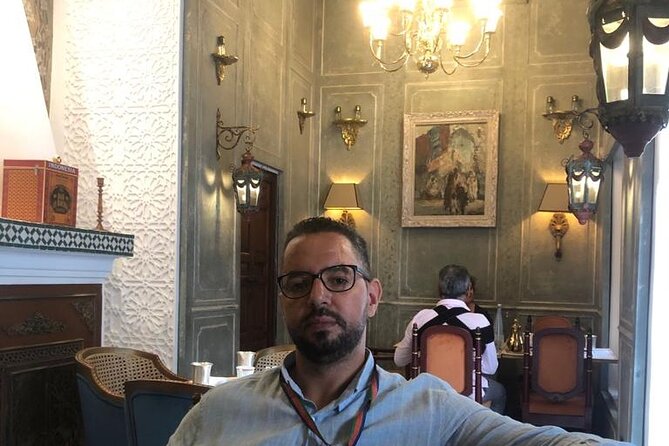
This experience is led by Ahmed Amine. What stands out in the way people describe him is consistent: patient pacing, clear explanations in English, and a habit of giving you time to stop for small moments like admiring local beauty or pausing at stalls.
That sounds like a small thing until you’re on a walking route in an intense city. Marrakech can move fast, and not every guide adjusts for that. Here, the small-group size (maximum 10) combines with the guide style to keep the day comfortable. You’re not sprinting between stops, and you can actually absorb what you’re looking at.
There’s also a big advantage to his approach for first-timers: you get both the well-known anchor sites and the kind of in-between details that help you understand where you are. That makes a big difference when you later return on your own. You’ll likely recognize streets and transitions better, instead of feeling like you need to start over each time you step outside your hotel.


Timing and logistics: a half day that fits real schedules
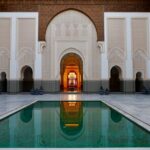
The tour runs about 3 to 4 hours, starting at 10:00 am. That duration is ideal for a half-day window, especially if you want an early start and still have time for dinner plans or a second activity later.
It also loops back to the meeting point, so you’re not stuck with a long walk back afterward. The start location is listed as the Musée du Patrimoine Immatériel Jaama El Fna area near Jamaâ El-Fna (address shown in the booking details). Because it’s near public transportation, you’re not forced into a complicated transit plan.
Two practical tips from how this kind of route usually plays out:
- Wear comfortable walking shoes with good grip. Medina streets can be uneven.
- Bring a little cash for paid entries at Dar El Bacha and Le Jardin Secret since those are not included.
Price value: what $46.48 really buys you
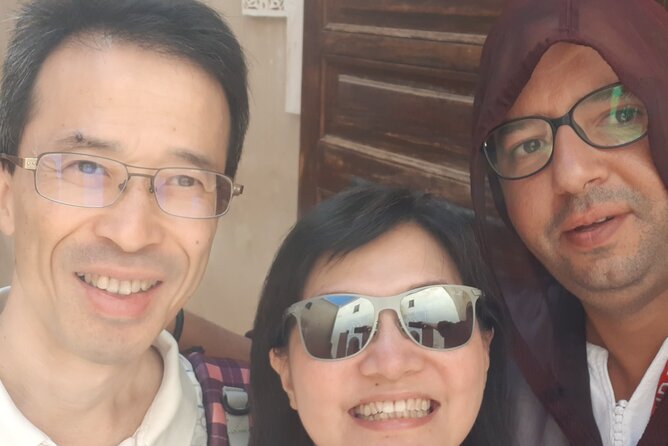
The price is listed at $46.48 per person. On its own, that’s not just paying for walking. You’re paying for:
- access support and timing around major sites (including free Koutoubia)
- a guided flow that connects palace + garden + landmark + square
- a small group experience capped at 10 people
- on-the-ground interpretation so you understand what you’re seeing while you walk
The main value trade-off is tickets. Dar El Bacha and Le Jardin Secret both show admission as not included, so the true total cost of the afternoon depends on those entries. If you’re the type who likes structured access and explanation, you’re getting your money’s worth in the way the stops fit together.
If you’re cost-minimizing and you already plan to visit the palace and garden on your own anyway, you might compare ticket prices and decide whether a guided flow is worth the difference. But if you want a clean first orientation to central Marrakech, this tour is priced like a guide-led, high-efficiency route rather than a single-sight visit.
Who this tour is for (and who might skip it)
This is a great fit if:
- you want a starter route for first-timers
- you like pairing big landmarks with calmer spaces
- you prefer guided context over wandering without a plan
- you want a manageable walk with a maximum of 10 people
You might consider skipping or swapping if:
- you strongly dislike walking (this is a walking tour)
- you prefer fully self-guided sightseeing where you control every timing detail
- you’d rather spend the afternoon at one site only, instead of splitting time between palace, garden, and square
The tour is listed as “most people can participate,” which suggests it’s broadly doable, but your comfort level with city walking is still the deciding factor.
Should you book Marrakech’s Hidden sightseeing?
I’d book it if you’re aiming for a half-day that gives you structure, context, and a taste of several central Marrakech highlights without committing to a full-day plan. Starting at Koutoubia for free, then shifting into Dar El Bacha and Le Jardin Secret (even with paid admission), and finishing with the old market and Jemaa el-Fna square is a smart mix. You get both the city’s iconic face and the day-to-day pulse.
If you hate paying extra entry fees, you may feel it’s a bit “metered.” But if you’re okay with budgeting for two paid stops, the route is efficient and the guiding style seems designed to keep the pace comfortable. With Ahmed Amine at the helm and a small group size, it’s the kind of afternoon that helps your next walk around Marrakech feel easier.
FAQ
How long is the Marrakech walking tour?
It runs about 3 to 4 hours.
Where does the tour start, and what time?
The tour starts at the Musée du Patrimoine Immatériel Jaama El Fna area near Jamaâ El-Fna, and the start time is 10:00 am.
Is Koutoubia admission included?
Yes. The itinerary lists Koutoubia with free admission ticket.
Are tickets included for Dar El Bacha and Le Jardin Secret?
No. Both Dar El Bacha (Musée des Confluences) and Le Jardin Secret list admission as not included.
How big is the group?
The maximum group size is 10 travelers.
What ticket format do I receive?
You receive a mobile ticket.
What is the cancellation policy?
Cancellation is free if you cancel up to 24 hours in advance for a full refund. If you cancel less than 24 hours before the start time, it isn’t refunded.