REVIEW · MARRAKECH
Marrakech to Merzouga Desert Tour 3 Days
Book on Viator →Operated by Morocco Tour Marrakech · Bookable on Viator
Three days to reach the Sahara. This route mixes Ait Ben Haddou with big desert moments, and I love that the plan ends with sleeping under the stars after a camel ride into Erg Chebbi dunes. You also get real comfort stops along the way, not just nonstop driving.
My main caution is pace: it’s a packed schedule, and you’ll still need to handle lunch on your own most days. Still, if you want a guided, logistics-friendly push into the Sahara without paying for a private tour, it’s a strong option.
You’ll travel in an air-conditioned minibus, with an overnight stay in a private room at a guesthouse before the desert camp night. Group size is capped at 17, which usually means you feel like a small circle rather than a cattle line.
In This Review
- Key highlights to know before you go
- Why the Marrakech to Merzouga route feels like two trips at once
- Value for $139.59: what you pay for (and what you don’t)
- Day 1: Ait Ben Haddou, Ouarzazate, and a night with an en-suite room in Dades
- Ait Ben Haddou: guided kasbah time, plus lunch in the walls
- Ouarzazate: the movie-set stop with a quick breather
- Dades Valley / Dadès Gorges: café stop, then dinner and sleep
- Day 2: Todra Gorge to Merzouga, Erg Chebbi camels, and one unforgettable camp night
- Todra Gorge: short, scenic, and timed to keep you moving
- Merzouga + Erg Chebbi: camel ride across the dunes to the Berber camp
- The desert rhythm: plan for cold and slow moments
- Day 3: Camel back, Rissani and the Draa Valley, then return around 8 p.m.
- Lunch timing: you’re on your own
- What makes this return leg worthwhile
- Comfort, food, and the small details that matter
- Transport: air-conditioned, group-based, and early starts
- Sleeping: private room in Dades, then a camp night
- Meals: 2 breakfasts and 2 dinners included
- Group size and pace: how max 17 changes the vibe
- Tips to make this Marrakech-to-Merzouga trip feel smooth
- Who this tour suits best
- Should you book the Marrakech to Merzouga 3-day tour?
- FAQ
- How long is the Marrakech to Merzouga desert tour?
- What time does the tour start in Marrakech?
- Is pickup from a hotel included?
- Is lunch included during the tour?
- Where do we sleep on this tour?
- Is a camel ride included?
- What is the maximum group size?
- Are meals included?
- What if the weather is bad?
Key highlights to know before you go
- Max 17-person group keeps the vibe more relaxed than typical large tours
- Ait Ben Haddou and Ouarzazate give you film-set Morocco and UNESCO-style scenery
- Todra Gorge and Dades Valley break up the drive with dramatic rock views and valley stops
- Merzouga and Erg Chebbi are the payoff, with camel riding over the dunes
- Berber desert camp night includes dinner and breakfast, so you’re not scrambling
- 2 dinners + 2 breakfasts included helps you budget and keeps the day moving
Why the Marrakech to Merzouga route feels like two trips at once
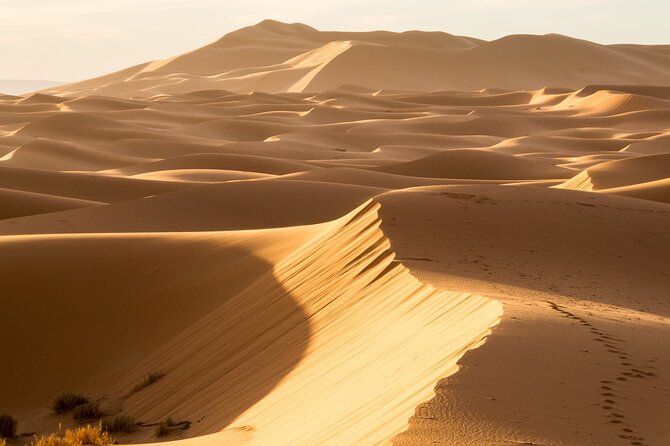
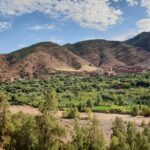
One reason this tour works is the geography does half the storytelling for you. You start in Marrakech, then climb and cross the Atlas Mountain range into eastern Morocco. By the time you reach the Dades Valley and Todra Gorge, the scenery shifts from towns and roads to something more rugged and quiet. Then, on day two, Merzouga hits you with the real desert scale.
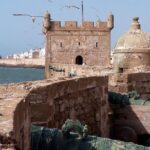
The Ait Ben Haddou stop is an early win. You’re not just driving past it—you get a guided tour inside the kasbah area, with lunch planned afterward in the kasbah after the tour wraps. The place is made for walking slowly, looking up at texture and walls, and letting your brain connect it to desert trade routes and old caravan life. Even if you’ve seen photos, it lands differently in person because the colors and angles change as you move.
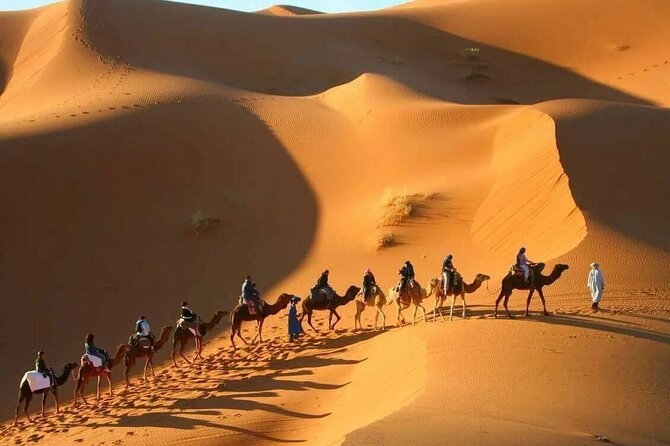
Then comes the other half: Erg Chebbi dunes near Merzouga. You ride camels across desert sand to reach a Berber camp for the night. That combination—guided cultural stops plus a real desert overnight—makes the cost feel more justified. You’re paying for time, transport, and the one thing people often overbook or under-plan: the desert logistics.
A few more Marrakech tours and experiences worth a look
Value for $139.59: what you pay for (and what you don’t)
At $139.59 per person, the big value is what’s bundled. You get round-trip transport from Marrakech in an air-conditioned vehicle, plus both an overnight in a private room/guesthouse and a night in the desert camp. You also get a camel ride and meals: 2 breakfasts and 2 dinners are included.
If you’ve priced similar desert travel separately, lodging + transport + a guided desert component tends to be where costs climb fast. Here, meals are partly handled for you, which matters on a tight schedule. It reduces decision fatigue—no hunting for something open, no guessing whether food will be easy to find on time.
What you should expect to pay for separately: lunch. Lunch isn’t included, and that means you’ll want a small buffer for cafés along the way. The other practical tradeoff is time. This is a group tour, so you’re not choosing your own timing. You’re choosing convenience.
Day 1: Ait Ben Haddou, Ouarzazate, and a night with an en-suite room in Dades
Day one starts early. Pickup is set for around 7:15 a.m. from your Marrakech hotel, and the tour is designed to get you out of the city before the day heats up. After you meet up and head to the departure point, the drive takes you over the Atlas Mountain range.
Ait Ben Haddou: guided kasbah time, plus lunch in the walls
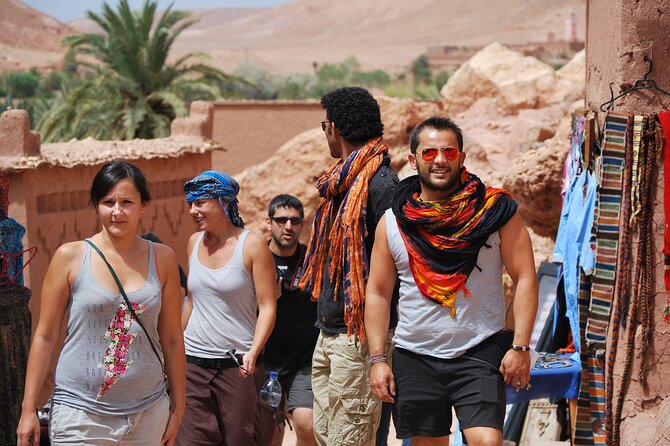
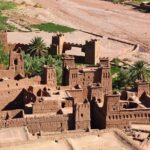
You’ll descend into the kasbah at Ait Ben Haddou, where there are multiple kasbah structures within the walled city. The format is simple and effective: guided tour first, then lunch inside the kasbah area afterward. The value here isn’t just the sight—it’s the way your guide helps you read what you’re seeing. You’ll likely notice that kasbah life is built around walls, courtyards, and the way buildings handle wind and weather.
One practical note: you’ll spend time walking. Wear shoes that can handle uneven stone and occasional steps. If you prefer photos over long walks, you can still take in the highlights, but the place rewards slow movement.
Ouarzazate: the movie-set stop with a quick breather
Next is Ouarzazate, often called the Gateway to the Desert. This is a shorter stop (about an hour) geared toward scenery and film-film nostalgia—The Mummy and Lawrence of Arabia are referenced as examples of what’s been filmed here. It’s a good pause in the day because you’ll get a chance to stretch, grab a drink, and reset your eyes after time in the kasbah.
Because the stop is short, don’t plan on deep museum-style exploration unless you’ve done that kind of thing in Ouarzazate already.
Dades Valley / Dadès Gorges: café stop, then dinner and sleep
In the “gateway to the desert” portion of the route, you’ll reach Dades Gorges. There’s time for a café stop before heading into the valley. The overnight is a private guesthouse in Dades with an en-suite bathroom, and dinner is included as a Moroccan evening meal.
This is a key comfort moment. If you’re traveling with limited sleep tolerance, the en-suite private room is a big deal because day two involves longer desert-centered timing. You’ll want that shower and downtime before the dunes.
Day 2: Todra Gorge to Merzouga, Erg Chebbi camels, and one unforgettable camp night
Day two begins with breakfast at the guesthouse, and then the tour heads toward Todra Gorge. This part of Morocco has a “how is this real?” effect. The gorge scenery is described as jaw-dropping, and it’s easy to see why it’s a stop people remember. Tall rock walls and a narrow feeling of space make the drive-to-desert shift feel dramatic.
Todra Gorge: short, scenic, and timed to keep you moving
You’ll have the chance to enjoy the gorge scenery after breakfast and before lunch. Lunch happens along the way, and then you continue on to Merzouga. What matters most here is timing: you’re not stuck. The gorge stop fits the tour style—scenery, photos, then onward.
If you’re the type who likes a long walk into a gorge, this day might feel quick. But if you prefer “see the star, then move to the next star,” it’s a good balance.
Merzouga + Erg Chebbi: camel ride across the dunes to the Berber camp
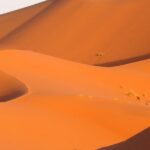
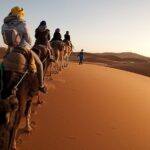
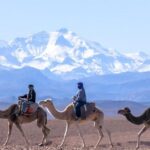
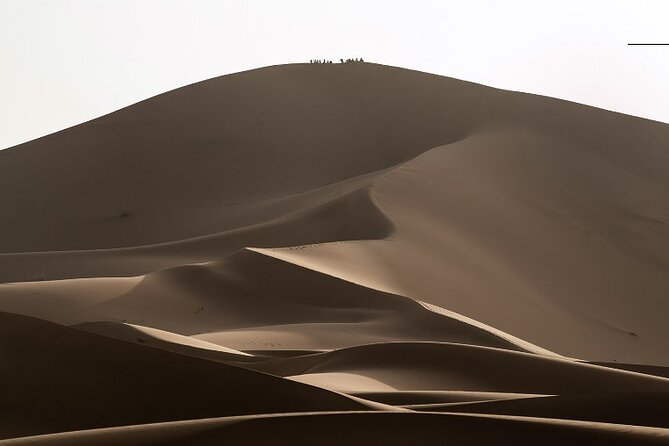
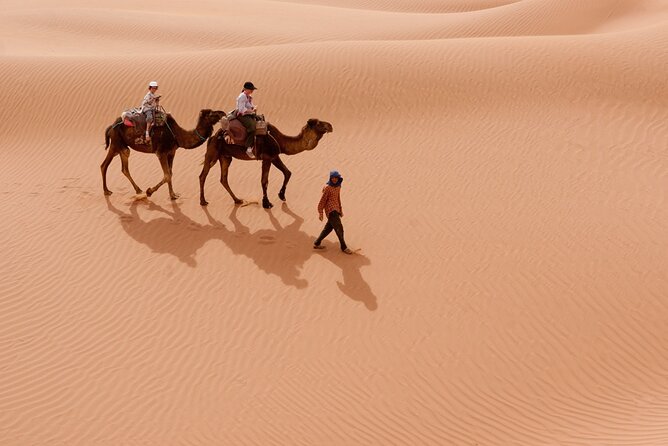
Once you reach Merzouga, the experience shifts gears. You board camels and ride over the dunes of Erg Chebbi until you reach a Berber desert camp. The dunes are the headline here, and the camel ride is the cultural and sensory link between Morocco’s towns and this open desert world.
The camp is where the tour earns its highlight reputation. You’ll have an evening meal and breakfast in the morning before your final day’s return journey. This is also where you should set expectations: it’s not a hotel. The camp experience is about stars, night sky, sand, and shared desert atmosphere.
One extra note from the kind of vibe people report: you may see options for sand fun like jeep rides through the dunes, depending on what’s organized in your specific group and timing. If that matters to you, ask your guide what’s possible after arrival, so you can plan without stress.
The desert rhythm: plan for cold and slow moments
Even when days are warm, nights in the desert can feel chilly. Bring layers you can actually move in. If you get cold easily, pack like it’s a mountain night, not like a beach evening.
And give yourself permission to do less. The best desert moments often aren’t an activity—they’re the quiet time when your eyes adjust and the stars start to take over.
Day 3: Camel back, Rissani and the Draa Valley, then return around 8 p.m.
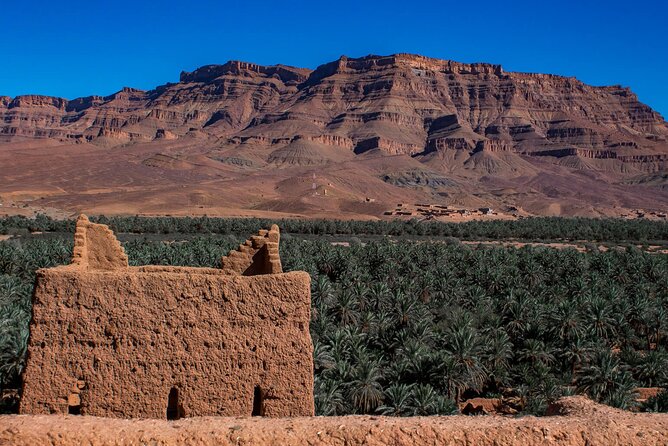
Day three is the “get your bearings” day. You’ll ride back on camels from the camp area to Merzouga, then you continue by vehicle through the Draa Valley.
Rissani is one of the stops mentioned, and it’s framed around Moroccan architecture—palaces, gateways, and temples that are worth photographing. After that you pass through Nqob and Tamnougalt, and then head back toward Ouarzazate once more.
Then it’s the Atlas Mountains drive back to Marrakech. Arrival is expected around 8:00 p.m., so this is a full day, not a quick morning return.
Lunch timing: you’re on your own
Lunch can be taken at cafés during the travel day. Because lunch isn’t included, you’ll want to keep some cash or a ready payment method and be flexible. The upside is you get to stop when it makes sense for the group.
What makes this return leg worthwhile
This part isn’t just “travel day.” The Draa Valley route keeps you moving through a different band of eastern Morocco. Even if you’re tired, it helps to treat the return as a slow unwind: fewer new big stops to learn, more scenery to absorb.
Comfort, food, and the small details that matter
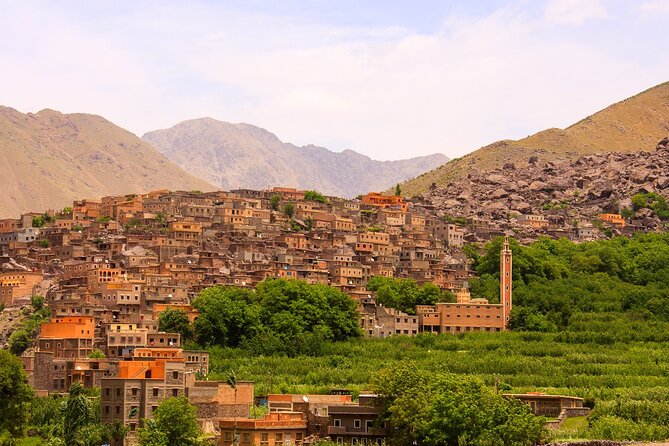
This tour takes care of several comfort and logistics basics so you can focus on the sights.
Transport: air-conditioned, group-based, and early starts
You travel in a modern air-conditioned minibus. That’s a real quality-of-life upgrade on long roads, especially when you’re leaving Marrakech early and driving through changing terrain. The downside is typical group pacing: you’ll follow the schedule, not your own rhythm.
Sleeping: private room in Dades, then a camp night
Included lodging is two-part: one night in a private room at the guesthouse (with an en-suite bathroom in Dades) and one night in the desert camp. This setup is practical. You get a comfortable baseline night first, then you shift to desert mode for the big sky experience.
Meals: 2 breakfasts and 2 dinners included
Dinners (2) and breakfasts (2) are included, and lunch is not. That means you’ll likely eat early and eat as planned. In practical terms, you’ll lose less time and spend less on meals overall.
For the desert evening, dinner at the camp is part of why the night feels like a real event rather than just a place to sleep. And for the Dades night, the Moroccan evening dinner is where you can ease into the next day without scrambling for food.
Group size and pace: how max 17 changes the vibe
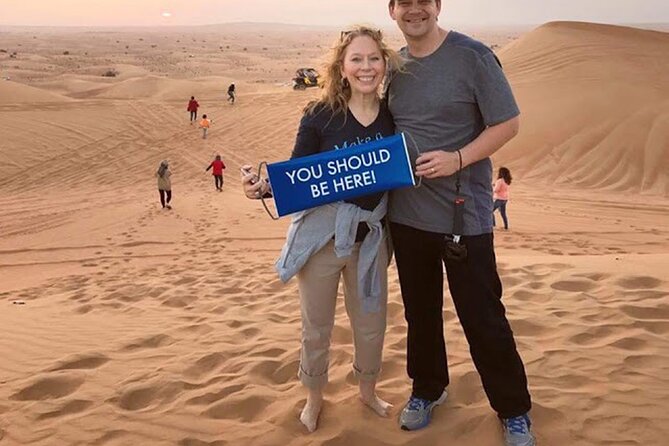
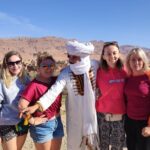
The group cap of 17 is important. Large tours can feel impersonal, noisy, and slow in the worst ways—people waiting, everyone hearing different instructions, and too many bodies around you at key moments. Here, the cap is designed to keep things manageable.
The tradeoff is you still have a shared schedule. You’ll be on time for pickup, you’ll move between stops as a unit, and you’ll have limited choices on how much time you spend at a location. This is ideal for people who want Morocco without the constant decision-making.
In other words: it’s not for travelers who want full control. It is for travelers who want a clear path from Marrakech to Merzouga with the main moments handled.
Tips to make this Marrakech-to-Merzouga trip feel smooth
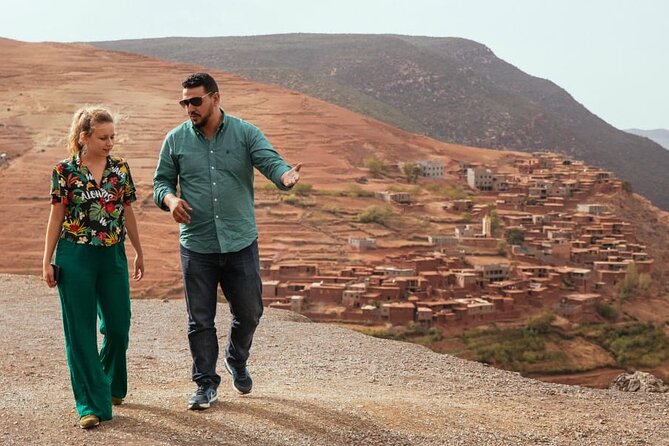
A few practical ideas can make a noticeable difference on a route like this.
- Bring layers for the desert night. Even if daytime feels fine, evenings can cool down fast.
- Use comfortable shoes. You’ll walk around kasbah areas and gorge scenery.
- Budget for lunch. It’s not included, and you’ll have café stops on the schedule.
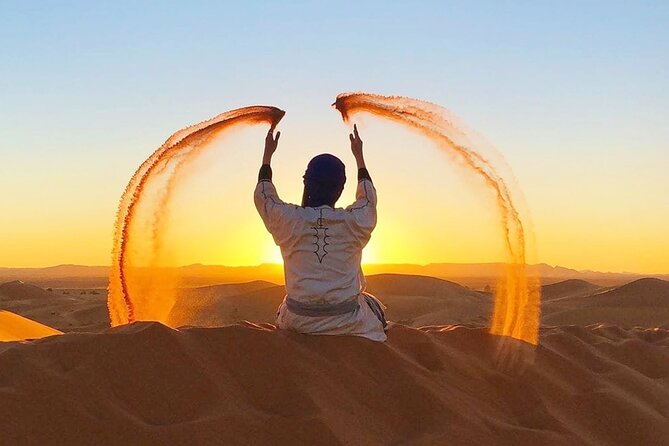
- Keep your camera ready for sunrise and sunset. One standout memory people associate with this kind of desert overnight is the dune light—especially early morning.
- Don’t overpack your schedule with extras. If your group offers optional sand activities like jeeps, ask early what’s available so you don’t miss the main camel-and-camp flow.
- Plan for an early day. Pickup is around 7:15 a.m., and arrival in Marrakech is around 8 p.m. That’s a full commitment.
Who this tour suits best
This is a great fit if you want:
- A 3-day group trek feel with a small ceiling of 17 people
- A desert night that includes camp dinner + breakfast
- A guided path through key eastern Morocco highlights like Ait Ben Haddou, Ouarzazate, Todra Gorge, and Rissani
- Convenience: air-conditioned transport, pickup offered, and meals partly handled
It might not be the best match if you need a slow travel pace or you hate early starts. Also, because lunch isn’t included and timing is structured, you’ll want to be okay with following instructions.
Should you book the Marrakech to Merzouga 3-day tour?
I’d say yes if you’re looking for real value and a straightforward way to reach Merzouga without planning every step. The included private-room night, the camp night, camel ride, and the meal structure make the price feel fair for what’s delivered. And the “small group” cap helps keep the desert experience from turning into chaos.
Hold off if you’re very sensitive to long days in the car or you strongly prefer controlling your own timing. In those cases, a private option might feel less exhausting.
If you do book, go in expecting Morocco to change fast—kasbah walls and movie-town vibes on day one, gorge scenery on day two, dunes and stars at night, then a full return day by late evening.
FAQ
How long is the Marrakech to Merzouga desert tour?
It runs for 3 days.
What time does the tour start in Marrakech?
The start time is 7:00 am, with pickup from your hotel around 7:15 am.
Is pickup from a hotel included?
Yes, pickup is offered.
Is lunch included during the tour?
No, lunch is not included.
Where do we sleep on this tour?
You get one night in a desert camp (Merzouga area) and one night in a private hotel/guesthouse room.
Is a camel ride included?
Yes, camel ride is included.
What is the maximum group size?
The tour has a maximum of 17 travelers.
Are meals included?
Yes. Breakfasts (2) and dinners (2) are included. Lunch is the meal you handle separately.
What if the weather is bad?
The experience requires good weather. If it’s canceled due to poor weather, you’ll be offered a different date or a full refund. You can cancel for a full refund up to 24 hours in advance.