REVIEW · MARRAKECH
Marrakech to Fes Adventure: Uncover the Heart of Morocco
Book on Viator →Operated by Marrakech Adventure · Bookable on Viator
That mix of mountains and sand feels unreal. This 3-day run from Marrakech to Fes strings together the Atlas Pass, UNESCO Ait Ben Haddou, and a real desert night near Merzouga.
I especially love how the timing gives you early views (like sunrise in the desert) and how the trip is paced with guided stops instead of nonstop driving. One heads-up: you’re on the road a lot, and lunch isn’t included, so plan for long days and pack snacks if you’re sensitive to motion.
In This Review
- Why This Marrakech to Fes Adventure Clicks
- Key Things You’ll Remember
- Marrakech Pickup and the Road-Trip Reality
- Tizi n Tichka: A Fast Stop With High-Altitude Payoff
- Ait Ben Haddou: UNESCO Kasbah Time, Plus a Clear Limit
- Valley of the Roses (Kelaat Mgouna): The Day Turns Pleasant
- Todra Gorge and the Dadès/Toudra Walk: When Stone Gets Dramatic
- Merzouga Desert Camp: Stars, Tagine, and Berber Songs
- Sunrise in Merzouga and the Camel Back to Breakfast
- Sandboarding in the Dunes: The Adrenaline Interlude
- Through Rissani and the Ziz Valley: The Road Gets Greener Again
- Azrou Cedar Forest: Monkey-Moment If You Get the Chance
- Arriving Fez: A Gentle Finish With Real City Energy
- Price and Value: What You’re Really Paying For
- Who This Tour Suits Best
- Should You Book This Marrakech to Fes Adventure?
- FAQ
- How long is the Marrakech to Fes adventure?
- Where does the tour start and where do you end?
- What’s included in the price?
- Is lunch included?
- Do you visit UNESCO Kasbah Ait Ben Haddou?
- Does the experience include a camel ride and desert camp?
- How big is the group?
- Can I cancel for a full refund?
- Are service animals allowed?
Why This Marrakech to Fes Adventure Clicks
This tour works because it’s built like a journey, not a checklist. You start in Marrakech, climb into the High Atlas, hit cinematic kasbah scenery, then trade stone alleys for desert stars before finishing in Fez. The route is dramatic even when you’re just watching the horizon change through the windows.
Two things stand out right away. First, the trip includes the big “signature” moments: a desert camel trek, sandboarding, and an overnight in a camp under the stars. Second, it’s guided at the key stops, with admission tickets included for several of the main viewpoints and sites, so you don’t lose time figuring out what’s worth it.
The main consideration is stamina. Three days can sound short, but the drive time between highlights is real. If you’re prone to motion sickness, choose wisely (and tell your driver early); one rider noted their guide checked in and drove safely, which made a difference.
Key Things You’ll Remember
- Tizi n Tichka Pass views: a short stop at a top North Africa high point with admission included.
- UNESCO Ait Ben Haddou for 2 hours: enough time to see why it’s iconic, without rushing.
- Valley of the Roses overnight: you get dinner and breakfast tied to the stop, not just a quick photo break.
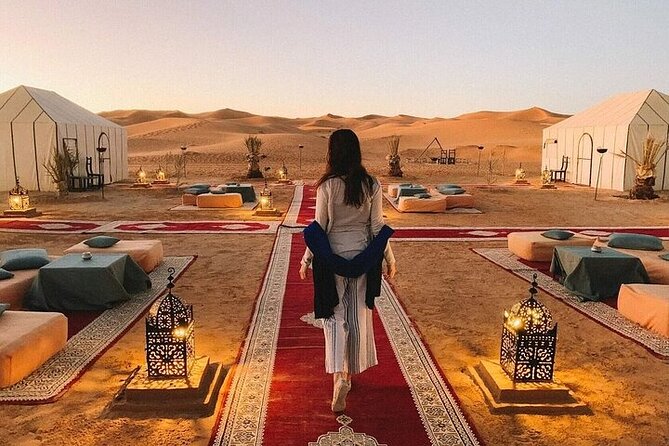
- Merzouga desert camp at night: stars, a local tent stay, and Sahrawi tagine with Berber songs.
- Sunrise camel moment: a separate early-morning ride and breakfast after you watch the light change.
You can also read our reviews of more tours and experiences in Marrakech.
Marrakech Pickup and the Road-Trip Reality
The trip starts near Hôtel Restaurant Café de France in Marrakech. You’ll meet your driver there, and pickup and drop-off are included, with a car-to-riad compromise if your exact hotel isn’t reachable. That matters, because Fez especially can be awkward for cars near the center.
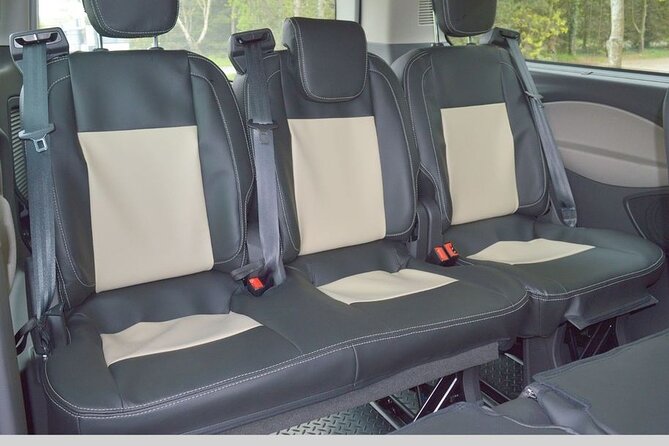
Transportation is in an air-conditioned vehicle, which is a relief on Morocco’s long hauls. The group size is kept small (up to 16 travelers), so it tends to feel more like a shared road trip than a cattle-call bus tour.
Budget-wise, remember lunch is not included. Your days are long enough that you’ll want simple backup food options (snacks and water bought along the way). If you’re the type who gets cranky without a meal schedule, bring a bit of control with you.
Tizi n Tichka: A Fast Stop With High-Altitude Payoff
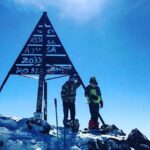
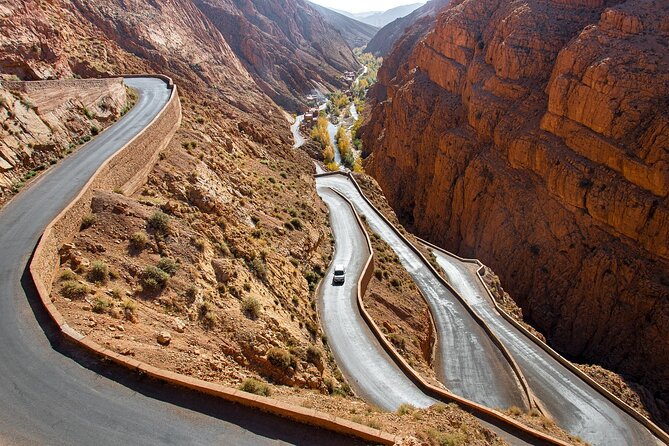
The route crosses the High Atlas Mountains via Tizi N’ Tichka pass, the highest in North Africa. Your stop is about 30 minutes, and the admission ticket is included.
What you’ll actually enjoy here is timing. A short visit means you can stretch your legs without turning your day into a long museum session. At this elevation, the air tends to feel different from Marrakech and even from the lower valleys, and the views are the point. Think of it as your first big “wow” moment—mountain edges dropping away, road curves threading through rocky terrain.
Practical tip: wear layers. The trip is short, but the temperature swings between valley heat and high pass breeze can catch you off guard.
Ait Ben Haddou: UNESCO Kasbah Time, Plus a Clear Limit
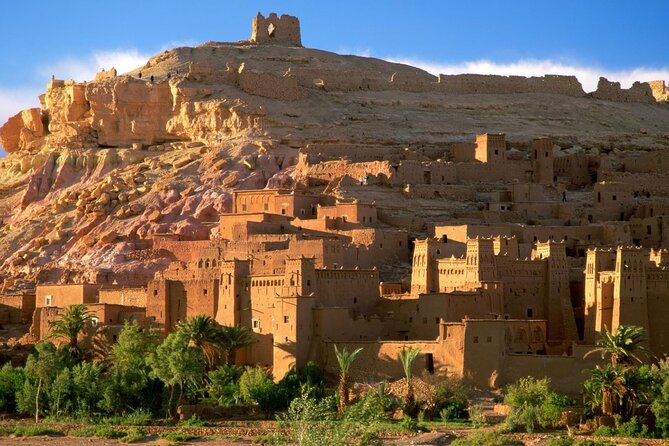
Then comes Ksar of Ait-Ben-Haddou, a UNESCO World Heritage site. You’ll have around 2 hours there, with admission included.
This is where you see Morocco’s kasbah architecture in full power: mud-brick forms that look carved by time and weather. Two hours is a sweet spot. It’s long enough to wander through the main viewpoints, spot the texture and geometry up close, and take a few photos without feeling like you’re rushing every ten seconds.
Here’s the one limitation you should know: a local guide inside Ait Ben Haddou is not included. That doesn’t mean you won’t get guidance—your tour includes guided coverage of major sights—but if you want deep, site-specific storytelling (who built what, how it changed over time, how life works inside the kasbah walls), you may need to rely on your own questions or pay extra on the spot.
If you’re the type who loves context, plan to ask your driver what else to notice in the fortress walls and skyline angles.
Valley of the Roses (Kelaat Mgouna): The Day Turns Pleasant
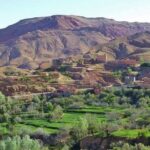
After the Atlas crossing, the trip passes through the Valley of Roses area, with stops connected to Kelaat Mgouna. You’ll return toward your accommodation via the rose grove and valley road, and you’ll spend the night here with dinner and breakfast included.
This part gives your trip a breather from cliffs and stone. Even if you don’t catch peak rose season, the setting works: quieter roads, a slower feel, and a night in a hotel/riad included in the price. Dinner plus breakfast being part of this day helps you avoid the usual hassle of hunting for food late after a long drive.
Consideration: you may not have hours of free time to explore independently. This is a “route stop with an overnight tie-in,” not a full slow-travel day. So if you want to get lost for half a day, you’ll need a different kind of trip.
Todra Gorge and the Dadès/Toudra Walk: When Stone Gets Dramatic
Daytime scenery shifts again at Gargantas del Todra. You get about 1 hour here, with admission included, plus a walk in the Toudra Valley area.
This is one of those stops where the walls do the talking. Tight canyon settings can feel different than open viewpoints: sound changes, the air feels cooler, and you end up turning your head a lot just to take in the vertical scale. You won’t need an hour of hiking to feel the effect; the walk is designed to give you that “standing inside the geology” moment.
If you want a practical sweet spot, come with comfortable shoes. You’ll be walking on uneven surfaces, and in canyon environments, footing matters more than you expect.
Merzouga Desert Camp: Stars, Tagine, and Berber Songs
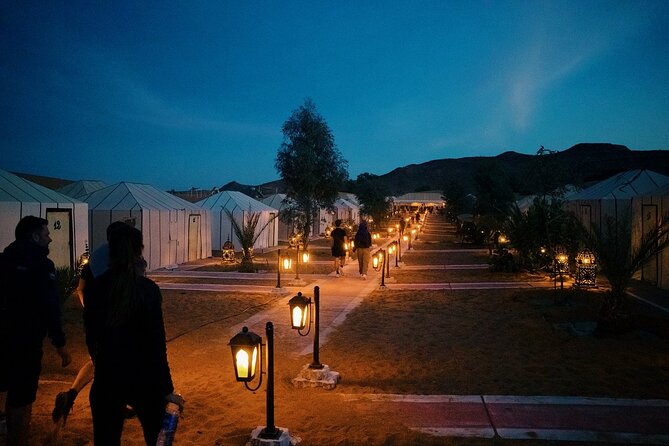
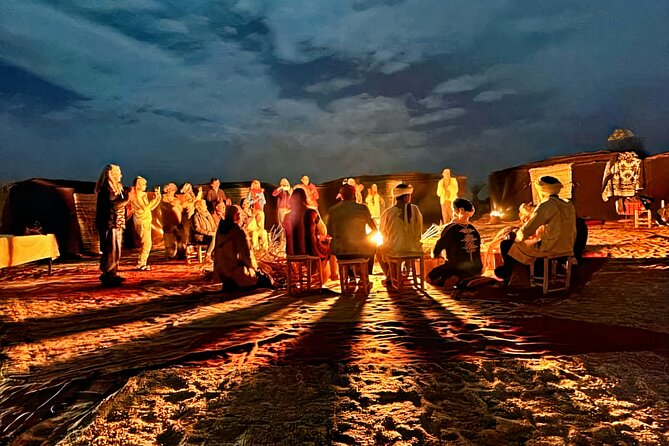
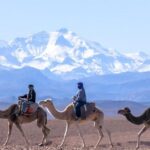
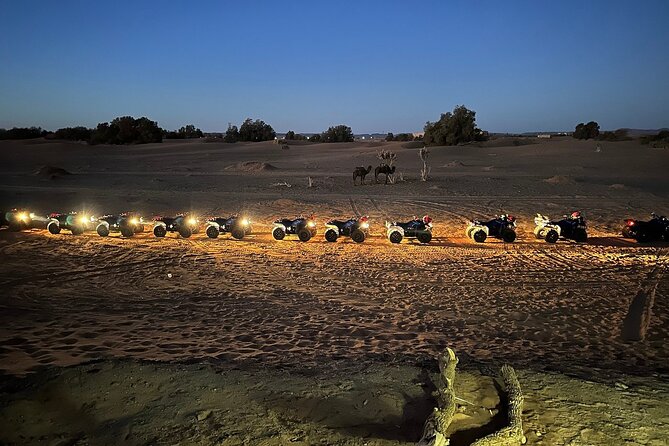
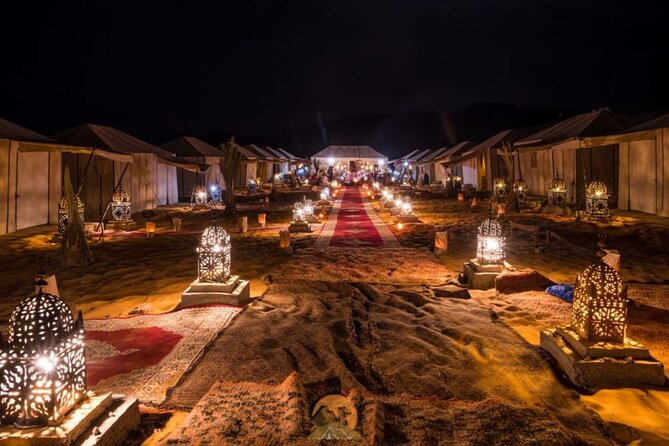
Next comes the big switch: Merzouga Desert. You’ll spend about 16 hours in this zone, including an overnight in a local desert tent camp. The experience includes an authentic Sahrawi tagine and Berber songs, all part of the evening program.
This is where the tour stops feeling like transport and starts feeling like a place you stayed. Sleeping in a desert camp changes your sense of distance. The sky becomes the main attraction. You don’t get that back in a hotel room.
Also, the inclusion of tagine and the music is a value point. Many desert overnights only give you a bed and a view, then send you on your way. Here, you get a cultural moment built into the night plan.
One more thing I really like about the way this is structured: the camp isn’t just a single activity. It’s an evening plus the next morning flow, so the desert feels connected to your timeline, not like a detour.
Sunrise in Merzouga and the Camel Back to Breakfast
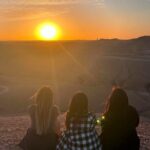
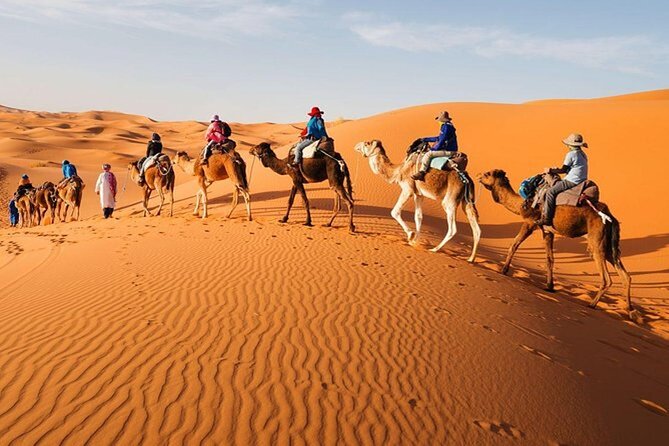
The morning part is set up for early light. You’ll watch sunrise, then ride a camel to the camp lodge for an early breakfast.
That sunrise moment is more than a photo stop. Light in desert dunes is a shifting thing; it turns hard edges into soft planes and makes the colors look like they changed while you blinked. Even if you’re not chasing perfect Instagram shots, it’s a calm, memorable reset before you head back to roads.
And yes, the camel ride is part of the experience here, not just a quick add-on. It’s also the kind of activity where being comfortable matters, so if you’re nervous, ask your guide what to do and take your time with getting settled.
Sandboarding in the Dunes: The Adrenaline Interlude
The tour also includes sandboarding in the Sahara. The exact timing isn’t spelled out, but it’s part of your desert stay, so expect a short burst of action between relaxing and moving on.
This is a high-fun activity because it’s simple: you’re not required to be athletic, just willing. Sandboarding is a great match for a short trip because you get a real activity memory without needing a full day hike.
Practical note: sand gets everywhere. You’ll want to wipe up gear and be ready for that post-dune grit feeling. Bring sunglasses if you have them, and keep your phone secured.
Through Rissani and the Ziz Valley: The Road Gets Greener Again
When you leave the desert, the tour crosses the Tafilalet palm grove and the town of Rissani, then reaches the Ziz valley.
This section matters because it provides contrast. After dunes and camp time, the palm grove and valley approach feels like a soft landing. It’s also a reminder that the Sahara isn’t the whole story of this region—it’s part of a broader system of valleys, agriculture, and roadside life that supports people year-round.
Here, you’ll feel the drive time again. Use it for downtime: read, sleep a bit if you can, and watch the scenery slowly shift instead of trying to “do more.”
Azrou Cedar Forest: Monkey-Moment If You Get the Chance
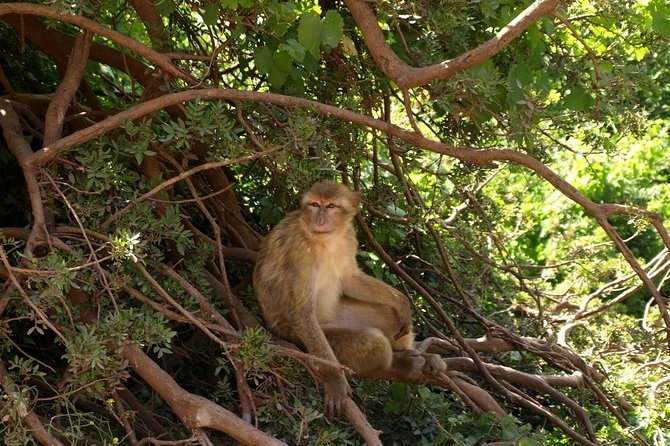
Next is Azrou Cedar Forest, with a possible stop to spot maggot monkeys (this is how the tour describes them). The duration is about 30 minutes, and it’s framed as an opportunity if you have the chance.
This is one of those “small stop, good payoff” moments. Cedar forests create cooler air and a different habitat feel than the desert and canyon zones, and seeing wild animals can be a nice punctuation mark before arriving in a city like Fez.
Consideration: because spotting is described as conditional, don’t plan your whole day around it. Keep an open mind and enjoy the forest atmosphere even if the monkeys are camera-shy.
Arriving Fez: A Gentle Finish With Real City Energy
The tour ends in Fes, in the early evening. You’ll join Fez in a cultural-capital way and then get dropped off at your accommodation or the nearest accessible point.
Fez is different from the route you’ve been on. Marrakech and Fes both have medinas, but Fez often feels more layered and maze-like. The timing being early evening works well because you can still feel the city without being forced into late-night navigation.
One practical note: since your drop-off might be at a nearby accessible point, plan a little extra effort to get your bearings. This isn’t a fault of the tour; it’s how parts of Fez work with roads and entryways.
Price and Value: What You’re Really Paying For
At $313.59 per person for an approximately 3-day trip, the value comes down to what’s already included versus what you’d pay separately.
Included items that drive value:
- Air-conditioned transport and hotel/riad pickup and drop-off
- Overnight stay in a hotel/riad plus overnight in a desert camp
- 2 breakfasts and 2 dinners
- Camel trek in the desert and sandboarding
- Guided tour for major sights
- Admission tickets included for major stops like Tizi n Tichka and Ait Ben Haddou (and the rose valley portion is tied to the overnight and meals)
Not included:
- Lunch
- Local guide in Ait Ben Haddou Kasbah
- Tips
So you’re paying for transportation, the “sleeping parts,” and the signature desert activities. If you try to build this yourself, those pieces—especially the desert camp logistics and camel-and-sandboarding package—tend to cost time and money. Here, you’re buying an organized route with meals attached to key nights.
My practical take: if you’re the type who hates coordinating between multiple providers, this price starts to look fair fast. If you’re the type who loves loose, solo planning and already knows local contacts, you might beat the cost by piecing things together—but you’ll spend time doing it.
Who This Tour Suits Best
This is a strong fit if you want:
- A fast, high-impact route that covers Atlas passes, UNESCO kasbahs, canyons, and the Sahara in just a few days
- A guided structure so you spend more energy on the view and less on navigation
- Desert sleep plus desert activities, not just day-trip sightseeing
It may be a less ideal fit if you:
- Want lots of free time in each place
- Hate long road days
- Need very flexible meal timing (since lunch isn’t included)
Also, it suits couples, friends, and solo travelers who are okay sharing a small group and accepting that the day has many moving parts.
Should You Book This Marrakech to Fes Adventure?
If you want the Morocco highlights in a single arc, I think this tour makes sense. The desert night is a real included experience, not a thin add-on, and the route keeps you seeing real terrain changes instead of bouncing between similar viewpoints.
Book it if your dream trip includes Merzouga stars, sunrise camel time, sandboarding, and a guided run through major sights on the way to Fez. Skip it if you’re craving slow travel, deep time inside one kasbah, or a trip where every meal and stop is fully unstructured.
If you do book, do one small favor for yourself: pack snacks for lunch gaps, wear comfortable shoes for canyon walking, and bring a layer for the Atlas pass breeze. Those tiny choices make the whole 3 days feel smoother.
FAQ
How long is the Marrakech to Fes adventure?
It’s approximately 3 days.
Where does the tour start and where do you end?
It starts at Hôtel Restaurant Café de France near Jemaa el-Fna in Marrakech. It ends in Fez, with drop-off at your accommodation or the nearest accessible point.
What’s included in the price?
The tour includes air-conditioned transportation, hotel/riad overnight stay, desert camp overnight stay, camel trek, sandboarding, guided tours of major sights, hotel pickup and drop-off, 2 breakfasts, 2 dinners, and admission tickets for the listed stops.
Is lunch included?
No, lunch is not included.
Do you visit UNESCO Kasbah Ait Ben Haddou?
Yes. You visit Ait Ben Haddou, and admission tickets are included, but a local guide there is not included.
Does the experience include a camel ride and desert camp?
Yes. You’ll have a camel trek and an overnight stay in a local desert camp in the Merzouga area, including tagine and Berber songs.
How big is the group?
The maximum group size is 16 travelers.
Can I cancel for a full refund?
Yes. Free cancellation is available if you cancel at least 24 hours before the experience’s start time.
Are service animals allowed?
The tour allows service animals.