REVIEW · MARRAKECH
Marrakech: Three Valleys, Atlas, Camel Ride, Waterfalls, & Lunch
Book on Viator →Operated by Marrakech Outdoor Trips · Bookable on Viator
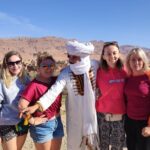
Camel tea, villages, and waterfalls in one day. I like how this High Atlas trip pairs a camel ride in traditional Berber clothes with a small group and local guiding from people like Jasmine or Omar.
One of the big reasons this feels special is the food. I’m drawn to the family lunch—served in a Berber home with views toward Mount Toubkal—paired with an argan oil visit run by Berber women.
The main trade-off is walking: you’ll hike toward the waterfalls on uneven ground, and walking shoes aren’t included.
In This Review
- Key highlights worth your attention
- Marrakech to the High Atlas: what your day really feels like
- Camel ride at Takerkoust: the fun start most people remember
- Argan oil with Berber women: what you learn (and why it’s worth it)
- Ourika Valley pass-by: markets, timing, and that extra local energy
- Imlil and the waterfall hike: pace, terrain, and expectations
- Berber lunch in a mountain home: the food is the big reason to go
- Your guide is part of the product: Jasmine, Yasmine, Omar, Mustafa
- What’s included (and how it changes your value equation)
- Practical tips before you go
- Should you book this Marrakech Atlas day trip?
- FAQ
- FAQ
- How long is the Marrakech: Three Valleys, Atlas, Camel Ride, Waterfalls & Lunch trip?
- Do I get pickup from Marrakech?
- Is lunch included?
- What activities are included besides lunch?
- Are walking shoes provided?
- How big is the group?
- What is the cancellation policy if weather is bad?
Key highlights worth your attention
- Small-group cap (max 15 people) so your guide can actually answer questions and keep the day moving smoothly.
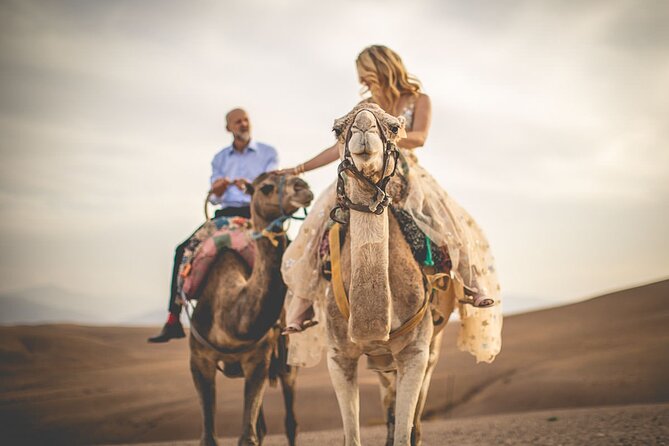
- Camel ride plus traditional clothing right after you’re picked up from Marrakech.
- Argan oil stop led by Berber women, where the focus is how it’s made, not just a quick sales pitch.
- Waterfall hike near Imlil with a pace that works even if you’re not a serious hiker.
- A Berber home lunch with real hospitality, served after time in the mountains.
- Tea and stop-and-learn moments, including local explanations from guides such as Yasmine/Yasmin, Omar, and Mustafa.
Marrakech to the High Atlas: what your day really feels like
This is the kind of Marrakech day trip that swaps city noise for mountain air and face-to-face culture. You’ll start with pickup from a central meeting point in Marrakech and move by air-conditioned vehicle toward the High Atlas area.
What I like most is the mix. You’re not only riding out to a viewpoint—you get camel time, short cultural stops, and then a hike that actually lands you in the rhythm of the mountains. With a group size capped at 15, you’re less likely to feel like you’re standing in someone else’s schedule.
The timing is also practical: the trip runs about 7 hours total, long enough to feel like you changed settings, not so long that you’re wrecked when you return to Marrakech.
A few more Marrakech tours and experiences worth a look
Camel ride at Takerkoust: the fun start most people remember
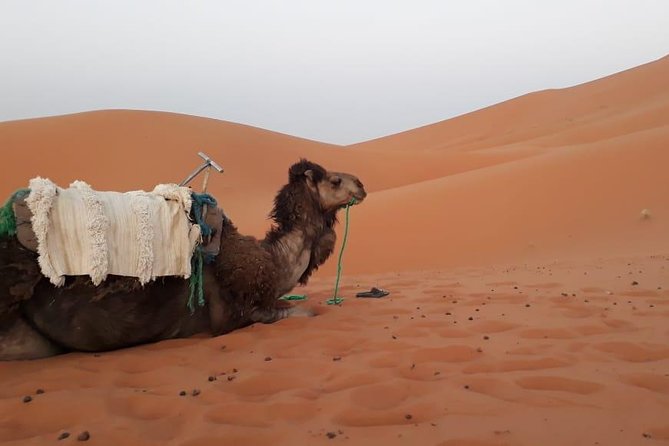
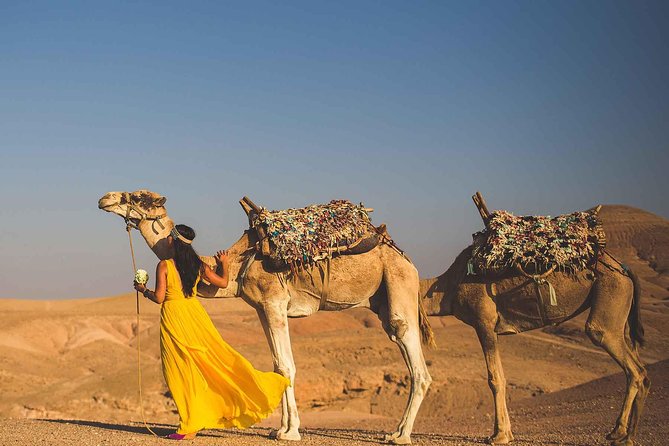
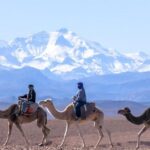
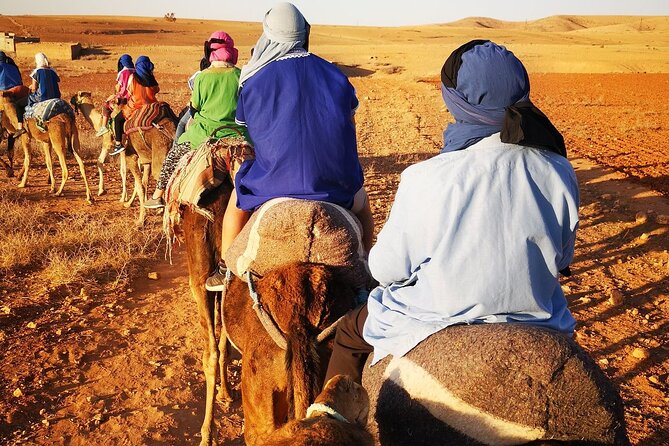
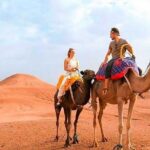
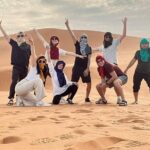
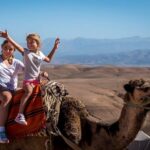
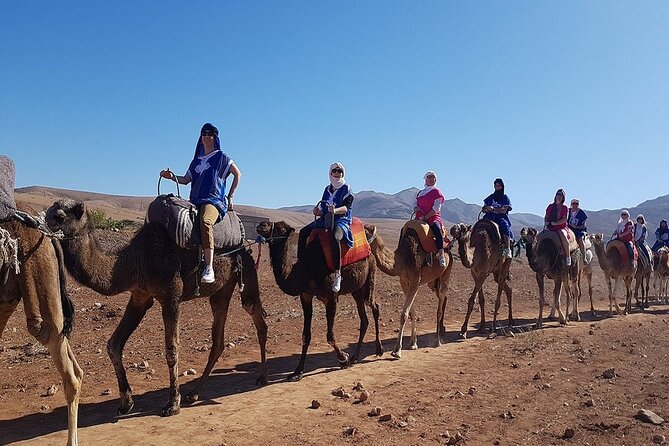
Your day typically kicks off near Takerkoust, close to the Atlas region. This is where the camel ride happens, and you’ll likely have a chance to wear traditional Berber attire for photos and the experience itself.
A good camel ride is equal parts logistics and comfort. In this case, the ride is described as enjoyable and not dragged out, which matters when you’re also planning for lunch and a hike later. Expect tea right around this part of the day too, as multiple guides are noted for welcoming you properly before you head into the mountains.
If you’re the kind of traveler who wants your “camel moment” to be more than a 10-minute photo stop, this format tends to deliver. And if you’re bringing a camera, yes, a lot of the guides also take pictures for the group.
Argan oil with Berber women: what you learn (and why it’s worth it)
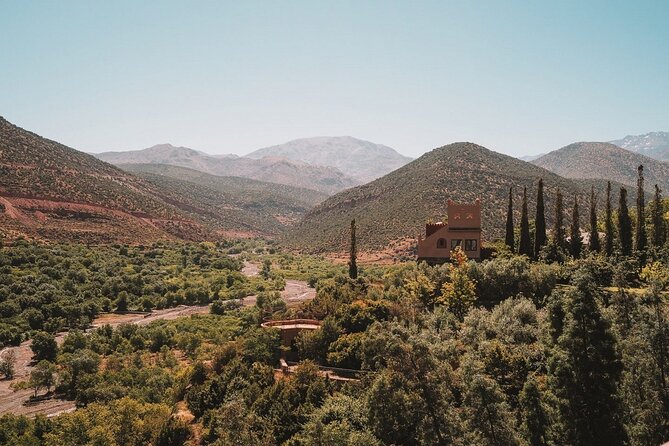
One of the standout cultural stops is an argan oil visit managed by Berber women. This isn’t positioned as just a souvenir stop, and in practice you’ll usually get a clearer sense of the process and why argan matters locally.
I think this works well for first-timers because it gives you a concrete connection between everyday life and a product that’s become famous far beyond Morocco. You’re also not stuck in a pure “market tour” mode. Instead, you’re seeing work and production, then moving on while the day still feels full.
If you’re watching your shopping impulse, you’re still likely to get offered things. The best move is simple: browse politely, and only buy if it genuinely fits your taste. Guides on this trip are repeatedly praised for being respectful and not turning things into a sales trap.
Ourika Valley pass-by: markets, timing, and that extra local energy
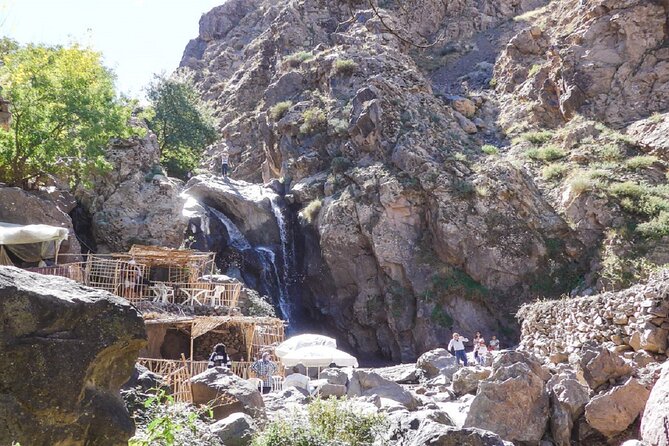
On the way through the Atlas region, you may pass a town where there’s a local market. The itinerary calls out a useful detail: if your day falls on Saturday, you can catch a livelier market atmosphere.
Even if your day isn’t Saturday, this stop is still valuable because it’s a change of pace from the mountain route. You’ll get a chance to see daily life and how people move between errands, produce, and handicrafts—without needing a long detour.
The best part: it’s short. You don’t lose half your day here, which keeps you on track for the hike and the big meal later.
Imlil and the waterfall hike: pace, terrain, and expectations
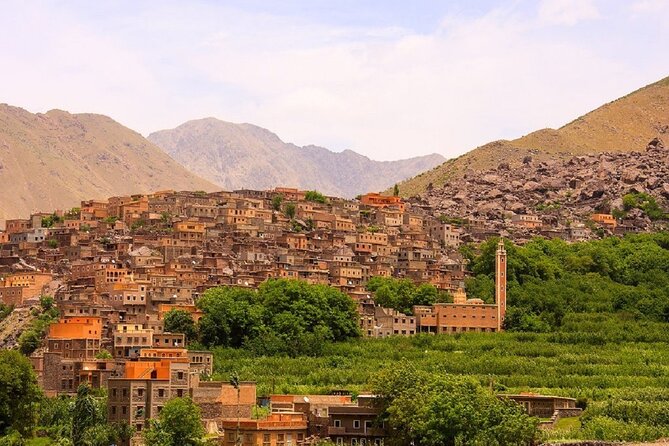
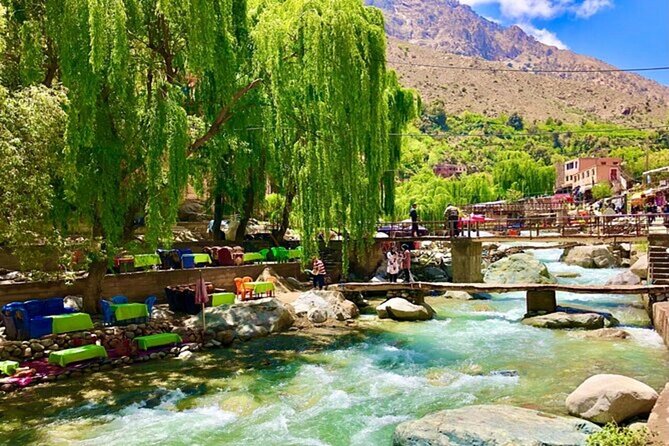
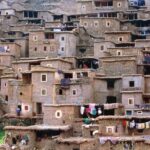
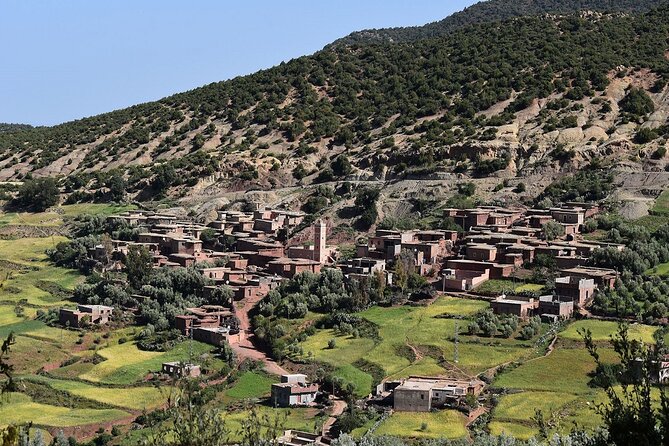
The day’s physical highlight is in the Imlil area. You’ll have time to walk on trails toward waterfalls, with Berber villages along the way.
Here’s what I’d plan around if you’re deciding whether this fits you:
- The hike includes uneven ground and sometimes sandy patches that can feel slippery.
- Walking is described as manageable for non-athletes, with short pauses built in and plenty of time to take it at a relaxed pace.
- You’ll want real walking shoes. The tour doesn’t include them, and some people specifically warn that slick soles can make you stumble.
So if you’re expecting a flat stroll, it’s not that. But if you can handle a steady walking day with breaks, you should feel good about it. The payoff is that you’re out in the actual mountain setting rather than just driving past it.
Berber lunch in a mountain home: the food is the big reason to go
After the walking, you eat. The lunch is one of the strongest reasons to choose this exact trip style.
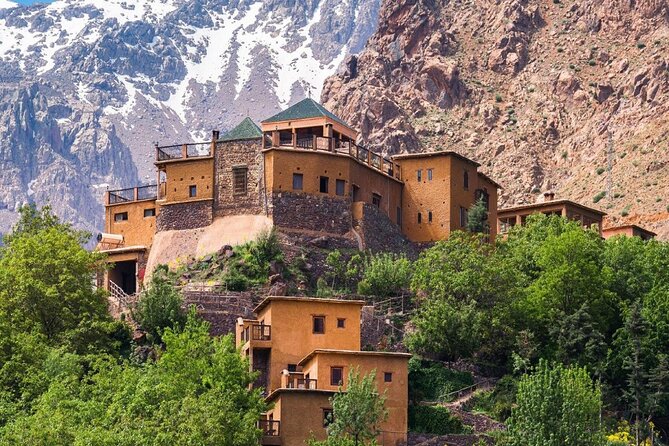
You’ll have a traditional lunch prepared in a Berber house, and the view is part of the experience: the trip is described as offering lunch with sightlines toward Mount Toubkal, North Africa’s tallest peak. That alone is a memorable setting, but the more important thing is the hospitality.
In the feedback, people repeatedly emphasize the same theme: the meal feels personal. One of the most common impressions is that you’re not getting a generic restaurant lunch—you’re eating something like what someone would cook for their own family, often with dishes such as tajine and couscous, plus extra items like pastries.
If you’re hoping for a vegetarian-friendly meal, the information provided doesn’t spell out a guarantee. Still, the overall meal setup is described as generous and adaptable by the way it’s hosted in a home setting. Bring up dietary needs with the operator when you book.
Your guide is part of the product: Jasmine, Yasmine, Omar, Mustafa
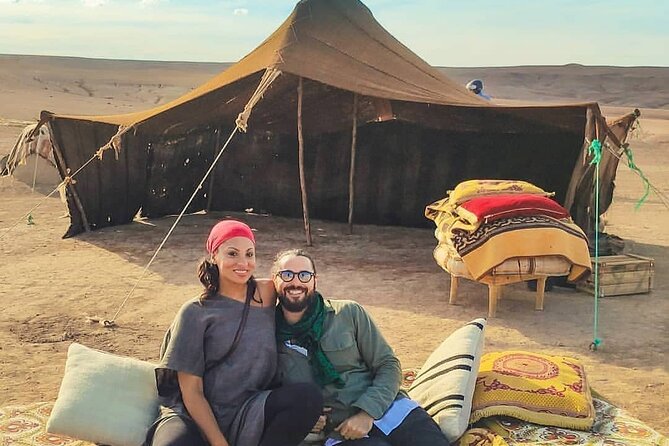
This tour’s quality isn’t only in the stops. It’s in the way the day is explained.
Guides named in participant feedback include Jasmine (and Yasmine/Yasmin variants), Omar, and Mustafa. Across the comments, what shows up again and again is the same pattern: the guide helps you understand everyday mountain life, Berber traditions, and what you’re seeing as you move.
I like this because it keeps the day from becoming a checklist. You’re not just “at a waterfall.” You’re hearing the why behind agriculture, irrigation, houses, and local routines. Some guides also add extra moments beyond the core path—like stopping at places that show traditional oil production or cultural singing—when timing allows.
And yes, there’s also a practical advantage: with small groups, the guide can help with kids, keep the walking group together, and manage the timing without stress.
What’s included (and how it changes your value equation)
At about $19.19 per person for a roughly 7-hour day, the value here mostly comes from what’s bundled:
Included highlights:
- Lunch
- Camel ride
- Tour guide
- All fees and taxes
- Air-conditioned vehicle
- Pickup offered
- Mobile ticket
Not included:
- Walking shoes
When a trip includes both a camel ride and a home-cooked lunch, it stops being “cheap transport to a hike.” You’re paying for a full service day: someone organizes the drive, the camel timing, the cultural stops, and the meal.
Also, booking rhythm matters. This experience is commonly booked about 11 days in advance, so it’s smart to secure your date early if you have limited time in Marrakech.
Practical tips before you go
If you do one thing before booking, make it this: plan for the hike. That means wearing solid walking shoes since they aren’t included and the terrain can include sandy, slippery sections.
Next, plan your day around a real walking component. The hike is presented as doable for many people, including those who aren’t hardcore hikers, but it still adds up. If you don’t want sore legs later, go slow and use the breaks.
Finally, bring a flexible mindset about extra stops. Some guides include extra cultural moments on certain days, and that’s often what makes the day feel richer than the printed outline.
Should you book this Marrakech Atlas day trip?
Book it if you want a day that feels genuinely local: camel ride, Berber villages, a waterfall hike near Imlil, and a real home lunch with mountain views. The combination is hard to beat at the price, especially with a maximum of 15 people and guided attention from locals like Jasmine, Omar, or Mustafa.
Skip it or choose another option if you’re avoiding hikes or you don’t want to deal with uneven, sometimes sandy paths. Also, if walking shoes are a deal-breaker for you, factor that into your packing before you commit.
FAQ
FAQ
How long is the Marrakech: Three Valleys, Atlas, Camel Ride, Waterfalls & Lunch trip?
It runs about 7 hours.
Do I get pickup from Marrakech?
Yes, pickup is offered, and the activity starts at the meeting point near Jemaa el-Fnaa (ArganaJ2H6+CPV, Number 18, Znikat Rahba, Marrakech).
Is lunch included?
Yes, lunch is included.
What activities are included besides lunch?
The tour includes a camel ride, visits guided by a local guide, and a waterfall hike.
Are walking shoes provided?
No. Walking shoes are not included, and the hike can involve sandy and uneven ground.
How big is the group?
The maximum group size is 15 travelers.
What is the cancellation policy if weather is bad?
You can cancel up to 24 hours in advance for a full refund. The experience requires good weather, and if it’s canceled due to poor weather, you’ll be offered a different date or a full refund.