REVIEW · MARRAKECH
Marrakech: Ourika Valley,Atlas Mountains,waterfall with guide
Book on Viator →Operated by Chtouki Luxury Travel - Morocco · Bookable on Viator
Waterfalls and Berber villages in one day.
This Ourika Valley trip is a calm break from Marrakech, and I like how close it stays to the action: you’re in the Atlas Mountains in no time. I also love the hands-on stops that go beyond viewpoints, like the women’s argan oil cooperative and a free look inside a Berber house. The one thing to keep in mind is that the waterfall walk involves careful footing, especially on the way back, and the day needs decent weather.
You’ll follow the Ourika River through palm-lined valleys, orchards, and hillside villages that feel lived-in, not staged. The guide helps you pace the day, and that matters when you’re mixing driving time with a guided promenade toward Setti Fatma. If you’re the type who hates any walking at all, you might find the path to the falls a bit demanding.
For added fun, this experience includes optional touches some days—like a camel ride and a tajine lunch add-on—so you can shape the experience to your appetite. Just remember: lunch isn’t included in the base price, so you’ll want to plan for food.
In This Review
- Key Highlights You’ll Actually Feel on This Day
- Why Ourika Valley Feels Like the Right Marrakech Escape
- Getting There Comfortably: Pickup, Air-Conditioned Transport, and Timing
- Women’s Argan Cooperative: A Small Stop With Real Meaning
- Berber House Visit: Getting Past the Postcard View
- Atlas Mountains Views: Orchards, Terraces, and Village Life
- Following the Ourika River to Setti Fatma Waterfall
- Monday Roadside Souk: Add a Local Market Moment
- Camel Ride and Tajine Lunch: How to Make It Your Day
- What to Pack for the Waterfall Walk (and Why It Matters)
- Price and Value: Is This $24.33 Day Trip a Good Deal?
- Who This Tour Fits Best (and Who Might Prefer Something Else)
- Should You Book This Ourika Valley Day Trip?
- FAQ
- How long is the Ourika Valley trip from Marrakech?
- Is pickup from a hotel included?
- What’s included on the tour besides the guided waterfall walk?
- Is lunch included?
- Does the tour ever include a market visit?
- What should I wear for the Setti Fatma walk?
- Is there a limit on group size?
Key Highlights You’ll Actually Feel on This Day
- Hotel pickup in Marrakech so you lose less time to getting started
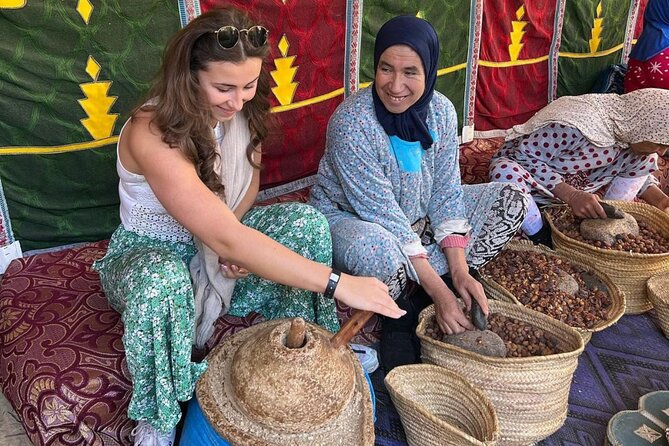
- Women’s argan oil co-op visit with a free exploration on how the oil is made
- Guided promenade toward Setti Fatma with a Mountain guide to keep things moving
- Free visit to a Berber house for a quick, real-world sense of home life
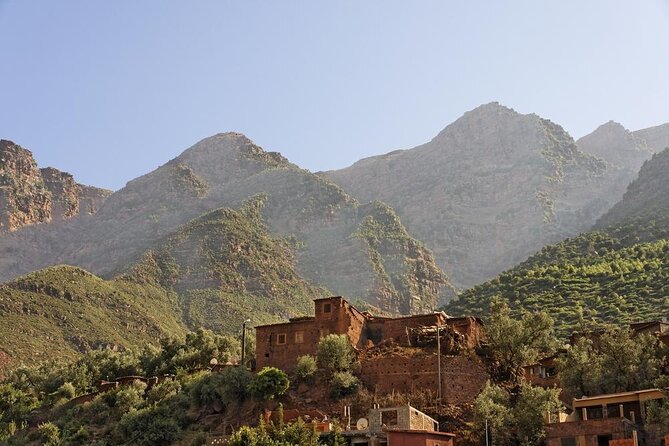
- Atlas views with orchards and terraced hillsides plus Berber village scenery
- Monday roadside souk stop when the day lines up with market hours
Why Ourika Valley Feels Like the Right Marrakech Escape
Marrakech can be intense—beautiful, but intense. That’s why I like this day trip: it’s long enough to change your mood, but not so long that you feel like you’re just commuting all day. Ourika Valley sits close enough to feel reachable, yet the moment you start heading toward the Atlas Mountains, the air, the pace, and the scenery all shift.
What makes it work is the mix of nature and culture. You’re not only chasing views; you’re also seeing how people live in the mountains—terraces, orchards, and hillside homes are part of everyday life here. Even if you’ve visited Morocco before, you’ll likely appreciate how the valley reads as a system: water from the river supports palms and gardens, and the villages adapt to steep terrain with terraces.
And then there’s Setti Fatma. The payoff is physical and direct: you walk with a guide to the waterfall area, and you feel the change when water comes into the picture. One of the most praised parts of this experience is how the guide helps people manage the walk and stay safe on the return.
You can also read our reviews of more guided tours in Marrakech
Getting There Comfortably: Pickup, Air-Conditioned Transport, and Timing
Your day starts at 9:00 am and runs about 8 hours total, ending back where you started. The tour includes round-trip hotel pickup in Marrakech, plus an air-conditioned vehicle. For me, that’s a big quality-of-day factor—less hassle in the morning, fewer time-sink delays, and a comfortable ride into the Atlas.
Group size matters too. This experience caps at 22 travelers, so you’re not stuck in a massive herd. That tends to make it easier for the guide to keep track of everyone during the guided portions—especially when the terrain becomes uneven.
Keep one practical expectation: you’ll spend part of the day driving. That’s normal for day trips, but it’s exactly why the included stops are valuable. Instead of “just transport to scenery,” you get cooperative time with argan oil production and an included Berber house visit.
Women’s Argan Cooperative: A Small Stop With Real Meaning
One of the best included moments is the visit to a women’s Berber cooperative focused on argan oil. This isn’t just a quick photo stop. You’re given the chance to see what’s behind the product you’ll likely be offered later in Marrakech—oil that’s tied to local skills and livelihoods.
I like this kind of stop because it answers the unspoken question: where does the thing you’re buying actually come from? Even if you don’t go deep into the process, you’ll leave with a clearer sense that argan oil production is organized work, often supported by women’s cooperatives. It also sets a good tone for the rest of the day, because it grounds the scenery in human effort rather than scenery alone.
Tip: go in with a mindset of curiosity, not shopping. If you want to buy later, you’ll understand what you’re paying for. If you don’t, you still get value from watching how the cooperative functions.
Berber House Visit: Getting Past the Postcard View
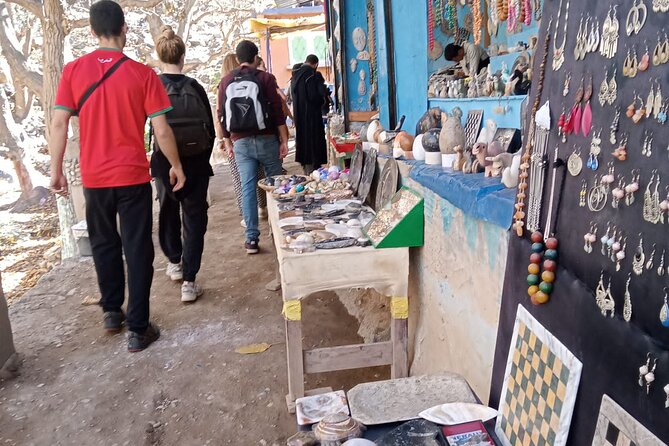
Another included piece that I appreciate is the free visit to a Berber house. This isn’t a formal museum. It’s more like a quick window into daily life and traditional building choices shaped by the mountains.
Why it matters: when you’re looking at terraced hillsides later, it helps to have already seen what “home” looks like in this environment. You’ll likely notice how homes and gardens connect—how living spaces and agricultural spaces are not separate worlds here.
In the reviews, people specifically highlight that the guide helps them understand what they’re seeing and encourages careful walking on the way to the falls. That same guiding style makes the house visit feel less like a checkpoint and more like a “now I get it” moment.
Atlas Mountains Views: Orchards, Terraces, and Village Life
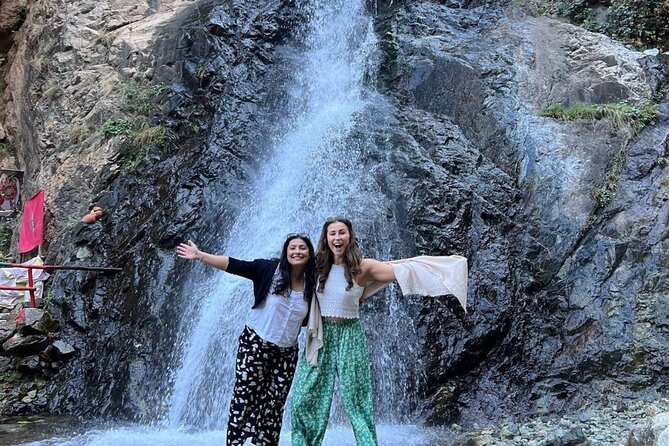
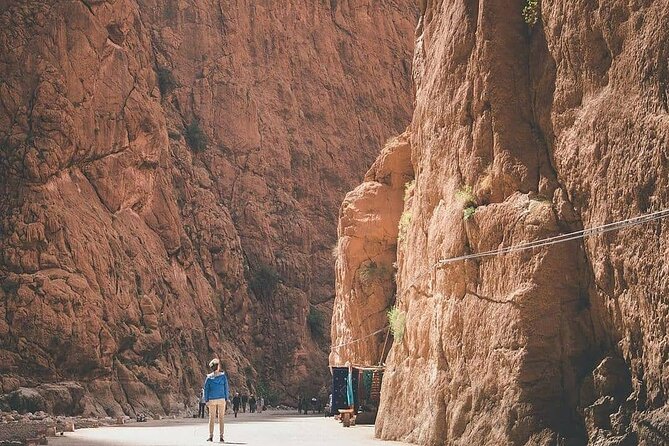
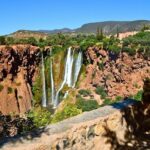
As you travel into the Ourika Valley area, you get a steady stream of Atlas Mountain scenery: orchards, terraces, and hillside villages. The valley is framed by Berber communities and the kind of agricultural design that’s built for steep terrain.
A standout element is the mention of 16th and 17th-century Berber villages in the area you pass through. Even without turning every stop into a classroom lesson, that time depth changes how you look at the hills. Terraces aren’t just pretty. They’re work carried across generations to make farming possible.
You’ll also get the rhythm of a river valley: hamlets, places to eat, and summer abodes show up along the Ourika River’s path. This is where the day becomes more than a single viewpoint. It becomes a sequence of lived spaces.
Possible consideration: this is a walking and viewing day. If you’re expecting a completely sedentary trip, you might find you’re always moving—getting in and out of the vehicle, walking short stretches, and following the guide’s direction.
Following the Ourika River to Setti Fatma Waterfall
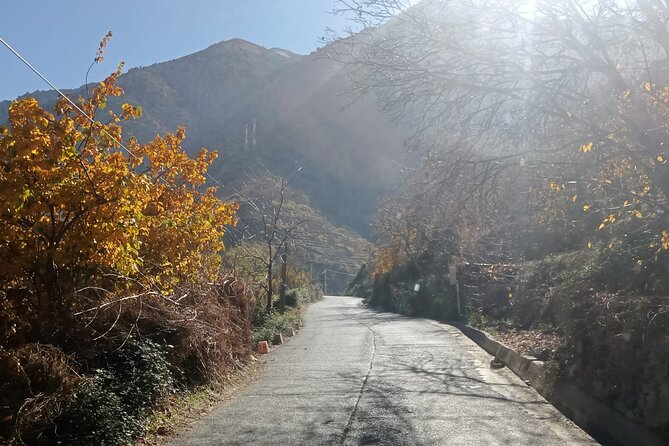
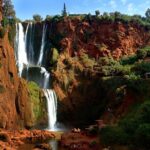
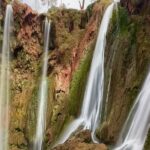
The heart of the day is the guided walk toward Setti Fatma. You follow the Ourika River through palm-lined valleys and settle into the sound and feel of moving water as you get closer.
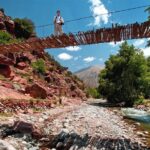
This is also the part where wearing the right footwear and staying cautious makes a big difference. One of the most strongly emphasized tips from past guests is simple: if you’re going, wear trainers and walk slowly. The return can feel precarious if you hurry or if you assume the path is flat. The best advice is to listen to the guide and move at the pace they set.
That guidance is exactly what you want from a mountain guide. The point isn’t to rush. The point is to enjoy the waterfall while keeping your footing stable.
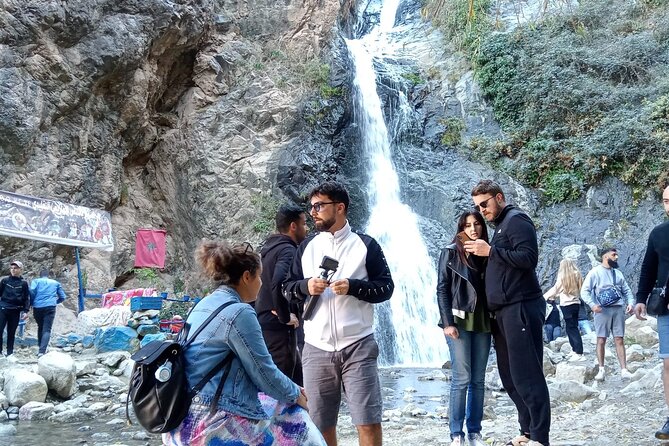
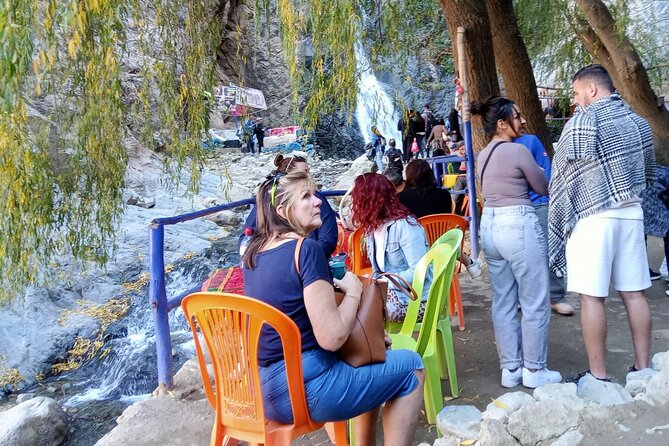
Waterfall timing note (practical, not guaranteed): Setti Fatma is a weekend retreat for Marrakech locals, so you may see more people around—especially at peak times. That’s another reason to take your cues from the guide and stay flexible. The goal is a good experience, not a perfect Instagram angle.
Monday Roadside Souk: Add a Local Market Moment
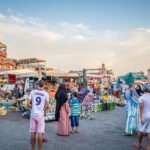
If your trip lands on a Monday, you may have a chance to explore a lively roadside souk. I love this detail because it turns the valley from “scenery with villages” into “a place people use on a normal day.”
Market stops can vary in size and feel, but the value here is that it’s not a staged tourist market. It’s the kind of place locals pop in and out of, where you can see everyday trade alongside mountain life.
If you’re sensitive to crowds, treat market time as optional in your head. You don’t have to stay at the busiest stalls; you can use it as a sensory break, then rejoin the group when you’re ready.
Camel Ride and Tajine Lunch: How to Make It Your Day
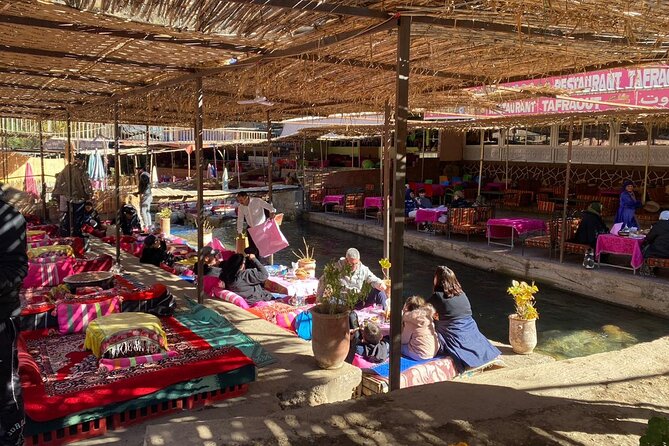
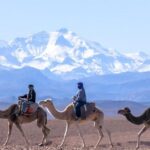
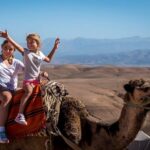
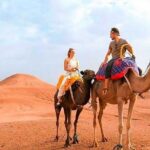
This experience describes optional additions that can round out the day nicely: a camel ride and a Moroccan tajine lunch (chicken or beef), usually paired with salad and fresh fruit.
Important practical point: lunch is not included in the base package. So if you want that tajine, plan on paying separately. The upside is that it can help you avoid decision fatigue once you’re out in the valley—especially if you’d rather not hunt for food after walking and sightseeing.
Camel rides can be a fun contrast to the walking. Just keep expectations grounded: a camel ride is short and tied to the time window of the day. If you’re prone to back or balance issues, take it carefully and follow the guide’s instructions.
My advice: if you choose the camel ride and tajine, decide early so you don’t end up trying to fit everything in at the last minute. The valley day works best when you commit to a simple plan.
What to Pack for the Waterfall Walk (and Why It Matters)
You don’t need mountain gear, but you do need sensible basics.
From what guests emphasize most, the biggest winner is good shoes. The trail toward the waterfall and especially the return can feel unstable in places. Trainers help with grip and comfort, and moving slowly prevents slips and stress.
Wear clothes that let you move. Shorts come up in the best advice people give—light enough for comfort, but practical for walking.
Other practical items:
- A small bottle of water, since you’ll be out for hours
- Sun protection if the day is clear
- A light layer if temperatures drop once you’re back toward the river shaded areas
Also, the day depends on good weather. If conditions are poor, the experience may be changed or refunded. That’s not a deal-breaker, but it’s why I’d keep an eye on forecasts the day before.
Price and Value: Is This $24.33 Day Trip a Good Deal?
At about $24.33 per person, this price looks very focused on value. You’re getting:
- Hotel pickup and return
- Air-conditioned transport
- Included cultural stops (the women’s argan cooperative and a Berber house visit)
- A guided promenade toward Setti Fatma with a mountain guide
That combination is what makes it feel fair. Many low-cost day trips only deliver transport and a basic viewing stop. Here, you get multiple included activities that add up to a full day of experiences—plus a guide who helps with the hardest part: the waterfall walk.
Two small cost realities to plan for:
- Lunch isn’t included, even though tajine is offered as an option
- Optional extras like camel rides may cost extra
If you’re the kind of traveler who likes spending time with local craft and not just collecting photos, the value jumps. If you mainly want to sit and drive with minimal walking, you might feel the price is less about “comfort” and more about “participation.”
Who This Tour Fits Best (and Who Might Prefer Something Else)
I think this tour fits best if you:
- Want an easy day trip from Marrakech that’s not just a long bus ride
- Enjoy meeting local artisans and seeing how products connect to place
- Don’t mind a moderate amount of walking, especially on uneven paths
- Like the Atlas Mountains vibe—river valley, terraced hillsides, and mountain villages
It also works well for first-timers to Ourika Valley because the guide handles the flow. You won’t need to figure out routes, and the included visits help you understand what you’re looking at.
If you’re very mobility-limited or uncomfortable on sloped, uneven ground, this is worth reconsidering. The path to the waterfall is the part most guests talk about regarding careful walking.
Good news: the experience states that most travelers can participate, and it can also provide a baby seat if you request it in advance.
Should You Book This Ourika Valley Day Trip?
Yes, if you want a balanced Marrakech escape with more than one kind of payoff. The biggest reason to book is the combination of included cultural stops (argan cooperative and Berber house) plus the guided Setti Fatma waterfall walk. That mix gives you both context and an active moment.
I’d book especially if you value guidance on the trail. The most praised feedback is about how the guide helps people stay steady and enjoy the walk without rushing. That’s exactly what turns a potentially tricky hike into a day you remember for the right reasons.
Skip or compare if you hate walking outdoors, or if you’re visiting when weather looks doubtful. Since the experience requires good weather, you’ll want your calendar to allow flexibility.
If you’re staying near the Marrakech core and you want an 8-hour day that feels meaningful, this is a strong choice.
FAQ
How long is the Ourika Valley trip from Marrakech?
It’s about 8 hours, starting at 9:00 am and ending back at the meeting point.
Is pickup from a hotel included?
Yes. The tour includes pickup and return to hotels in Marrakech.
What’s included on the tour besides the guided waterfall walk?
Included stops cover a free visit to the women’s Berber argan oil cooperative, a guided promenade toward Setti Fatma, a mountain guide, and a free visit to a Berber house.
Is lunch included?
No. Lunch isn’t included in the price, even though tajine lunch is described as an available option.
Does the tour ever include a market visit?
Yes, on Mondays you may explore a roadside souk as part of the day.
What should I wear for the Setti Fatma walk?
Wear comfortable shoes like trainers and be ready to walk slowly. Past guests specifically warn that the return route can feel precarious if you move too fast.
Is there a limit on group size?
Yes. The tour has a maximum of 22 travelers.