REVIEW · MARRAKESH
Marrakech: Ourika Valley and Atlas mountains Day trip
Book on GetYourGuide →Operated by Trip Spirit SARL AU · Bookable on GetYourGuide
Seven waterfalls and Berber life, one easy day. This Marrakech outing turns the road toward the High Atlas into a living lesson, with Setti Fatma waterfalls and the women’s argan oil co-operative built right into the schedule. I love the walk up the wadi to the first falls, and I love seeing how local families shape daily life around the river valley.
One thing to watch: language and timing. Even if Spanish is offered, some groups end up with guides who mainly work in English or French, and a too-long lunch stop can shorten waterfall time. If you care most about the falls, ask your driver to prioritize Setti Fatma first.
The drive is part of the fun, about 68 km southeast of Marrakech, where the Ourika River makes the lower foothills feel cooler and greener. With hotel pickup and an AC minivan or minibus, it is a low-effort way to reach the Atlas without transfers gymnastics.
In This Review
- Key highlights that make this day trip work
- Ourika Valley and Setti Fatma: what this full day is really like
- The AC minivan ride from Marrakech: convenient, but watch the timing
- Berber village life and a tagine by the river
- Setti Fatma waterfalls: how the walk works (and why ordering matters)
- Women’s argan co-operative: real value beyond souvenirs
- Price and value: why $12 can feel too good to be true
- Language and guide reliability: how to avoid surprises
- Who this day trip is best for (and who should rethink it)
- Should you book this Marrakech Ourika Valley and Atlas Mountains day trip?
- FAQ
- How far is Ourika Valley from Marrakech?
- What do you do at Setti Fatma?
- Is lunch included in the price?
- Is there a local guide fee?
- What languages are available?
- Do you visit the women’s argan oil co-operative?
- What transportation is provided?
Key highlights that make this day trip work
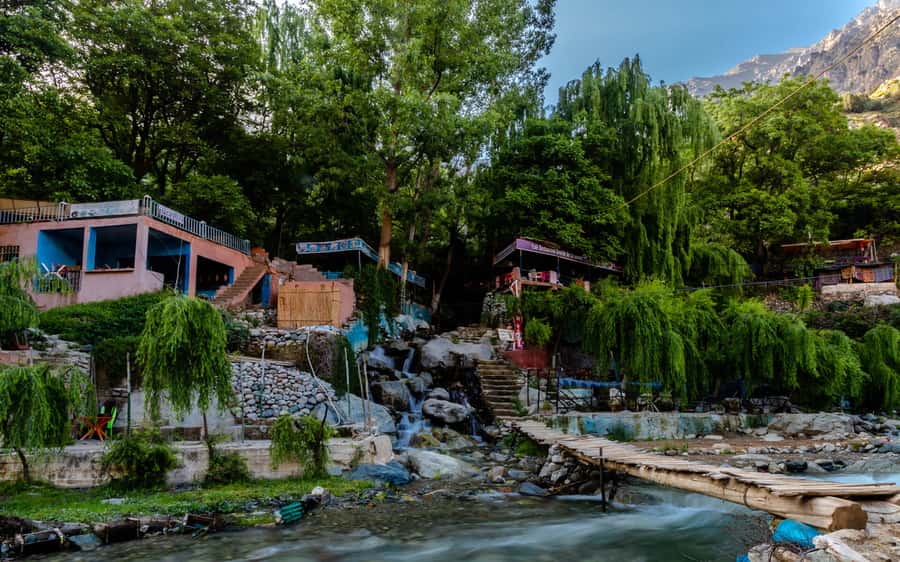
- Setti Fatma first-falls walk: You can reach the first waterfall by an easy walk up the riverbed (wadi), and the view is worth it.
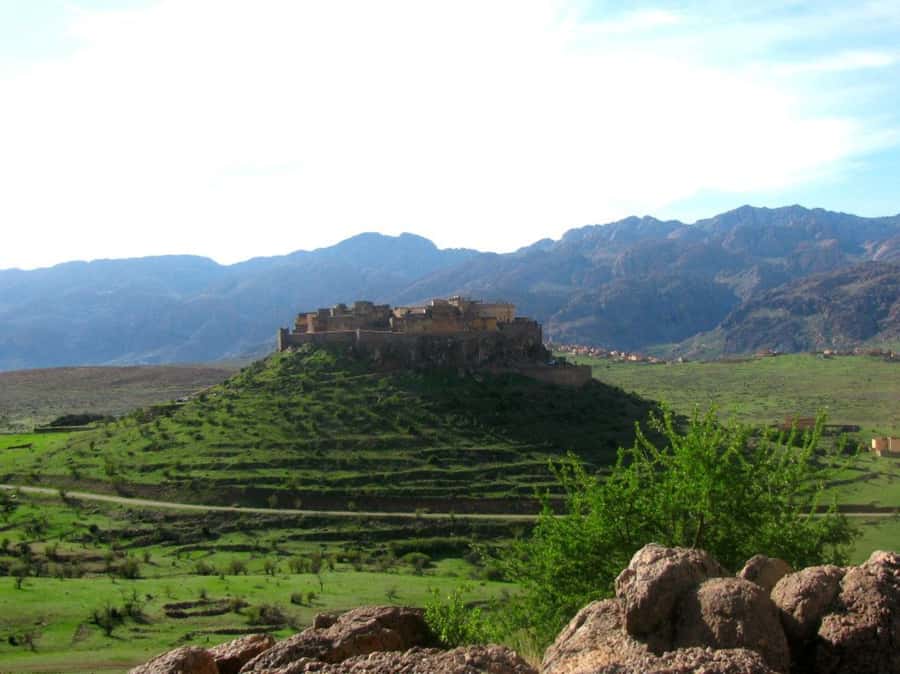
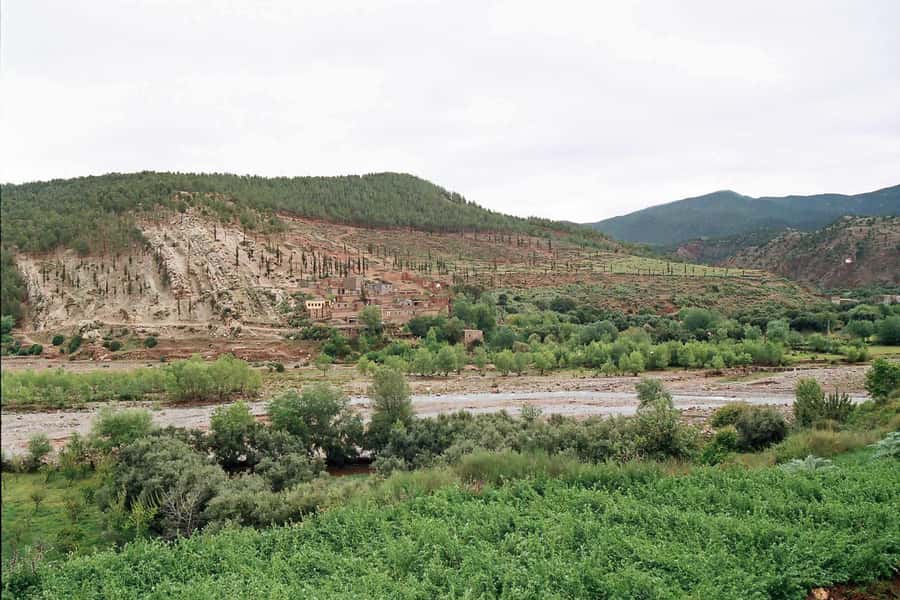
- Ourika Valley scenery change: From Tnine-Ourika on, the valley turns greener with gardens, fruit trees, hamlets, and small hotels clinging to the hillside.
- Berber home visit that feels lived-in: You are not just looking at a house from outside; you get a chance to understand how a Berber village works.
- Berber tagine moment by the river: This simple meal stop adds comfort after time in the valley air.
- Women’s argan co-operative: You get hands-on insight into how women organize and earn through argan oil and related products.
- Guide quality really matters: Good guides can turn the day from scenic to meaningful, especially on the waterfall walk.
Ourika Valley and Setti Fatma: what this full day is really like
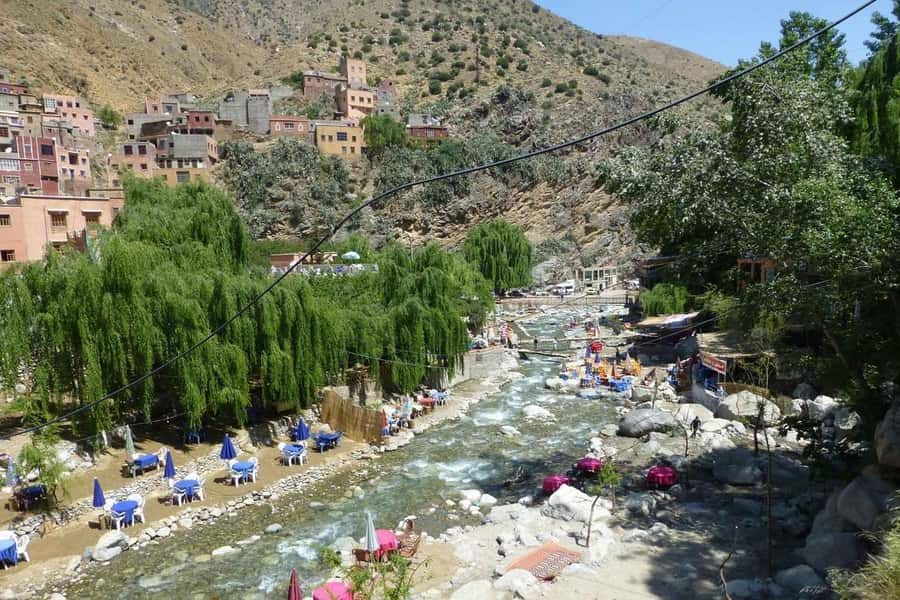
This is a classic Marrakech-to-Atlas day trip with a clear theme: show you the Ourika Valley way of life, then reward you with mountain scenery at Setti Fatma. The route follows the Ourika river corridor, so your day keeps changing in small, satisfying steps instead of feeling like one long bus ride.
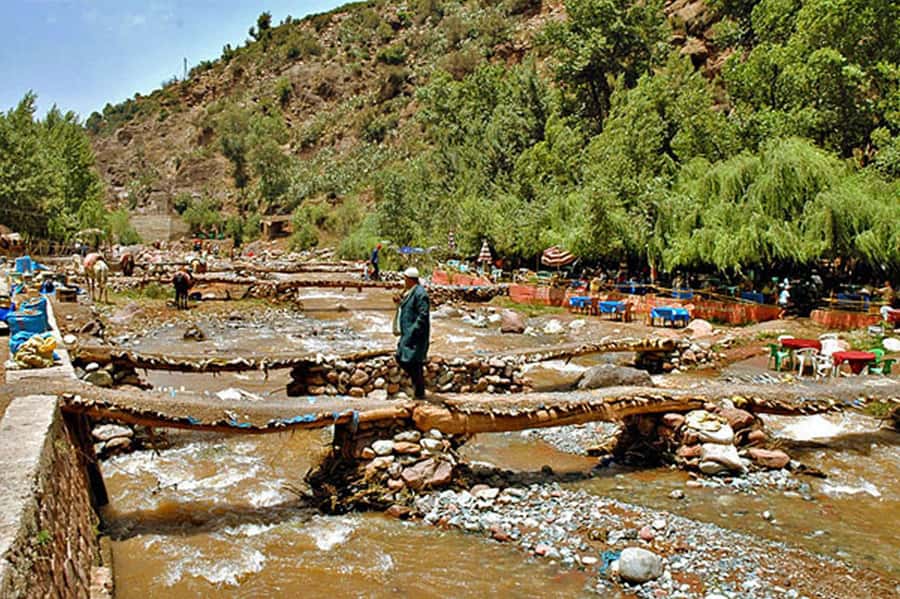
You start in the lower foothills, where small hamlets, isolated houses, and gardens line the valley bottom. Then, as you move beyond Aghbalou, the road narrows and gently climbs. At around 1500 m, the change is noticeable: the air feels sharper, the slopes feel steeper, and the waterfall village starts to feel like a proper mountain base.
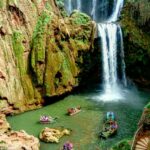
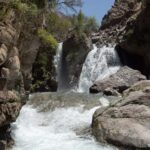
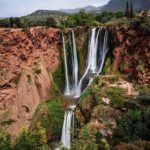
Once you reach Setti Fatma, the road ends and the walking begins. Above the village, seven waterfalls spill down rocky scree. Even if you do not tackle every single cascade, reaching the first one is a good goal for most people. It gives you that wow factor without making the whole day a fitness test.
A few more Marrakesh tours and experiences worth a look

The AC minivan ride from Marrakech: convenient, but watch the timing
Hotel pickup and drop-off are included, and you ride in an AC minivan or minibus. That matters because you are leaving Marrakech for a full day. Less hassle before the scenery arrives means you start walking with energy instead of stress.
Still, the reality of day trips is simple: time is a budget. The earlier you are at the main waterfall area, the more relaxed your walk feels. If lunch runs long, you can lose daylight for the wadi walk and for simply standing back to take photos and breathe.
A practical move: if your group tends to stall at stops, ask your driver to build the plan around Setti Fatma first. You can always eat after you get the views you came for.
Berber village life and a tagine by the river
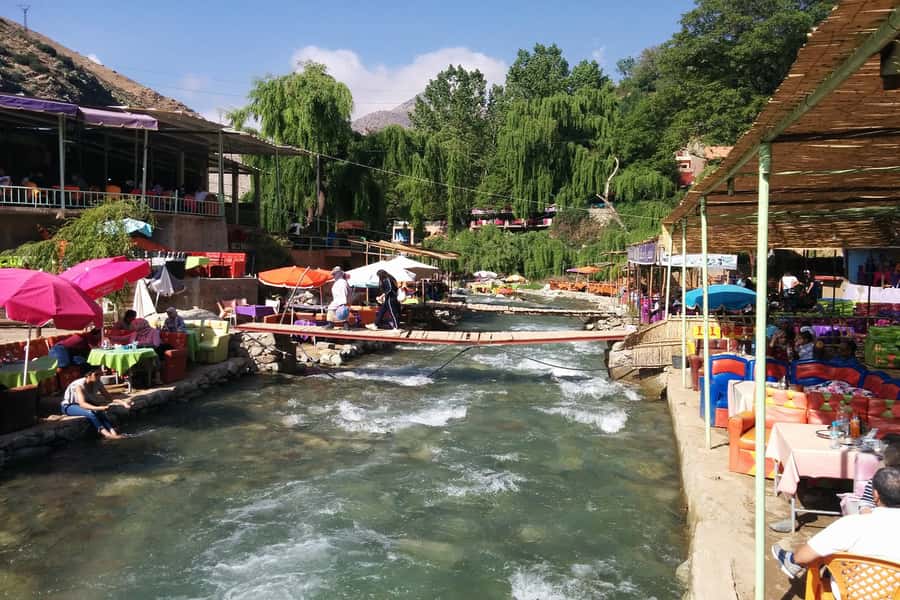
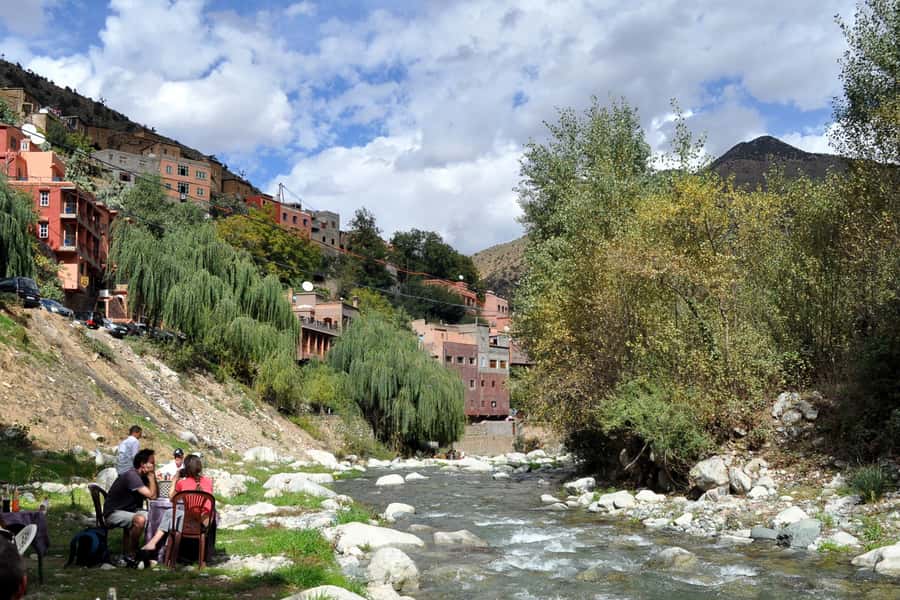
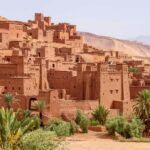
One of the best parts of this trip is that it does not treat culture as a quick photo stop. You visit a Berber house and village setting, and that gives you a real sense of how families live in the valley. You are seeing the human side of the mountains, not just the scenery.
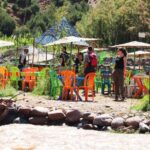
The experience often includes a Berber tagine by the river of Ourika. Even if you are not a food-obsessed traveler, the value here is the location. Eating near the river, while village life continues around you, makes the meal feel tied to place.
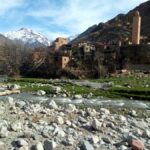
You also get the feeling that the Berber world here is practical and local-first. The valley has gardens and plots shaded by fruit trees. The hamlets cling to hillsides because that is where the land works. When you see a home in that context, daily life makes more sense.
Tip for you: wear shoes with decent grip. The valley area can be uneven near paths, and you will likely walk more than you expect for a “simple” sightseeing day.
Setti Fatma waterfalls: how the walk works (and why ordering matters)
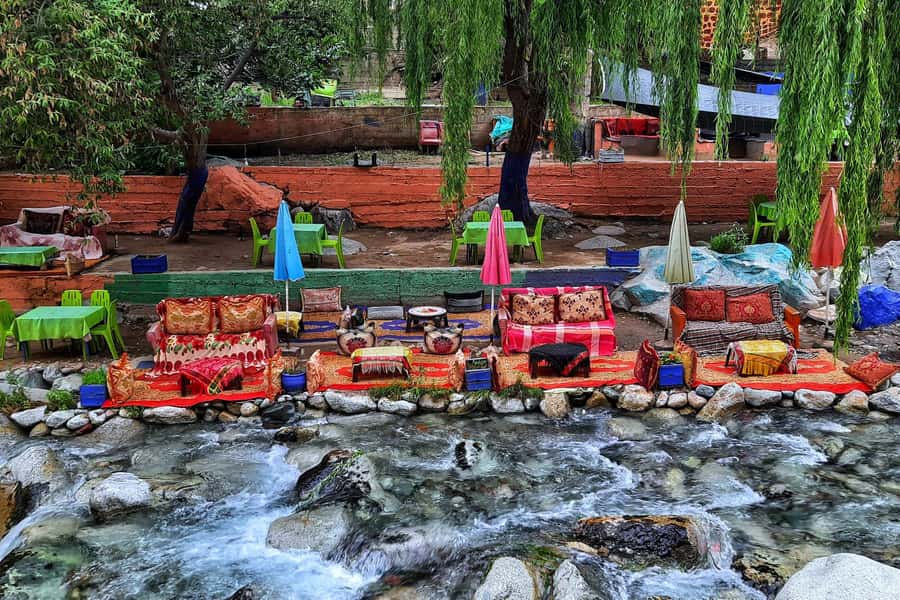
Setti Fatma is the day’s physical payoff. From the village, the waterfalls run down above rocky scree. The tour includes a guided walk designed to help you reach the area near the first falls, which is described as easy to reach.
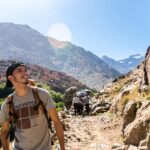
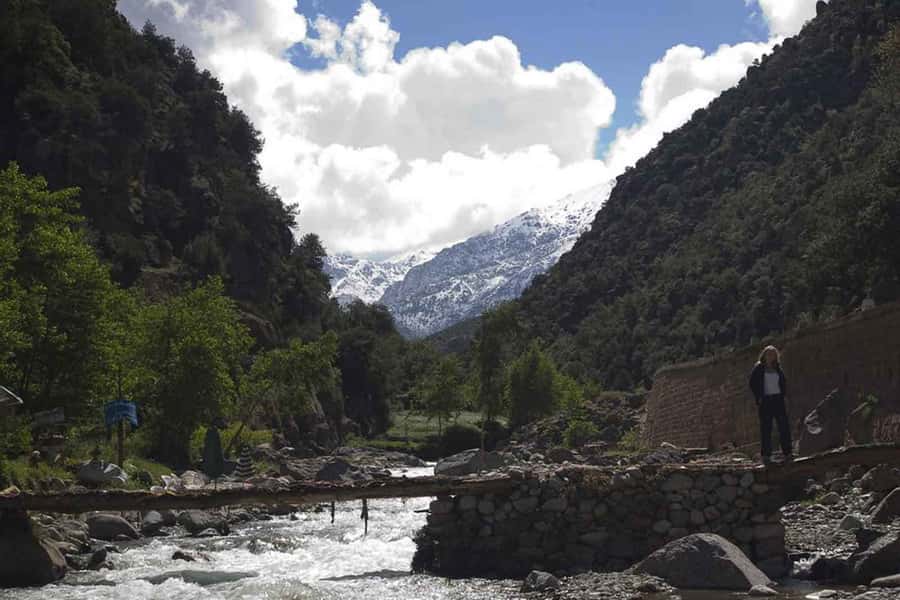
Here is what you should expect: the walk follows the wadi line. That means you are on a path shaped by water flow, not a manicured park trail. The terrain can be a bit rocky and slippery, so take it slow. You do not need special gear, but steady shoes help a lot.
Also, plan your order. One helpful tip I would give you is straightforward: see the waterfalls first, then eat. If you eat before you go, you may feel slower on the walk, and you can run short on time after lunch. If you are the type who likes to linger at viewpoints, prioritizing the falls first is the safer move.
If you get a strong guide, the walk feels more like a story than a trek. Some guides are known for explaining what you are seeing and keeping the group moving at a pace that still lets you enjoy the water and the rock formations.
Women’s argan co-operative: real value beyond souvenirs
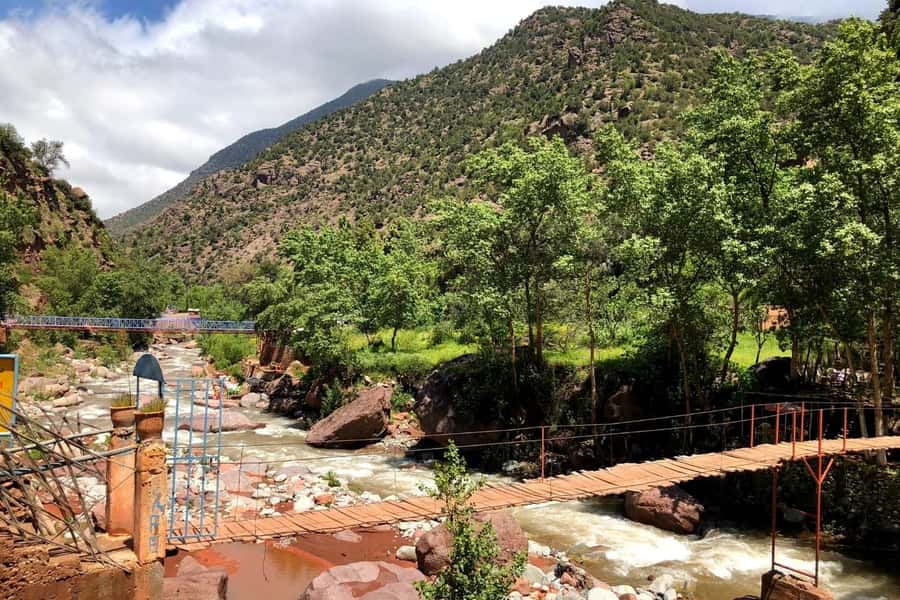
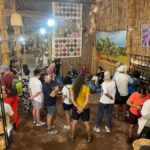
The women’s argan oil co-operative is one of the most meaningful stops on this trip. This is not just a storefront; you are invited into a locally-run operation where women organize around argan production. It is the kind of visit that answers the question you may have after you see argan oil for sale everywhere: where does it actually come from, and who benefits?
What I like for you here is the practical angle. You can see how the co-operative functions and you get a clear reason why this matters for local families. Some shoppers also mention getting organic creams and cosmetics at good prices, which suggests you can buy with a little more confidence than you would at a random stop.
One more detail that helps: the co-op visit usually pairs well with the village home visit. Together, they show two sides of the same system—how people live in the valley and how they generate income using local resources.
Shopping tip: treat purchases as part of the experience, not as a last-minute decision. If you want creams or cosmetics, take a moment to compare before buying so you feel good about your selection.



Price and value: why $12 can feel too good to be true
The stated price is very low at about $12 per person. On paper, that can make you wonder what you are giving up. The good news is that the core logistics and major cultural stops are covered: AC transport (minivan or minibus), hotel pickup and drop-off, a professional driver, and visits that include the argan co-operative and a Berber house.
Lunch and drinks are not included, and a local guide is not included. That is the main place where costs can creep in. You might also encounter a typical pattern where lunch happens at a suggested restaurant and a local/regional guide may be offered for the waterfall area.
If you plan ahead, the value still makes sense. One concrete example from the field: lunch at a recommended restaurant is often about 12 euros, while you can find other options for about half that price. The regional guide cost often comes up around 2 euros. Those extra bits are small compared to the included transport and the main sightseeing.
The real value question for you is this: do you care about the walk, the co-op visit, and the village setting? If yes, the base price can be a smart deal. If you mostly want waterfalls only, you might consider a more targeted arrangement. But if you like a day trip that mixes nature and people, this one fits the bill.
Language and guide reliability: how to avoid surprises
Language is the most important “gotcha” to plan around. The tour information lists multiple languages (Arabic, French, Spanish, and English), but in practice, not every driver or guide will work in every language. English and French are the safer bets, so if you need Spanish, confirm clearly before you go.
The second issue is pacing and decision pressure. Some experiences describe drivers steering groups toward a specific restaurant and then pushing for an additional paid guide. Not everyone sees it that way, but it is enough of a pattern that I would give you a simple guardrail: stick to your priorities. If you want Setti Fatma time, make it clear early that the waterfalls come first and lunch comes after.
A calm approach works best:
- Ask your driver for the order of stops on the first pickup moment.
- Keep an eye on time when you are near Setti Fatma.
- If you are offered a paid guide for the walk, ask what it includes and how long it will affect your waterfall time.
Who this day trip is best for (and who should rethink it)
This tour suits you if you want an easy, structured day that covers both nature and culture. It is great for first-timers in Marrakech who still want out-of-town scenery without planning a whole route. It also works well for couples and friends who like guided context but still want time to look around.
You might rethink the plan if:
- You need Spanish-speaking narration and can’t handle English or French.
- You dislike any stop that feels like it could delay the main event.
- You are sensitive to rushed group schedules.
If you do go, you can make it smoother by choosing comfortable shoes, carrying water, and setting your personal priority: waterfalls first, then everything else.
Should you book this Marrakech Ourika Valley and Atlas Mountains day trip?
If you want a well-rounded day trip—valley scenery, Berber home context, and women’s argan co-operative insight—this is a strong pick for the money. The Setti Fatma waterfalls walk is the centerpiece, and the included transport and visits remove a lot of the hassle.
I would book it if you’re comfortable with a group format and you want both culture and nature. I would be extra cautious if your Spanish requirement is strict; confirm language up front, and do not let lunch push your waterfall time.
Bottom line: this is a practical, value-heavy way to get into the High Atlas for one day. Just keep your priorities clear, especially around the order of Setti Fatma and meals.
FAQ
How far is Ourika Valley from Marrakech?
Ourika Valley is about 68 km southeast of Marrakech.
What do you do at Setti Fatma?
At Setti Fatma, you go to the waterfall area above the village. The first waterfall is reachable by walking up the wadi, and the tour includes guided discovery of the waterfalls.
Is lunch included in the price?
No. Lunch and drinks are not included.
Is there a local guide fee?
A local guide is not included. You may choose to use a local/regional guide during the waterfall area, which can come with an extra cost.
What languages are available?
The tour information lists Arabic, French, Spanish, and English.
Do you visit the women’s argan oil co-operative?
Yes. A visit to a locally-run women’s argan oil co-operative is included.
What transportation is provided?
You get hotel pick-up and drop-off, plus transport by AC minivan or minibus with a professional driver.