REVIEW · MARRAKESH
Marrakech City Highlights Tour
Book on GetYourGuide →Operated by Morocco Tours VIP Experiences · Bookable on GetYourGuide
Marrakech’s medina can overwhelm fast. This tour helps you connect the dots between major sights and the everyday streets, from Koutoubia Mosque to the souks. I like having an expert guide on hand for navigation and practical street-level tips, and I like the way you’re guided through the city instead of dropped in the middle of it.
Two things can make or break a medina day: language and entrances. The tour is offered in English, but language mix-ups can happen, so I recommend double-checking your preference before you go. Also, some sights have restricted entry or may charge fees, so you should expect to cover attraction entrances separately.
On the plus side, the route is built around landmarks plus quieter pockets of the old city, and that balance is what makes it feel worth the money. You’ll walk plenty, but it’s the kind of walking that turns confusion into a sense of direction.
In This Review
- Key highlights to know before you book
- From Avenue Mohamed 5 to Koutoubia Mosque: the day starts with orientation
- Bab Agnaou, the Kasbah gate, and the Mellah side streets
- Bahia Palace: the part where craftsmanship hits you in the face
- Medina and souks: learn the rhythm, not just the streets
- Jemaa el-Fnaa: photo first, then really watch it change
- Hidden corners after the square: quieter streets, real local texture
- Le Jardin Secret (optional): a garden reset in the middle of the city
- Language, guide quality, and why it affects your whole day
- The $46 value: what you get, what you may pay extra
- Who should book this tour, and who might not
- Should you book the Marrakech City Highlights Tour?
- FAQ
- Where does the tour start?
- What’s included in the price?
- Are attraction entrances included?
- Is pickup available?
- What language is the tour offered in?
- Is Le Jardin Secret part of the standard route?
Key highlights to know before you book
- Koutoubia Mosque minaret views with helpful context even if entry is limited
- Bahia Palace gardens and rooms with mosaics and carved details
- Bab Agnaou and the Kasbah gateway story including Saadian Tomb context
- Medina and souk navigation plus tips for bargaining with shopkeepers
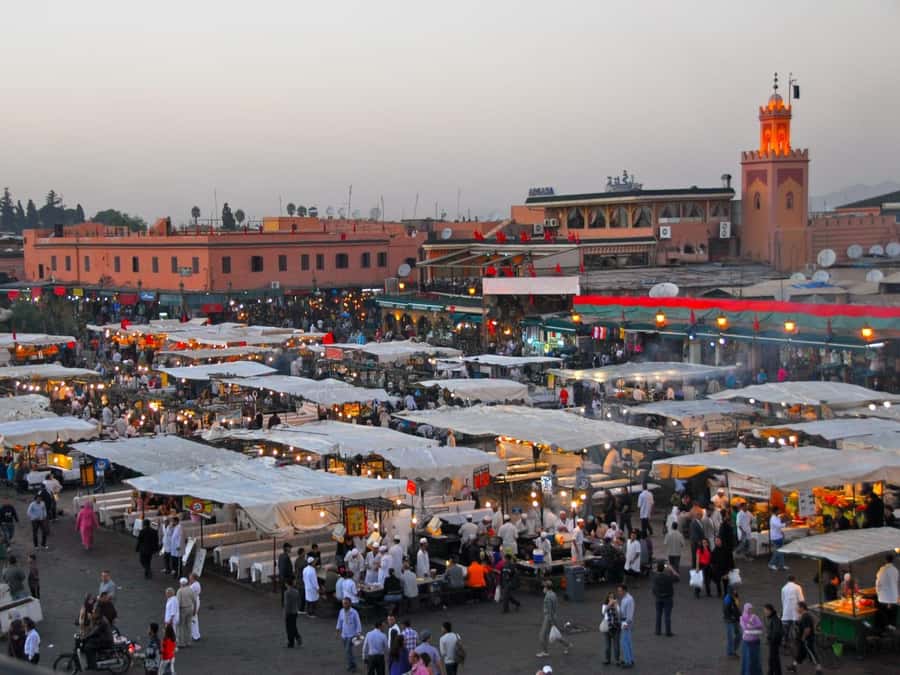
- Jemaa el-Fnaa by day and night with performers and street food energy
- Optional Le Jardin Secret for a calmer garden pause
From Avenue Mohamed 5 to Koutoubia Mosque: the day starts with orientation
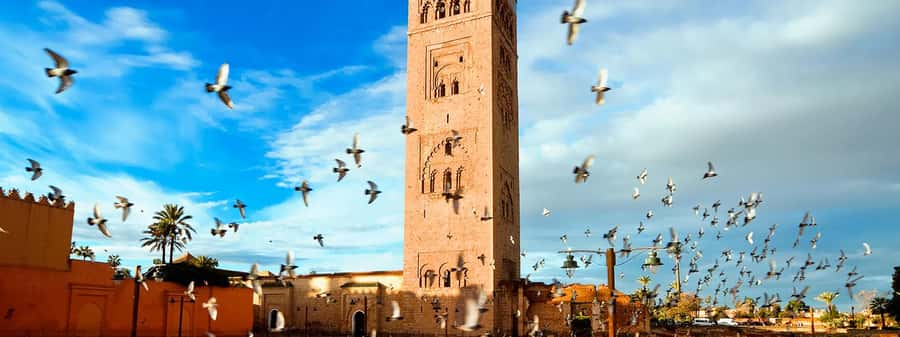
The meeting point is near the white dome by Koutoubia Minaret, on the side of Avenue Mohamed 5. If you’re staying close to the center and you book privately, you may be able to meet in your accommodation lobby, which saves time and stress when you’re still figuring out the area.
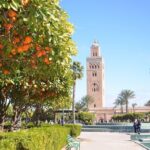
I like how this start gives you instant orientation. You get the main skyline anchor first—Koutoubia—and that makes the rest of the medina streets feel less like a random maze. The guide frames what you’re seeing: Koutoubia is the largest mosque in Marrakech, and its minaret is a strong city symbol tied to Moroccan religious and historical life.
Practical note: entry to the mosque area is restricted. That doesn’t mean the stop is pointless. Your guide’s job here is to explain the architecture and significance so you’re not just taking a photo and moving on.
You can also read our reviews of more city tours in Marrakesh


Bab Agnaou, the Kasbah gate, and the Mellah side streets
Next comes Bab Agnaou, a dramatic 12th-century stone gate with intricate carved decoration. It’s one of the 19 entrances to Marrakech and serves as a ceremonial gateway to the royal Kasbah area, a fortified district connected to palaces and the Saadian Tombs.
This stop matters because it explains how Marrakech was organized. When you understand where the main gates were and what they led to, the medina’s layout makes more sense later. It also helps you spot the difference between a purely tourist lane and a street tied to old ceremonial routes.
Nearby, you’ll also get a look at the Jewish Quarter (Mellah), with narrow alleys and synagogues, plus spice-market energy. Even if you don’t spend long inside every doorway, seeing the Mellah contextually adds another layer to the city—people, crafts, markets, faiths—sharing the same urban space over centuries.
Bahia Palace: the part where craftsmanship hits you in the face
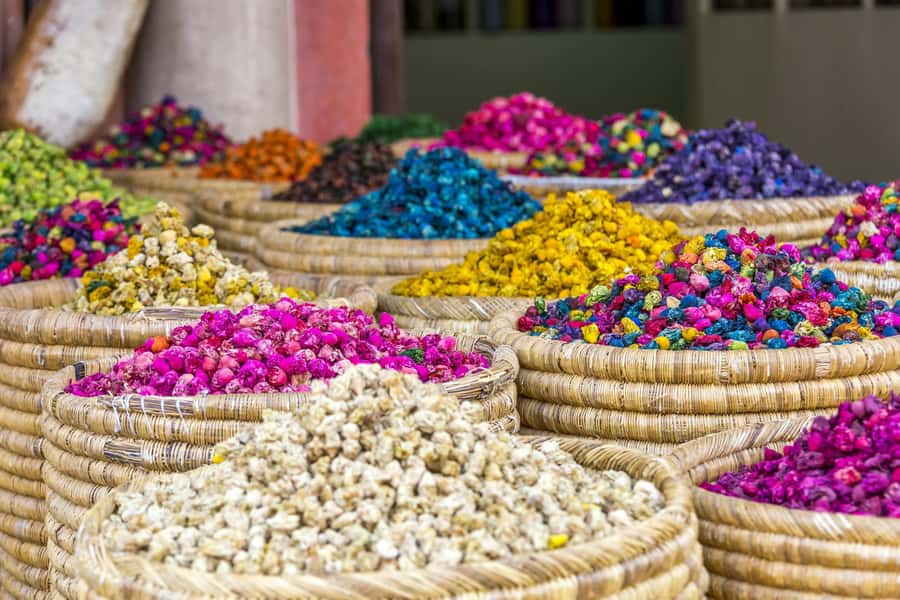
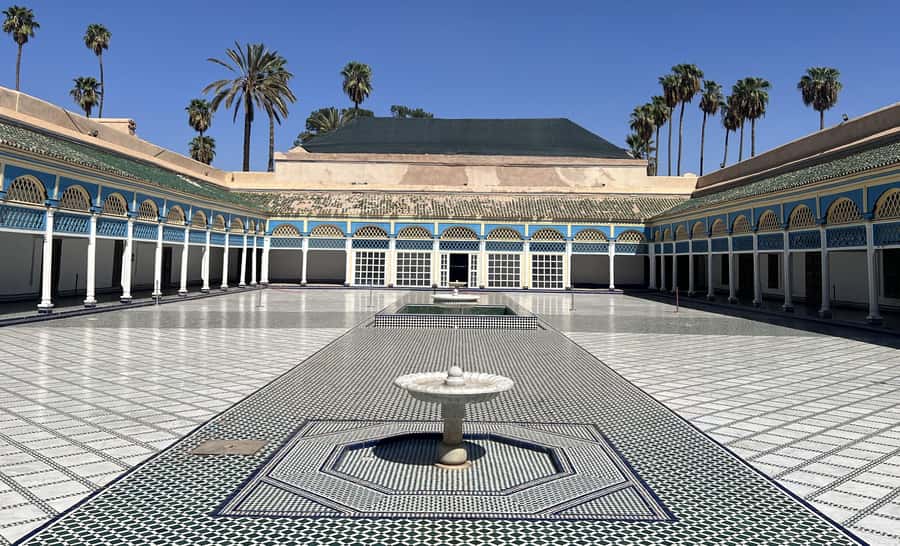
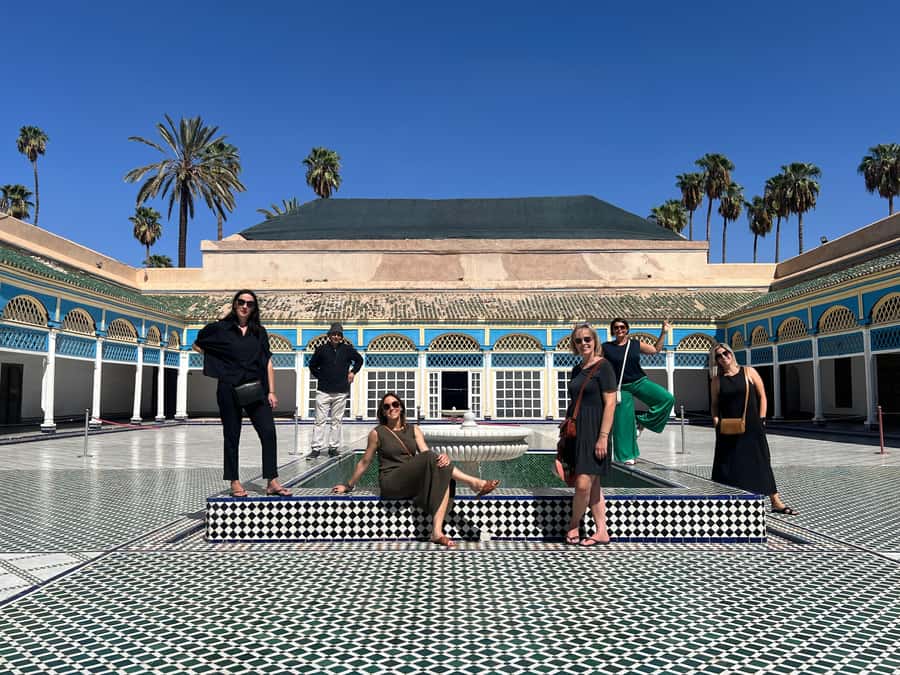
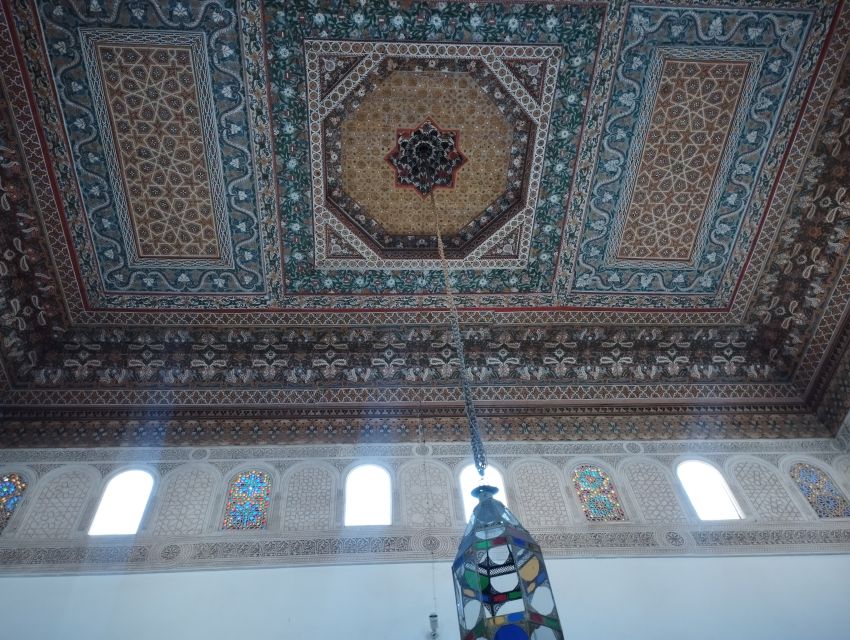
Bahia Palace is where Marrakech slows down just enough for you to appreciate detail. This 19th-century royal residence is famous for its lush gardens and the kind of interior design that makes you stop and stare: mosaics, carved stucco, and painted wood ceilings.
I love palace gardens in general because they change the pace of your day. Here, the gardens offer a break from street noise, and the rooms give you a clear sense of how ornate Moroccan residential design can be. Even if your palace time feels short, the guide’s stories about how the place was built and what daily luxury looked like help you see the building as more than pretty walls.
One consideration: if you expect to roam totally on your own, don’t. The value here is that your guide connects the design elements to the people and the lifestyle behind them.
Medina and souks: learn the rhythm, not just the streets
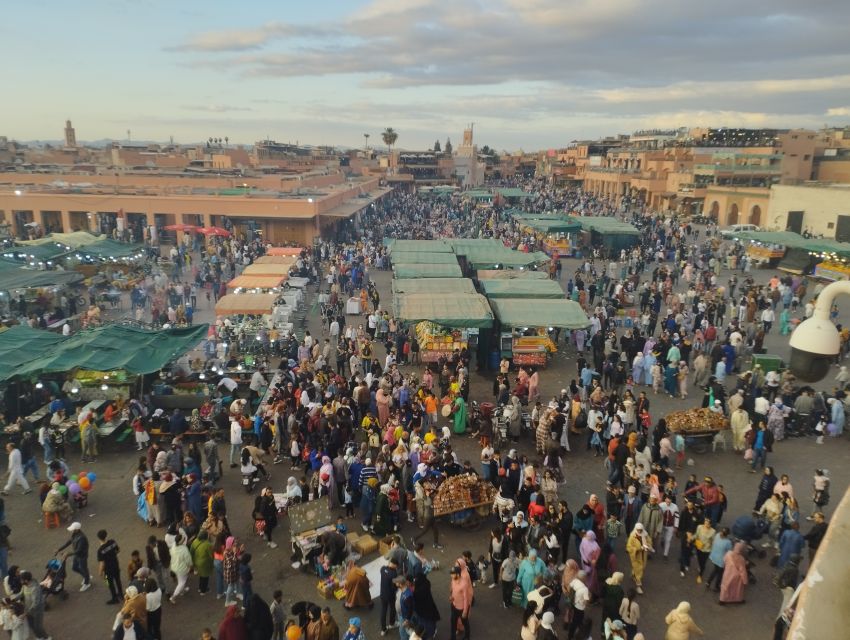
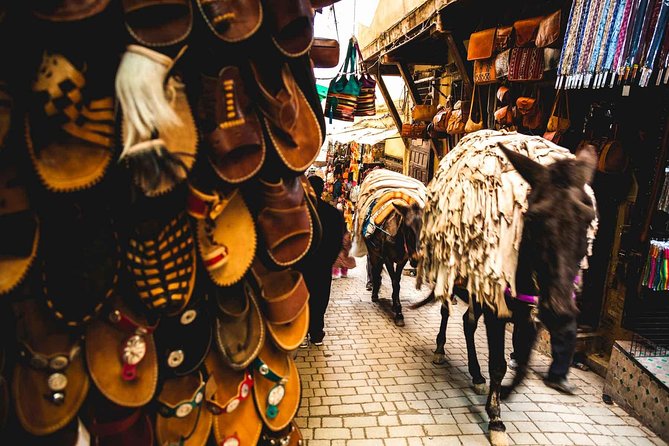
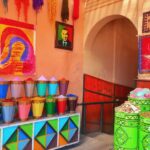
The medina is a UNESCO World Heritage Site, and your guide will lead you through the medina and souks, where colorful stalls sell spices, rugs, pottery, and leather goods. This is the core experience for many first-timers, but it can also be the most exhausting part if you’re trying to figure things out alone.
What I like about a guided approach is that you get practical street logic. You’re taught how to move through narrow lanes, what kinds of shops you’re likely to see in each section, and how bargaining works in a way that feels human rather than aggressive. The tour specifically includes tips for haggling, which matters because Marrakech shopping is not just about the item—it’s about the interaction.
Also, pay attention to what your guide emphasizes. In one case, a guide named Rashid took people to less-touristy souk areas so the shopping felt closer to everyday trade. That’s the difference between seeing stalls and understanding a marketplace.
Wear comfortable shoes. This is walking through tight streets. If you get even a little tired, the day can feel longer than it needs to.
Jemaa el-Fnaa: photo first, then really watch it change
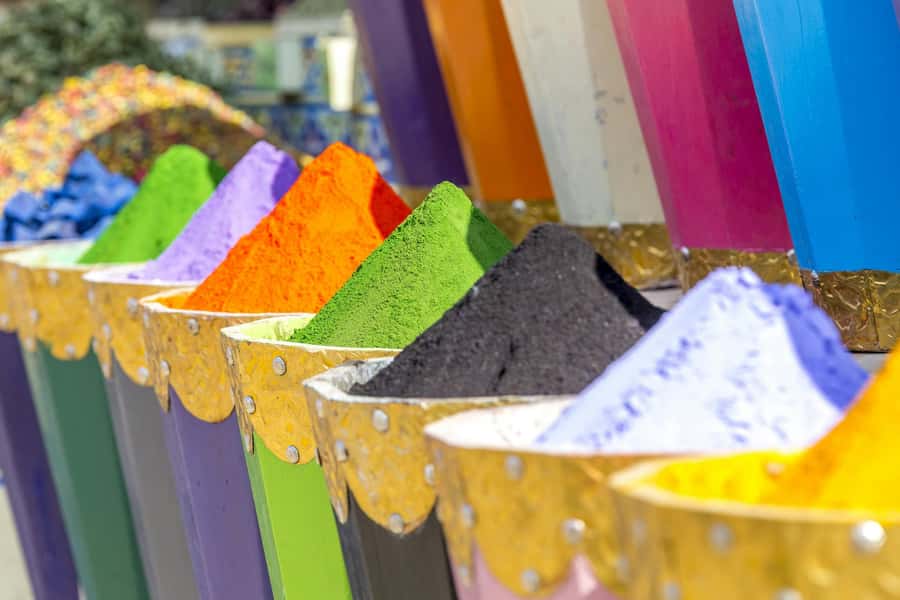
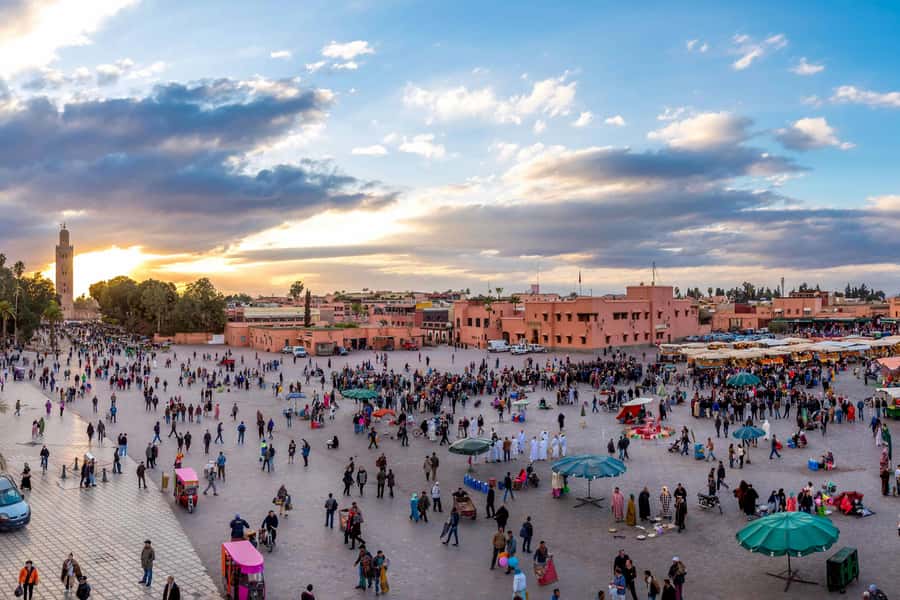
Jemaa el-Fnaa is Marrakech’s best-known square, and it’s famous for a reason: by day, you’ll see snake charmers, street performers, and vendors selling fresh orange juice. By night, the square shifts into a food-market scene with music, dancing, and storytelling.
The guide’s role here is subtle. Once you arrive, your brain wants to scan everything at once. But with a guide pointing out what you’re seeing and what to expect next, you can actually notice the changes happening through the day-night rhythm.
If you’re the type who gets overwhelmed by crowds, this stop is still worth it—just treat it like a stage you’re learning to watch. Think of it as people-watching plus timing: you’ll likely start in daytime energy, then you’ll see how the vibe turns toward evening meals and performances.
A small caution based on real experience: some routes can feel uneven in how much you walk through long stretches versus shorter segments by the end. If your legs are sensitive, pace yourself and drink your water early.




Hidden corners after the square: quieter streets, real local texture
After Jemaa el-Fnaa, the tour moves off the main track to explore quieter corners of the medina. This part can include artisan workshops, quiet courtyards, and historic riads—places that are hard to find and hard to judge from the outside.
This is where you start learning the difference between a place that’s meant for selling and a place that’s part of daily life. You might see craftsmanship work up close, or you might just step into a calmer courtyard and feel your brain exhale for a minute.
In interviews and shared experiences from previous tours, the best outcomes usually come when the guide makes the route adaptable. Rashid, for example, was flexible if people had already visited some itinerary stops, and that keeps your day from turning into a strict checkbox exercise.
If you want an authentic feeling without spending days getting lost on purpose, this is the portion that delivers.
Le Jardin Secret (optional): a garden reset in the middle of the city
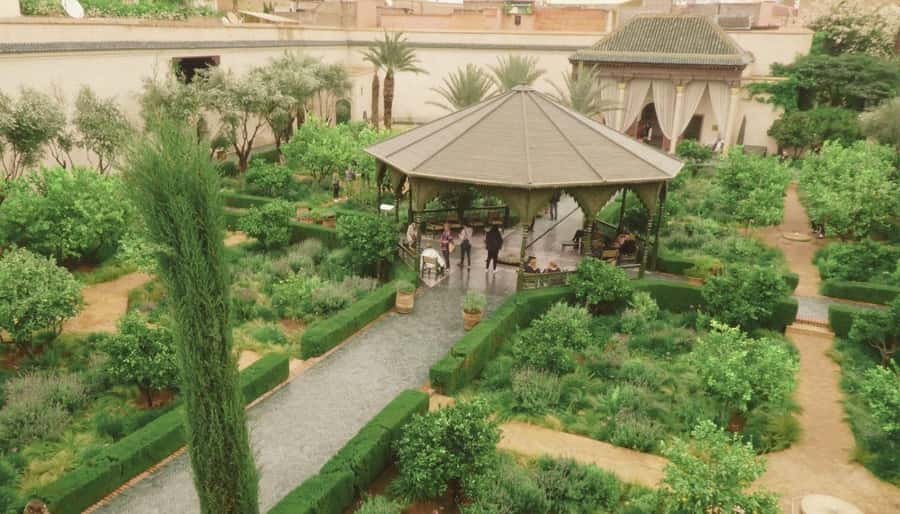
If you choose the optional stop, Le Jardin Secret adds a quiet break in the heart of the medina. It’s a restored traditional Moroccan garden, and it’s meant to feel like an oasis compared with the streets outside.
I recommend it especially if you’re doing this tour during warmer months or if you simply want a change of pace after walking and shopping. Gardens like this also help you understand Moroccan design as something functional—water, shade, layout—not only decorative.
Your choice here is simple: if you want a breathing space, add it. If your priority is maximizing iconic sights and street scenes, you might skip it and save time.
Language, guide quality, and why it affects your whole day
The tour is listed as English. In practice, language depends on guide assignment. One person experienced a language mix-up and then ended up with a German guide named Bouschta who did an amazing job. Another experience involved an Italian request where the first guide didn’t know Italian well, followed by a second guide with limited fluency and more superficial information.
That’s why I treat language as a real travel variable, not a minor detail. If you care about history, design details, or understanding the stories behind each stop, make sure your language preference is clearly stated. If it’s wrong, insist and ask for a fix before the tour starts.
Guide names you may run into include Omar (friendly and helpful on a recommended tour) and Rashid (smart, flexible, and focused on less-touristy areas). Those are the kinds of guide traits you should look for: clarity, friendliness, and a willingness to adjust.
The $46 value: what you get, what you may pay extra
At $46 per person, this tour sits in the category where you’re paying for guidance, not for entry fees. The package includes an expert local guide, a bottle of water, and a walking tour of the medina and souks.
Attractions entrance fees are not included. Also, some sites may restrict entry, like Koutoubia. That’s normal for Marrakech’s major religious and historic places. In other words: the guide gets you the value, and you may need to budget separately for any entry tickets depending on what you choose to go into.
Where this becomes good value is when you’re a first-timer. If you don’t know the medina, a guided route can save you hours of getting turned around. You also get practical bargaining advice and a structured plan that hits big highlights without letting you burn out before Jemaa el-Fnaa.
Who should book this tour, and who might not
Book this if:
- You want a guided route through major Marrakech icons plus souks and square energy.
- You’re visiting for the first time and want help getting your bearings fast.
- You like the mix of landmark stops and quieter medina lanes.
- You want tips for shopping and haggling instead of just wandering.
Consider skipping or customizing if:
- You’re strongly language-dependent and you haven’t confirmed your preferred language.
- You hate walking and want fewer segments. This is a walking tour, and the streets add up.
- You only want interior entry sites. Some stops focus more on views and explanations than on full access.
If your goal is a smart first introduction to Marrakech with less stress than going it alone, this fits well.
Should you book the Marrakech City Highlights Tour?
I think it’s a good pick if you want structure, local guidance, and a day that connects the city’s headline sights to the street-level experience. The best part isn’t any single landmark—it’s the way you go from Koutoubia to palace detail, into the souks, and then out to Jemaa el-Fnaa and the quieter medina corners afterward.
Just do two things before you go: confirm your language preference, and plan for attraction entrances as extra costs. If you handle those, this $46 outing can turn Marrakech from confusing into confident.
FAQ
Where does the tour start?
It starts next to the white dome near Koutoubia Minaret, on the side of Avenue Mohamed 5. If your accommodation is close to the center and you book privately, you may be able to meet in the lobby.
What’s included in the price?
The tour includes an expert local guide, a bottle of water, and a walking tour of the medina and souks.
Are attraction entrances included?
No. Entrance to attractions is not included, and some places may have restricted access.
Is pickup available?
Pickup transfer is available on request, and if you book it, you should send your accommodation name.
What language is the tour offered in?
The tour is listed as English. You should confirm your language preference when booking, since guide assignments can vary.
Is Le Jardin Secret part of the standard route?
It’s optional. If you want a calmer pause, you can add Le Jardin Secret to your tour.