REVIEW · MARRAKESH
Marrakech Atlas Mountains, Berber Villages & Waterfall Tour
Book on GetYourGuide →Operated by Amzil Group Morocco Travel · Bookable on GetYourGuide
Getting out of Marrakech changes everything fast. This day tour is all about High Atlas scenery, Berber villages, and a guided hike to waterfalls, plus a camel ride and a proper home-style meal. I like how the schedule mixes easy moments (mint tea, views, village time) with active ones (the climb toward the falls). One thing to think about: the day includes walking in mountain conditions, so comfortable shoes really matter.
You’ll be picked up in Marrakech, driven out through countryside, and brought to places like Lala Takerkoust and Imlil where the pace shifts from city life to mountain life. Camel time, a guided waterfall hike, and a lunch of tajine and couscous make it feel like more than just a photo stop. Possible drawback: if you expect the meal to be a very specific inside-the-house sit-down every time, plan for some variation in where you eat, depending on the day and the setup.
Key Things To Know Before You Go
- Small-group feel (12 max) makes it easier to move, ask questions, and keep a relaxed pace.
- Camel ride + mint tea breakfast gives you a classic Atlas introduction before you start walking.
- Imlil is the base for the hike portion, so expect mountain paths and some climbing.
- Waterfalls are the goal, but how the hike feels depends on trail conditions and group timing.
- Lunch is Berber home-style with Moroccan staples like tajine and couscous.
- Market stop can happen on Tuesday or Saturday, when local stalls are active.
In This Review
- Getting Out of Marrakech: The Drive to Lala Takerkoust and Mountain Views
- Mint Tea Breakfast and Camel Ride at Lala Takerkoust
- The Market Stop: Tuesday or Saturday for Real Local Color
- Imlil Village: The Mountain Hub for Your Waterfall Hike
- Guided Hike to Waterfalls: Pace, Paths, and What to Watch For
- Lunch in a Berber Home: Tajine, Couscous, and Hospitality
- Guides in Real Life: English Options and Friendly Local Knowledge
- Price and Value: What $31 Buys in the Atlas Mountains
- Who This Tour Suits Best (And Who Should Skip It)
- Should You Book This Marrakech Atlas Mountains Waterfall Tour?
- FAQ
- How long is the Marrakech Atlas Mountains, Berber Villages & Waterfall Tour?
- Where does the tour start and do you include pickup?
- What meals are included during the day?
- Is a camel ride included?
- Do you visit Imlil and see the waterfalls?
- Is there a market stop?
- How large is the group, and what languages are available?
- Is the tour wheelchair accessible, and can you cancel for free?
Getting Out of Marrakech: The Drive to Lala Takerkoust and Mountain Views
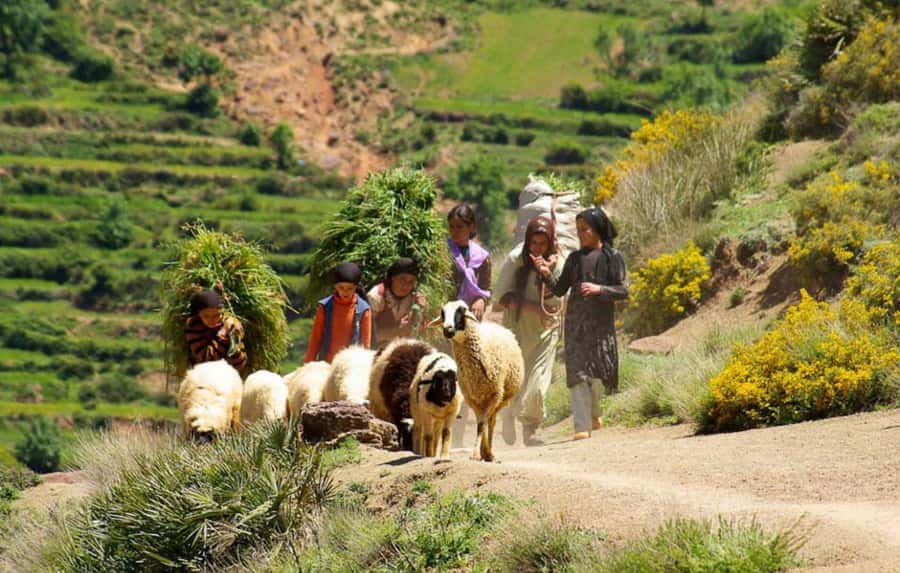
This tour starts with hotel pickup and an air-conditioned vehicle, which matters in Morocco because the day can warm up quickly once you’re out of town. The best part of the drive is the gradual shift: you leave Marrakech behind and head toward the Atlas area where the air feels different and the scenery opens up.
A key early stop in the experience is Lala Takerkoust, near the mountains and associated with Lake Takerkoust views. It’s a good moment to reset your eyes. City streets give way to mountain terrain and that calm, “why am I not living here” feeling starts to kick in.
If you’re prone to feeling carsick, the drive is still the standard countryside route, so it’s usually manageable. But if you’re sensitive, bring what you need—some mountain roads can be curvy.
Mint Tea Breakfast and Camel Ride at Lala Takerkoust
At Lala Takerkoust, the day slows down in a smart way. You start with a light breakfast built around traditional mint tea and fresh bread, plus olive oil and honey. It’s simple, but it sets you up for walking later. You’re not just eating to eat—you’re getting a taste of how food and hospitality fit mountain life.
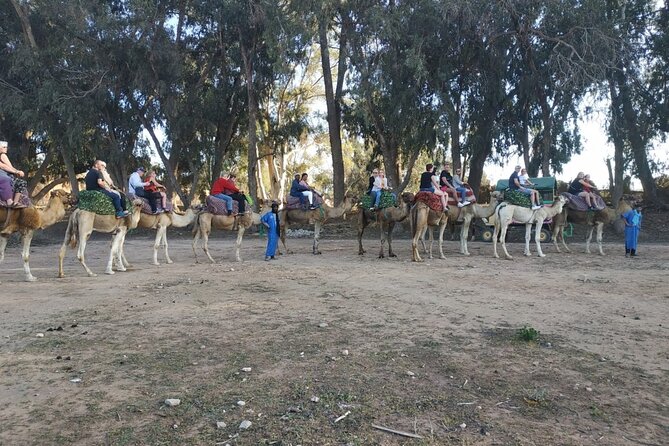
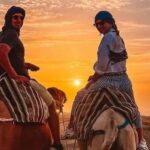
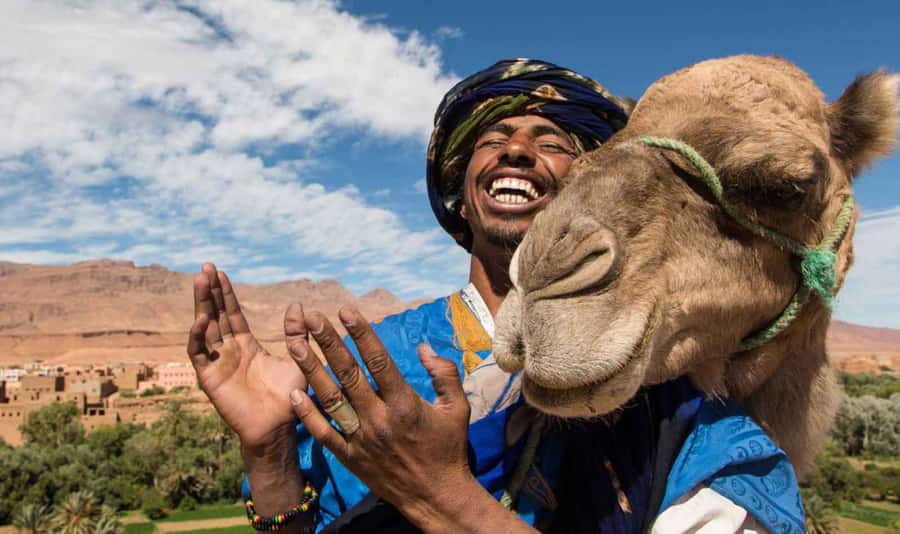
Then comes the camel ride. This isn’t a gimmick “stand there for a minute” thing. The tour is structured so you get the traditional feel of camel travel while still keeping the day efficient. It also helps break up the day’s rhythm: you’re active, but not immediately exhausted.
One practical note: camel riding can be a bit bumpy. Wear something you can move in, and if you’re carrying a camera, keep it secured. The goal is comfort, not style points.
You can also read our reviews of more tours and experiences in Marrakesh.

The Market Stop: Tuesday or Saturday for Real Local Color
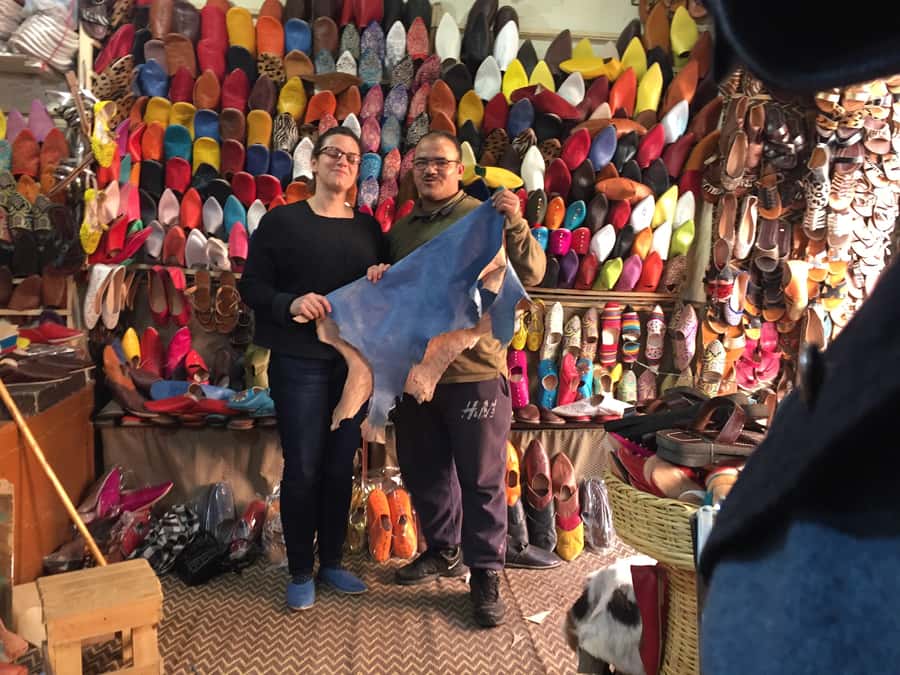
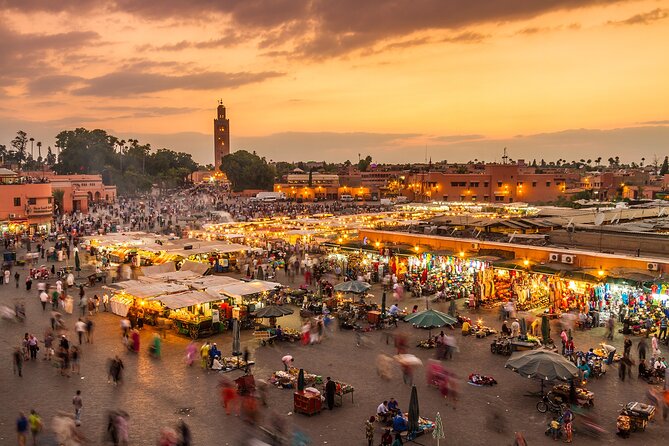
You’ll pass a town where a local market takes place, and the best chance to see it is on Tuesday or Saturday. If your dates line up, you’ll get more than scenery—you’ll see everyday trade: produce, small goods, and handcrafted items made by local people.
This is one of those stops that can be short or long depending on what day you’re there and how the schedule flows. But even when it’s brief, it adds context. You’ll notice how mountain life connects to town life: people still need markets, and the Atlas communities still rely on trade and local crafts.
If you’re visiting on a day other than Tuesday or Saturday, don’t panic. You’ll still be out in the countryside, and you’ll still have the main beats—camel ride, Imlil time, and the waterfall hike.
Imlil Village: The Mountain Hub for Your Waterfall Hike
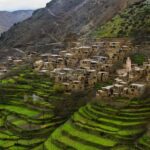
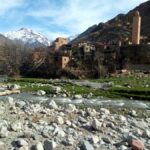
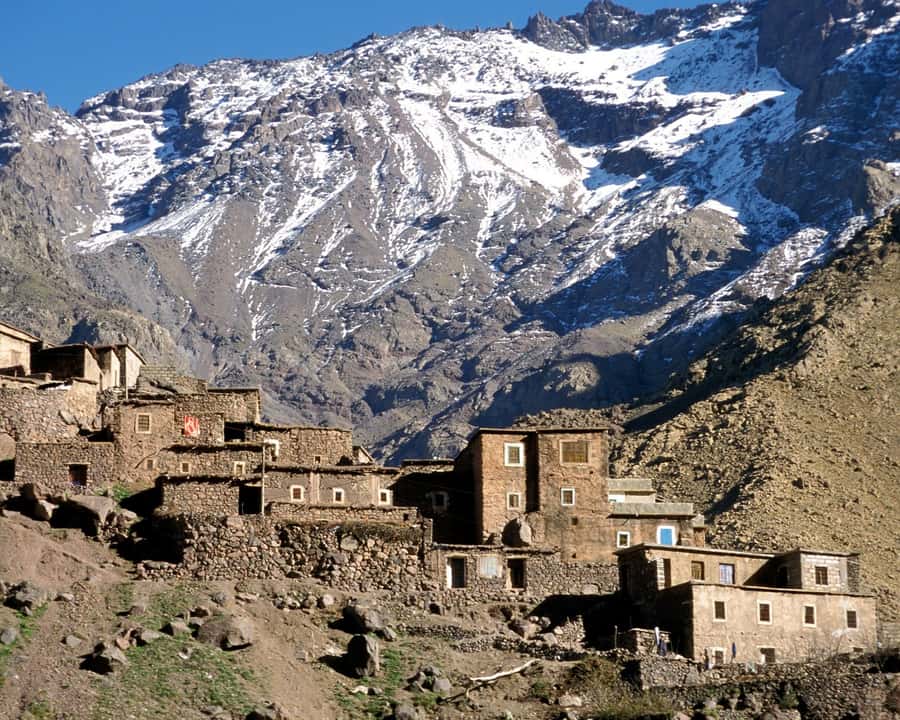
After Lala Takerkoust, the tour moves to Imlil, a small village in the High Atlas area that acts like a jumping-off point for hikes. This is where the vibe changes again. The air feels cooler near the mountains, the paths feel more human-scale, and you start to see the local rhythm of daily movement.
I like that the tour doesn’t dump you straight into the hardest part. You arrive, settle in, and then begin the hiking portion with a guided approach. If you’re traveling solo or in a mixed group, having a guide keeps everything clear: where you’re going, what to expect, and how to pace yourself.
One thing to consider: Imlil is a real village setting. That means you might not get a single, staged “museum village” experience. You’re going to spend time in a working mountain community, which is exactly why it feels authentic—but it also means your expectations should match the reality.
Guided Hike to Waterfalls: Pace, Paths, and What to Watch For
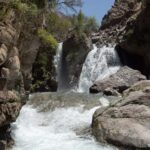
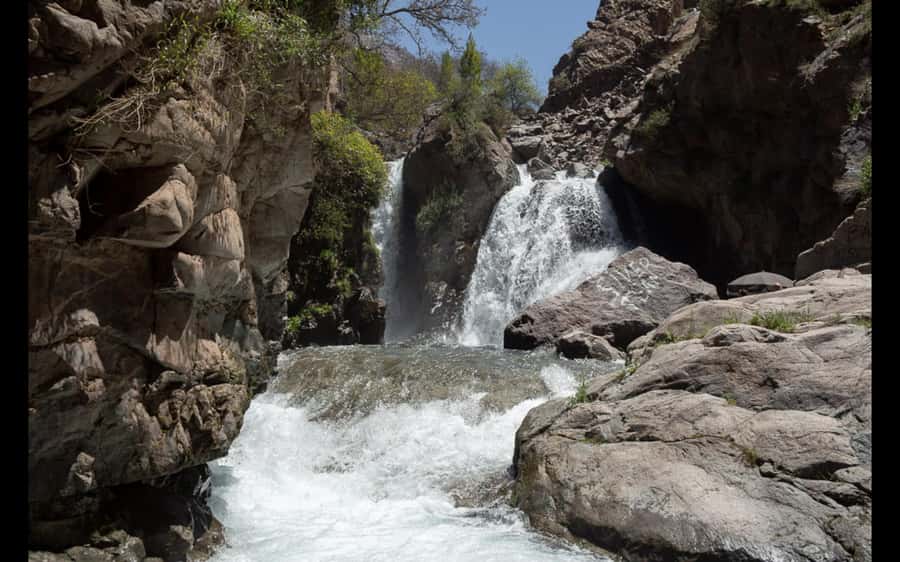
The main active highlight is the guided hike toward the waterfalls. This is where the tour earns its name. The path is in mountain terrain, and it’s not just a flat stroll. Even when the group is moving together, you’ll likely climb and walk on uneven ground.
From the way the hike is described and the feedback that’s been consistent, the hiking portion can be the tiring bit of the day—especially if you’re not used to uphill walking. Comfortable shoes are the difference between enjoying the hike and thinking about your feet halfway up.
What you’ll notice as you hike:
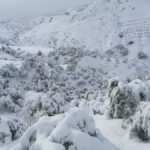
- The scenery starts to feel layered, with mountain ridges and valley views.
- The trail can feel remote compared to Marrakech, which makes the waterfall payoff more satisfying.
- Your guide helps keep you on track, especially since mountain paths can fork or change character quickly.
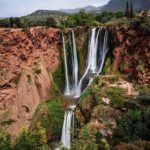
When you reach the waterfall area, it’s not just a single “look over there” moment. The hike is the point: you feel like you earned the sight. If you’re someone who loves being outdoors even on a short trip, you’ll get a lot out of this portion.
Lunch in a Berber Home: Tajine, Couscous, and Hospitality
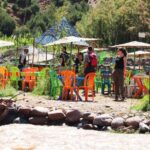
After hiking, lunch comes in with the perfect tone: warm food, Moroccan flavors, and a chance to sit down and breathe. The tour describes lunch as a traditional Berber meal in a local setting, and what you can expect from the spread is very Morocco: tajine, couscous, salad, and other local dishes.
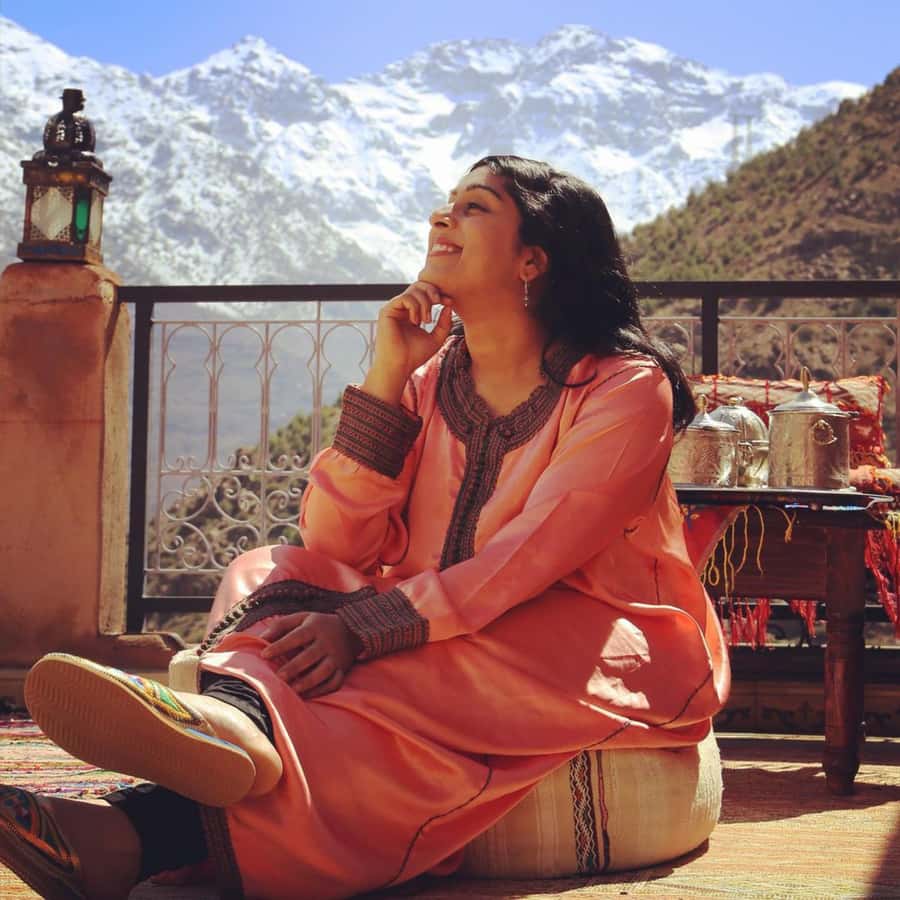
This is also where you learn the most from the human side of the experience. Berber hospitality is less about big speeches and more about the way the meal works—sharing food, keeping things friendly, and letting you slow down after effort.
A practical consideration: sometimes meal locations can vary. One traveler’s perspective flagged that the lunch setup wasn’t what they expected—more of a terrace-type situation than an inside-house experience. That doesn’t mean it’s always like that, but it does mean you should be flexible about where you eat. The food itself is the core value, and the tajine-and-couscous style lunch is a strong reason to book.
If you have dietary needs, the tour data doesn’t specify options. So it’s smart to contact the provider ahead of time and ask what can be accommodated.


Guides in Real Life: English Options and Friendly Local Knowledge
This tour runs with a live guide in multiple languages: English, French, Arabic, and Spanish. That matters because in Morocco, so much of the experience is tied to explanation—what you’re seeing, why places matter, and how daily life connects to the land.
Names that show up for the guide team include Ali, Lahcen, Yasmina, and Omar. What stands out is the way guides are described: kind, helpful, patient with groups speaking different languages, and proud of their local roots. If you end up with someone like Lahcen (known in feedback for speaking Spanish well), you’ll likely get extra context during the hike and the village segments.
I also love that the group is small—12 participants max. That size keeps conversations possible and helps the guide manage the day without it feeling like you’re in a production line.
Price and Value: What $31 Buys in the Atlas Mountains
At about $31 per person for a 7-hour day, this tour sits in the “great value” zone for Marrakech day trips—especially because it includes several things people often pay separately for:
- Hotel pickup and drop-off
- Air-conditioned transportation
- A guided experience
- Breakfast and lunch
- A camel ride
- Bottled water
The value isn’t just in the price tag. It’s in how the day is bundled. You get transportation out into the Atlas, you get organized time in Imlil and on the paths, and you don’t have to plan meals or figure out guides. For many visitors, that saves both money and mental energy.
The one trade-off is that at this price point, you’re relying on a set schedule. You won’t get an ultra-custom itinerary. If you want a private guide with total control of timing, you’ll likely look at a different category of tour. But if you want a solid Atlas day without overpaying, this is positioned well.
Who This Tour Suits Best (And Who Should Skip It)
This tour is a strong match if:
- You want a classic Atlas Mountains day trip with camel ride and a hike.
- You enjoy village life and want a guide to explain what you’re seeing.
- You like food you can’t easily reproduce at home—tajine, couscous, and Berber-style hospitality.
- You prefer a small group over crowded bus tours.
It’s less ideal if:
- You strongly dislike hiking or uphill walking. The waterfall segment is the active core of the day.
- You want a “sit and relax” nature day. This one includes movement.
- You have very strict expectations about meal location being inside a specific type of home setup. The lunch is traditional, but where it’s served can vary.
In other words: if your idea of Morocco is a mix of people, paths, and tastes, you’ll likely have a great time.
Should You Book This Marrakech Atlas Mountains Waterfall Tour?
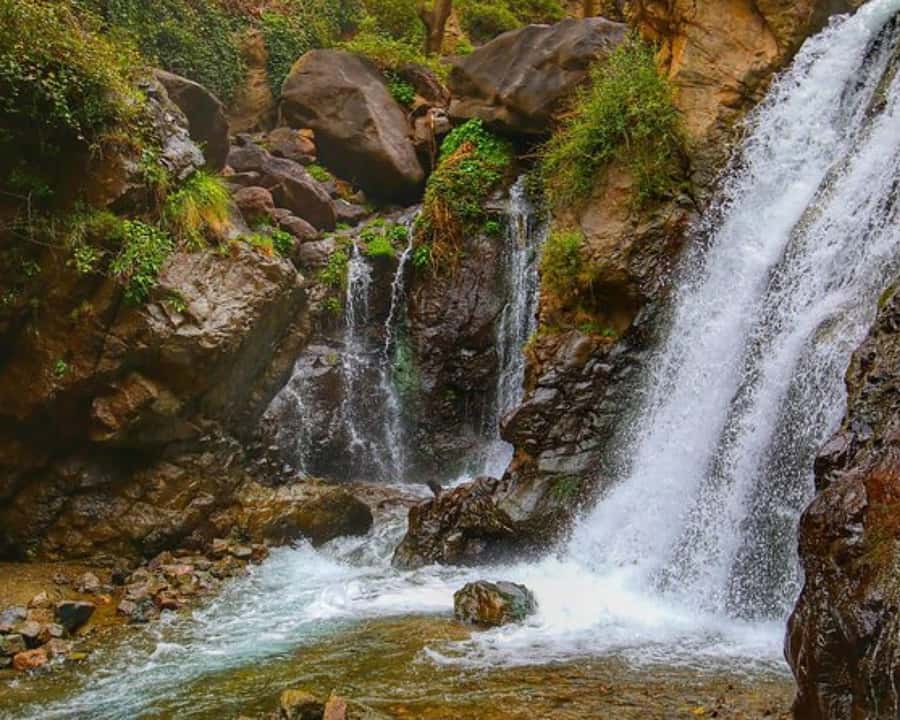
If you’re spending time in Marrakech and you want one high-quality day outside the city, I’d book this. The combination of camel ride at Lala Takerkoust, a guided hike toward waterfalls, and a tasty Berber lunch is a practical way to experience the High Atlas without turning the day into logistics work.
Just go in with two expectations set clearly:
1) You’ll walk in mountain terrain, so show up with comfortable shoes and a realistic pace.
2) The Berber hospitality is the point, even if the exact lunch setup isn’t identical to what you imagined.
If that sounds like your style, this is a worthwhile Atlas day.
FAQ
How long is the Marrakech Atlas Mountains, Berber Villages & Waterfall Tour?
The tour runs for about 7 hours.
Where does the tour start and do you include pickup?
It starts in Marrakech and includes hotel pickup and drop-off.
What meals are included during the day?
You’ll have breakfast (mint tea and fresh bread with olive oil and honey) and lunch (traditional Moroccan dishes including tajine and couscous).
Is a camel ride included?
Yes. The itinerary includes a camel ride during the stop at Lala Takerkoust.
Do you visit Imlil and see the waterfalls?
Yes. The tour stops in Imlil and includes a guided hike to the waterfalls.
Is there a market stop?
There’s a stop in a town where a local market happens, and the opportunity to see it is noted for Tuesday or Saturday.
How large is the group, and what languages are available?
The group is limited to 12 participants, and the guide can work in English, French, Arabic, and Spanish.
Is the tour wheelchair accessible, and can you cancel for free?
The tour is listed as wheelchair accessible, and it offers free cancellation up to 24 hours in advance for a full refund.
If you tell me your travel month and whether you’ll be on a Tuesday or Saturday, I can help you gauge what the market stop is likely to feel like and how to plan for the hike.