REVIEW · MARRAKECH
Marrakech Arts & Crafts
Book on Viator →Operated by Marrakech Guided Tours · Bookable on Viator
Marrakech feels chaotic—until a guide takes over. This 3-hour walking tour through the Medina souks helps you shop with purpose, with an expert guide and real talk about Moroccan arts and crafts. You still walk in the thick of it, and transportation isn’t included, so plan how you’ll reach the meeting point near Koutoubia.
I like that it’s simple and focused: you get a walking tour with a mobile ticket, and the sights on the route have free admission. It’s also run as a private experience for your group, which matters in Marrakech because the pace and pressure in the markets can be intense.
You’ll hit classic trading stops that define the city, from Rue Mouassine to Rahba Kedima Square, then finish around Jemaa el-Fnaa (a UNESCO World Heritage Site). And if you’ve got shopping goals—leather, textiles, spices, ceramics—Abdul can tailor the day to what you care about, not just where the crowd goes.
In This Review
- Key highlights you’ll actually feel
- Why the Medina Souks Are Easier With a Guide
- Meeting at Koutoubia: Getting Started Without Stress
- Rue Mouassine: Boutiques, Antique Finds, and Craft Shops
- The Souks of Marrakech: How Craft Shopping Really Works
- Rahba Kedima Square: Spices, Crafts, and Old-Style Market Energy
- Jemaa el-Fnaa: The City’s Nerve Center and Street-Scene Finish
- What You’ll Learn About Moroccan Arts and Crafts (Beyond the Shopping)
- Price and Value: Is $60 a Good Deal for 3 Hours?
- The Best Fit: Who This Tour Suits
- Practical Tips for Shopping (Without Losing Your Cool)
- Should You Book Marrakech Arts & Crafts?
- FAQ
- How long is the Marrakech Arts & Crafts tour?
- Where does the tour start and end?
- Is transportation included?
- What’s included in the price?
- Are there admission fees at the stops?
- Is this tour private?
- Do I need a ticket in advance?
- When should I book?
- What’s the cancellation policy?
- Is the tour suitable for most people?
Key highlights you’ll actually feel
- A real guide like Abdul who helps you navigate the souks and talk to artisans
- Hands-on conversations about Moroccan arts and crafts with shopkeepers and makers
- A practical route from Rue Mouassine through the souks, ending at Jemaa el-Fnaa
- No entry fees on the stops (all listed admissions are free)
- Private group pacing so you can ask questions without rushing
- Good value for 3 hours since the guide is included and you’re not paying for transport inside the loop
Why the Medina Souks Are Easier With a Guide
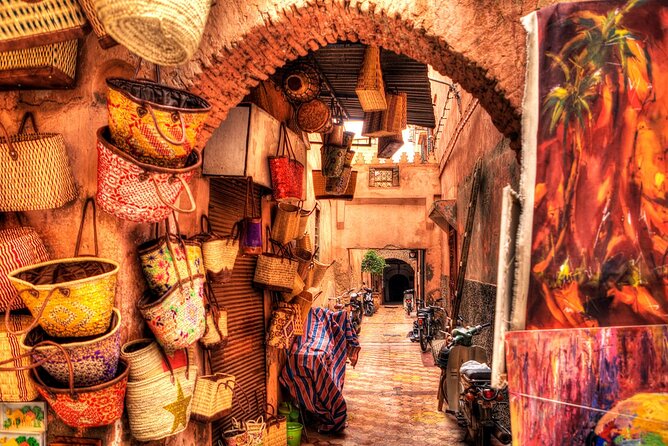
Marrakech’s Medina is a place where direction changes fast. One turn can take you from antiques to spices to textiles, and the streets can feel like a puzzle where the pieces move under you. This tour is built for that reality. Instead of wandering and hoping you stumble onto the right craft or the right stall, you follow a route designed to connect the most important trading zones.
What I like most is that it’s not only about shopping for shopping’s sake. The tour is about understanding how the markets work—who sells what, why certain items are found in certain lanes, and how Moroccan crafts are organized across different areas. That makes your time more useful, especially if you have limited hours in Marrakech.
One trade-off: you’re walking through active areas. You’ll want comfortable shoes, and you should be ready for the typical market rhythm—people offering, calling out, and negotiating.
You can also read our reviews of more tours and experiences in Marrakech.



Meeting at Koutoubia: Getting Started Without Stress
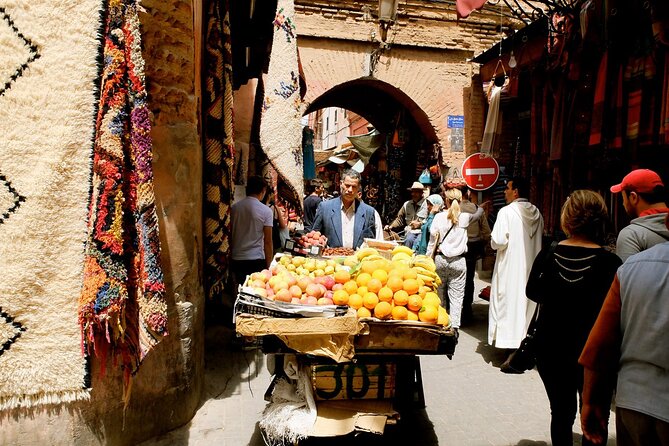
The tour starts and ends back at the meeting point near Koutoubia (Koutoubia Marrakesh 40000). That’s a smart setup for first-timers because it gives you a clear anchor. Once you’re inside the Medina, it’s easy to lose bearings; returning to the same meeting spot keeps the day from turning into a scavenger hunt.
It’s also listed as being near public transportation, which helps if you’re staying somewhere that isn’t walkable deep into the Medina. Still, since transportation isn’t included, do yourself a favor and map the route from your lodging to the meeting area ahead of time.
Rue Mouassine: Boutiques, Antique Finds, and Craft Shops
Stop 1 is Rue Mouassine, a gateway street to the Souks. This is where you often notice the vibe change: more fashionable boutiques and antique stores show up alongside art and craft shops. It’s a good opening section because it gives you an easy first taste of the Medina without immediately throwing you into the tightest maze.
You’ll spend about 45 minutes here, and admission is listed as free. That’s useful because it keeps your morning light on logistics and heavy on orientation. In a market like this, your first 10–20 minutes matter. You start learning what things look like, what words shoppers use, and how stall displays are arranged.
A practical tip: when you’re new, this is where you should begin thinking about what you actually want to buy. If you only wait until the deepest souks, you’ll be negotiating while tired—and fatigue makes everyone less sharp.
The Souks of Marrakech: How Craft Shopping Really Works
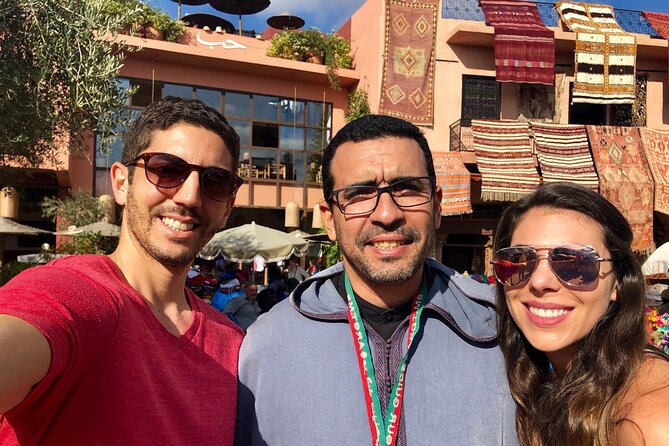
Stop 2 is the heart of it—time in the souks, described as Morocco’s largest market area and famous worldwide for its exotic shopping experience. You’ll spend about 1 hour 30 minutes here, with free admission.
This is where the guide role becomes more than a bonus. In Marrakech, the souks can feel like a living map. Without a guide, you can end up bouncing between similar stalls, missing the areas that specialize, or getting pulled into a sales conversation that doesn’t match your priorities. With Abdul leading the way, you can focus on the sections that connect best to your interests.
Here’s what you should watch for and why it matters:
- What’s offered in each lane: Some lanes lean toward crafts and small goods; others are more about spices, leather, or textiles.
- How conversations start: A guide helps you talk naturally and ask for what you want without sounding like a random target.
- Pricing and haggling support: One of the strongest themes from past experiences is that Abdul helps with pricing and negotiating so you don’t feel pressured or lost in the back-and-forth.
And yes, you’ll still be approached by shopkeepers—this is the Medina. But having someone next to you who knows the rhythm helps you feel safer and more welcome when you step toward a stall.
Rahba Kedima Square: Spices, Crafts, and Old-Style Market Energy
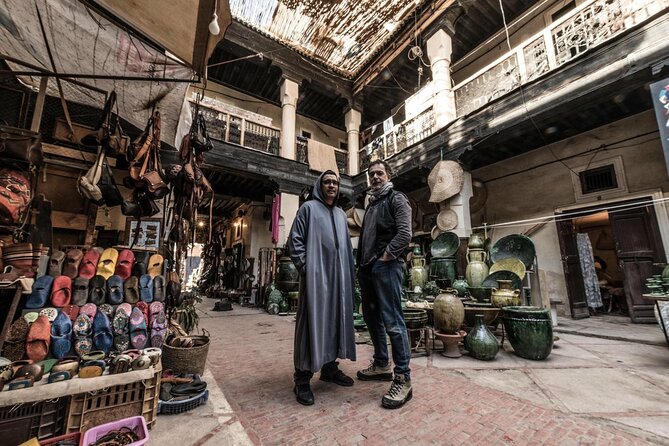
Stop 3 is Rahba Kedima Square, a short but memorable break—about 15 minutes, free admission. This is a place where the market energy becomes visible in a more open way. You’ll find spice stalls, craft options, and the kind of lively atmosphere that makes people fall for Marrakech fast.
Because it’s short, use it like a checklist moment:
- If spices are on your list, this is the kind of stop where you’ll want to compare what’s being sold and how it’s packaged.
- If you’re into crafts, take a quick scan for materials and craftsmanship details before you commit.
The real value here isn’t that you’ll finish your shopping in 15 minutes. It’s that you’ll get a clearer sense of what you’re seeing across the Medina. When you understand how the square fits into the trading web, you can shop smarter later (or keep browsing with confidence after the tour).


Jemaa el-Fnaa: The City’s Nerve Center and Street-Scene Finish
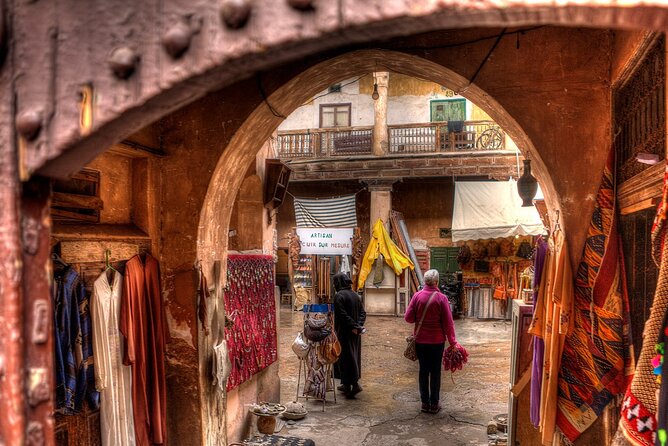
Stop 4 is Jemaa el-Fnaa, also about 15 minutes, free admission. This is the nerve center of Marrakech and a symbol of the city. It’s also UNESCO-designated as a World Heritage Site, which is useful context when you’re standing in the middle of so much activity.
This final stop is best treated as a landing zone. By the time you reach Jemaa el-Fnaa, you’ve already learned how the souks work, and now you get to see the public-facing side of Moroccan commerce and street life. Even if your shopping is mostly done, it’s still a strong payoff because the atmosphere helps the whole experience click.
Practical note: Jemaa el-Fnaa can be very crowded. Keep an eye on your belongings, stay aware of your personal space, and don’t feel like you need to do everything at once.
What You’ll Learn About Moroccan Arts and Crafts (Beyond the Shopping)
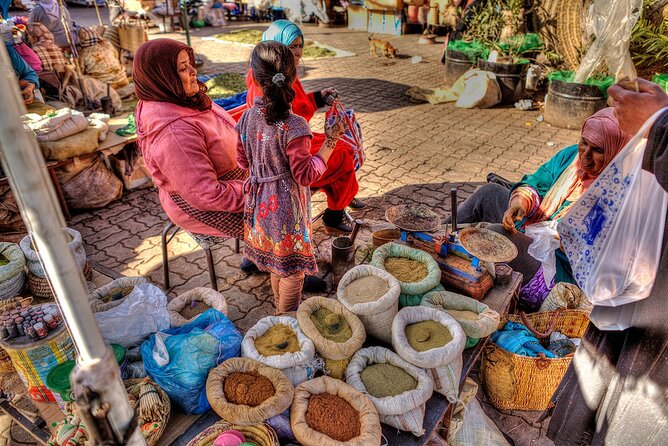
The tour’s promise is arts and crafts, but the real win is what those crafts mean in real daily life. The tour is described as a way to experience the daily commercial life of the Medina. That’s more than scenery—it’s context.
Here are the kinds of lessons that tend to land:
- How artisans and shopkeepers think: You’ll hear explanations tied to materials, uses, and why certain goods are linked to specific areas.
- How Moroccan craft items are presented: Instead of seeing everything as random displays, you start noticing categories and patterns.
- How the souks connect to culture: You’ll gain a better understanding of how the trading spaces reflect Moroccan culture and commerce.
And from the experience style associated with Abdul, you’re not just getting a lecture. He’s described as passionate about Marrakech, and the goal feels like helping you make real choices—what to buy, how to ask, and how to negotiate without losing your comfort.
Price and Value: Is $60 a Good Deal for 3 Hours?
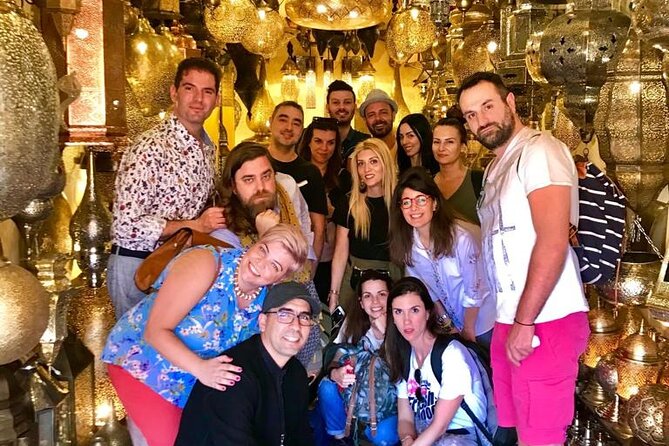
At $60 per person for about 3 hours, the value is strong when you compare what’s included. You’re getting an expert guide and a walking tour, and the listed stops have free admission. That means most of what you’re paying for is expertise plus time—two things you can easily waste on your own if you’re learning the Medina by trial and error.
Also, because it’s a private setup, you’re not sharing the experience with a huge mixed group that might slow down question time. Your guide can respond to your interests and pace.
What’s not included: transportation. That matters if you’re far from the Koutoubia area. But if you can get to the meeting point by taxi, bus, or a short walk, you’re set.
In addition, group discounts are listed. If you’re traveling with friends or family, ask about combining bookings to keep the per-person cost down.
The Best Fit: Who This Tour Suits
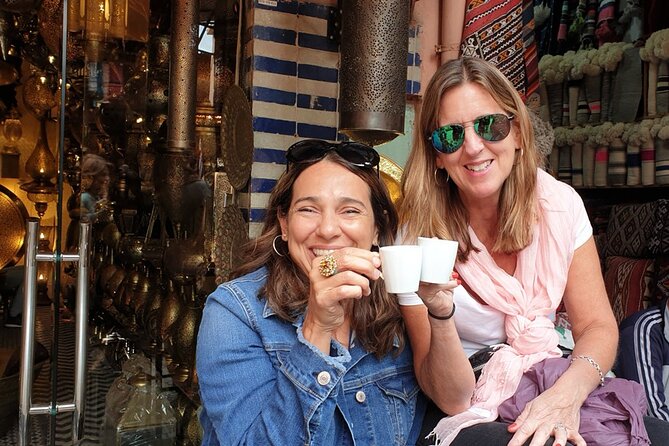
This tour is a good match if:
- You want to shop for Moroccan crafts but don’t want to feel overwhelmed.
- You have limited time in Marrakech and want a guided route that hits key areas.
- You’d like help with pricing and navigating conversations in the souks.
- You want a safer, calmer way to explore busy market streets.
It may not be ideal if:
- You hate negotiating and want a quiet museum-style experience.
- You want long free time to wander completely on your own (this is a guided structure with set timing).
One more note from the information provided: it says most travelers can participate. Still, if you have mobility limits, think carefully about the walking in dense areas.
Practical Tips for Shopping (Without Losing Your Cool)
If you go into Marrakech markets with a plan, you’ll enjoy it more. Here’s the approach I recommend based on how guided souk days usually work:
Bring comfortable shoes. You’ll be walking through multiple zones. Even short stops feel longer when the streets are crowded.
Decide what you’ll buy before you’re tired. Start thinking about categories early—spices, textiles, leather goods, ceramics, small crafts. Once you see a lot in quick succession, it’s harder to make clean decisions.
Use the guide for communication. One of the biggest benefits highlighted in past experiences is guidance with haggling and pricing. Let your guide help you ask questions and compare options.
Set a budget for purchases. The tour cost covers the guide and walking, not the items. Marrakech souvenirs can range widely, and a budget keeps you from spiraling into last-minute impulse buys.
Keep your eyes on your belongings. Crowds increase near major squares, especially around the end of the route.
And if you want a fuller day: the guide style is flexible, and some people combine this kind of route with another guided approach in Marrakech to create a full day plan. Even if you don’t do that, it’s a good sign you’ll get a thoughtful experience rather than a rigid checklist.
Should You Book Marrakech Arts & Crafts?
Book it if you want a structured, value-focused way to experience Marrakech’s craft culture and souks without guessing. The combination of an expert guide, time in the key market zones, free admission stops, and help with navigating and negotiating makes it especially appealing for first-timers with limited time.
Skip it if you’re already confident in the Medina and you mainly want free-form wandering, not guided interpretation. If you prefer quiet sightseeing and minimal shopping pressure, you might feel a bit too “in the action” for your taste.
If you do book, I’d suggest you come ready with one or two priorities—like spices or a specific type of craft—and let Abdul steer the route toward what you actually want to understand and buy.
FAQ
How long is the Marrakech Arts & Crafts tour?
The tour lasts about 3 hours.
Where does the tour start and end?
It starts at Koutoubia Marrakesh 40000, Morocco, and ends back at the same meeting point.
Is transportation included?
No. Transportation isn’t included.
What’s included in the price?
The tour includes an expert guide and a walking tour.
Are there admission fees at the stops?
Admission is listed as free for the stops mentioned (Rue Mouassine, the souks area, Rahba Kedima Square, and Jemaa el-Fnaa).
Is this tour private?
Yes. It’s described as a private tour/activity, with only your group participating.
Do I need a ticket in advance?
You’ll receive a mobile ticket after booking.
When should I book?
On average, it’s booked about 40 days in advance.
What’s the cancellation policy?
Free cancellation is allowed up to 24 hours in advance for a full refund. If you cancel less than 24 hours before the start time, the amount paid isn’t refunded.
Is the tour suitable for most people?
The information says most travelers can participate, and it’s near public transportation.