REVIEW · MARRAKESH
Marrakech: Ait Mizzan Valley Birdwatching Tour with Guide
Book on GetYourGuide →Operated by Atlas destination · Bookable on GetYourGuide
Birding in the High Atlas beats city sightseeing. This 7-hour outing takes you into Morocco’s Ait Mizzan Valley for quiet trails, mountain views, and a real taste of village life with guide Houssain.
What I like most is the balance: serious birdwatching time plus walking and village stops that don’t feel like filler. You’ll have chances for standout sightings such as woodpeckers and African blue tits, and even oddball surprises like a leucistic, white-headed chaffinch (when the valley cooperates).
One thing to plan for: the day involves hikes on uneven paths, and heavy weather or flooding can change routes. Also, it’s not suitable for wheelchair users, so go only if you’re comfortable on your feet.
In This Review
- Key things that make this birdwatching day special
- From Marrakech to the High Atlas: why Ait Mizzan is worth your time
- Meeting point reality: Hôtel Tazi, Café Iceberg, and a day that moves
- The Atlas Mountain stops: turning roadside time into bird time
- Asni village: lunch, a guided walk, and watching from the right angle
- Species you can plan around: what birds tend to show up
- How much walking is involved, and how to dress for it
- The guide makes the difference: Houssain and local pathways
- Price and value: is $90 fair for 7 hours?
- Who should book this birdwatching tour
- Quick wrap-up: should you book?
- FAQ
- How long is the Marrakech Ait Mizzan Valley birdwatching tour?
- Where does the tour start?
- How much does it cost?
- What’s included in the price?
- What should I bring for birdwatching?
- Are binoculars or a camera included?
- Is lunch included?
- Are drinks and alcohol allowed?
- What languages is the guide?
- Is the tour suitable for wheelchair users?
- What’s the cancellation policy?
Key things that make this birdwatching day special
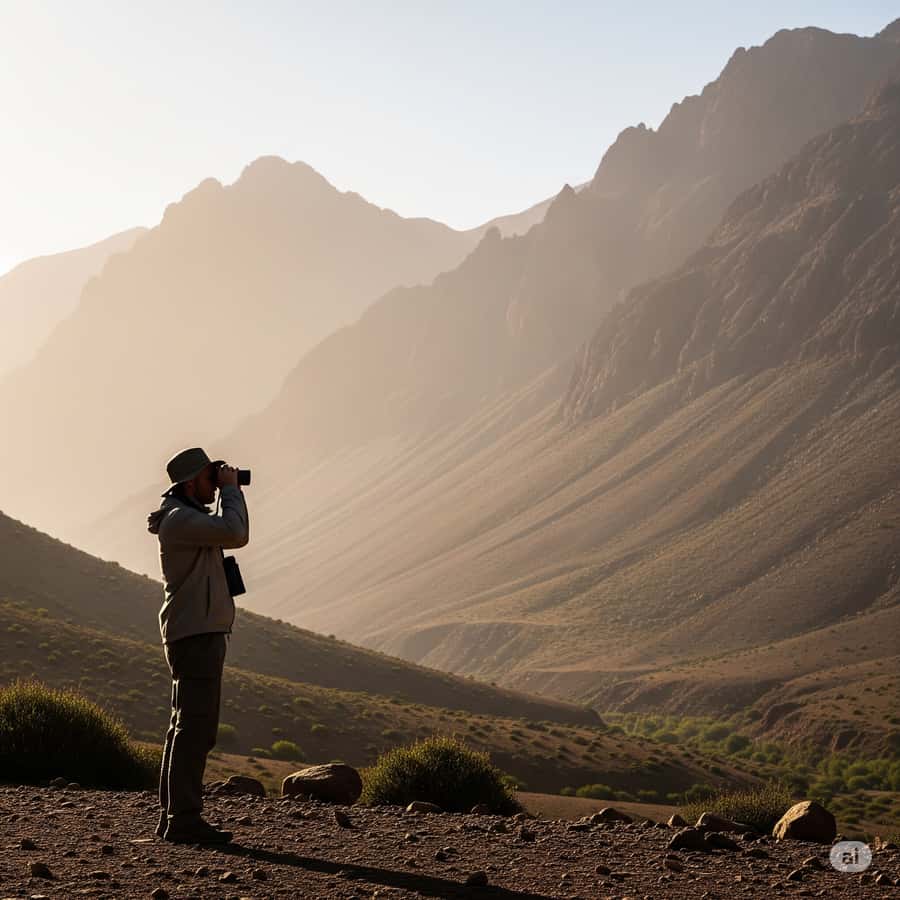
- Ait Mizzan Valley birding with local expertise guided by Houssain, who knows the area firsthand
- Multiple photo stops along the way, not just one quick look at birds
- Berber village time in Asni, including a guided walk and a proper sit-down lunch
- Winter-friendly birdwatching even when conditions are cold and damp
- A choose-your-pace walking style, with hiking length adjusted to how you feel
- Local hospitality moments, like mint tea paired with birdwatching near the river
From Marrakech to the High Atlas: why Ait Mizzan is worth your time
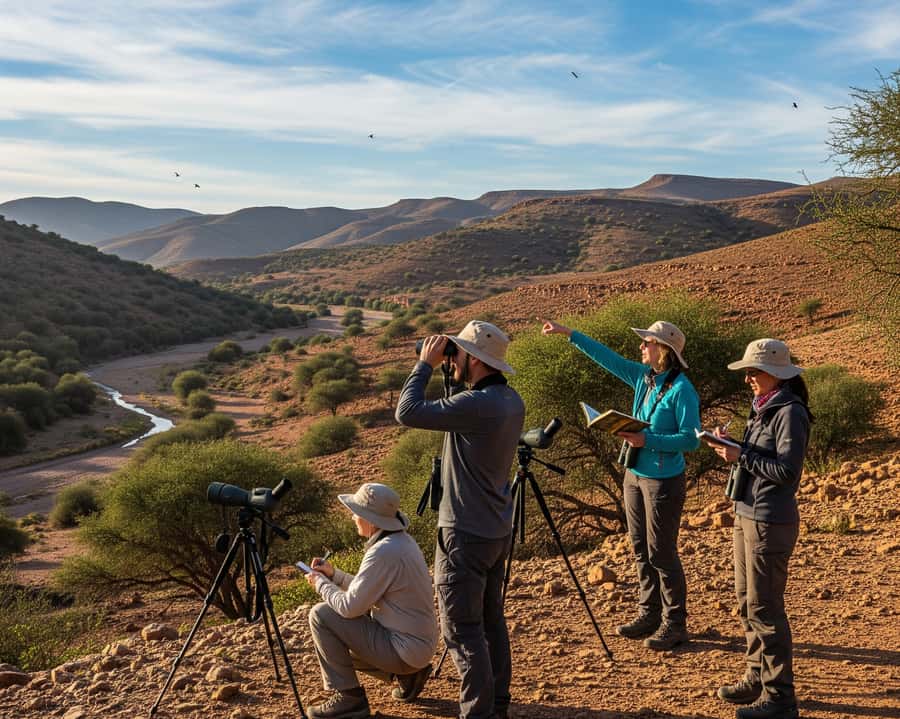
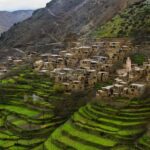
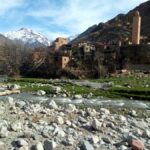
Marrakech is loud in the best way, but after a few days you’ll start craving air that feels less polluted and views that don’t come with honking. The Ait Mizzan Valley in the High Atlas is a big reset. It’s quieter, greener in pockets, and shaped by mountains that funnel wind, water, and bird movement through the valleys.
What makes this tour work is how it’s built. You’re not just driving to one viewpoint and calling it nature. You get a mix of road-to-trail moments, birdwatching pauses, and time in real Berber village spaces. That combination matters: birds show up when you’re in the right habitat, at the right time, with enough patience—and you can’t do that from a bus window.
I also like that the day is friendly for different experience levels. If you’re a beginner, you’ll still get help spotting and understanding what you’re seeing. If you already own binoculars and a field guide, you’ll appreciate that the guide’s local know-how steers you toward places where birds actually concentrate.
You can also read our reviews of more guided tours in Marrakesh
Meeting point reality: Hôtel Tazi, Café Iceberg, and a day that moves

You’ll meet at Hôtel Tazi (79 Pass. Prince Moulay Rachid). From there, the day starts with pickup and then heads toward Café Iceberg as the first practical launch point for the outing.
The schedule keeps you moving without rushing you. Early on, you’ll get a break plus a photo stop and a short visit while you’re waking up your eyes for feather patterns and movement. Then there’s a transfer phase to get deeper into the valley area.
At around the middle of the day, you’ll shift into the Asni area for a longer stretch of walking, a guided village look, and lunch. Later, you circle back toward the meeting point area and make it back to Café Iceberg in time to return to Marrakech.
Why this matters: birdwatching rewards timing, not marathon endurance. The structure gives you multiple “chances to look” while still including enough time on foot near the best terrain.
The Atlas Mountain stops: turning roadside time into bird time

This tour includes more than one stop for photos and quick exploration. You start with a longer early break (around 30 minutes) that gives you room to find a comfortable spot, scan tree lines, and check for birds moving through gullies or along open stretches.
You also get a later shorter photo stop (about 15 minutes). It might sound brief, but birding isn’t about one perfect sighting—it’s about repetition and pattern recognition. A short stop can still be productive when you’re watching for the same type of behavior: quick hops, sudden calls, or a bird that keeps reappearing in the same micro-area.
Practical tip: don’t treat those stops like traffic lights. Have your binoculars ready before you step out. If you’re using a camera, check your settings for fast re-focus (birds don’t sit still just because you arrived on time).
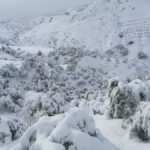
Also, this is a winter-season-friendly trip in the sense that people still find interesting birds even when it’s cold. If you come expecting warm, sunny conditions, you might be surprised—in a good way—by how much activity can still happen when you’re patient and scanning steadily.
Asni village: lunch, a guided walk, and watching from the right angle

The heart of the day is Asni. You’ll spend about three hours there, which is long enough to do more than just eat and leave. You get a lunch stop plus a guided tour, a walk, and hiking.
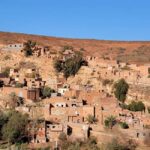
This is also where the tour shifts from wildlife-only to people-and-land. In the Asni area, you’re more likely to notice how daily life and habitat overlap: where water runs, where trees grow, and where people keep paths that birds also seem to use.
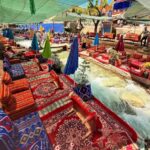
The food part is a highlight. One of the best parts of this outing is that lunch isn’t just a timed meal. You may be treated to traditional taggine, with the kind of home-style hospitality that makes the day feel grounded instead of touristy.
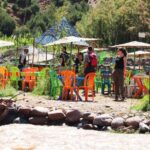
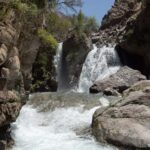
And if you’re the sort of person who likes small moments, keep an eye out for mint tea breaks. Tea time isn’t just for caffeine—it’s a chance to pause, scan the river area, and watch for birds like cattle egrets and storks when the light and location line up.
Species you can plan around: what birds tend to show up
Birding in Ait Mizzan is not guaranteed-birds magic. But you can make smart plans based on what this valley supports. Expect variety, especially in woodland patches and along river corridors.
Here are species types to keep in your “look for” list:
- Woodpeckers: good for anyone who likes textured forest action—listen for tapping and scan trunks
- African blue tits: small, quick birds that reward steady scanning and patience
- African chaffinches: often seen with a mix of movement and hopping
- Raptors (alpine birds): the broader High Atlas setting can bring you opportunities for birds of prey, especially when thermals and visibility cooperate
- Cattle egrets and storks: these show up around watery areas, making river and field-edge spots especially valuable
One of the most memorable things about this day is that you might get a surprise sighting—like a leucistic, white-headed chaffinch—if conditions are right and the guide puts you in the best position. It’s the kind of moment that makes hours of scanning feel worth it.
A quick note for photographers: small songbirds and egrets/storks behave very differently. Birds in trees can be frustrating but rewarding for careful framing. Wading birds near water let you practice longer, steadier observation before committing to shots.



How much walking is involved, and how to dress for it

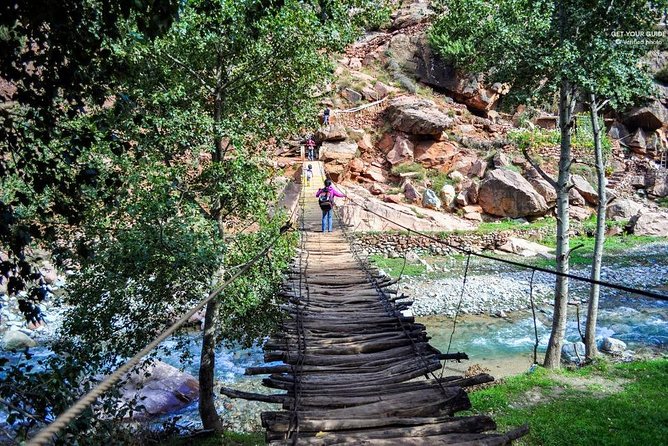
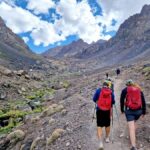
This is a hike day, just not a punishment. The guide can adjust walking length depending on how you feel, and people report spending significant time near water areas, which can mean mud, damp ground, and slippery patches.
My advice: treat footwear as your main gear decision. Strong walking shoes are a must, and if the weather has been wet, waterproof boots are a smart move. You don’t want your toes thinking about your booking while your eyes are trying to lock onto birds.
Clothing should be weather-appropriate, because mountain weather can shift fast. Bring layers you can add or remove, and wear something you can move in on uneven paths.
Also pay attention to the tour’s rules: drinks and alcohol are listed as not allowed. That doesn’t mean you’ll never be offered tea in a village setting, but you should plan to follow the guide’s lead on what’s permitted during stops.
Finally, this tour isn’t for wheelchair users, since the routes and trails are on foot and can be uneven.
The guide makes the difference: Houssain and local pathways
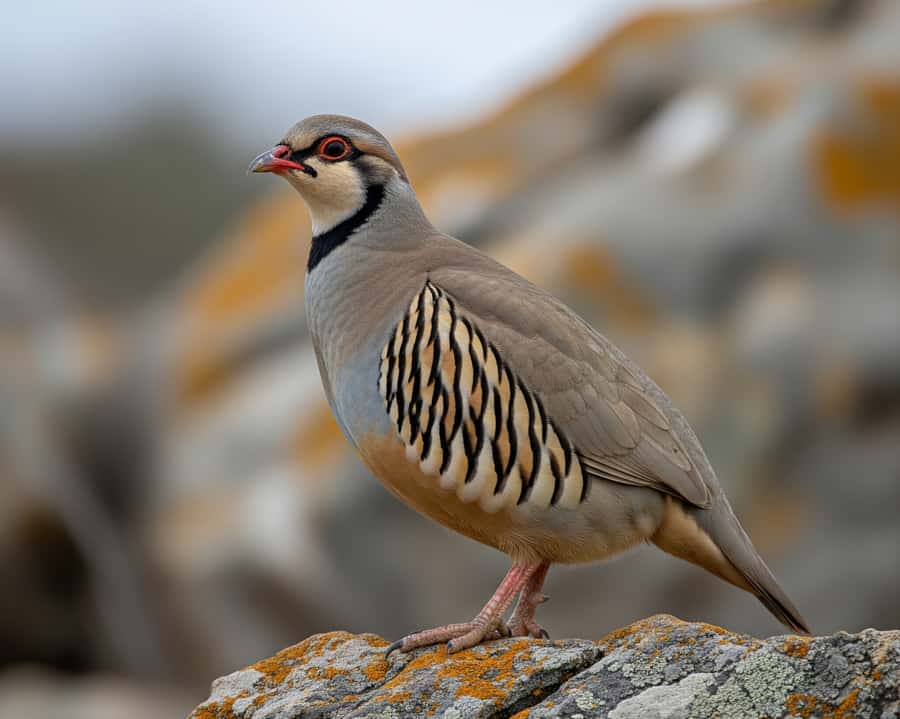
The best part of this experience is the human layer. Your guide, Houssain, knows where to go because he lives in the valley and works with the rhythms of the place. That translates into two practical benefits.
First, he saves you time. Instead of you guessing where birds might be, you’re guided toward the right habitats and angles—wood edges, river edges, and quiet trails that match what birds want.
Second, he helps you see more than you would alone. Birdwatching is partly skill and partly luck, but local knowledge turns luck into something closer to a plan. When the route is limited by heavy flooding or seasonal changes, you’ll still get a meaningful outing because he can adapt.
That adaptability showed up in at least one case where heavy flooding limited the route. If that happens while you’re there, don’t treat it as a letdown. It’s often when guides work hardest to find alternate spots and keep the birdwatching productive.
Price and value: is $90 fair for 7 hours?
At $90 per person for about 7 hours, the price is easiest to evaluate by what you get that you’d otherwise have to pay for separately.
Included:
- Guided birdwatching tour with an experienced local guide
- Exploration of quiet trails and village visits
- Lunch
- Transport from and back to Marrakech
- English and French live guide
Not included:
- Birdwatching equipment (binoculars, cameras, tripods)
- Personal expenses
So you’re paying for time, local expertise, and transport plus the lunch you’d otherwise add on. If you’ve ever tried to cobble together a day trip with a generic driver and a quick walk, you know how often it turns into overpriced wandering. Here, the day’s built around wildlife time and local access.
One cost you should plan for: if you don’t already have binoculars, you’ll want to borrow or rent elsewhere. The tour expects you to bring your own for the best experience.
Who should book this birdwatching tour
Book it if you:
- Want birdwatching in a real valley setting, not a quick photo stop
- Like photographers’ days where you’re scanning steadily, not sprinting
- Enjoy Berber village culture as part of a nature outing, especially in Asni
- Want a guide who knows the area well enough to adapt when routes change
Skip it if you:
- Need wheelchair access
- Prefer fully paved, low-walking sightseeing
- Want a strict birds-only day with no time for village stops and hiking
Beginners usually do fine because the guide helps you spot what matters. Experienced birders can also enjoy it because the route choices and bird behavior knowledge can make your effort more focused.
Quick wrap-up: should you book?
I’d book this tour if you want a day in Morocco that mixes wildlife, walking, and village hospitality with enough structure to keep your time useful. The price feels fair for a guided, lunch-included, transport-included outing, and the local guide factor is big.
If you’re sensitive to walking on uneven ground or you need accessibility support, look for another option. And if you’re visiting around rainy periods, keep in mind that flooding can change routes—this is when a capable local guide earns their fee.
FAQ
How long is the Marrakech Ait Mizzan Valley birdwatching tour?
The tour lasts 7 hours.
Where does the tour start?
The starting point is Café Iceberg, and the meeting point is Hôtel Tazi, 79 Pass. Prince Moulay Rachid, Marrakech 40000, Morocco.
How much does it cost?
It costs $90 per person.
What’s included in the price?
Included are a guided birdwatching tour, an experienced local guide, quiet trail exploration, a visit to traditional Berber villages, lunch, and transport from and back to Marrakech.
What should I bring for birdwatching?
Bring comfortable shoes, a camera, weather-appropriate clothing, and binoculars.
Are binoculars or a camera included?
No. Birdwatching equipment like binoculars and cameras is not included.
Is lunch included?
Yes. Lunch is included.
Are drinks and alcohol allowed?
The activity notes that drinks are not allowed, and alcohol is also not allowed. Follow the guide’s guidance on what’s permitted during stops.
What languages is the guide?
The live tour guide is available in English and French.
Is the tour suitable for wheelchair users?
No, it is not suitable for wheelchair users.
What’s the cancellation policy?
You can cancel up to 24 hours in advance for a full refund.