REVIEW · MARRAKESH
Marrakech: 3-Day Trip to Fez with Sandboarding & Camel Ride
Book on GetYourGuide →Operated by MOROCCO DESTINATIONS · Bookable on GetYourGuide
The Sahara can feel far away. This tour strings it together with Morocco’s big sights and camel-and-sandboarding time. I also love the pacing: a first-night hotel to reset, then a private tent under the stars. The main thing to watch is the long road time in the minibus, plus possible heat or winding-road motion if you’re sensitive.
You’re in good hands with a live guide, and the group dynamic matters here. On this route, guides like Omar Faiz and Mehdi (names that show up again and again) seem to keep drives comfortable with thoughtful timing and lots of group check-ins. One practical drawback: lunch isn’t included, and some pre-arranged stops can feel pricey.
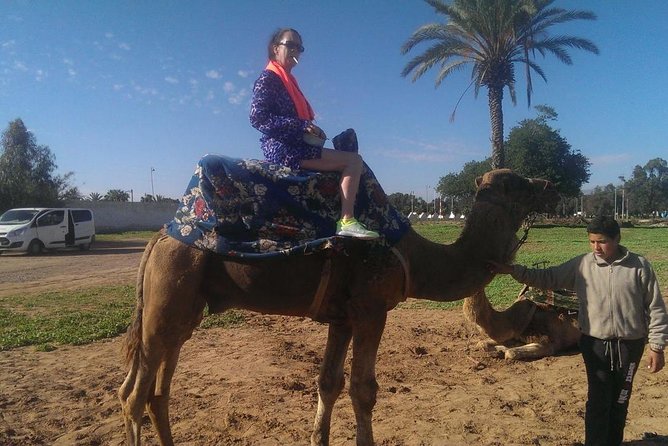
Still, when the desert night starts, the value clicks. You’ll ride camels at sunset and again at sunrise, slide down dunes with sandboarding, and get a classic mint tea moment in a Berber-style camp setting. Pack warm layers for the night, and plan for a ride-heavy itinerary.
In This Review
- Key points that make this trip work
- Marrakech to High Atlas passes and Ait Ben Haddou
- Boumalne Dades: pool time and rose-country calm
- Dades Gorge and Todra Canyon before Merzouga
- Merzouga dunes: camel rides at sunset, sandboarding, camp life
- Standard vs deluxe tents: what to expect
- Temperature reality check
- Sunrise camel ride and the return toward Fez (or Marrakech)
- Price and value: what $151 really covers
- What to pack so the desert feels magical, not miserable
- Who this Marrakech-to-Fez desert tour fits best
- Should you book this 3-day desert trip?
- FAQ
- Is sandboarding included on this tour
- Do you ride a camel more than once
- What’s included in the meals
- Where do you sleep during the 3 days
- What about tent comfort: standard or deluxe
- Do you stop at Ait Benhaddou Kasbah
- What languages are available for the live guide
- Is pickup offered from inside Marrakech
- How flexible is cancellation
Key points that make this trip work
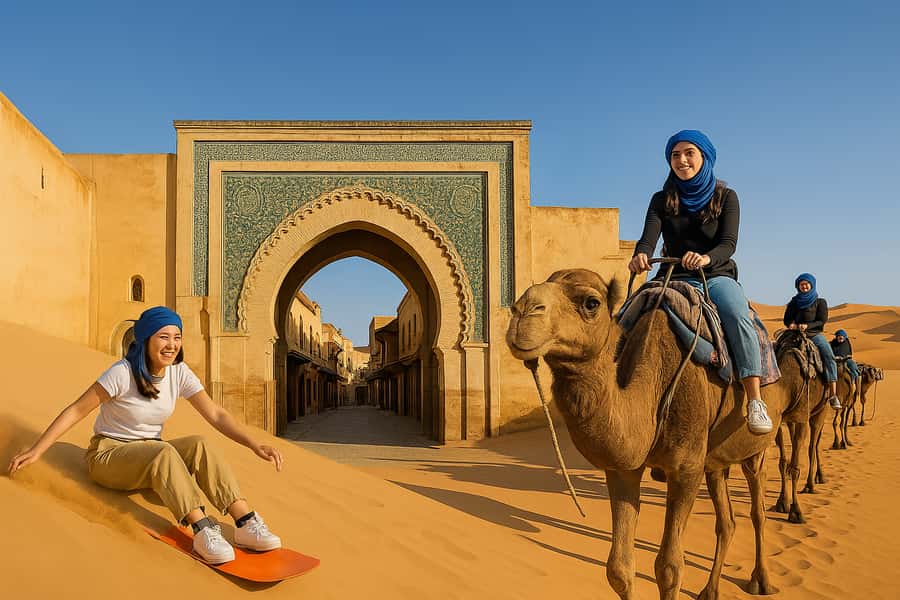
- Sunset and sunrise camel rides that bookend the Sahara, not just one quick ride
- Ait Ben Haddou stop (UNESCO) on Day 1, with a local guide for the kasbah typically costing extra
- Sandboarding in Merzouga dunes so the Sahara is more than a view from the roadside
- Desert camp atmosphere with mint tea, drumming/music, and a sky that actually looks like a sky
- Value built into the price: hotel + desert camp + two dinners + two breakfasts + transport + guides
- Long driving days that reward you if you like scenery and short refresh stops
Marrakech to High Atlas passes and Ait Ben Haddou
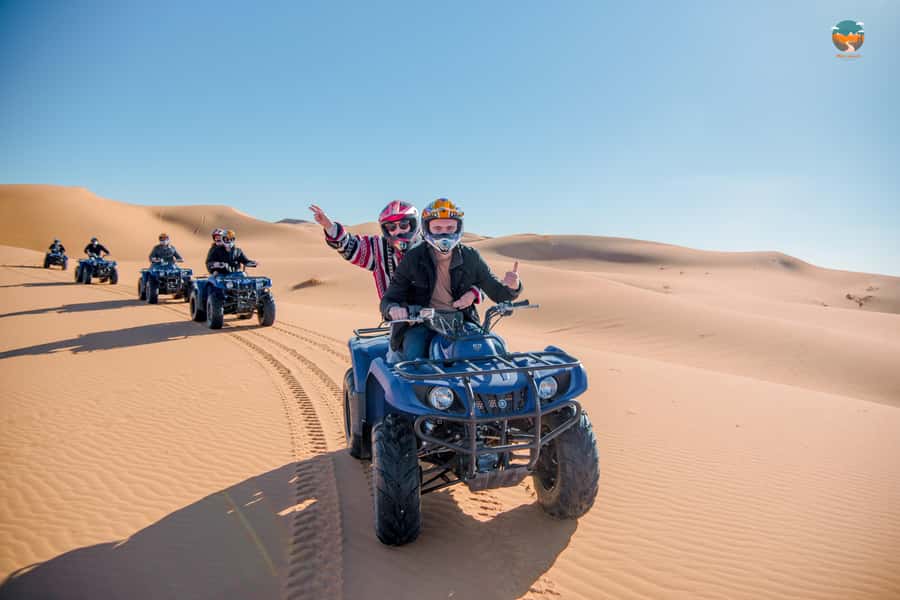
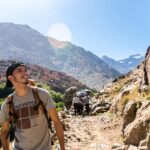
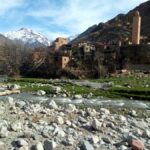
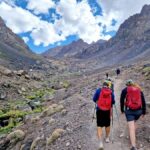
Your first day is all about shifting gears. You leave Marrakech and start climbing into the High Atlas Mountains, following the famous Tizi n’Tichka Pass. This is where the trip stops feeling like a drive and starts feeling like a road movie: changing views outside, stops to stretch, and that steady climb that makes the big Morocco moments feel real.
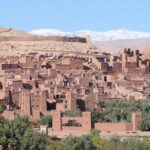
The big reason people remember Day 1 is Ait Ben Haddou. This UNESCO kasbah is a clay fortress-style village that looks like it has been holding its breath for centuries. It’s easy to see why it shows up in films and photos: the shapes are dramatic, and the location gives you a sense of how people lived with the landscape around them.
One important logistics note: a guide inside Ait Benhaddou Kasbah is not included. That doesn’t mean you’re left alone—you’ll still visit—but you should expect an extra charge if you want the best explanation while you walk the kasbah lanes.
Practical tip: if you get motion sick, this is the day to plan for it. The road up and over the Atlas can be windy, and you spend enough time in the minibus that it matters. Comfort wins. Bring what you need for the drive, not just the photo.
A few more Marrakesh tours and experiences worth a look
Boumalne Dades: pool time and rose-country calm
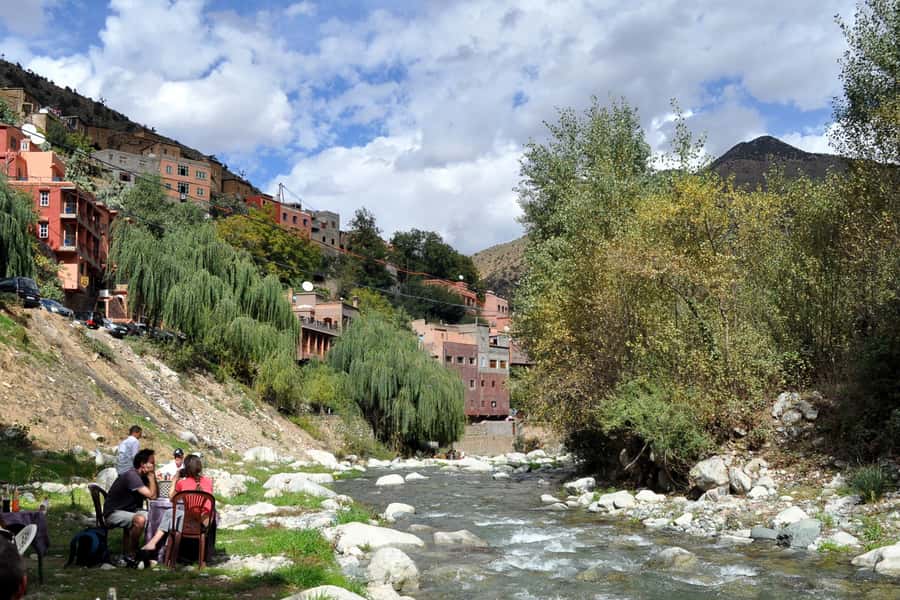
After the long first day, you’ll overnight in Kelaat Mgouna or Boumalne Dades (availability decides). This is a smart choice. You’re not jumping straight from desert chaos into another all-day on-the-road stretch. You get a proper reset.
Boumalne Dades is often described as scenic and peaceful, and the hotel setup is usually a step up from basic. I saw enough talk of clean rooms and even pool time that it makes sense to treat this night as your recovery slot. After Atlas views and a kasbah visit, you’ll feel the difference between showering, stretching, and sleeping in a normal bed.
This is also where you’ll notice what “standard” means for hotels on tours like this. Most places do what you want (clean, food, sleep, sometimes a pool). A real-world caution: don’t plan your schedule around perfect hotel fixes, since conditions can vary from property to property.
Dades Gorge and Todra Canyon before Merzouga
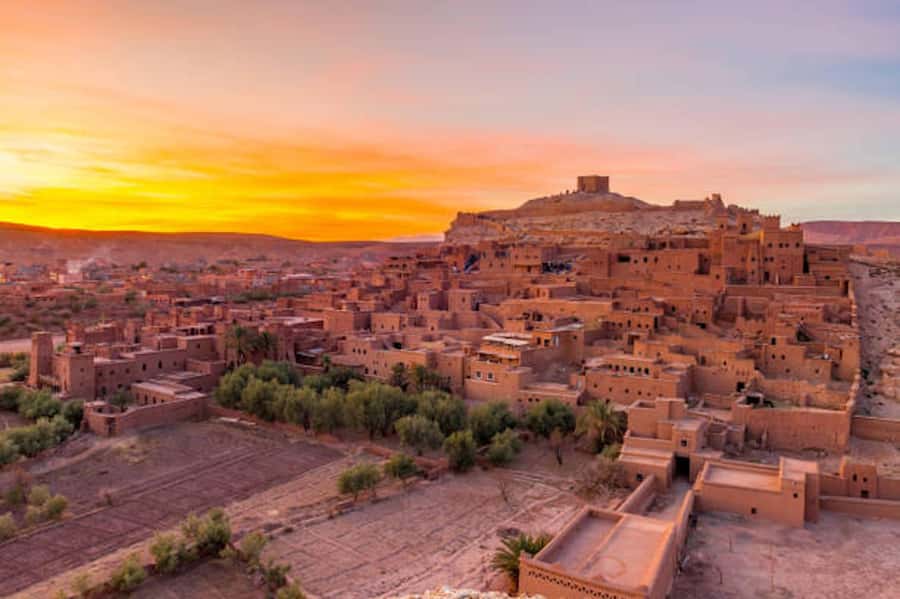
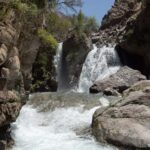
Day 2 is where Morocco gets theatrical. You start by moving through Dades Gorge, then continue toward Todra Canyon, famous for towering red cliffs. The canyon walls rise in a way that makes the world feel tighter and taller at the same time. It’s one of those stops where you can just keep walking a bit and get different angles.
Then the scenery changes again. You shift from rocky canyon walls to the approach of rolling dunes. That transition matters because it sets up the big Day 2 moment: once you reach Merzouga, you feel like the desert is no longer a concept—it’s right there.
By the time you’re at Merzouga, you’re usually ready for the next step: camel time.
Merzouga dunes: camel rides at sunset, sandboarding, camp life
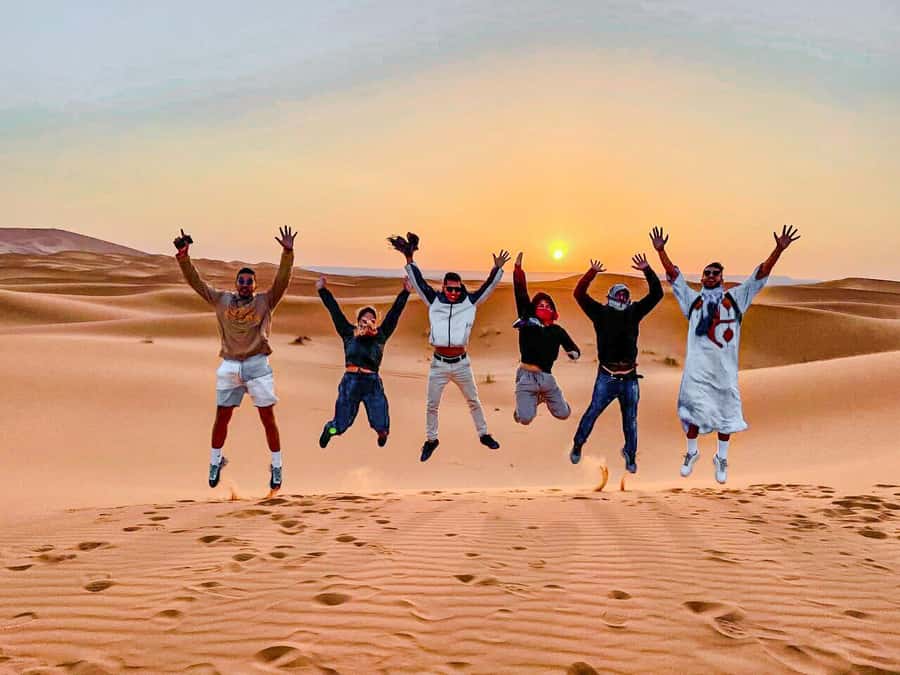
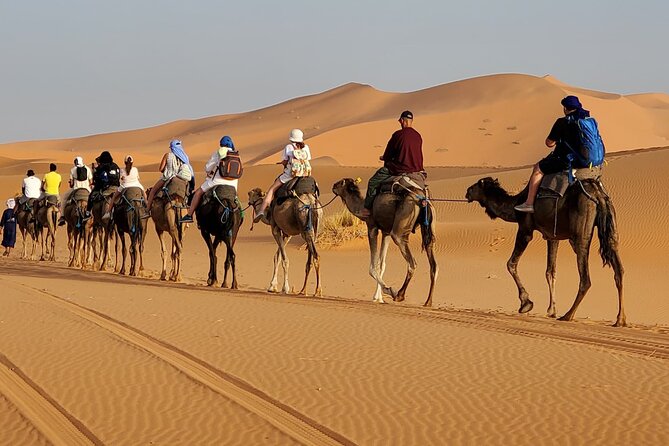
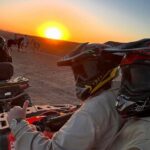
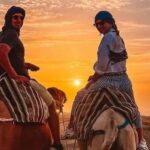
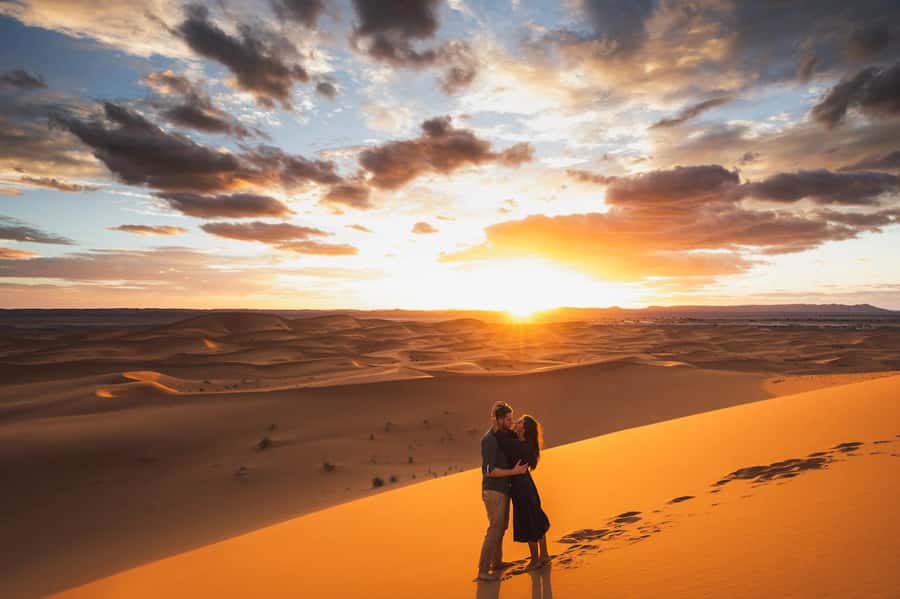
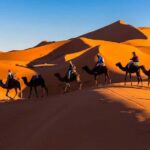
The most iconic piece of the itinerary happens in Merzouga: a camel ride at sunset through golden dunes. The timing is the point. Light changes fast out there, and the dunes look different every few minutes. This is also when the camel caravan starts to feel like a slow-moving rhythm instead of a transfer.
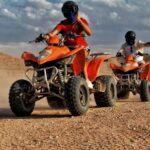
Then comes the fun, and the one activity most people don’t forget: sandboarding. Sliding down a dune turns a beautiful view into a physical memory. Even if you’ve never tried it, it’s straightforward enough for a first-timer. You don’t need a pro setup. Just be ready for the fact that sand gets everywhere, including your shoes and pockets if you’re careless.
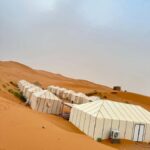
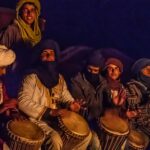
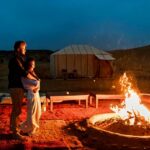
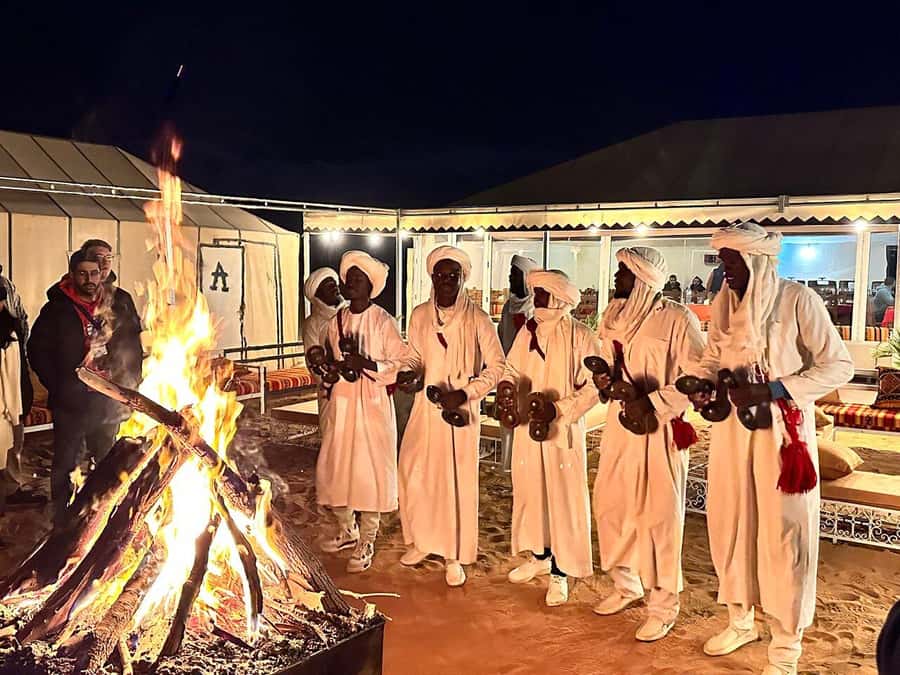
At the desert camp, you’ll get a classic Berber-style evening vibe: mint tea, music, and drumming under the stars. Meals are typically buffet-style at camp, and the mood usually includes campfire or music moments. You’re also sleeping in a tent, with the option you pick determining how basic versus comfortable it feels.
Standard vs deluxe tents: what to expect
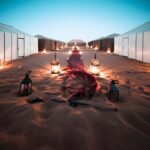
The tour offers standard or deluxe tents, and the difference shows up most in bathroom setup. In one kind of stay, standard tents still feel like a proper camp experience with a private tent and access to shared bathrooms with hot water. Deluxe tents can offer more private bathroom setups, but conditions can vary, so it’s smart to pack accordingly (and accept that desert camp facilities can be more variable than a city hotel).
A few more Marrakesh tours and experiences worth a look
Temperature reality check
Even when days are warm, nights can turn cold fast. I’d pack for desert cold. A warm layer, socks you don’t mind getting sandy, and a hat for early morning are your best friends. One person specifically called out how cold it was—don’t gamble on comfort.
Sunrise camel ride and the return toward Fez (or Marrakech)
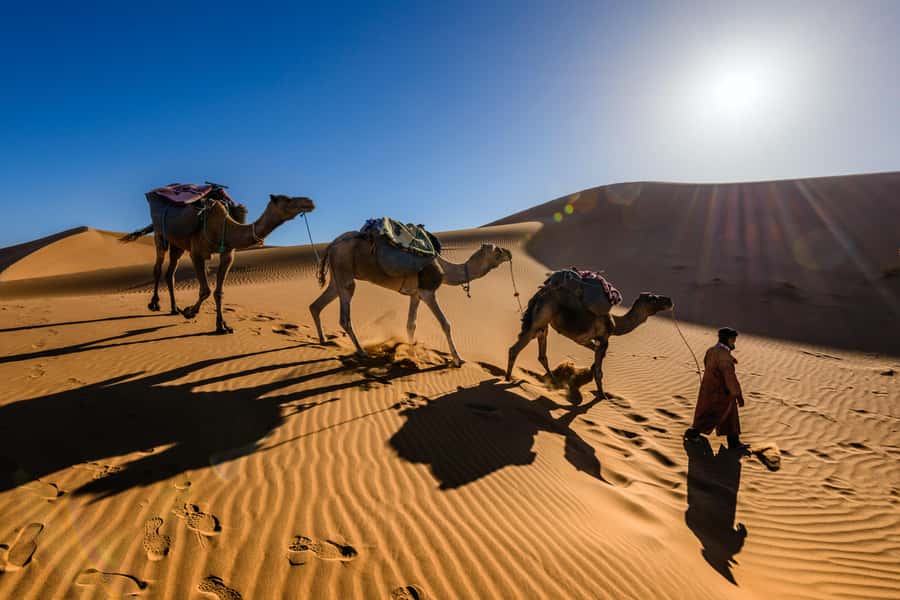
Day 3 starts early, because that sunrise camel ride is the whole point. Waking up in the desert camp just to watch the light change over dunes is the kind of moment that sticks, especially if you’ve been staring at city streets all week and suddenly you’re not.
After breakfast, you head back through places that make the route feel more than a straight line. You’ll pass through the Ziz Valley, known for palms, and stop in Erfoud, famous for fossils and dates. Those quick stops matter because they break up the road time and add small cultural texture. You’re not only seeing famous monuments—you’re seeing how this part of Morocco lives.
Then you cross the Middle Atlas Mountains on the way back. By evening, you’ll arrive in Marrakech or Fez, depending on your chosen option. The drive is long, but the timing is usually set up with stops so you don’t feel completely swallowed by the minibus.
Optional on-route moments: some days include extra nature stops. For example, I’ve seen mention of a cedar forest stop to see monkeys on the return day. If it’s included on your departure, it’s a nice change from kasbahs and dunes.
Price and value: what $151 really covers
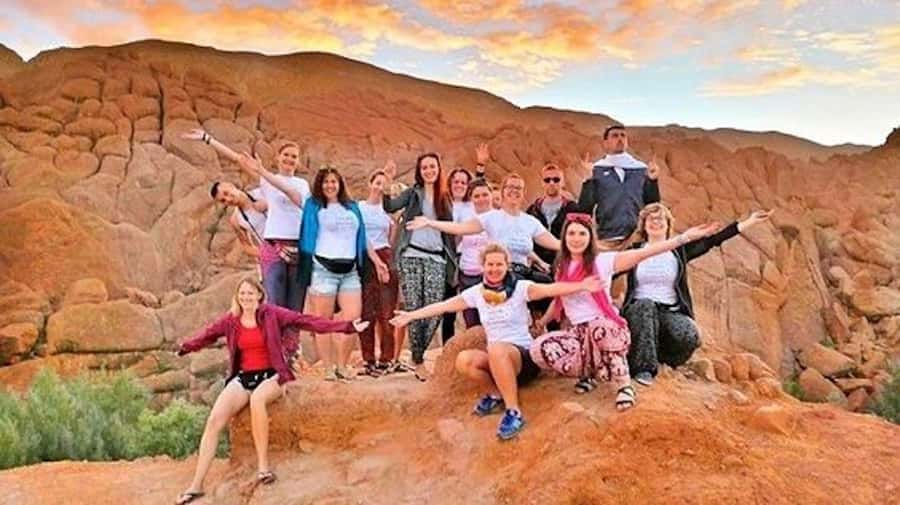
At about $151 per person for three days, the value comes from what’s bundled. You’re getting:
- pickup and drop-off in Marrakech
- air-conditioned minibus transportation
- a live guide (Arabic, English, French, Spanish)
- one night at a hotel (Kelaat Mgouna or Boumaln Dades)
- one night in a desert camp in Merzouga
- camel rides at sunset and sunrise
- sandboarding
- 2 breakfasts and 2 dinners
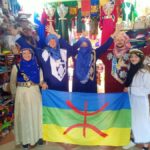
Lunch is not included, and that’s where budgeting matters. Some tour schedules include pre-arranged places for lunch, and those can be priced higher than you’d expect. I’d plan to spend for lunches separately and skip impulse buys when you’re hungry. Also, scarf and handicraft sales can happen at stops. It’s common on this kind of route. If you want souvenirs, go in with a plan—don’t let a pressure moment decide for your wallet.
So is it worth it? For the combo of two camel rides + sandboarding + overnight desert camp + multiple major scenery stops, this pricing makes sense if you want a structured route without adding lots of separate tickets and transport bookings.
What to pack so the desert feels magical, not miserable
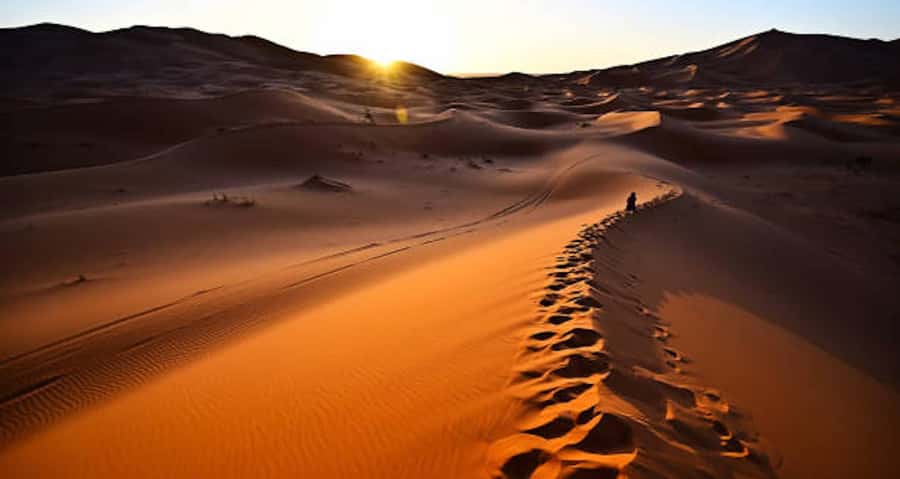
This is the part that keeps your trip smooth. Use the basics—then add the desert cold layer.
Bring:
- comfortable shoes (you’ll walk more than you think)
- sunglasses (Merzouga light is intense)
- a hat
- a camera (sunrise and sunset are the big photo targets)
- comfortable clothes plus a warm layer for night
- cash
If you tend to get travel sick, bring motion-sickness meds. The Atlas road can be windy. Also, keep small bills and coins handy for optional purchases and tips if you choose to add anything like a local guided add-on.
Who this Marrakech-to-Fez desert tour fits best
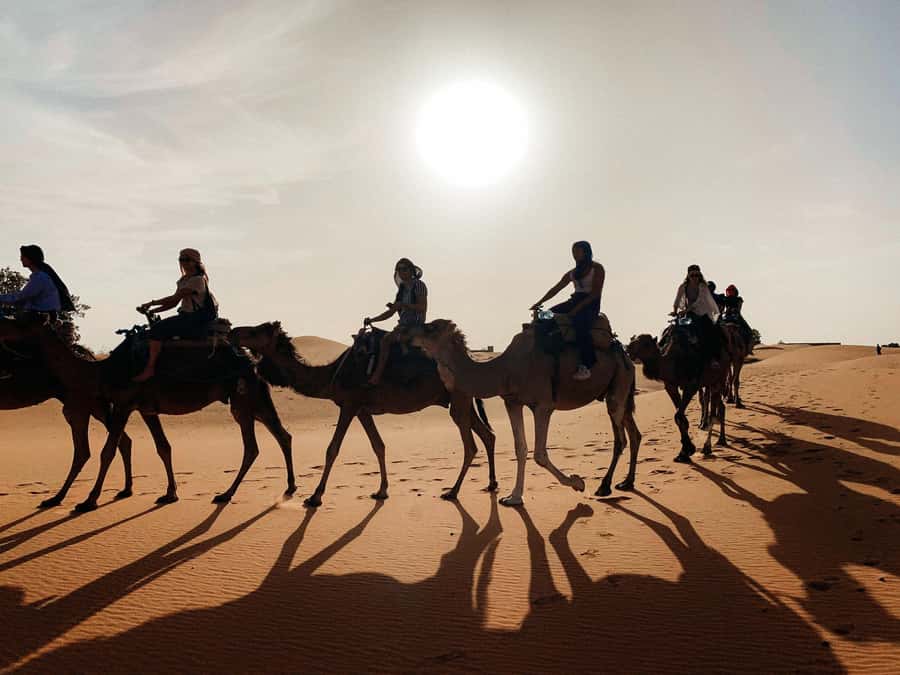
This tour is a strong match if you want a lot of Morocco in a short time and you like guided pacing. It also fits solo travelers or couples who want a shared experience, since the group format is common on this route.
It’s especially good for:
- people who want the Sahara highlight plus real stops on the way (Ait Ben Haddou, Todra, Dades)
- anyone who prefers having transport and guiding handled
- riders who want both calm sunrise moments and more active sandboarding fun
It’s less ideal if you hate long minibus days. You’ll spend serious time in the vehicle. The upside is that the itinerary has purpose: the drive is the connection between major sights, not random wandering.
Should you book this 3-day desert trip?
If you want the Sahara experience with camel rides at both ends of the day and sandboarding, this is the kind of tour that earns its spot on your Morocco list. The price bundles the essentials: transport, hotel + desert camp, and meals that reduce what you’d otherwise pay separately.
Book it if:
- you’re okay with long drives for big payoff
- you want structure and someone to manage the day-to-day timing
- you’d enjoy camp evening music and sleeping in a tent
Hold off if:
- the idea of early mornings and cold desert nights makes you grumpy
- you strongly prefer independent travel where you control every stop and meal
FAQ
Is sandboarding included on this tour
Yes. Sandboarding in the Sahara Desert is included as part of the Merzouga desert experience.
Do you ride a camel more than once
Yes. You’ll have a camel ride at sunset and another camel ride tied to sunrise.
What’s included in the meals
You get 2 breakfasts and 2 dinners. Lunches are not included.
Where do you sleep during the 3 days
You’ll sleep one night in a hotel (Kelaat Mgouna or Boumaln Dades, subject to availability) and one night at a desert camp in Merzouga in a tent.
What about tent comfort: standard or deluxe
You can choose between standard or deluxe tent options. The tour states that the camp tent type depends on the option selected.
Do you stop at Ait Benhaddou Kasbah
Yes. The route includes visiting Ait Ben Haddou, listed as a UNESCO World Heritage site. A guide at the kasbah is not included.
What languages are available for the live guide
The live tour guide is available in Arabic, English, French, and Spanish. Audio guide support is also listed in those languages.
Is pickup offered from inside Marrakech
Yes. Pickup is available from all hotels and riads in Marrakech. If your place is in the medina, your driver will pick you up at the nearest accessible point.
How flexible is cancellation
Free cancellation is offered up to 24 hours in advance for a full refund, based on the tour’s stated policy.