REVIEW · OUARZAZATE
From Marrakech: 3-Day Luxury Desert Tour to Fes via Merzouga
Book on GetYourGuide →Operated by MOROCCO DESTINATIONS · Bookable on GetYourGuide
A desert-to-city route in just three days sounds fast, and that is exactly why it works. I like the mix of big sights and real desert time, with Erg Chebbi dunes for a camel ride plus a proper night at a desert camp. I also love the stop at Kasbah Ait Ben Haddou, the UNESCO-listed fortress that makes Morocco feel like it belongs on screen. One thing to think about: it is a lot of hours in the minibus, so if you hate road time, this may feel like more transit than sightseeing.
You go with a small group (up to 18) and you get guided support across the route, including a live guide in Arabic, English, French, or Spanish. The value is strong for the price because your hotel night, your desert camp, and dinner/breakfast are rolled in, not just the driving.
In This Review
- Key points you should know before you go
- Day-by-day route: Marrakech to Fes with real Sahara time
- Marrakech to Dades Valley: Atlas crossings and Kasbah Ait Ben Haddou
- Dades Valley to Merzouga: Todra Gorge cliffs and the road to Erg Chebbi
- Merzouga to Fes: dunes fade away, and cities reappear
- What the big sights really give you (not just photos)
- Comfort level and how to choose your desert camp
- Group size, guides, and what “good organization” looks like
- Price and value: what $215 covers (and what it doesn’t)
- What to pack so day three doesn’t catch you off guard
- Best fit: who this tour suits best
- Quick heads-up on time, fatigue, and comfort
- Should you book this Marrakech to Fes desert tour?
- FAQ
- How long is the tour and what are the main stops?
- What’s included in the price?
- Do I get picked up from a hotel in Marrakech?
- How big is the group?
- What languages is the guide available in?
- What should I bring for the desert?
Key points you should know before you go
- Small group of up to 18 keeps the vibe calmer than big bus tours
- UNESCO at Ait Ben Haddou plus epic road views over Tizi N Tichka Pass
- Erg Chebbi camel ride and sandboarding give you the classic Sahara combo
- Todra Canyons and Merzouga camp night balance culture by day with star time at night
- Lunch is on your own budget (and you’ll want cash ready)
Day-by-day route: Marrakech to Fes with real Sahara time
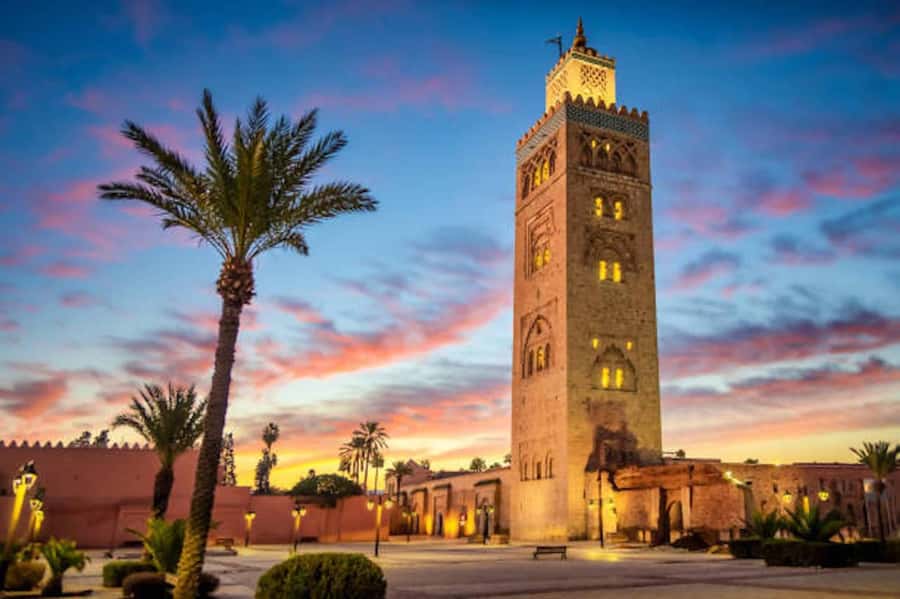
This tour strings together three of Morocco’s most photogenic areas: the Atlas Mountains, the Drâa-Tafilalet region, and then the ride into Fes. You will move quickly, but the schedule is built around a few high-impact stops, not constant “drive-bys.” If you like seeing a lot without stressing over logistics, this format is a good fit.
A few more Ouarzazate tours and experiences worth a look
Marrakech to Dades Valley: Atlas crossings and Kasbah Ait Ben Haddou
You start early, with pickup from your Marrakech hotel or the nearest car-friendly point in the old Medina. Departure is set for 7:15 a.m., and you’re in a modern, air-conditioned minibus for about six hours. You get a real sense of Morocco’s size here, because the scenery changes as you climb and descend.
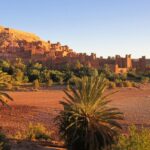
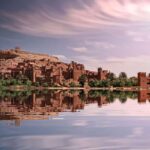
The first big prize is Kasbah Ait Ben Haddou, a UNESCO World Heritage Site. The fortress walls and layered buildings make you understand why filmmakers love this place. You’ll explore the kasbah and then have lunch inside its historic walls, which is a smart way to turn a photo stop into an actual experience.
From there, the route continues toward Ouarzazate, a town known for cinematic landscapes, before you drop into Dades Valley. Your first night is in a hotel/guesthouse setting in the Dades area, with dinner included. This is the day’s payoff: you end a long driving day with a comfortable bed and actual Moroccan dinner.
Practical note: even though the day begins bright and warm, the Atlas region can cool down. Bring a jacket and plan for layers so you’re not fighting the temperature in the minibus or during stops.
Dades Valley to Merzouga: Todra Gorge cliffs and the road to Erg Chebbi
Day two starts to feel more dramatic as the landscape tightens. You drive for about four hours and work in Todra Gorge before heading toward Merzouga. Todra is one of those places where the canyon walls look close enough to touch, and it’s a great reset after the kasbah day.
After Todra, you stop for lunch at a local café. You’re on your own for lunch here, so bring cash and don’t assume lunch will be included. (A tip from the booking feedback: budgeting roughly 110–130 MAD for lunch makes life easier.)
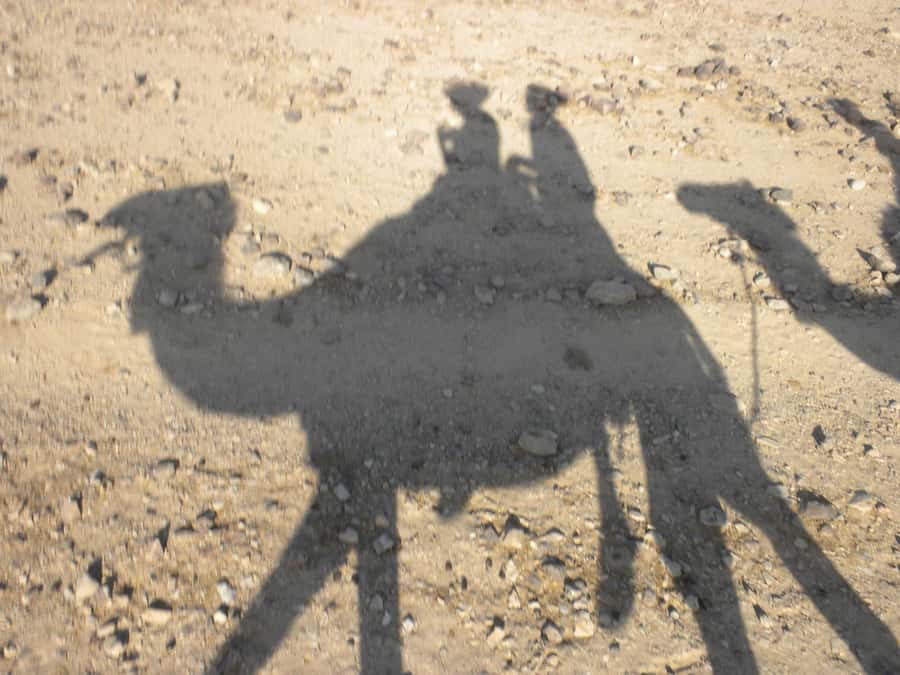
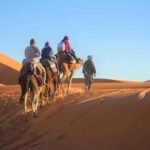
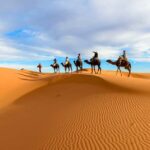
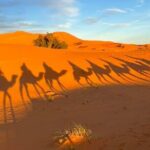
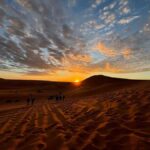
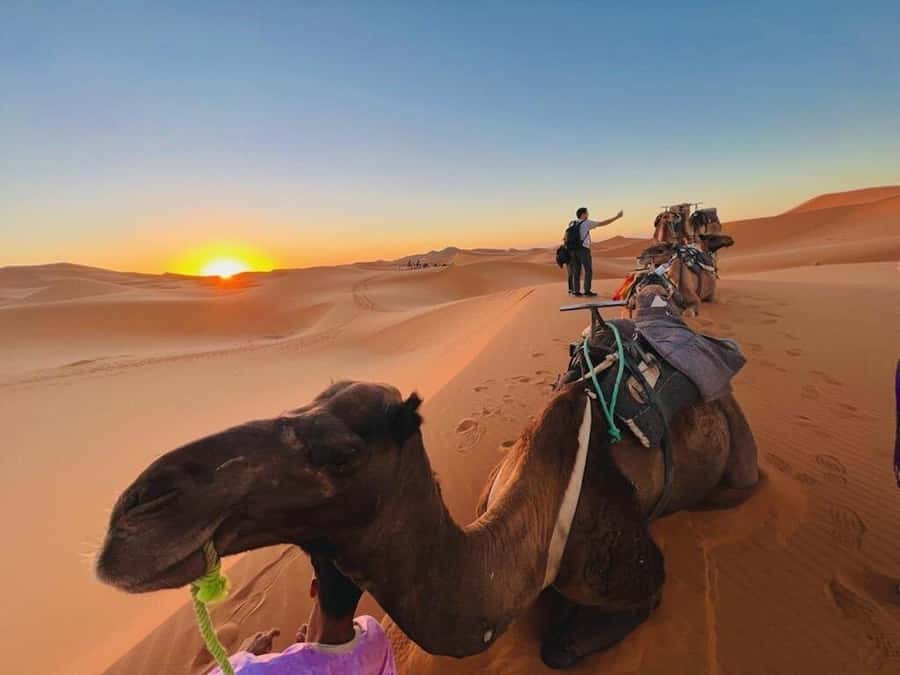
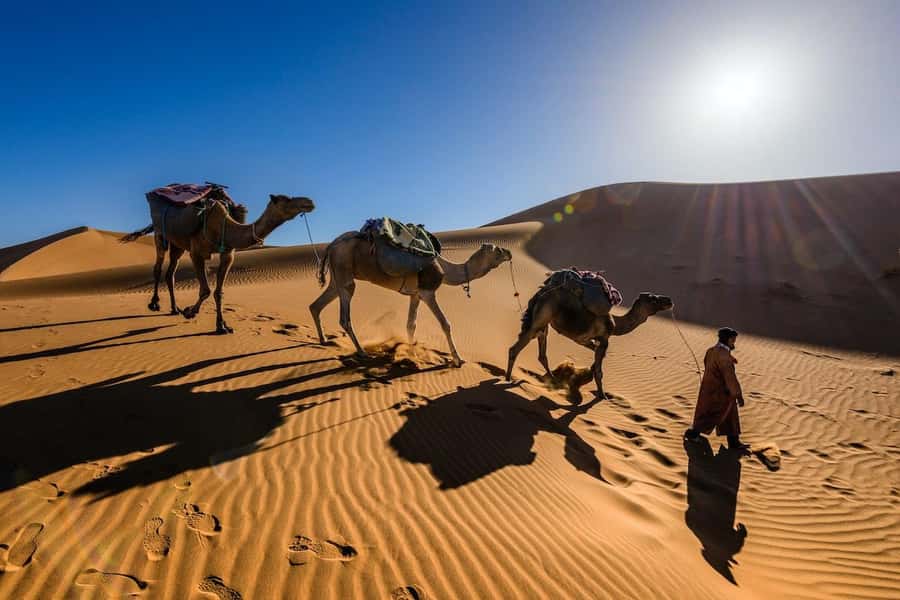
Then comes the part most people are really here for: Merzouga and the Erg Chebbi dunes. You ride out by vehicle to the desert zone, and then the camel trek begins. This is not a quick photo ride. You’re meant to get that slow desert rhythm, with the dunes changing color as the light shifts.
You also get sandboarding during the desert time, which adds variety beyond the camel portion. If you’re comfortable and steady on your feet, it’s a fun way to feel the slope and texture of the sand without needing any special training.
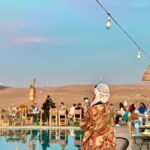
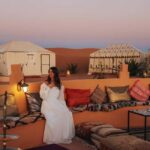
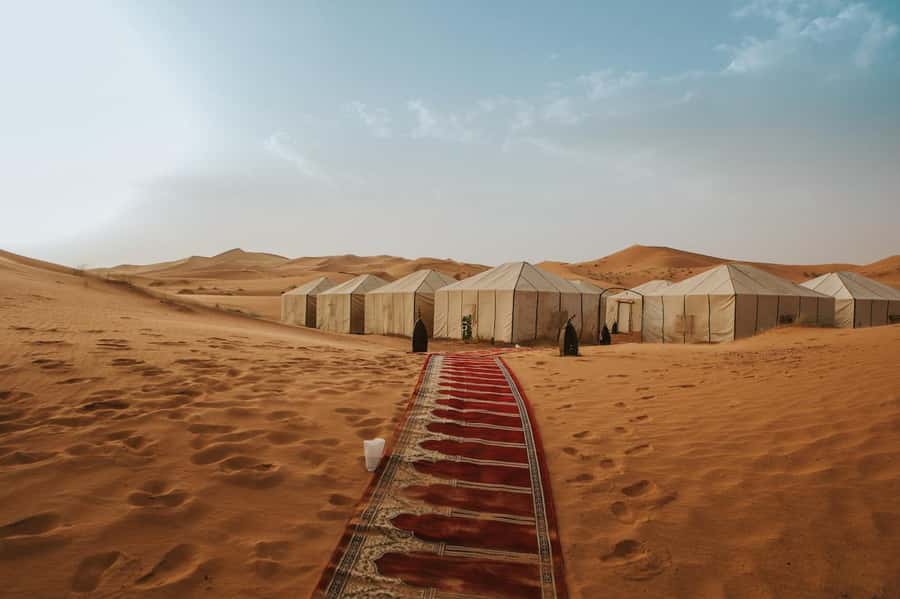
Nighttime is a highlight: you reach a Berber desert camp and settle in as the sky does its work. The evening includes traditional music, including the rhythmic beat of drums, which makes the camp feel alive rather than like a one-night campground.
Merzouga to Fes: dunes fade away, and cities reappear
On day three, you start with a camel transfer back to Merzouga. The camel part is the last “desert chapter,” and once you return to town, the day turns into a long scenic drive. Expect about eight hours toward Fes.
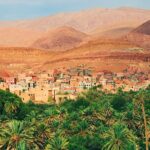
The route gives you a classic Morocco mix: towns, valleys, and changing terrain. You pass by Ifrane, often called the Little Switzerland of Morocco for its alpine-style look. Then there’s Ziz Valley, known for its oases and the way green pockets interrupt the otherwise arid views.
You should arrive in Fes around 5:00 or 6:00 p.m. You’ll be dropped off at your Fes hotel or riad, which is a helpful finish because you don’t need to negotiate transportation at the end of a long day.
This arrival time matters. You’ll be tired, but you’ll still have enough daylight to get oriented in Fes, grab a meal, and not feel stranded.
What the big sights really give you (not just photos)
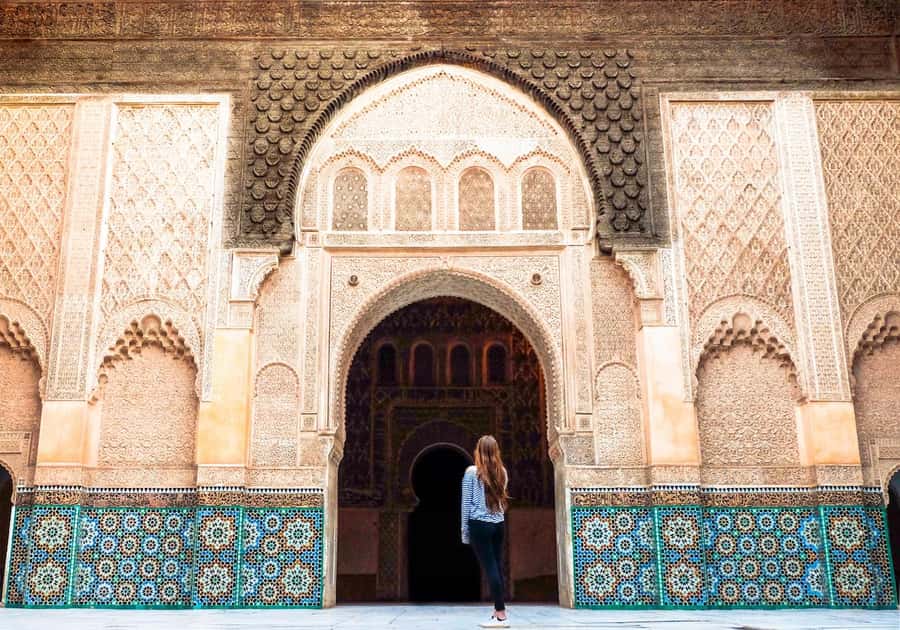
This itinerary works because each landmark supports a different part of the story.
Kasbah Ait Ben Haddou is about survival and settlement. You can walk through the kasbah lanes and feel the logic of a fortified community. It’s also a visual shortcut to understanding how Morocco’s dramatic settings became movie sets without turning the place into a theme park.
Tizi N Tichka Pass (the highest road in North Africa, as described on this route) brings the Atlas into focus. Even when you’re just watching the road climb and descend, it changes your sense of distance and geography. You’ll feel how the country is built on elevation and routes, not straight lines.
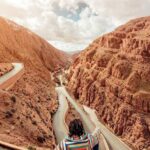
Todgha Canyons offer a different emotional tone than deserts. Where Erg Chebbi is soft and golden, Todgha is sharp and cliff-like. It breaks up the day so you’re not going “dune, dune, dune” in your head.
And Erg Chebbi is where the tour earns its name. You’re not just riding camels; you’re doing the sandboarding and sleeping in the camp. That night under the sky is the memory-maker, especially when the day’s color fades and the desert quiet takes over.
A few more Ouarzazate tours and experiences worth a look
Comfort level and how to choose your desert camp
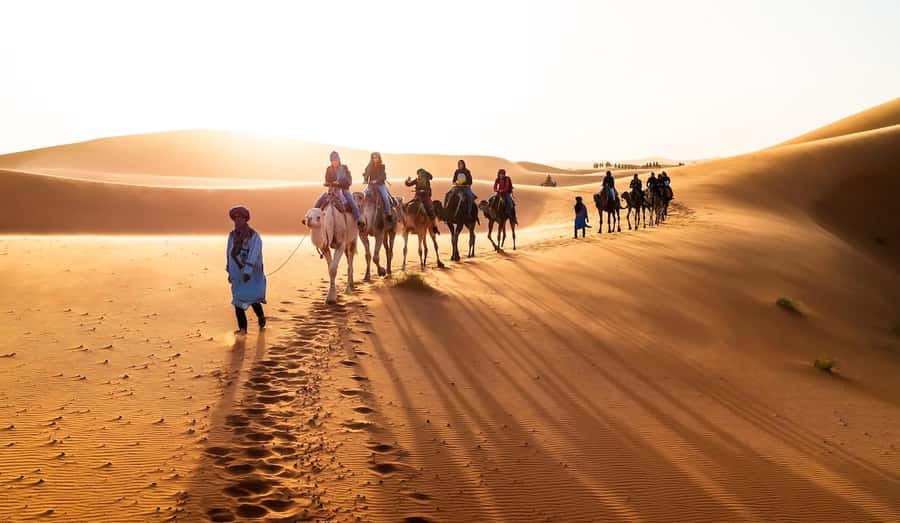
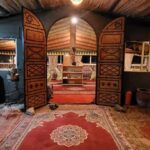
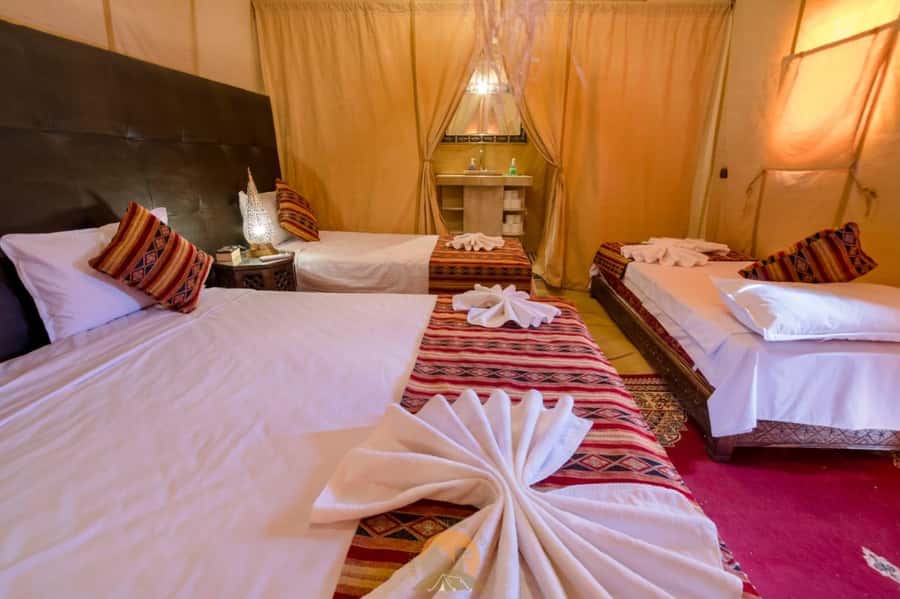
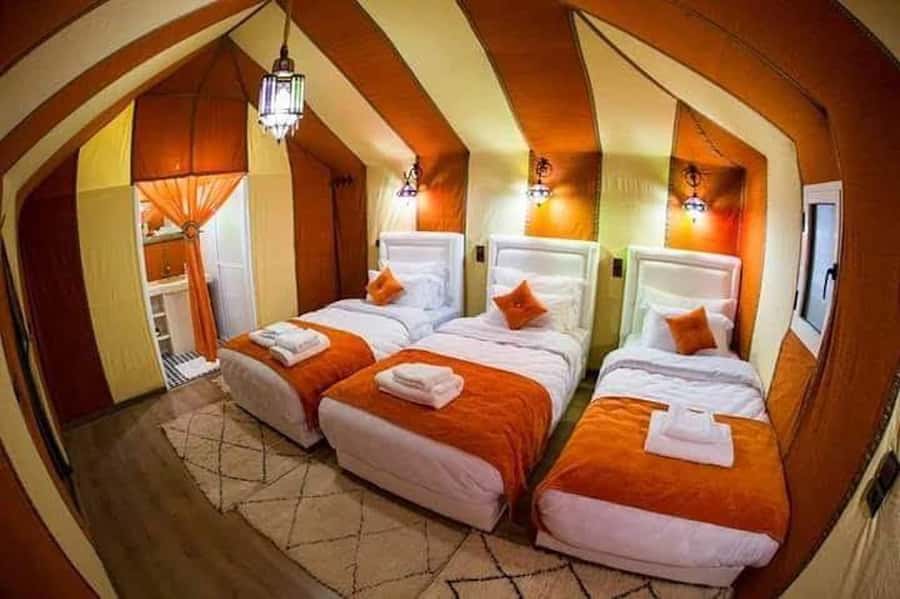
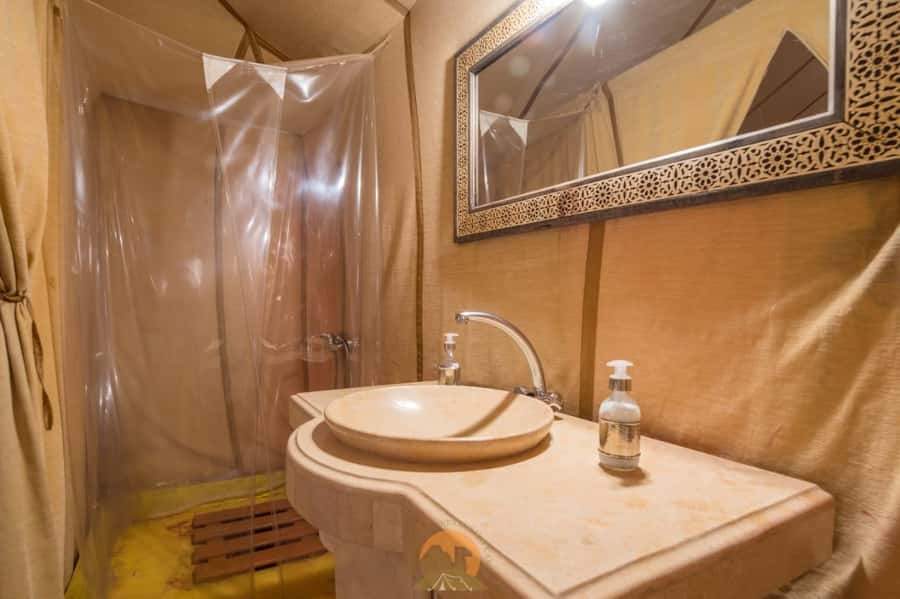
The tour offers either a comfortable or luxury desert camp option in Merzouga. What you get is not described in detail here, but the important point for you is decision-making: if you want a simpler, more traditional setup, comfortable may be enough. If you want to reduce friction after a long day of driving, luxury is worth it.
Either way, you’re still in the desert, so expect basic desert conditions. Pack for temperature swings. Even when daytime feels warm, nights can get cool. A jacket is explicitly recommended for this reason, and it’s smart advice for anyone who runs cold.
Group size, guides, and what “good organization” looks like
A lot of desert tours are fine in theory but messy in execution. This one is built around a live guide and a small group capped at 18 participants, which usually translates into fewer missed details and less waiting around.
The guide quality shows up in the names shared in the booking feedback. I’ve seen consistent praise for guides like Mustapha, Mohammad, Youssef Ali, Dakar, and Haadi. Drivers also get strong mentions, including Simo and Younes (with one note specifically highlighting fluent English). That pattern matters because on a tour like this, the guide is your translator, your problem-solver, and your context.
You’ll also notice a practical detail in the schedule: you’re not doing every stop with a long lecture. The day is a balance of driving, timed visits, and meals. One review specifically described the bus hours as long but also explained that the route is the point: you see a lot quickly across different regions.
Price and value: what $215 covers (and what it doesn’t)
At $215 per person for a three-day route, the value comes from bundled costs.
What’s included:
- hotel pickup and drop-off
- a modern, air-conditioned minibus
- a first-night hotel/guesthouse in the Dades Valley area
- a comfortable or luxury desert camp in Merzouga
- 2 breakfasts and 2 dinners
- camel trek and sandboarding
What’s not included:
- lunch (both on day one and day two stops)
- a local guide in Ait Ben Haddou kasbah (you’ll explore the site, but that specific local guiding isn’t included)
For you, the math is mostly about avoiding separate bookings for transport, a desert camp night, and meals. If you tried to build this route on your own, the biggest challenge is lining up the desert night and camel/sandboarding portion while traveling on a tight timeline. Here, that work is handled for you, which is why the price feels fair.
Still, plan your cash spending. You’ll want money for lunch and likely for small incidentals.
What to pack so day three doesn’t catch you off guard
The tour’s packing list is pretty straightforward, but it’s also the difference between “nice trip” and “why am I freezing.” Bring:
- sunglasses and sunscreen
- a sun hat
- comfortable clothes for driving days
- a jacket for cooler moments
- a camera
- cash (for lunches)
Also, think like a desert visitor: you’re outside for stretches, and sand can be gritty. Wear comfortable footwear and keep your hands and face protected when you’re near dune areas.
Best fit: who this tour suits best
This tour fits best if you:
- want a classic Marrakech to Fes route without planning every connection
- like a mix of culture stops and the desert camp night
- prefer a small group and a live guide
- can handle long road days in exchange for seeing a lot quickly
If your ideal trip is slower, with fewer driving hours and more time hanging in each town, you might feel rushed. But if your goal is to see Ait Ben Haddou, Todra Gorge, and Erg Chebbi in one tight window, this itinerary hits the target.
Quick heads-up on time, fatigue, and comfort
The schedule is driving-heavy. That’s not a complaint; it’s just how the route works. You’ll spend a good chunk of your days on the road, and you may appreciate that the route itself shows Morocco’s range.
A simple strategy helps: treat the minibuses like transport, not like an “experience” you have to enjoy. Bring water, keep your jacket handy, and use the stops to reset.
Should you book this Marrakech to Fes desert tour?
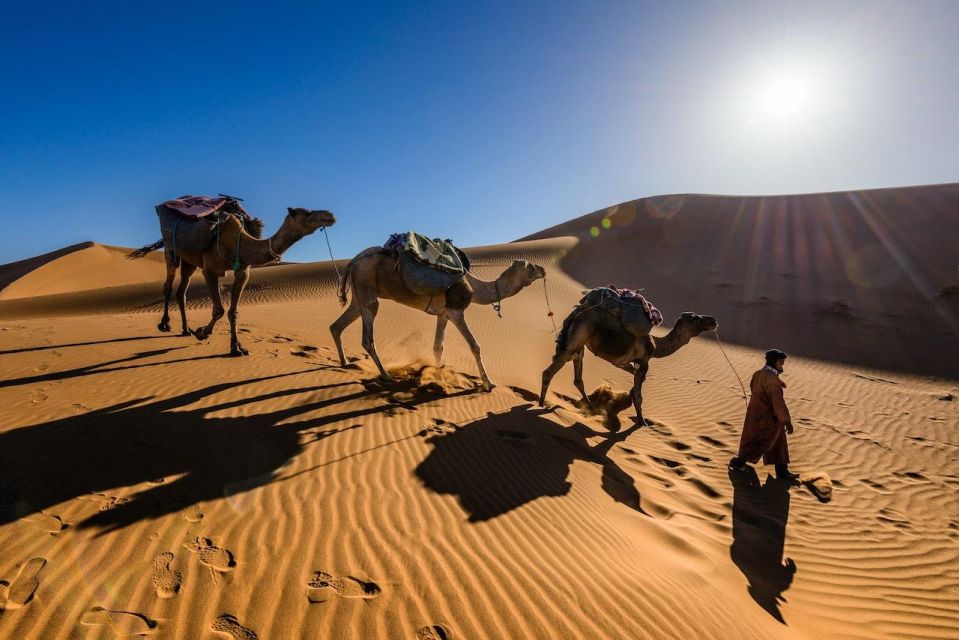
Yes, if you want an efficient, well-supported way to connect Morocco’s Atlas sights with a real Sahara night. This tour is strong on the big components that matter: UNESCO at Ait Ben Haddou, canyon scenery at Todra, and actual desert time at Erg Chebbi with camel riding, sandboarding, and a camp evening.
I’d skip it only if you hate road time, or if you want lots of free hours in each town to wander without a schedule.
One last check before you book: confirm you’re comfortable with lunch being separate and bring cash. If you do that, this is the kind of trip that leaves you with one unforgettable memory per day, not just a string of bus windows.
FAQ
How long is the tour and what are the main stops?
The tour lasts 3 days and runs from Marrakech to Fes via Merzouga. Key stops include Kasbah Ait Ben Haddou (UNESCO), Todra Gorge, and the Erg Chebbi dunes near Merzouga, with return driving to Fes.
What’s included in the price?
Included items are hotel pickup and drop-off, a modern air-conditioned minibus, a first-night hotel, a desert camp in Merzouga, 2 breakfasts and 2 dinners, and camel trek plus sandboarding. Lunch is not included.
Do I get picked up from a hotel in Marrakech?
Yes. Pickup is included from your hotel or the nearest possible point to your riad if the car cannot reach inside the old Medina.
How big is the group?
This is a small group with a maximum of 18 participants.
What languages is the guide available in?
The live guide is available in Arabic, English, French, and Spanish.
What should I bring for the desert?
Bring sunglasses, a sun hat, sunscreen, a camera, a jacket, and comfortable clothes. The tour also recommends having cash with you.