REVIEW · MARRAKESH
Marrakech: 3-Day Merzouga and Sahara Desert Tour
Book on GetYourGuide →Operated by Easy Transfers · Bookable on GetYourGuide
Three days, and the Sahara steals the show. I like how this tour strings together Ait Benhaddou and Erg Chebbi so you get both Morocco’s story and its silence in one trip, with guided stops, a camel ride, and a Bedouin camp night under stars. I also love that it’s a small group (up to 15) and you move in an air-conditioned minibus with a professional driver, so you’re not stuck in a chaotic crowd. One consideration: it’s a lot of driving for 3 days, so if you hate long van hours, you’ll feel it.
You’ll still get quality “stretch breaks” along the way—photo stops in the High Atlas, viewpoints around the gorges, and lunch breaks in key towns—so the day doesn’t feel like pure transit. And if you care about timing, the tour gives you the option to catch sunrise in the dunes, which is the kind of payoff that makes the travel day feel worth it.
In This Review
- Key Highlights You’ll Actually Feel
- Why This 3-Day Route to Merzouga Works
- Marrakech Pickup to the High Atlas: Tizi n’Tichka Gets You Oriented Fast
- Ait Benhaddou: UNESCO Kasbah Time With a Local Guide
- A reality check on time
- Ouarzazate Stops: Atlas Studios and Taourirt Kasbah
- Dades Gorges to Boumalne Dadès: Canyon Views Plus Overnight Comfort
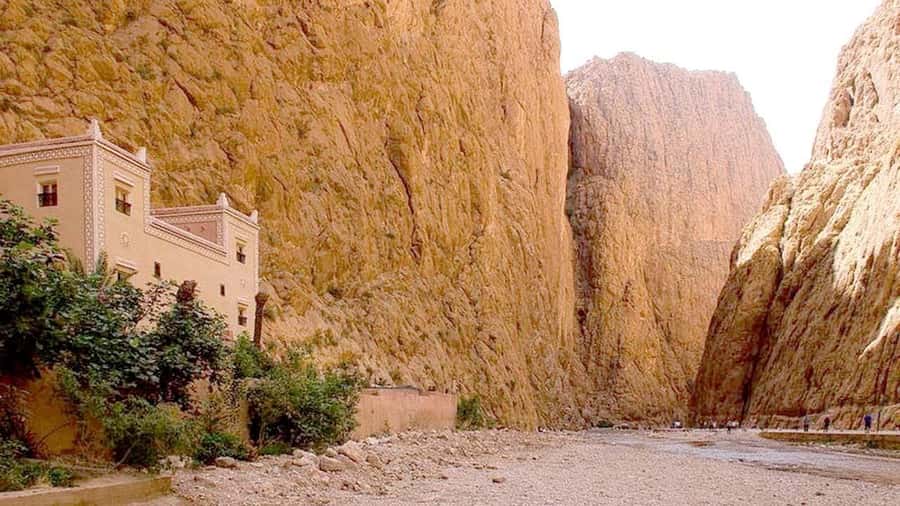
- Todra Gorge and Ksar Touroug: Where the Canyon Turns Dramatic
- Erfoud to Merzouga: The Desert Changes Tone
- Erg Chebbi Camel Ride at Sunset: The Big Moment
- Camel ride comfort tip
- Night in a Desert Tent: Simple, Memorable, and Part of the Tradeoff
- Sunrise Option on Day 3: The Desert After the World Wakes Up
- Return Drive: Rissani Area, Ouarzazate Lunch, and Arriving Around 20h
- Price and Value: What $115 Really Buys You
- What to Pack (So the Desert Doesn’t Judge You)
- Who Should Book This Tour, and Who Should Skip It
- Should You Book This Marrakech to Merzouga Tour?
- FAQ
- How long is the Marrakech to Merzouga desert tour?
- Where does the tour start and do you include pickup in Marrakech?
- What is included in the price?
- Are lunch and drinks included?
- Do you get camel rides and a desert camp overnight?
- What languages is the live tour guide available in?
- What should I bring for the Sahara desert part?
- Can I cancel and get a full refund?
Key Highlights You’ll Actually Feel
- Guided UNESCO time at Ait Benhaddou with a local guide (not just a quick drive-by)
- High Atlas views and a Tizi n’Tichka photo stop to break up the long route
- Film-town stops in Ouarzazate via Atlas Studios and Taourirt Kasbah time
- Todra Gorge plus Dades-area scenery for dramatic canyon scale and easy sightseeing
- Erg Chebbi camel sunset and sunrise with a real tent night in the desert
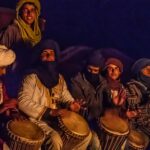
- Evening camp moments like dinner under the stars and Berber music with drums
Why This 3-Day Route to Merzouga Works
A Marrakech-to-Sahara trip sounds like it should be exhausting. In practice, this schedule hits a good balance: you pack in the big icons (kasbahs, gorges, dunes) without trying to cram in every possible side trip. The whole point of 3 days is to arrive at the desert with enough energy to enjoy it, not just to say you made it there.
What makes it work is the rhythm. You start with history and architecture (Ait Benhaddou), move through canyon scenery (Dades and Todra), and then finish with the desert “main event” in Erg Chebbi—camel rides at sunset and sunrise, plus a night in a desert tent.
Now the tradeoff: you will spend real time in the vehicle. If your ideal vacation is slow mornings and zero road time, this isn’t that. But if you’re okay with travel as the price of admission—and you want the dunes without changing hotels every night—you’re in the right place.
A few more Marrakesh tours and experiences worth a look
Marrakech Pickup to the High Atlas: Tizi n’Tichka Gets You Oriented Fast
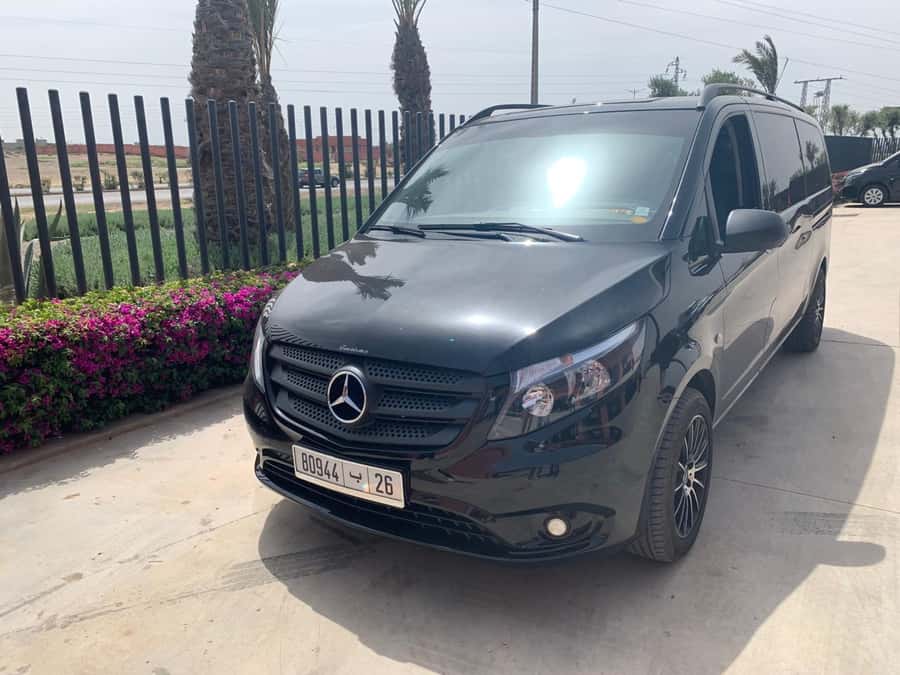
Your day starts in Marrakech with pickup, then you head out by private air-conditioned minibus. The drive doesn’t just move you toward the Sahara—it also sets your expectations for what Morocco looks like before you reach the desert.
A quick but meaningful break is the stop at Tizi n’Tichka for photos and scenic views. This is one of those moments where you suddenly understand the terrain you’re crossing. You’ll be able to stretch, grab a few pictures, and get your bearings before the route settles into long-distance driving.
If you’re sensitive to heat or motion, the air-conditioned vehicle helps a lot. And because the tour is capped at a small group, you’re less likely to deal with the annoying “everyone argues about timing” vibe that can happen on larger buses.
Ait Benhaddou: UNESCO Kasbah Time With a Local Guide
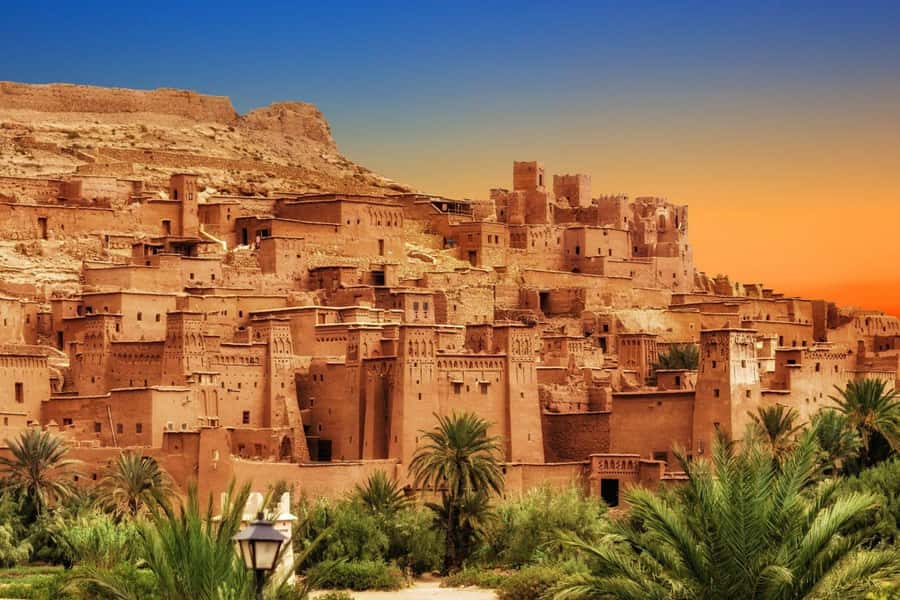
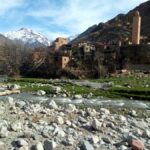
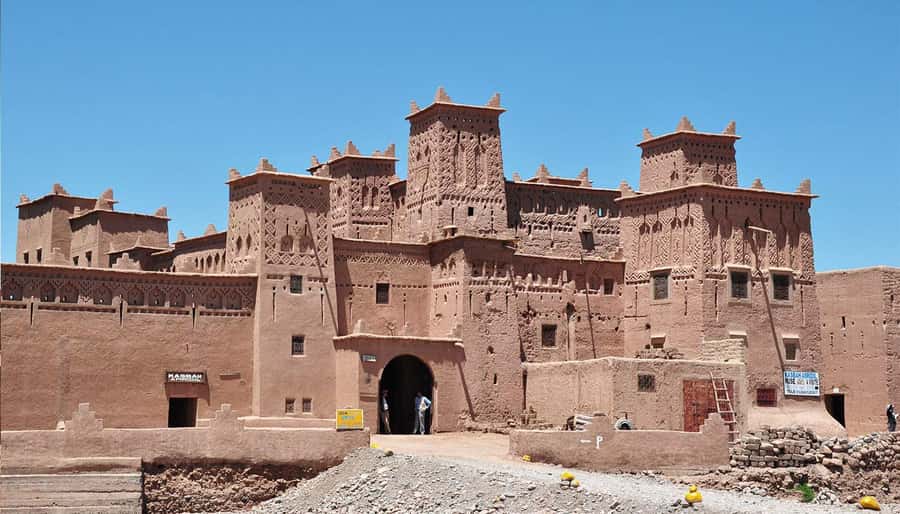
Kasbah Ait Benhaddou is the kind of place that can be overhyped if you only treat it like a photo wall. The guided visit is the difference here. You’re not just wandering among stone layers; you get the meaning behind the architecture and why this site has been a movie backdrop for decades.
You also get a short, focused stop rather than an all-day commitment. That’s good for most people on a 3-day tour. You can see enough to understand the place, then move on while the day still has momentum.
The practical tip: wear comfortable shoes and bring a scarf. Kasbah visits involve uneven steps and sun exposure. Ait Benhaddou is worth the effort, but you’ll enjoy it more if you’re not thinking about your feet the whole time.
A reality check on time
One improvement point that keeps popping up with tours like this is that kasbah time can feel tight if you love detail. In other words: if you could spend hours reading every corner, you may feel a little rushed. For the typical 3-day desert trip, though, the visit window is enough to leave with a strong impression.
Ouarzazate Stops: Atlas Studios and Taourirt Kasbah
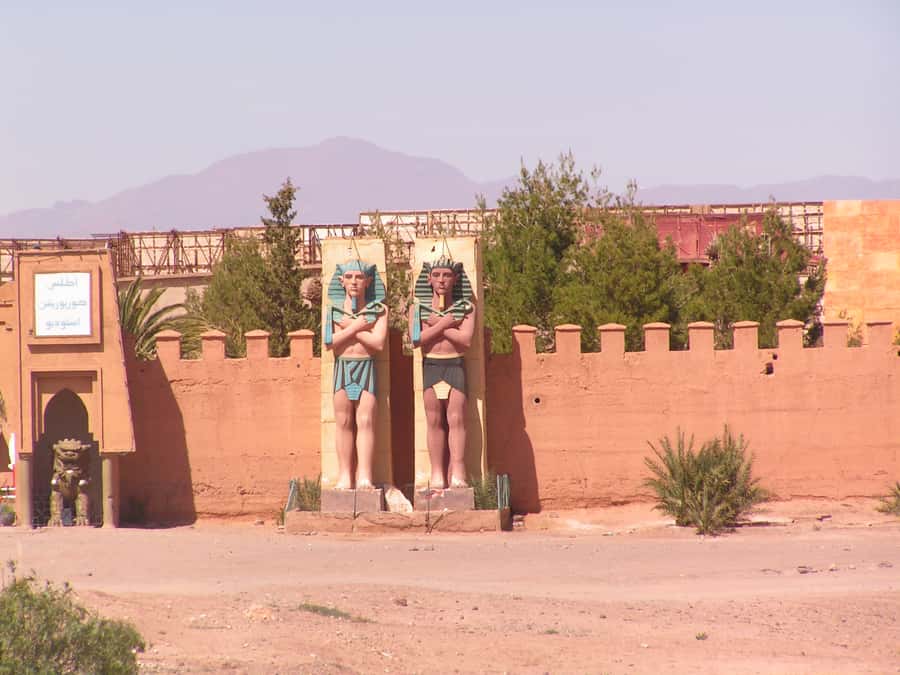
After Ait Benhaddou, the route continues toward Ouarzazate, Morocco’s well-known staging ground for film sets and desert productions. This tour includes short visits that make that connection tangible.
You’ll stop at Atlas Studios (a brief visit) and then head to Taourirt Kasbah. Together, these help explain why the region looks the way it does on screen: Morocco’s architecture and desert lighting create that cinematic feel without needing much extra magic.
These stops aren’t meant to turn you into a movie expert. They’re there so you can appreciate how geography and built environment shape what you see.

Dades Gorges to Boumalne Dadès: Canyon Views Plus Overnight Comfort
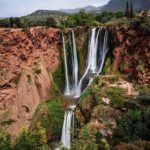
The mid-part of the trip shifts from kasbahs to canyon scenery. You’ll travel through areas tied to the Draa Valley approach and then spend time in the Dades Gorges zone with scenic viewing breaks.
This is the section where the trip becomes more about scale. You’ll see rock walls, winding road viewpoints, and the contrast between green-ish pockets (like palm groves in the wider region) and the harsher stretches that come later.
In Boumalne Dadès, dinner and an overnight stay set you up for the next day’s deeper Sahara approach. Think of this night as your “reset.” You’re not sleeping in luxury here (you’ll get that in a different style later), but you are sleeping somewhere with a real bed feel compared to the desert tent.
Todra Gorge and Ksar Touroug: Where the Canyon Turns Dramatic
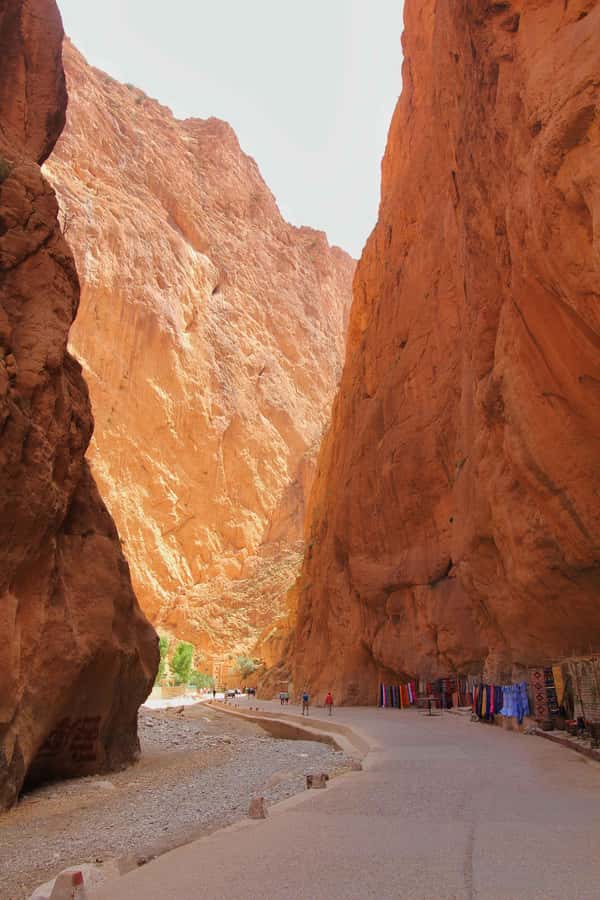
Day two becomes a series of “wait, look at that” moments. You’ll go from Boumalne Dadès toward Todra Gorge, with time for sightseeing along the way.
Todra is famous for towering canyon walls—up to around 300 meters in places—and even if you don’t go far on foot, standing near the gorge makes the rock feel close enough to touch. It’s also a great place for a few slow minutes: just pause and watch how the light changes as you look up and across the canyon.
Later, there’s a break at Ksar Touroug with a longer lunch stop. These mid-route stops matter because they keep the day workable. Without them, a gorge day plus desert travel would be too much.
Erfoud to Merzouga: The Desert Changes Tone
As you approach Erfoud and then Merzouga, the environment shifts from rugged hills and canyon edges into something much more surreal. This is where the Sahara starts feeling less like a destination on a map and more like a place with its own rules.
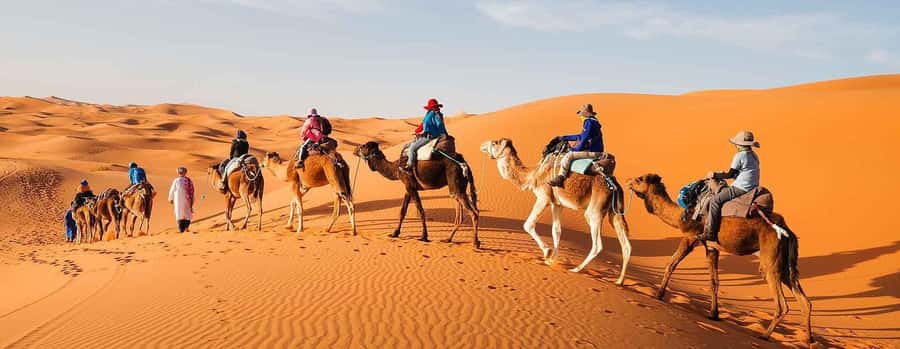
You’ll have time for a break and photo stops around Erfoud, then continue onward to Merzouga where the desert “arrival” happens in a very classic way: you ride camels into the dunes.
This part is genuinely part of the experience, not just transportation. Once you’re out there, the wind, the wide-open view, and the sense that everything around you is sand and sky come together fast.
Erg Chebbi Camel Ride at Sunset: The Big Moment
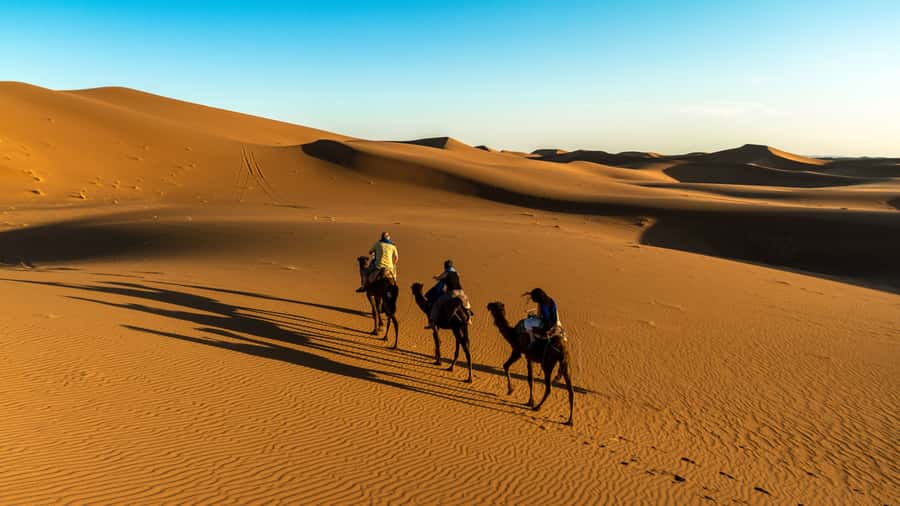
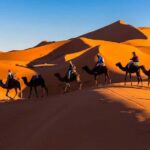
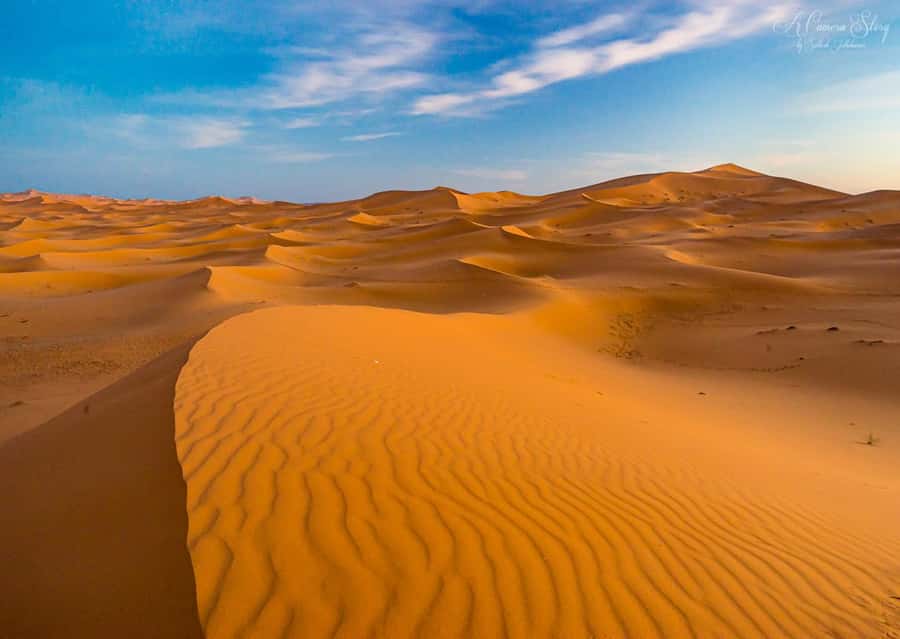
The Erg Chebbi dunes are the headline here, and this tour times it so you can experience them at sunset.
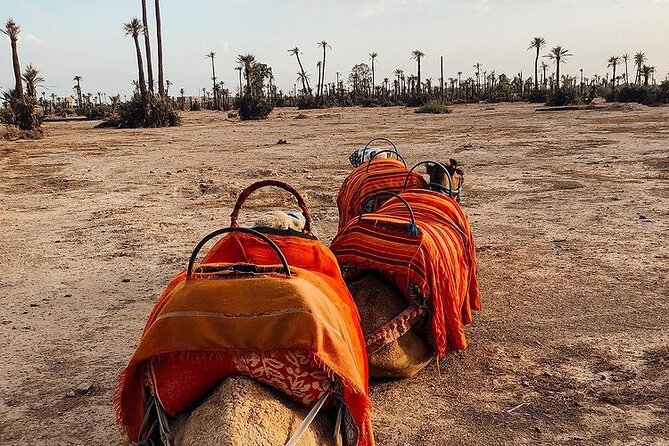
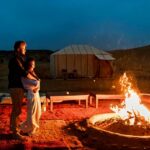
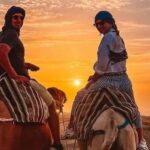
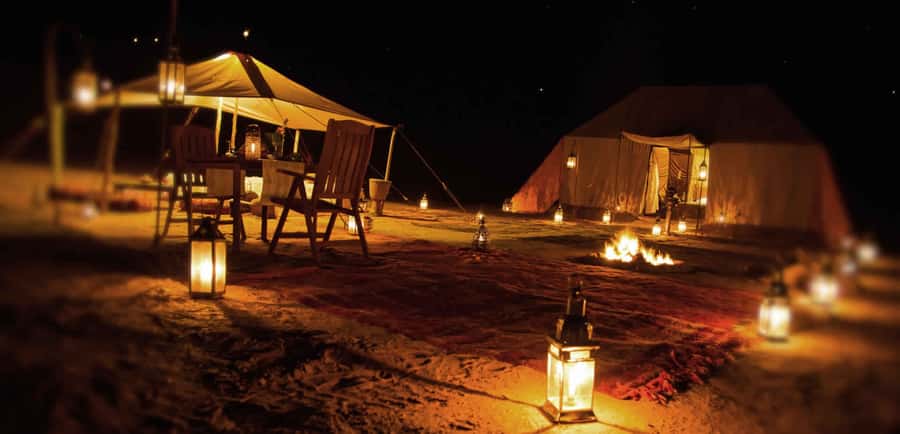
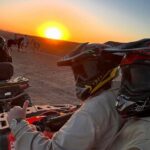
The camel ride runs on the shorter side in this schedule, but it still takes you into the dunes far enough to get the classic scene: golden sand, a slow orange sky, and that quiet feeling you were hoping for. You also get dinner in camp, typically set up as an evening under stars near a campfire.
You should expect camp life to be warm, simple, and social. There’s also Berber music with drums, so the night isn’t just “sleep and move on.” It’s a real desert evening.
Camel ride comfort tip
If you’re even slightly concerned about comfort, plan to wear a scarf and keep it handy. Dust and wind can get into everything fast once you’re in the dunes. And yes, this can be bumpy. That’s part of it, but coming prepared makes it way more tolerable.
Night in a Desert Tent: Simple, Memorable, and Part of the Tradeoff
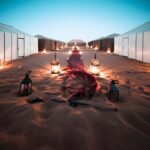
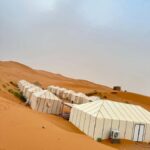
Overnight in the desert is included, so you’re not deciding on last-minute lodging. You sleep in a desert tent at the camp area and wake up to desert timing the next morning.
This is not a hotel experience. It’s a taste of how people experience the Sahara when you strip away the modern extras. The value is that you’re in the dunes area at the right moments for sunset and sunrise, instead of commuting from elsewhere.
If you’re the type who needs very predictable comfort, bring your practical mindset. The reward is the atmosphere: the sky feels huge at night, and in the morning, the dunes look completely different.
Sunrise Option on Day 3: The Desert After the World Wakes Up
In the early morning, you’ll get the chance to watch sunrise before breakfast, and there’s also camel ride time in the dunes around sunrise.
This is one of those choices where committing pays off. Morning in Erg Chebbi can be cooler, calmer, and less dusty than later hours. Even when the group is sleepy, the result feels like you bought something special.
Breakfast comes after that, and then it’s time to head back toward Marrakech.
Return Drive: Rissani Area, Ouarzazate Lunch, and Arriving Around 20h
The return trip is structured like the outward journey: long drives, planned breaks, and a few stops to reset your legs.
On the way back, you’ll pass through the Rissani area, and there’s also a break at Tinejdad. You’ll get more time around Ouarzazate for another lunch stop before arriving back in Marrakech around 20h.
This means you should plan your arrival-night plans carefully. Don’t schedule a big dinner reservation for right on arrival time unless you like living on the edge.
Price and Value: What $115 Really Buys You
At $115 per person for a 3-day tour, the big value isn’t just the driving. It’s the combination of:
- Pickup and drop-off in Marrakech (or pickup from your riad/hotel)
- Private air-conditioned transport with a professional driver
- Guided visit at Ait Benhaddou with a local guide
- One night in a desert tent
- Camel ride(s) connected to the camp experience
- Dinner and breakfast included
Lunch and drinks are not included, so you’ll need to budget for meals during the day breaks. Still, when you compare what’s included—especially the desert night plus food—it’s often a better deal than trying to assemble parts of the trip separately.
The one thing you’re paying with, though, is time. Expect long road hours. If that part stresses you out, the price won’t feel like a bargain no matter how fair it is.
What to Pack (So the Desert Doesn’t Judge You)
You’ll be outdoors in sun and wind, including during camel time and camp evenings. Keep it simple and practical:
- Comfortable shoes
- Sun hat
- Sunscreen
- Comfortable clothes
- Scarf (this one matters more than people think)
If you want an extra comfort boost, consider bringing a light layer for the early morning. The desert mornings can feel a lot different from the heat of midday.
Who Should Book This Tour, and Who Should Skip It
This is a great fit for you if:
- You want to see Ait Benhaddou and the Sahara on one trip
- You’re okay with a packed schedule and long van days
- You care about a genuine desert night with a camp dinner and music
It’s a tougher fit if:
- You strongly prefer minimal driving
- You need long, slow time at a single site for deep exploration
- You’re not comfortable with the basic style of desert camping
Should You Book This Marrakech to Merzouga Tour?
Yes—if your goal is to experience Morocco’s variety in 3 days without jumping through logistics. The included desert tent night, camel rides tied to sunset and sunrise, and guided UNESCO time at Ait Benhaddou make it feel like you’re paying for moments that are hard to replicate on your own.
If you book, do one thing to improve your trip: mentally accept the driving. Treat transit hours as part of the journey rather than a problem to fix. The payoff arrives in Erg Chebbi, when the dunes and the stars take over the schedule.
FAQ
How long is the Marrakech to Merzouga desert tour?
It’s a 3-day tour.
Where does the tour start and do you include pickup in Marrakech?
The tour starts in Marrakech, and free pickup and drop-off in Marrakech is included. Pickup is optional and you can be picked up from any Marrakech hotel or riad.
What is included in the price?
Transportation by private air-conditioned minibus with a professional driver, Kasbah Ait Benhaddou visit with a local guide, overnight stay in a desert tent, camel ride to the desert camp, plus dinner and breakfast are included.
Are lunch and drinks included?
Lunches and drinks are not included.
Do you get camel rides and a desert camp overnight?
Yes. You’ll ride a camel to the Merzouga desert camp and have an overnight stay in a desert tent at Erg Chebbi. The schedule also includes camel ride time for sunset and sunrise.
What languages is the live tour guide available in?
The live tour guide speaks English, French, and Spanish.
What should I bring for the Sahara desert part?
Bring comfortable shoes, a sun hat, sunscreen, comfortable clothes, and a scarf.
Can I cancel and get a full refund?
Free cancellation is available up to 24 hours in advance for a full refund.