Get your bearings fast in the medina. This 3-hour Marrakesh walk starts at Café de France and turns secret lanes into a clear route you can repeat on your own, while guides explain the why behind Jemaa el-Fna instead of just naming it. I also like that the tour is led by real people with personality, like Ishmael and Charif, who make crafts and local routines feel practical, not like a lecture.
The main thing to consider is that the tour is strictly walking time, and food and drinks aren’t included, so you’ll need to budget a little for snacks once you’re tempted by the markets. Also, there’s no hotel pickup, so you’ll go straight to the meeting point in the busy main square.
In This Review
- Key things that make this tour worth your time
- Starting at Café de France in Jemaa el-Fna Square
- The 3-hour rhythm: how the walk actually works
- Jemaa el-Fna: the square beyond the obvious
- Secret alleyways and local markets you’ll feel in your feet
- Craft stories, herbs, and the way guides make work understandable
- Pauses you might get: mint tea, flatbread, and wood-fired bread
- Secret Garden and Ben Youssef Madrassa: what to consider as a bonus
- Getting back to Café de France and staying confident
- Languages, guides, and what $34 gets you
- Who should book this tour
- Should you book the Marrakech Medina Mysteries & Hidden Sites Tour?
- FAQ
- How long is the Marrakesh Medina Mysteries & Hidden Sites Tour?
- Where is the meeting point?
- What languages are the guides available in?
- How much does it cost?
- What’s included in the tour price?
- What’s not included?
- Do I get hotel pickup?
- What is the cancellation policy?
- Can I reserve now and pay later?
- FAQ
- Are there different starting times?
Key things that make this tour worth your time
- Meeting at Café de France by Jemaa el-Fna, so you start with instant orientation
- Jemaa el-Fna explained from the inside, including the mysteries people talk about
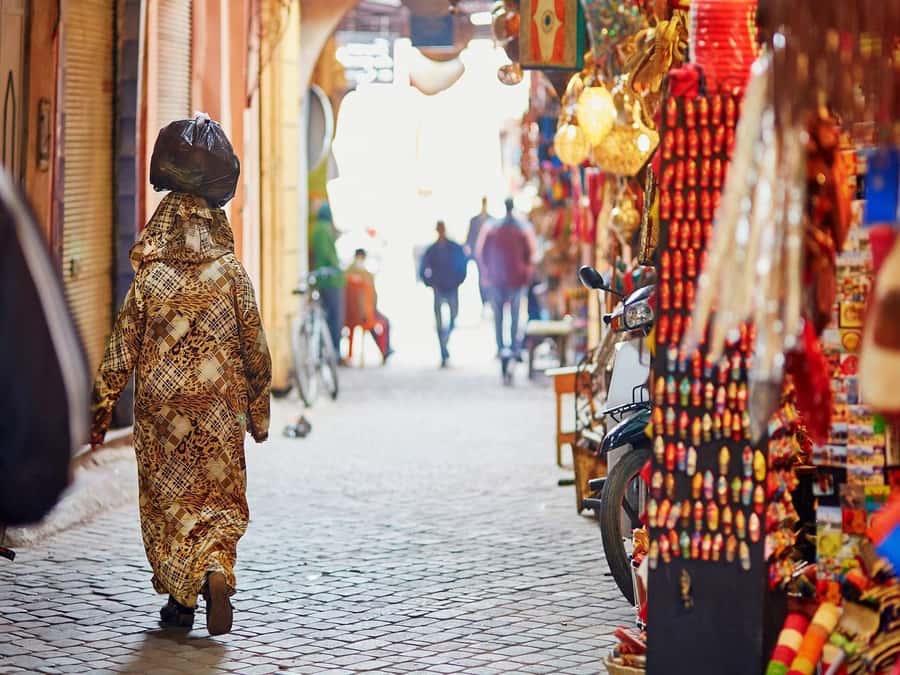
- Secret alleyways plus market energy, with stops that feel like daily life
- Guide-led craft stories, from specialized trades to herbalists
- Small comfort add-ons, like bottled water during the walk
- Bonus-style chances for places like Secret Garden and Ben Youssef Madrassa (depends on your guide and timing)
Starting at Café de France in Jemaa el-Fna Square
Your first win here is location. You meet in front of Café de France in the main square, Jemaa el-Fna. That’s not a random street corner. It’s the heart of the Medina’s gravity, and it means you don’t spend the first 30 minutes searching for your group while the square swirls around you.
Jemaa el-Fna can feel like sensory overload at first—music, voices, steam rising from food stalls, people moving in every direction. A guided start helps you sort the noise into something usable. Instead of thinking of the Medina as one big blur, you begin to recognize landmarks, lanes, and the logic of where streets lead.
I also like that the meeting point is easy to understand in plain terms. It’s right there in the main square, and it gives you a “home base” feeling. Even if you’re coming off a long flight, you can orient quickly.
You can also read our reviews of more tours and experiences in Marrakesh.


The 3-hour rhythm: how the walk actually works
This is a 3-hour guided experience, with a live tour guide available in Arabic, English, and French. That matters because Medina navigation isn’t just about direction—it’s about interpretation. Without a guide, you can walk the same lanes and still miss what makes them meaningful.
The pacing is built for an early-day or mid-trip reset. It’s long enough to get beyond the most obvious streets, but short enough that you’re not exhausted afterward. One clear theme from the guide feedback: people often use this tour as a confidence-builder. After learning what to look for—and how to ask questions—you’re more willing to wander the next day without feeling lost.
Practical note: since hotel pickup and drop-off aren’t included, plan to arrive at Jemaa el-Fna on your own timing. Wear comfy walking shoes. You’ll be on foot through the Medina’s tight lanes, where quick changes in surface and crowding can happen fast.
Jemaa el-Fna: the square beyond the obvious
Jemaa el-Fna gets attention for a reason. But the tour doesn’t treat it like a photo stop. You’ll get the story behind what’s happening there and why people associate the square with “mysteries.”
In plain terms, that kind of explanation helps you read the square. You start to notice patterns: who’s doing what, what traditional crafts connect to, and why certain people and activities cluster where they do. It’s the difference between seeing a scene and understanding how the scene works.
Guides also tend to use the square as a launchpad into the Medina’s everyday life. That’s where the tour’s value really shows. You don’t just hear history; you get the social map—how a trade, a craft, and a market connect to the movement of people.
If you want a mental shortcut: think of Jemaa el-Fna as the loud front door. The tour shows you the quieter side streets that open from it.
Secret alleyways and local markets you’ll feel in your feet
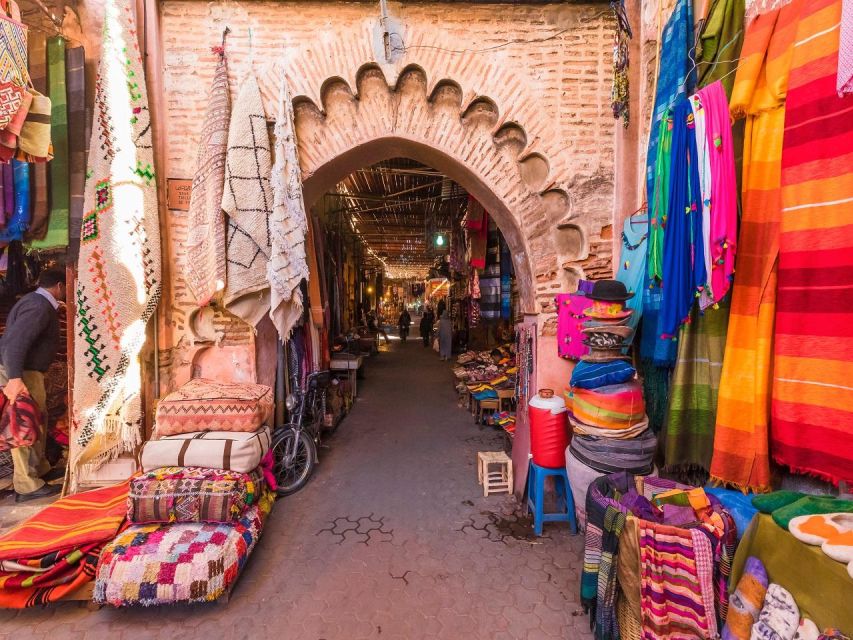
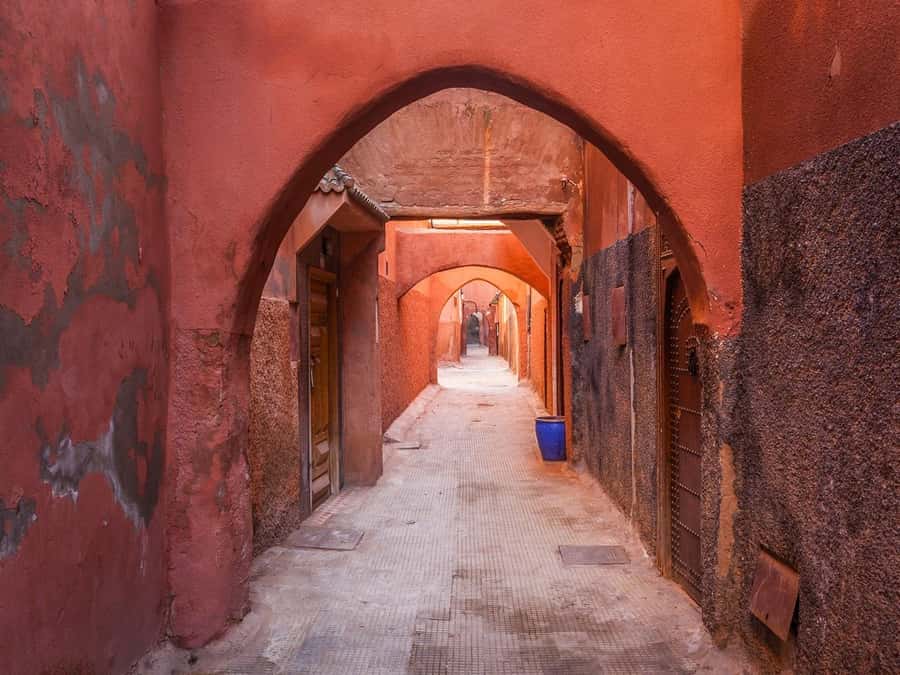
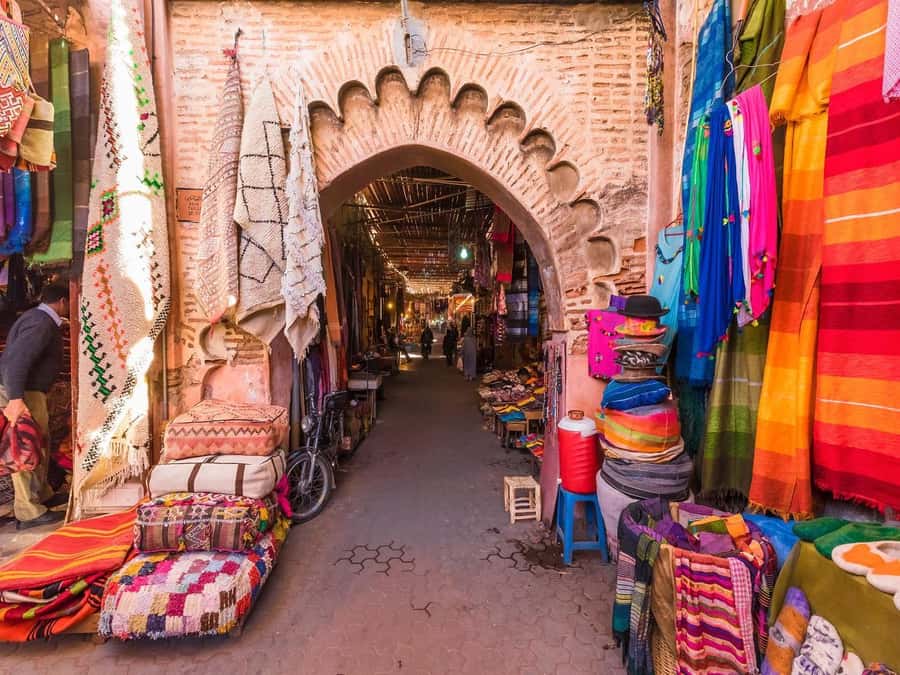
The Medina is famous for its maze. The smart part of this tour is that it uses that maze on purpose. You don’t wander randomly—you move with intention toward the quieter lanes and market areas that reveal the city’s practical rhythm.
Expect to see the Medina in layers:
- Back lanes that feel calmer and more human scale
- Market zones where the focus is on what people buy, make, and repair
- Everyday storefront culture, where conversation and routine matter as much as the goods
This is also where the tour becomes more than sightseeing. You’re learning how locals organize space and work. Even if you don’t plan to shop, market stops give you context: why certain crafts are clustered, why certain shops look the way they do, and what people are talking about while they’re working.
One guide style that comes through in feedback is the emphasis on local crafts and herbal trades. So if you like explanations—how something is made, what it’s used for, and why it matters—you’re in the right place.
Craft stories, herbs, and the way guides make work understandable
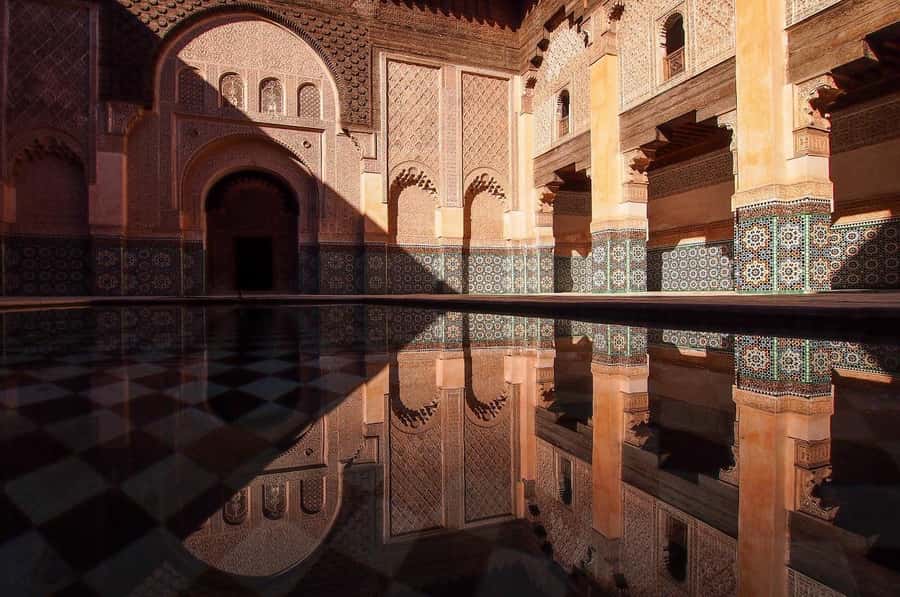
A Medina tour can go two ways: either you get a list of names, or you get meaning. This one leans meaning.
Guides share specialized craft insights and link them to the city’s daily life. That shows up in feedback about guides turning crafts into stories you can actually repeat later. Ishmael, for example, was highlighted for making the tour fun and for teaching visitors about local trades with humor and confidence.
Another common thread: herbalists. One guide offered aromatic herb branches when asked, and another tour included herbalist-focused teaching. If you’re the type who likes to ask why people use certain ingredients or how traditional medicine knowledge gets shared, this segment can become a highlight.
Also, don’t underestimate the value of small, informal moments. A good guide doesn’t only talk. They show you how to spot what matters—signs of materials, tools, and the tone of a shop. That’s what helps you feel grounded for independent exploring afterward.


Pauses you might get: mint tea, flatbread, and wood-fired bread
Food and drink aren’t included in the price, so you’ll usually pay for refreshments on your own. Still, the tour format often creates opportunities for short pauses that make the walk easier and more enjoyable.
In the feedback, mint tea and flatbread at a modest local café were called out as a memorable stop. The important part wasn’t just the snack—it was the fact that the café felt like it served locals, not only tourists. That’s the difference between eating and experiencing.
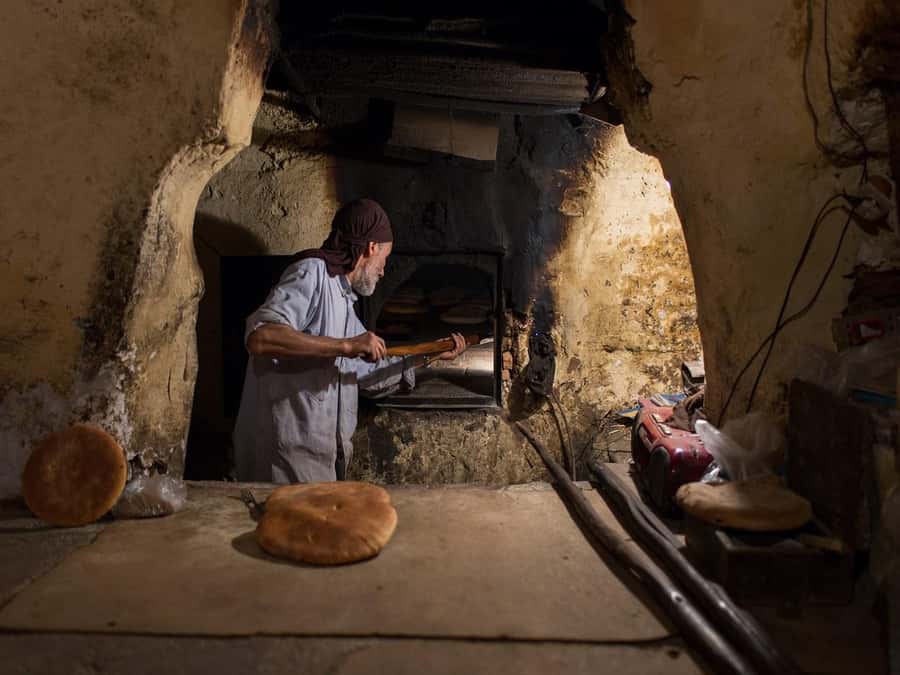
Another guide-led extra that came up: a visit to a bakery where you can see bread baked in a wood-fired oven. Charif was specifically mentioned for taking people there after an aromatic herbs stop.
So here’s a helpful expectation: while meals aren’t part of the package, your guide may route you through places where you can grab something quick and very local if you want. Bring a little cash, and don’t feel guilty about buying a small snack to keep energy up.
Secret Garden and Ben Youssef Madrassa: what to consider as a bonus
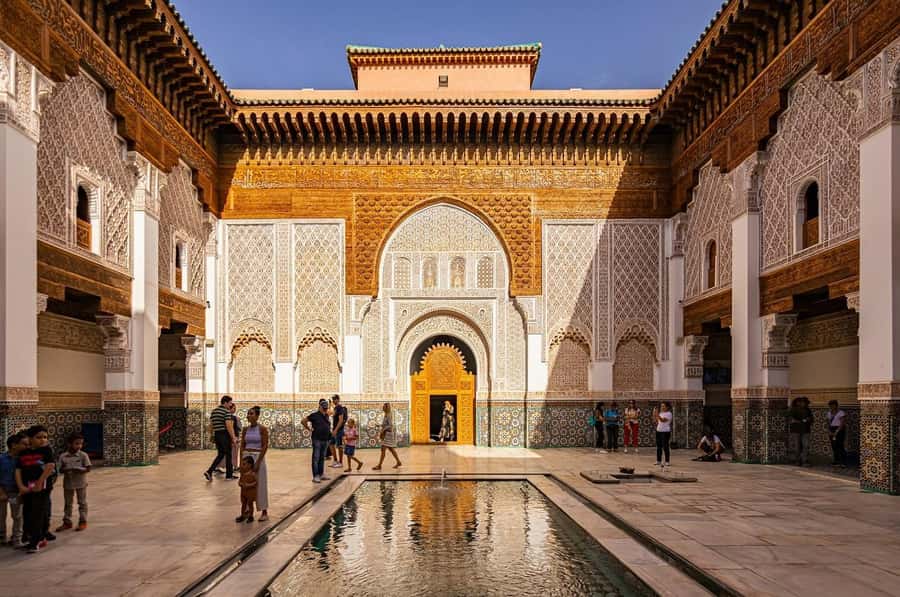
Some visitors describe adding stops like the Secret Garden and Ben Youssef Madrassa. That doesn’t sound like an automatic guarantee for every group, but it’s a real possibility when timing and guide preferences align.
If you want the value of these sites, here’s what they add to the tour:
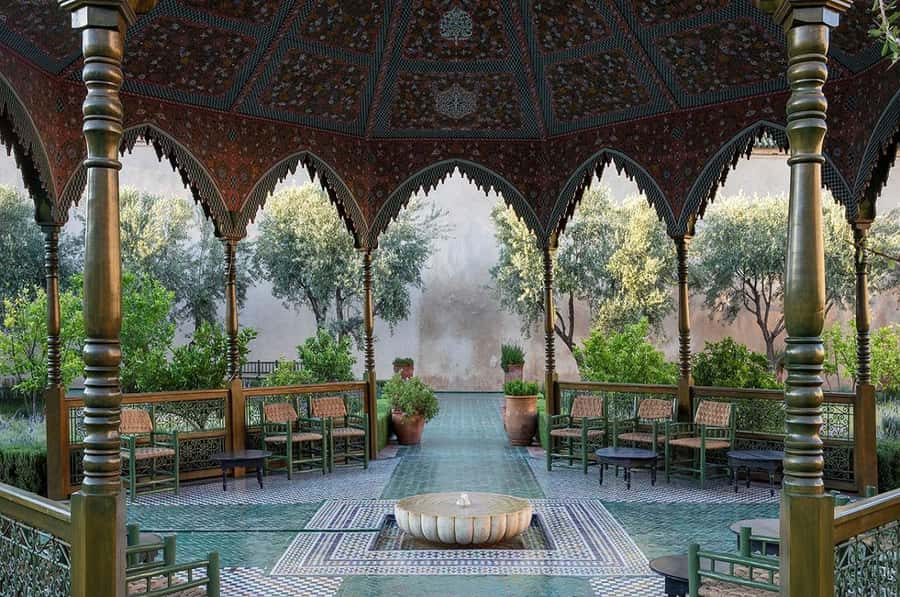
- The Secret Garden type of stop gives you a reset from street noise. It’s a calmer contrast to the Medina’s lanes.
- Ben Youssef Madrassa connects you to the scholarly side of Marrakesh and helps you see how education and architecture shaped the city.
If you’re interested in pairing this tour with those places, ask your guide what’s realistic within your schedule. Since the core experience is 3 hours and returns to Café de France, you’ll want to know whether the bonus can fit without rushing.
Getting back to Café de France and staying confident
The tour ends where it begins—back at Café de France in Jemaa el-Fna. That return matters. After walking the Medina’s tight streets, it helps to close the loop in a familiar place.
One more practical detail that stood out in feedback: Ishmael helped people contact and find their return taxi. That’s not something you should assume will happen every time, but it’s a good sign to look for in your guide’s attitude—help with getting unstuck.
For you, the bigger value is confidence. A short guided “map” makes your independent exploring safer. When you can recognize where the main square sits relative to the lanes, you spend less time guessing and more time enjoying.
Languages, guides, and what $34 gets you
Price is $34 per person for a 3-hour tour. That’s a fair mid-range for Marrakesh, especially because it includes bottled water and guide support. You also get both a local guide and a professional guide listed as included—so you’re not just buying a person who can point directions. You’re paying for interpretation and local know-how.
One reason this can be good value: the tour’s short duration helps you avoid spending a full day on a “maybe I’ll like it” activity. If you want to make the most of limited time, a focused Medina orientation is often smarter than trying to do everything unguided on day one.
Language coverage is also practical: Arabic, English, and French are offered. If you choose English or French, you should still feel free to ask quick questions as you walk. In a market environment, dialogue is where the tour gets its real payoff.
Just remember what’s not included. Food and drinks and lunch are on you, and there’s no hotel pickup. For many visitors, that’s fine. It just means you should plan how you’ll handle meals and transportation separately.
Who should book this tour
I’d point you toward this tour if you want:
- A first-day Medina orientation that helps you walk with less stress later
- A tour that connects Jemaa el-Fna to the lanes and market culture around it
- A guide-driven experience that talks about crafts and local routines, including herbs and specialized trades
It’s also a great fit for couples and solo visitors who want structure but still plan to roam afterward. The 3-hour duration keeps it flexible, and the ending at the main square makes it easy to pivot to your next plan.
If you’re the type who hates crowds or needs lots of seated time, be honest with yourself. This is a walking-focused tour in the Medina environment. You can still enjoy it, but expect movement and busy streets.
Should you book the Marrakech Medina Mysteries & Hidden Sites Tour?
Yes, if your goal is simple: learn how to see the Medina instead of just passing through it.
Book it if you:
- Want someone to explain Jemaa el-Fna beyond the obvious
- Prefer short guided structure that improves your next self-guided walks
- Like market culture and craft talk, including herbalists and everyday trades
Skip it or choose carefully if:
- You don’t want to buy snacks during the walk since food and drinks aren’t included
- You need hotel pickup, because you’ll handle getting to Café de France yourself
If you’re on your first trip to Marrakesh, this kind of guided “map in motion” is often the best value you can buy.
FAQ
How long is the Marrakesh Medina Mysteries & Hidden Sites Tour?
The tour lasts 3 hours.
Where is the meeting point?
Meet in front of Café de France in the main square, Jemaa el-Fna.
What languages are the guides available in?
Live tour guidance is available in Arabic, English, and French.
How much does it cost?
The price is $34 per person.
What’s included in the tour price?
Included are bottled water, a local guide, and a professional guide.
What’s not included?
Food and drinks, lunch, and hotel pickup and drop-off are not included.
Do I get hotel pickup?
No, hotel pickup and drop-off are not included. You should plan to arrive at the meeting point.
What is the cancellation policy?
You can cancel up to 24 hours in advance for a full refund.
Can I reserve now and pay later?
Yes. The offer includes reserve now & pay later.
FAQ
Are there different starting times?
The duration is 3 hours, and starting times depend on availability. Check what’s offered when you reserve.