REVIEW · MARRAKESH
From Marrakech: 3-Day Stay in the Merzouga Desert
Book on GetYourGuide →Operated by Ando Travel Ltd · Bookable on GetYourGuide
Two nights in the Sahara change your pace. On this Marrakech to Merzouga route, you rack up UNESCO kasbahs, palm valleys, and Erg Chebbi camel mornings without feeling rushed to death.
I really like the human touch from the driver-guide. In real life it often comes through as Mohamed (and sometimes Moustafa), with safe driving, practical explanations, and the kind of photo stops that don’t waste time.
I also love the desert rhythm: sunset and sunrise camel trekking plus sandboarding. Day 2 is built around the camp experience, while Day 3 shifts back to sights like Erfoud and Todra Gorges.
One drawback to plan for: the big travel days from and back to Marrakech are about 10 hours each. If you get cranky on long drives, this might test your patience.
In This Review
- Key things that make this trip worth your time
- Entering the desert: what makes Merzouga feel different
- The Marrakech to Merzouga drive: long hours, smart stops
- Ait Ben Haddou and Ouarzazate: UNESCO kasbah time without the guesswork
- Drâa valley palms and the Tafilalt oasis: where the route makes sense
- Merzouga lodge to desert camp: classic vs luxury bathroom reality
- Sunset and sunrise camel trekking over Erg Chebbi
- Sandboarding, dunes fun, and optional extras that cost more
- Todra Gorges and Erfoud fossils: the return that still feels like a reward
- Price and logistics: what $412 gets you (and what it doesn’t)
- Who this tour suits best (and who should think twice)
- Should you book the Marrakech to Merzouga 3-day desert trip?
- FAQ
- How long is the trip?
- What is the meeting point in Marrakech?
- Is pickup available from all accommodations?
- What’s included in the price?
- What are the main things you do in the desert?
- Is Ait Ben Haddou guided?
- Are meals included besides breakfast and dinner?
- What are the bathroom differences between camp types?
- Who is this tour not suitable for?
- What languages are offered by the driver-guide?
Key things that make this trip worth your time
- Erg Chebbi sunset and sunrise camel trekking are included, not add-ons
- Ait Ben Haddou UNESCO visit with an optional local guide you pay extra
- High Atlas, Drâa, and Tafilalt connect Morocco’s “route history” to the dunes
- Desert camp activities: sandboarding is included; quad/buggy are optional extras
- Small group size (max 17) and an English/French driver-guide
- Camp setup varies: classic camp has an outside bathroom; luxury camp puts it inside the tent
Entering the desert: what makes Merzouga feel different
Merzouga isn’t just a detour to a camel ride. What you’re buying is time in the dunes—two nights—so the desert doesn’t feel like a quick photo stop. With sunset trekking on Day 2 and sunrise trekking on Day 3, you get the full “light show” cycle that makes Erg Chebbi famous.
I like that the day pacing builds toward the dunes instead of dropping you there and calling it done. You spend Day 1 collecting sights through the High Atlas and kasbah country, then you arrive at a desert lodge area to reset. Day 2 is camp life. Day 3 is a sunrise and a gradual return to the real world, with Todra Gorges waiting like a reward.
If you want the desert vibe without planning details on your own, this is a practical way to do it. And if you’re the type who cares about comfort, pay attention to which camp style you’re choosing, because the bathroom setup is not the same.
A few more Marrakesh tours and experiences worth a look
The Marrakech to Merzouga drive: long hours, smart stops
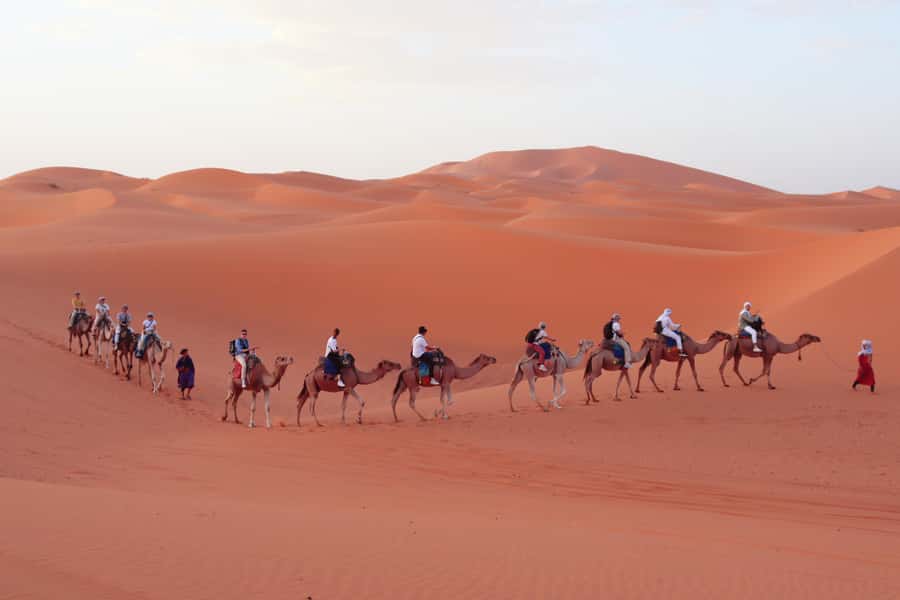
Let’s be honest: you’re in a vehicle a lot. On the first and last day, transfer time from and back to Marrakech is about 10 hours. That’s why the tour isn’t suitable for children, and why it’s not a great pick if you get motion sick or hate sitting.
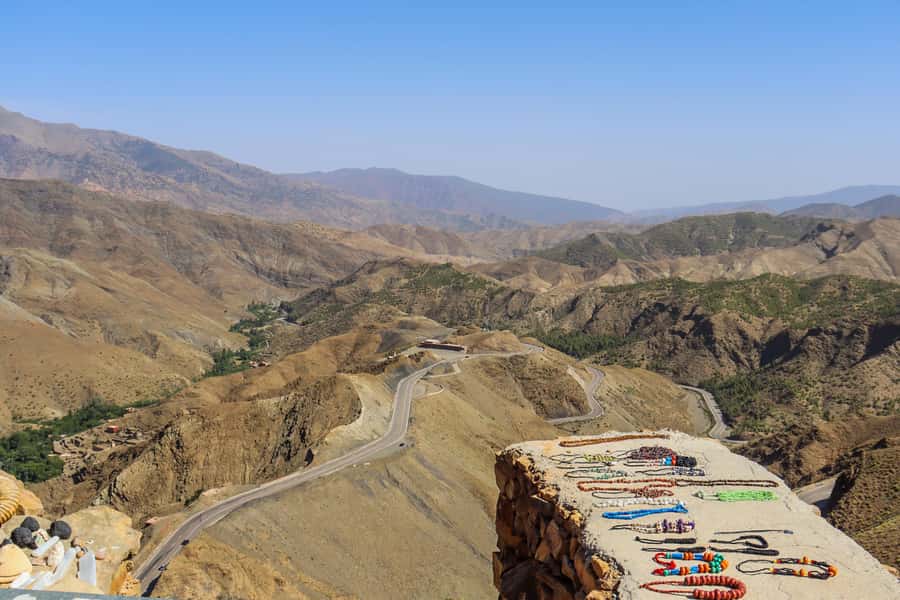
The payoff is that the drive is the sightseeing. You cross the High Atlas with chances to break, pass through Berber village scenery, and stop for viewpoints when it makes sense. You also get a driver-guide who speaks English and French, which matters when you’re trying to understand what you’re seeing rather than just watching the window go by.
A practical tip: bring sunglasses, a sun hat, and water. Even if the van is air-conditioned, the light and the heat when you stop outside can be strong. Also consider a small day bag. You can take excess luggage with you and leave the rest on the minibus overnight, but you’ll want a backpack for the camp days.
Ait Ben Haddou and Ouarzazate: UNESCO kasbah time without the guesswork
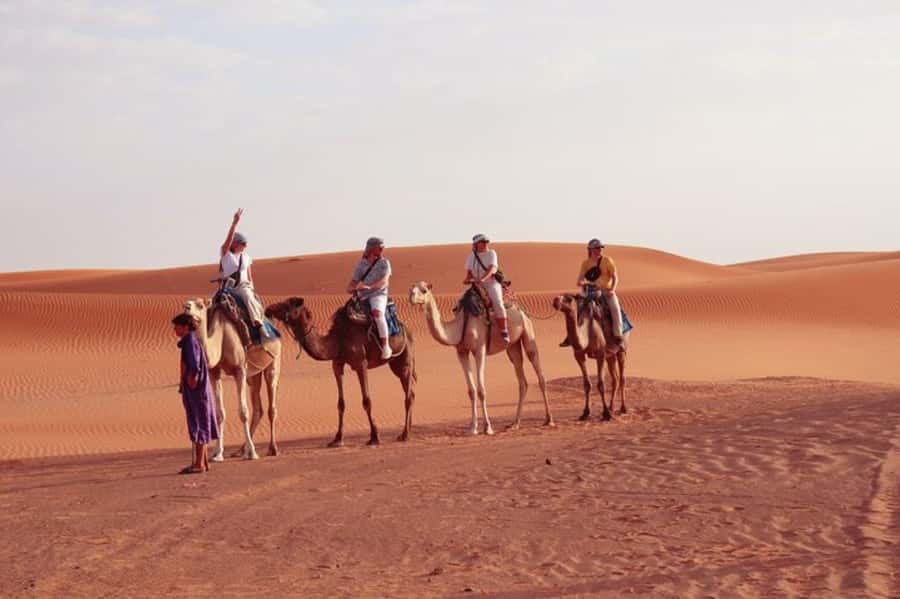
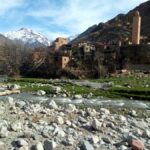
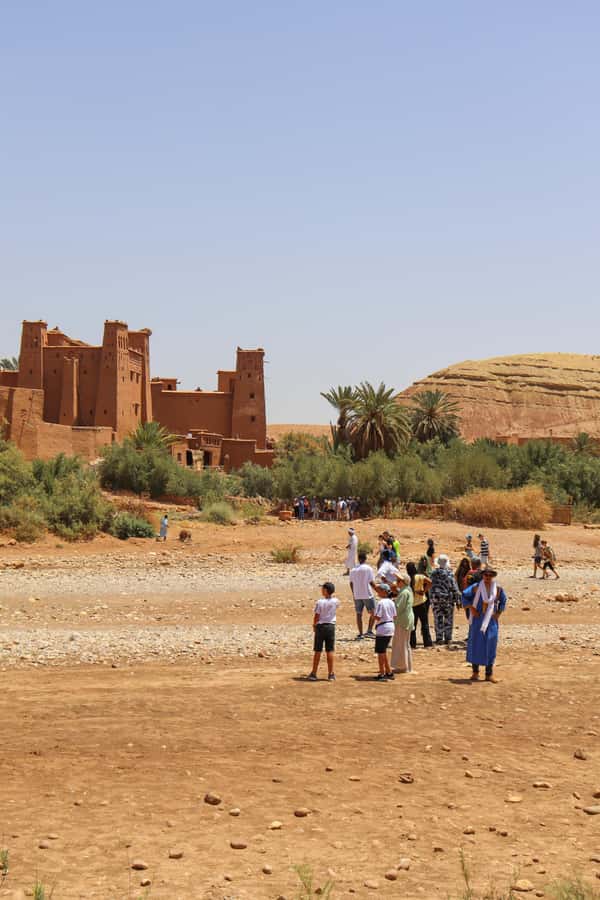
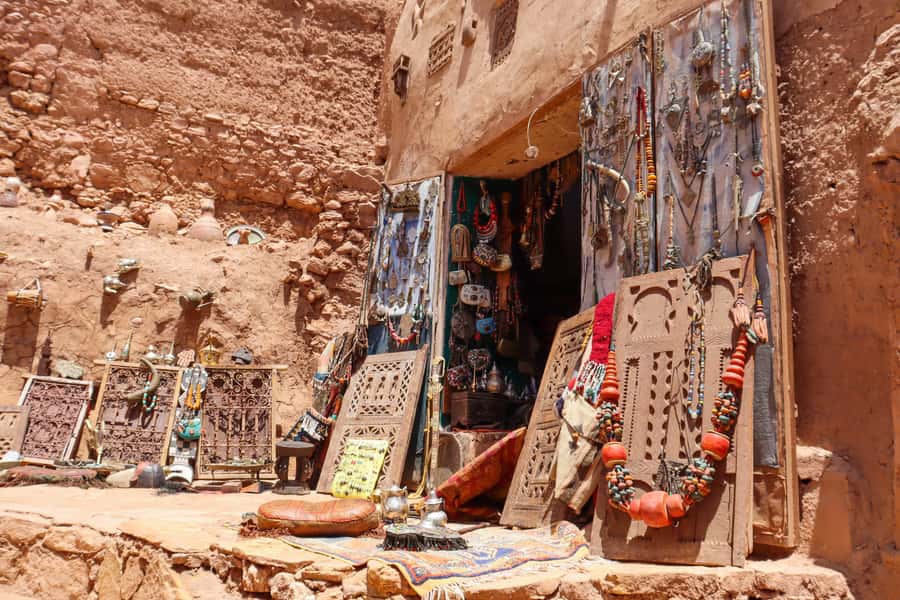
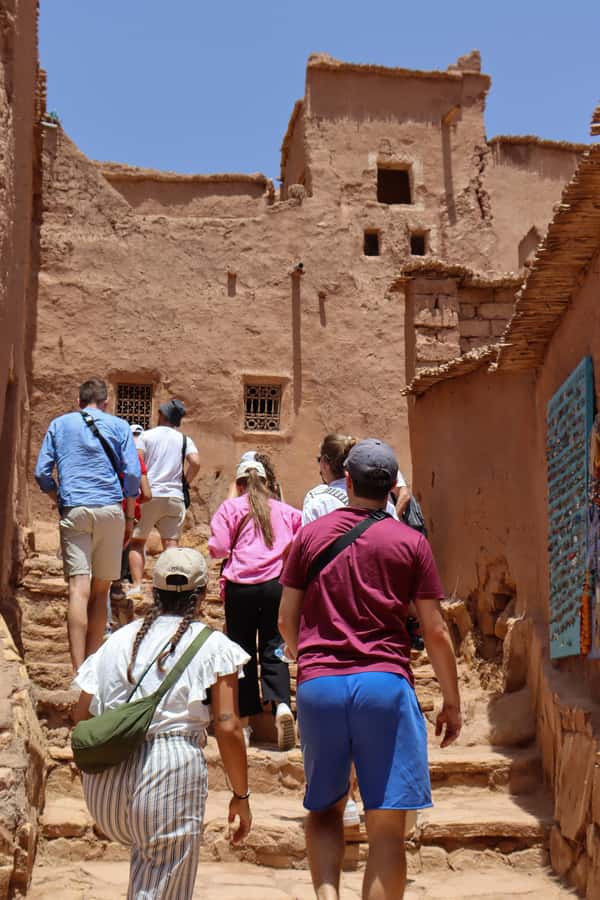
Ait Ben Haddou is the headline for a reason. You’re visiting a UNESCO world heritage site known for its ancient kasbahs and movie-set fame. When you walk the outer edges and look at the buildings’ layered shapes, you get why filmmakers keep coming back.
This tour makes the visit efficient: there’s time to have lunch and see the kasbah area. A local guide inside the site is not included, but you can add one for an extra €3 per person. That optional guide can be worth it if you want context beyond what you can spot yourself.
One caution from real-world experiences: sometimes local-guide situations can get chaotic or feel rushed. I’d keep it simple and grounded—agree on what you’re paying for (especially entrances or guiding services) before you hand over money, and don’t be afraid to ask for a clear explanation of what’s included in that offer.
Ouarzazate then acts like the bridge between kasbah culture and the road to the Sahara. Think of it as the gateway feeling: cinematic vibes, desert-adjacent atmosphere, and a natural staging point for the journey south.
Drâa valley palms and the Tafilalt oasis: where the route makes sense
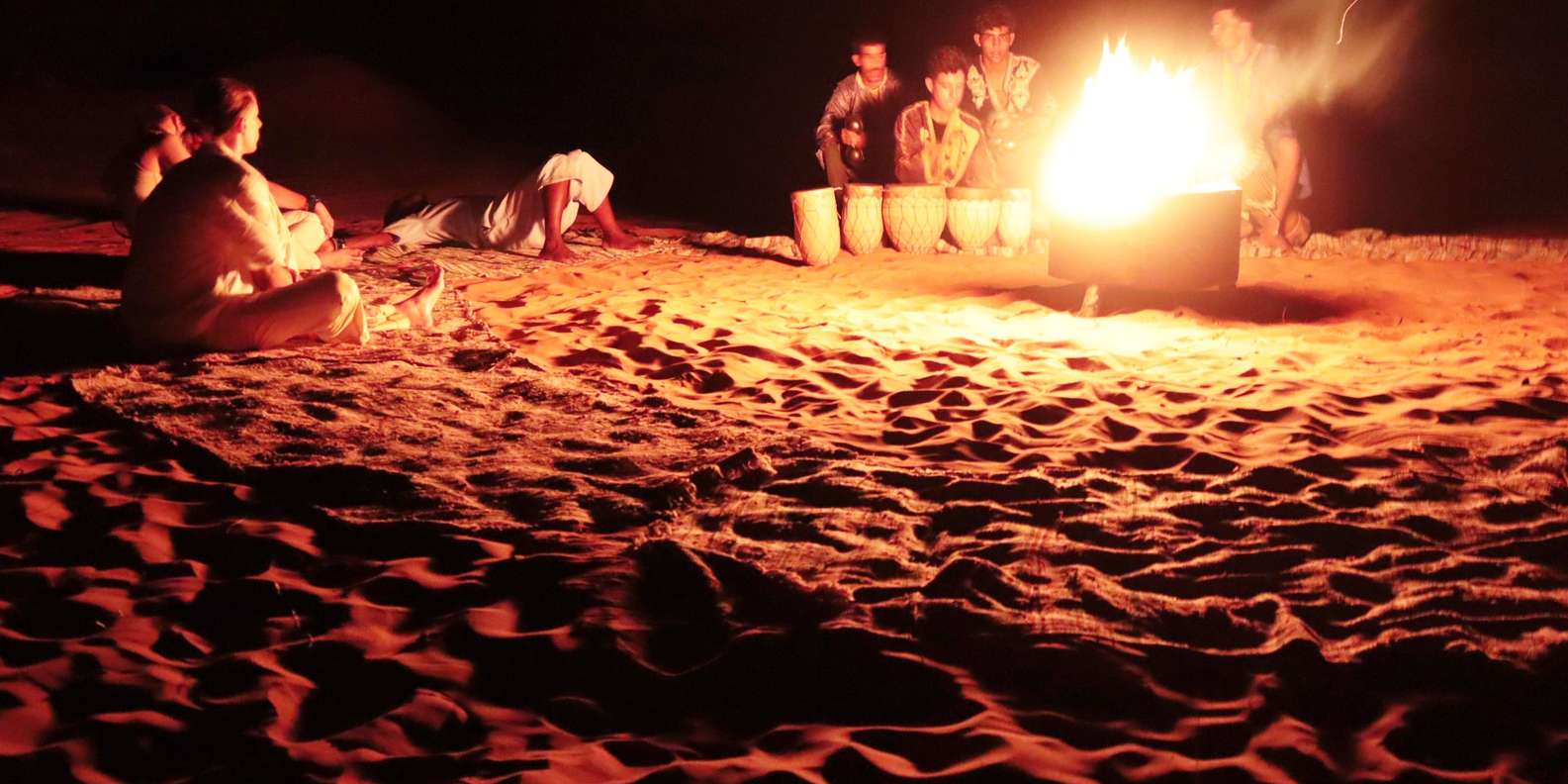
On the way toward Merzouga, you pass through two areas that help you understand how people historically moved across Morocco.
First comes the Drâa-Tafilalet region. You travel along the Draa River corridor with palm groves and ancient kasbahs. This wasn’t random scenery—it’s part of the old caravan-route logic. In plain terms, the area supported trading and movement between regions before the world made highways the main event.
Later you cross the Tafilalt oasis, including a short break to see an ancient irrigation system. This is the kind of stop that looks small on a schedule, but it changes how you picture the desert. Instead of thinking of dunes as empty, you start to understand that water management is what made life possible here.
These breaks are also your mental reset after the High Atlas driving. They keep the trip from feeling like a single long transit day. And if you like learning through visuals, these are the stops that reward your attention.
Merzouga lodge to desert camp: classic vs luxury bathroom reality
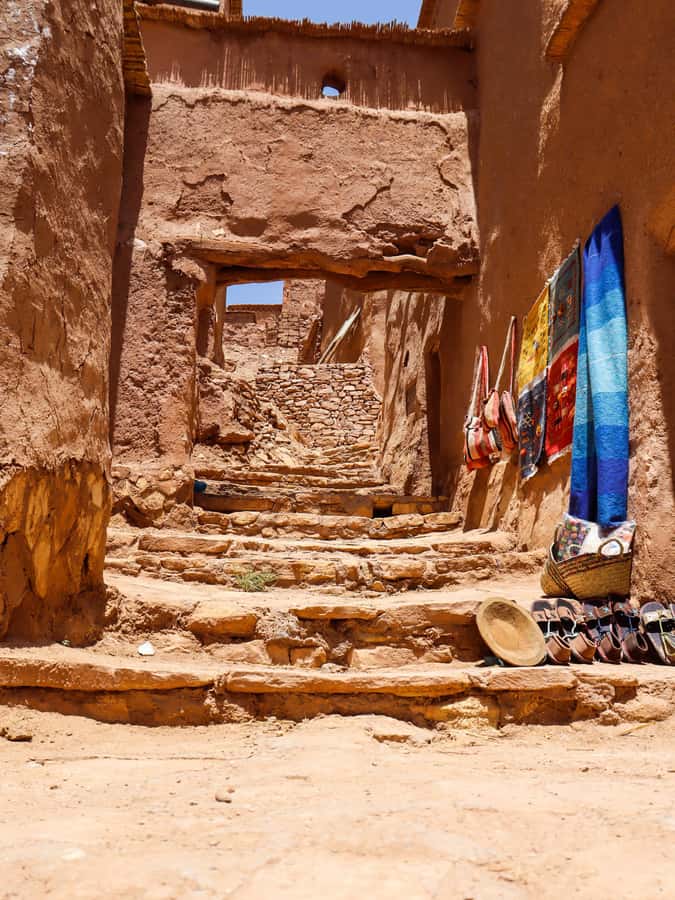
Day 1 ends with dinner and an overnight stay at a desert Merzouga lodge located at the base of the desert. That matters because you’re not immediately thrown deep into the dunes with zero time to settle. You’ll have the chance to rest and prepare for the next day’s desert activities.
On the desert-camp side, there’s a major comfort difference depending on which camp you choose:
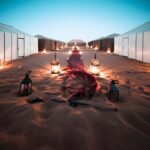
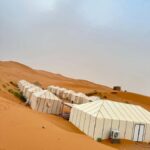
- Standard/classic camp: about 200 yards (200 meters) away from the included hotel area, and the bathroom is outside the tent
- Luxury camp: located in the middle of the dunes, with a bathroom/shower inside the tent
If comfort is important to you, this is one of the few upgrade decisions where the impact is clear and immediate. Outside bathrooms can still work fine, but you’ll feel the difference in the middle of the night when the dunes are quiet and you don’t want a walk.
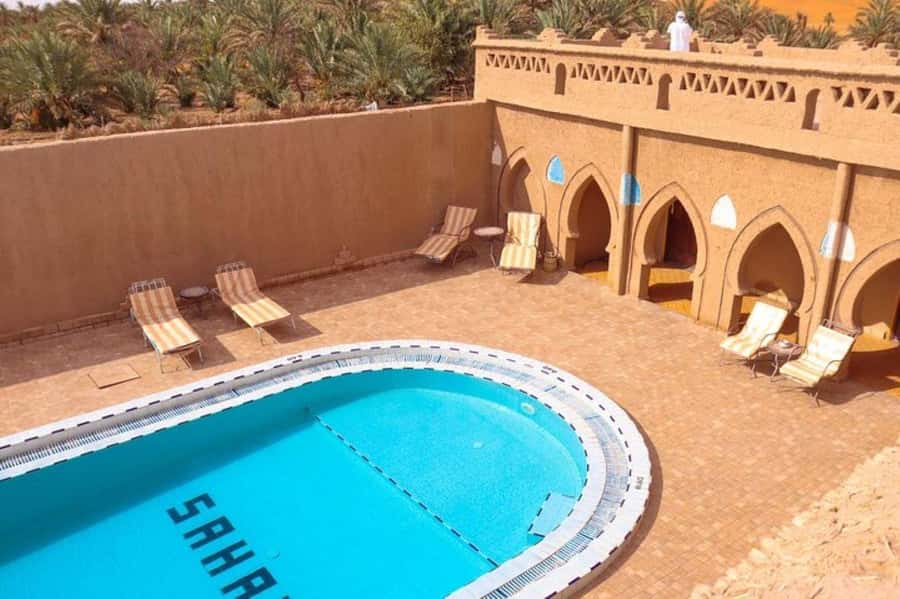
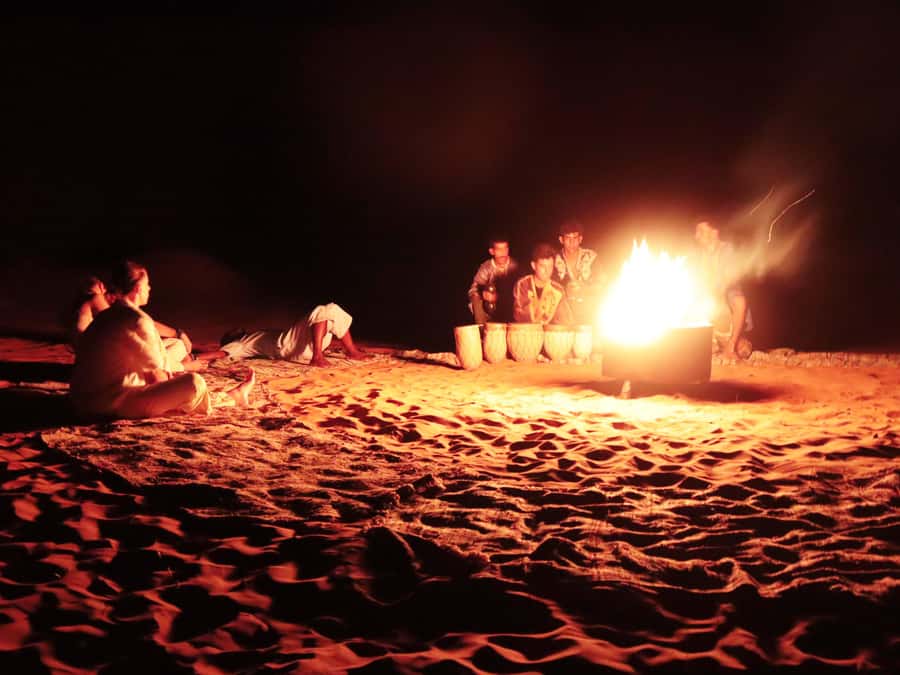
Day 2 also includes downtime at the lodge. There’s time to enjoy the atmosphere, and you can even swim in the pool. That’s a welcome buffer before the camp day turns into camel rides, shows, and dune fun.

Sunset and sunrise camel trekking over Erg Chebbi
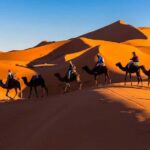
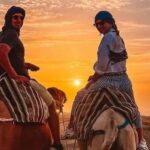
This is the heart of the trip, and it’s why two nights here make sense. On Day 2, you get a sunset camel trekking experience in Erg Chebbi, including a ride that climbs up the dunes. The goal isn’t just movement—it’s timing. You’re there when the light softens and the desert’s texture becomes part of the scene.
Then on Day 3, you watch another sunrise over the dunes. You can even see the sunrise from the top of one of the highest dunes in Merzouga, which gives you that wide, rolling view effect people chase photos for.
What I like about both trekking moments is that they make the desert feel like a place, not a backdrop. When you’re on the ride, you’re moving through the same environment you saw from the ground earlier, just with a different pace and light.
One more practical note: wear layers you can tolerate in the early morning and bring sunscreen for the daytime. Desert temperatures can swing, even if your day starts warm.
Sandboarding, dunes fun, and optional extras that cost more
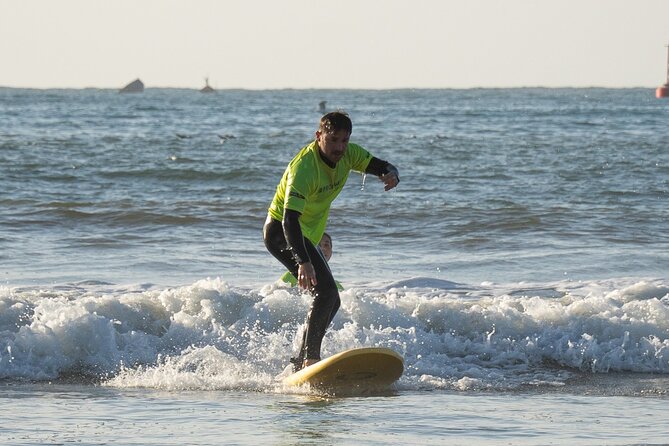
Sandboarding is included, which is the smart move for most people. It lets you try the classic dune activity without doing the math every time the guide offers options.
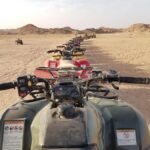
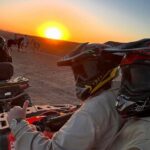
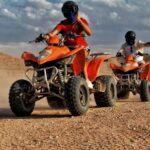
The tour also puts several optional adventure choices on the table during the desert day: quad biking and buggy riding across the dunes are available for an extra cost. There are also off-road style activities tied to visiting nomad families by 4×4, with tea and a chance to taste something described as Berber pizza.
How you decide depends on your energy and your budget. If you want one “big hit” activity beyond camel trekking, sandboarding is your baseline. If you’re the adrenaline type, add a quad or buggy run and aim for the moment when the dunes look smooth and the group isn’t rushing.
And yes, it’s hot and dusty out there. If you hate grit, bring a scarf or something similar for your face and keep your water close.
Todra Gorges and Erfoud fossils: the return that still feels like a reward
After sunrise and breakfast, you leave Merzouga and head toward Erfoud, a city known for fossils. This is a small but interesting stop that adds variety—southern Morocco isn’t just dunes and kasbahs.
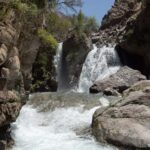
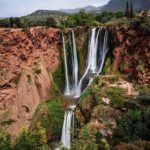
You continue through the Drâa-Tafilalet area again, stop for lunch, and then head back over the High Atlas toward Marrakech. Todra Gorge is the mid-day visual punch: you get time for photos and free time to enjoy the gorge.
This part of the route works because it contrasts with the dunes. Todra Gorge is about rock walls and narrow passageways. The dunes are about movement and sky. Together, you feel like you saw a full slice of southern Morocco instead of only one dramatic setting.
Expect another long drive into Marrakech in the afternoon. It ends up feeling like a trade: you spend hours in the van, then you earn your scenery on both ends.
Price and logistics: what $412 gets you (and what it doesn’t)
At $412 per person for three days, the value is mostly in the bundle: transport, guide time, two nights of sleeping arrangements, and the core desert experiences.
Here’s what’s included:
- pickup and drop-off
- air-conditioned transportation in 4×4 or minivan
- driver-guide (English/French)
- 1st night: private room with A/C and ensuite bathroom
- 2nd night: private tent at a desert camp
- 2 dinners and 2 breakfasts
- camel trekking at sunset and sunrise in Erg Chebbi
- sandboarding
What you pay extra for:
- lunch and drinks
- a local guide for Ait Ben Haddou if you want it (listed as €3 per person)
- optional dune activities like quads and buggy rides
I’d call it fair value if your goal is to get from Marrakech to the dunes with two nights and the main desert rituals handled. If your priority is a relaxed pace with lots of spare time, you might be better served by adding a separate night in the middle of the journey—but that’s a different style of trip.
Also read the fine print on the camp experience. One guest report mentioned the classic camp bathroom setup felt basic, and another described an issue with dinner causing serious stomach trouble. Food quality is generally praised, but it’s still worth treating meals like meals: if you have a sensitive stomach, you’ll want to pace yourself.
Who this tour suits best (and who should think twice)
This trip is a strong fit if you want an organized route from Marrakech to Merzouga and you care about doing the desert properly: two nights, camel trekking at both ends of the day, and sandboarding.
It suits couples and solo travelers who want a small group vibe without planning logistics. Small group size is capped at 17, which helps you avoid feeling like you’re in a numbered factory line.
If you’re traveling with mobility needs, pregnancy, or small kids, skip it. It’s not suitable for children, pregnant women, or wheelchair users, and the long driving days are a real factor.
Diet-wise, it can accommodate vegetarian and vegan diets if you tell them at booking. That’s a big deal for peace of mind, since desert days can be tricky when you have restrictions.
Should you book the Marrakech to Merzouga 3-day desert trip?
I’d book it if you want the desert experience delivered with clear structure: High Atlas scenic driving, Ait Ben Haddou as a major cultural stop, and the key Erg Chebbi moments (sunset and sunrise camel treks plus sandboarding) done with minimal hassle.
I’d hesitate if you’re sensitive to long drives or you need a high level of comfort on night two, because the classic camp bathroom setup is outside the tent. If you’re on the fence, choose the camp option that matches your comfort level and pack patience for a packed travel schedule.
If you do book, my best advice is simple: bring sun protection, carry a small day backpack for camp, and keep your expectations flexible about timing. That’s how you get the magic part to outweigh the road part.
FAQ
How long is the trip?
The experience runs for 3 days.
What is the meeting point in Marrakech?
The meeting point is Café de France in the Medina.
Is pickup available from all accommodations?
Pickup isn’t available if your accommodation is more than 4 miles (7 km) from Jemaa El Fna Square.
What’s included in the price?
Pickup/drop-off, air-conditioned transportation, a driver-guide, 1st-night ensuite A/C room, 2nd-night private desert tent, 2 dinners, 2 breakfasts, sunset and sunrise camel trekking, and sandboarding.
What are the main things you do in the desert?
You’ll ride camels at sunset and sunrise in Erg Chebbi, and you can do sandboarding. Quads and buggy riding are optional extras.
Is Ait Ben Haddou guided?
A local guide to Ait Ben Haddou is not included. You can add one for an extra €3 per person.
Are meals included besides breakfast and dinner?
Lunch and drinks are not included.
What are the bathroom differences between camp types?
In the standard/classic camp, the bathroom is outside the tent. In the luxury camp, the bathroom/shower is inside the tent.
Who is this tour not suitable for?
It’s not suitable for children, pregnant women, or wheelchair users.
What languages are offered by the driver-guide?
The driver-guide speaks English and French.