REVIEW · MARRAKESH
From Marrakech: 3-Day Mount Toubkal Climbing Trek
Book on GetYourGuide →Operated by Marrakech Day Trips - Tours · Bookable on GetYourGuide
Mount Toubkal has a way of changing your pace. This 3-day trek from Marrakech focuses on a non-technical ascent to North Africa’s highest peak, plus the in-between days that feel like real Atlas countryside—Berber villages, mule trains, and the big Mountain-At-Your-Front-Window views.
I especially like the way the route builds in time to adjust to altitude before the summit push, including an acclimatization day climbing toward Aguelzim Pass. I also like the small group size (limited to 14), because it makes it easier for guides to keep track of everyone and set a pace that works. The main consideration? The hike is still demanding, and weather can force schedule changes—plus refuges are basic, so you’ll want to come ready for cold mornings and limited comforts.
In This Review
- Key moments that make the trek feel worth it
- From Marrakech to Imlil: the Atlas Mountains begin fast
- Day 1: Tizi Mzik Pass to Tamsoult Refuge, with waterfalls waiting
- Day 2: Aguelzim Pass altitude day to set up the summit push
- Day 3: the summit to 4167m, then the long descent
- Price and what $226 really buys you
- Guides, pace, and why the right team matters more than you think
- What to pack so summit day doesn’t punish you
- Who this trek suits (and who should skip it)
- Weather changes: build flexibility into your expectations
- Final call: should you book the 3-day Mount Toubkal trek?
- FAQ
- How long is the Mount Toubkal climb trek?
- What’s the group size?
- What languages are offered by the live guide?
- How do I get picked up in Marrakech?
- Is the ascent technical?
- What’s included in the price?
- What isn’t included?
- What should I bring?
- What should I avoid wearing?
- Who is the trek not suitable for?
Key moments that make the trek feel worth it
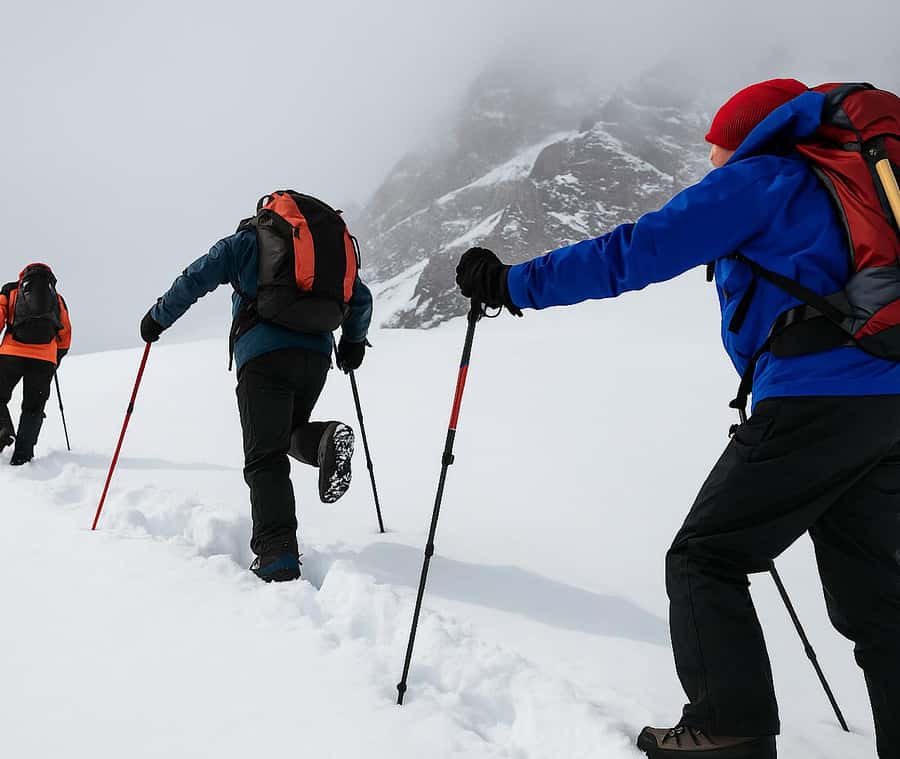
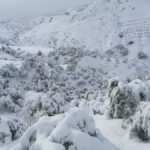
- Tizi Mzik Pass (2479m): your first big “Atlas reality check,” with sweeping views over Imlil Valley and Mount Toubkal.
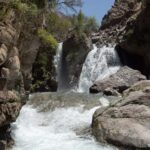
- Tamsoult Waterfalls (100m high): a long, scenic walking stretch through juniper forest, not just a quick stop.
- Aguelzim Pass (3650m): a serious altitude day that sets you up for the final summit attempt.
- Early summit start to 4167m: the day when timing matters, with sunrise-style views that can reach toward the Sahara on clear days.
- Refuge nights in local mountain settings: simple lodging at Tamsoult Refuge and the Toubkal area to keep the trek experience authentic.
From Marrakech to Imlil: the Atlas Mountains begin fast
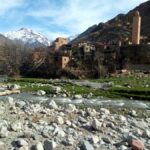
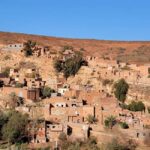
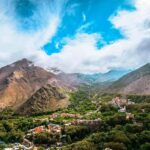
Your trip starts with a pickup from your Marrakech hotel or riad (car access is the key detail). You’ll be driven about 65 km to Imlil, passing through Tahanaout, Oued Ghighaya, and Asni. Even before you walk, you get that gradual shift from city rhythm into high-mountain terrain—views over valleys, scattered Berber homes, and roads that feel like they’re climbing alongside the mountains.
Once you reach Imlil, you meet your certified mountain guide and muleteer team. This matters more than people expect. A good guide doesn’t just lead the line—they manage pacing, group spacing, and logistics so you’re not stuck solving problems while your legs are tired. Many guides on this trek are also very team-oriented in how they support slower walkers; you’ll see that reflected in the many comments about guides who kept checking on people and adjusted the pace.
You can also read our reviews of more hiking tours in Marrakesh
Day 1: Tizi Mzik Pass to Tamsoult Refuge, with waterfalls waiting
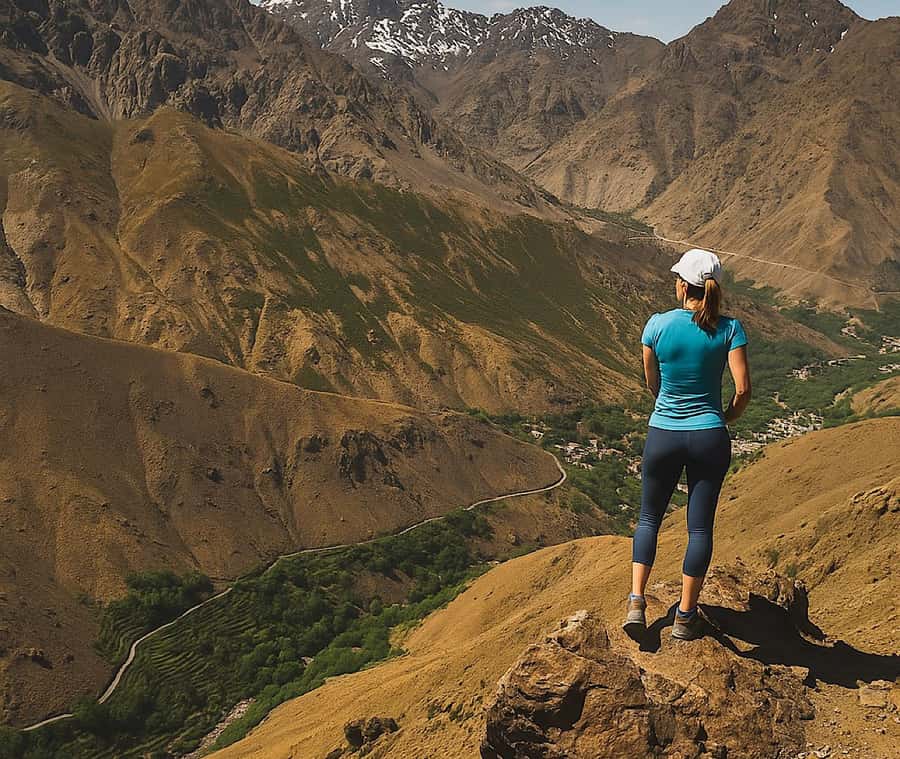
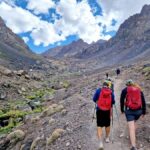
Day 1 is your entry into the High Atlas. You start by climbing over the Tizi Mzik Pass (2479m). This isn’t technical climbing—it’s walking uphill with altitude in the background. That’s part of the beauty: you work hard, you earn the views, and you don’t need ropes or climbing skills.
From there, you continue through a scenic juniper forest and head toward the highest waterfalls in the Atlas Mountains—Tamsoult Waterfalls (about 100 meters high). The day is listed at roughly 11 km, with +800m / -400m elevation change and 5–6 hours of walking time. Practically, that means you’ll feel it: steady uphill, then a varied terrain day where your quads get work and your lungs get altitude practice.
Then you spend the night at Tamsoult Refuge. Expect mountain-hut vibes: it’s not a hotel, but it is designed to get you through the next day. Reviews repeatedly praise the food and the refuge staff experience, which is exactly what you want after a full hiking day—warm meals, tea, and a place to sit where you can actually recover.
Possible drawback to plan for: your day timing can feel early and your body may feel “alert but tired” when you finally reach the refuge. In cold conditions, it’s easy to underestimate how quickly comfort disappears once the sun drops.
Day 2: Aguelzim Pass altitude day to set up the summit push
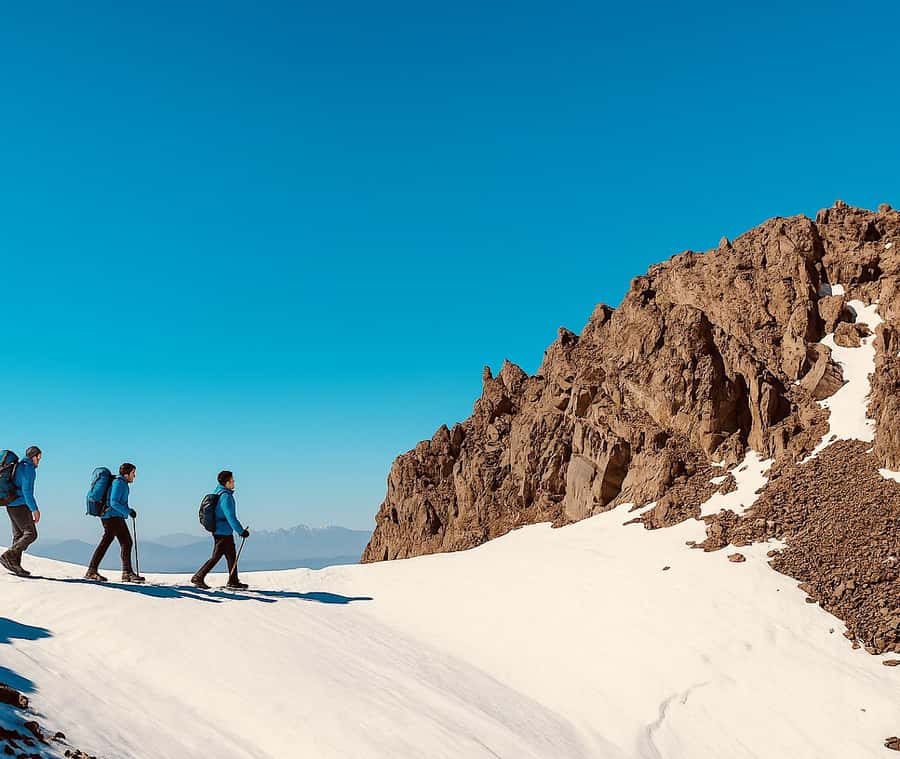
This is the day with the biggest altitude statement: Aguelzim Pass (3650m). The route is designed for steady pacing so your body can adapt. Your ascent is listed at about 10 km, with +1200m / -300m and roughly 6–6.5 hours walking.
This is where the summit plan becomes real. After a first day in the mountains and a second day climbing toward 3650m, the summit attempt isn’t just a fantasy—it’s the natural next step. And because it’s non-technical, the main variable is how well you manage effort. That’s why guides who keep a calm, consistent pace get so much credit. When the group moves together at the right effort level, fewer people end up going out too hard early.
You’ll take in impressive views at the pass, including the direction of the Toubkal Summit. Then the day’s flow moves you toward Toubkal Refuge (3207m), your base for the summit attempt.
One practical note I’d take seriously: the conditions near the pass and refuge can be cold. Multiple reports highlight the cold at the top and the need for warm layers, plus items like beanies and warm jackets that make the summit morning survivable rather than miserable.
Day 3: the summit to 4167m, then the long descent
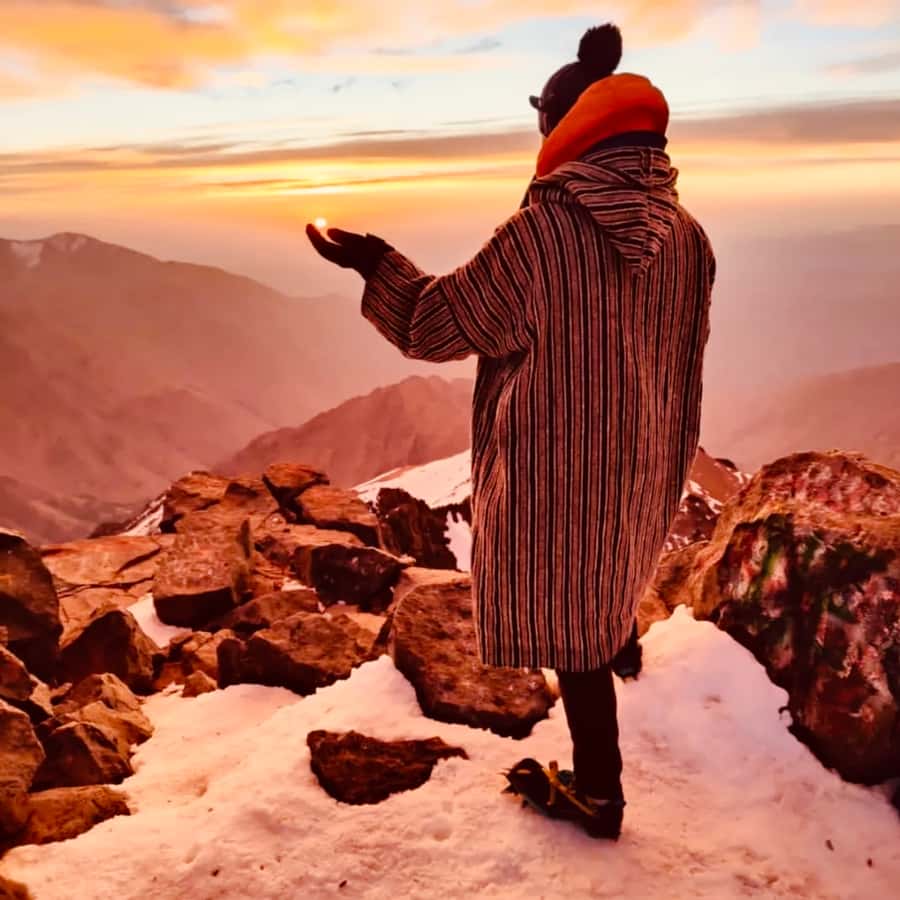
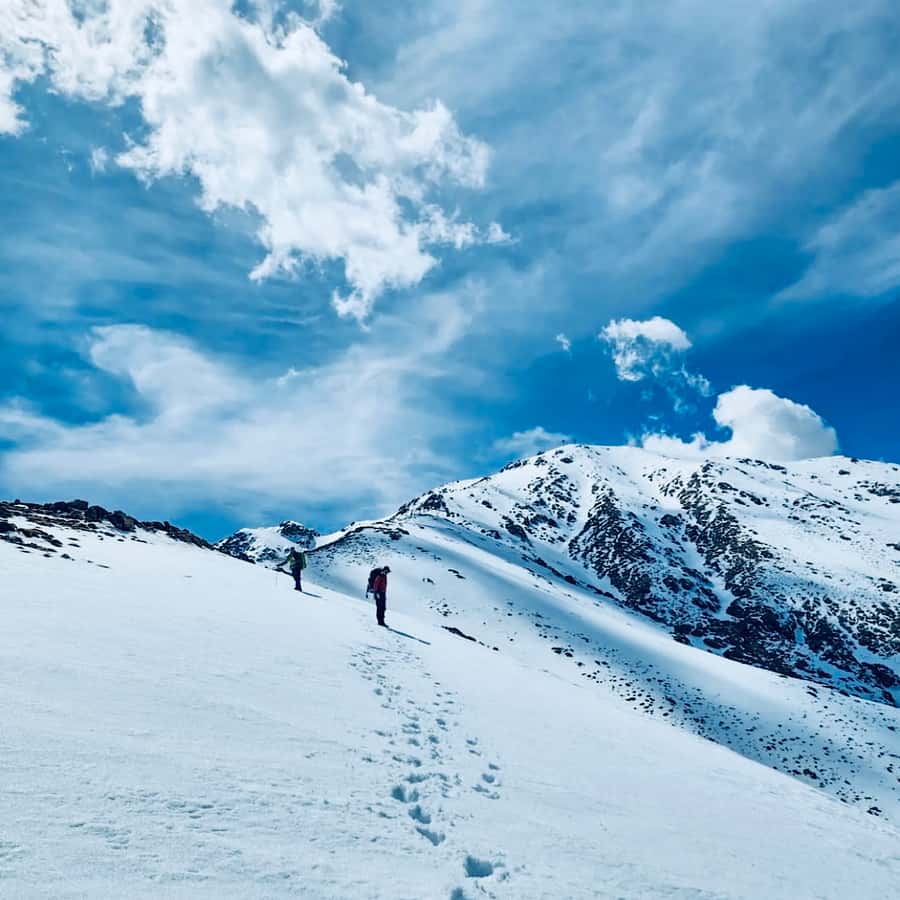
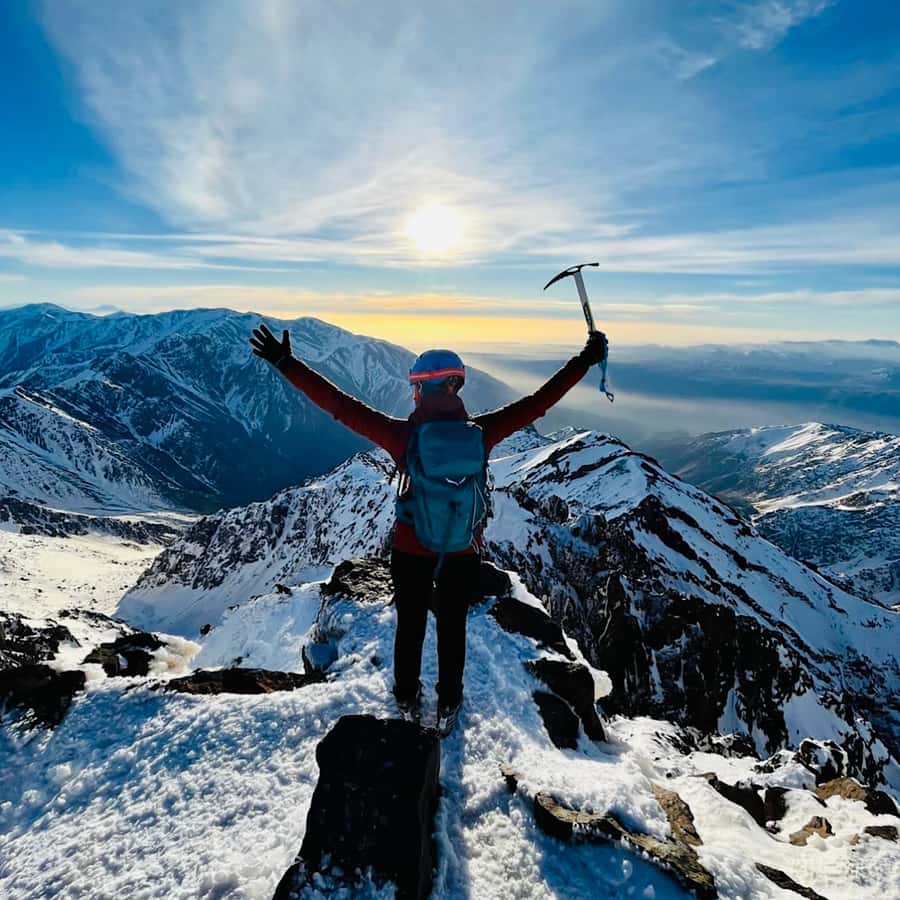
Summit day starts with an early start—this trek is built for that. Your final climb goes to Mount Toubkal’s summit (4167m), the highest peak in North Africa. The walking time is listed at 8–9 hours for the day, with ~4 km for the summit loop/upper portion and then a long descent. The descent continues down toward Imlil, and the total day description reflects the steep reality of high-altitude trekking.
If weather allows, you can get 360° views of the High Atlas. On clear days, guides often mention that you may even see toward the Sahara Desert on the horizon. Even without perfect visibility, the experience still works because the point is altitude and effort: you’re going to feel the change from “hiking day” to “mountain day.”
A big thing to know: the hardest part isn’t always the upward grind. It’s the descent. The summit itself can be earned, but the long way down taxes your knees and your focus—especially if the trail becomes icy, dusty, or slippery. That’s why so many guides are praised for staying alert and helping people navigate the descent safely.
After you reach the summit, you descend back to Toubkal Refuge briefly, then continue down toward Imlil. The tour then transfers you back to Marrakech, usually around 5:00 PM.
Price and what $226 really buys you
The price is listed at $226 per person for this 3-day trek. Compared to a lot of “summit tours” that bundle in just the basic leadership, this one includes the pieces that actually cost money in the mountains:
- Tour guide
- Roundtrip transportation from Marrakech
- Muleteers and mules for luggage
- Accommodation at a local house (for the included night(s) as described)
- 3 breakfasts, 3 lunches, 3 dinners
So the value isn’t just the summit. You’re paying for: (1) guided safety and pacing, (2) logistical mountain support, and (3) feeding you properly when you’re burning calories all day. You’re also getting the benefit of a small group (up to 14), which tends to reduce waiting around and helps guides manage energy levels.
Not included is also important to factor in. Travel insurance is not included, and personal expenses are on you. Mountain gear isn’t included either. The upside is that several experiences mention that renting gear can be straightforward, so you might not need to buy everything—but you should still plan ahead.
A few more Marrakesh tours and experiences worth a look
Guides, pace, and why the right team matters more than you think
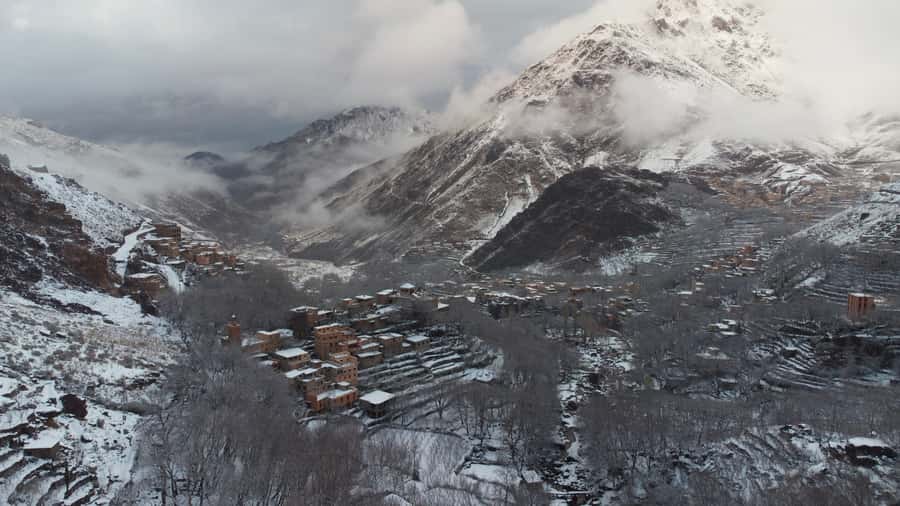
This trek lives or dies by the people who manage the details. Across many experiences, you’ll see the same themes: guides who keep the group together, check in often, and adjust the pace when someone is struggling.
Names that come up again and again include Youssef, Mohamed, Omar, Hasan, Mustafa, Hassan, Kamal, Ibrahim, Ahmed, Hossein, and Asam. Different guides, same core approach: steady pacing to protect the group at altitude, plus practical help like lending trekking poles or catching people who slip on scree during the descent.
Food and cooking are another repeated highlight. You’ll typically get hot meals and mountain-friendly portions at the right times so you can keep moving without feeling stuffed or depleted. One note from a specific experience: hot showers can be available in some refuge setups, and in at least one case they were mentioned as a paid extra (20 MAD). That’s not guaranteed everywhere, so plan to treat showers as a bonus rather than a right.
What to pack so summit day doesn’t punish you
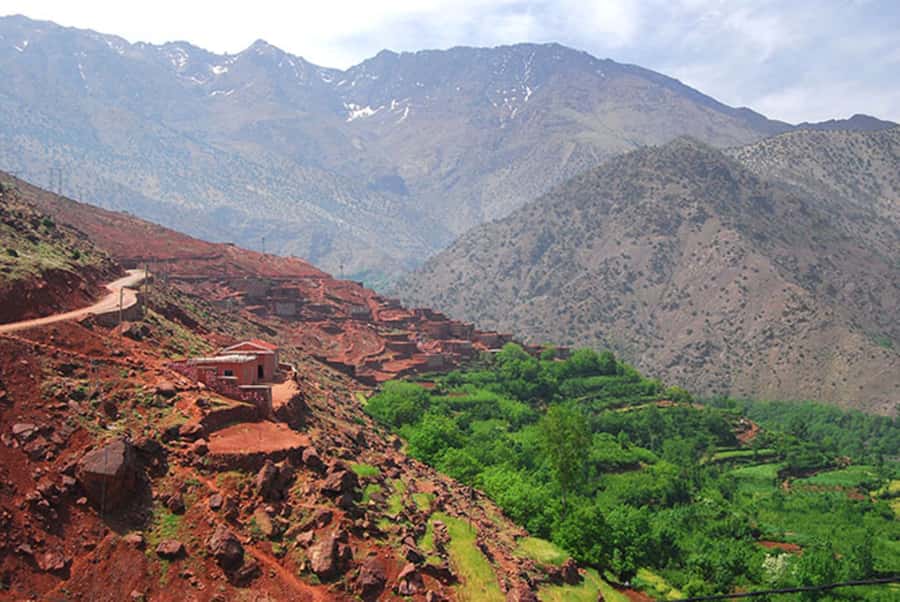
The trek suggests bringing: passport, warm clothing, a jacket, rain gear, hiking shoes, and a camera. It also specifically lists a sleeping bag.
In real life on mountain trips, the essentials list tends to be longer than the basics. From the practical tips shared in experiences on this trek type, I’d add:
- Headlamp for early starts (even if you think you won’t need it)
- Warm hat / beanie for summit cold
- Electrolytes or ORS for energy and hydration
- Toilet paper and soap since refuge supplies aren’t reliable
Also follow the rules: no sandals or flip-flops, no sleeveless shirts, and no slippers. That might feel strict, but it’s about trail safety and keeping your feet and skin protected in cold, dusty, or rocky conditions.
If you don’t own everything, you can often rent gear—some people found it easy to rent what they needed. Still, don’t gamble. Check your shoe fit and your warmth system before you arrive.
Who this trek suits (and who should skip it)
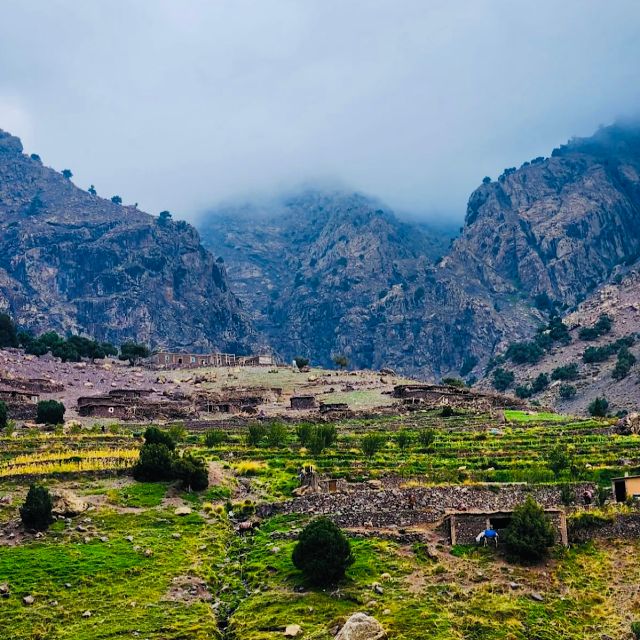
This is a high-altitude hiking experience with long walking days. It’s listed as a non-technical ascent, so you’re not rock climbing. But the altitude and effort are real.
It’s not suitable for:
- Children under 2
- Pregnant women
- People with high blood pressure
- People over 95
If you’re a beginner, you can still do this, but you should be honest about fitness. Many experiences describe it as tiring but doable when guides pace you well. If you get winded easily or you’re new to multi-hour uphill walking, you’ll want to train beforehand and be ready to slow down.
This trek is best for you if:
- You want a circular, more immersive three-day loop rather than a quick out-and-back
- You’re okay with early mornings and cold summit conditions
- You like villages and waterfalls, not just “reach the top and leave”
Weather changes: build flexibility into your expectations
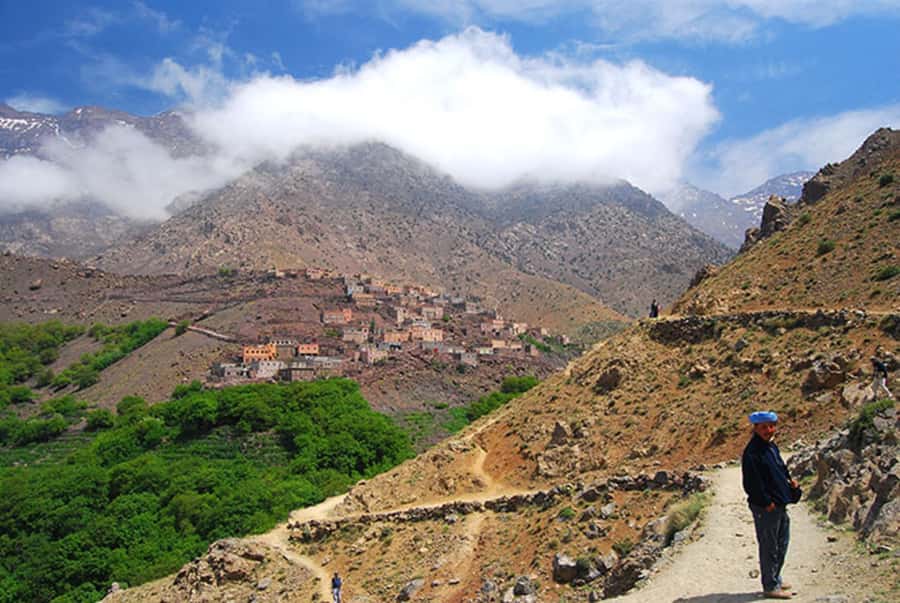
Mountains do mountain things. Several experiences mention that weather can lead to changes—sometimes a shorter trek schedule, sometimes a reroute or added village day. That doesn’t mean the plan falls apart; it means the mountain sets the rules.
What you can do: keep your expectations flexible and trust the guide team. Guides who know the area can shift priorities quickly while still protecting safety and giving you a solid mountain day.
Final call: should you book the 3-day Mount Toubkal trek?
I’d book this trek if your goal is a real Atlas experience: summit to 4167m, yes—but also the waterfalls, the pass days, and the refuge nights that make the whole thing feel like more than a single “achievement moment.”
I wouldn’t book it if:
- You hate early starts
- You’re not comfortable with long hikes and a big elevation day
- You expect refuge comforts similar to a city hotel (they won’t match that level)
If you’re reasonably fit and you want one trip that connects Marrakech city life to Berber villages and true high-altitude walking, this is strong value for your money—especially with the included transportation, guide support, and mule logistics.
FAQ
How long is the Mount Toubkal climb trek?
It runs for 3 days.
What’s the group size?
It’s a small group, limited to 14 participants.
What languages are offered by the live guide?
The guide offers Arabic, English, and French.
How do I get picked up in Marrakech?
Pickup is included from your hotel or riad. If your place is outside the Medina, you wait at the hotel lobby. If you’re inside the Medina or in a riad with no car access, the team will contact you by WhatsApp 24 hours before to confirm the nearest accessible meeting point.
Is the ascent technical?
The climb is described as a non-technical ascent.
What’s included in the price?
Included are the tour guide, roundtrip transportation from Marrakech, muleteers and mules for luggage, accommodation at a local house, and 3 breakfasts, 3 lunches, and 3 dinners.
What isn’t included?
Not included: travel insurance, personal expenses, and mountain gear.
What should I bring?
Bring passport, warm clothing, hiking shoes, jacket, rain gear, and a sleeping bag (as listed). A camera is also suggested.
What should I avoid wearing?
Avoid sandals or flip-flops, sleeveless shirts, and slippers.
Who is the trek not suitable for?
It isn’t suitable for children under 2 years, pregnant women, people with high blood pressure, or people over 95 years.