REVIEW · MARRAKESH
From Fes:3Days 2Nights Desert Trip to Marrakech via Merzouga
Book on GetYourGuide →Operated by Tihama Trans Tours · Bookable on GetYourGuide
A Sahara night makes your calendar feel bigger. This trip threads together Erg Chebbi dunes and an overnight desert camp, plus big-name sights like Todra Gorge, Ouarzazate, Atlas Studios, and Ait Ben Haddou. The main trade-off is that you spend a lot of time in the car moving between regions, so you’ll want to enjoy the ride as much as the destination.
You get a small group capped at 17, an air-conditioned car, and a driver who speaks Arabic, English, and French. Expect moderate walking and camel time, plus optional add-ons like sandboarding (upon request) and quad rides (extra cost).
Key highlights worth planning for
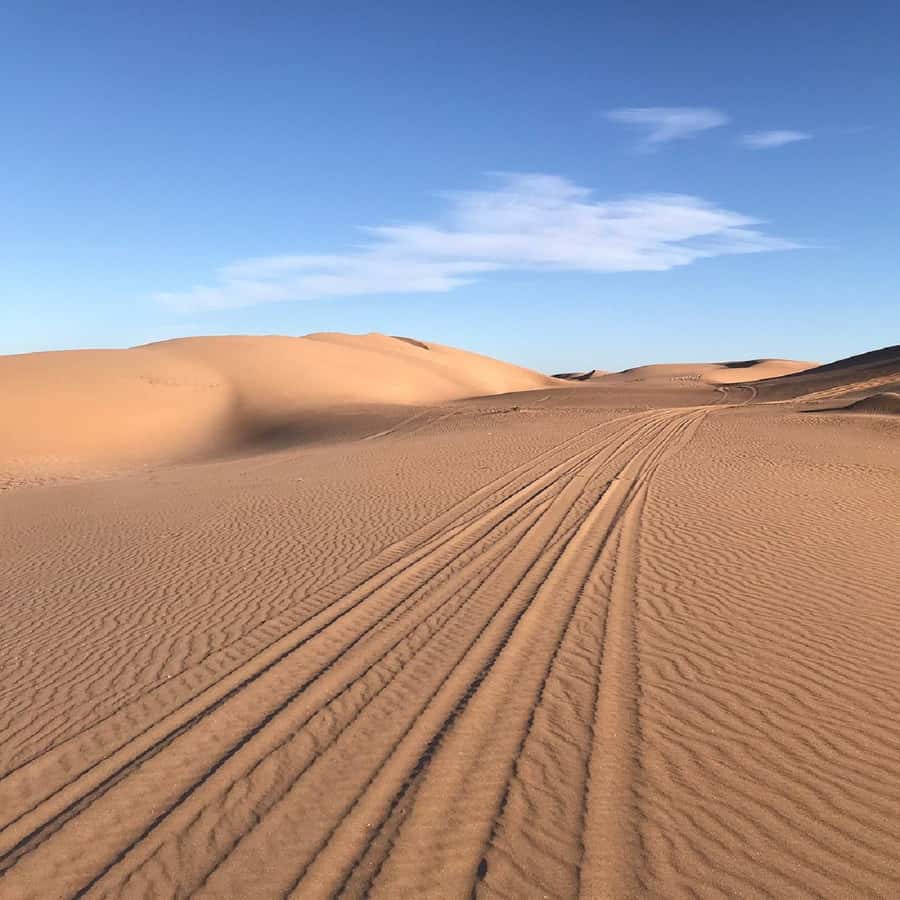
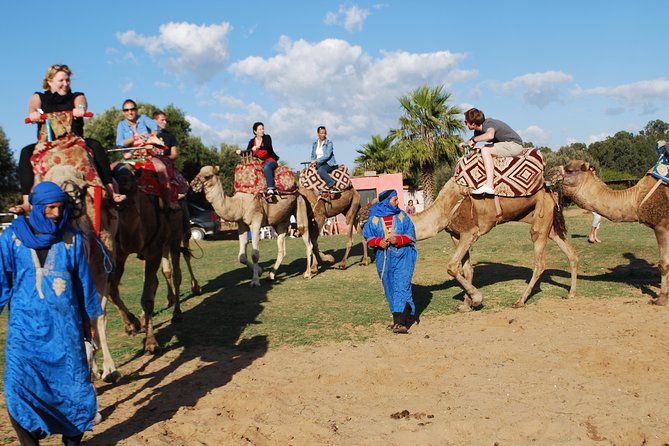
- Camel ride at Erg Chebbi with a sunset view as the dunes glow gold
- Overnight in a desert camp with dinner and Saharan music under the stars
- Todda Gorges and Dades Valley for dramatic cliffs and red-rock curves
- Atlas Studios and Ait Ben Haddou for movie locations plus UNESCO mudbrick architecture
- High Atlas crossing via Tizi n’Tichka Pass (2,260m) for big mountain views on the way to Marrakech
In This Review
- From Fes to Marrakech in 3 days: the rhythm you should expect
- Fes departures: the 7:45 AM start and why it matters
- Ifrane and Azrou cedar forest: a quick reset before the long south
- Ziz Valley to Merzouga: palm groves, fortified villages, and the slow build to the dunes
- Camel ride to sunset and your desert camp night under the stars
- Day 2 sunrise: the calm before Todra Gorge turns dramatic
- Ouarzazate and Atlas Studios: film connections without needing movie trivia
- Ait Ben Haddou and the High Atlas crossing to Marrakech
- Price and value: what $181 really buys (and what you’ll still pay for)
- Who this tour suits best
- Small-group details that can make or break the trip
- Should you book the Fes to Marrakech desert trip via Merzouga?
- FAQ
- How long is the trip from Fes to Marrakech?
- What does the itinerary include for food?
- Is the camel ride included?
- Do I get to spend the night in the desert?
- Is sandboarding included?
- Is quad riding included?
- Where does the tour drop you in Marrakech?
- What should I bring with me?
From Fes to Marrakech in 3 days: the rhythm you should expect
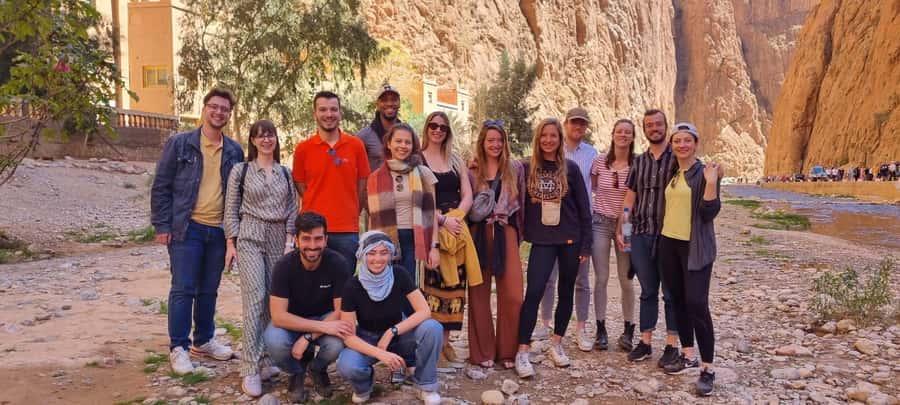
This is a fast, classic route: Middle Atlas, Sahara edge at Merzouga, then Todra Gorge and Dades Valley, and finally Ouarzazate and the High Atlas into Marrakech. In practice, you’re doing two things at once: stacking major sights and riding long stretches between them.
I like this style of trip when I want “great highlights” without adding extra hotel nights. You’ll feel the geographic shift day by day—from cedar forest air to desert quiet, then back to mountain passes and old ksars.
The best mindset is simple: treat the drive days as part of the experience. If you only want to “be outside,” you might find the schedule busy, because not every stop is long.
Fes departures: the 7:45 AM start and why it matters
Pickup starts at 7:45 AM from your hotel or the nearest car-accessible meeting point. That early start isn’t just for efficiency; it helps you reach Merzouga in daylight and still have time for sunset and your camp evening.
Also keep in mind that the route depends on traffic and road conditions, so your exact arrival times can shift. The payoff is that you don’t lose your only full desert evening to late timing.
If you’re coming from a riad in the Medina, plan for the fact that pickup may be from a close-by spot reachable by car. It’s a small detail, but it can save stress in the morning.
A few more Marrakesh tours and experiences worth a look
Ifrane and Azrou cedar forest: a quick reset before the long south
Day 1 includes a stop in Ifrane, often described with the nickname Switzerland of Morocco for its clean streets and alpine-style look. You get some free time to walk and take photos, including the well-known stone lion statue.
Next up is Azrou’s cedar forest, where you’ll encounter Barbary macaques. This stop is fun because it’s real Morocco, not a staged attraction, and the monkeys can be lively up close.
One thing to watch: you might notice the area around the macaques isn’t always tidy. Some departures have a more “spot the monkeys between clutter” feel than a postcard version, so keep your expectations grounded, keep your distance, and avoid any feeding or grabbing. Just enjoy the moment and move on.
Ziz Valley to Merzouga: palm groves, fortified villages, and the slow build to the dunes
After a lunch break in Midelt (not included), your route threads through the Ziz Valley with palm groves and fortified Berber villages. This is where the trip starts to feel like it’s genuinely “heading to the desert,” not just traveling between towns.
By late afternoon you reach Merzouga, right on the edge of the Erg Chebbi dunes. The timing matters because it sets up your camel ride for sunset, when the desert color changes fast.
If you tend to get motion-sick, this is a good day to be prepared. You’ll be in the car for long stretches, and the roads can be curvy as you descend toward the desert.
Camel ride to sunset and your desert camp night under the stars
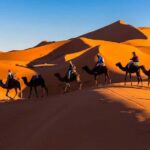
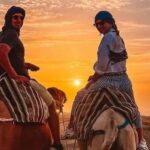
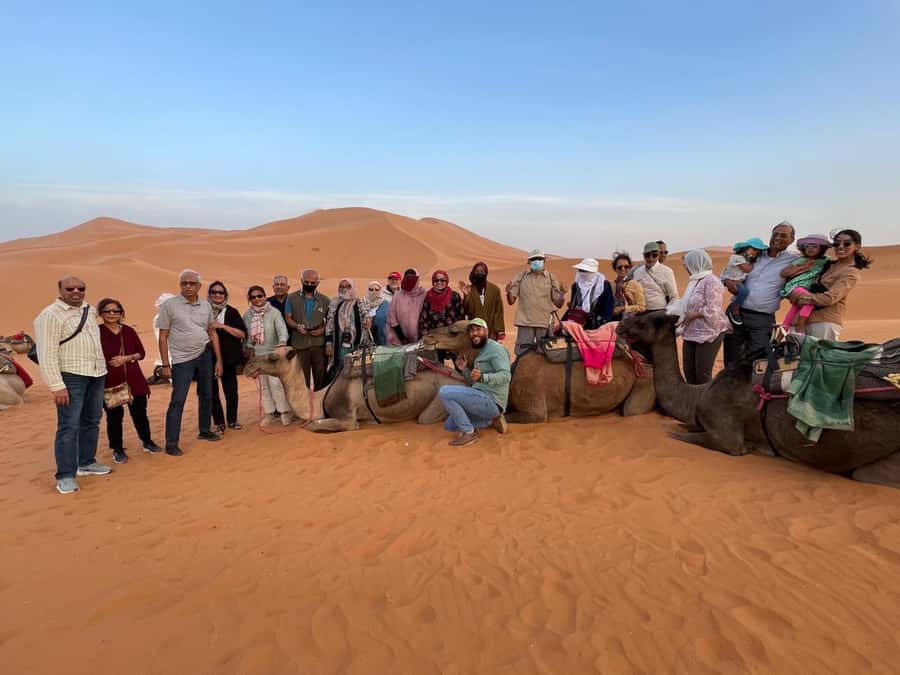
Once you arrive near the dunes, you may have a chance to relax at a local kasbah before the trek. The camel ride is about 50 minutes, and the goal is to ride out for sunset—when the sand turns gold and the shadows stretch long across the dunes.
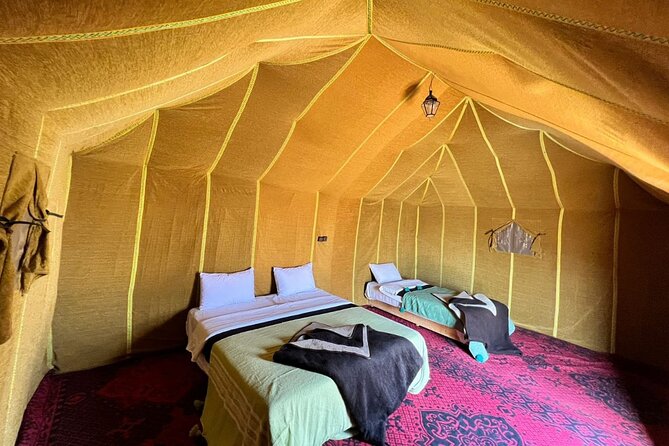
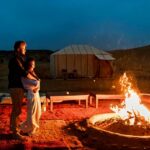
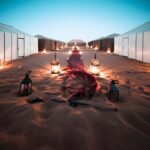
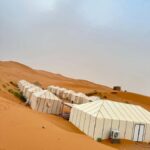
Then you reach the desert camp, settle into your tent, and move into the camp rhythm: dinner, followed by Saharan music around the fire. That format is part of what makes the night work. It’s not a rushed stop; it’s a full experience of being somewhere remote.
You also have options for the camp level (standard, deluxe, or luxury). In higher tiers, you may get comforts like power outlets and hot water—small things that make a desert night easier to enjoy when temperatures drop.
Practical tip: pack layers. Even if the day felt warm, desert nights can cool down quickly, and camel riding doesn’t keep you warm the way a warm vehicle does.
Day 2 sunrise: the calm before Todra Gorge turns dramatic
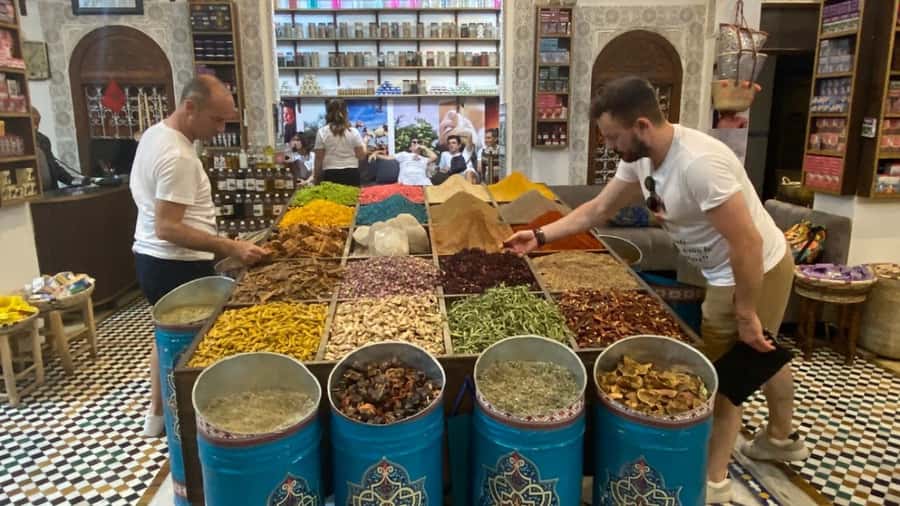
Day 2 starts early so you can catch sunrise over the dunes. This is one of those moments that changes the whole mood of the desert, because sunrise doesn’t just look pretty—it feels quiet and slow compared to the busier day ahead.
After breakfast at the camp, you’ll drive to Rissani, a historic town tied to the Alaouite dynasty. Depending on timing, you might visit the Mausoleum of Moulay Ali Cherif and also see the local market.
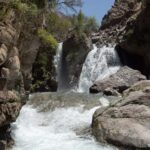
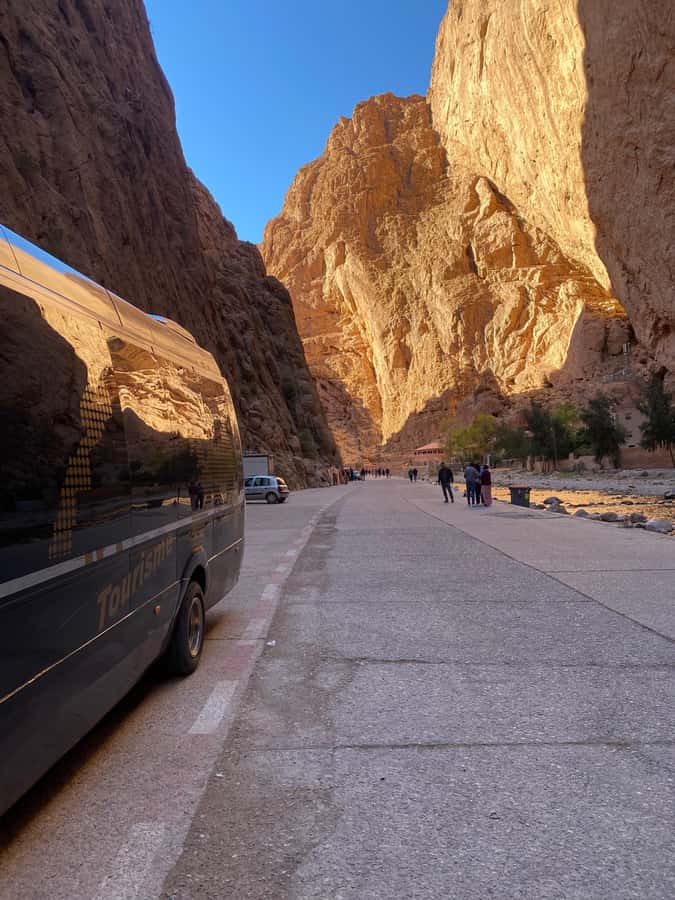
Then it’s off to Todra Gorge, a natural spectacle with sheer cliff walls squeezing a narrow river area. You get time to walk around and take photos, which is important because Todra is hard to appreciate if you only look from one angle.
You’ll finish the day through Dades Valley, known for winding roads cut through red-toned terrain and Berber villages. The evening stop in Ouarzazate comes after enough driving that you’ll likely appreciate a proper meal and a real hotel bed.
Ouarzazate and Atlas Studios: film connections without needing movie trivia
On the final day, you start in Ouarzazate, Morocco’s film capital. You’ll visit Atlas Studios, where productions like Gladiator and Game of Thrones were shot.
Even if you’re not a film super-fan, this stop helps you understand why this region gets picked again and again for “other-world” stories. It’s the geography that does the work—open spaces, dramatic rock tones, and large cinematic backdrops.
Then you’ll continue toward your UNESCO stop, which is where the movie-world connection becomes more than a fun fact. It turns into an architectural and cultural moment.
Ait Ben Haddou and the High Atlas crossing to Marrakech
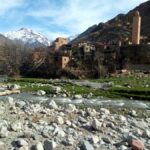
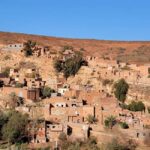
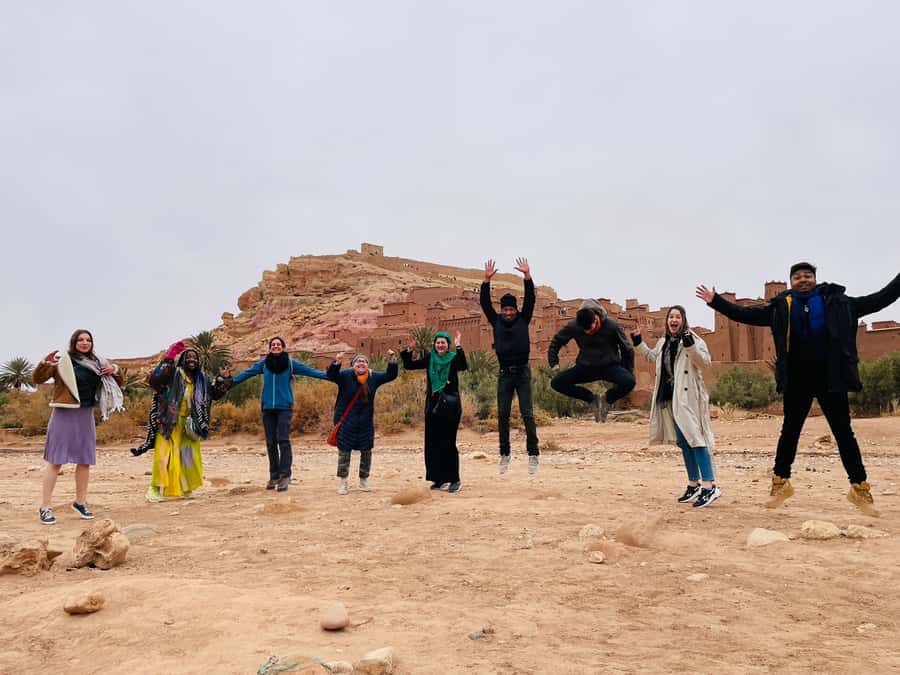
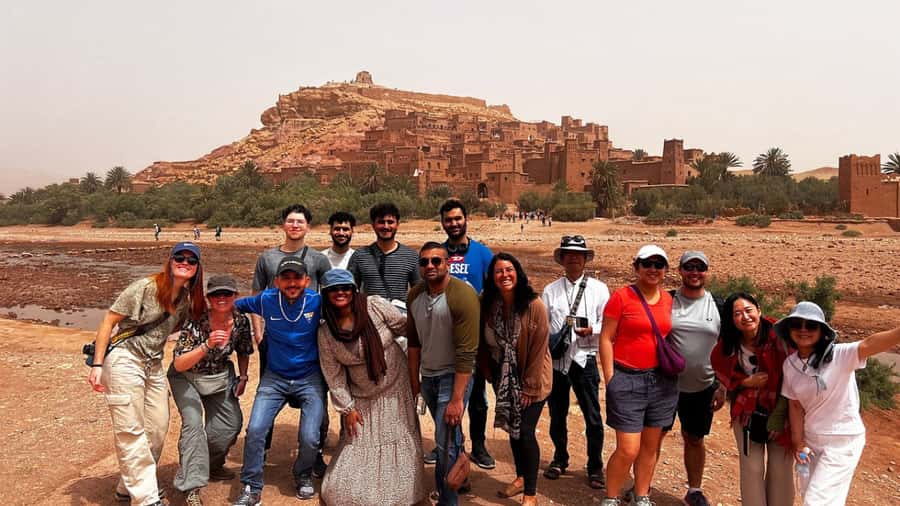
The Ait Ben Haddou stop is a major highlight: a UNESCO-listed ksar built with mudbrick architecture. This is one of those places where you feel the scale and age through your walk. Narrow paths, stepped structures, and panoramic views make it easier to understand why it became a filming favorite.
Lunch is available at a local restaurant, not included, so bring cash or expect to pay there. After that, the route climbs the High Atlas Mountains via Tizi n’Tichka Pass (2,260m).
You’ll make photo stops along the way for Berber villages and valleys. This part of the day is about switching gears from ancient mudbrick to high mountain views, with the drive giving you multiple chances to pull over and stretch your legs.
You should expect arrival in Marrakech around 6:00 PM, depending on traffic. Drop-off is at Jamaa El Fna Square if your riad is in the Medina, or at your hotel if it’s accessible by road.
Price and value: what $181 really buys (and what you’ll still pay for)
At about $181 per person for a 3-day, cross-regional tour, the value is mostly in transportation, driver, and the “can’t-do-easily-yourself” parts of the route.
You’re getting:
- Air-conditioned car for three days
- A professional driver
- Breakfast and dinner included
- One night in a desert camp (camp level depends on your option)
- One night in a hotel in Ouarzazate or Dades
- Camel ride
- Sandboarding available upon request
- Pickup and drop-off
Where extra money usually comes in:
- Entrance fees (not included)
- Lunches (not included)
- Drinks (not included)
- Travel insurance (not included)
- Quad rides (extra cost)
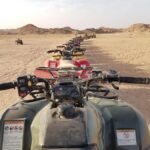
If you want more “controlled desert time,” consider the quad add-on if it’s available on your option. Some people book it specifically because it can help with early desert timing. If you’re mainly after camel sunset and a camp night, you can be perfectly happy skipping quad.
Who this tour suits best
This trip suits you if you want a big-hit itinerary: desert dunes plus Todra Gorge plus Ouarzazate and Ait Ben Haddou, all in one go. It’s also a good fit if you enjoy small-group travel and don’t want to coordinate multiple drivers and transfers.
It’s less ideal if you:
- Hate long car days
- Need lots of free time at each stop
- Want very slow, unstructured travel
A good sign is how you handle “moderate walking” and camel riding. If your fitness is decent and you can enjoy short walks and photo stops, you’ll likely find the pace doable.
Small-group details that can make or break the trip
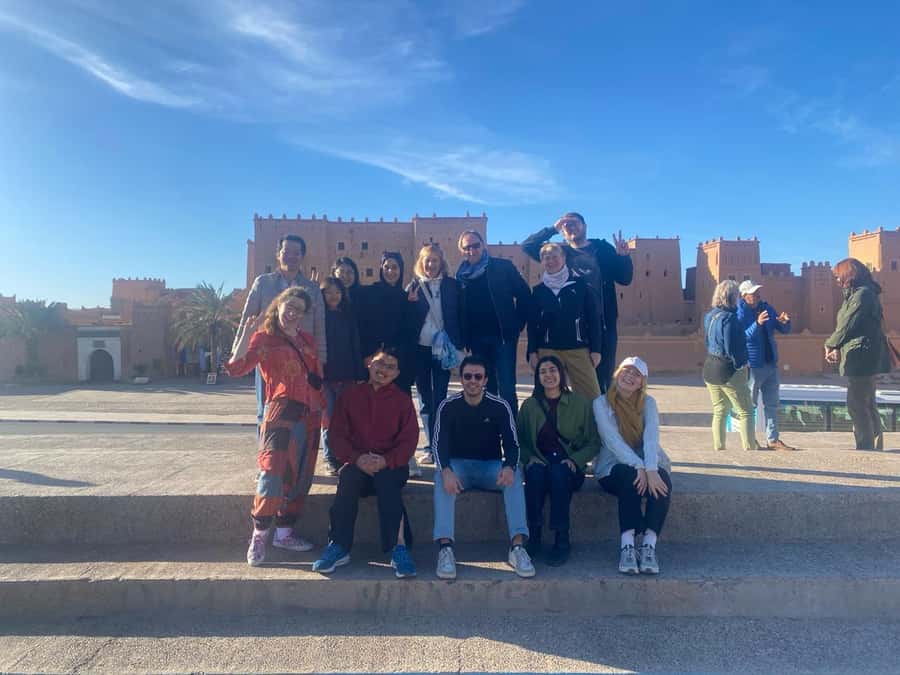
The group limit (up to 17) keeps it from feeling like a full bus takeover. You usually have enough flexibility to hear instructions and get attention when you need it.
Language support is also a plus: your driver speaks Arabic, English, and French. And while the exact guide names aren’t guaranteed, real departures include drivers like Ibrahim, Adil, Ayub, and Abdul, who are known for being helpful and communicative.
Also, take note that “pickup” can mean a nearby meeting point accessible by road. If you’re staying deep inside the Medina, build in a bit of walking on your side after pickup.
Should you book the Fes to Marrakech desert trip via Merzouga?
If you want one memorable desert night plus Morocco’s top southern stops without adding weeks of planning, I’d say this is a solid choice. The camel ride at Erg Chebbi and the desert camp evening are the kind of experiences that you remember long after the photos.
Book it if you’re comfortable with a packed schedule and a lot of time on the road. It’s a trip built for highlights, not for slow wandering.
Skip it or choose a more flexible alternative if you’re sensitive to long drives or you want deeper time in fewer places. This one moves fast by design.
FAQ
How long is the trip from Fes to Marrakech?
It runs for 3 days.
What does the itinerary include for food?
It includes breakfast and dinner. Lunches are not included.
Is the camel ride included?
Yes. The tour includes a camel ride as part of the desert experience.
Do I get to spend the night in the desert?
Yes. You’ll have 1 night in a desert camp after arriving near Erg Chebbi dunes.
Is sandboarding included?
Sandboarding is available upon request.
Is quad riding included?
Quad riding is not included. It’s available for an extra cost.
Where does the tour drop you in Marrakech?
You’re expected to arrive around 6:00 PM and get dropped at Jamaa El Fna Square (if your riad is in the Medina) or at your hotel if it can be reached by road.
What should I bring with me?
Bring a passport or ID card, comfortable shoes, and comfortable clothes. The tour involves moderate physical activity including walking and camel riding.