Your Fez cooking day begins with spices.
What I like most is the hands-on market start (you pick up ingredients and spices before you cook), and the focus on spice-and-herb balance that shows up in every dish. The one thing to watch is pickup timing: the experience includes pickup/drop-off, but there have been reports of late or missing pickups, so give yourself a little buffer and stay reachable.
This is a 5 to 6 hour class with air-conditioned transport and a professional English-French speaking driver. It also runs like a private experience for just your group, which usually means more direct attention as you learn. If you’re expecting a full city tour with a separate local guide, keep in mind local guides aren’t included—this is about food, not sightseeing.
In This Review
- Key things I’d plan around
- Getting picked up in Fez (and why that matters for a cooking class)
- The market start: buying spices, herbs, and main ingredients before you cook
- Into the kitchen with master chefs: what you’ll be taught
- The dishes you should expect: couscous, tagine, and Moroccan salads
- Spice balance in real life: ginger, saffron, cumin, and friends
- Timing, transport, and what to bring for a 5–6 hour day
- Price and value check for $71.80 per person
- Who this Fez cooking class suits best (and who should pass)
- Should you book this Fez cooking class?
- FAQ
- How long is the Fes cooking class?
- Is pickup and drop-off included?
- Is this a private tour?
- What dishes are included or featured?
- Which spices and ingredients are used?
- What language support is provided?
- Is there a mobile ticket?
- What is the cancellation policy for a full refund?
Key things I’d plan around
- Market sourcing in Fez: You start by buying ingredients and Moroccan spices before cooking.
- Hands-on instruction in the kitchen: Native master chefs teach what you’re making, with guidance on technique and presentation.
- Moroccan spice list that’s more than paprika: You’ll work with cumin, cinnamon, saffron threads, turmeric, nutmeg, fenugreek, coriander, thyme, garlic, and more.
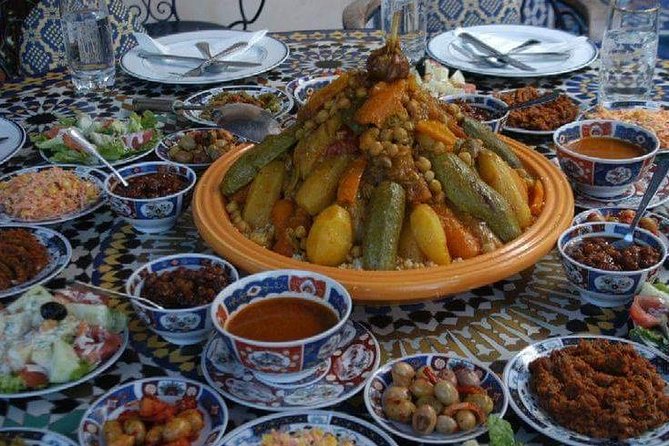
- Classic dishes with Moroccan variations: Couscous, tagine, and salad, including spiced options like zaalouk.
- Private-group feel: Only your group participates, so you’re not stuck waiting your turn with strangers.
- Transport and comfort built in: Pickup/drop-off plus bottled water helps make the day smoother.
Getting picked up in Fez (and why that matters for a cooking class)
A cooking class lives or dies on timing. Here, you get pickup and drop-off, and you’re riding in an air-conditioned vehicle—a big deal in Fez when the streets can feel intense even on a mild day. You also get a professional English-French speaking driver, which helps if you want to ask quick questions before you head into the market and kitchen.
Because it’s a private tour/activity for only your group, you should expect the schedule to be shaped around you rather than a big bus-load. Still, I’d be practical: arrive at the meeting point early, and keep your phone available. One past booking experience described a pickup that didn’t show for a long stretch of time, which is exactly the kind of stress you want to avoid when you’ve got a short vacation window.
If you’re the type who likes to be early and settled—this format usually feels good. If you’re the type who assumes everything will be on the minute, build in a cushion.
You can also read our reviews of more cooking classes in Fez

The market start: buying spices, herbs, and main ingredients before you cook
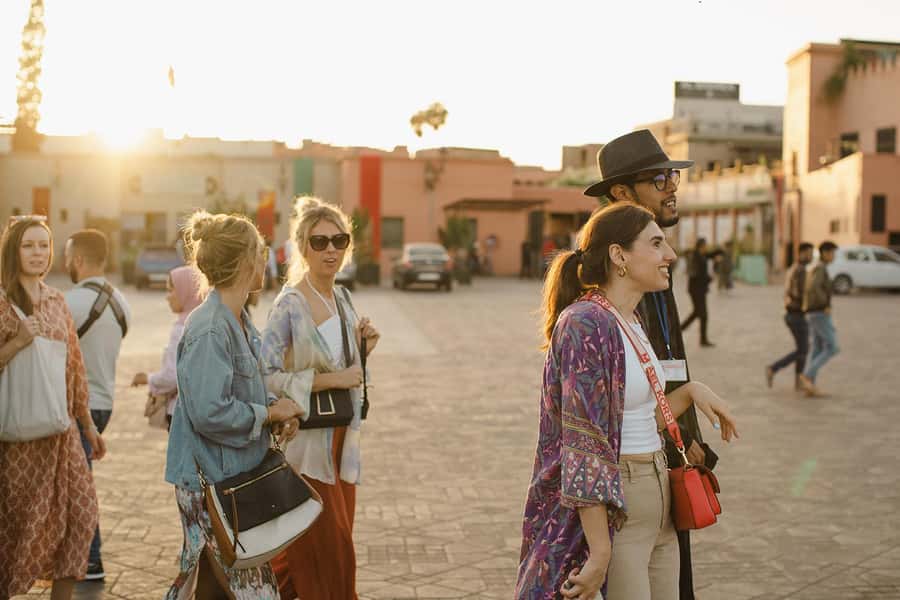
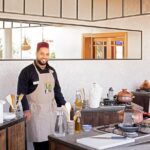
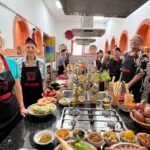
The class kicks off in the local marketplace in Fez. This isn’t just window shopping. The idea is to buy what you’re actually going to cook—ingredients that range from vegetables to meat and seafood, plus the spice blends that make Moroccan food taste like Moroccan food.
From the spice list provided, you’re looking at a real mix of warm, earthy, and aromatic flavors, including: ginger, black pepper, white pepper, cumin, cinnamon, hot paprika (the listing also mentions candy and hot paprika), saffron threads, turmeric, nutmeg, fenugreek, coriander, thyme, and garlic. You’ll also run into the practical side of market buying: choosing what looks fresh, deciding what’s worth paying attention to, and getting a sense of how these spices work together instead of as separate bottles on a shelf.
Why this step is valuable: you don’t just learn recipes. You learn buying logic. After a market start, you’re better at recreating the taste back home because you understand what role each spice is playing and why it’s paired the way it is.
One note: personal items aren’t included, so bring what you’d normally want for a market walk—something small to hold purchases, and clothes that can handle a bit of dust.
Into the kitchen with master chefs: what you’ll be taught
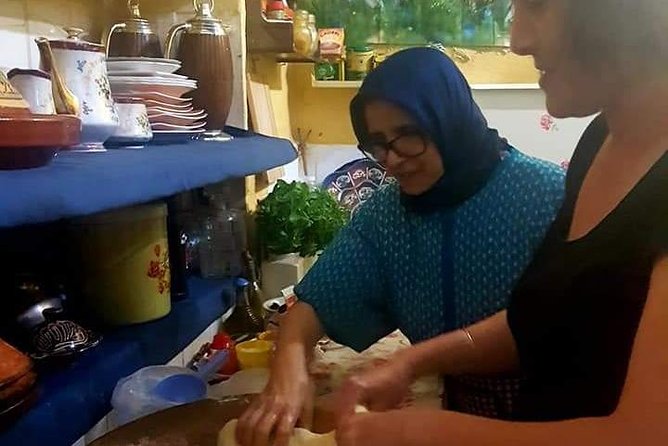
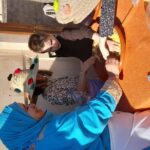
After the market, you head to a Moroccan kitchen where native master chefs guide you through making your dishes. The description stresses more than just cooking instructions. You’re also getting food training, presentation help, and food appreciation—basically, how to understand what you made, how it should look, and how to serve it in a Moroccan way.
What’s smart here is that the class isn’t only about a final plate. It’s also about learning the harmony between spices and herbs in each dish. That matters because Moroccan flavor is often layered: you’re not just using one spice heavily. You’re building a flavor base, then shaping it with herbs, aromatics, and the right balance of heat and sweetness depending on the dish.
The tour includes bottle water, and you’re transported in comfort, which helps you stay focused during the longer 5 to 6 hour window.
If language support is a concern for you: the driver is described as English-French speaking, but the chefs are described as native master chefs. The data doesn’t list a specific language for the chefs, so if you rely heavily on English-only communication, it’s worth confirming when you book that instruction will be accessible in your preferred language.
The dishes you should expect: couscous, tagine, and Moroccan salads
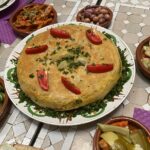
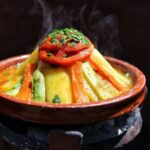
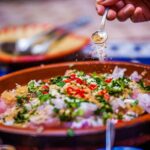
Moroccan cooking lessons usually center on a few stars, and this one names them clearly: couscous, tagine, and salad. It also points out that Moroccan salad can differ from what you might expect elsewhere. For example, zaalouk is mentioned as a highly spiced salad option that’s tastier than many people anticipate.
Here’s how to think about each dish in a class like this:
- Couscous: It’s often the anchor dish. You’re learning a base that absorbs flavor. Even when the couscous itself seems simple, the payoff comes from how it’s seasoned and paired.
- Tagine: Tagine is about depth and timing—building flavors and letting ingredients meld. It’s also a great dish for learning why certain spices show up where they do.
- Salad (including options like zaalouk): This is where you see Moroccan flavor go sharp and spiced. If you’ve only had “salad” as something mild, you’ll likely be surprised—in a good way—by how spices can play both supporting and leading roles.
The listing says you’ll be taking your purchased ingredients to the kitchen and making the dishes you’re going to make there. It doesn’t spell out exact step-by-step outcomes, so treat this as a class centered on those named Moroccan staples. If you want confirmation of the exact menu for your date, it’s a good question to ask before you go.
Spice balance in real life: ginger, saffron, cumin, and friends
The spice story is the heart of this experience. You’ll see ingredients like saffron threads and turmeric on the list, along with cumin, coriander, fenugreek, cinnamon, thyme, nutmeg, and different peppers. That’s a lot of flavor on paper—so your takeaway should be how the flavors cooperate.
A helpful way to interpret it while you’re learning: Moroccan spice blends are often designed for layering. Warm spices (cumin, cinnamon, nutmeg) provide the body. Aromatics (garlic, thyme, coriander) add lift. Pepper and ginger bring bite. And saffron and turmeric add both color and a distinct fragrance.
If you’re cooking at home later, this is what you want to remember: don’t treat each spice as a standalone “more is better” ingredient. Aim for balance—especially between heat (paprika, peppers) and warmth (cumin, cinnamon), and between herbs (thyme, coriander) and the deeper spices (fenugreek, saffron/turmeric depending on the dish).
That’s also why the market portion matters. You’re not just memorizing a spice list. You’re connecting the spices to their real ingredients—what you bought, what it smells like, and how it changes once it hits a hot pan or gets mixed into a dish.
A few more Fez tours and experiences worth a look


Timing, transport, and what to bring for a 5–6 hour day
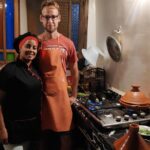
The duration is listed as about 5 hours (and up to 6 hours in the summary). Plan your day around that block and avoid scheduling anything right after, especially if you’re returning to a hotel outside the center. Cooking classes can run late when people are learning at different speeds.
Included on your side:
- Air-conditioned vehicle
- Pickup and drop-off
- Bottle of water
- Professional English-French speaking driver
Not included:
- Personal items
- Local guides
So pack like you’re going to a real neighborhood morning: comfortable shoes, sun protection if you get daylight, and a small bag for anything you buy at the market. The data also says service animals are allowed, and it’s near public transportation, which may help if your own schedule needs adjustments.
Also pay attention to the operating window: the activity lists availability between 9:00 AM and 7:00 PM, Monday through Sunday. That means you can often fit it into most Fez itineraries without fighting weird hours.
Price and value check for $71.80 per person
At $71.80 per person, you’re paying for more than a recipe session. You’re getting:
- a market ingredient-buying start
- a kitchen class with native master chefs
- transport (air-conditioned vehicle, pickup, drop-off)
- bottled water
- a driver who speaks English and French
- a private-group setup (only your group participates)
What you’re not paying for: personal items and a separate local guide for general sightseeing.
So is it a good value? For many people, yes—because the cost is tied to actual logistics and instruction. Cooking classes where you meet at a kitchen with no market time can be cheaper, but they often skip the part that helps you understand Moroccan cooking beyond the plate.
If your goal is strictly budget sightseeing, this might feel pricey compared with a free stroll through the medina. But if you want a hands-on skill, market context, and classic dishes you can recreate, the price starts to make sense.
One more angle: it’s typically booked about 103 days in advance on average. That suggests it’s a popular slot, so if you’re traveling in peak season, book early rather than hoping to walk in.
Who this Fez cooking class suits best (and who should pass)
This experience fits best if you want:
- a food-focused day in Fez (not a broad history tour)
- hands-on cooking with couscous, tagine, and salad centered
- spice education that connects ingredients to taste
- private-group attention rather than a giant group rhythm
You might consider skipping it if:
- you want a standalone market tour without cooking
- you’re hoping for an in-depth city-guide-style explanation beyond food
- you’re very sensitive to pickup timing issues and can’t build in buffer time
A good compromise strategy: plan another activity for later in the day, keep your pickup confirmation accessible, and don’t schedule a tight deadline right afterward.
Should you book this Fez cooking class?
If you want to leave Fez with something more useful than photos, I think this is a strong choice. The best part is the pairing of market shopping with kitchen instruction, plus the clear focus on Moroccan classics like couscous and tagine and spiced salad options such as zaalouk. Add in pickup/drop-off and an English-French speaking driver, and you’ve got a setup designed for comfort and clarity.
The only real reason to hesitate is the pickup reliability concern raised in past booking feedback. To reduce risk, show up early, stay reachable, and confirm pickup details before you head out.
Overall: if your vacation schedule can handle a 5–6 hour block and you’re hungry for hands-on Moroccan cooking, this class is a practical, flavorful way to spend your time in Fez.
FAQ
How long is the Fes cooking class?
It runs about 5 to 6 hours.
Is pickup and drop-off included?
Yes. Pickup and drop-off are included, with an air-conditioned vehicle.
Is this a private tour?
Yes. It’s listed as a private tour/activity, so only your group participates.
What dishes are included or featured?
The class focuses on Moroccan staples including couscous, tagine, and salad. Moroccan salad variations like zaalouk are mentioned.
Which spices and ingredients are used?
The experience lists spices such as ginger, black pepper, white pepper, cumin, cinnamon, hot paprika, saffron threads, turmeric, nutmeg, fenugreek, coriander, thyme, and garlic.
What language support is provided?
A professional English-French speaking driver is included.
Is there a mobile ticket?
Yes. Mobile ticket is listed as a feature.
What is the cancellation policy for a full refund?
Free cancellation is offered up to 24 hours in advance for a full refund, based on local time.