REVIEW · MARRAKECH
Explore Morocco In a Private Tour that Fits Your Needs
Book on Viator →Operated by Morocco Desert Jaunts · Bookable on Viator
Morocco moves fast when it is private. This 8-day private tour strings together Marrakech, Casablanca, Rabat, Meknes, Fez, and the Sahara in a way that feels planned, not chaotic. You’ll get pickup offered, a guide for the heavy lifting, and a route built around major sights plus desert nights.
I especially like the way the day in Marrakech includes hands-on time like a cooking class and moments that slow things down, like hammam time. The other standout is the Sahara portion: 4×4 dune riding, a camel ride, and sleeping in a Berber camp under stars.
One thing to think about: the trip is packed with long drives between regions. If you hate early starts or you want lots of free time, this schedule may feel busy.
In This Review
- Key highlights you can plan around
- Marrakech to Morocco’s Royal Cities: a private plan that saves your energy
- Day 1 in Marrakech: palaces, gardens, and a reset inside the medina
- Day 2: Casablanca’s Hassan II Mosque and Rabat’s palace walls
- Day 3: Meknes and Volubilis before Fez takes over
- Day 4 in Fez el-Bali: medina streets where time is part of the route
- Day 5: Ifrane, cedar forests, Ziz Valley, and reaching Merzouga dunes
- Day 6: 4×4 desert exploring and Berber camp night under stars
- Day 7: sunrise camel moments, Todgha Gorges, and onward to Dades Valley
- Day 8: Aït Ben-Haddou and Tizi n’Tichka back to Marrakech
- What $1,890.67 gets you: value, meals, and the hidden cost of planning
- Who this private Morocco loop is best for
- Should you book this tour?
- FAQ
- What cities and regions does this tour cover?
- How long is the private tour?
- Is pickup offered?
- Is this a private tour?
- What activities are included for the desert portion?
- Are meals included?
- What’s included in Marrakech admissions?
- What is the price?
- What time is this activity available?
- What happens if I need to cancel?
Key highlights you can plan around
- Marrakech in one day: medina time plus major sights like Koutoubia Mosque area, El Badi Palace, Bahia Palace, and Jardin Majorelle (with entries to select stops in Marrakech included)
- Hassan II Mosque in Casablanca: a top architectural visit that anchors the middle of the route
- Roman ruins at Volubilis: a change of pace from Islamic and Berber sites, with Roman-era history and scale
- Fez el-Bali: exploring the old medina district where medieval streets still shape daily life
- Merzouga dunes and Berber camp: 4×4 and camel moments, plus dinner and the night under the sky
- Aït Ben-Haddou and Tizi n’Tichka: earthen fortress scenery and a high mountain pass at 2,260 meters on the way back to Marrakech
Marrakech to Morocco’s Royal Cities: a private plan that saves your energy
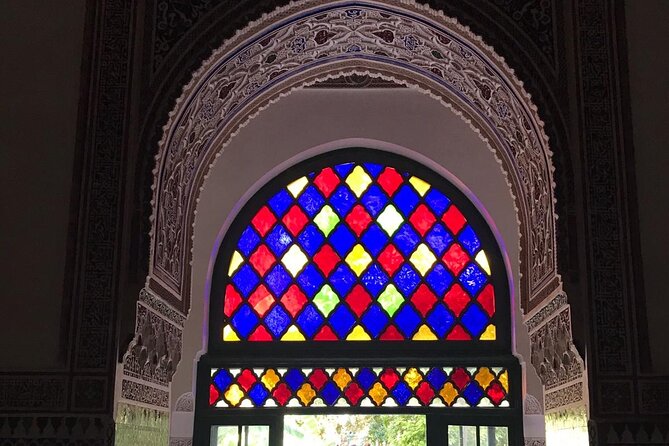
A private itinerary is the difference between seeing a place and managing a place. Here, you’re not bouncing between buses or trying to stitch together half a dozen day trips. You’re picked up, put on a ride, and given a structured sequence of neighborhoods, monuments, and viewpoints.
This route is also strong if you’re short on time. Morocco can sprawl. Going from Marrakech to Casablanca, then Rabat, then Fez, then down to the desert means you get momentum instead of repeating the same geography twice. And since the tour is private, it’s easier for your guide to adjust pacing when the medina feels like it’s doing its own thing.
Price-wise, you’re paying for the whole chain: transport between regions, a guide, most meals, and key experiences that are usually the hardest to arrange on your own. At $1,890.67 per person, it’s not a budget pick, but it can be good value if you want the complete highlight circuit without the hassle.
You can also read our reviews of more private tours in Marrakech


Day 1 in Marrakech: palaces, gardens, and a reset inside the medina
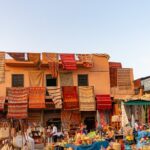
Marrakech starts with a mix of iconic sights and time to feel the city. The day includes Les Bains d’Orient, plus visits around key landmarks such as the Koutoubia Mosque area, El Badi Palace, Bahia Palace, and Jardin Majorelle. You also get medina wandering time, which matters because Marrakech looks different once you’ve lost your bearings for a bit.
Two moments that make this first day work well: you get a cooking class component and you have hammam time. Even if you’re not trying to turn travel into a project, these are practical breaks from nonstop walking. A cooking class gives you a “learn by doing” way to connect with everyday Moroccan flavors, not just admire them. A hammam is a reset after heat, crowds, and long museum hours.
If you like optional experiences, the schedule also lists a hot air balloon ride idea. Just note that the included details for balloon pricing aren’t specified in the package info you provided, so treat it as something you’d confirm with your operator before assuming it’s covered.
Day 2: Casablanca’s Hassan II Mosque and Rabat’s palace walls
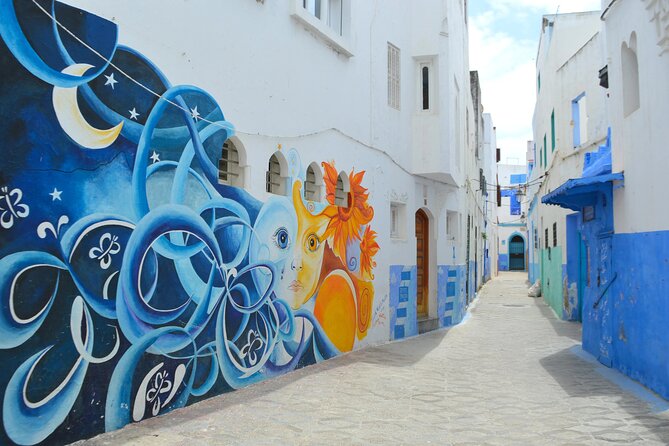
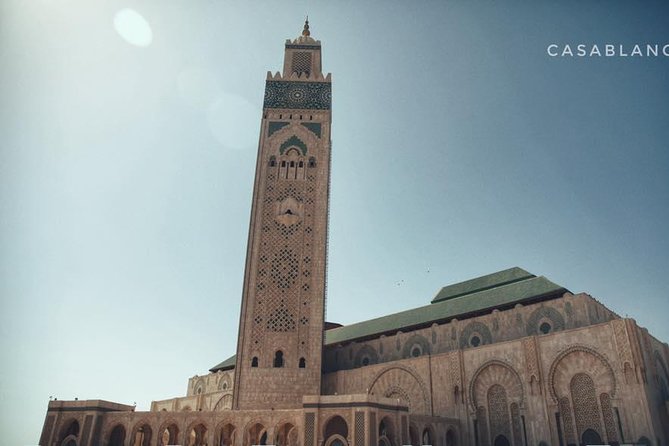
Day 2 is a classic Morocco transition day: coast-level glamour in Casablanca, then government-level gravitas in Rabat. You leave Marrakech by 4×4 or a luxury minibus, and you’ll arrive for a visit to Hassan II Mosque, described as Morocco’s largest sanctuary. That’s a big deal for architecture lovers and for anyone who likes a clear “wow” marker on day two.
After Casablanca, you continue to Rabat for royal and ceremonial sights. You’ll discover walls that surround the Royal Palace, plus the Kasbah of the Udayas and the Mausoleum of Mohammed V. The itinerary also mentions Silo Hassan. This is the kind of day where you’ll notice how Morocco’s style changes with region: Casablanca feels outward and modern, while Rabat reads more formal and historical.
One practical consideration: mosque and palace areas can mean security checks and dress expectations. Plan for comfortable clothing you can adjust quickly, and bring something simple to cover up if needed.
Day 3: Meknes and Volubilis before Fez takes over
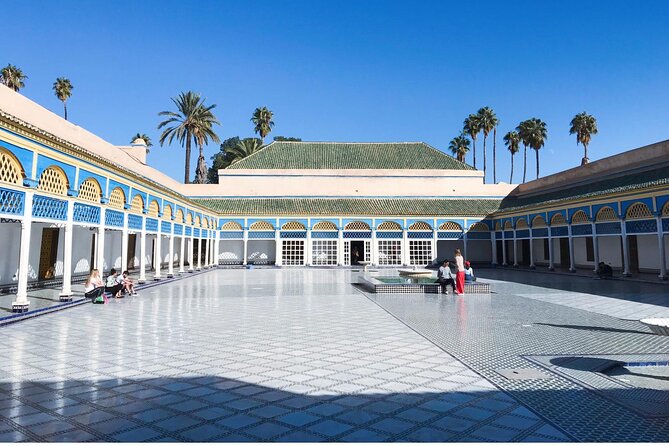
By the time you reach Day 3, the trip shifts from royal cities into imperial-era Morocco and then straight into Roman history. You’ll head to Meknes, known for its imperial status and also for souks. The big anchor here is the Roman Ruins of Volubilis, a major Roman settlement.
Volubilis gives you a contrast you’ll feel immediately. After medinas, palaces, and Islamic architecture, Roman ruins show up with columns, mosaics, and a very different sense of urban planning. It also helps you understand how Morocco has long been part of wider trade routes, not just a self-contained travel destination.
Then the day ends with a transfer toward Fez for the night. Fez is the start of a different kind of travel experience—slower walking, tighter streets, and more time needed to get your bearings—so arriving prepared for an all-day medina day is smart.
Day 4 in Fez el-Bali: medina streets where time is part of the route
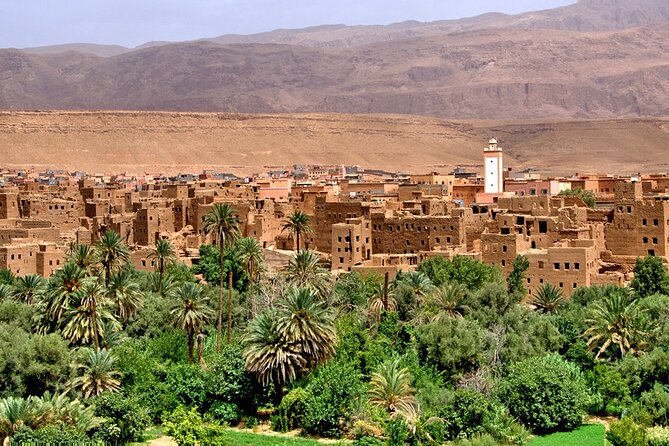
Fez el-Bali is often described as a place that can overwhelm you unless you have a guide. On this day, you explore the city in a focused way, with time framed around its ancient-and-modern mix: “every wall tells a story” is the vibe you’re aiming for.
What I like about including Fez as a full day is that you don’t try to “speed-run” the medina. You can notice details like craftsmanship, doorways, and patterns as you walk. Also, you get a chance to learn how daily life fits into the historic fabric, even if you’re only there for a day.
From a practical point of view, Fez can mean lots of turns. This is where having a guide who speaks multiple languages can really help. One past guest specifically thanks Brahim and calls out communication as a strong point, which tells me the operator takes language support seriously.



Day 5: Ifrane, cedar forests, Ziz Valley, and reaching Merzouga dunes
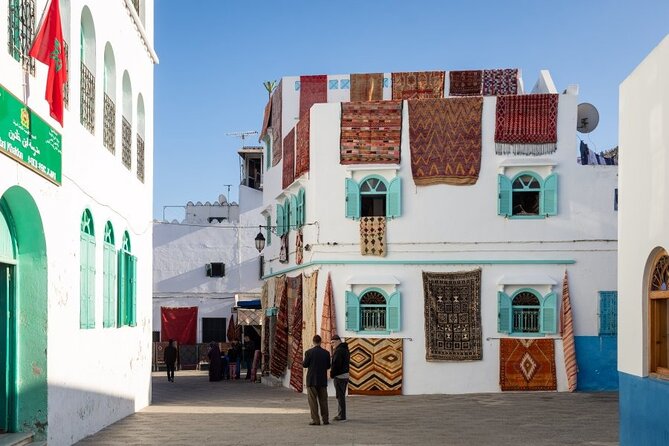
Day 5 is the long-scenery day, and you’ll see Morocco change from forests and hills toward desert terrain. You start with Ifrane, Morocco’s “Little Switzerland,” then pass through cedar forests of Arzou where Barbary apes are mentioned as living in those trees. If you enjoy wildlife stops or you like nature that doesn’t feel staged, this portion can be a nice warm-up.
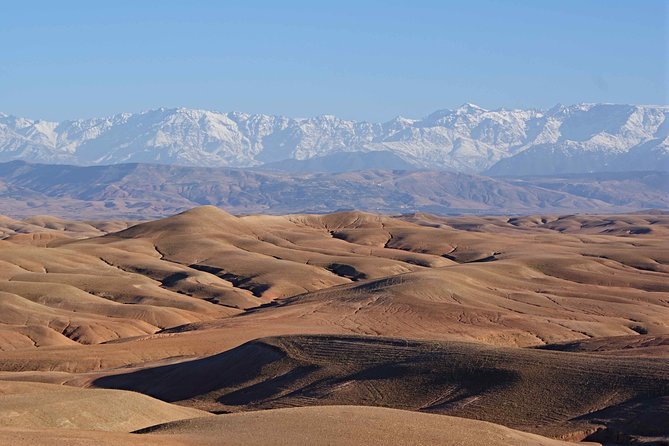
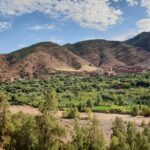
Then you cross Ziz Valley and its dramatic gorges, with villages like Midelt and Erfoud along the route. Finally, you arrive at Merzouga, in the southeast, and sleep in a hotel at the edge of the sandy dunes.
This is also one of the most important pacing points in the trip. Merzouga is where you’ll transition from road travel to desert travel, and timing matters for light and temperature. You’ll want to be ready for sun, but also for cooler air as evenings approach.
Day 6: 4×4 desert exploring and Berber camp night under stars
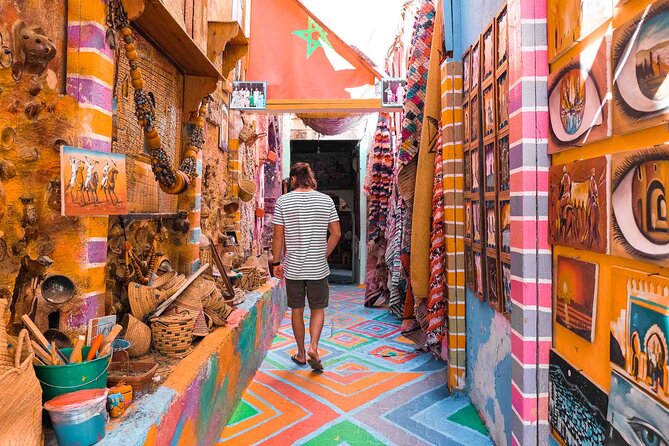
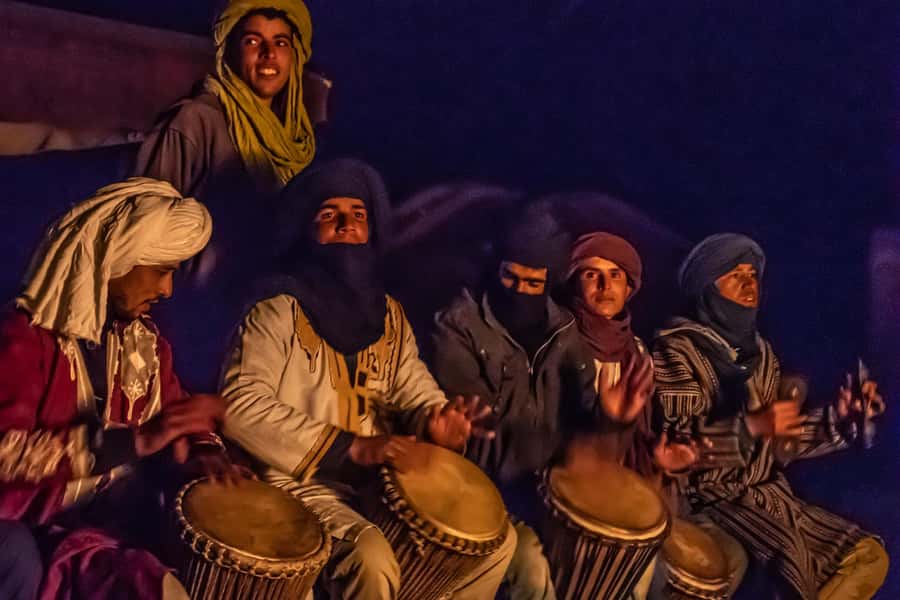
This is the day that most people come for. You explore the desert on a 4×4 through fields of dunes, with stops that include nomad settlements and oasis areas. The itinerary also lists Khamlia, a village famous for Gnawa music, and you’ll visit there as part of the day’s cultural stops.
At sunset, the day turns into the iconic desert experience: you climb on a camel for a ride described as slightly bumpy. That phrase matters because it tells you what to expect physically. Then you arrive at the Berber camp—either standard or luxury, depending on the option you booked—and spend the night under shining stars.
This is where I think the tour does something smarter than many “Sahara day trips.” You’re not only passing through. You get the time-based magic of sunset and night sky. Since dinner is included and you’ll already have a schedule built around the experience, you can focus on being present instead of figuring out logistics once you’re out there.
Day 7: sunrise camel moments, Todgha Gorges, and onward to Dades Valley
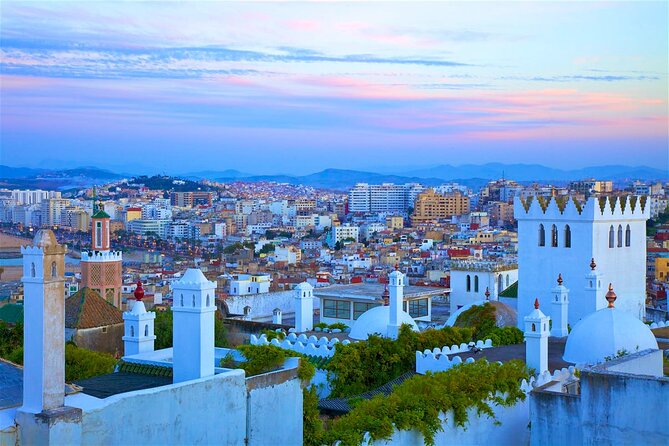
Day 7 starts early with sunrise. You’ll get up to witness it, then ride your camel back to the hotel depending on the type of camp you have. This is one of those moments that feels simple until you’ve actually done it. Sunrise lighting in desert country changes how everything looks, and it’s a good use of the early start.
After that, the day includes Todgha Gorges, described as one of the most spectacular canyons in the world. The tour also mentions Dades Valley as the end-of-day destination, and it lists Vallee Des Roses as a named stop. If you’re the type who loves a mix of scenery and culture, this day tends to deliver both: gorges for drama, and the rose valley name for the idea of southern Morocco’s seasonal charm.
A practical note: gorge walks can mean sun exposure and uneven ground. Wear shoes you can trust for steps, and bring water if it’s not explicitly provided during the day.
Day 8: Aït Ben-Haddou and Tizi n’Tichka back to Marrakech
Your last day is about history and the return drive across the Atlas Mountains. You stop at Ksar of Aït Ben-Haddou, an earthen building complex surrounded by a defensive wall. If you’ve watched films shot in Morocco, this is the kind of place that looks familiar, even when you’ve never been.
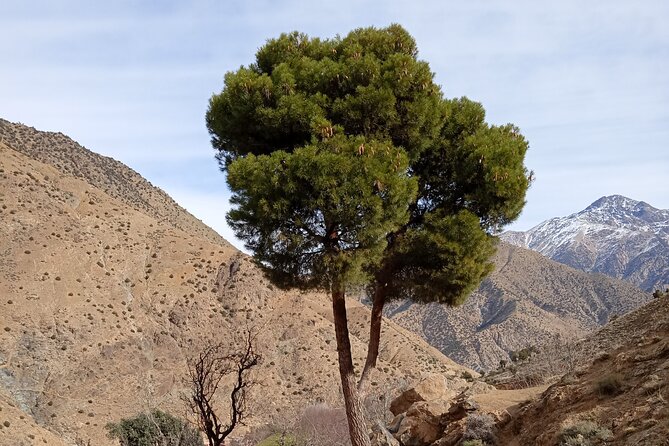
Then you cross the Atlas Mountains via Tizi n’Tichka mountain pass, which the itinerary lists at 2,260 meters. That’s your final big “view point” moment before the trip winds down.
The tour ends back in Marrakech with drop-off either at your hotel or the airport. If you have a flight the same day, give yourself extra buffer in your schedule. Mountain driving can run into slowdowns, and the tour’s timing can affect how tight you feel.
What $1,890.67 gets you: value, meals, and the hidden cost of planning
Let’s talk value without pretending it’s cheap. At $1,890.67 per person for roughly 8 days, you’re paying for more than sightseeing tickets. You’re paying for transport between distant regions, private guiding, and a package of meals and desert experiences that are hard to assemble neatly.
The “included” list matters:
- Camel ride
- Dinners (6) and breakfasts (6) and lunches (2)
- Bottle of wine
- Entries to 3 places in Marrakech
- Camel camp overnight experience and desert day inclusions
Not included: drinks and tips. That means you’ll likely want to budget for bottled water, soft drinks, and gratuities depending on your style.
Where this package can be worth it is if you want the full route: Casablanca and Rabat in the middle, Fez and Volubilis for culture depth, and Sahara time as more than a one-night stop. If you’re the type who hates planning, the private structure can be the real luxury here.
Also, this trip is booked well in advance on average (122 days). That’s a clue that people treat this as a serious “once or twice in a lifetime” Morocco circuit.
Who this private Morocco loop is best for
I’d point this tour at you if you want:
- A private guide and driver to reduce stress between regions
- The core Morocco hits: Marrakech, Casablanca’s Hassan II Mosque, Rabat royal sites, Volubilis, Fez el-Bali, and the Sahara
- A desert night that includes real time under the stars, not just a quick camel ride and back
You might want a different style if:
- You prefer fewer long drives and more independent downtime
- You don’t like early starts, since the sunrise desert segment is part of the schedule
- You’re strict about entry fees, since some admissions are listed as not included on certain days
The good news from the info you shared: most people can participate, and the tour is designed for a wide audience, not a specialist-only adventure.
Should you book this tour?
Book it if you want a guided, private Morocco circuit that gets you to the Sahara with proper pacing for major stops like Hassan II Mosque, Volubilis, Fez el-Bali, and Aït Ben-Haddou. The combination of included meals, the camel and camp night, and a structured route is what makes it feel worth the money.
Skip it or reconsider if you’re hoping for lots of slow, free days between regions. This itinerary is built for motion. You’ll trade flexibility for access and convenience, and for many people, that swap is exactly right.
If you do book, send a message before you go and confirm what’s covered for Marrakech entries and any optional add-ons like the balloon ride idea. Clear expectations make the trip smoother, especially on a first day.
FAQ
What cities and regions does this tour cover?
The route is based around Marrakech, then visits Casablanca, Rabat, Meknes, and Fez, before heading south toward Merzouga and the Sahara, with return back to Marrakech.
How long is the private tour?
It’s listed as 8 days approximately.
Is pickup offered?
Yes, pickup is offered.
Is this a private tour?
Yes. It’s private, meaning only your group participates.
What activities are included for the desert portion?
The package includes a camel ride and an overnight in a Berber camp under the stars, plus a full day exploring the desert in a 4×4 and visiting places such as nomad settlements and an area connected to Gnawa music.
Are meals included?
Yes. Dinners (6), breakfast (6), and lunch (2) are included in the package details.
What’s included in Marrakech admissions?
Entries to 3 places in Marrakech are included. The package info does not list exactly which three, so it’s worth confirming your specific itinerary stops.
What is the price?
The price is $1,890.67 per person.
What time is this activity available?
The opening hours are Monday to Saturday from 8:00 AM to 11:00 PM (as listed in the tour details).
What happens if I need to cancel?
You can cancel up to 6 days in advance for a full refund. For smaller time windows, refunds reduce as described in the cancellation policy.