REVIEW · MARRAKECH
Experience Moroccan Diversity in a Week Private Tour 6 nights 7 days
Book on Viator →Operated by Atlas Activities Morocco · Bookable on Viator
One week, five worlds of Morocco. I like how this route strings together the imperial cities, the blue streets of Chefchaouen, and the Merzouga dunes with a camel trek at sunset. I also like that breakfast is included most days and dinners are included for all 7, so the schedule stays easier during long drive days. One possible drawback to plan for: lunch, drinks, and many monument fees are not included, and accommodation quality can vary—so it’s smart to confirm what you’re getting.
This is a private 6 nights / 7 days tour based in the Marrakech area, with pickup offered and a mobile ticket. Start time is 8:00 am, and it’s designed for a group experience where you can keep things moving while still having guided time in key places like Fes.
In This Review
- Key highlights at a glance
- Casablanca and Rabat in one day: a smarter first taste of Morocco
- Fes El-Bali and Fes el-Jdid: medieval streets with guided structure
- Fes El-Bali
- Fes el-Jdid
- Chefchaouen’s blue medina: photo-friendly, but go slow
- Middle Atlas to Ifrane: cedars, monkeys, and that Switzerland vibe
- Merzouga desert: camel trek and sunset over the dunes
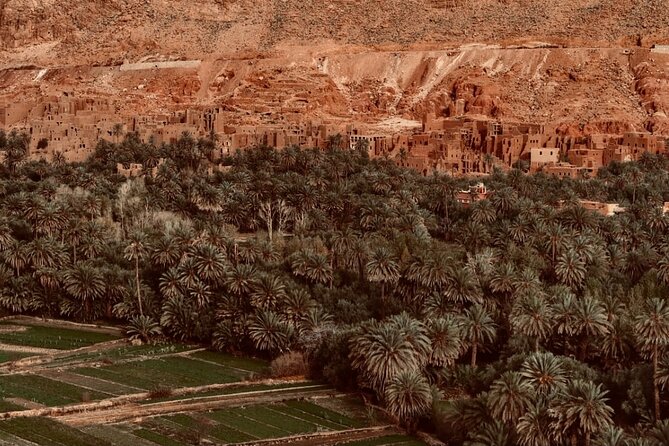
- Tinghir and Dades Gorges: palms, canyons, and viewpoint hopping
- Ouarzazate and Ait Ben Haddou: solar ambitions and clay-castle walls
- Ouarzazate
- Ksar of Ait-Ben-Haddou (UNESCO)
- Price and value: what the $900 covers (and what to budget)
- Private-tour feel: what you gain when it’s just your group
- Who this tour suits best
- Should you book it?
- FAQ
- What cities and regions are included in this 7-day tour?
- How long is the tour?
- What is the meeting time?
- Is pickup included?
- Is this a group tour or private?
- Are meals included in the price?
- Are monument tickets included?
- Is camel trek included?
- What’s the price?
- What happens if the weather is bad?
- What is the cancellation policy?
Key highlights at a glance
- Imperial-city focus: Fes El-Bali plus Fes el-Jdid with guided visits that cover the medina’s main highlights
- Blue Pearl time in Chefchaouen: guided access to the medina, main square, and kasbah area
- Merzouga desert moment: camel trek and a sunset over the dunes with included access
- Atlas-to-desert variety: Middle Atlas stops (Imouzzer, Monkey’s forest) plus Ifrane for a mountain change of pace
- Gorges and viewpoints on Day 6: Toudra Palmeraie and Toudra Gorges, then Dades Gorges
- UNESCO clay kasbah at Ait Ben Haddou: long-standing film fame and strong visual impact
Casablanca and Rabat in one day: a smarter first taste of Morocco
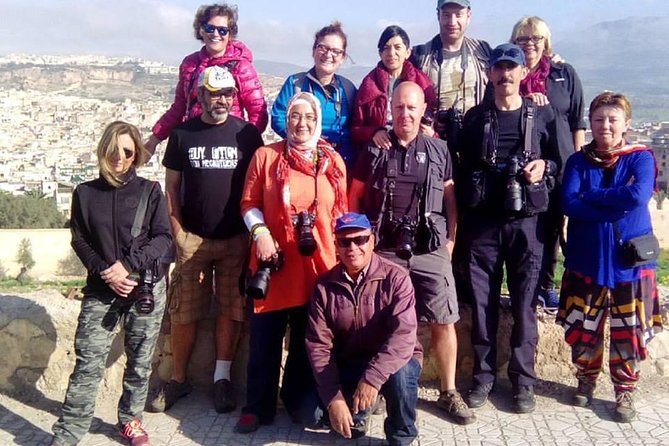
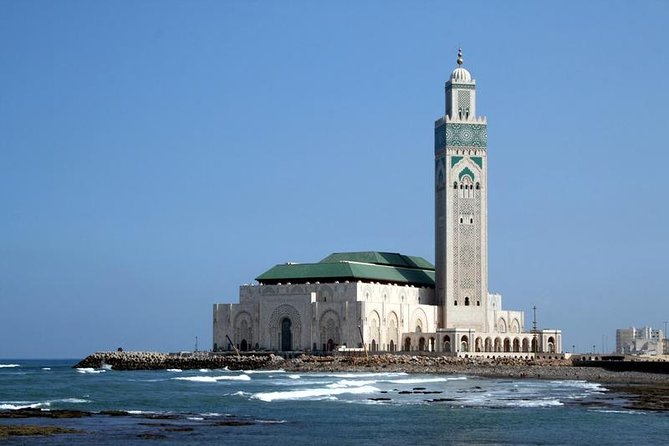
Day 1 is a great example of how this tour manages variety without wasting time. You start with Casablanca, Morocco’s Atlantic-facing “big city” energy—part modern, part Art Deco, and part film legend. The star stop is Hassan II Mosque, where admission is listed as free on this program, plus time for Rick’s Café if you want the pop-culture reference point.
Then you slide to Rabat, the country’s capital, which gives you a different feel: calmer pacing, plus history you can actually walk and orient around. The itinerary calls out Kasbah of Oudayas and the Mohammed V mausoleum, both with free admission on the program. Even if Casablanca feels like a headline city, Rabat is where you often get the satisfying “I can read this place” feeling—streets, monuments, and neighborhoods that make sense as you go.
One thing to consider: this is a long first day. You’ll likely be moving more than you would on a slower city-only trip, so if you’re sensitive to early starts, plan to keep the night before easy.
You can also read our reviews of more private tours in Marrakech


Fes El-Bali and Fes el-Jdid: medieval streets with guided structure
If you want one day that explains why Fes matters, it’s Day 2. The plan is built around two distinct parts of the city: Fes El-Bali and Fes el-Jdid.
Fes El-Bali
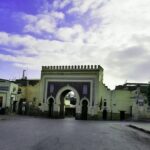
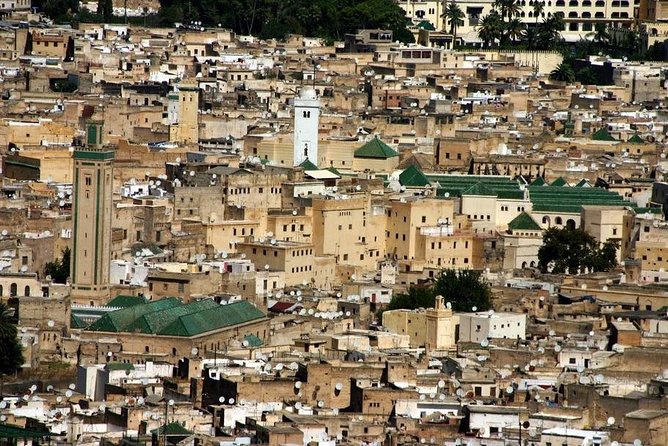
Fes El-Bali is described as the spiritual heart of Morocco and the large, intact medieval city with more than 9,500 narrow streets. Your guided block includes Bab Boujloud, Medersa Bouanania, Chouwara tanneries, Seffarine Square, and the Karaouiyyine Mosque and university. There’s real value here: Fes can overwhelm you fast if you’re wandering without context. Guided time helps you connect what you see to why it’s important, without forcing you to become an instant historian.
You’ll also get a fairly substantial chunk of time—about 4 hours—so it’s not just a quick photo stop.
Fes el-Jdid
Then you head to Fes el-Jdid, built in the 13th century, with stops tied to the Jewish quarter since the early 14th century. The plan lists a guided visit in the Mellah, with access connected to the cemetery area and synagogue, plus the Royal Palace gate. Expect this part to feel more focused and slower, which is a nice balance after the medina’s dense energy.
Admission is included for both Fes sections in this program, which matters for value: Fes is the kind of city where extra tickets and fees can sneak in when you’re making decisions on the fly.
Possible drawback: Fes’s streets are narrow and the walking can add up. Wear shoes you trust, and if you want maximum comfort, keep your day bag light.
Chefchaouen’s blue medina: photo-friendly, but go slow
Day 3 brings you to Chefchaouen, often called Morocco’s blue pearl. This is the Rif mountains region under the twin peaks of Jebel Chaouen, and the itinerary focuses on the medina experience: guided time for the medina, main square, and kasbah area.
What I like about this setup is that it’s not trying to make Chefchaouen feel like a checklist city. The guided portion helps you find the most photogenic streets faster, without you spending your energy on guesswork. And the medina’s layout—uphill, twisting alleys of blue-washed houses—is exactly the kind of place where getting your bearings early changes everything.
Consideration: Chefchaouen is best when you give it room to “happen.” If you race through only for photos, you’ll miss the calm moments that make the color feel magical instead of gimmicky.
A few more Marrakech tours and experiences worth a look
Middle Atlas to Ifrane: cedars, monkeys, and that Switzerland vibe
Day 4 is a breather day—less “big-city monument” and more “mountain Morocco.” You head to the Middle Atlas Mountains with a guided stop in Imouzzer and Monkey’s forest (admission listed as free). Then you continue to Ifrane, described as a mountain resort with a “little Switzerland” feel.
I like this day because it breaks up the trip right after Chefchaouen and before the desert. Mountains and cedar forests tend to make people feel like they’ve taken a reset, even if the drive is still part of the plan.
One thing to watch: mountain weather can shift fast. Since this experience requires good weather, it’s smart to plan layers even if the day starts warm.
Merzouga desert: camel trek and sunset over the dunes
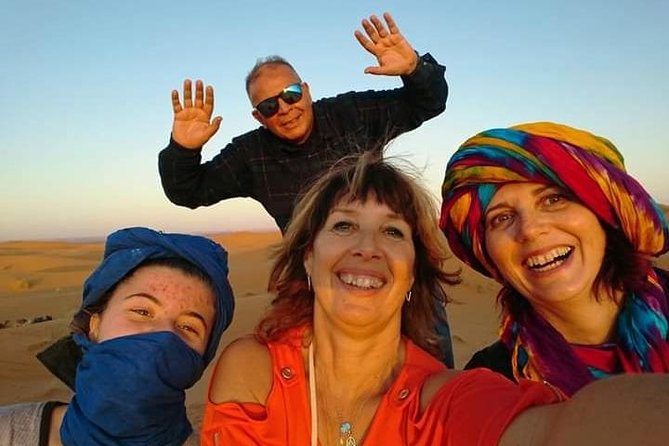
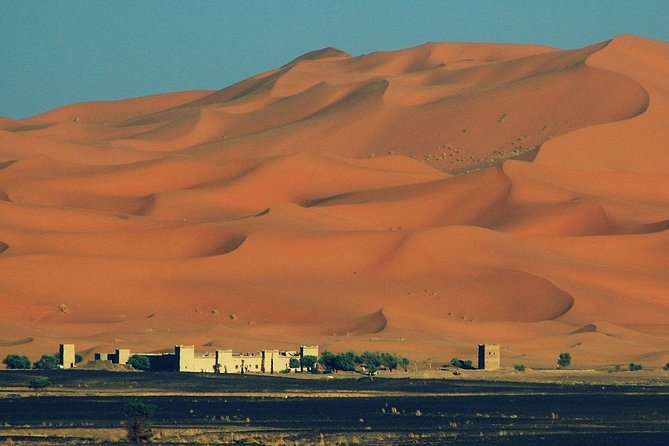
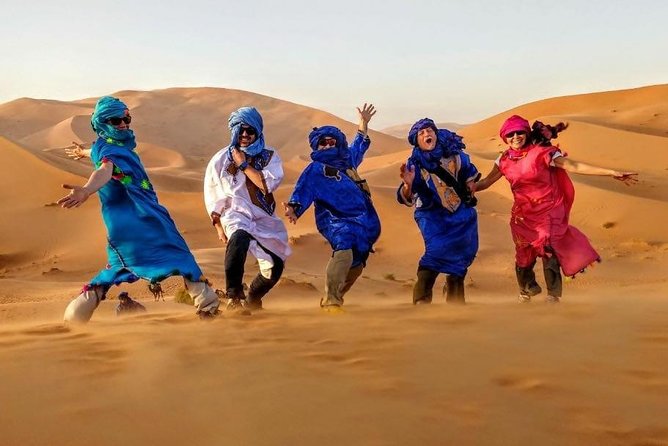
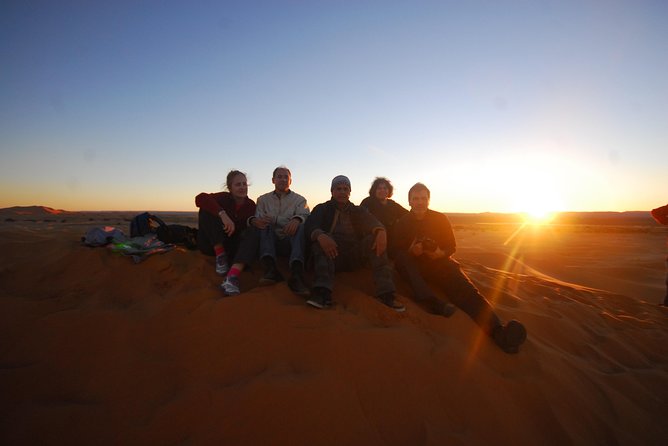
Day 5 is your Sahara “wow” day, based around Merzouga desert. The plan includes a camel trek and sunset on the dunes, with camel trek admission included.
This is exactly where the value of a guided, organized program shows. The Sahara isn’t hard to reach, but it is hard to do well without local help—especially if you care about timing. Sunset matters here, and the program is built around that key moment: you’re not just arriving and leaving.
Consideration: desert days can feel longer than expected, because you’re often waiting for light and timing. If you get cranky when things run slowly, just know that this part of the trip is about the rhythm of dusk.
Tinghir and Dades Gorges: palms, canyons, and viewpoint hopping
Day 6 focuses on southern Morocco’s dramatic “vertical” scenery: palms and gorges.
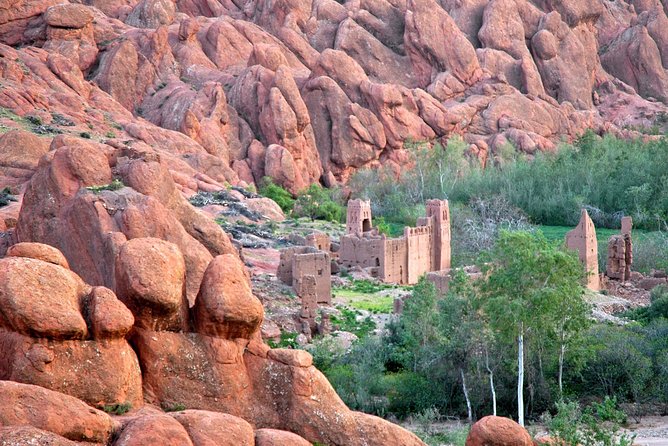
You start in Tinghir, with the itinerary highlighting Toudra Palmeraie and Toudra Gorges. Then you continue to Dades Gorges, including viewpoint stops along Dades Valley and mentions like Monkey’s fingers.
I like the pairing: the Toudra Palmeraie gives you the soft, green contrast—palms and a sense of oasis life—while the gorges bring the scale and geometry that makes photos look real instead of postcard-flat.
Possible drawback: this is a day with a lot of stopping points. If you hate cars and transitions, this might feel like “too many quick looks.” If you’re the type who enjoys viewpoints and doesn’t mind stepping out frequently, you’ll probably love it.
Ouarzazate and Ait Ben Haddou: solar ambitions and clay-castle walls
Day 7 finishes with two major hits.
Ouarzazate
Ouarzazate is described as a former meeting point for trade and cultural routes, often framed as the desert’s gate and the kasbahs capital. The itinerary also notes 300 days of sunshine and points to the Noor solar power station project, which is a striking modern contrast to the ancient built forms you’ll see right after.
Admission is listed as free on this day’s program, so you’re not adding cost while the day is already visually loaded.
Ksar of Ait-Ben-Haddou (UNESCO)
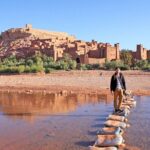
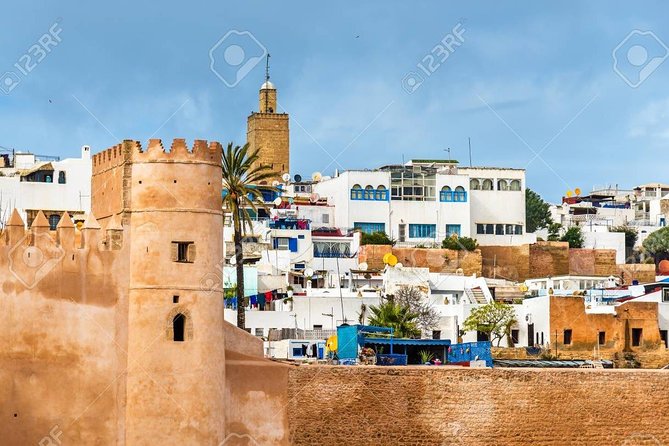
Then comes Ait Ben Haddou, listed as UNESCO World Heritage since 1987. The itinerary describes it as an earthen city built with clay bricks and thick defensive walls. It’s also deeply tied to film: David Lean chose it for Lawrence of Arabia, and the list includes movies like The Mummy and Gladiator, plus TV references such as Game of Thrones.
Even if you don’t care about film trivia, the place works. The walls, compact layout, and earthen texture give it a lived-in feel. It’s the kind of site where you understand why people keep returning for both visuals and atmosphere.
Consideration: Ait Ben Haddou is a slow-looking place. If you want quick stops only, you might find yourself wishing you had more time—so stay patient and take in the details you can see.
Price and value: what the $900 covers (and what to budget)
At $900 per person for 7 days, the value here comes from the mix of included meals, included guided time, and a standout desert activity.
From the program details, you get:
- 6 breakfasts
- 7 dinners
- 7 lunches listed as included
- guided visits in major sections like Fes El-Bali and Fes el-Jdid (with admissions included for those stops)
- Merzouga camel trek and sunset (admission included)
- many monuments listed as free on this specific route
What you should budget for:
- LUNCHES, DRINKS AND MONUMENTS FEES ARE NOT INCLUDED is listed under Not Included.
- That seems to conflict with “Lunch (7) / Dinner (7)” in Included, so your best move is to confirm what’s actually covered for lunch and whether any monument fees apply to your specific dates. Don’t guess—ask.
My practical take: if your main goal is variety with guided support and you want the Sahara moment without planning headaches, this price can make sense. If you’re a frequent museum-and-ticket add-on person, you’ll likely want to set aside extra money for monument fees and drinks, plus any optional extras.
Private-tour feel: what you gain when it’s just your group
Because it’s private, the itinerary can work better than a fixed group bus schedule. You’re not competing with other people for timing, and guide attention can matter most where cities get maze-like—Fes medina areas and Chefchaouen’s uphill alleys are the obvious examples.
Pickup is offered, and there’s a mobile ticket. The start time is 8:00 am, and you’ll have a near public transportation meeting point, which can help if you’re handling your own transfers to the pickup area.
Pace reality check: the route is fast across big distances. This isn’t a “one region, slow and scenic” trip. It’s a “see Morocco’s main contrasts” trip—and that’s great if you like moving.
Who this tour suits best
This fits best if you:
- want big variety in one week (imperial cities, Rif mountains, the Sahara, gorges, and a UNESCO kasbah)
- like guided structure in complex places like Fes
- want most meals handled so the day doesn’t dissolve into decisions
It might be less ideal if you:
- hate early mornings and frequent car time
- need a super slow pace with long free time in only one or two destinations
- plan to make nonstop purchases tied to monument tickets and drinks unless you’ve confirmed what’s covered
Should you book it?
I’d book this if your top goal is seeing a wide swath of Morocco in 7 days without turning your trip into logistics homework. The Fes guided plan plus the Merzouga camel trek are the two “high impact” parts of this schedule, and the finish at Ait Ben Haddou brings a strong ending to the story.
Before you pay, do two quick checks:
- confirm what’s truly included for lunch and any monument fees on your dates (the details list both included meals and a not-included line about lunches/fees)
- ask how accommodation is selected and what hotel category you’re getting, since one past experience included disappointment about lodging choices
If those boxes are clear, this is a solid way to experience Morocco’s diversity fast—without feeling like you’re winging it.
FAQ
What cities and regions are included in this 7-day tour?
The itinerary covers Casablanca and Rabat, then Fes (Fes el-Bali and Fes el-Jdid), Chefchaouen, the Middle Atlas mountains and Ifrane, Merzouga desert, Tinghir and Dades Gorges, and ends with Ouarzazate and the Ksar of Ait Ben Haddou.
How long is the tour?
It’s 7 days (about 6 nights and 7 days).
What is the meeting time?
The start time is 8:00 am.
Is pickup included?
Pickup is offered.
Is this a group tour or private?
It’s a private tour/activity, so only your group participates.
Are meals included in the price?
Breakfast is included for 6 days and dinner is included for 7 days. Lunch is listed as included for 7 days, but the not-included section also mentions lunches not being included, so confirm your date’s exact meal coverage.
Are monument tickets included?
Some admissions are listed as free and some are included for specific stops, but the not-included section says monument fees are not included. Confirm which sites apply to your dates.
Is camel trek included?
Yes, the Merzouga day includes a camel trek and sunset on the dunes, with admission included.
What’s the price?
The price is $900.00 per person.
What happens if the weather is bad?
The experience requires good weather. If it’s canceled due to poor weather, you’ll be offered a different date or a full refund.
What is the cancellation policy?
Free cancellation is available if you cancel up to 24 hours in advance for a full refund.