REVIEW · MARRAKECH
Excursion to the Ourika Valley and the Atlas Mountains from Marrakech
Book on Viator →Operated by lifetour · Bookable on Viator
Marrakech noise fades fast here. From the first drive up into the Ourika Valley, this day trip trades city chaos for mountain air, village views, and a slow, human pace that includes mint tea in a traditional Berber home. The one catch is simple: lunch isn’t included, so you’ll want a plan (and a little cash) for food during the waterfall stop.
I like the way the timing is built for real life. You get an air-conditioned vehicle, a local guide, and frequent chances to stretch, plus a route that slows down just enough for panoramic moments on the High Atlas road.
By late afternoon, you’re back in Marrakech—photos full, legs tired, and head clear. If you’re not into walking on uneven village paths, wear good shoes early, because reaching the waterfall areas involves some foot time.
In This Review
- Key things to know before you go
- Morning Drive Out of Marrakech to the High Atlas
- Ourika Valley Villages, Panoramic Pull-Offs, and Berber Home Stops
- Organic Gardens and Herbal Cooperative: Learning Beyond the View
- Setti Fatma Waterfalls: Lunch at Village Cafes and the Walk Time
- Canyon Villages Under the High Atlas: A Cooler, Quieter Reset
- Guides and Small-Group Dynamics (Jawad, Ismael, Abdel, Jamal)
- What to Pack (and How to Avoid the Usual Day-Trip Pain)
- Price and Value: Why This One Costs Less Than You Expect
- Should You Book This Ourika and Atlas Day Trip?
- FAQ
- How long is the Ourika Valley and Atlas Mountains excursion?
- Where does the tour start and end?
- Is pickup included?
- What does the price include?
- Is lunch included?
- What kind of fitness level do I need?
- How big is the group?
- What is the cancellation policy?
- When does the tour operate?
Key things to know before you go
- A true High Atlas escape into the Ourika canyon region, with cooler air once you climb
- Mint tea in a traditional Berber home, a small stop that feels big culturally
- Organic garden and Berber house visits, with a look at how people shape the land
- Herbalist cooperative time, where you can learn how locals use plants (not just “see a place”)
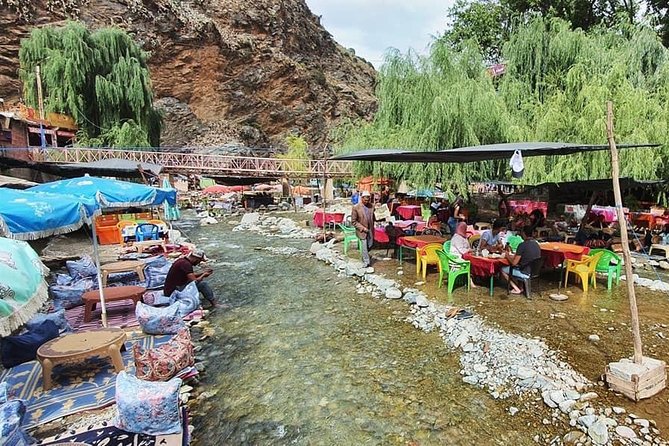
- Setti Fatma waterfalls plus village cafes for your lunch break
- Small group vibe (max 15) and guide support that can make a packed day feel manageable
Morning Drive Out of Marrakech to the High Atlas
This trip is all about the shift. You start from Jemaa el-Fna and head out in the morning, usually around 9:00 a.m., when Marrakech is still waking up and the air feels a little less heavy.
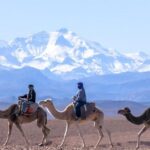
The drive matters more than people think. Roads into the High Atlas climb through countryside, with quick lookouts along the way so you can actually register what you’re seeing—not just stare out the window while thinking about lunch. And because the ride is air-conditioned, you’re not arriving sweaty and cranky before the real fun starts.
You’ll also have a guide with you during the day, so you’re not trying to interpret everything on your own. When the region changes—from fertile valley edges to more rugged mountain settings—that explanation turns it from scenery into context.
You can also read our reviews of more tours and experiences in Marrakech.

Ourika Valley Villages, Panoramic Pull-Offs, and Berber Home Stops
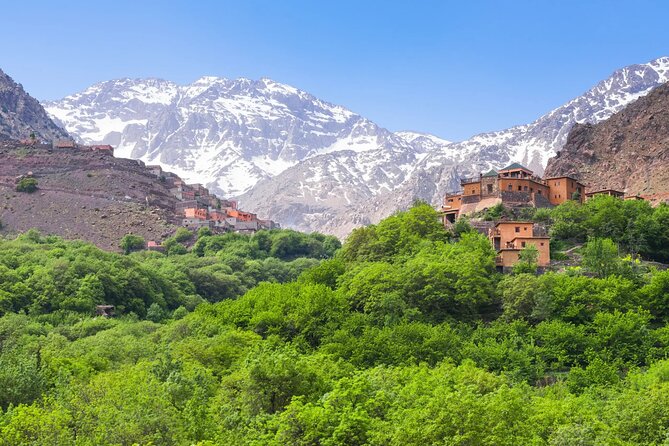
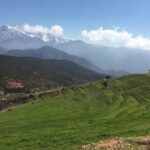
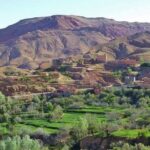
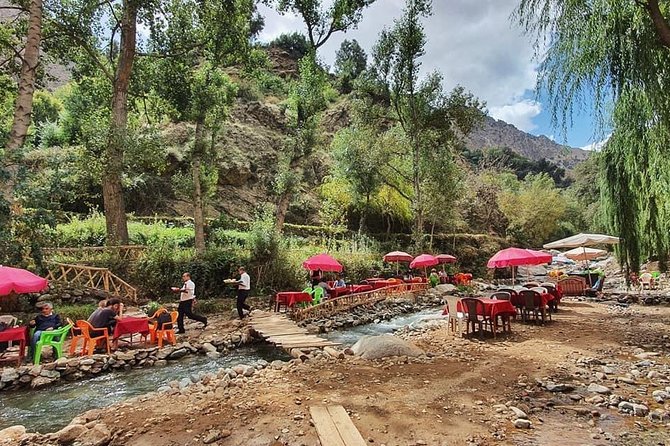
Once you’re into the Ourika area, the day feels like a mix of easy wandering and “stop, look, learn.” You’ll pass through typical High Atlas countryside villages, where daily life is visible rather than staged for tourists.
A big highlight is the time spent in a traditional Berber house. This is where you’ll likely get a cup of Moroccan mint tea, served in that home-style way that makes the moment feel grounded. It’s not a rushed “tea photo” stop. The best part is that it gives you a feel for hospitality as a rhythm, not a performance.
You also get short breaks for views. These pull-offs are great for two reasons:
- you can take photos without feeling like you’re sprinting
- you get to notice how the valley narrows and the mountains come closer
One thing I appreciate is the temperature shift. The canyon village setting in the Ourika region can feel cooler than Marrakech—especially helpful in warmer months when the city heat feels relentless. If you’re visiting during summer, that relief is real.
Organic Gardens and Herbal Cooperative: Learning Beyond the View
This day doesn’t only sell scenery. It also gives you a couple of stops that explain how people live here.
You may visit an organic garden, which is a refreshing change of pace from the typical “we stop at a shop” pattern. Here, the point is to see how land management works in a mountainous environment—what grows, how it’s cared for, and why local knowledge matters.
Another stop that stands out in the feedback is the herbalist cooperative. In practice, this kind of stop can go two ways: either it’s a sales pitch, or it’s a real chance to learn about plant uses. Based on the tone of the experiences people described, you’re more likely to leave with practical understanding—things locals actually use rather than just souvenirs.
If you like cultural stops that don’t require you to buy anything, these are your best bets on this trip. And even if you do browse, it’s easier to shop thoughtfully when you understand the purpose behind the products.
Setti Fatma Waterfalls: Lunch at Village Cafes and the Walk Time
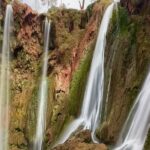
The most famous payoff on the day is the Setti Fatma waterfalls area. This is where the Ourika valley turns more dramatic—cascades, steep canyon views, and the sense that the mountains are doing the talking.
Plan your day around this stop. It’s the part where you’ll likely do the most on-foot movement, and you’ll want to pace yourself. The waterfalls area is reached via the climb through villages, where you can stop along the way and take a break.
This is also where lunch fits in. Lunch isn’t included, but you’ll find plenty of cafes along the route serving local meals. That’s useful because you can choose based on what sounds good to you rather than being stuck with a preset option. My practical advice: eat earlier or later than the absolute peak crowds, so you’re not waiting forever just because the group ahead decided to all order at once.
A small planning tip: if you’re sensitive to cold, note that the canyon can feel cooler as you climb and spend time near water. Bring a light layer even if Marrakech feels warm when you leave.
Canyon Villages Under the High Atlas: A Cooler, Quieter Reset
There’s a reason the Ourika region is so popular as a day escape. Once you reach the canyon setting under the High Atlas, the soundscape changes. Marrakech is constant motion; the canyon brings a slower feel, more space around you, and that “how did I forget this exists” moment.
In the afternoon, when your legs start to feel it, this part of the day acts like a reset. You’re not rushing through a single monument. You’re in a place with real village rhythm—where getting away from city noise actually happens, not just on the brochure.
Also, the seasonal comfort is worth mentioning. In hotter months, the cooler air and shaded canyon pockets can make the day trip feel genuinely pleasant. If you’re traveling in the summer, this is one of those “your future self will thank you” choices.
Guides and Small-Group Dynamics (Jawad, Ismael, Abdel, Jamal)
One of the strongest parts of this experience is how people describe the guides and drivers. Friendly, patient, and helpful came up again and again—and it makes a difference on a day that has multiple stops.
Some names mentioned in the experiences include Jawad, Ismael, Abdel, and Jamal. You can’t count on the exact same people, but it’s a good sign when the same types of traits show up across different trips.
The maximum group size of 15 helps too. You still get a structured day, but it’s not so big that you’re stuck behind a crowd at every photo spot. In practice, that means:
- better guide attention
- more flexibility with how long you take at viewpoints
- less “hurry up” energy
If you’re a solo traveler, this kind of group size is also a sweet spot. You can chat if you want, then fall back into your own rhythm when you don’t.
What to Pack (and How to Avoid the Usual Day-Trip Pain)
This isn’t a hardcore trek, but it’s also not a fully flat stroll. The experience expects moderate physical fitness, and you’ll be moving through village paths and toward the waterfall areas.
Here’s what I’d bring based on the day’s shape:
- Comfortable walking shoes with grip (the ground can be uneven)
- A light layer for cooler canyon weather
- Sunscreen and a hat, even if the mountains cool things down later
- Money for lunch and refreshments since meals aren’t included
- A small bottle of water (you can likely find things along the way, but don’t gamble)
Also, plan for the day to feel long. Around early afternoon you’ll be in the busiest zone (waterfalls and surrounding paths), then the road back toward Marrakech feels like the payoff: you get to relax into the ride.
Price and Value: Why This One Costs Less Than You Expect
At about $34 per person, this day trip is priced like a practical local-style excursion rather than a “big packaged tour.” And for that money, you get real value in the essentials:
- transportation in an air-conditioned vehicle
- a local guide
- structured stops that include culture and food timing support (even though lunch itself is on you)
You’re not paying extra for luxury details here. You’re paying for the right kind of access: the knowledge to make the stops meaningful and the logistics to get you out of Marrakech for a full High Atlas day.
And don’t ignore the small perk shown for the experience timing: the activity indicates admission ticket free (at least for the portion labeled as such). That can matter if you’ve been burned by tours that look cheap until entry fees stack up.
If you want a day that mixes views with a little learning—mint tea, Berber house time, garden and herbal knowledge—this is one of the more budget-friendly ways to do it from Marrakech.
Should You Book This Ourika and Atlas Day Trip?
Book it if you want a full, satisfying day outside Marrakech without planning every stop yourself. This is a great fit for couples, small groups of friends, and solo travelers who like guides and structure, but still want authentic village time rather than just a single viewpoint.
Skip it (or be extra cautious) if you know you hate walking on uneven paths or you need a very minimal-footprint day. The waterfalls area is the main footwork, and lunch is on your own schedule, so you’ll want to be comfortable managing those parts.
If you’re on the fence, use this quick decision rule: if you’re excited by Berber home hospitality and Setti Fatma waterfalls, this trip will likely hit the sweet spot.
FAQ
How long is the Ourika Valley and Atlas Mountains excursion?
It runs about 8 to 9 hours total.
Where does the tour start and end?
It starts at Jemaa el-Fna (Jamaâ El-Fna), Marrakech 40000, Morocco and ends back at the same meeting point.
Is pickup included?
Yes, pickup is offered.
What does the price include?
The experience includes an air-conditioned vehicle and a local guide to explore the waterfalls.
Is lunch included?
No, lunch isn’t included. You’ll find cafes along the way near the Setti Fatma area to buy food.
What kind of fitness level do I need?
You should have a moderate physical fitness level.
How big is the group?
The tour has a maximum of 15 travelers.
What is the cancellation policy?
You can cancel for a full refund if you cancel at least 24 hours in advance of the experience start time.
When does the tour operate?
The listed hours show Monday through Sunday from 8:30 AM to 9:00 AM (based on the date range shown).