REVIEW · MARRAKECH
Discovering the 3 days trip to desert (merzouga trip from marrakech)
Book on Viator →Operated by DesertTrail Adventures · Bookable on Viator
Merzouga hits fast in three days. This budget-friendly trip strings together big scenery, real village stops, and the desert night you came for—powered by A/C minibus pickup and capped with a sunset camel ride. The trade-off is time: you’ll spend plenty of hours in the van each day.
What makes it work is the hands-on feel of the group logistics. Your English/French-speaking driver keeps the route moving (names you may meet include Mohamed and Elyass), and the group stays capped at a maximum of 60 travelers, which helps keep stops organized.
You also get the core comforts that matter after long travel days: two included breakfasts and dinners, plus time on the dunes at Erg Chebbi for both sunset and sunrise.
In This Review
- Key things that make this trip worth a look
- Entering Morocco Through the High Atlas and Ait Ben Haddou
- Dades Gorges Overnight: Why This Day Feels Like a Morocco Crash Course
- Todgha and Rissani on the Way to Merzouga
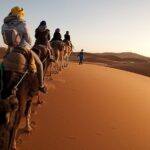
- The Desert Night: Sunset Camel Ride and Campfire Dinner Under Stars
- Sunrise on Erg Chebbi: Why the Second Camel Trek is Worth It
- Price Value: What $163.75 Per Person Really Buys You
- Comfort, Group Size, and How to Prepare Like a Pro
- Who Should Book This Merzouga Tour (and Who Might Not)
- Should You Book DesertTrail Adventures 3 Days to Merzouga from Marrakech?
- FAQ
- What is the start time for the 3-day Merzouga trip from Marrakech?
- Where does the tour pick up in Marrakech?
- How long is the trip?
- What camel experiences are included?
- Do I spend the night in the desert?
- What meals are included?
- Are drinks included?
- What language is the driver?
- How large is the group?
- Is the tour dependent on weather, and can it be canceled?
Key things that make this trip worth a look
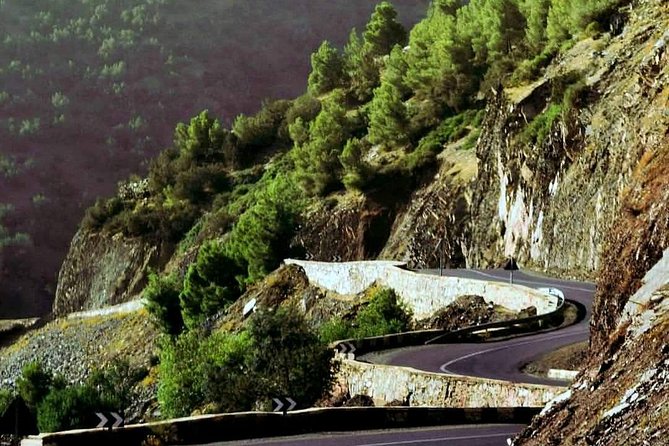
- UNESCO Ait Ben Haddou and the High Atlas pass, including the famous curvy climb over Tizi n’Tichka
- Todgha Gorges walk and a real stop in Rissani’s dates market before you reach the sand
- Sunset camel ride into Merzouga dunes and dinner under the stars at camp
- A second camel trek at sunrise with breakfast back at the camp operator lodge
- Comfort-minded transport: pickup plus an A/C minibus driven by a bilingual driver
Entering Morocco Through the High Atlas and Ait Ben Haddou
This trip starts early out of Marrakech, and that’s a good thing. You’re not wasting daylight sitting around. Instead, you roll east toward the High Atlas, with chances to stop for photos, stretch your legs, and grab coffee along the way.
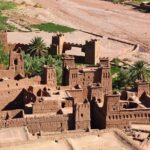
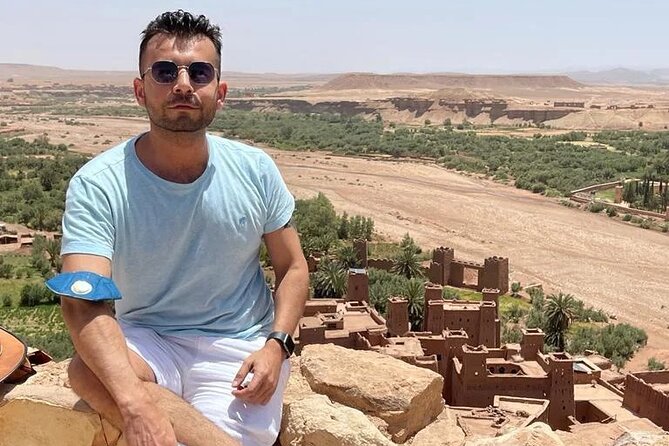
The big first-ticket experience is Kasbah Ait Ben Haddou, a UNESCO-listed fortified village. It’s easy to see why film crews keep coming back: the place is known for being used as a setting for major Hollywood epics like Kingdom of Heaven, Lawrence of Arabia, and Gladiator. You’re not just driving past it—you’re making time to look closely at the mud-brick architecture and the way the kasbah sits in its valley.
If you want a bit more depth while you’re there, there’s an optional local guide you can add specifically for Ait Ben Haddou (listed at €3 per person). If you’re happy with a self-guided wander, you can skip it; the site still does most of the work for you.
One practical note: you’ll be spending a lot of the day in transit, and the Atlas roads can feel long. If you’re the kind of person who gets stiff fast, pack a light layer and plan to move a bit during every stop.
A few more Marrakech tours and experiences worth a look
Dades Gorges Overnight: Why This Day Feels Like a Morocco Crash Course
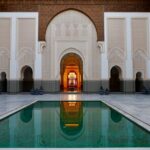
Day one also throws in the next layer of southern Morocco: Ouarzazate and the Dades Gorges region. After lunch in Ouarzazate, you may get a look at the film studios and a kasbah there, depending on time. That “if there’s still time” matters—this is not a slow, linger-everywhere tour—so don’t count on every single optional stop happening for everyone.
Then you drive through areas like Skoura and Kalaat M’Gouna, including the rose valley stretch. Even if the roses aren’t blooming at the moment you go, you’ll feel the seasonal rhythm in how the region is set up. It’s the kind of detour that makes the trip feel more than just a straight shot to the desert.
Finally, you reach Dades Gorges for the night at a hotel. This is one of the reasons the tour feels like good value: you don’t sleep in transit chaos. You’re placed in a base for the night before the desert portion kicks into full gear.
The main drawback is simple: you’re stacking multiple stops in one day. If you prefer fewer transitions and more unbroken time at each location, this might feel like a lot. But if you like seeing Morocco in a compact format, the pace is part of the charm.
Todgha and Rissani on the Way to Merzouga
On day two, the drive starts becoming more “Sahara-bound,” and you get a couple of stops that add texture beyond dunes.
First, you head toward the oasis of Tinghir, then make time for a walk in Todgha Gorges. Todgha’s towering cliffs give you that sudden, dramatic scale change—one minute you’re on road; the next you’re surrounded by stone walls. It’s a short walk, but it’s still a real stretch of legs in the middle of the travel day, which helps your body handle the long hours in the car afterward.
After that, you continue early in the afternoon to Rissani, known for its dates market. This is a practical stop. Dates aren’t a tourist souvenir here; they’re part of the supply chain of daily life. You’ll also get context that Rissani is linked to the starting point of ancient trading caravans crossing the Sahara desert to Timbuktu. Even if you don’t go deep into historical details on the ground, the stop gives you a sense of how trade and survival worked in this region.
By the time you reach Merzouga, you’re ready for the desert experience to take over. You arrive at the camp area (listed as a bivouac lodge), and then the rhythm shifts quickly—from vehicles to animals, from roads to dunes.
The Desert Night: Sunset Camel Ride and Campfire Dinner Under Stars
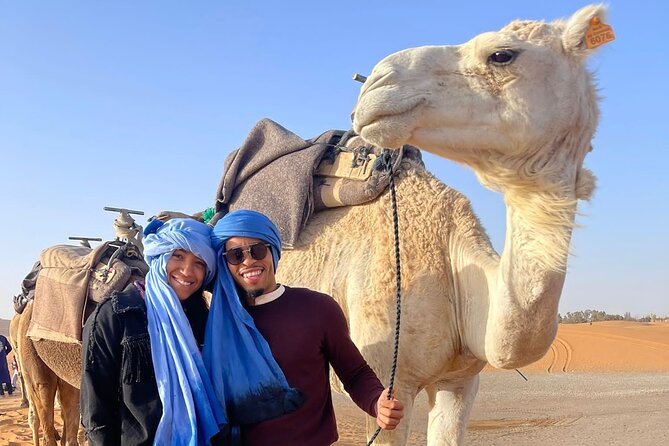
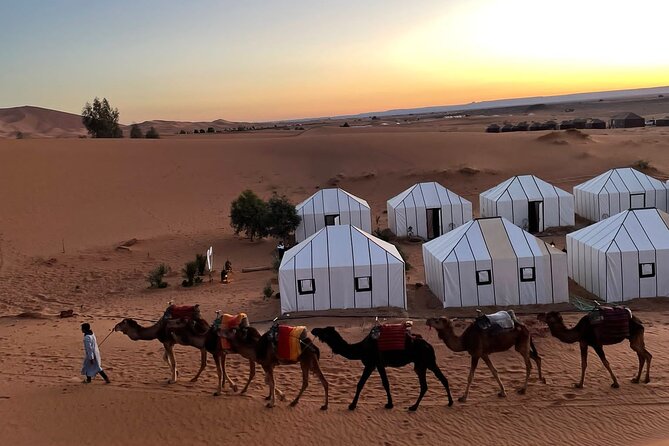
This is the heart of the trip: your sunset camel ride followed by time at camp for dinner.
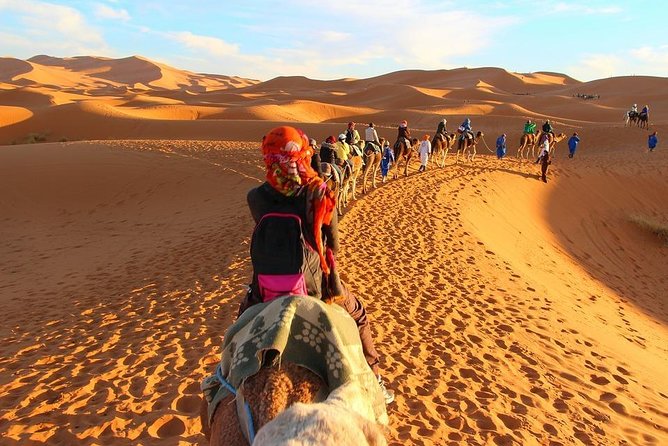
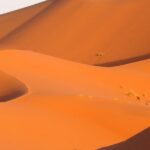
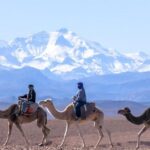
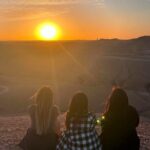
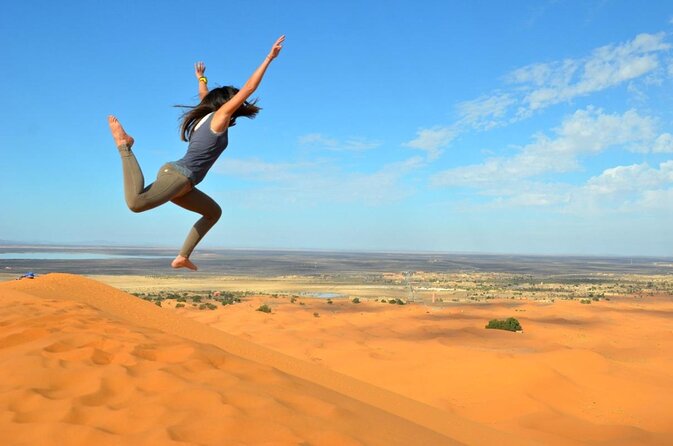
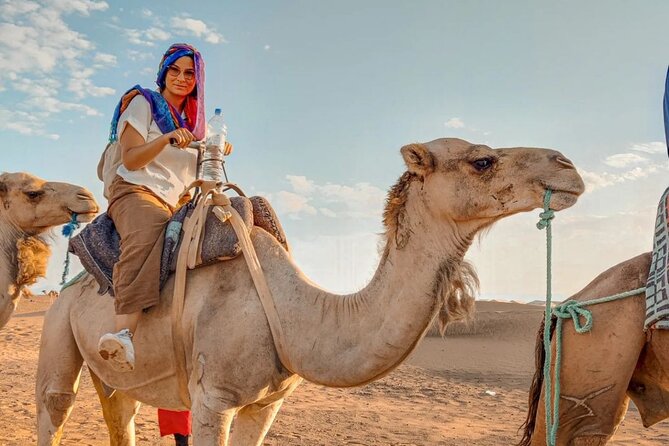
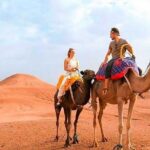
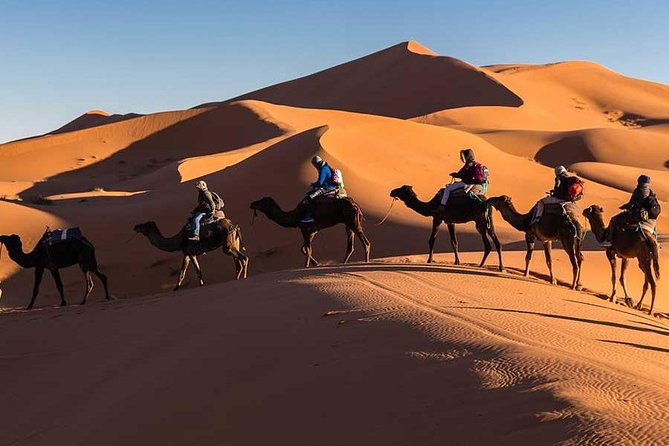
When you arrive, you get set up and meet the camel team. Then you ride through sand dunes with the sky shifting into late light. That timing matters. Sunset makes Erg Chebbi’s dunes look sculpted rather than flat. It also makes the ride cooler and more comfortable than mid-day conditions.
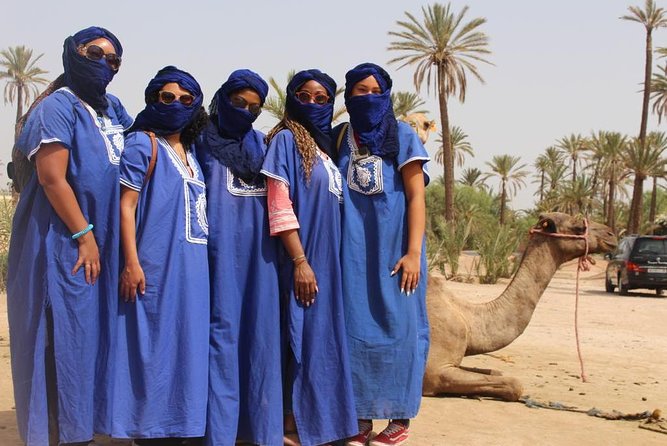
After the ride, dinner comes next, served under stars next to a campfire. You’ll also have local nomad hosts entertaining with drums. That’s one of the most praised parts of the overall experience—because it’s not just food and a bed. It’s a scene. It helps the desert feel social and alive rather than silent and awkward.
One thing to keep expectations realistic: this is camping under desert conditions. The setup is meant to be comfortable enough for the night, and you do get what you need for the experience, but it’s still not a city hotel. If you’re sensitive to sleeping on firm surfaces or to cooler night air, bring a layer even if you think the day was warm.
Also, meals beyond dinner and breakfast are not included. Drinks are listed as not included, and lunches during travel days are also not included—so plan to budget for water and basic snacks as you go.
Sunrise on Erg Chebbi: Why the Second Camel Trek is Worth It
Most people remember the sunset ride. I think the sunrise trek is what makes the trip feel complete.
Day three starts with an early sunrise camel trek across Erg Chebbi dunes. Sunrise is different light, different mood. The dunes look less dramatic in color than at sunset, but they feel more open—like you’re seeing the desert before it wakes fully.
After the trek, you head to the camp operator’s lodge for breakfast. That simple combo—movement first, then food—works well because it turns a cold, early start into something rewarding fast.
Then you reconnect with the driving portion of the trip. You meet your driver and vehicle, and head back through the region toward Ouarzazate. You’re also given leisure time for lunch on the return day.
At some point on the way back into Marrakech, there’s a planned stop connected to San Francisco Magic Theater. The key thing for you is timing: you’re not going to feel like you’re running a separate attraction day. It’s a scheduled stop inside an already packed travel route.
By about 19:00, the tour ends back at the original meeting point in Marrakech, which is the practical finish you want after three days of moving.
Price Value: What $163.75 Per Person Really Buys You
At $163.75 per person for a ~3-day Merzouga experience, the value comes from what’s included and what it replaces for you.
You’re not paying extra for the big “format pieces”:
- pickup from your Marrakech riad/hotel
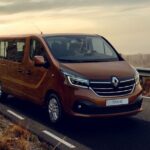
- an A/C minibus with a bilingual driver
- two dinners and two breakfasts
- the camel rides at sunset and sunrise
- the core route stops that connect Marrakech to High Atlas sites and then down into the Sahara region
What’s not included is also clear, and you should plan around it:
- lunches along the way
- drinks
- optional help at Ait Ben Haddou if you want it
For many budgets, the biggest hidden cost in desert trips is usually meals plus private transport. This tour bundles the meals you’ll most need (dinner after your dune ride and breakfast after sunrise trekking), and it does it while keeping transport shared and structured. That’s how you get to a price that doesn’t feel like a luxury-only ticket.
If you’re trying to keep costs down, the best move is simple: budget for lunches and bring a few snacks so you’re not paying premium prices whenever the group stops.
Comfort, Group Size, and How to Prepare Like a Pro
This tour is built around a shared-group rhythm. The upside is cost control. The downside is that you’re going to adjust to a schedule set by the day’s route.
The maximum of 60 travelers keeps things from feeling infinite, and the minibus helps a lot for comfort on curvy road sections. You’ll also feel the difference from the included A/C after hours on the Atlas roads.
Physical readiness matters a bit. The tour asks for moderate physical fitness, which makes sense: you do a walk in Todgha Gorges and you spend time on camel treks. You don’t need to be an athlete, but you should be comfortable doing short walking segments and handling an early morning start.
What I recommend you pack:
- a light warm layer for desert evenings (and especially early mornings)
- sunscreen and a hat for dune time
- water and a few snacks for the non-included meals
- comfortable shoes for gorges walks
- a small daypack so you’re not digging through luggage at each stop
If you’re traveling as a couple or with a small group, it still works. You’ll just share the experience with others—and because the driver is responsible for hitting the planned stops safely, you get a guided structure without paying for a private vehicle.
Who Should Book This Merzouga Tour (and Who Might Not)
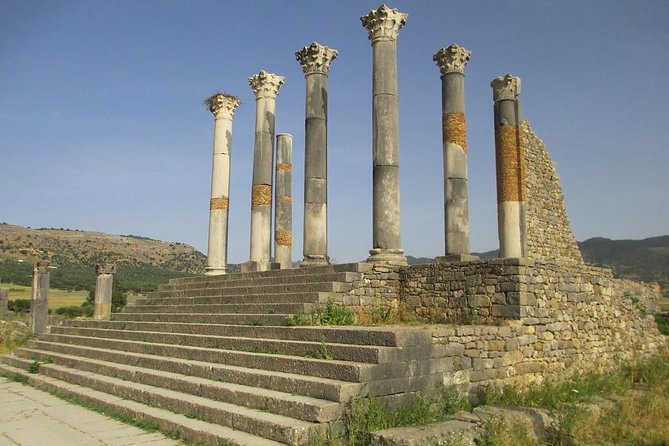
This is a strong fit if you want Morocco variety in a short window. You’ll see High Atlas passes, UNESCO Ait Ben Haddou, Dades Gorges, Todgha Gorges, a real market stop in Rissani, and then the Erg Chebbi dunes night and sunrise.
You’ll also like it if you care about value but still want comfort. The included A/C transport plus dinners and breakfasts takes away the biggest day-to-day planning stress.
It may be less ideal if you hate long drives. This is not a “slow travel” format. You’ll spend many hours in transit, even though the stops break that up.
And if your main goal is deep time in one place, you might feel rushed. Here, the strength is the sequence: each stop acts like a chapter that leads you into the next.
Should You Book DesertTrail Adventures 3 Days to Merzouga from Marrakech?
Yes, if you want a well-structured, budget-friendly route that gets you to Merzouga without sacrificing core comfort. I’d book it for the combination of Ait Ben Haddou, Todgha, and the two dune experiences—sunset and sunrise—plus dinners and breakfasts that remove extra expense.
I would double-check your tolerance for driving time. If you’re the kind of person who gets restless in cars, consider whether you’d rather do a different route with fewer stops, or accept that this one trades slower pacing for a bigger geographic hit.
FAQ
What is the start time for the 3-day Merzouga trip from Marrakech?
The tour starts at 7:30am.
Where does the tour pick up in Marrakech?
Pickup is offered from your Marrakech riad/hotel on the tour day, and the listed meeting point is Hôtel Restaurant Café de France near Jamaa el-Fna.
How long is the trip?
It runs for about 3 days.
What camel experiences are included?
You get a sunset camel ride in the desert on day two, and an early sunrise camel trek in the Erg Chebbi dunes on day three.
Do I spend the night in the desert?
Yes. On day two, you arrive in Merzouga and spend the night at the camp area (listed as a bivouac lodge), then return for breakfast after the sunrise trek on day three.
What meals are included?
Two dinners and two breakfasts are included. Lunches on the way are not included.
Are drinks included?
No. Drinks are listed as not included.
What language is the driver?
The minibus is driven by an English/French speaking driver.
How large is the group?
The tour has a maximum of 60 travelers.
Is the tour dependent on weather, and can it be canceled?
Yes, the experience requires good weather. If it is canceled due to poor weather, you’ll be offered a different date or a full refund. Free cancellation is allowed up to 24 hours before the start time for a full refund.