REVIEW · MARRAKECH
Discover Ourika valley differently in a day trip From Marrakech
Book on Viator →Operated by Arwa-Travel · Bookable on Viator
Heat, then cooler air in the Atlas. This day trip trades Marrakech traffic for mountain villages, a weekly-market stop (on Saturdays), and a Berber lunch in the Imlil area. I really like that you get hotel pickup and drop-off plus air-conditioned driving, so the day starts easy and stays comfortable. I also like the way the itinerary gives you a real choice in the mountains: walk through Berber villages or ride a mule. One thing to plan for: you’ll likely need the optional local mountain guide for the hike (cost listed as 200 dh per group), so budget a bit if you want that extra help.
You’ll leave at 9:00 am and spend roughly 7 to 8 hours in total. Along the way, you pass through changing countryside and stop at a women-run Argan cooperative, then continue toward the Ourika Valley (about 60 km from Marrakech) before reaching the Imlil region. If you’re sensitive to time in transit, just know this is a “day trip that feels like a mini-adventure,” not a quick look-see.
This works best if you want the mountains with guidance, without the stress of renting a car or mapping everything. It’s also a good fit for small groups, since the tour is designed for that size and you travel as one group rather than getting mixed into a big crowd.
In This Review
- Key highlights that make this day trip worth it
- A real break from Marrakech: cooler air and a slower rhythm
- Getting to the Atlas: Argan cooperative + mountain driving that makes sense
- Ourika Valley: where the colors and trees do the talking
- Imlil villages: walk the Berber route or ride a mule
- That Berber lunch in a house: what you’re really signing up for
- Market timing on Saturdays: the Asni weekly stop
- Guides Abdul and Hassan: what the small-group feel delivers
- Price and value: why $82.41 can work if you want the whole day
- Practical tips so the day feels easy (not strenuous)
- Should you book this Atlas Mountains and Imlil day trip?
- FAQ
- How long is the trip from Marrakech?
- What time does pickup start?
- Do I get hotel pickup and drop-off?
- Is the Ourika Valley stop included, and how far is it from Marrakech?
- Can I choose between walking and riding a mule?
- Is lunch included, and is there a vegetarian option?
- What’s included in the price?
- What is not included for the hike?
- What if only one person books?
Key highlights that make this day trip worth it
- Women-run Argan cooperative stop where you can buy pure argan oil directly
- Ourika Valley scenery with colored rock tones and rows of walnut and poplar
- Imlil Valley options: walk through Berber villages or ride a mule
- Berber house lunch included, with a vegetarian option if you ask
- English-speaking driver/guide and small-group style pacing
A real break from Marrakech: cooler air and a slower rhythm
Marrakech is loud, hot, and busy in a way that can wear you down faster than you expect. This trip gives you a clean reset. Once you start heading into the High Atlas area, the air often feels different right away, and the day starts to shift from city mode to countryside mode.
What I like most is how the day is built around movement without chaos. You’re not constantly sprinting between stops. Instead, you’re given a handful of meaningful moments: a cooperative visit, valley driving, then time in the villages and fields around Imlil. Even better, you can control your activity level during the mountain part because you can either walk or ride a mule.
The only real caution is the pace of the drive. You’re spending a lot of the day outside Marrakech, and that means time on the road is unavoidable. If you hate car time, you’ll still be okay—but consider bringing something to stay comfortable. A full day here is about trade-offs: you’re giving up a lazy afternoon in Marrakech so you can earn views and village time.
A few more Marrakech tours and experiences worth a look
Getting to the Atlas: Argan cooperative + mountain driving that makes sense
The day kicks off with pickup around central Marrakech riads and hotels (and if you’re staying inside the Medina, pickup is at the closest vehicle-accessible point). Then you head out in an air-conditioned minivan or 4WD with an English-speaking professional driver/guide.
One of the best early stops is the Argan cooperative stop in the mountains route. You can visit and purchase pure argan oil directly. That matters because argan oil is one of those products people buy in Marrakech, often with big price gaps and lots of marketing. Getting it from a cooperative where the oil is made (and where you can interact with the process) is simply a more grounded purchase.
Also, it’s a great “set the tone” break. You’re still fresh, you can stretch, and you get that first hit of mountain air before the valley scenery. This is also a good time to ask questions. In the small-group setup, you’re more likely to get direct, practical answers about what you’re seeing and what to expect later.
Ourika Valley: where the colors and trees do the talking
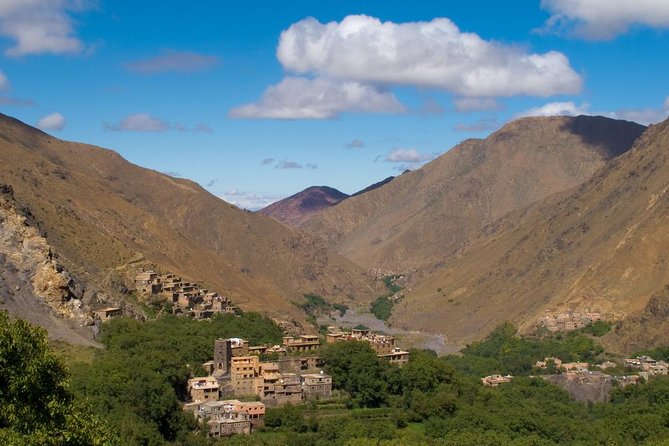
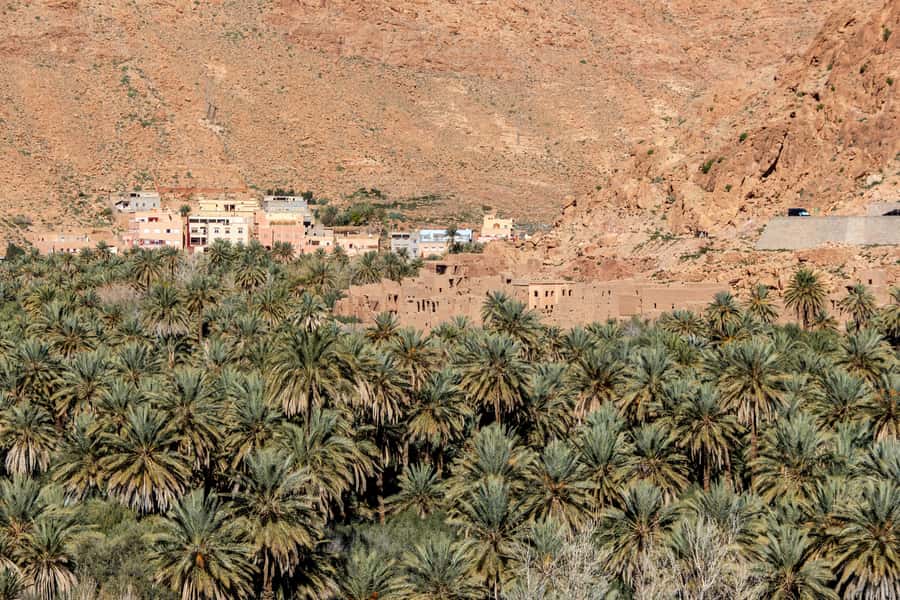
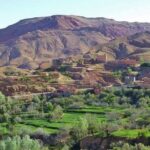
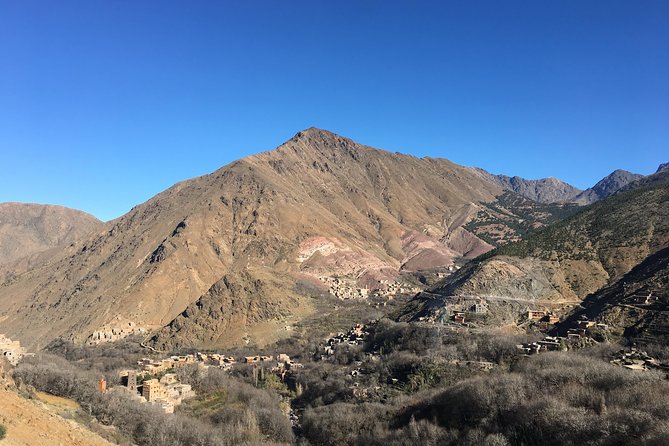
After the mountain drive, you head into the Ourika Valley area, about 60 km from Marrakech. This stretch is short enough to keep the day moving, but it’s long enough to matter. The Ourika Valley is known for its mix of agriculture and river-side greenery, and you’ll pass through scenes of walnut trees, willow, and poplar alongside the mountains and rock tones that can range from red to green.
You don’t need to be a geology expert to enjoy it. The simple approach works: keep your eyes on the way the vegetation changes as you get closer to the valley floor, and how the cliffs and rocks shift color as light changes. It’s one of those drives where the scenery slowly “levels up,” which is nice after the city.
There’s also a quick stop point listed for Tnine Ourika. Since the schedule only gives a brief window there, don’t plan on it being a long break. Instead, treat it like a photo/legs move during the valley transit.
If you tend to get restless on drives, you’ll still get enough structure here: you have an early cooperative stop, then you have the valley drive as the “scenery part,” and later you shift into the village walking or mule ride.
Imlil villages: walk the Berber route or ride a mule
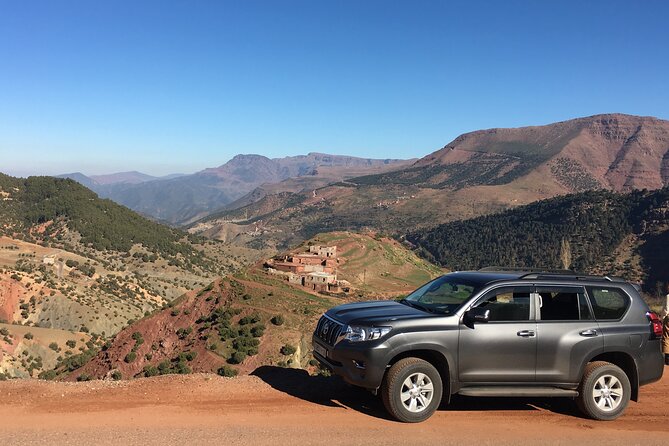
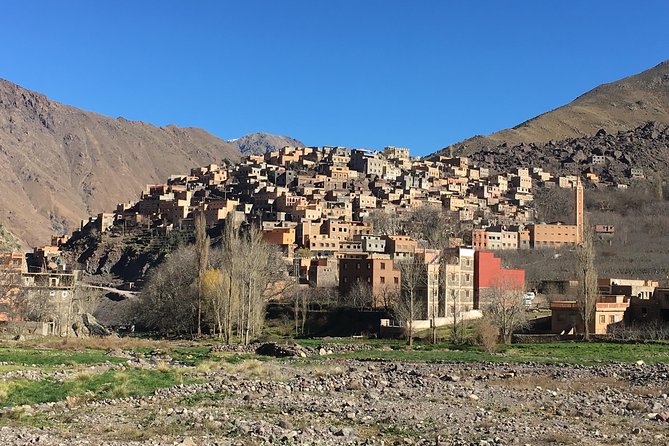
The heart of the day is the Imlil region in the Atlas Mountains. Once you reach Imlil, you’ll either ride a mule or walk through Berber villages. The villages sit among fields of walnut, cherry, and apple trees, so even before you reach viewpoints, you’re surrounded by agricultural life.
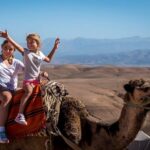
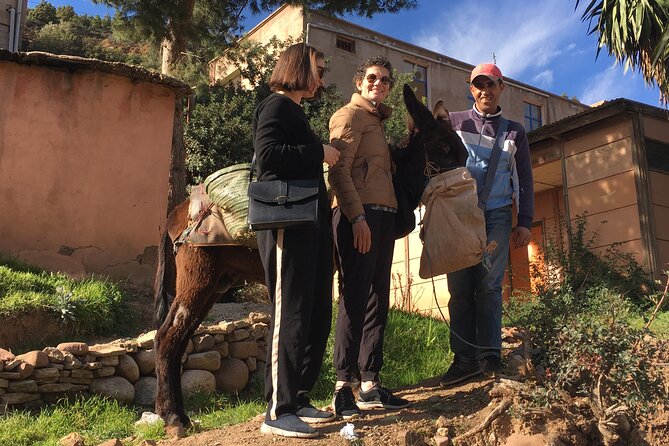
Walking is the most immersive option. It’s slower, more hands-on, and it gives you time to notice how people live at the village edge—where fields meet stone paths and household walls. Riding a mule is the alternative if you want to see the same general area with less physical effort. You’ll still get mountain views, but you can save energy for the lunch and the return drive.
A smart tip: if you choose to walk, wear shoes that can handle rocky paths. One of the guides on this kind of tour is known for helping with practical issues like gear needs, including lending proper shoes for a rocky hike, but I wouldn’t rely on luck. Bring good footwear and you’ll feel more confident right from the start.
Also, this is a Berber cultural setting, so expect a day that mixes scenery with village life. It’s not a theme park. You’ll get a better experience if you keep your expectations flexible and respectful.
That Berber lunch in a house: what you’re really signing up for
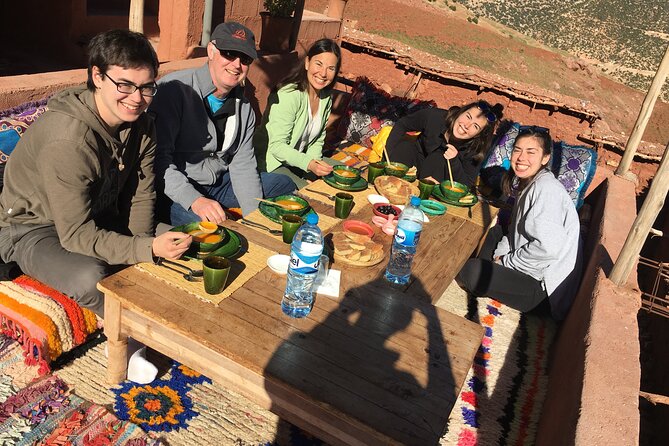
The tour includes traditional lunch in a Berber house. This is the kind of meal that’s included on purpose: it turns your day from “drive-by sightseeing” into something warmer and more grounded.
Food details (like exact dishes) aren’t specified in the information I have, but the key point is that it’s home-style and tied to the community you’re visiting. That’s a big part of the value here. You’re not just eating to refuel; you’re eating as part of the day’s rhythm.
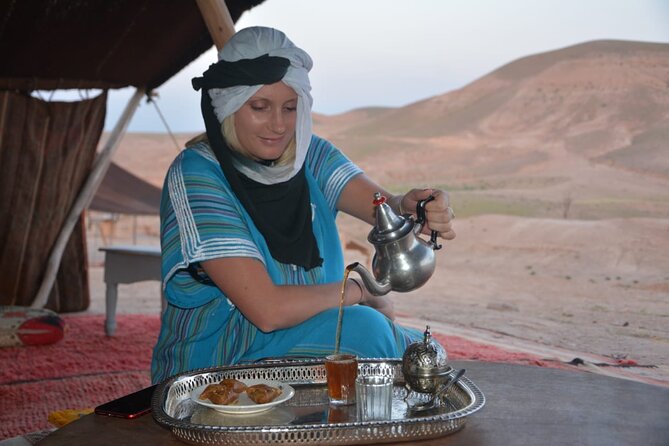
There are two practical perks too. First, the tour includes coffee and/or tea and bottled water, so you don’t have to stop for beverages during the day. Second, there’s a vegetarian option available if you request it when booking. If you’re vegetarian or eating with restrictions, tell them ahead of time so lunch works smoothly.
One caution: food and drinks beyond what’s included aren’t listed as included, so if you’re someone who wants extra soft drinks or snacks beyond lunch, you’ll probably want cash on hand.
Market timing on Saturdays: the Asni weekly stop
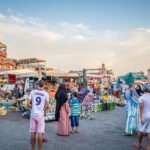
On certain days—specifically when it’s Saturday—you may stop at Asni for the weekly market. Markets like this are where the local day-to-day energy shows up fast: people buying produce, trading, and moving through the valley economy at full speed.
If you’re visiting on a Saturday, this can be a highlight because it adds a layer beyond the mountains. The valleys are stunning, but the market gives you a taste of the human side of that landscape—food, fabric, and daily needs all in one place.
If you’re not there on Saturday, don’t worry. The rest of the day still works, especially if you care most about Imlil villages and the Berber lunch.
Guides Abdul and Hassan: what the small-group feel delivers
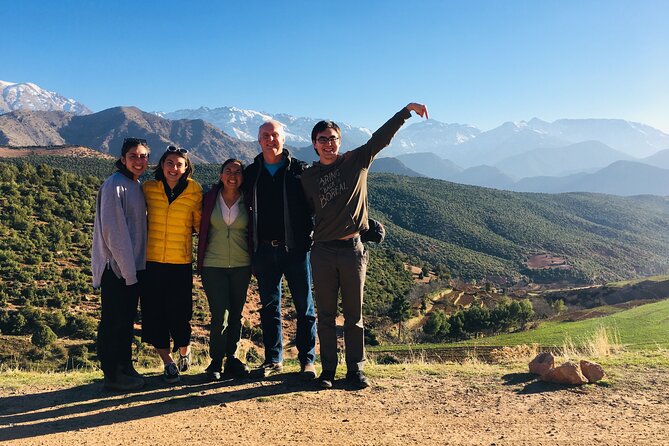
One big reason this tour gets strong feedback is how the guides handle the day. Guides named Abdul and Hassan show up in positive experiences tied to attentive care, practical help, and local knowledge. That’s not just “nice personality.” It affects what you see and how smoothly the day runs.
In a small-group setup, you get more time for questions and fewer moments where you feel like you’re being rushed with a crowd. I like tours where the guide can adjust the day—like helping with hiking footwear when needed—because it means the tour adapts to real conditions, not just a script.
If you enjoy learning while you travel, this kind of guide-led day is a win. You can ask about Berber (Amazigh) life in the mountains, why argan is important, and what you’re looking at as you drive through the valley. You’ll also feel more comfortable choosing between walking and mule riding when the decision is explained in plain terms.
Price and value: why $82.41 can work if you want the whole day
At $82.41 per person for about 7 to 8 hours, the cost can feel reasonable when you look at what’s bundled:
- air-conditioned transport (minivan or 4WD)
- hotel pickup and drop-off
- English-speaking driver/guide
- bottled water plus coffee/tea
- lunch in a Berber house
- time in the valley and Imlil region
Where the value really shows is that the day is structured. You’re not paying separately for transport, a guide, and a meal. For many people, that saves more money than they realize, especially if you’d otherwise try to arrange the trip on your own and end up paying for a car, driver, and local guide separately.
One cost to plan for: a local mountain guide is listed as not included at 200 dh per group. That’s not necessarily a deal-breaker. Think of it like this: if you want extra safety, pacing help, or someone to interpret the hiking route, you’ll likely want to budget for that.
Also consider your group size. The tour mentions group discounts and is built for small groups, and it’s private in the sense that only your group participates. That usually means less hassle, more attention, and a better day overall.
Practical tips so the day feels easy (not strenuous)
This is a day trip in the mountains, so pack like you’re going from city heat to cooler elevations. The exact weather isn’t listed, so rely on layers.
A few practical moves that will help:
- Wear sturdy shoes if you plan to walk; rocky paths are part of the experience.
- Bring a light layer even if it’s warm in Marrakech. Mountain air can shift fast.
- If you have dietary needs, request the vegetarian option at booking.
- Expect a lot of outdoors time, even though you’ll have breaks and driving segments.
- Bring small cash for personal purchases, since items beyond included beverages and lunch aren’t covered.
If you’re the type who gets annoyed when schedules run long, this tour is still structured enough to feel steady. The day is built around stops, not constant running. Just remember you’re doing a long outing, so hydrate and pace yourself.
Should you book this Atlas Mountains and Imlil day trip?
Book it if you want a mountain day that’s guided, structured, and not exhausting to organize. I’d especially recommend it if you:
- want pickup/drop-off so you don’t wrestle with taxis or logistics
- like the idea of Berber villages plus a real lunch in a house
- prefer small-group pacing with a guide who can help when hiking gets rocky (and you may even be offered practical gear support)
Skip it (or choose a different option) if you:
- hate day-long outings with lots of driving
- strongly prefer to travel without any hiking or village time
- don’t want to budget for the optional local mountain guide for the hike
If you’re on the fence, ask yourself what you want most: a quick look at the Atlas or a full, village-and-valley day. This tour leans clearly toward the second option—and that’s where the value shows.
FAQ
How long is the trip from Marrakech?
It runs about 7 to 8 hours.
What time does pickup start?
The tour starts at 9:00 am.
Do I get hotel pickup and drop-off?
Yes. Pickup and drop-off are included, and if you’re staying in the Medina, pickup is at the closest vehicle-accessible point (you may walk a short distance).
Is the Ourika Valley stop included, and how far is it from Marrakech?
Yes. Ourika Valley is about 60 km from Marrakech, and it’s included as a stop with the Ourika Valley visit.
Can I choose between walking and riding a mule?
Yes. In the Imlil area, you can either ride a mule or walk through Berber villages.
Is lunch included, and is there a vegetarian option?
Lunch is included as a traditional meal in a Berber house. A vegetarian option is available if you request it when booking.
What’s included in the price?
Included items are transport (air-conditioned minivan or 4WD with an English-speaking driver/guide), hotel pickup/drop-off, bottled water, and coffee and/or tea.
What is not included for the hike?
A local mountain guide is not included and is listed at 200 dh per group.
What if only one person books?
The tour requires a minimum of two people to operate. If only one person is booked, it may be canceled, with an alternative offered or a full refund.