Fez feels like a time machine. This small-group walking tour turns that magic into a route you can follow, with an art historian guiding you through Fez el-Bali and back to your door.
I especially like how you get context as you walk, not just photos and wandering—why places look the way they do, and how the city’s craft traditions shaped what Morocco became famous for.
I also love the six-traveler cap. The group size makes questions easy, and it keeps the pace humane as you move through tight lanes, busy markets, and quiet corners.
The main thing to plan for is that entrance fees aren’t included, so you’ll want a little extra cash or card readiness. You’ll also do a fair amount of walking on uneven medina streets.
In This Review
- Key moments you’ll remember
- Why a small-group, art-historian walk works in Fez
- Entering Fes el-Bali: orientation without the stress
- Nejjarine Fountain: learning how public space becomes art
- Dar Batha Museum: craft you can study at a comfortable pace
- Chouara Tannery: leather work, up close
- Bab Bou Jeloud gate: the iconic photo, plus what to notice
- Kairaouine Mosque: learning that reaches back centuries
- Moroccan tea breaks and snack tasting on the route
- Price and logistics: is $16.21 a good deal?
- What this tour is best for (and what it isn’t)
- Should you book this Fez medina tour?
- FAQ
- How long is the Fez medina walking tour?
- What is the group size for this tour?
- Is pickup and drop-off included?
- Is admission to museums or sites included in the price?
- What’s included with the tour?
- Does the tour include food?
- Do I need a printed ticket?
- Is the tour suitable for children?
- Is the tour hard to access if you rely on public transport?
- What’s the cancellation policy?
Key moments you’ll remember
- Six people, one art historian, so the explanations stay sharp and personal
- Pickup and drop-off with a guide, so you won’t get stuck wandering in circles
- UNESCO craft and design stops, from fountains to museum rooms to leather work
- Bab Bou Jeloud with the medina’s most iconic entrance views
- Kairaouine Mosque area, tied to the world’s oldest continuously operating university
- Tea or coffee plus Moroccan snack tastings, like harcha and Moroccan donuts
Why a small-group, art-historian walk works in Fez
Fez can overwhelm you fast. The medina (Fes el-Bali) is enormous, lanes twist, and it’s easy to burn your energy just trying to orient yourself. This tour solves the big problem: you get a plan, plus a guide who explains what you’re looking at while you’re looking at it.
I like that it’s led by a professional art historian. That matters here, because Fez isn’t just about seeing sights—it’s about understanding the design choices behind them: how craft traditions show up in architecture, fountains, textiles, and the way people make and sell goods.
You’ll also appreciate the group size. With a cap at six travelers, your guide can slow down when someone has a question, and you won’t feel rushed through the places that actually take a minute to absorb.
You can also read our reviews of more tours and experiences in Fez.


Entering Fes el-Bali: orientation without the stress
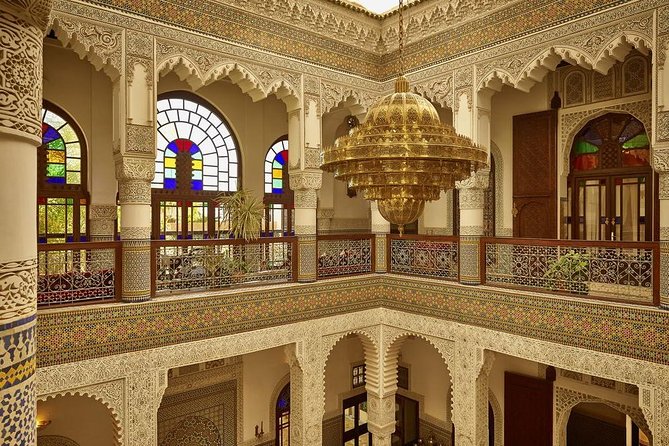
The tour starts in Fes el-Bali, and the smartest part is that you’re not treated like a tourist standing still. You’re walked into the medina so you can learn the logic of the place—where you’re headed, what to notice as you go, and how the route connects major stops.
If you’ve never visited before, you’ll likely notice two things quickly: the medina is visually layered, and the street life changes by block. One alley might feel like a craft corridor, while the next shifts into a more open, social space. Your guide helps you read those transitions.
A practical win: you’re not left on your own to find your way back. The guide picks you up from near your hotel and returns you afterward. That means you can focus on the experience instead of managing navigation in a maze.
Nejjarine Fountain: learning how public space becomes art
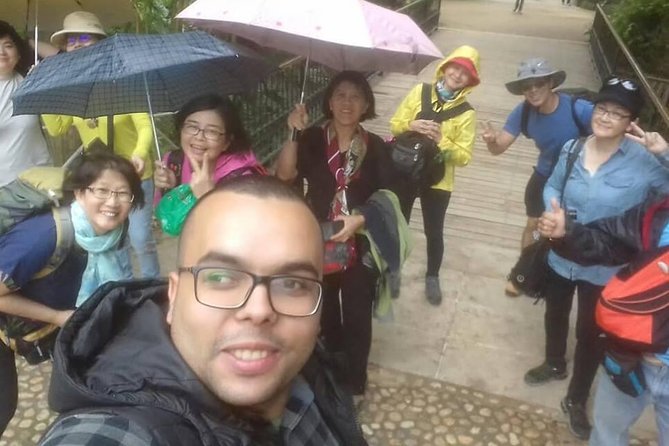
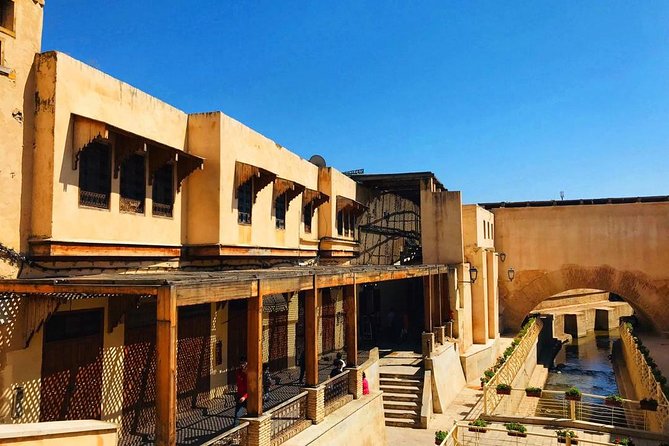
One of your first “pause and look” moments is the Nejjarine Fountain area. This is one of those places where a quick glance is easy to dismiss, but a guided stop changes everything. You start noticing how decoration, water design, and everyday use come together.
Fountains in Fez aren’t just functional. They’re part of the city’s visual language. The stonework and setting tell you something about the community that built and maintained it—how public spaces were meant to feel cared for, not purely practical.
The upside of this stop on a short 4-hour tour is that it sets the tone: you’re already learning to see craftsmanship as a system, not as random details scattered around the medina.
Dar Batha Museum: craft you can study at a comfortable pace
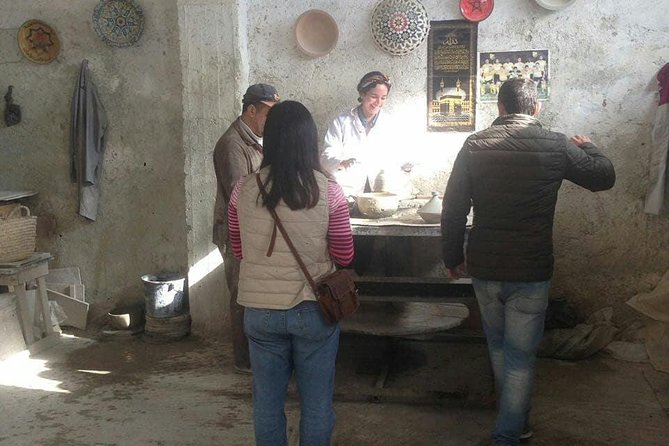
Dar Batha Museum is a smart middle stop because it offers a different rhythm. You get out of street-level motion for a bit, so you can study materials and forms without dodging foot traffic.
This is where the “art historian” part becomes very real. Your guide connects what you see to the broader story of Fez’s artistic traditions and the UNESCO world heritage status tied to the city’s preserved craft culture. You’re not just walking past buildings—you’re learning why these objects and design approaches mattered.
A small drawback: since entrance fees are at your own expense, you’ll want to budget for museum admission (and any related tickets). It’s still usually worth it, but plan so it doesn’t interrupt your day.
Chouara Tannery: leather work, up close
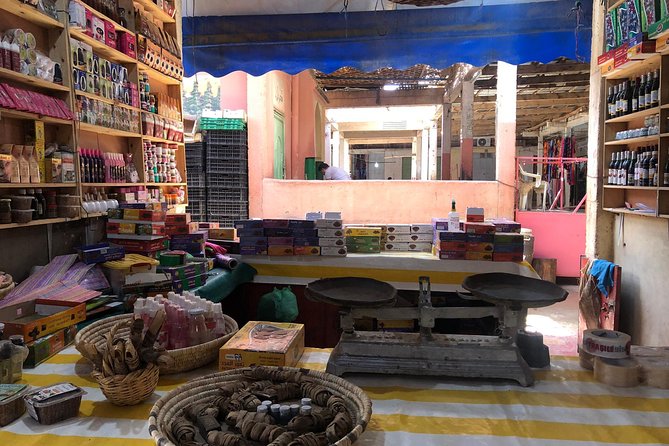
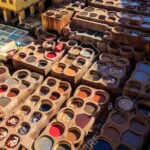
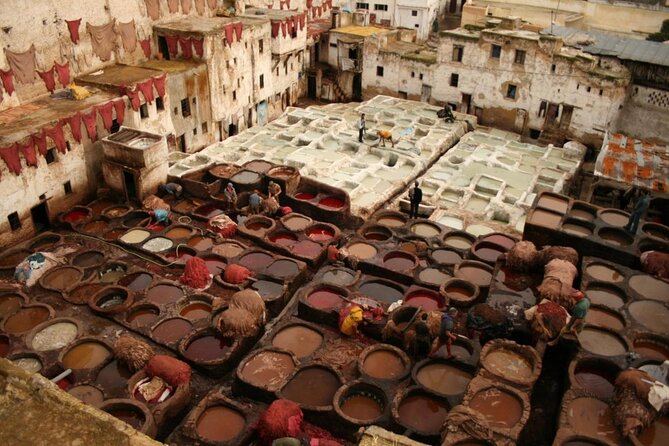
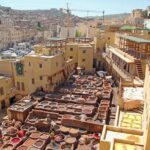
Chouara Tannery is one of the places people talk about, and for good reason. It’s a working craft environment, and it forces you to shift from “looking around” to “understanding a process.”
You’ll likely see the scale of activity quickly. What’s valuable here is the explanation of how leather production fits into Fez’s economy and identity. The guide helps you connect what you’re witnessing to why this kind of craft became so central to the city’s reputation.
That said, it can be intense. Even if you’re curious, expect a sensory experience. If you’re sensitive to strong smells or close quarters, go in knowing you may need a moment to step back and reset. The upside is that the tannery stop gives you a grounded, real-world view of Fez’s craftsmanship.



Bab Bou Jeloud gate: the iconic photo, plus what to notice
Bab Bou Jeloud is the grand gate that frames Fez for many first-time visitors. It’s colorful, recognizable, and visually satisfying—but it becomes more than a picture when your guide gives you context.
At this stage in the walk, you’ll probably feel like the city “clicks” a little. You’ve already been learning how design shows up across different craft and architecture moments. Then you arrive at the gate and see how that same design logic becomes a statement at the city’s edge.
This is also a useful checkpoint: you’ll be better oriented for what comes next, and you’ll know why this spot matters beyond the view.
Kairaouine Mosque: learning that reaches back centuries
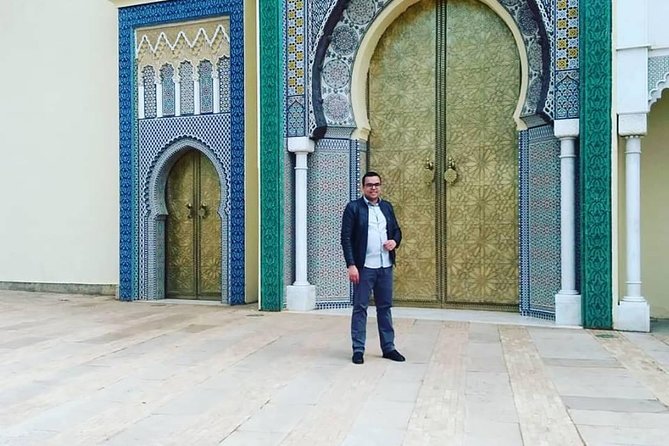
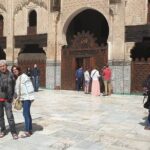
The tour includes Kairaouine Mosque area, tied to the world’s oldest continuously operating university. That’s not trivia you skim past—it’s a reminder that Fez is a living place of learning, not only a museum city.
This stop is about understanding continuity. Your guide frames the mosque/university connection in a way that makes the site feel like part of an ongoing story, not a closed chapter.
One practical note: mosque areas can come with rules about access and behavior. The tour does not include entrance fees, so you might have to handle any required entry costs yourself. Even if you can’t see everything you hoped for, the guided context still helps you understand what you’re standing near and why it matters.
Moroccan tea breaks and snack tasting on the route
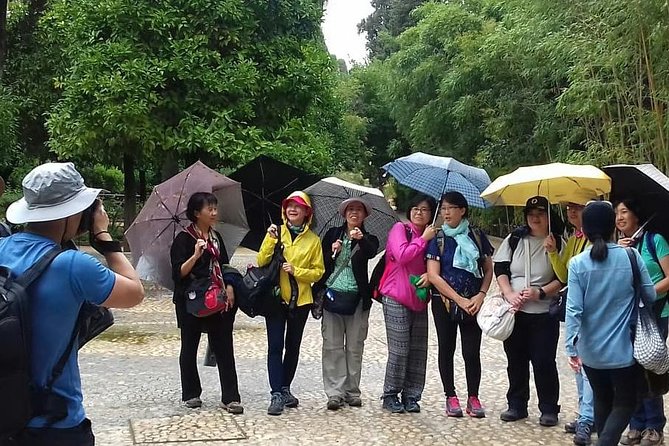
You’ll get coffee and/or tea during the tour, and there’s also Moroccan food tasting built in—things like Moroccan donuts, harcha, cactus, and other items.
I like this because it changes the pace. Fez is a long sensory day, and short food moments help you reset your attention. They also give you something to remember that isn’t only architectural.
If you have dietary restrictions, it’s a good idea to mention them at booking. The tour data doesn’t list ingredient details, so you’ll want to confirm what’s offered when you reserve.
Price and logistics: is $16.21 a good deal?
At $16.21 per person for about 4 hours, this is priced like a value-forward local experience. The key question isn’t the low number—it’s what you get packed into that time.
You’re paying for:
- A guided route through major medina landmarks
- A professional art historian (the most expensive part to produce well)
- Coffee and/or tea
- Hotel pickup and drop-off so you don’t waste half your day lost
- A small group that makes the explanations worth listening to
The one cost you should expect outside the price is admissions and any associated fees. Since entrance fees aren’t included, the final day cost can rise depending on which places you go into. Still, if you budget for admission and you care about learning what you’re seeing, the guide-led structure makes the price feel fair.
Also, it’s typically booked around 51 days in advance on average. If you’re traveling in peak seasons or around major holidays, booking ahead is a smart way to lock in the date.
What this tour is best for (and what it isn’t)
This works best if you:
- Want to understand Fez instead of just taking pictures
- Like structured walking tours where someone handles the route
- Enjoy art, architecture, and craft traditions
- Prefer small groups (six is the magic number here)
- Get annoyed when tours drop you in the middle of a maze and leave you guessing
It might be less ideal if you:
- Don’t want to pay any entrance costs at all
- Need lots of downtime or minimal walking
- Expect a fully hands-off experience with no stairs or uneven pavement (the medina is old and real)
Should you book this Fez medina tour?
Yes, if your goal is to leave with real context and not just a list of landmarks. The combination of art historian explanations, a tight group size, and pickup/drop-off support makes it feel like a guided introduction that actually stays useful after the tour ends.
I’d especially recommend it if you’re the type who wants to ask questions. The small group setup keeps the conversation going, and the stops connect into a clearer story: how public spaces, museums, workshops, and learning institutions fit together in Fez.
Book with this mindset: bring a little extra for admissions, wear comfortable shoes, and plan to slow down when the guide points something out. If you do that, you’ll get a Fez day that feels ordered, meaningful, and worth the money.
FAQ
How long is the Fez medina walking tour?
The tour lasts about 4 hours.
What is the group size for this tour?
The group is capped at just six travelers.
Is pickup and drop-off included?
Yes. Hotel pickup and drop-off are included, and the guide walks you to and from your hotel.
Is admission to museums or sites included in the price?
No. Admission fees and other entry costs are at your own expense, and fees and taxes are not included.
What’s included with the tour?
You get a local guide and a professional art historian guide, plus coffee and/or tea.
Does the tour include food?
The tour includes Moroccan food tastings such as Moroccan donuts, harcha, cactus, and other items.
Do I need a printed ticket?
No. You can use a mobile ticket.
Is the tour suitable for children?
Children must be accompanied by an adult.
Is the tour hard to access if you rely on public transport?
The tour is near public transportation.
What’s the cancellation policy?
You can cancel for a full refund up to 24 hours before the experience starts. If you cancel less than 24 hours before, the amount paid is not refunded.