REVIEW · MARRAKECH
Day Trip to the High Atlas & camel ride
Book on Viator →Operated by Adventure Tours Morocco · Bookable on Viator
Camel trails start right outside Marrakech. This High Atlas day trip is built around everyday Berber culture: you’ll visit an argan oil women’s cooperative plus a Tahnaout/Asni weekly market setup, then spend the afternoon hiking through Imlil Valley villages toward waterfall views and big mountain scenery.
What I like most is the mix of human-scale moments and actual mountain time. The morning cooperative stop gives you a real look at how women in the region turn argan nuts into livelihoods, and the mid-day break in a Berber family setting puts you close to views of North Africa’s highest peak, Jebel Toubkal. One heads-up: the route involves walking on village paths and uphill sections, and the tour needs good weather, so plan for a bit of effort and a weather-dependent day.
In This Review
- Key Highlights You’ll Actually Remember
- A Smooth 9:00 Start From Derb Dabachi
- Women’s Argan Cooperative and Weekly Markets: Daily Berber Life in Plain Sight
- Camel Ride in Moulay Brahim Foothills: Fun, but Keep Your Balance
- Imlil Valley Walking: Villages, Fruit Fields, Waterfalls, and That Climb to Armed
- Lunch With a Berber Family: Panoramic Views You Can Actually Taste
- How Guides Make (or Break) the Day: Lahcen and Abdoul-Style Hosting
- Price and Logistics: Why $24.66 Can Still Feel Like a Bargain
- What to Pack and How to Think About Walking
- Should You Book This High Atlas Day Trip?
- FAQ
- What is the duration of the tour?
- Where does the tour start and end?
- Is pickup offered?
- What ticket do I need?
- What day-of-week markets can I see?
- How big is the group?
- What happens if the weather is poor?
Key Highlights You’ll Actually Remember
- Women’s argan oil cooperative visit that connects the nuts-to-bottles story to real people
- Tahnaout weekly market (Tuesday) and Asni weekly market (Saturday) timing can make your day feel extra local
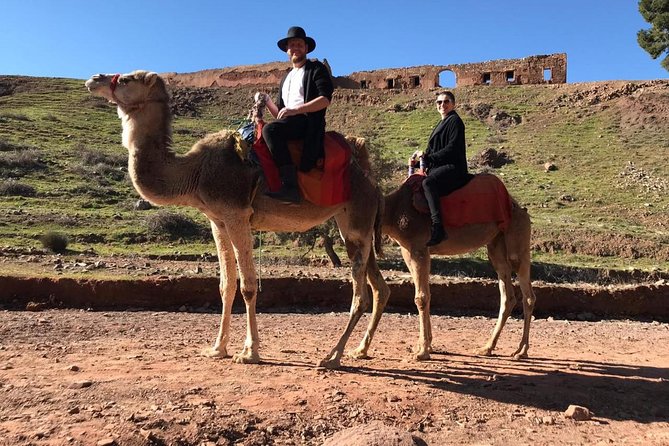
- Camel ride in the foothills of Moulay Brahim valley for a classic Atlas moment
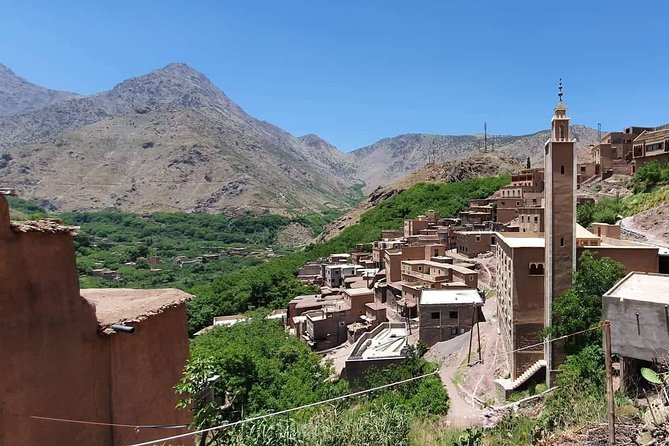
- Berber village walk through places like Achayn, Armed, Tagadirte, and Ait Souka with fruit-tree fields along the way
- Waterfalls plus a climb toward Armed (about 6,400 feet) that rewards you with calmer, higher views
- Lunch with a Berber family with panoramic High Atlas views near the Toubkal viewpoint (about 13,665 feet referenced on-route)
A Smooth 9:00 Start From Derb Dabachi
This tour leaves from Derb Dabachi in Marrakech, starting at 9:00 am and coming back to the same meeting point at the end. If you’re staying in the Medina, that’s a big plus: you’re not burning half the day just getting to the “real” countryside part.
Pickup is offered, and the day is designed as one continuous block—so you won’t need to puzzle out transport between viewpoints and villages. You’ll also get a mobile ticket, which keeps things simple when you’re traveling with more than one app already fighting for your phone battery.
The group size is capped at 20 travelers, which tends to keep the day moving without turning it into a moving bus station. Still, you should expect a real rural day: slower moments are part of the point, but you’ll also be walking and getting in and out of places as the schedule flows.
A few more Marrakech tours and experiences worth a look
Women’s Argan Cooperative and Weekly Markets: Daily Berber Life in Plain Sight

The morning is where the “culture” part turns from vague to specific.
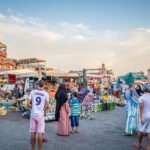
First up is Tahnaout village’s weekly market on Tuesday, when the market rhythm is at its best: people trading, chatting, and doing normal-life shopping rather than acting like a showroom. You’ll also stop at a women’s argan oil cooperative. This is one of those stops that changes how you look at the souvenir bottles you’ll see later around town—because you connect the product to the work, choices, and community structure behind it.
The cooperative experience is also a good mental warm-up for the rest of the day. It frames the mountains as living country, not just scenery. In the same morning flow, you also get time to breathe and settle into the idea that the Atlas day is about people, food, and routines as much as it is about views.
Then, depending on the day you go, you may catch the Asni weekly market on Saturday. It’s a similar concept—market energy, village life—but the locations and atmosphere can feel different enough to make it worthwhile even if you’ve already seen a market elsewhere.
Camel Ride in Moulay Brahim Foothills: Fun, but Keep Your Balance
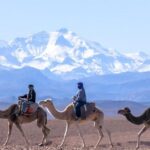
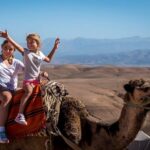
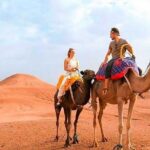
At some point during the day, you’ll head out for a camel ride in the foothills of Moulay Brahim valley. This is the kind of activity that’s easy to overhype, but it usually lands well when it’s done as a short, guided, scenic break between village and viewpoint time.
One detail I’d pay attention to: the ride is described as traditional Berber dress style in the way the experience is presented. That matters because you’re not just sitting on an animal for a photo—you’re part of a cultural setting where the guide explains what’s going on and keeps the pace safe and manageable.
Practical note: camel rides aren’t “sit and do nothing.” You’ll want to wear shoes with grip and keep a steady stance. If you have any mobility issues, this is the moment to mention them early to your guide so they can help you choose how you handle getting on and off.
Imlil Valley Walking: Villages, Fruit Fields, Waterfalls, and That Climb to Armed
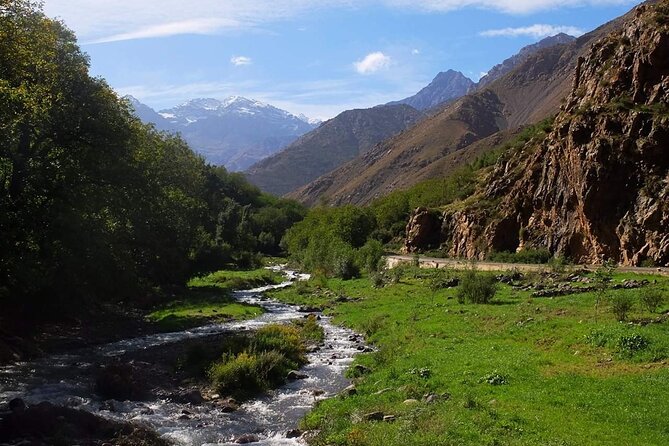
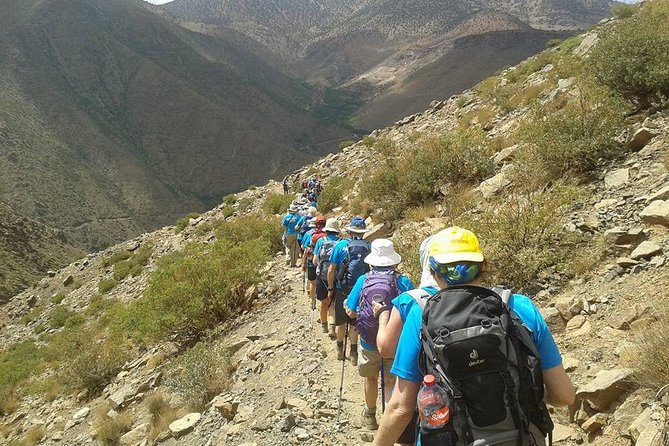
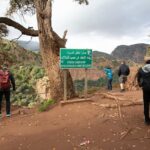
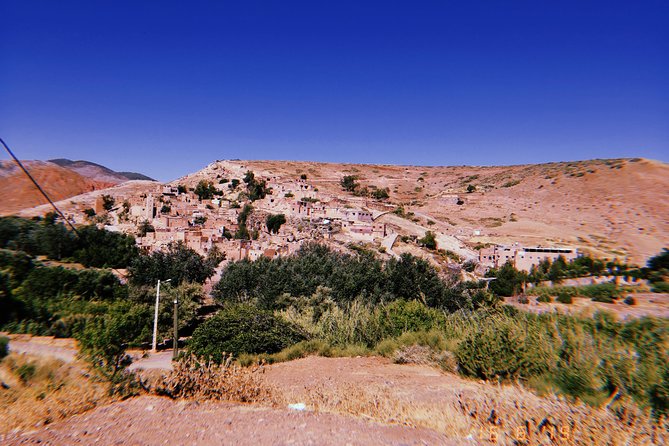
The main part of the day is a walk through the Berber villages of Imlil valley. This isn’t just a stroll past a single viewpoint. The route moves through named villages—Achayn, Armed, Tagadirte, and Ait Souka—and you’ll pass between fields with fruit trees and crops such as walnuts, cherries, and apples, plus vegetable plots.
You’ll also come to waterfalls in the area. Waterfalls are one of those Atlas experiences where even a short approach changes the whole mood: sound gets louder, air feels cooler, and the walk doesn’t feel like a straight line to a single goal.
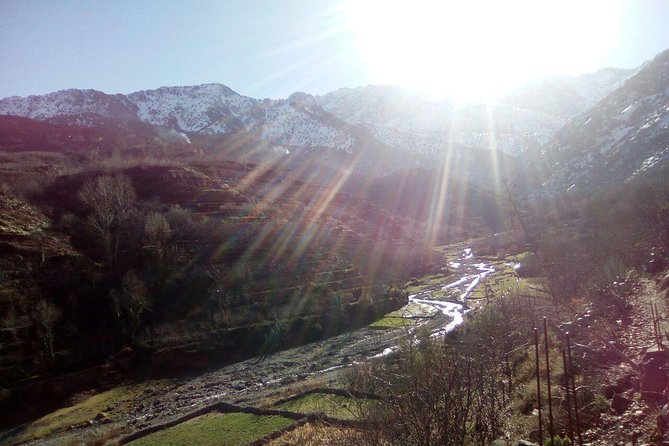
Then the route climbs toward Armed village at around 6,400 feet. This is where the day goes from charming to genuinely rewarding—because altitude and fewer distractions mean the views start doing real work. You get a better sense of how the High Atlas folds into valleys and terraced edges.
From the village areas, you’ll also experience a longer sense of place: old irrigated terraced fields in the Ait Mizane valley show up during the descent. If you like your travel with some “how do people survive here” context, this section delivers. It’s not just pretty; it’s practical human engineering.
Lunch With a Berber Family: Panoramic Views You Can Actually Taste
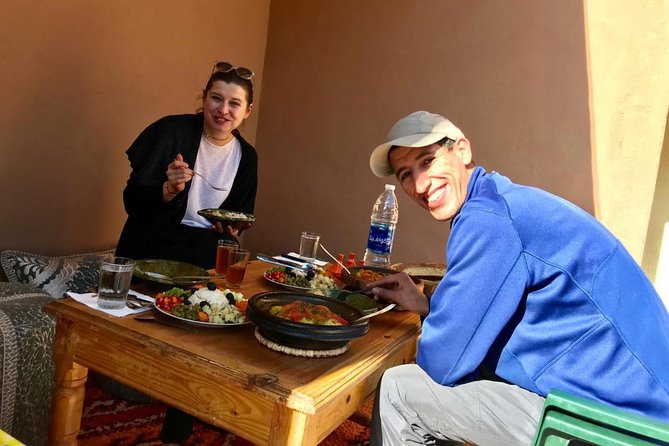
Lunch is served in a local house with a local family, and it’s timed as a reset after the morning hike. You’ll also have panoramic views of the High Atlas Mountains during the meal, which makes lunch feel like part of the scenery rather than just a rest stop.
One reason lunch on this style of tour is valuable: it’s where you see how hospitality works in a home setting. If your guide brings you into the family’s space, you’re not just eating; you’re learning how the day gets explained, what questions people ask, and what “normal” feels like here.
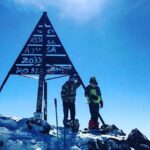
The view emphasis is also a key point. The route is described with reference to Jebel Toubkal (about 13,665 feet), and the lunch setting is connected to the area’s standout peak scenery. Even if you don’t track altitude like a scientist, you’ll feel the scale. High Atlas days can look dramatic even when the weather is simple—because the mountains are close.
And yes, food matters. Expect a home-style meal rather than a packaged tourist lunch. In past experiences with guides like Abdoul, the lunch moments were described as especially authentic, including stories shared during the meal and a very direct, friendly welcome.
How Guides Make (or Break) the Day: Lahcen and Abdoul-Style Hosting
The backbone of this tour is your guide. And based on real examples, the best guides treat the day like a conversation, not a checklist.
Some guides, such as Lahcen and Abdoul, are described as calling ahead before pickup and showing genuine enthusiasm for explaining their home area. That personal touch helps with the small uncertainties: when to take breaks, how long the walking will actually feel, where the best waterfall angles are, and how to handle the camel ride without stress.
A nice extra from these hosted experiences: tea breaks. You might get Berber tea and tasting moments tied to the cooperative portion or the afternoon rhythm. The point isn’t the caffeine; it’s that the day slows down long enough to let you absorb the culture.
Also worth noting: in at least one described experience, the guide refused tips at the end. That’s not something you should expect every time, but it’s a good reminder that this is about relationships and respect, not hard-sell tourism.
Price and Logistics: Why $24.66 Can Still Feel Like a Bargain
At $24.66 per person, this day trip is priced for value—especially given the mix of activities: market visits, an argan oil cooperative stop, a camel ride, a multi-village hike with waterfall time, plus lunch. In a place like Marrakech, where you can easily spend more on a single activity, the bundle-style pacing can make economic sense.
Here’s the real value math: you’re paying for one guided day with transport coverage plus multiple stops that are hard to stitch together solo without local knowledge. The route also keeps the group small (max 20 travelers), which helps with time management on narrow village paths.
Logistics are also kept simple:
- Meeting point is fixed in Marrakech (Derb Dabachi).
- Mobile ticket reduces admin friction.
- The schedule is long enough (about 7 to 8 hours) that it feels like a true day out, not a quick “taste” that barely warms up.
The one thing to watch is weather. The experience is described as requiring good weather, and mountain conditions can change fast. If the day is canceled due to poor weather, you’ll be offered another date or a full refund, which is exactly how you want it to work when you’re planning a hike.
What to Pack and How to Think About Walking
This is a day trip that works best when you treat it like a hike with cultural stops—not a museum tour with occasional views.
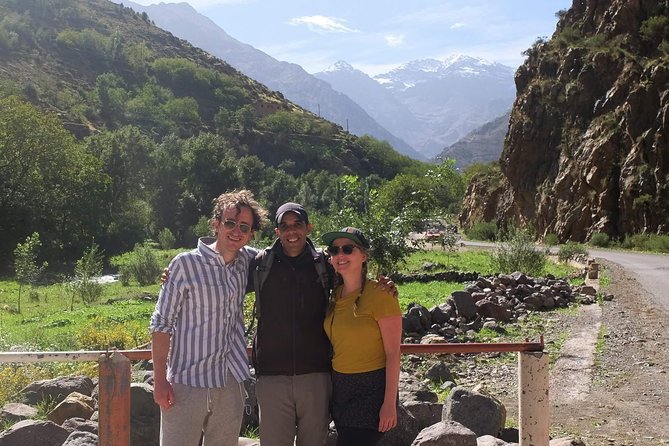
Plan for uphill and downhill. You’ll be walking through villages and fields, then climbing toward Armed at about 6,400 feet, and later descending through the Ait Mizane valley area’s terraced fields. Even if the route isn’t described with technical difficulty, your legs will know you were outside all day.
Clothing matters more than you’d expect. In cooler months, you may find it gets cold higher up, and snowfall can show up. If you’re traveling around November or December, bring warm layers and plan for chilly winds after the sun drops behind the ridgeline.
For footwear, stick with shoes that handle uneven ground and packed dirt. Camel time also makes proper footing helpful.
Finally, keep your expectations flexible. Markets can shift in feel depending on the day, and waterfalls can change with water levels and season. Your guide’s job is to keep you on the safest, most sensible route given conditions—so listening to them will make your day smoother.
Should You Book This High Atlas Day Trip?
If you want a Marrakech day trip that spends real time with Berber village life—markets, argan production, a camel ride, and a hike to waterfalls and views—this is a smart pick. The best part is the pacing: you’re not stuck on one roadside photo stop. You get multiple kinds of encounters in a single 7 to 8 hour block.
I’d especially recommend it if:
- you like your travel grounded in everyday life, not just monuments
- you want a guided day with a small group (max 20)
- you’re okay with walking and want lunch in a home setting with mountain views
Skip it or think twice if you need a fully low-walking day or you’re traveling with very limited mobility, because the route does include village walking and elevation changes. Also, if you’re traveling during a period where cold mountain weather is likely, pack for it. Mountains don’t care about your schedule.
If you book, do it with confidence that the tour is designed around guide-led hosting and mountain time—not just checkboxes. And if you’re lucky enough to get a guide like Lahcen or Abdoul, you’ll likely feel like you were shown the Atlas by someone who actually lives there.
FAQ
What is the duration of the tour?
The tour runs about 7 to 8 hours.
Where does the tour start and end?
It starts at Derb Dabachi, Marrakech (40000) and ends back at the same meeting point.
Is pickup offered?
Yes, pickup is offered.
What ticket do I need?
You’ll receive a mobile ticket.
What day-of-week markets can I see?
Tahnaout weekly market is noted for Tuesday, and Asni weekly market is noted for Saturday.
How big is the group?
The tour has a maximum of 20 travelers.
What happens if the weather is poor?
The experience requires good weather. If it’s canceled due to poor weather, you’ll be offered a different date or a full refund.