REVIEW · MARRAKESH
Day Trip to El Jadida from Marrakech
Book on GetYourGuide →Operated by Click Excursions · Bookable on GetYourGuide
Portugal’s past shows up in every arch.
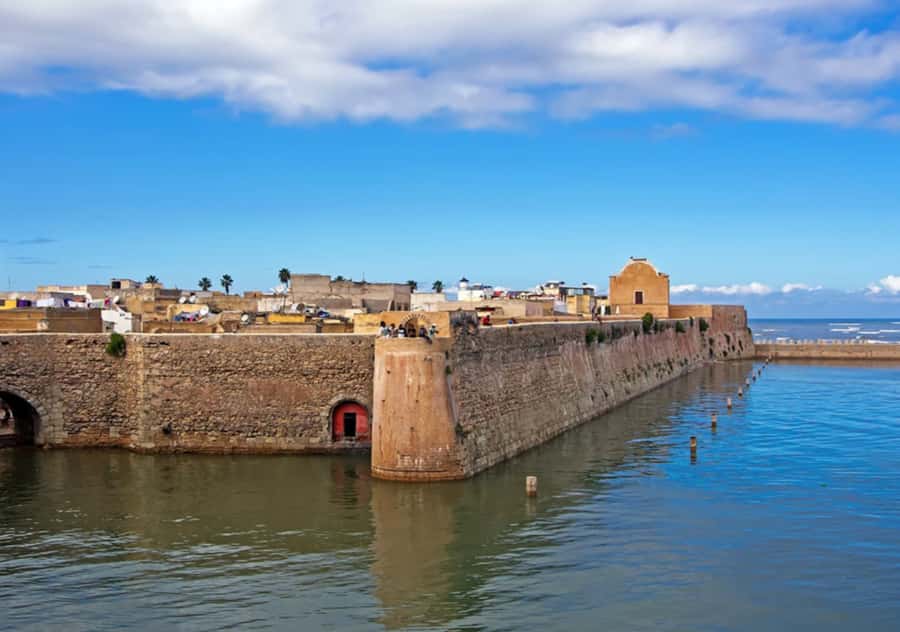
I love the UNESCO Portuguese Walled City feel, where the streets still carry that 16th-century Mazagan Portuguese character. I also love the Manueline Cistern, with its giant arches and columns that make you look up and slow down.
One thing to consider: this is a long 11-hour day with a lot of driving, and access to certain spots can vary—recent departures have seen the cistern closed for renovations and the church not fully available.
In This Review
- Quick hits before you go
- A Portuguese Port City Called Mazagan
- Marrakech to El Jadida: the 2.5-Hour Coastal Run
- Entering the Manueline Cistern Fortress Experience
- The UNESCO Portuguese Walled City: consulate, church, and Jewish Mausoleum
- Palais Andalous: Moroccan doorways and zellij you can admire up close
- Beaches, sea air, and what “free time” really means
- Lunch on the seafront: fresh seafood, but plan your payment
- Who This Day Trip Suits Best (and who should consider alternatives)
- Price and value: is $48 fair for an 11-hour day?
- Timing tips: make the most of your 5 hours in El Jadida
- Should you book the El Jadida day trip from Marrakech?
- FAQ
- How long is the Day Trip to El Jadida from Marrakech?
- What does the price include?
- Where do they pick me up in Marrakech?
- How long do I spend in El Jadida?
- What are the main sights in El Jadida during the day trip?
- Is lunch included?
- Can I swim at the beach in El Jadida?
- What if the weather is bad or there isn’t enough demand?
- Is there Wi‑Fi on the van?
Quick hits before you go
- Portuguese Mazagan energy in a walkable walled core—perfect for history-lovers and photo-hunters.
- Manueline Cistern with big-arch architecture, known for its appearance in Orson Welles’ Othello.
- A mix of faith sites in one compact area, including the restored consulate, church area, Jewish Mausoleum, and the pentagonal minaret.
- Beach time you can actually use, not just a quick photo stop.
- Family-friendly pace, but the medina can feel lively and residential rather than staged.
- Cash matters: some restaurants run cash-only, and ATMs can be far from where you’ll hang out.
A Portuguese Port City Called Mazagan
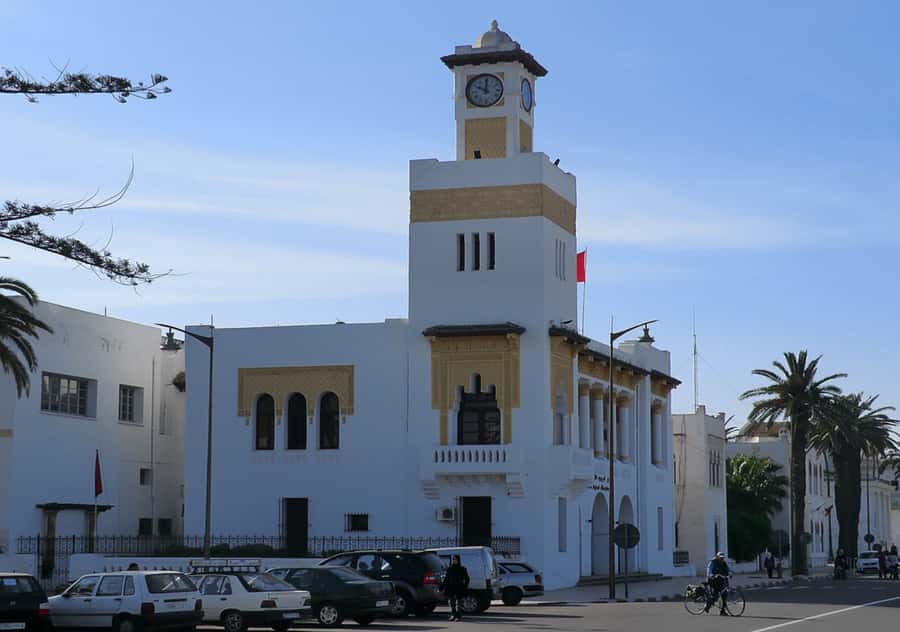
El Jadida sits on Morocco’s Atlantic coast, about a 2.5-hour drive from Marrakech, and the whole vibe feels different from inland cities. This place began as a Portuguese settlement in the 1500s, and you’ll still see that influence in walls, church-related architecture, and the way the city is organized around its historic core.
Locals and history call it Mazagan, and that name helps you read the town correctly. You’re not just visiting an old medina—you’re stepping into a coastal fortress-city that still looks “Portuguese” in shape and detail.
A few more Marrakesh tours and experiences worth a look


Marrakech to El Jadida: the 2.5-Hour Coastal Run
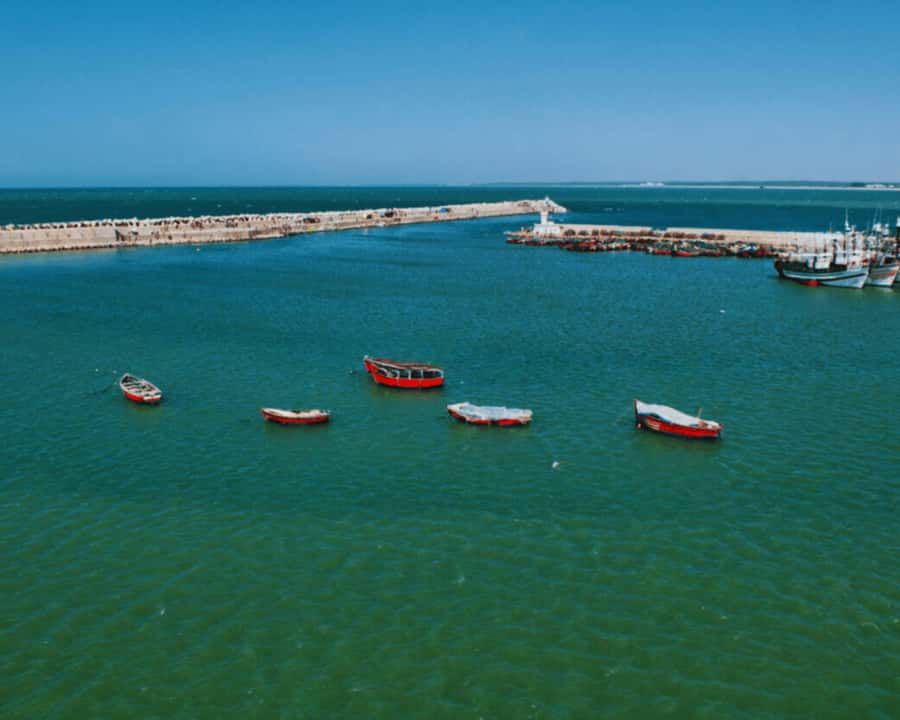
The day starts with hotel or riad pickup in Marrakech, using an air-conditioned van and a professional driver. The ride is about 2.5 hours each way, so even though the destination is compact, you’ll feel the travel time.
This is also why timing your expectations helps. You’ll likely want your energy for the 5-hour chunk in El Jadida—less time for wandering “just because,” more time for smart choices on what you want to see.
A small practical note: your group can be fairly full, and seating can feel tight on busier days. If you’re the type who likes extra legroom or hates cramped vans, try to arrive early and be ready when pickup happens.
Entering the Manueline Cistern Fortress Experience
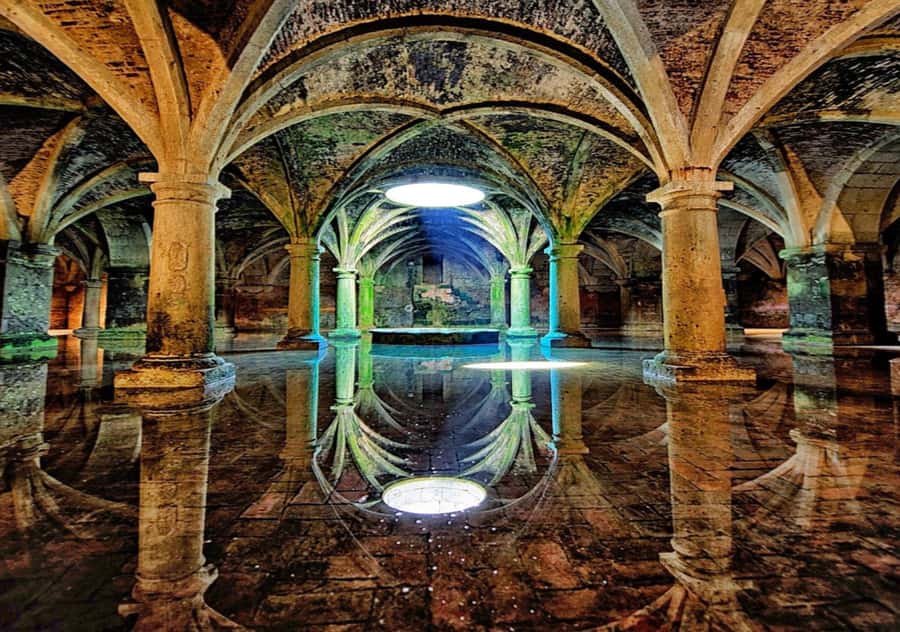
Your first major stop is the Manueline Cistern, set inside the Portuguese fortress zone. It’s the kind of place where you immediately understand why people remember it: towering arches, huge columns, and a ceiling that makes you look upward instead of straight ahead.
This cistern was designed by Portuguese architect Joao Castilho, and it’s famously linked to Orson Welles’ film Othello. Even if you’re not a film person, the connection adds a nice layer to the experience—this isn’t just local architecture, it’s architecture that has crossed into global pop-culture memory.
One heads-up from real-world experience: the cistern can close temporarily for renovations. On some days you may still get close to the structure, but the full interior experience may not be available—so keep some flexibility in your mental plan.
The UNESCO Portuguese Walled City: consulate, church, and Jewish Mausoleum
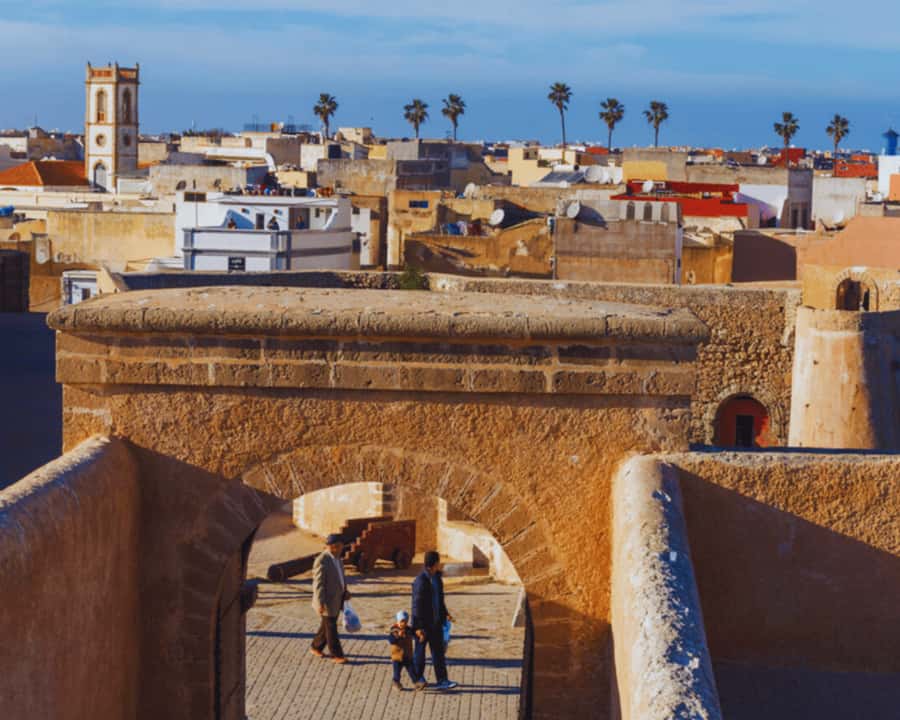
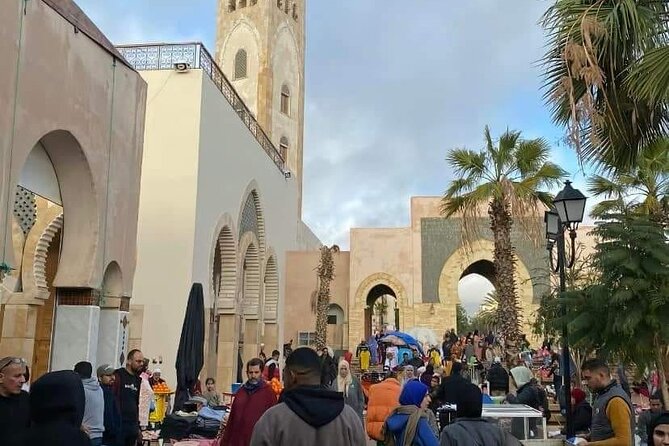
Once inside the UNESCO-listed Portuguese Walled City, the pace shifts to walking. This is where the experience feels most “destination,” because you’re moving through a preserved, fortress-adjacent old town where Portuguese layout and Moroccan everyday life coexist.
You’ll spend time wandering the old medina and visiting key historic structures, including:
- the restored Portuguese consulate
- the church (access can be limited at times)
- the Jewish Mausoleum
I like this part of the visit because it rewards slow looking. Notice how the city’s historic boundaries shape your routes, and how the walls make the medina feel like its own small world.
And yes, you’ll also encounter multiple faith landmarks across the cityscape. The highlight is the pentagonal minaret, described as the world’s only one of its type, along with churches, synagogues, and mosques within walking reach of each other. Even if you’re not studying architecture, seeing that mix in one place helps you understand how layered this coast has been.
Palais Andalous: Moroccan doorways and zellij you can admire up close
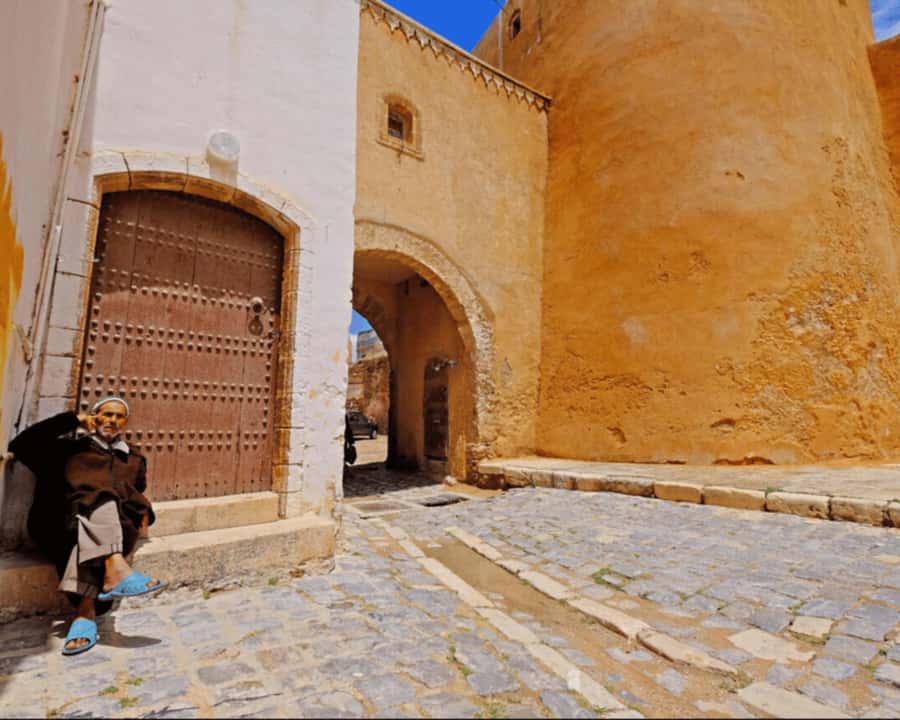
Another stop you’ll appreciate is the Palais Andalous, a hotel-like showcase of traditional Moroccan design details. Even if you don’t plan to stay there, it’s worth the time because it focuses your attention on craftsmanship.
Look for the carved doors, columns, zellij tilework, painted cedar ceilings, and the carved plaster moldings. These are the kinds of details that get missed when you rush through cities, and this stop nudges you to slow down and appreciate how patterns, materials, and light work together.
It’s also a nice change of pace after the fortress and cistern. Instead of stone structure and sea defenses, you get a domestic-art lens—how Morocco expresses beauty indoors and at entrances.






Beaches, sea air, and what “free time” really means
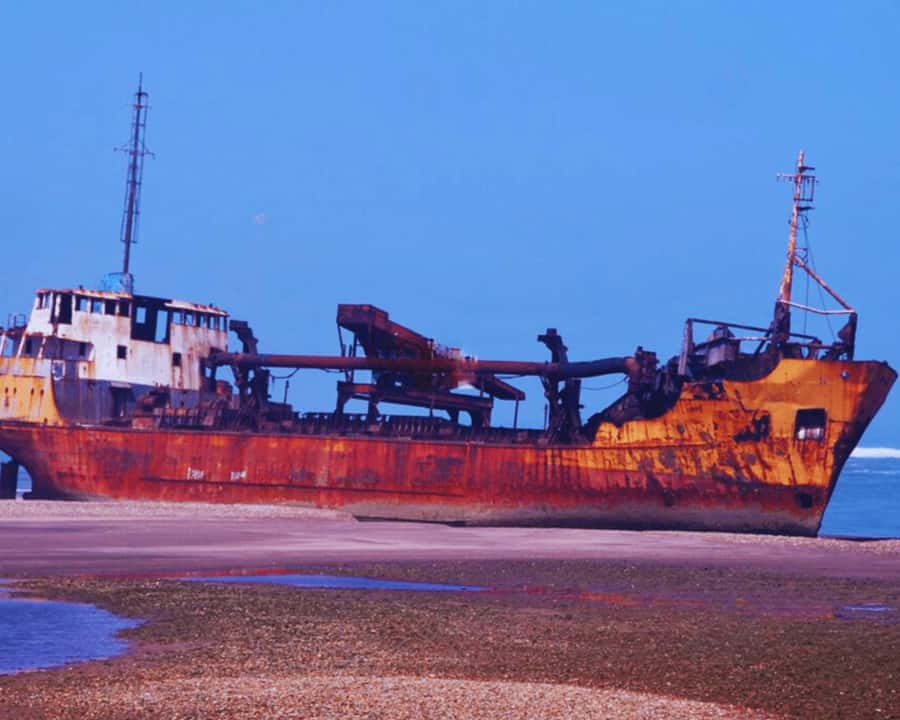
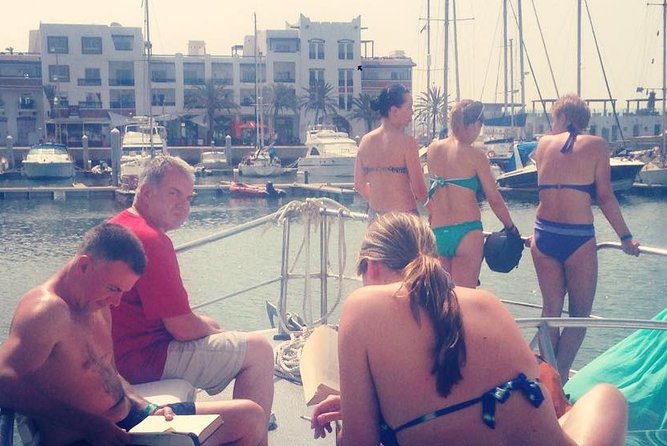
El Jadida’s beaches are a big reason people make this day trip. You’ll get time to stroll along the coastline, enjoy the sea air, and (if you want) swim. Bring a swimsuit mindset if your schedule allows it—one important practical detail is that the beach can be crowded with locals, so you’ll want to dress appropriately for a public beach scene.
If you care about views, focus on the sea wall and shoreline stretches rather than only the busiest patch. That’s where the Renaissance-era structures and the coastal architecture show best in casual walking angles.
Lunch on the seafront: fresh seafood, but plan your payment
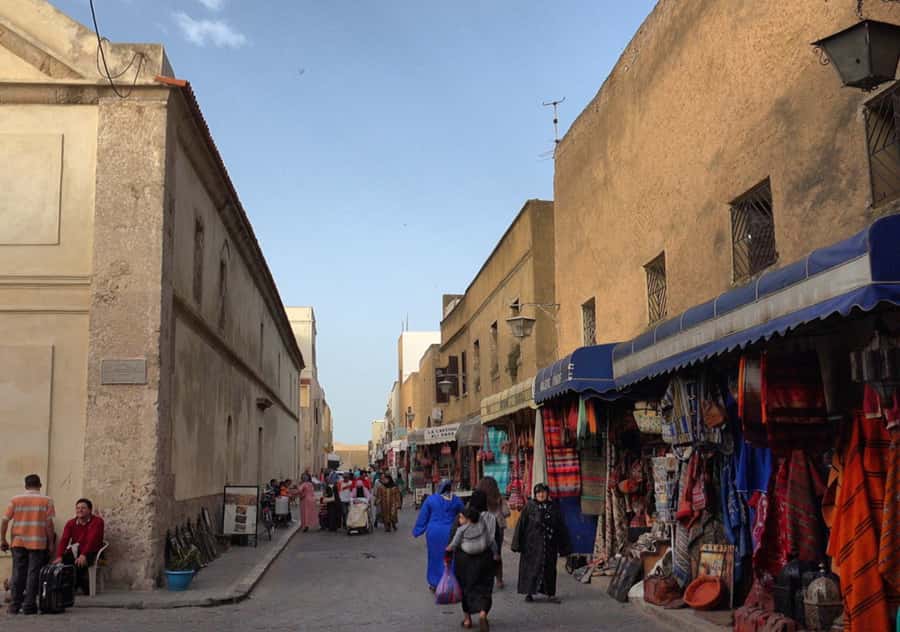
Food is part of the day, and the natural rhythm here is seafood and a waterfront lunch. You’ll usually have a set lunch window inside your time in El Jadida, and the area around the seafront tends to deliver straightforward comfort food.
Here’s the practical tip that can save you stress: take out dirhams before you head out of Marrakech. ATMs can be far from where you’ll be spending time, and restaurants may take cash only. If you show up thinking you’ll easily pay by card, you could end up hunting.
If you want value, keep your expectations realistic: you’re paying for the day trip and the location. The meal can still be a win if you stick to simple seafood dishes and don’t overthink it.
Who This Day Trip Suits Best (and who should consider alternatives)

This trip fits best if you want a single, well-paced day that mixes architecture, one UNESCO site, and real coastal time. It’s also a solid choice for families because the town atmosphere can feel lively and kid-friendly, with lots of neighborhood energy around markets and everyday streets.
If you’re a couple looking for a quiet, romantic escape, you might find the medina bustle more “lived-in” than “storybook.” The beach scene can also feel crowded depending on the day. In that case, you might prefer a slower-feeling coastal city where you spend more time with less jostling.
Group size and timing matter too. With a full van, you’ll want to be okay with sharing space and staying on schedule for the return drive.
Price and value: is $48 fair for an 11-hour day?
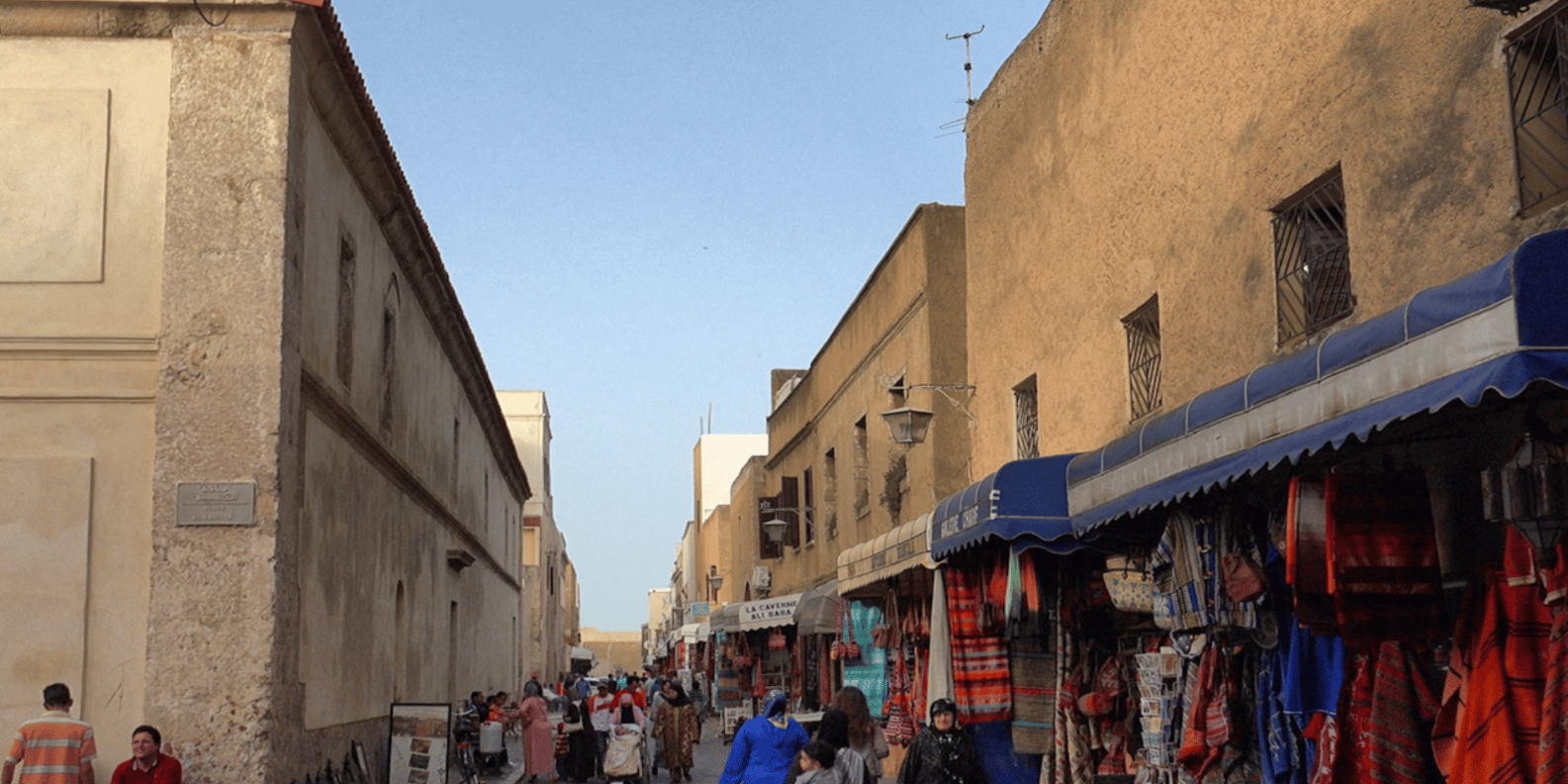
At $48 per person, the value depends on what you’d otherwise pay to get there and what you want out of the day.
What you’re really buying is:
- air-conditioned round-trip transportation
- a professional driver
- Wi‑Fi on board
- a full-day schedule that handles the logistics so you can focus on sites and beach time
Meals and a separate local guide aren’t included, so think of this as a driver-led, self-guided sightseeing day rather than a museum-style guided tour. If you enjoy reading signage, absorbing details at your own pace, and chatting with the driver for context, this price can feel reasonable for a one-day hit.
If you’re the type who wants deep explanations for every site, you might feel the missing guide portion. In that case, plan to use your own curiosity: take notes on what you see, and ask your driver questions while you still have car time.
Timing tips: make the most of your 5 hours in El Jadida
Your time in El Jadida is about 5 hours, and that’s the part to manage carefully. Here’s what I’d prioritize if I wanted the best balance:
1) Start with the cistern (if it’s open)
2) Walk the UNESCO walled core and hit the major landmarks you’re most interested in
3) Take the time for the Palais Andalous detail work
4) Use the coastline stroll for sea air and beach photos
5) Save lunch for when you’re ready to sit down—not as an afterthought
If the cistern or church are limited due to temporary closures, don’t panic. Use the extra time to linger at the walled medina and pay attention to doorways, wall texture, and the way the city’s Portuguese layout directs movement.
Should you book the El Jadida day trip from Marrakech?
Book it if you want a practical, high-impact day: UNESCO Portuguese Walled City, Manueline Cistern architecture, and real beach time without the hassle of planning transport yourself. At $48, it’s also one of the more reasonable ways to reach a coastal “Mazagan” experience in a single day.
Skip it or rethink your priorities if you’re chasing a fully guided, explanation-heavy itinerary or if you strongly need specific interior access (because renovations and temporary closures can happen). If you prefer quieter coastal atmospheres or you hate crowds at the beach, choose carefully.
FAQ
How long is the Day Trip to El Jadida from Marrakech?
The tour runs about 11 hours total, including the drive to and from El Jadida and the sightseeing time in town.
What does the price include?
The price includes round-trip air-conditioned transportation, a professional driver, and Wi‑Fi on board. Meals and a local guide are not included.
Where do they pick me up in Marrakech?
Pickup is from your hotel or riad in Marrakech. If your address isn’t accessible by car, you’ll be given a nearby meeting point.
How long do I spend in El Jadida?
You’ll have about 5 hours in El Jadida for lunch, sightseeing, free time, and swimming.
What are the main sights in El Jadida during the day trip?
You’ll focus on the Portuguese fortified area and UNESCO-listed Portuguese Walled City, including the Manueline Cistern, the restored consulate, the church area, and the Jewish Mausoleum. You’ll also have time for beaches and walking through the city.
Is lunch included?
No, meals are not included, so you’ll need to plan and pay for lunch on your own.
Can I swim at the beach in El Jadida?
Yes. The experience includes time on the beaches, and you’ll be ready to swim if you bring appropriate swimwear.
What if the weather is bad or there isn’t enough demand?
The tour can be canceled if there is no group or due to inclement weather.
Is there Wi‑Fi on the van?
Yes, Wi‑Fi is included on board.